2nd Street Bistro
Our verdict
2nd Street Bistro serves classic French bistro cooking with local Montana ingredients, craft cocktails, and a leisurely, conversational pace.

Pearl is the En Primeur Club membership app — saves, bookings, and concierge access live there. Same editors, same standards.
- Address
- 123 N 2nd St, Livingston, MT 59047
- Phone
- (406) 930-2356
- Hours
- Mon ClosedTue–Sat 5–9 PMSun Closed
- Website
- murrayblock.com
- Directions
- Get directions
- Booking
- Book on the venue's website
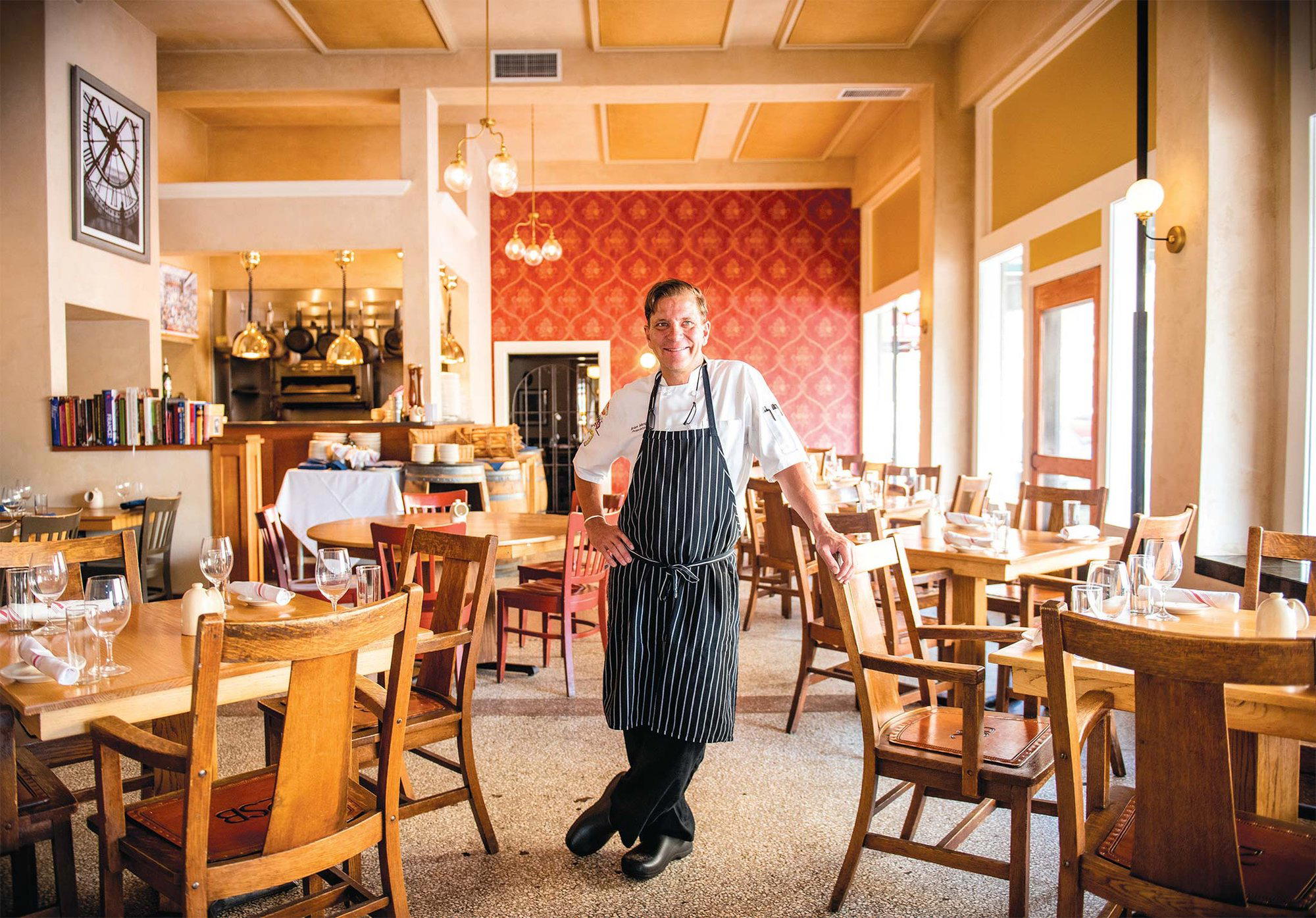
Livingston's Bistro on North 2nd Street
Park County, Montana is the kind of place where provenance is not a marketing concept — it is a practical reality. The ranches visible from downtown Livingston's streets supply beef that travels miles rather than states, and the Yellowstone River corridor supports a food culture that leans hard on what the surrounding land and water actually produce. In this context, a bistro format on North 2nd Street makes particular sense: the small-plate, chef-driven bistro is a format that rewards proximity to good ingredients, and Livingston has those in quantity. 2nd Street Bistro, at 123 N 2nd St, sits inside that local-sourcing tradition.
The Sourcing Context That Shapes the Plate
Across American farm-to-table dining, the gap between claimed and actual local sourcing has been a persistent criticism. Operations that genuinely anchor their menus to regional supply chains tend to operate at smaller scale, in places where the logistics of hyper-local procurement are actually viable. Livingston qualifies: the ranching economy around Park County is active, the growing season in the Yellowstone Valley is productive for root vegetables and brassicas, and the region's game supply is among the most consistent in the inland West. This is the sourcing backdrop against which a bistro on North 2nd Street operates, and it gives the format a credibility that urban bistros claiming the same ethos often cannot match. Compare this to places like Blue Hill at Stone Barns in Tarrytown or Single Thread Farm in Healdsburg, where the farm-to-table argument is built on vertically integrated landholding — Livingston's version is more distributed, drawing from multiple ranches and producers across the county rather than a single estate.
That distributed model is both the strength and the limitation of sourcing-led restaurants in small Western towns. Menus shift with availability rather than with a culinary director's seasonal planning calendar. What arrives from local suppliers on a given week shapes what gets cooked, which produces a kind of enforced seasonality that is more honest than the printed-menu version practiced in larger cities. For the traveller passing through en route to Yellowstone, that variability is part of the appeal: the menu read on arrival reflects what Park County is actually producing at that moment.
Where 2nd Street Bistro Sits in Livingston's Dining Scene
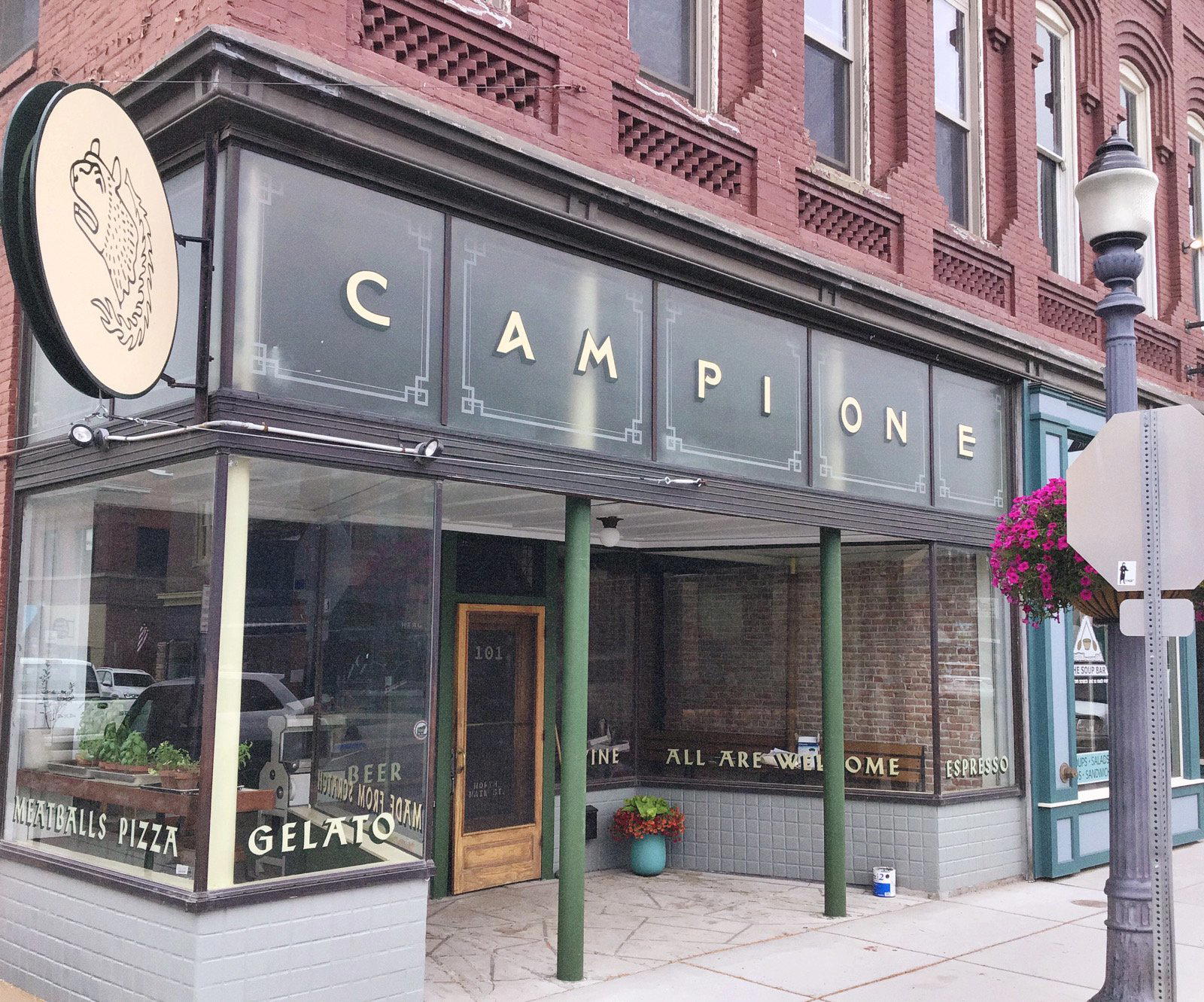
Livingston punches above its population size in dining depth, partly because of its position as the northern gateway to Yellowstone and partly because of the creative class that has settled in the area over the past two decades. The dining scene divides broadly between casual Western formats and more considered bistro and Mediterranean offerings. The Mint Bar and Grill represents the former tradition, a long-running bar-and-grill anchored in the town's ranching identity. On the more composed end, Campione, Lithos Estiatorio, Panevino Ristorante, and THAVMA Mediterranean Grill bring Italian and Mediterranean influences that reflect the town's cosmopolitan resident base. 2nd Street Bistro occupies the bistro tier within that spectrum, a format that positions it for both the town's regular dining population and the significant visitor traffic the Yellowstone corridor generates from spring through autumn.
For context on how this tier performs nationally, the bistro format at its strongest, places like Lazy Bear in San Francisco or the ingredient-obsessive rigor of Providence in Los Angeles, is defined by a tight relationship between sourcing and execution. The Montana version operates at a different scale and with different resources, but the underlying logic is the same: what comes from the land nearby should determine what goes on the plate.
Planning a Visit
Livingston is accessible via Interstate 90, roughly 53 miles east of Bozeman Yellowstone International Airport, which is the practical entry point for most visitors combining a Livingston dinner with a Yellowstone itinerary. The town is compact and walkable from most of its accommodation stock, making an evening on North 2nd Street direct to fit into a broader Park County stay. The address at 123 N 2nd St is in the downtown core, within the cluster of independent restaurants and bars that define Livingston's pedestrian dining zone. For a broader view of where this bistro sits among Livingston's options, see our full Livingston restaurants guide.
Travellers calibrating expectations against top-tier American destinations should note that Livingston's bistro scene operates in a different register from the tasting-menu formality of The French Laundry in Napa, Alinea in Chicago, or Atomix in New York City. The comparison is not apt and is not the point. What Livingston's leading spots offer is something those cities cannot replicate: a dining context where the local supply chain is genuinely local, where the ranching and agricultural economy is visible from the restaurant window, and where the distance from source to plate is measured in county lines rather than supply chain spreadsheets. That has its own value, particularly for travellers whose diets in their home cities have outpaced their ability to know where anything actually comes from.
Frequently asked questions
What part of town is 2nd Street Bistro in?
2nd Street Bistro is located at 123 N 2nd St, Livingston, MT 59047, Livingston.
Is 2nd Street Bistro a good dining option when visiting Yellowstone National Park from the north entrance?
Livingston sits approximately 53 miles east of Bozeman Yellowstone International Airport and serves as the practical northern gateway corridor for Yellowstone visitors arriving via Interstate 90. 2nd Street Bistro on North 2nd St places it in the heart of Livingston's walkable downtown, making it a logical stop for travellers entering or exiting the park through Park County rather than relying on gateway town tourist traps closer to the park boundary.
What should I eat at 2nd Street Bistro?
The kitchen at 2nd Street Bistro draws on Park County's ranching tradition, which means beef and protein sourcing from the surrounding valley is likely central to the menu. Given Livingston's position as a serious dining town relative to its size, expect preparations that reflect seasonal Montana availability rather than a static national menu template. Confirm current offerings directly with the bistro at 123 N 2nd St, Livingston, MT 59047, as the menu shifts with local supply.
Is 2nd Street Bistro reservation-only?
For a small bistro in Livingston serving a mix of locals and Yellowstone-bound visitors, walk-in availability tends to tighten in summer peak season, so contacting the restaurant ahead of a visit to 123 N 2nd St is the practical approach.
What's the signature at 2nd Street Bistro?
The defining characteristic of 2nd Street Bistro within Livingston's dining scene is its grounding in Park County's agricultural supply chain, where ranches are visible from downtown and local sourcing is a practical reality rather than a branding exercise. That regional specificity separates it from the broader Montana casual dining category. Specific signature dishes should be confirmed directly with the venue at their North 2nd Street address.
Can 2nd Street Bistro handle vegetarian requests?
Montana's farm-driven kitchens vary considerably in vegetarian depth depending on seasonal produce availability, so contacting the bistro at 123 N 2nd St, Livingston, MT 59047 before arrival is advisable for guests with specific dietary requirements.
Side-by-Side Snapshot
Comparable venues nearby, for context on price, style, and recognition.
| Venue | Cuisine | Price | Awards | Notes |
|---|---|---|---|---|
| 2nd Street BistroThis venue — the venue you are viewing | Classic French Bistro with Local Montana Ingredients | $50–100 | Not listed | Not listed |
| The Mint Bar and Grill | American Bar & Grill | $20–30 | Not listed | downtown |
| Campione | Italian-Inspired Roman Kitchen with Local Montana Ingredients | $50–100 | James Beard Award Semi Finalist | downtown Livingston |
| Willows Restaurant | American | Not listed | Not listed | Glasgow |
| Hanks Chop Shop | American Steakhouse | Not listed | Not listed | West Yellowstone |
| Bitterroot Bistro | American Bistro with Montana Flair | Not listed | Not listed | Downtown Bozeman |
Continue exploring
More in Livingston
Restaurants in Livingston
Browse all →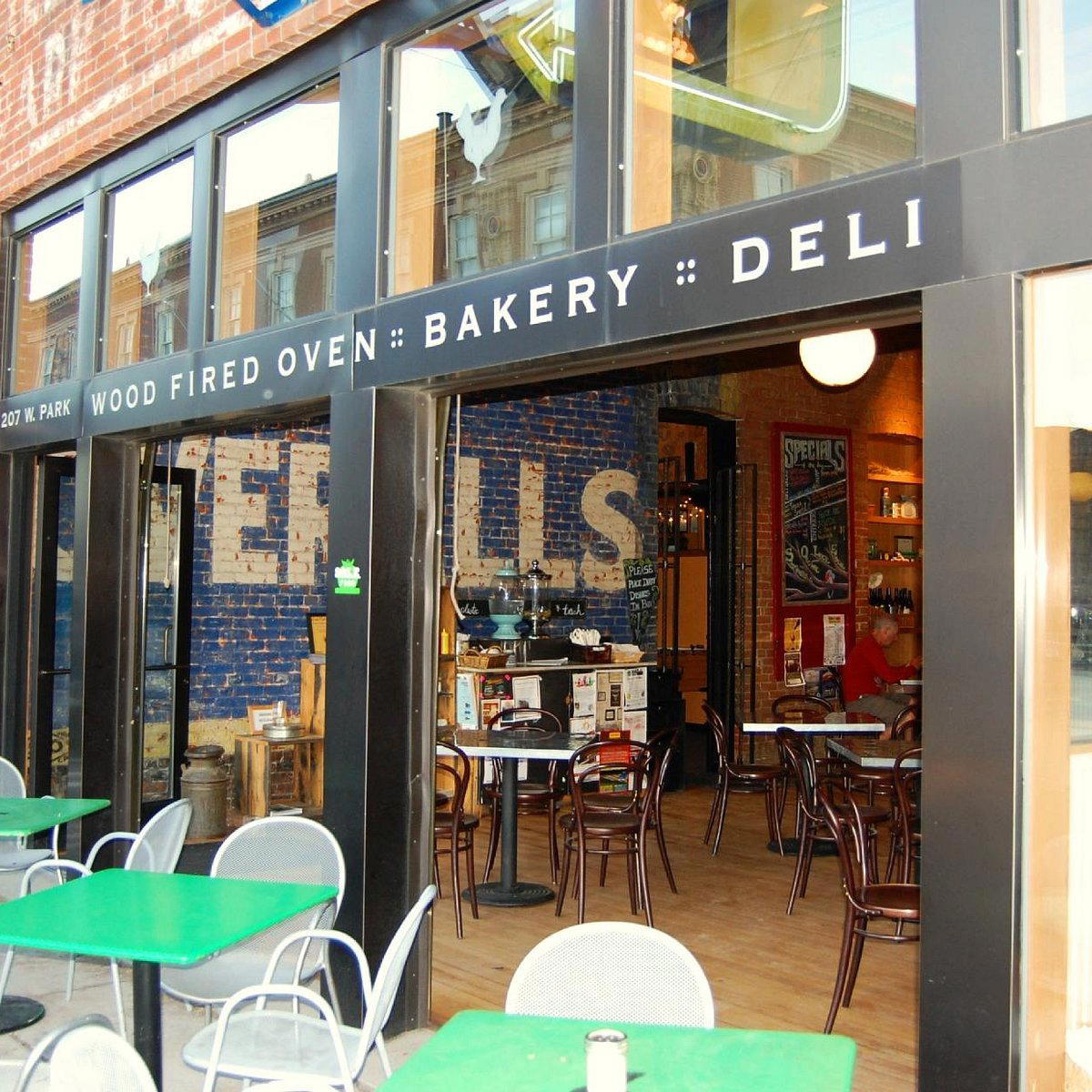
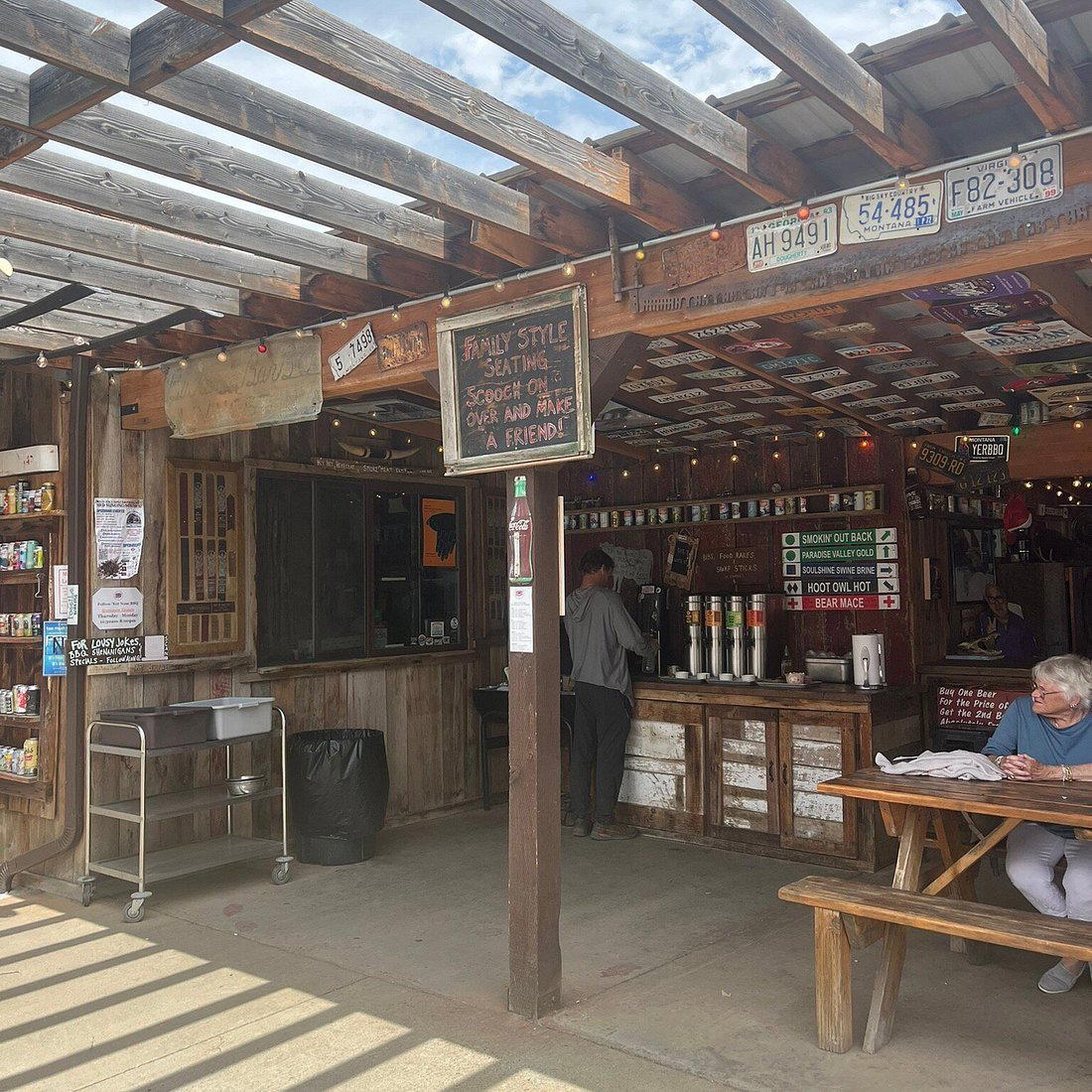
Bars in Livingston
Browse all →
Details
- Elegant
- Cozy
- Classic
- Date Night
- Special Occasion
- Business Dinner
- Historic Building
- Craft Cocktails
- Farm To Table
- Local Sourcing
- A La Carte
- Vegetarian Friendly
Current opening hours
- Monday
- Closed
- Tuesday
- 5–9 PM
- Wednesday
- 5–9 PM
- Thursday
- 5–9 PM
- Friday
- 5–9 PM
- Saturday
- 5–9 PM
- Sunday
- Closed
Hours can change for holidays and private events. Last verified .
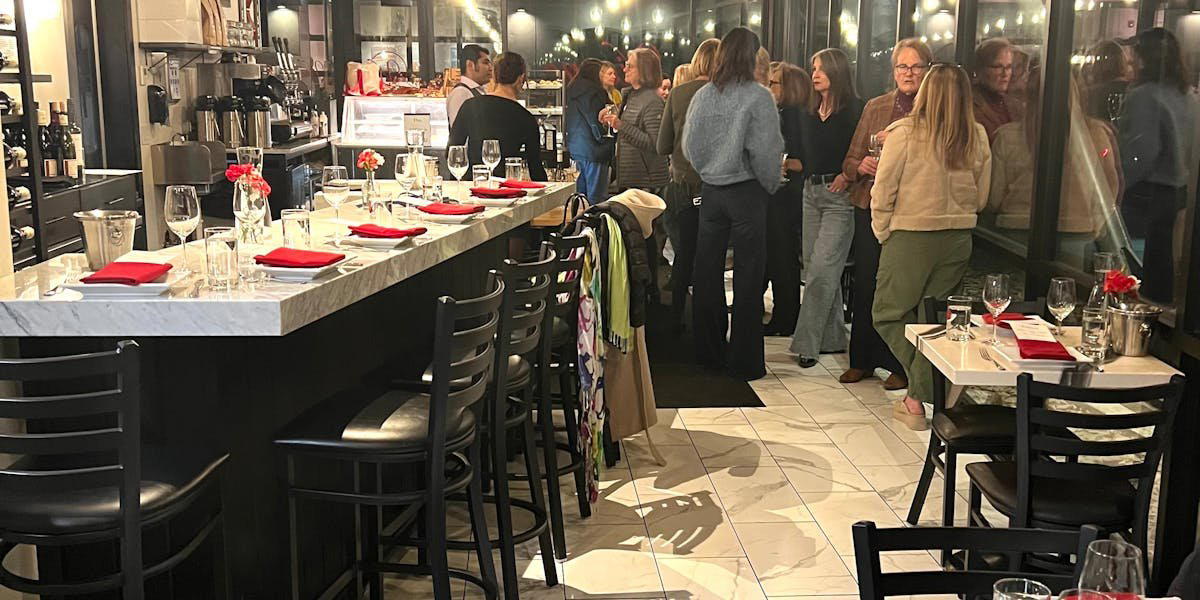
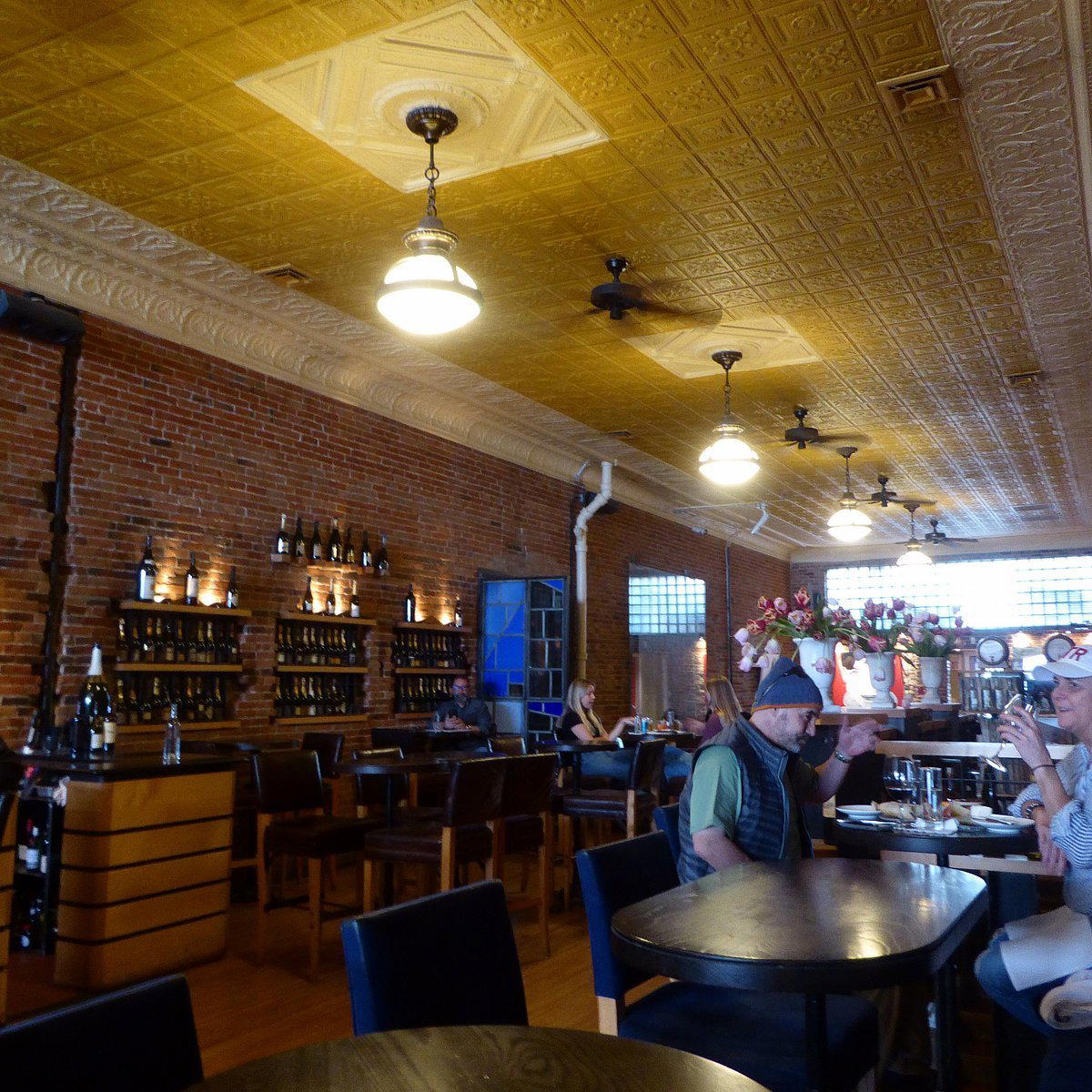
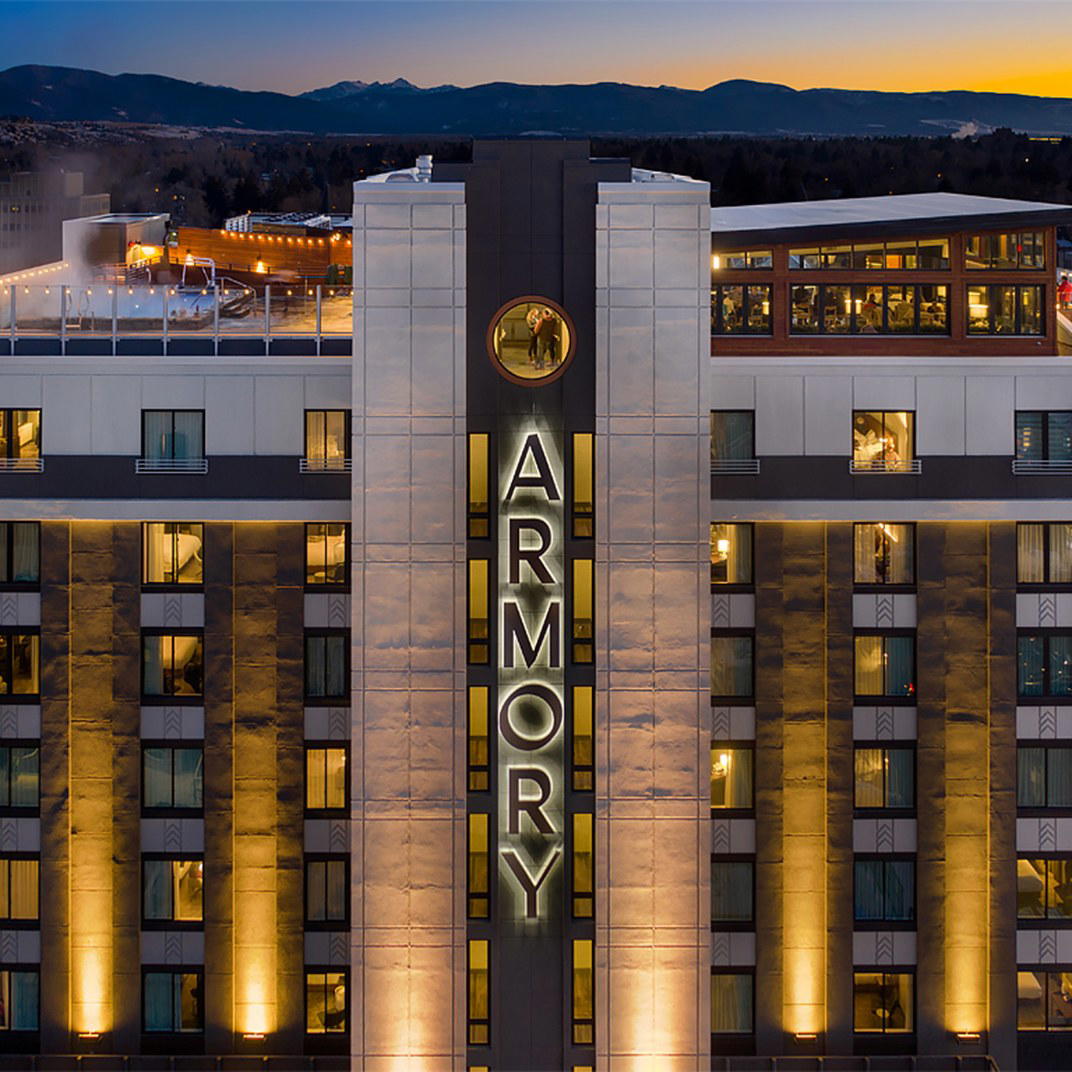
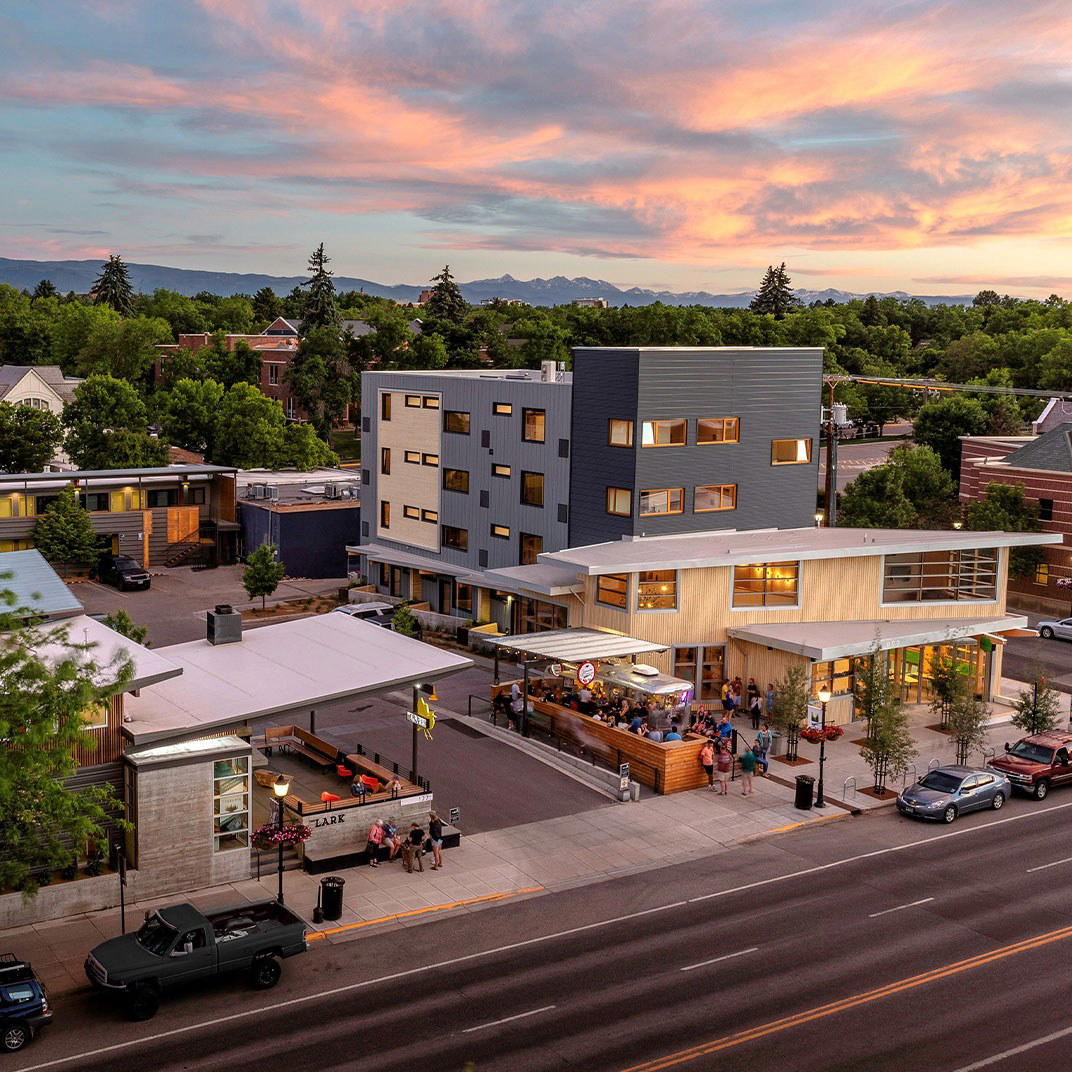
Cozy and elegant atmosphere in a historic hotel setting with focus on pleasurable dining experience.