Lithos Estiatorio
Our verdict
Lithos Estiatorio brings the estiatorio tradition to Livingston, NJ, positioning Greek cuisine as a serious dining proposition in Essex County's suburban dining scene. Located at 405 Eisenhower Pkwy, the restaurant draws on the direct, ingredient-led cooking philosophy that defines Greece's most respected dining rooms. For Livingston diners exploring the area's Mediterranean options, Lithos operates in a distinct register from its neighbors.

Pearl is the En Primeur Club membership app — saves, bookings, and concierge access live there. Same editors, same standards.
- Address
- 405 Eisenhower Pkwy, Livingston, NJ 07039
- Phone
- (973) 758-1111
- Hours
- Mon–Thu 12–10 PMFri 12–11 PMSat 4:30–11 PMSun 1–9 PM
- Website
- lithosgreek.restaurant
- Directions
- Get directions
- Booking
- Book on the venue's website
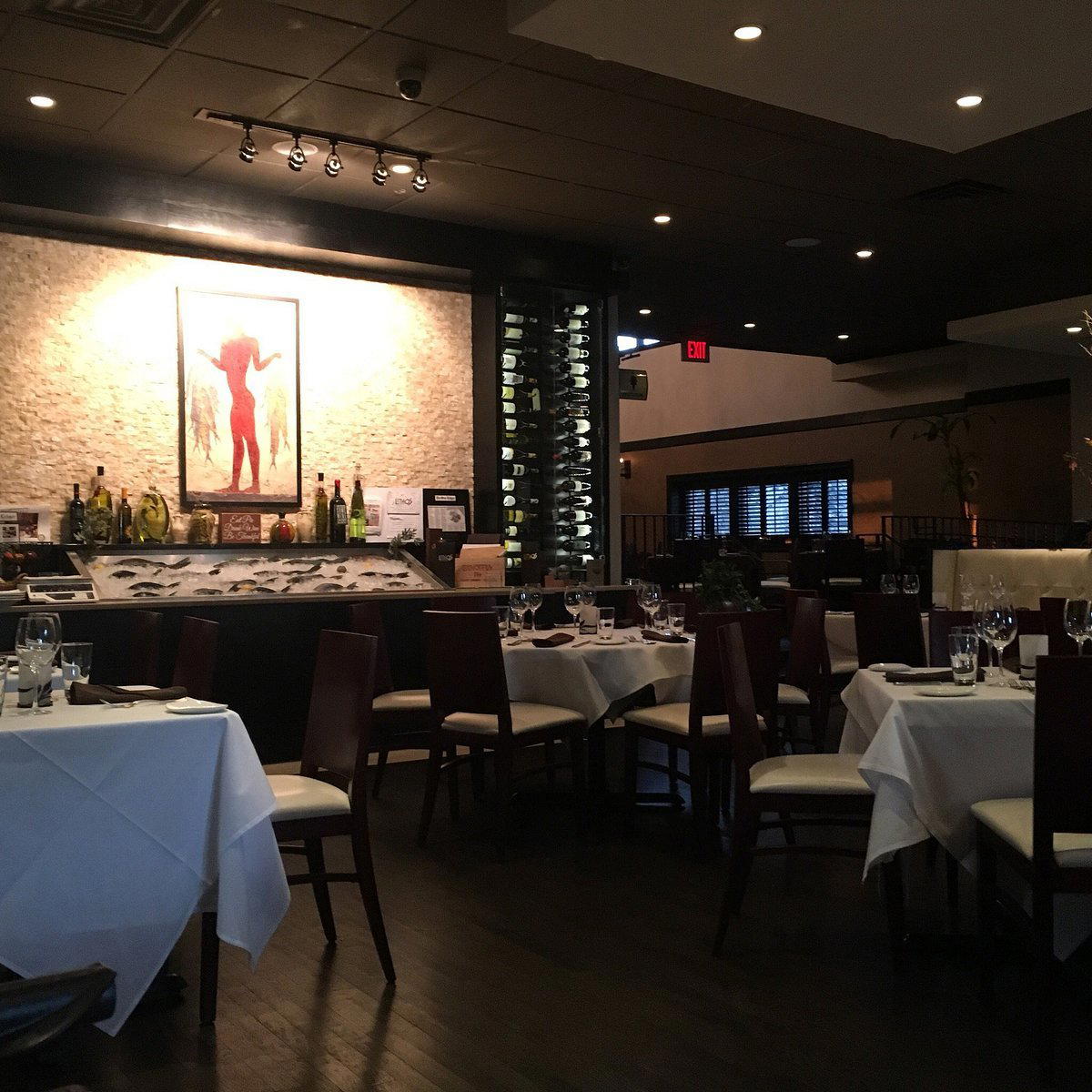
The menu
What to order
- Lamb Chops
- Lamb Shank
- Whole Grilled Branzino
The Estiatorio Tradition in a Suburban New Jersey Context
The word estiatorio carries specific weight in Greek culinary vocabulary. Unlike a taverna, which leans casual and communal, or a mezedopoleio built around small plates and conversation, the estiatorio is a formal dining house: seated service, composed plates, and cooking that treats the quality of fish, olive oil, and vegetables as argument enough. The town's restaurant scene now covers a range of formats and cuisines, from the Italian-American programming at Greek cuisine remains one of the more misread traditions in American dining. The dominant image, shaped by decades of diner-format Greek-American restaurants, leans on gyros, moussaka, and saganaki performed tableside with theatrical fire. The estiatorio model operates from a different premise entirely. Its touchstones are whole fish grilled over charcoal and finished with ladolemono, the lemon-olive oil emulsion that is one of the simplest and most demanding sauces in any European tradition. Seasonal vegetables, often dressed with little more than salt and first-press oil. Crudo preparations that require both sourcing quality and confident restraint in the kitchen. Bread served with purpose rather than as filler. This approach aligns Greek cooking with the ingredient-first philosophy that has shaped the upper tiers of Mediterranean dining globally, from the taverns of the Cycladic islands to the Athenian restaurants that have begun drawing serious critical attention from European food media. It is also a format that places significant pressure on sourcing, because dishes built around single ingredients cannot mask procurement compromises. When the estiatorio works, it is among the most direct expressions of what a cuisine actually tastes like at its source. When it falls short, there is nowhere to hide. Greek-American communities have historically concentrated in the tristate area, and the culinary institutions those communities built, from the lunch counters of the mid-century to the full-service restaurants of the 1980s and 1990s, created the infrastructure for a more ambitious second generation of Greek dining. New York City has seen that trajectory play out at the higher end of the market, with white-tablecloth Greek restaurants claiming territory that once belonged almost exclusively to French and Italian formats. For reference points at the upper end of that broader fine-dining conversation, restaurants like Le Bernardin in New York City and Providence in Los Angeles demonstrate how seafood-focused menus can anchor serious dining programs when sourcing and technique align. Lithos operates at a different scale and price point, but the underlying logic, that great fish requires minimal intervention and maximum sourcing rigor, is shared across those formats.What the Estiatorio Format Actually Means on the Plate
Nationally, the conversation around ingredient-led tasting menus has been shaped by places like Blue Hill at Stone Barns in Tarrytown, Single Thread Farm in Healdsburg, and at the furthest extreme of technical ambition, Alinea in Chicago. The estiatorio tradition runs counter to that avant-garde current: its ambition is fidelity to source, not transformation of it. That contrast is worth understanding when placing Lithos in the wider dining map.enprimeurclub. Visitors coming from Manhattan have several transit and driving options into Essex County, with the journey running roughly forty-five minutes to an hour depending on traffic and departure point.
Allergy and dietary accommodation queries are also leading directed to the restaurant: estiatorio menus typically feature fish and seafood as structural elements, with olive oil as a base ingredient across most preparations, so guests with relevant allergies should clarify requirements in advance rather than assuming flexibility at the table.
Frequently asked questions
What's the address for Lithos Estiatorio?
Lithos Estiatorio is located at 405 Eisenhower Pkwy, Livingston, NJ 07039, Livingston.
How does an estiatorio in Livingston, NJ differ from a typical Greek-American restaurant?
The estiatorio designation in Greek culinary vocabulary describes a formal, full-service restaurant format built around whole fish and high-quality proteins, as opposed to the mezze-heavy taverna or the diner-format Greek-American establishments that dominated the Northeast for decades. Lithos Estiatorio at 405 Eisenhower Pkwy, Livingston, NJ operates under that specific label, placing it in a distinct category from the gyro-and-saganaki model many diners in the region are accustomed to. For diners in Essex County, that format difference shapes both the menu structure and the pace of service.
What do people recommend at Lithos Estiatorio?
Lithos follows the estiatorio format, which in Greek culinary tradition centers on whole fish, simply prepared proteins, and cold-pressed olive oil-based dishes rather than the Americanized diner-Greek staples many diners expect. The kitchen's focus tends toward ingredient quality over heavy saucing. Asking your server what whole fish came in that day is the approach that aligns with how this format is meant to be eaten. The address at 405 Eisenhower Pkwy puts it in a suburban commercial corridor, so the menu composition draws a clientele that expects a more formal register than a taverna.
Should I book Lithos Estiatorio in advance?
Calling or checking availability before a Friday or Saturday visit is the safest approach given the address on one of Livingston's main commercial corridors. Weekday dinners generally offer more flexibility.
What has Lithos Estiatorio built its reputation on?
Lithos has positioned itself within the estiatorio tradition, a category that in Greece signals a more structured, full-service dining experience distinct from the casual communal taverna format. In the suburban New Jersey context, that distinction matters: the Greek-American restaurant scene in the Northeast has historically defaulted to a diner-adjacent model, and a venue operating under the estiatorio name in Livingston signals a deliberate departure from that norm. Its location at 405 Eisenhower Pkwy places it within reach of a densely settled Greek-American community across Essex County.
Is Lithos Estiatorio allergy-friendly?
Greek estiatorio cooking does rely heavily on olive oil, wheat-based preparations, and shellfish, so guests with relevant allergies should check the venue's official channels before visiting. The 405 Eisenhower Pkwy location in Livingston, NJ 07039 is the best starting point for reaching the team with dietary questions.
A Pricing-First Comparison
Comparable venues nearby, for context on price, style, and recognition.
| Venue | Cuisine | Price | Notes |
|---|---|---|---|
| Lithos EstiatorioThis venue — the venue you are viewing | Authentic Greek | $50–100 | Not listed |
| Panevino Ristorante | Traditional Italian Trattoria | $30–50 | Livingston, Traditional Italian Trattoria |
| Blu Livingston | Modern American-Asian Seafood & Steakhouse | $50–100 | Eisenhower Parkway corridor, Modern American-Asian Seafood & Steakhouse |
| THAVMA Mediterranean Grill | Greek-Influenced Mediterranean Grill | $20–30 | Livingston Town Center, Greek-Influenced Mediterranean Grill |
| Axia Taverna | Modern Greek Taverna | $50–100 | Tenafly, Modern Greek Taverna |
| Dream360° | Modern Japanese Hibachi | Not listed | American Dream Mall, Modern Japanese Hibachi |
Continue exploring
More in Livingston
Restaurants in Livingston
Browse all →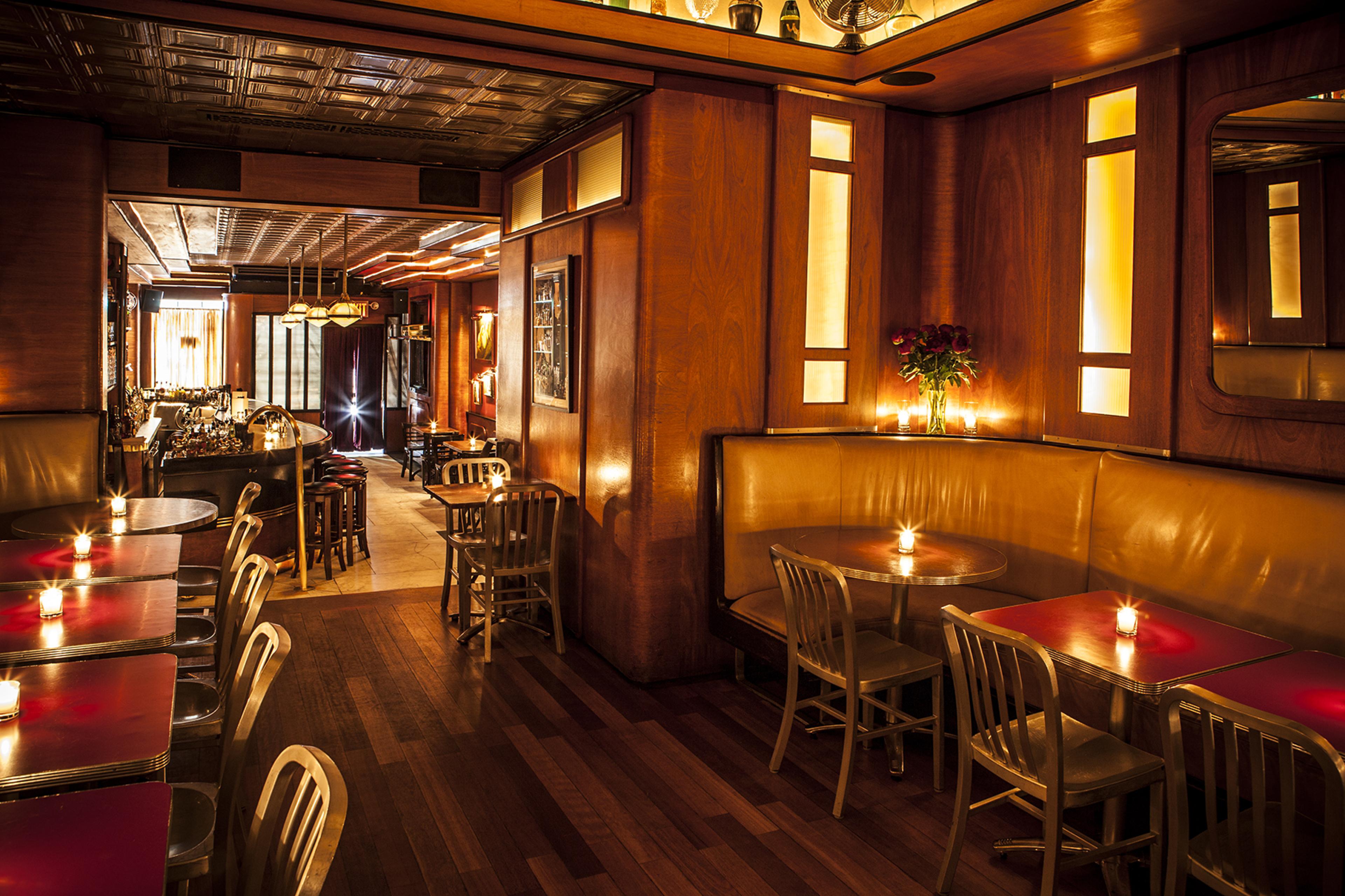
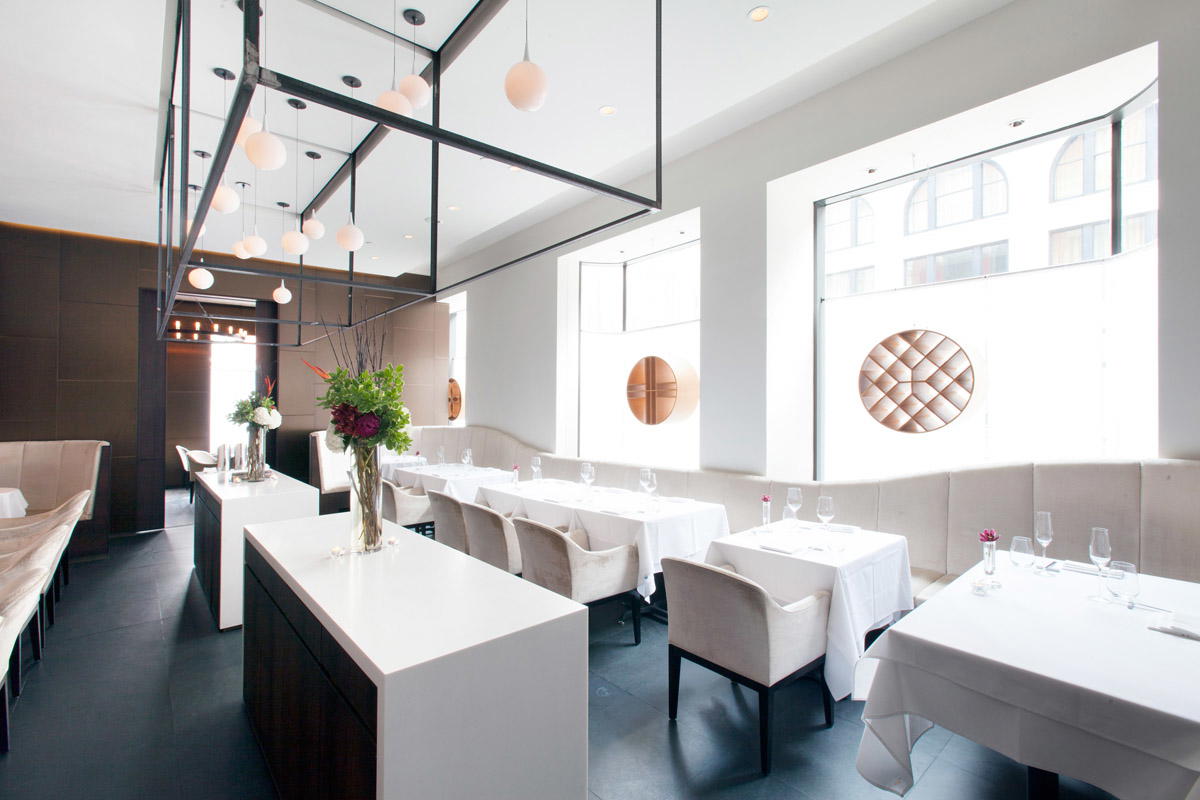
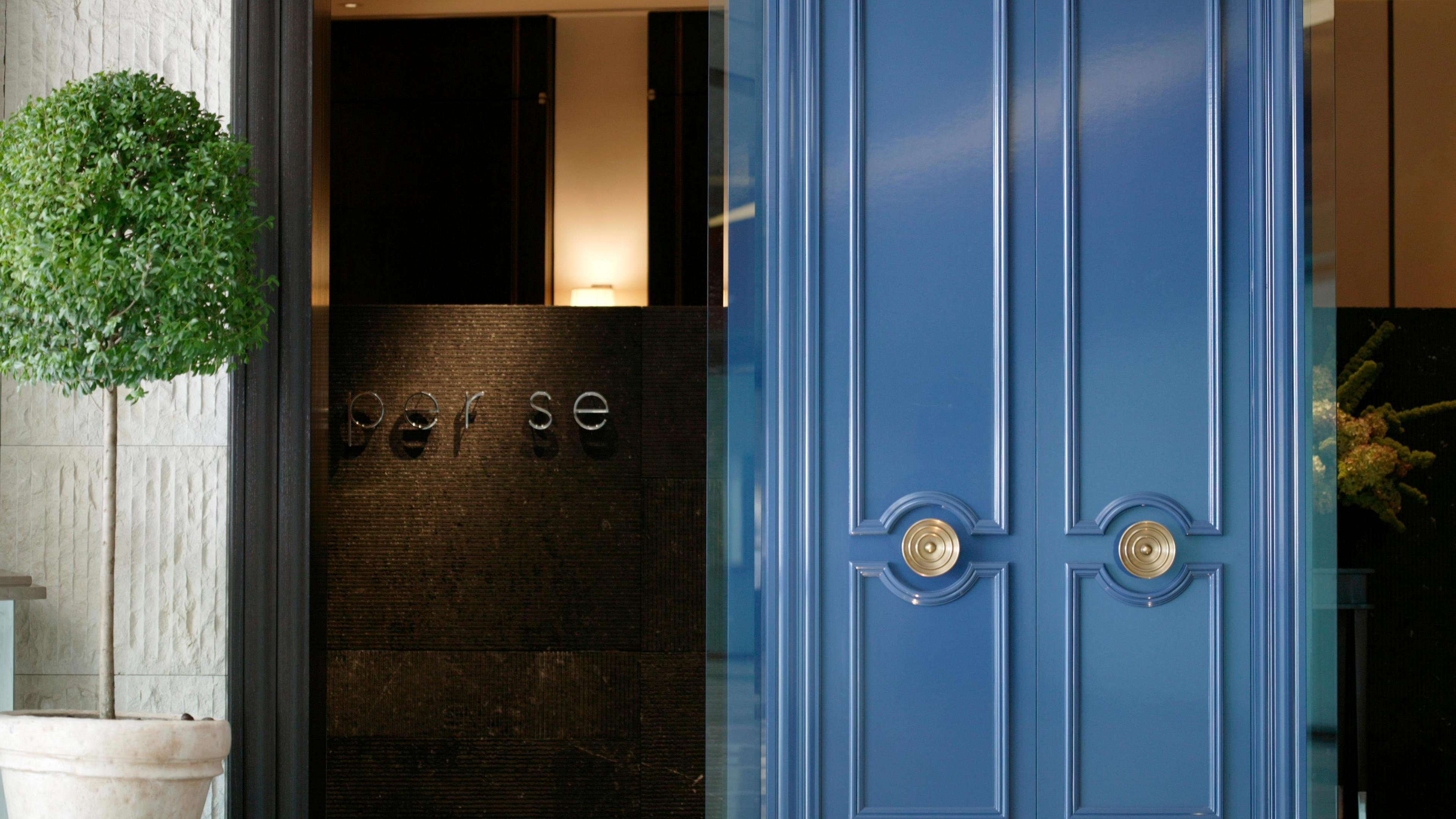
Bars in Livingston
Browse all →
Hotels in Livingston
Browse all →




Details
- Cozy
- Elegant
- Classic
- Date Night
- Special Occasion
- Private Dining
- A La Carte
- Vegetarian Friendly
- Gluten Free Options
Current opening hours
- Monday
- 12–10 PM
- Tuesday
- 12–10 PM
- Wednesday
- 12–10 PM
- Thursday
- 12–10 PM
- Friday
- 12–11 PM
- Saturday
- 4:30–11 PM
- Sunday
- 1–9 PM
Hours can change for holidays and private events. Last verified .
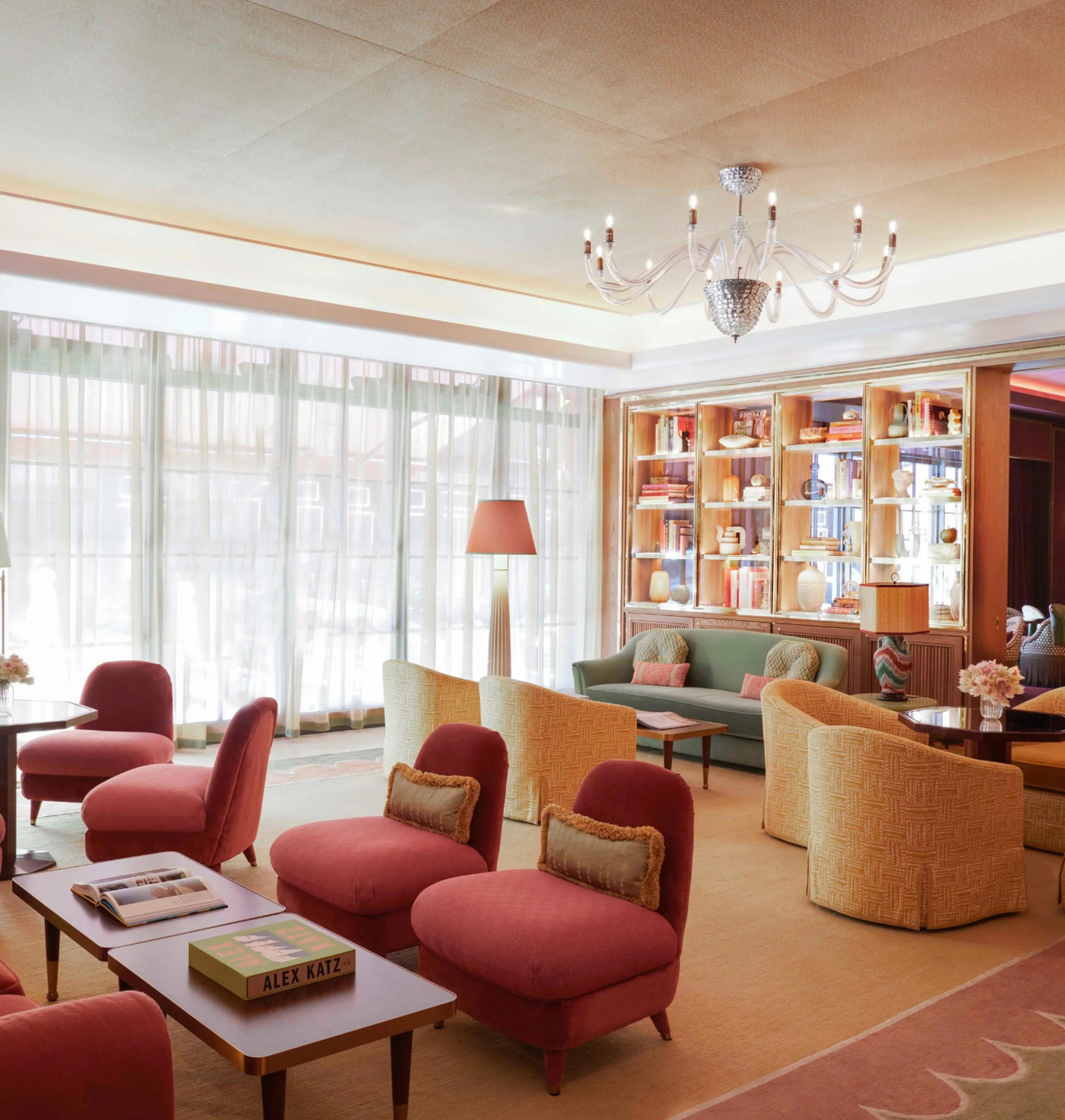
Warm and inviting with a comfortable open environment and pleasing decor.