
Black Pearl 1 Diamond
Our verdict
Camellia Seasons holds a Black Pearl 1 Diamond (2025) on Chongqing's Nanbin Road riverfront, placing it among a small cohort of the city's formally recognised fine dining addresses. The kitchen draws on ingredient sourcing as a defining editorial thread, positioning it within a broader regional tradition of treating provenance as craft. A reservation is strongly advisable.

Pearl is the En Primeur Club membership app, where members save venues, book tables and use the concierge.
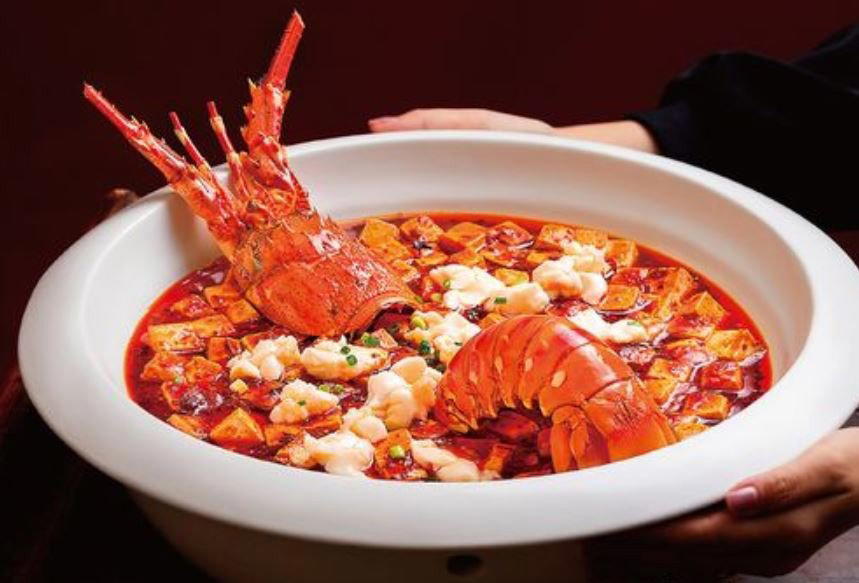
The menu
What to order
- Maoxuewang
- Camellia smoked fish
- Mapo Tofu
- Dan Dan Noodles
The Nanbin Road Setting and What It Signals
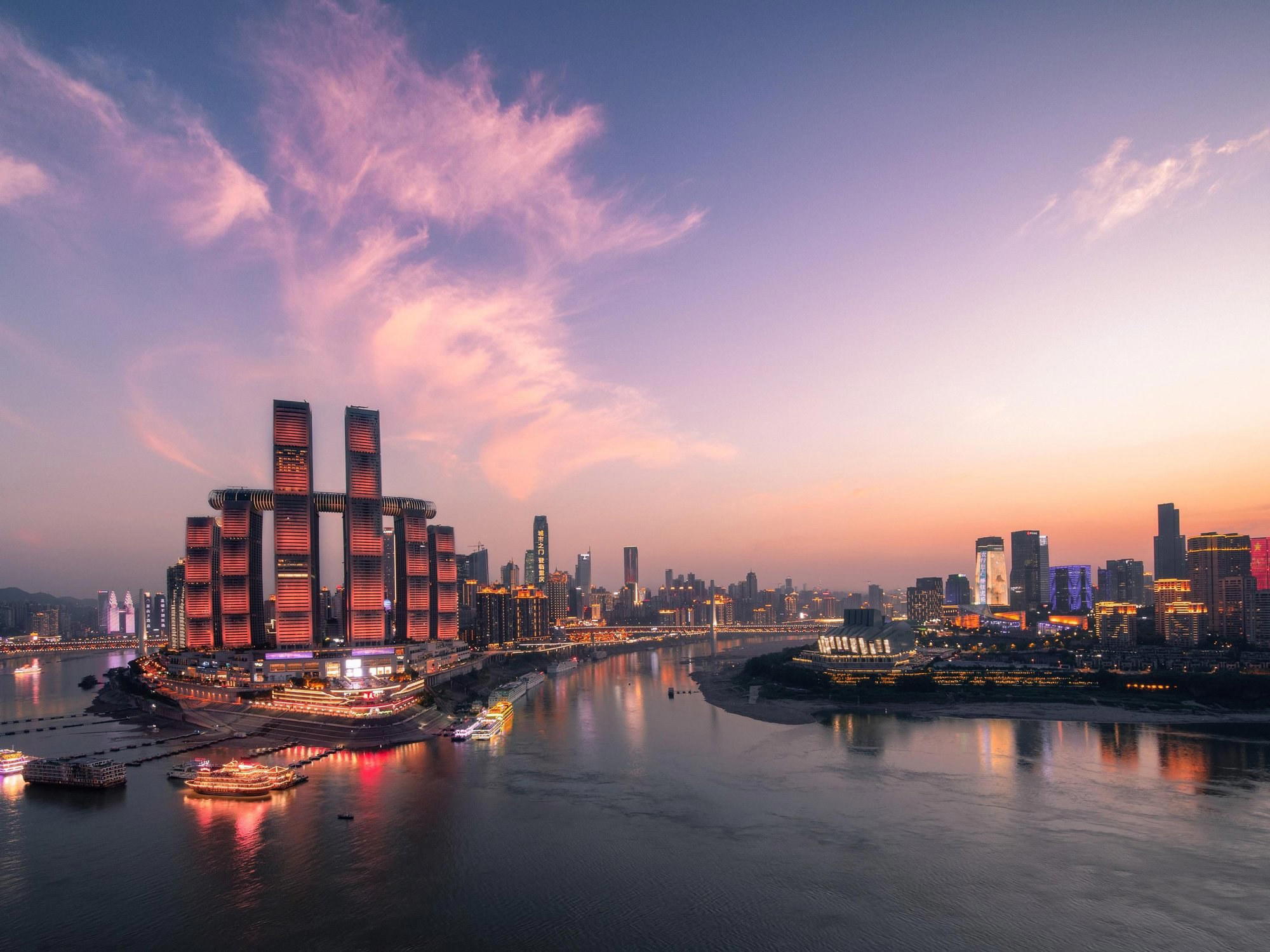
Nanbin Road runs along the south bank of the Yangtze in Nan'an District, and the stretch has long been where Chongqing positions its more serious dining. The geography matters: the river view pulls the eye toward the opposite bank's illuminated cliffs and the layered vertical city beyond, and restaurants here price and present themselves accordingly. Camellia Seasons occupies this address at a moment when Black Pearl recognition, the Haiyan Group's annual list, now in its eighth year and treated by many China-based critics as a meaningful counterpart to Michelin in the mainland, has given a formal tier structure to what was previously a more informal prestige hierarchy on the strip.
A Black Pearl 1 Diamond classification in 2025 places Camellia Seasons in the middle register of that system: above the mass-market riverfront operators, below the two- and three-diamond houses that represent the most capital-intensive formal dining in the country. That positioning is, arguably, the most interesting place to be in contemporary Chinese fine dining. The 1 Diamond tier is where kitchens tend to make the clearest editorial statement about what they source and why, without the full ceremony overhead of the upper brackets crowding out the food itself.
Provenance as the Central Argument
The emphasis on ingredient sourcing in Chongqing's serious restaurant tier reflects something specific about the city's food culture. Sichuan and Chongqing cuisine has historically foregrounded the interplay of aromatics, fermented pastes, and dried chilies sourced from particular regions, and the leading kitchens in both cities have treated these supply chains as a form of authorship. Doubanjiang from Pixian, peppercorns from Hanyuan or Muli, chilies from Shizhu or Guizhou: the geography of the pantry is not incidental. At this level of restaurant, naming the origin of core ingredients is not marketing language. It is the technical claim.
This is the context in which Camellia Seasons operates. The broader trend among Black Pearl-recognised kitchens across China has been toward tightening the sourcing narrative: fewer imported luxury ingredients deployed for status signaling, more deliberate use of regional and hyperlocal produce whose quality arguments require explanation rather than assumption. Compare this to what comparable-tier kitchens in Shanghai or Beijing have been doing: 102 House in Shanghai and Xin Rong Ji (Xinyuan South Road) in Beijing both operate with a strong regional-ingredient logic, and the pattern holds across the country's more serious Chinese cuisine addresses.
In Chongqing specifically, the sourcing story intersects with altitude and climate. The city sits at the confluence of the Yangtze and Jialing rivers, in a basin that produces distinct versions of ingredients found elsewhere in Sichuan province. River fish, mountain vegetables from the surrounding Dabashan range, and the particular fermented and pickled products that the humid basin climate encourages: these are the building blocks of the local pantry. A kitchen at Camellia Seasons's recognised tier is expected to have an opinion about where these come from and how to handle them.
Camellia Seasons Within Chongqing's Recognised Dining Tier
The Black Pearl award places Camellia Seasons in a specific competitive context within Chongqing. The city's dining scene has historically been dominated by hot pot, and while addresses like YAN SHE HOT POT demonstrate that format at a serious level, the formal fine dining tier operates on different terms entirely. Feilong Tang Restaurant works within the Cantonese-influenced banquet tradition, while Robin's Grill and Teppanyaki addresses the international and Japanese-adjacent segment. Plant Mean takes a plant-forward approach that sits outside the classical Chinese cuisine frame altogether. And YU TUCLUB operates in the lounge-dining hybrid register that has grown across China's tier-one and tier-two cities.
The peer restaurants nationally that occupy adjacent terrain include Ru Yuan in Hangzhou, Xin Rong Ji in Chengdu, and Imperial Treasure Fine Chinese Cuisine in Guangzhou, all of which operate with regional Chinese cuisine identities and formal service structures at the recognised-tier level. The frame of comparison, for travellers arriving from further afield, might also extend to internationally recognised kitchens that treat ingredient provenance as structural: Le Bernardin in New York City and Atomix in New York City both demonstrate, in different idioms, what it means to build a kitchen's identity around where things come from. Chef Tam's Seasons in Macau offers perhaps the closest analogue in terms of Chinese fine dining format and Black Pearl positioning in a riverside-adjacent luxury setting.
Planning a Visit
Camellia Seasons is located on Nanbin Road in Nan'an District, accessible from central Chongqing by crossing the Yangtze via the Nan'an tunnel or Dongshuimen Bridge, with the riverfront address easiest to reach by car or ride-hailing app. The Nanbin Road strip is most active in the evening, when the northern bank's light display is at its full effect and the riverside terrace culture peaks. For a Black Pearl-recognised address, advance booking is the sensible approach: this tier of restaurant in Chinese cities manages its covers carefully, and walk-in access at peak times is not guaranteed. For a fuller picture of Chongqing's dining, hotel, bar, and experience options, the EP Club city guides cover the breadth of the scene: our full Chongqing restaurants guide, our full Chongqing hotels guide, our full Chongqing bars guide, our full Chongqing wineries guide, and our full Chongqing experiences guide.
Frequently asked questions
Where exactly is Camellia Seasons?
Camellia Seasons is located at China, Chongqing, Nan'An, Nanbin Rd, 南滨路, Chongqing.
What kind of recognition has Camellia Seasons received?
Camellia Seasons has received recognition including: Black Pearl 1 Diamond (2025).
What should I order at Camellia Seasons?
Specific menu details for Camellia Seasons are not published in advance, which is consistent with how Black Pearl-recognised restaurants in China often operate, the kitchen dictates the direction. Given the venue's 2025 Black Pearl 1 Diamond recognition and its position within Chongqing's serious dining tier on Nanbin Road, a set or chef-guided menu is the format most likely to represent the restaurant at its best.
Do I need a reservation for Camellia Seasons?
A reservation is strongly advisable. Camellia Seasons holds a 2025 Black Pearl 1 Diamond, which places it among Chongqing's most formally recognised addresses, that level of recognition narrows availability at peak dining hours. No direct booking link or phone number is publicly listed, so contacting the venue through the Nanbin Road address in Nan'an District, or via your hotel concierge, is the practical route.
What has Camellia Seasons built its reputation on?
The restaurant's 2025 Black Pearl 1 Diamond award positions it within a peer group defined by ingredient provenance and kitchen consistency, the two criteria the Black Pearl Guide weighs most heavily alongside service standard. On Nanbin Road, where Chongqing concentrates its more considered dining options along the Yangtze's south bank, that credential carries specific local weight. The name itself references seasonality, which in China's serious restaurant tier typically signals a sourcing-led approach to the menu.
Comparable Spots, Quickly
Comparable venues nearby, for context on price, style, and recognition.
| Venue | Cuisine | Price | Awards | Notes |
|---|---|---|---|---|
| Camellia SeasonsThis venue (the venue you are viewing) | Elegant Sichuan Cuisine | $50–100 | Black Pearl 1 Diamond | Not listed |
| Feilong Tang Restaurant | Contemporary Sichuan | Not listed | Black Pearl 1 Diamond | Chongqing |
| 珮姐老火锅(洪崖洞店) | Chongqing Hotpot | $20–30 | Not listed | 洪崖洞 |
| Peijie Hotpot | Authentic Chongqing Hotpot | Not listed | Not listed | Yuzhong District |
| Plant Mean | Refined Plant-Based Chinese | Not listed | Black Pearl 1 Diamond | Yuzhong |
| Robin's Grill and Teppanyaki | Japanese Teppanyaki Steakhouse | $50–100 | Black Pearl 1 Diamond | Jiangbei District |
Recognition history
Dated appearances from independent guides and award organizations, with the underlying list record or original source where available.
Black Pearl 1 Diamond
Black Pearl
Full recognition history (2 entries)
Black Pearl 1 Diamond
Black Pearl
Continue exploring
More in Chongqing
Restaurants in Chongqing
All restaurants in Chongqing →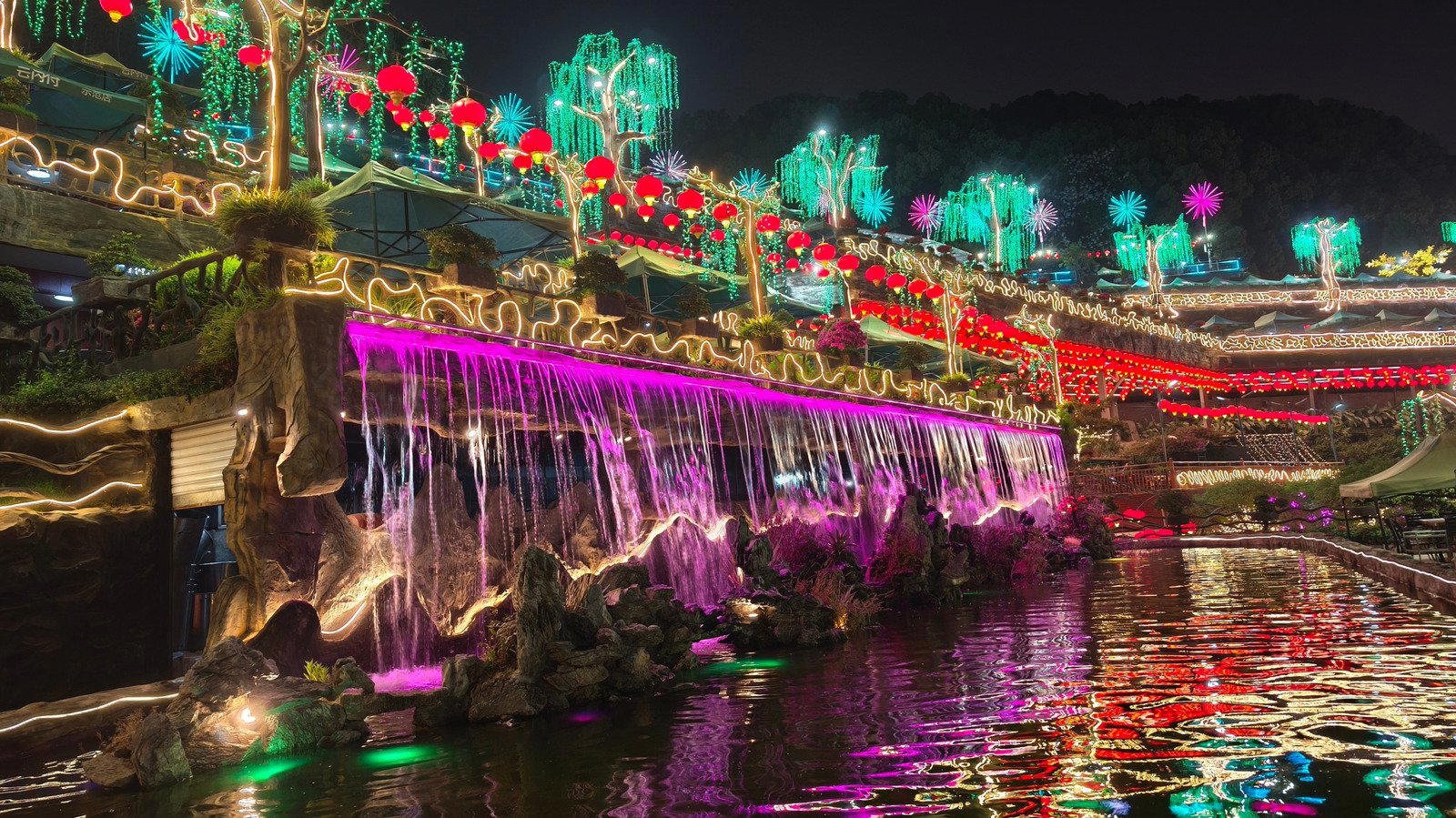
Bars in Chongqing
All bars in Chongqing →
Details
- Elegant
- Sophisticated
- Cozy
- Business Dinner
- Celebration
- Special Occasion
- Private Dining
- A La Carte
- Tasting Menu
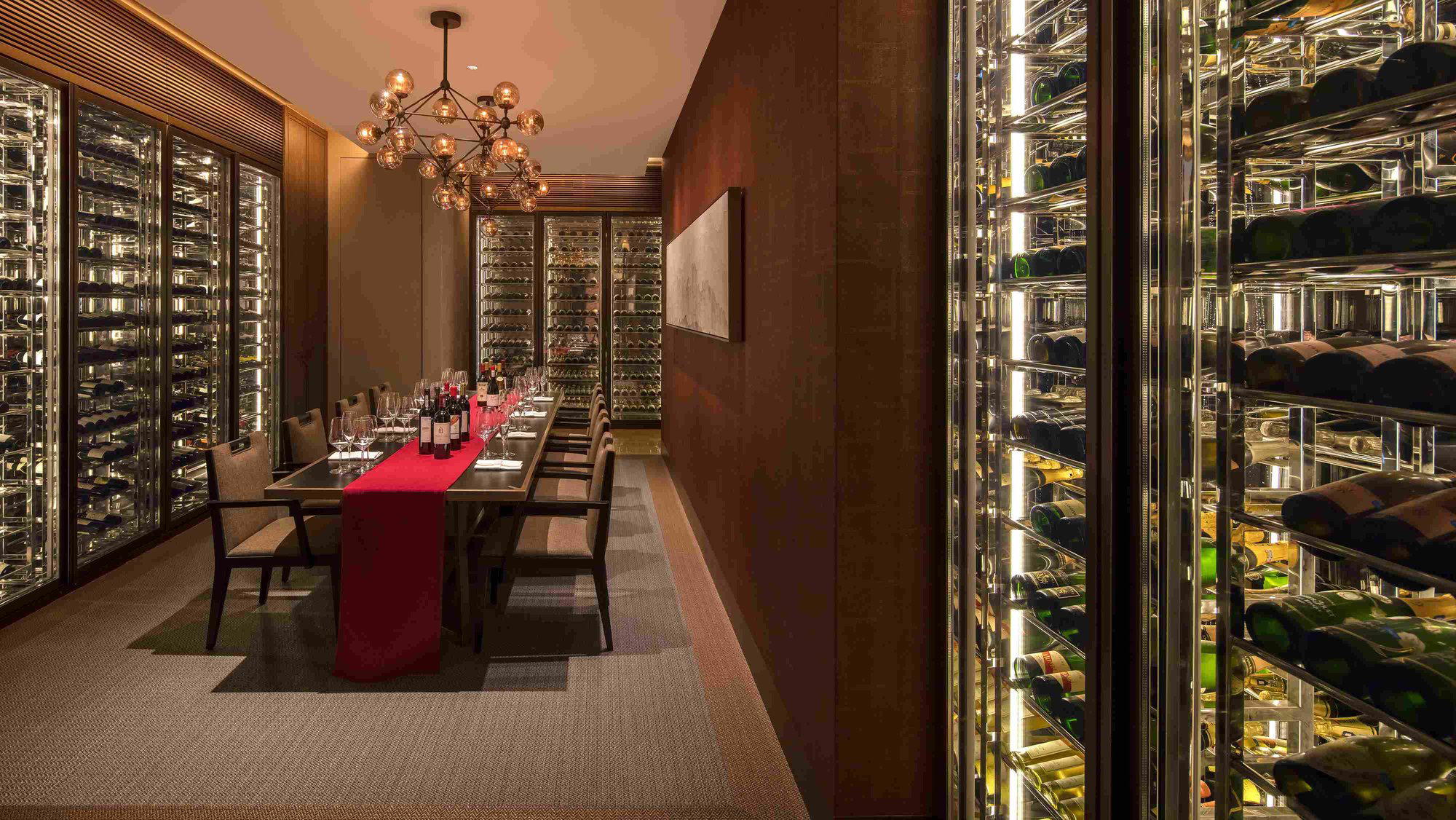
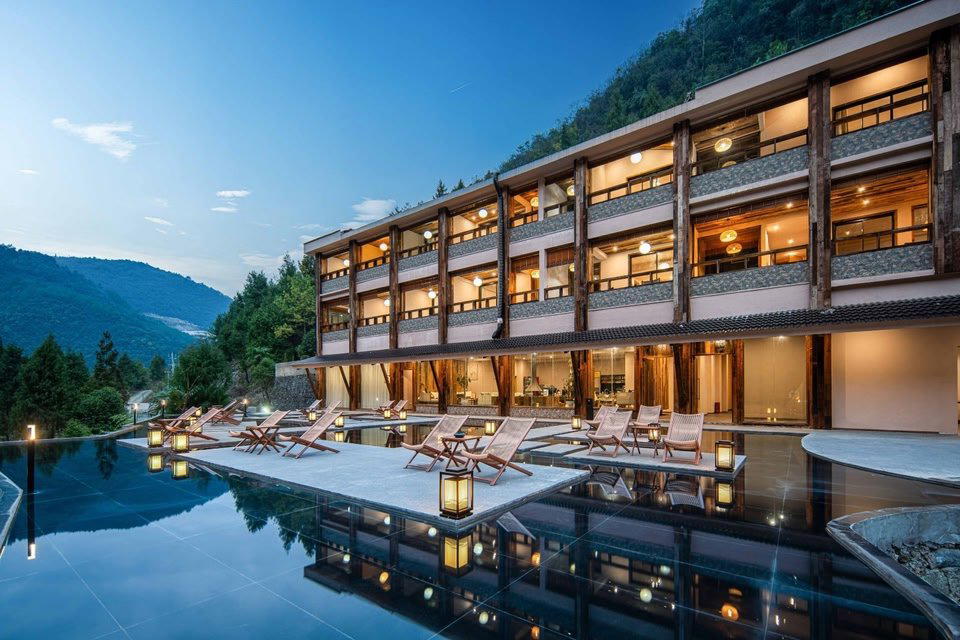
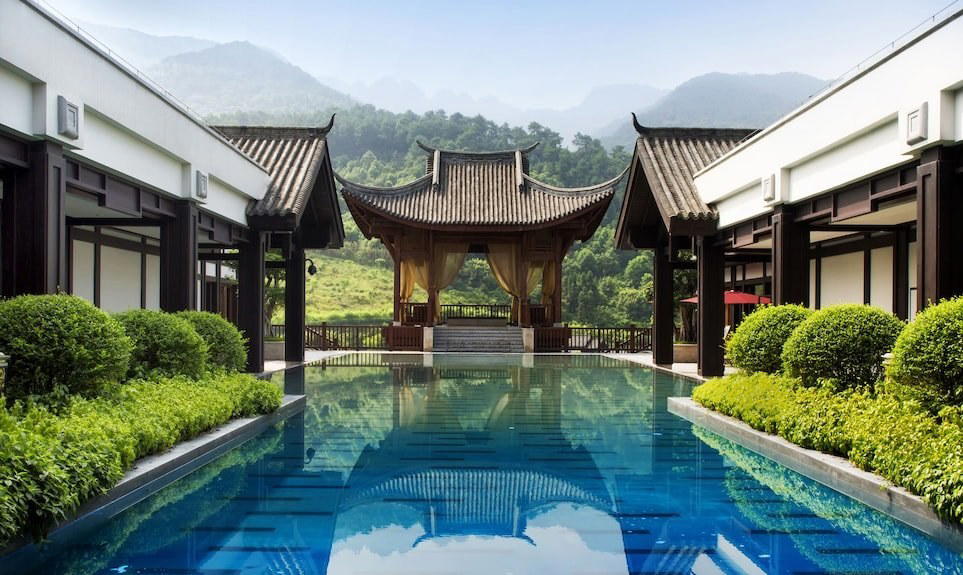
Courtyard-inspired interior with gray, red-brown, black, and gold tones, stone, wood, glass, and jade textures, calm dining bays created by light and shadow, and camellia motifs throughout.