
Leading Hotels of World Member
Pushine Jinfoshan Resort holds Leading Hotels of the World membership, placing it in a small tier of Chinese resort properties where service architecture and guest personalisation carry as much weight as physical setting. Located in Chongqing's Yuelai development zone, it operates at a different register from the city's urban five-star hotels, with a resort format that invites longer, slower engagement.

Pearl is the En Primeur Club membership app, where members save venues, book tables and use the concierge.
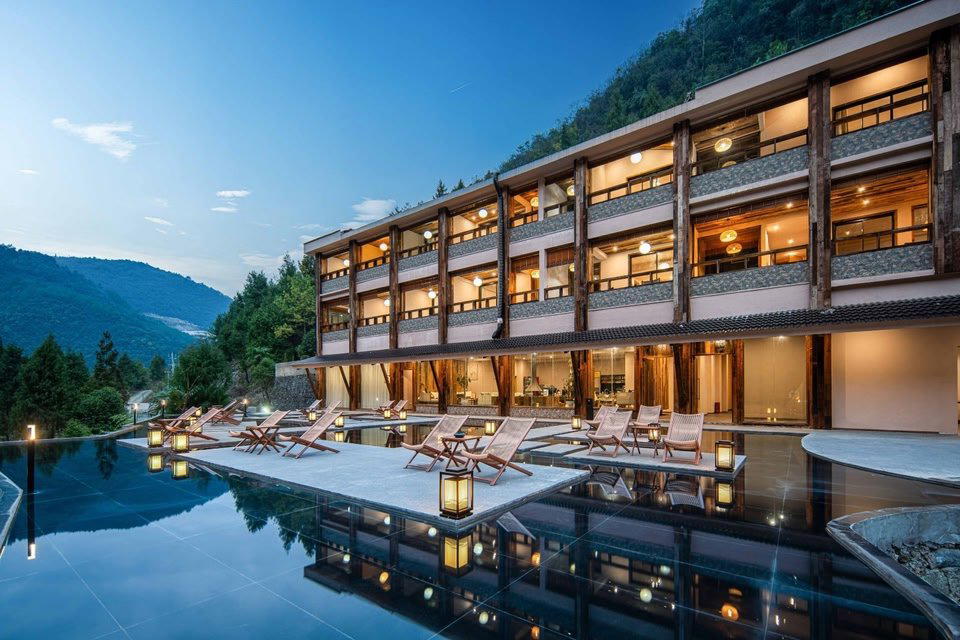
Where Chongqing's Resort Ambitions Meet a Different Pace
Chongqing is not a city most travellers associate with resort stays. Its reputation runs toward the dramatic: a fog-wrapped riverine megalopolis of steep lanes, incandescent hotpot counters, and a skyline that seems to climb in every direction at once. Urban luxury here has long meant high-rise properties angled toward the Yangtze or Jialing confluence, the kind of address represented by properties like InterContinental Chongqing Raffles City. Pushine Jinfoshan Resort operates in a different register entirely. Set within the Yuelai International Exhibition precinct in the Yubei district, it belongs to the quieter, less-trafficked category of Chinese resort hotels that trade the city spectacle for deliberate separation from it.
The Yuelai zone itself signals something about the property's intended audience. Developed as a large-scale mixed-use precinct north of the urban core, it attracts guests arriving for extended stays, corporate retreats, or simply the kind of longer-format visit that a conventional city-centre hotel makes logistically awkward. The resort positioning is not incidental; it reflects a broader pattern across China's second-tier megacities, where resort formats have expanded to serve domestic travellers seeking controlled, unhurried environments within reasonable proximity to a major hub. For travellers wanting to cross-reference this against Chongqing's full accommodation spectrum, our full Chongqing restaurants guide maps the city's broader hospitality character.
Leading Hotels of the World: What That Membership Communicates
The single verifiable credential on record for Pushine Jinfoshan Resort is its 2025 Leading Hotels of the World membership. That designation is worth reading carefully, because Leading Hotels operates on a different basis from chain affiliation or star classification. The organisation curates independent and semi-independent properties against a proprietary standards framework, with on-site inspection a condition of membership. Properties in the portfolio tend to share a particular orientation: service depth over scale, personalised guest management over standardised protocols, and physical environments that reflect local context rather than global brand templates.
In China, Leading Hotels membership is relatively concentrated among properties with genuine independent character. Comparison points elsewhere in the country include Amandayan in Lijiang and Amanfayun in Hangzhou, both of which operate in the low-volume, high-attention niche where the LHW framework applies most visibly. Pushine Jinfoshan Resort's membership places it in a broadly comparable aspiration tier, even if its physical context differs markedly from those heritage-adjacent properties. The Jinfoshan reference in the name points toward the Jinfo Mountain area, a national nature reserve in southeastern Chongqing known for cloud forest terrain and significant biodiversity, suggesting the property's design logic draws on that landscape identity even if the physical address sits within the Yuelai precinct.
Service Architecture in the Resort Format
The Leading Hotels framework places particular weight on what might be called anticipatory service: the degree to which staff resolve guest needs before they are articulated rather than after. In practice, this manifests differently across property types. At urban properties like Mandarin Oriental Qianmen in Beijing or JW Marriott Hotel Shanghai at Tomorrow Square, service sophistication is delivered against a backdrop of high guest throughput. At resort-format properties operating at lower density, the calculus shifts: fewer guests, longer average stays, and a staff-to-guest ratio that allows a more granular kind of attention.
For guests arriving at Pushine Jinfoshan Resort, that service philosophy shapes the guest experience from the point of arrival. Resort check-in conventions in this tier typically move away from lobby-desk transactions toward escorted or suite-based processes, where the first interaction is spatial and unhurried rather than transactional. Travellers accustomed to Banyan Tree Chongqing Beibei's villa-based service model in the same city will find a broadly comparable orientation toward guest personalisation, with the specific expression shaped by Pushine's own scale and setting.
Situating Pushine in China's Resort Hotel Conversation
China's premium resort sector has diversified significantly across the past decade. The conversation has moved well beyond Hainan beach resorts, with properties addressing mountain, forest, and heritage contexts gaining significant ground domestically. 1 Hotel Haitang Bay in Sanya occupies the sustainability-led coastal bracket. Properties like Xiamen Yunding Resort in Xiamen and Mohe Youran Mountain Residence in Da Hinggan Ling address very different climatic and geographic registers. Vanke Lake Songhua Yunlu Hotel in Jilin and Beidahu Asian Games Village in the northeast represent the seasonal mountain-recreation tier.
Pushine Jinfoshan's position in this conversation is determined partly by geography and partly by its Leading Hotels credential. Chongqing's mountains, particularly the Jinfo Mountain area, carry strong seasonal appeal among domestic travellers: cloud cover and temperature differentials make them a genuine summer retreat from the city's well-documented heat. A resort drawing on that identity occupies a differentiated position relative to Chongqing's river-view urban properties, trading the city panorama for elevation, cooler air, and a slower rhythm of movement through the day. Properties in adjacent market positions elsewhere in China, such as Green Lake Hotel Kunming or Banyan Tree Ringha in , illustrate how this nature-proximate positioning commands a distinct guest profile and a different set of expectations around programming, pace, and service rhythm.
Planning a Stay: What to Know Before Booking
Current publicly available details for Pushine Jinfoshan Resort are limited. No price range, room inventory, or direct booking contact appears in the available record, and the property does not have a documented public website or phone number at the time of writing. The most reliable route for booking inquiries and rate information is through the Leading Hotels of the World central reservations platform, which manages member properties and can confirm availability, room categories, and current inclusions. For travellers comparing the Chongqing resort option against properties in other Chinese cities, the EP Club profiles for Hyatt Place Nanjing Xuanwu in Nanjing, Andaz Shenzhen Bay in Shenzhen, Conrad Guangzhou, Altira Macau, Conrad Tianjin, Conrad Urumqi, and Huyi District in Xi'an provide useful cross-references across price tiers and city contexts. Guests with experience of Leading Hotels properties internationally, such as Aman New York, The Fifth Avenue Hotel in New York City, or Aman Venice, will arrive with calibrated expectations around service standards and guest experience depth, even if the physical and cultural context at Pushine Jinfoshan differs substantially from those European and North American properties. The Yuelai precinct address in Yubei district is accessible from Chongqing's main transport infrastructure, though guests arriving by air or rail should confirm transfer arrangements with the property directly, as road times from central Chongqing vary with traffic conditions.
Style and Standing
Comparable venues nearby, for context on price, style, and recognition.
| Venue | Cuisine | Price | Awards | Notes |
|---|---|---|---|---|
| Pushine Jinfoshan ResortThis venue (the venue you are viewing) | Small-scale mountain retreat emphasizing privacy and nature integration | Not listed | Leading Hotels of World Member | Not listed |
| Regent Chongqing | Blends modern elegance with traditional Chinese elements inspired by courtyards and cultural heritage. | Not listed | 1 Michelin Key | Jiangbeizui |
| InterContinental Chongqing Raffles City | Well-known horizontal skyscraper with skybridge lobby at 250m height | Not listed | 1 Michelin Key | Yuzhong District |
| Banyan Tree Chongqing Beibei | Eco-luxury contemporary resort set in nature with emphasis on wellness and cultural immersion | Not listed | 1 Michelin Key | Beibei District |
| Tian Ranju Inn | rustic hilltop guesthouse | $1–100 | Not listed | Tian Tou Zhai |
| Ruby Hotel Shanghai | Lean luxury, design-forward property created through the conversion and expansion of a former office building near Shanghai Hongqiao airport. | Not listed | Not listed | Hongqiao |
Recognition history
Dated appearances from independent guides and award organizations, with the underlying list record or original source where available.
Leading Hotels of World Member
Leading Hotels of World
Continue exploring
More in Chongqing
Hotels in Chongqing
All hotels in Chongqing →
Bars in Chongqing
All bars in Chongqing →

Details
- Quiet
- Scenic
- Cozy
- Elegant
- Romantic Getaway
- Wellness Retreat
- Weekend Escape
- Panoramic View
- Private Villa
- Wi Fi
- Restaurant
- Mountain
- Garden
- Elevator
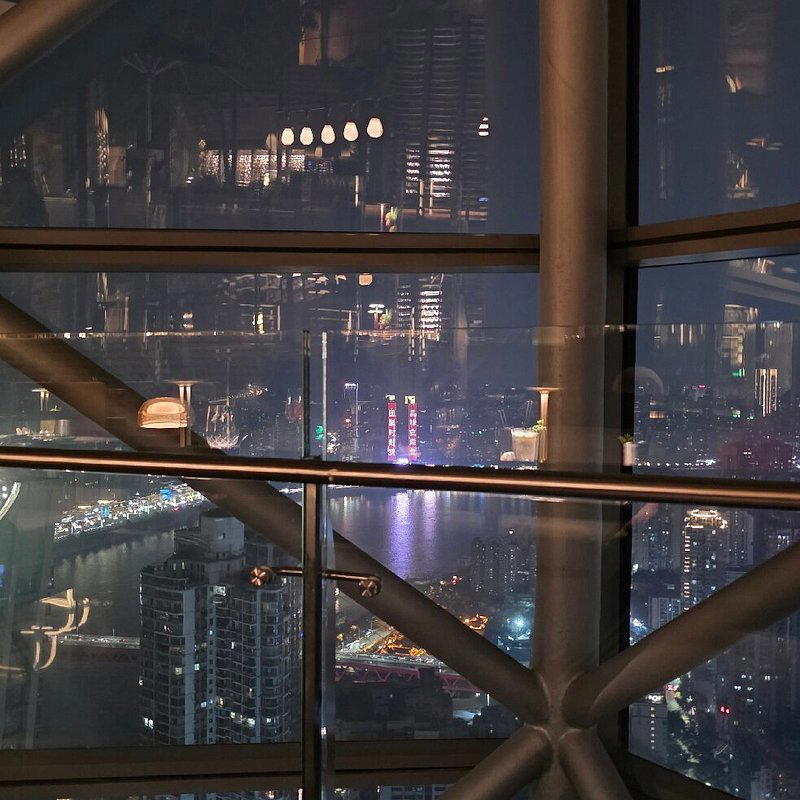
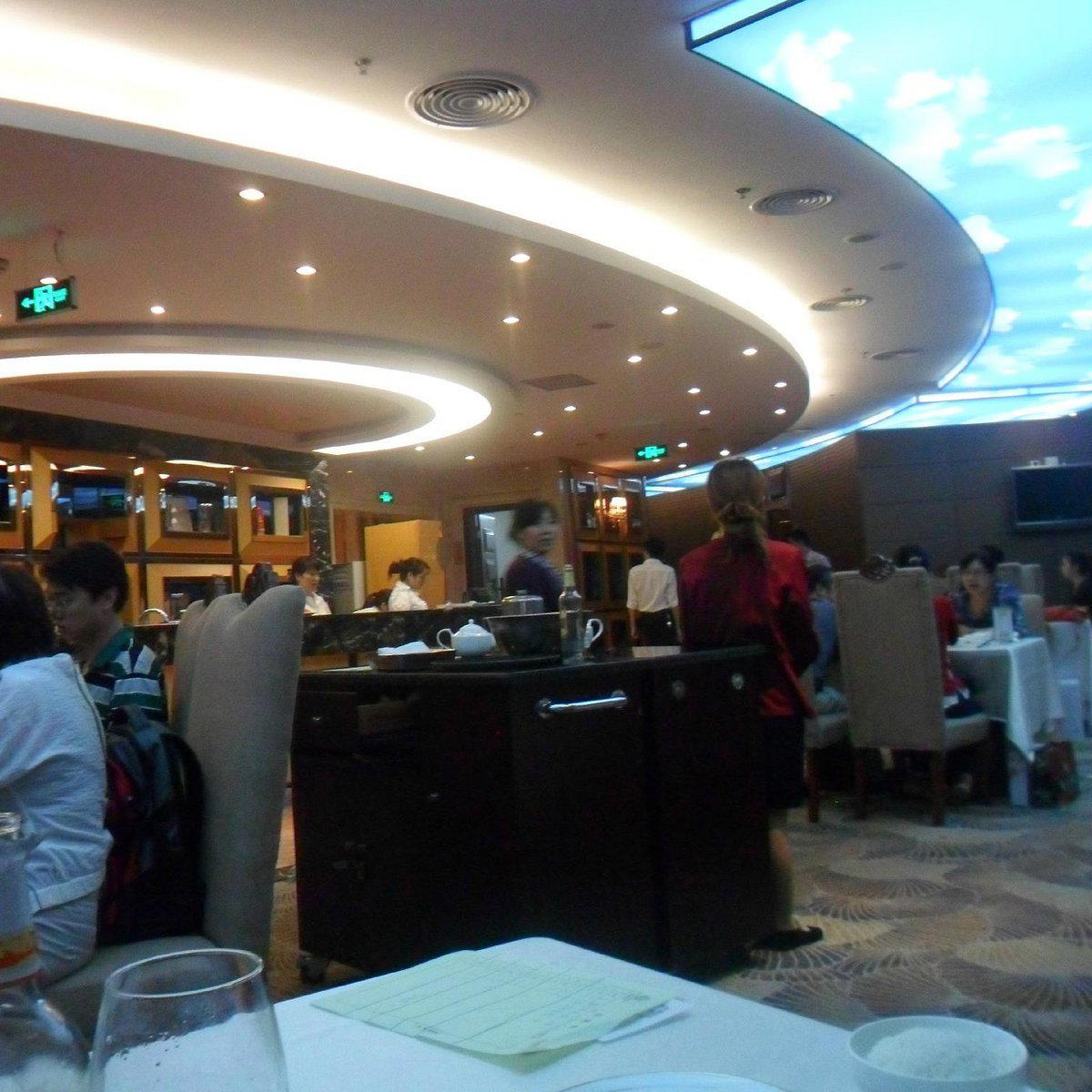
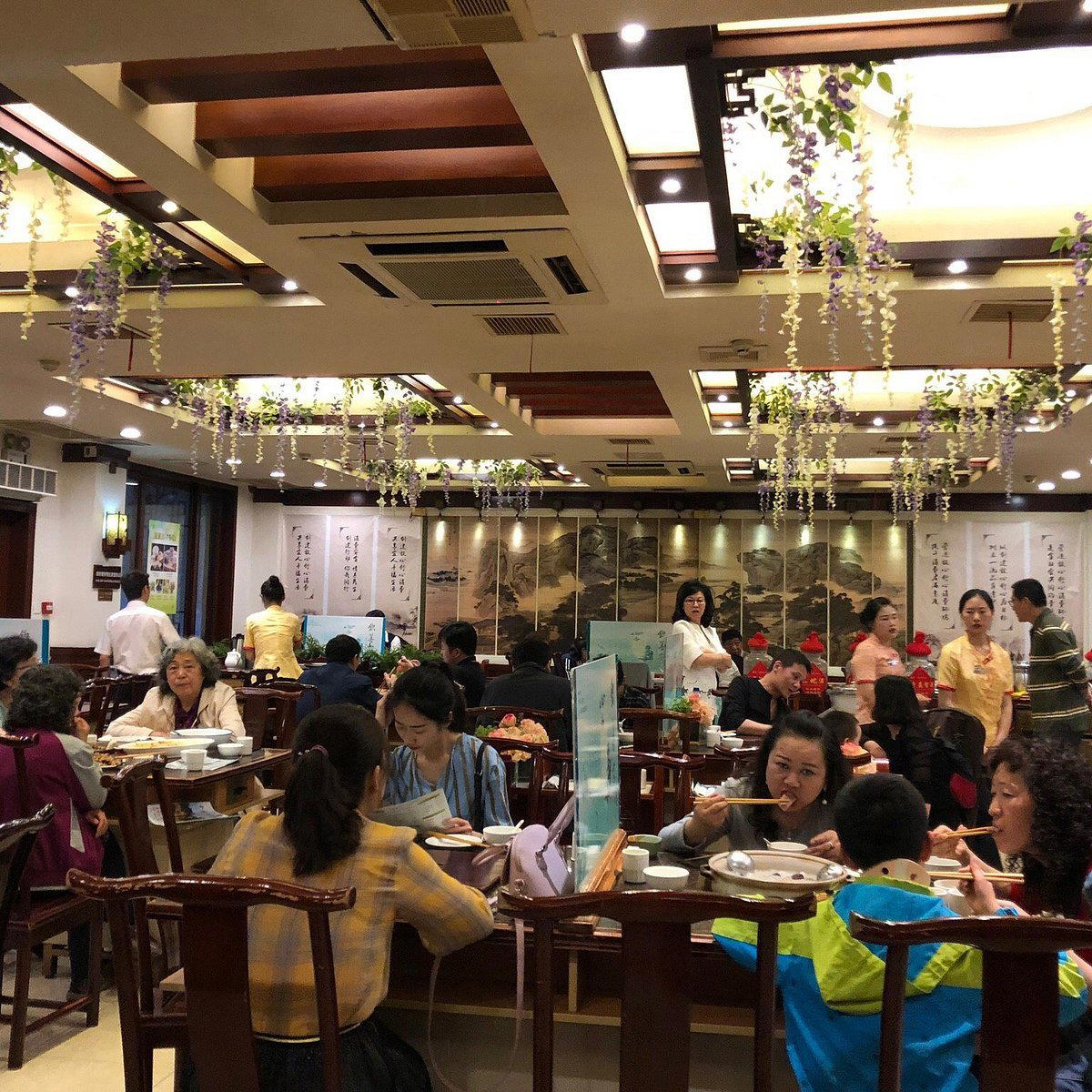
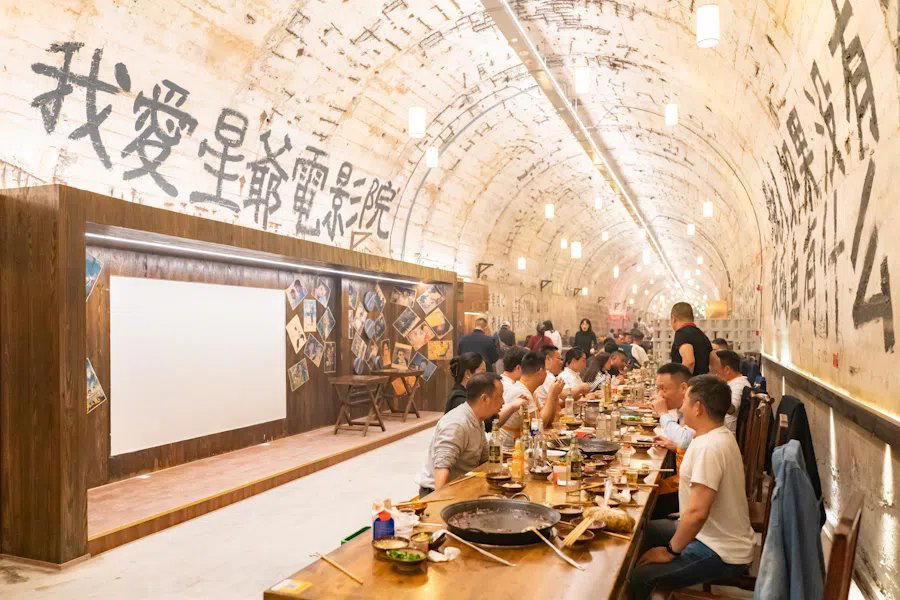
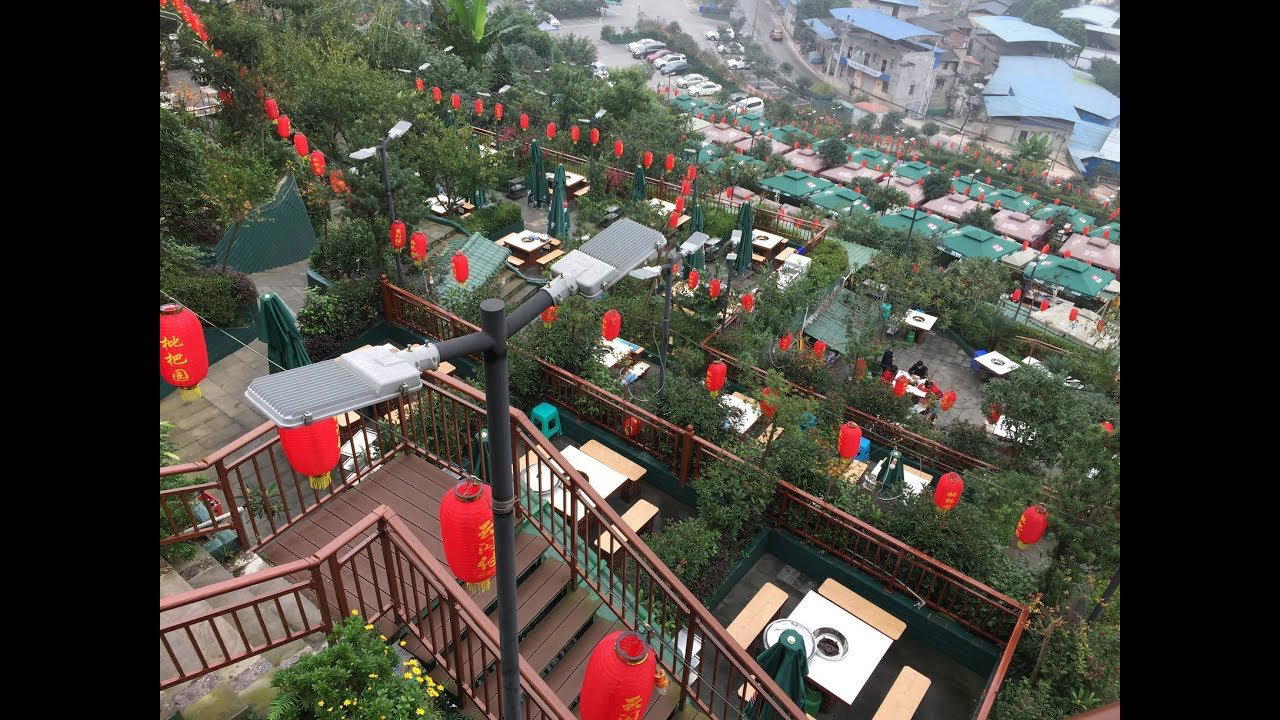
Warm wood-finish interiors, natural light from large windows framing forest and stream views, creating a calm and restorative atmosphere.