TESTAL - Roma
In Colonia Roma Norte, TESTAL occupies a neighbourhood where sourcing decisions carry as much weight as technique. The kitchen positions itself inside Mexico City's growing conversation around masa, native corn varieties, and regional ingredient chains that stretch well beyond the capital. For a district already crowded with serious cooking, it adds a focused, ingredient-rooted point of view.
Pearl is the En Primeur Club membership app — saves, bookings, and concierge access live there. Same editors, same standards.
- Address
- Av Oaxaca 31, Roma Nte., Cuauhtémoc, 06700 Ciudad de México, CDMX, Mexico
- Phone
- +525555253181
- Website
- testal.mx
- Directions
- Get directions
 Saves & bookings on Pearl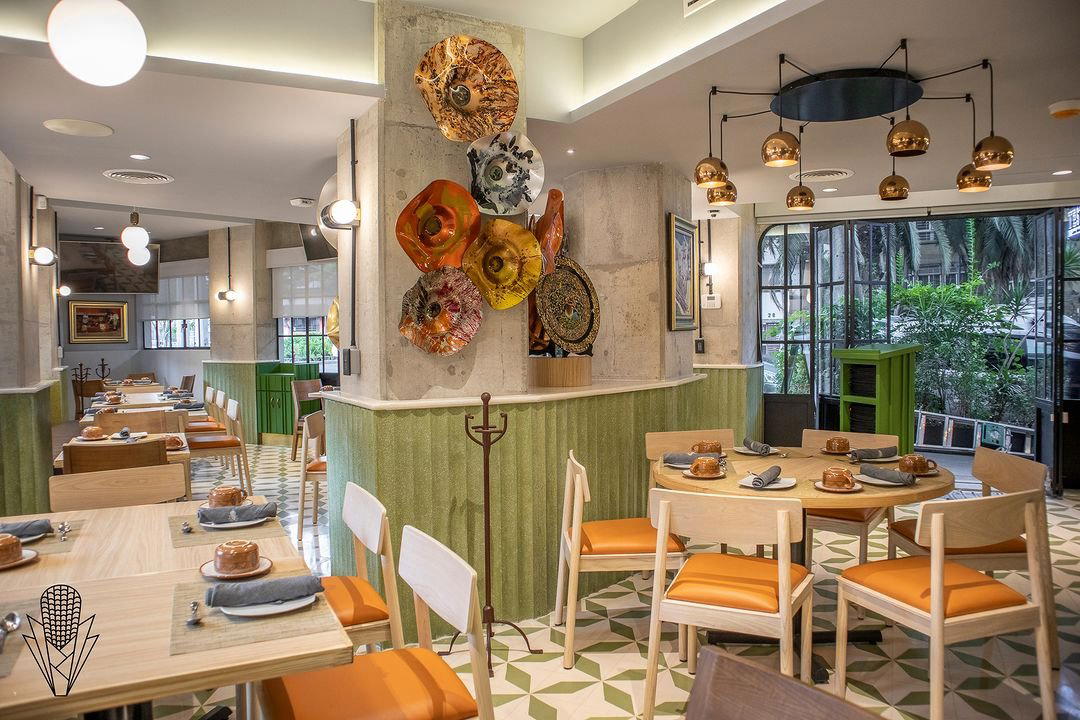
Colonia Roma and the Ingredient Conversation
Colonia Roma Norte has spent the better part of a decade becoming the address where Mexico City's more considered restaurants cluster. The neighbourhood draws a mix of long-term residents, creative professionals, and an international dining crowd that has learned to read a menu for the sourcing note beneath it. In that context, a restaurant named TESTAL, a word rooted in the masa-making tradition, sends a clear signal before a single plate arrives.
Across Mexico, testal refers to the portion of prepared masa set aside before shaping, the raw, unformed material at the centre of corn-based cooking. Using that word as a name is not incidental. It situates the kitchen inside a broader national movement that has spent years arguing for the primacy of ingredient origin: which corn variety, from which region, grown by which producer. That argument has been made at places like Pujol and Quintonil, and it has filtered into neighbourhood-scale restaurants with the same conviction.
What the Name Signals About the Sourcing Model
Mexican restaurant kitchens that organise themselves around corn as a primary ingredient face a logistical reality that most diners never see. The diversity of native corn in Mexico runs to hundreds of documented varieties, each with distinct starch composition, moisture content, and flavour profile. A kitchen committed to that diversity must maintain supplier relationships across multiple states, often working directly with small-scale producers in Oaxaca, Guerrero, or the milpa regions of the Sierra Madre rather than buying from a consolidated distributor.
This model has precedents in how other ingredient-focused restaurants across Mexico have structured their supply chains. Animalón in Valle de Guadalupe has built around Baja California's agricultural calendar. Levadura de Olla in Oaxaca roots itself in the specific fermentation and corn traditions of that state. KOLI Cocina de Origen in Monterrey frames its entire identity around regional provenance. TESTAL, operating in Roma Norte, works within that same national conversation while translating it to a urban neighbourhood format where the logistics of sourcing are harder but the audience for it is concentrated.
Roma Norte as a Dining District
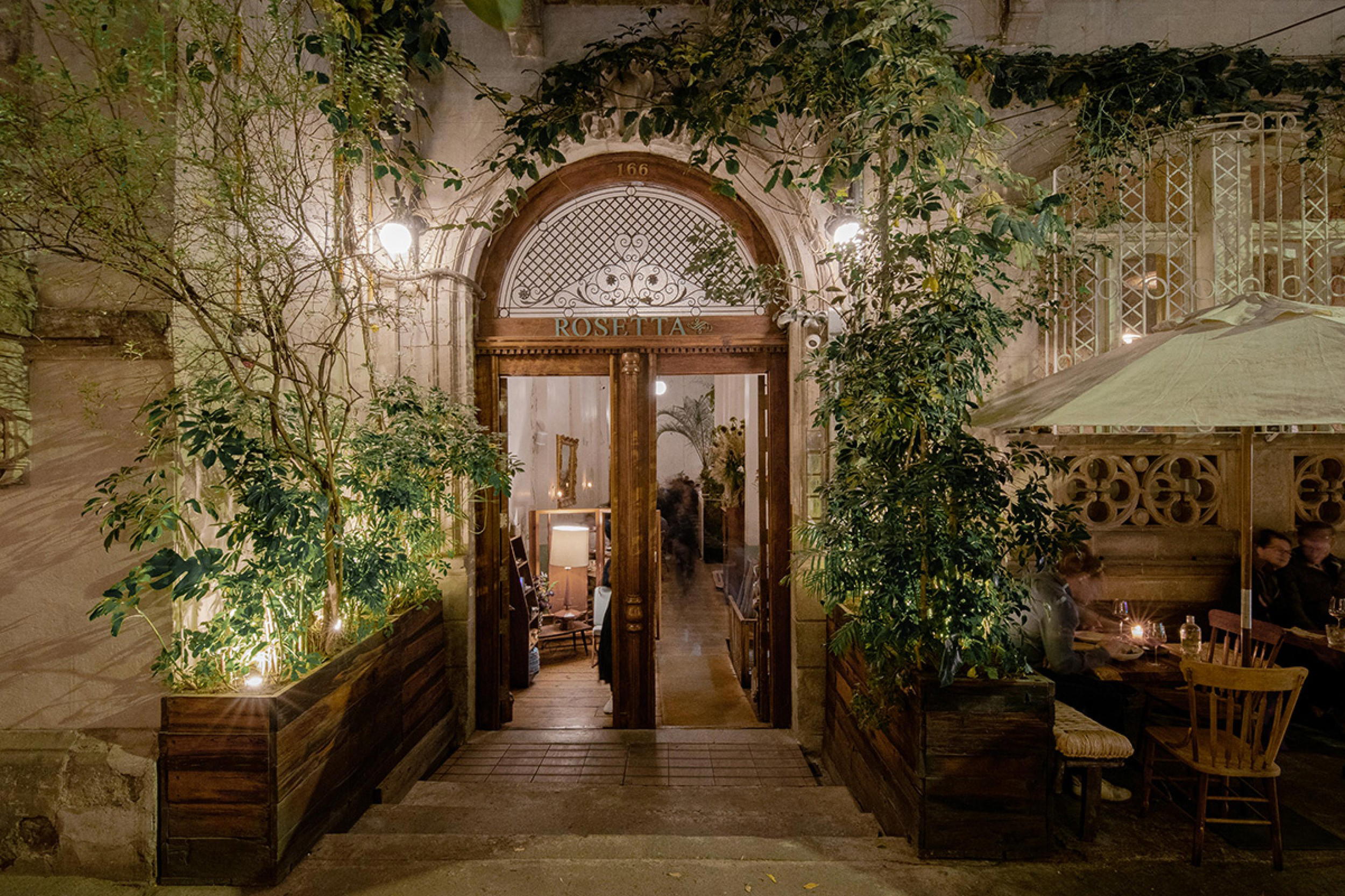
Understanding where TESTAL sits in the Roma Norte scene requires a brief map of what that district now contains. The neighbourhood runs from Álvaro Obregón north through the tree-lined streets around Parque México and Parque España, and it holds a striking density of serious restaurants relative to its geographic footprint. Rosetta, one of the city's most discussed creative restaurants, operates from a Porfirian mansion a short walk away. The district also supports mid-tier restaurants that occupy a price point between neighbourhood taquería and expense-account dining, which is the tier where ingredient-focused concepts tend to find their most engaged regular clientele.
For a broader orientation to what Mexico City's dining scene currently contains, the EP Club Mexico City guide maps the main districts and places Roma Norte in relation to Polanco, Condesa, and the Centro. The differences between those neighbourhoods matter: Polanco runs to formal, internationally referenced dining; Condesa favours casual European-influenced rooms; Roma Norte has settled into a role as the district where cooking with a clear point of view finds its audience without requiring formal-dining ceremony.
The Broader Masa-Forward Moment
The timing of corn-focused restaurants opening in Mexico City reflects a shift in how the country's culinary conversation has developed over the past decade. What began as a fine-dining argument, most visibly made at restaurants with international recognition and tasting-menu formats, has moved into formats that reach a wider dining public. The technique of nixtamalisation, the process of treating corn with an alkaline solution to unlock nutrients and develop flavour, has gone from background assumption to front-of-menu talking point. Producers who grow specific heirloom varieties have become named suppliers in the way that wine regions are named on European wine lists.
That shift connects Mexico City to parallel conversations happening at restaurants elsewhere in the country. Alcalde in Guadalajara has made ingredient provenance central to its identity in a different regional context. Huniik in Merida works within Yucatecan ingredient traditions. HA' in Playa del Carmen and Le Chique in Puerto Morelos have both built reputations on sourcing discipline in a coastal context where ingredient access works differently. Seen across that national picture, TESTAL's positioning in Roma Norte reads as part of a coherent movement rather than an isolated concept.
Internationally, the conversation around native grain sourcing and fermentation has reached restaurants far outside Mexico. Atomix in New York has made Korean ingredient provenance its central editorial argument, and Le Bernardin has long treated sourcing as the foundation of its seafood identity. The difference in Mexico is that corn carries a weight of cultural and agricultural history that makes the sourcing question not just culinary but political: which varieties survive depends partly on which kitchens choose to buy them.
Setting and Format
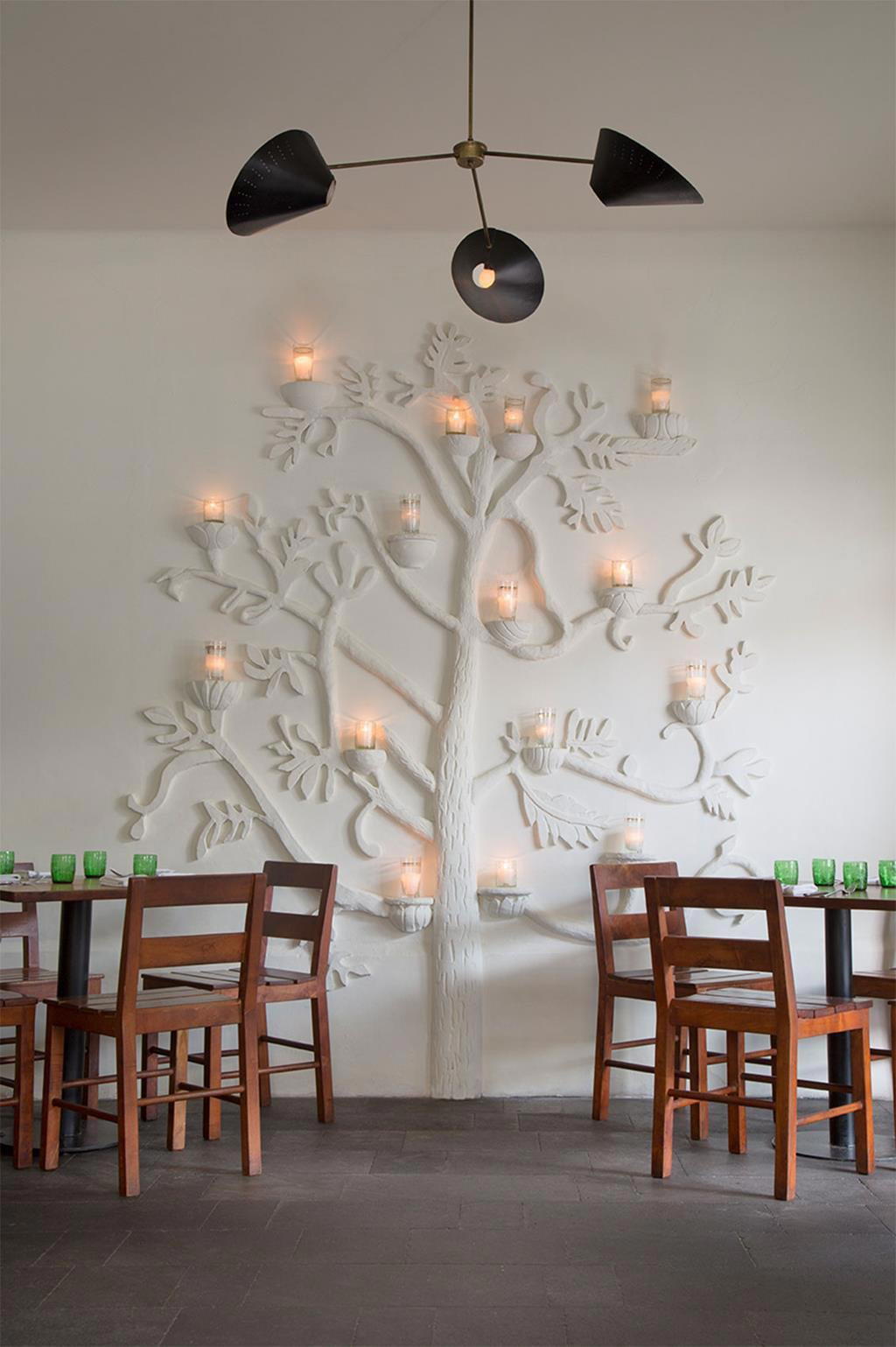
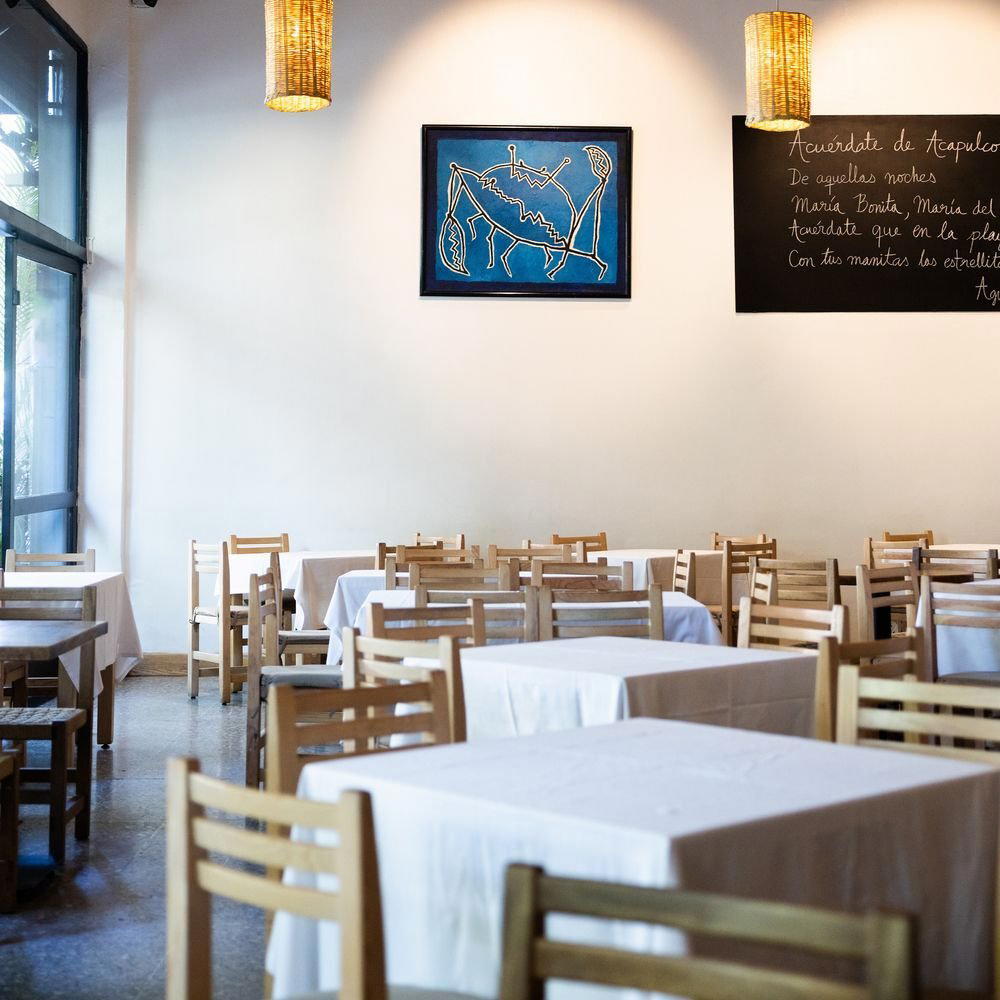
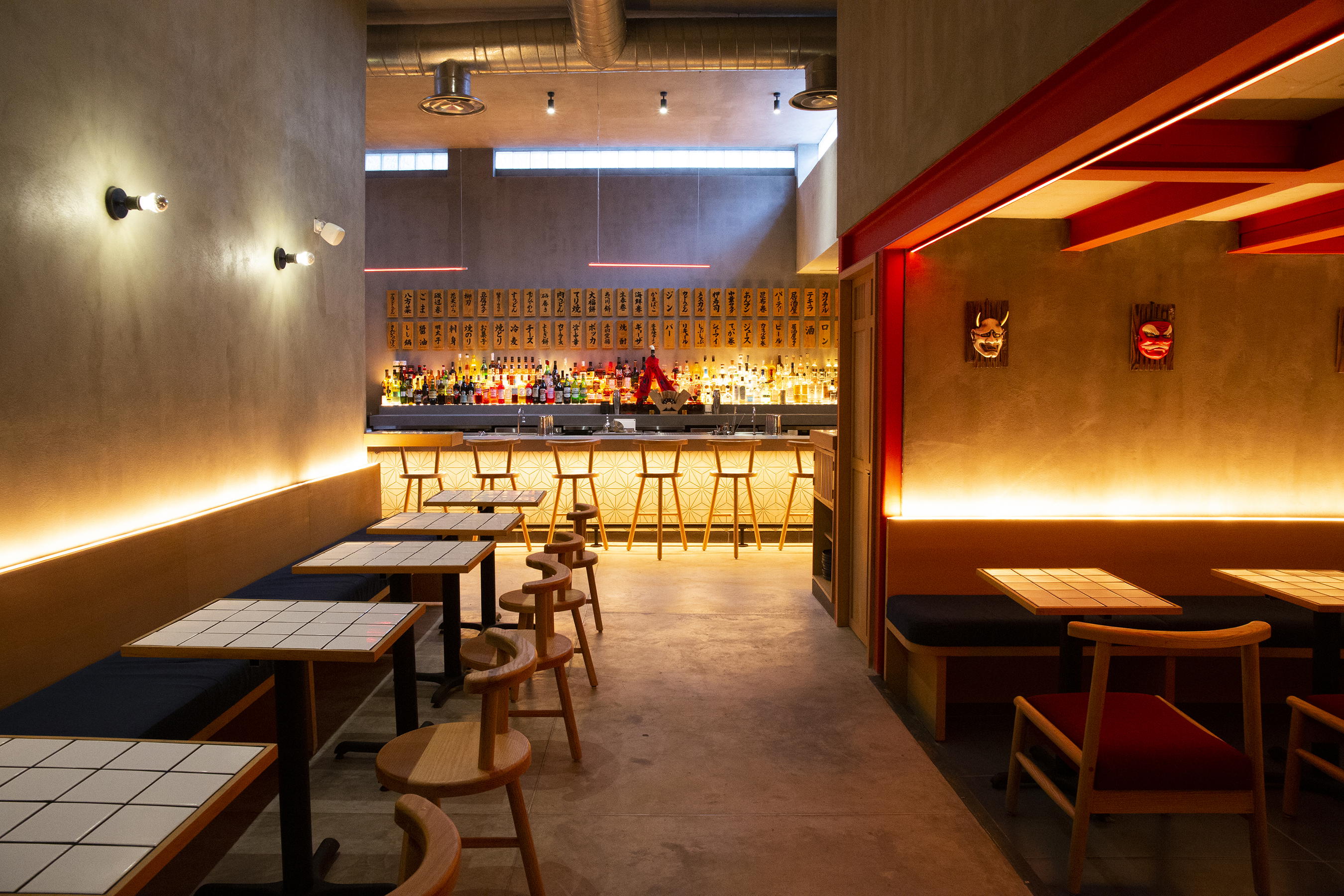
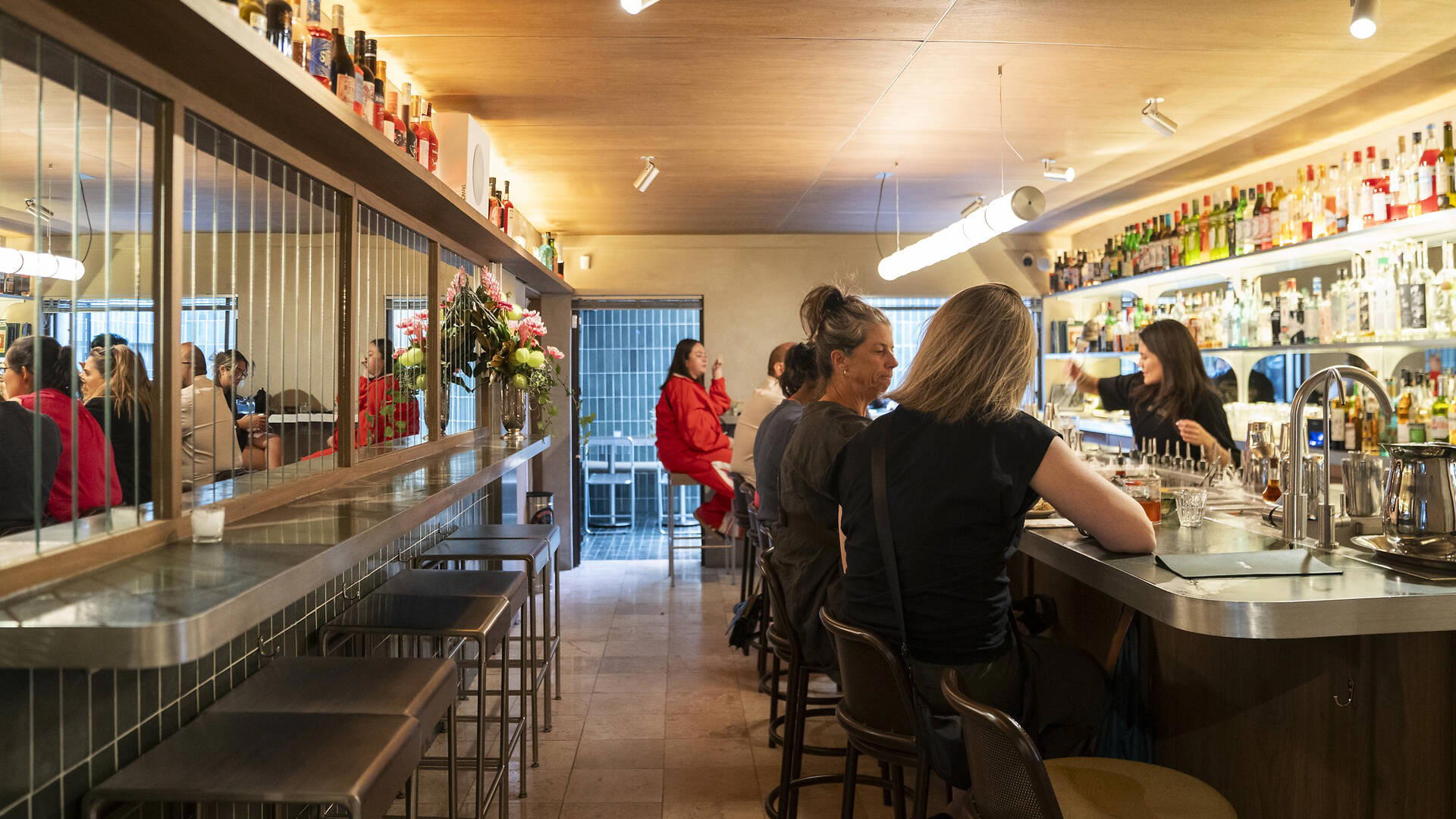
Roma Norte restaurants at this positioning tend to occupy converted residential buildings or former commercial ground floors, and the physical format shapes the dining experience in ways that separate them from the larger, purpose-built rooms found in Polanco. Ceilings are lower, rooms are smaller, and the distance between kitchen and table is shorter in both physical and experiential terms. That proximity matters when the kitchen's argument is about ingredient integrity: it is easier to make sourcing legible when the scale is intimate enough for it to feel personal rather than programmatic.
Restaurants like Em and Sud 777 have demonstrated that Mexico City diners will engage seriously with ingredient-driven menus across a range of formats and price points. TESTAL's address on Avenida Oaxaca places it in the northern section of Roma, closer to the Bucareli axis, in a part of the neighbourhood that carries slightly less foot traffic than the blocks around Parque México but benefits from the same residential density and the engaged local clientele that comes with it.
Planning Your Visit
TESTAL is located at Av Oaxaca 31, Roma Norte, Cuauhtémoc, Mexico City. Reservations are recommended, particularly for weekend evenings.
At-a-Glance Comparison
Comparable venues nearby, for context on price, style, and recognition.
| Venue | Cuisine | Price | Notes |
|---|---|---|---|
| TESTAL - RomaThis venue — the venue you are viewing | Modern Mexican Antojitos | $$ | Not listed |
| Los Panchos Restaurant | Traditional Mexican Carnitas | $$ | Nva Anzures |
| Camaron Buchon - Reforma | Sinaloa-Style Mexican Seafood | $$ | Juarez |
| El Bajio | Traditional Mexican | $$ | Polanco Chapultepec |
| Un Lugar de La Mancha | Modern Mexican with International Influences | $$ | Del Bosque |
| Aromas Delicias Cotidianas - Bosques | Modern Mexican Bakery Restaurant | $$ | Bosques de Las Lomas |
Continue exploring
More in Mexico City
Restaurants in Mexico City
Browse all →
Bars in Mexico City
Browse all →




At a Glance
- Cozy
- Casual Hangout
Current opening hours
- Monday
- 8 AM–7 PM
- Tuesday
- 8 AM–7 PM
- Wednesday
- 8 AM–7 PM
- Thursday
- 8 AM–10 PM
- Friday
- 8 AM–10 PM
- Saturday
- 8 AM–10 PM
- Sunday
- 8 AM–7 PM
Hours can change for holidays and private events. Last verified .
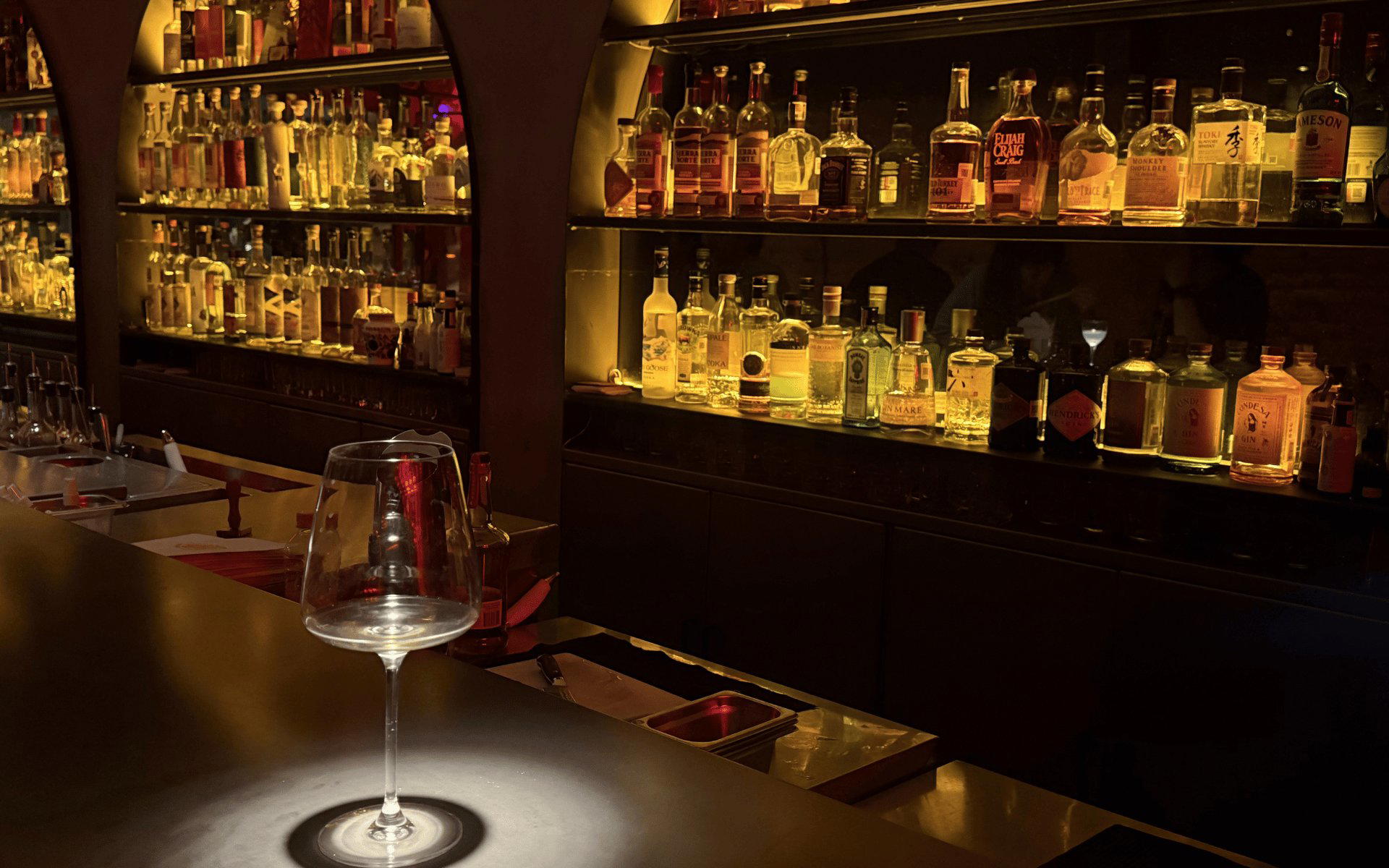
Quiet and unhurried atmosphere with low music, providing a calm respite from bustling streets.