Cafe-Conditorei-Restaurant Reichl sits on Lauteracher Strasse in Wolfurt, a compact market town in Vorarlberg where the Austrian café tradition holds more weight than passing culinary trends. The format spans café, patisserie, and restaurant under one roof, a structure that places Reichl within a specifically Central European institution type that has survived where its equivalents elsewhere have not.
 Discover on Pearl
Pearl is the En Primeur Club membership app — saves, bookings, and concierge access live there. Same editors, same standards.
- Address
- Lauteracher Str. 1, 6922 Wolfurt, Austria
- Phone
- +43557474722
- Website
- cafereichl.at
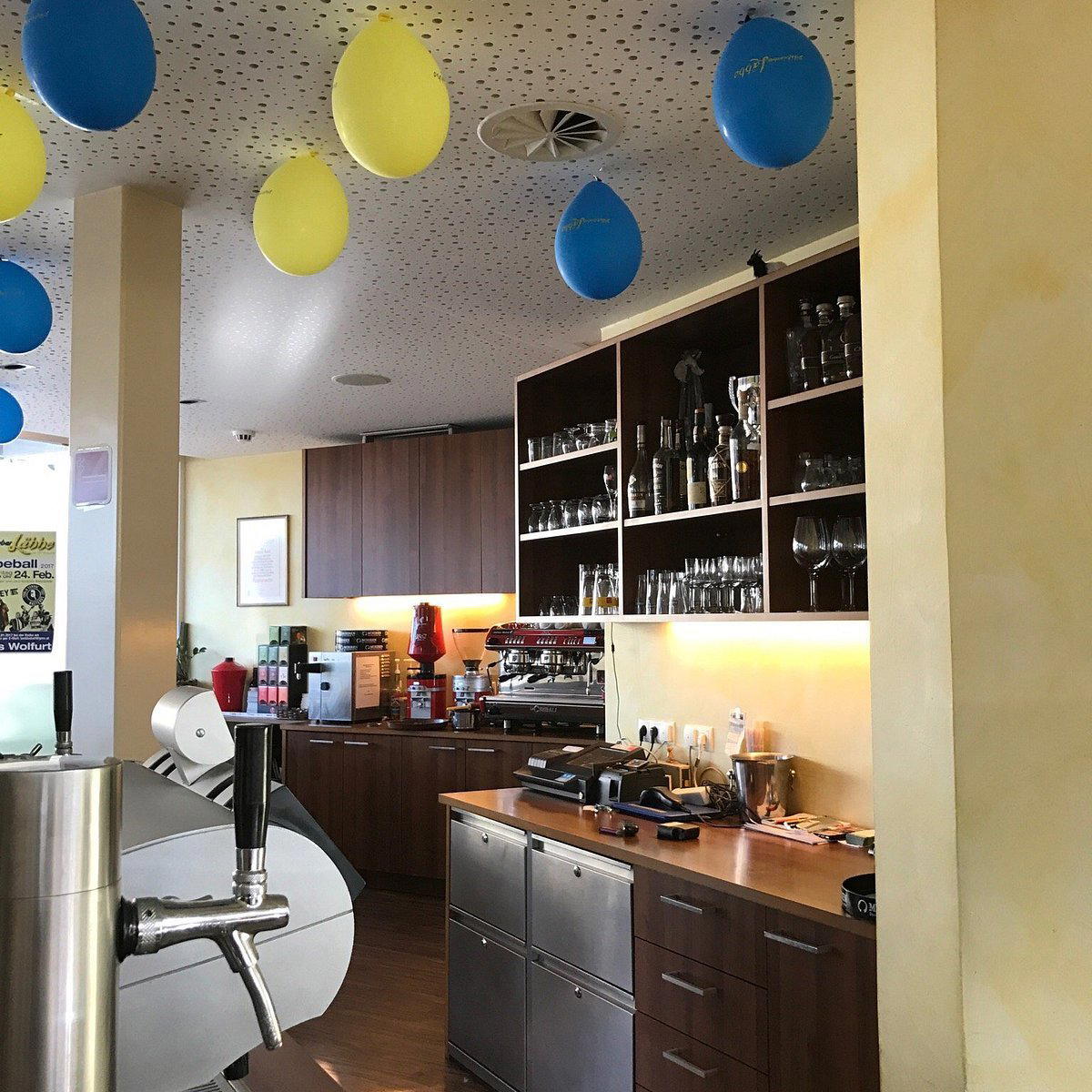
Where Vorarlberg's Café Tradition Still Does the Work
Wolfurt sits in the Rhine Valley floor of Vorarlberg, Austria's westernmost state, close enough to Lake Constance that the regional food culture here absorbs influences from Switzerland and southern Germany without ever fully capitulating to either. The towns in this part of Austria have long maintained a particular kind of establishment that doesn't translate cleanly into a single English word: part café, part pastry house, part sit-down restaurant, operating across the full arc of the day in a way that the more specialised formats of larger cities do not. Cafe-Conditorei-Restaurant Reichl, at Lauteracher Str. 1, is that kind of place.
The triple designation in the name is worth pausing on. A Café-Conditorei-Restaurant is a specifically Central European institution, one that expects its kitchen to produce house-made pastry and confectionery alongside a full lunch and dinner menu. In Austria, the conditorei tradition carries its own professional lineage, distinct from a bakery and distinct from a restaurant kitchen, demanding sugar work, laminated doughs, and cream-based preparations at a level of craft that takes years to develop. Where this format survives in smaller Austrian towns, it tends to do so because the operation has enough local loyalty and daily throughput to sustain the labour. That Reichl continues to carry all three designations in Wolfurt says something about its standing in the community.
Ingredient Sourcing in the Austrian West
Vorarlberg has a quieter agricultural identity than the more celebrated Austrian regions, but it is not a modest one. The Rhine Valley dairy farms produce milk and cream with high butterfat content that shapes the character of local pastry and sauce work at a structural level. The proximity to the Bregenzerwald, a sub-Alpine landscape with a well-documented tradition of artisan cheese production, means that a kitchen operating in Wolfurt has access to raw materials that kitchens in Vienna or Salzburg pay premium prices to source and import. For an establishment like Reichl, which operates within the conditorei tradition, the quality of local cream and butter is not a marketing point — it is a technical precondition.
Austria's broader restaurant culture has moved significantly toward regional sourcing over the past two decades. The country's most discussed restaurants, from Steirereck im Stadtpark in Vienna to Döllerer in Golling an der Salzach, have built their editorial reputations in part on the specificity of their sourcing relationships. At the fine dining end, that specificity is itemised and narrated on menus. In a town restaurant and café like Reichl, the same logic operates quietly, embedded in the product rather than announced. The Alpine and pre-Alpine belt of western Austria gives kitchens here a particular seasonal rhythm: mountain herbs in early summer, game in autumn, root vegetables and preserved preparations through winter.
Establishments at this tier in smaller Austrian towns, compared with destination restaurants such as Landhaus Bacher in Mautern an der Donau or Obauer in Werfen, are not working toward Michelin recognition or placing on ranked lists. They are doing something structurally different: sustaining a food culture for a resident population across the whole day, from morning coffee and pastry through to an evening meal. That model demands a different kind of consistency than a single-service tasting menu operation, and a different relationship with the ingredients that arrive each morning.
The Café Format in Context
The Austrian café as a cultural institution has a well-documented history, most thoroughly associated with Vienna but present in modified form throughout the country. What distinguishes the Café-Conditorei variant from a simple café is the in-house production of confectionery: tortes, Schnitten, Kipferl, and the full register of Austrian pastry. In Vorarlberg, the pastry tradition carries some cross-border influence from Swiss and Swabian confectionery, giving local conditorei work a slightly different register than what you find in a Viennese Zuckerbäcker. For visitors arriving from the direction of Griggeler Stuba in Lech or Gourmetrestaurant Tannenhof in Sankt Anton am Arlberg, which represent the Arlberg's high-end restaurant tier, Reichl occupies a very different position in the region's dining spectrum: daily, accessible, rooted in the town rather than the resort.
The broader Austrian restaurant scene has produced a number of operations that blend formats in interesting ways. Taubenkobel in Schützen am Gebirge integrates hotel, restaurant, and wine bar functions into a destination format, while Ois in Neufelden works at the intersection of regional tradition and contemporary technique. Reichl's triple format is older than any of these hybrids and less self-conscious about its construction. It is an institution type that pre-dates the current conversation about hospitality concepts.
Planning Your Visit
Wolfurt is a short drive or local train connection from Bregenz, Vorarlberg's state capital on Lake Constance. The town is not a tourist destination in the way that Lech or Ischgl are, which means the rhythm at a place like Reichl follows local rather than visitor patterns: busier midweek at lunch, quieter at the edges of the day. Visitors arriving from further afield in Austria, or from across the border in Germany or Switzerland, are well-placed here given Wolfurt's position near the A14 autobahn corridor. For a fuller picture of where Reichl sits among Wolfurt's options, see our full Wolfurt restaurants guide, or consider the nearby Toni's Schnellimbiss for a different register of local eating.
Given the absence of current data on phone, website, and hours, the most reliable approach is to arrive during standard Austrian café hours — mid-morning through early evening, or to check locally on arrival in Wolfurt. For context on how the wider Austrian dining scene operates across price tiers, the restaurants at Steirereck, Ikarus in Salzburg, and Kräuterreich by Vitus Winkler in Sankt Veit im Pongau illustrate how seriously the country takes its regional kitchen tradition at the formal end. Reichl operates at a different point on that spectrum, but the underlying commitment to Austrian food culture is the same thread.
Quick Comparison
These are the closest comparables we have in our database for quick context.
| Venue | Cuisine | Price | Awards |
|---|---|---|---|
| Cafe-Conditorei-Restaurant ReichlThis venue — the venue you are viewing | |||
| Steirereck im Stadtpark | Creative | €€€€ | Michelin 3 Star |
| Döllerer | Contemporary Austrian, Innovative | €€€€ | Michelin 2 Star |
| Landhaus Bacher | Austrian, Classic Cuisine | €€€€ | Michelin 2 Star |
| Obauer | Classic Cuisine | €€€€ | Michelin 2 Star |
| Taubenkobel | Modern Austrian, French Contemporary | €€€€ | Michelin 2 Star |
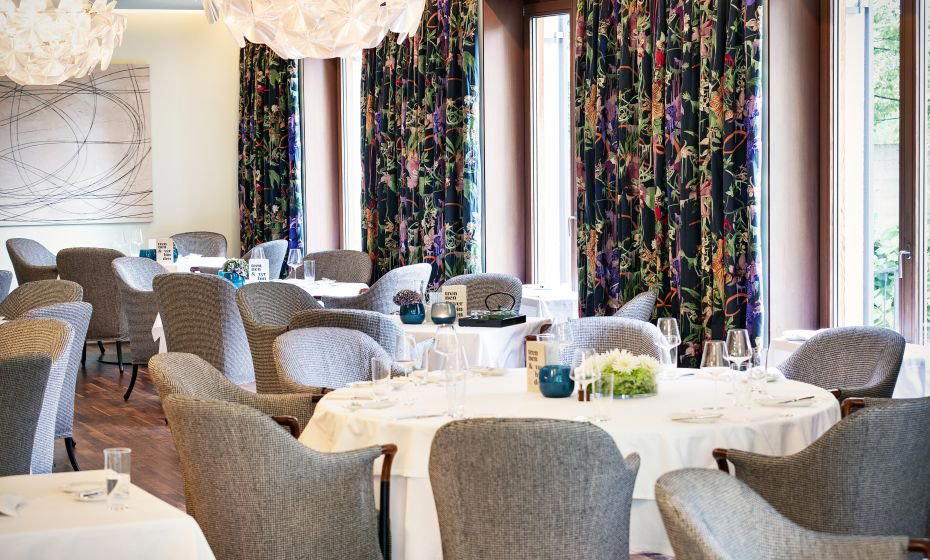
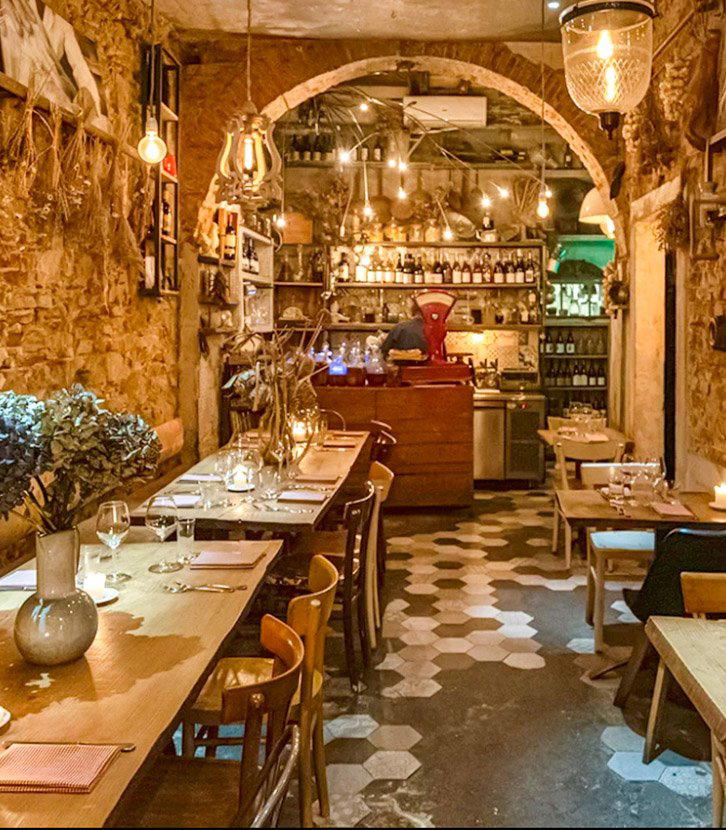
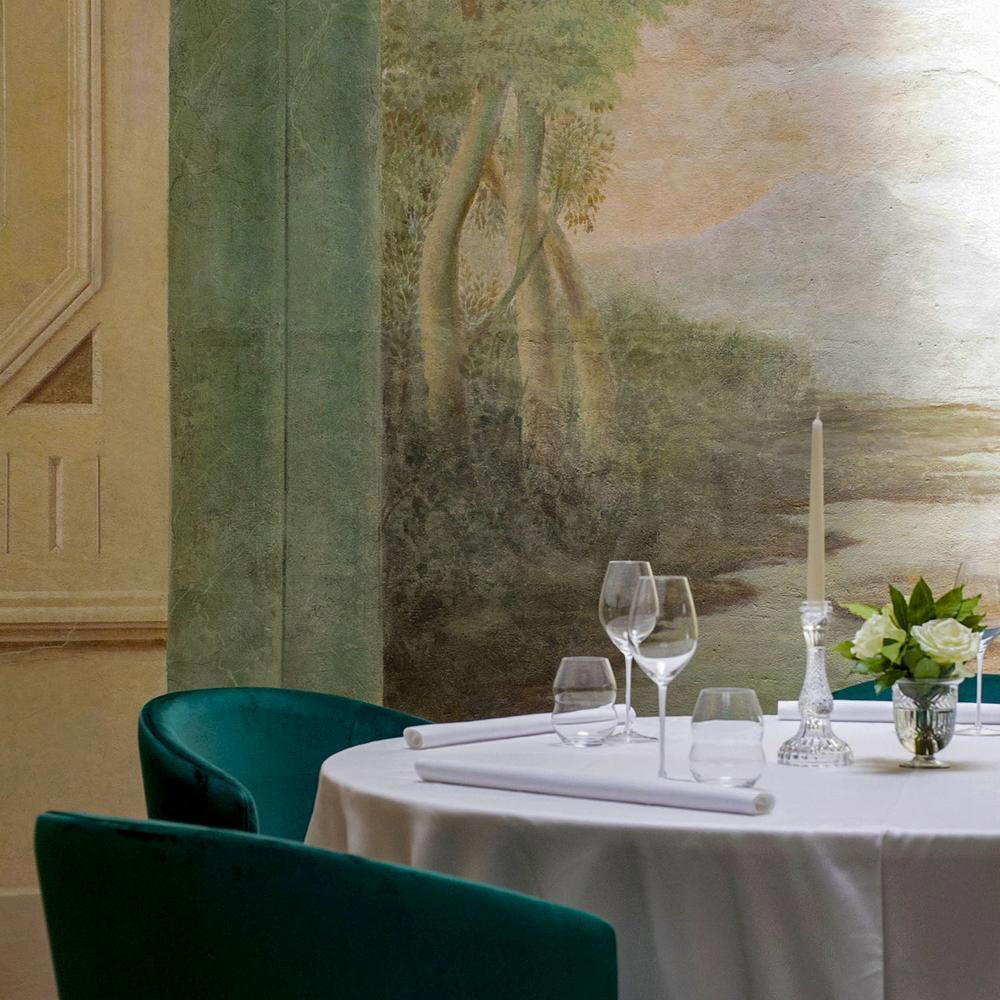
At a Glance
- Cozy
- Classic
- Casual Hangout
- Family
- Historic Building
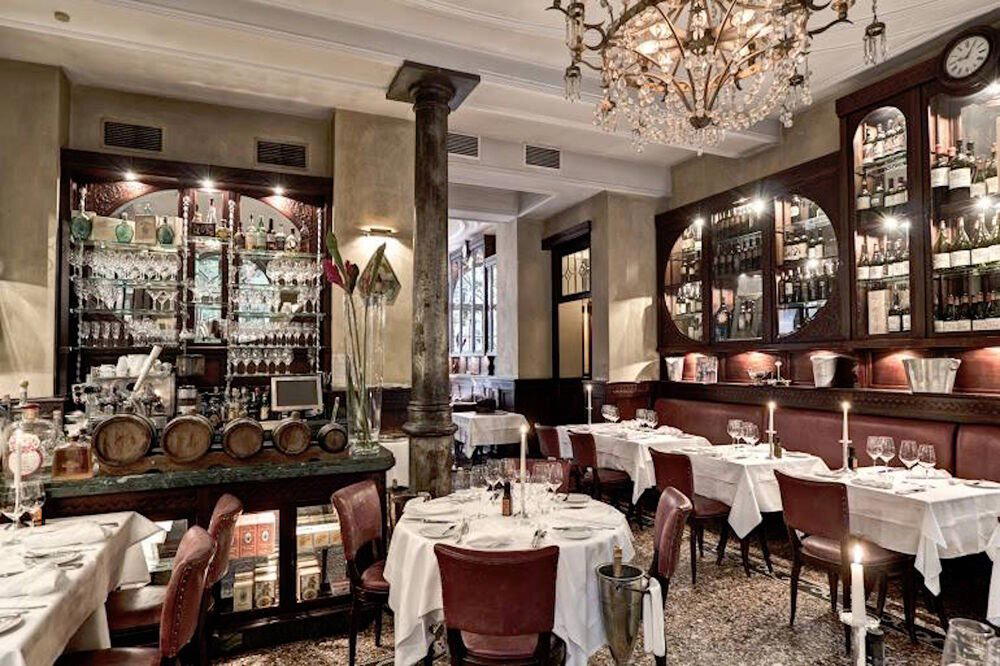
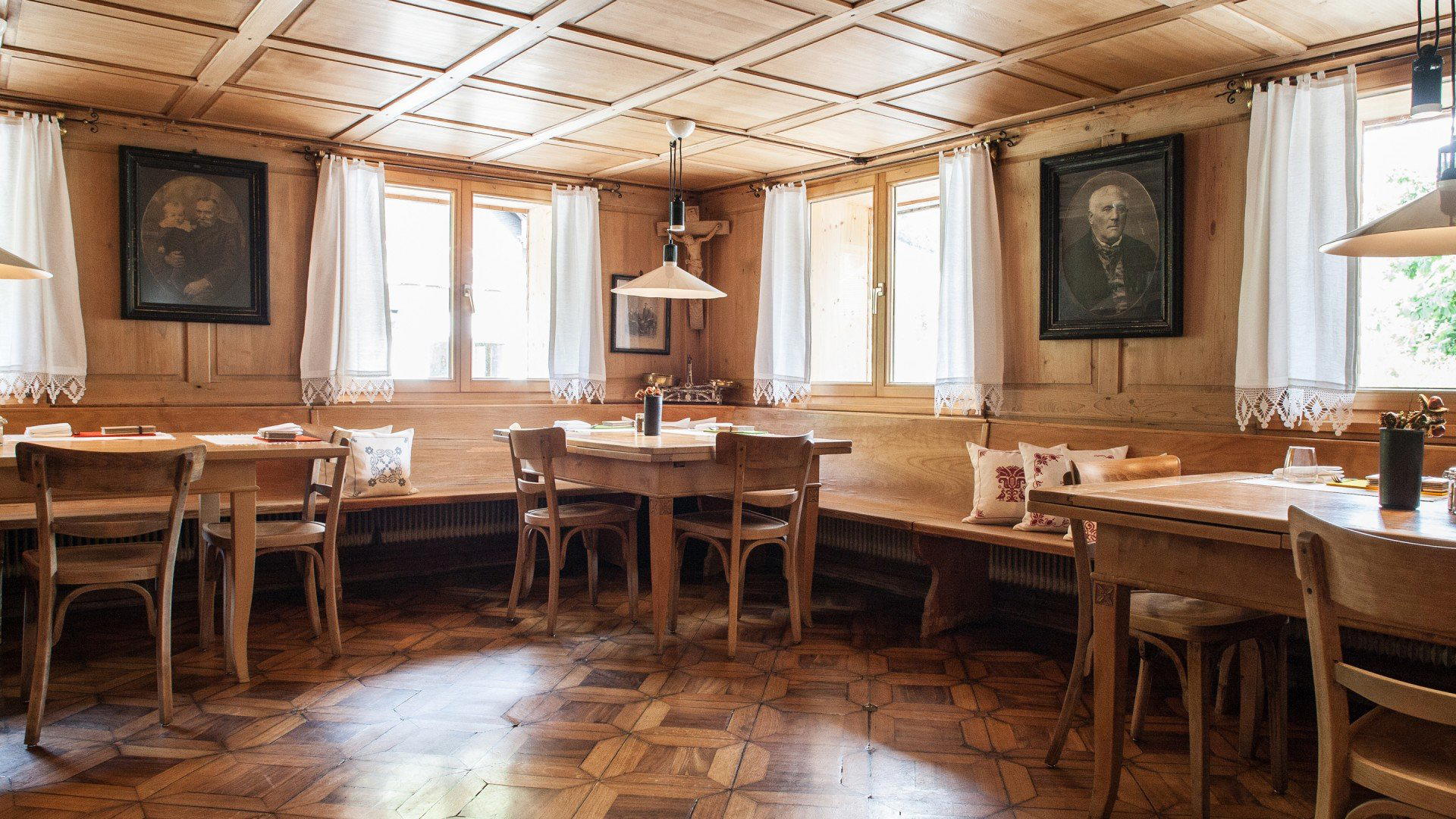
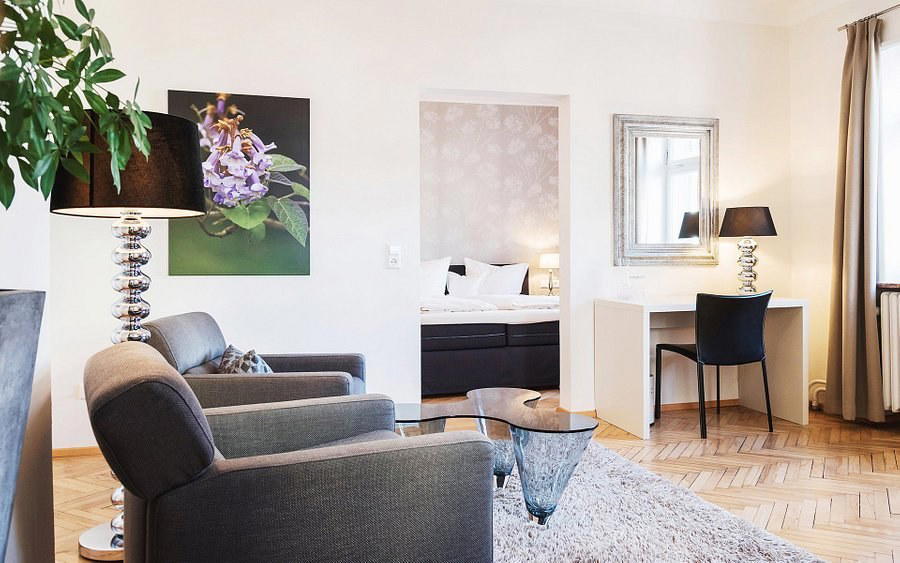
Lovely and cozy with a warm, inviting atmosphere perfect for casual meals.