
Tabelog 100 #14
Our verdict
Tokyo’s serious cafe culture is not confined to central wards or hotel lounges. Cafe Lisette Futakotamagawa ten sits in Futako Tamagawa’s calmer Setagaya rhythm, with Tabelog Cafe EAST 100 selection in 2025 and earlier Cafe 100 selections in 2021 and 2022 marking it as a cafe with sustained local credibility rather than a passing neighbourhood address.

Pearl is the En Primeur Club membership app, where members save venues, book tables and use the concierge.
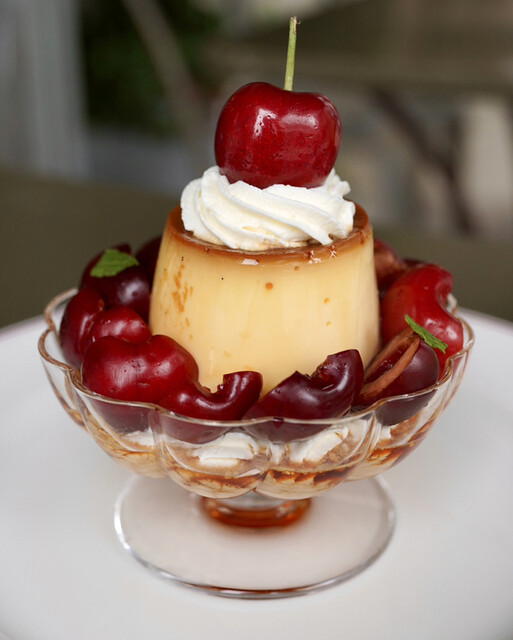
Futako Tamagawa changes the tempo before the first order. The neighbourhood sits where Setagaya softens toward the Tama River, and its cafe culture favours daylight, terrace seats, families, and regulars over central Tokyo dining performance. Cafe Lisette Futakotamagawa ten belongs to that quieter grammar: a compact cafe on Yanagikoji, built for conversation, wine by category rather than cocktail theatre, and a short-format meal that works before an afternoon walk or after nearby shopping.
Tokyo’s cafe scene is often misread abroad as cake-and-coffee. Locally, the stronger addresses act as small civic rooms: part lunch counter, dessert stop, meeting place, and domestic extension for people avoiding hotel lobbies or chain cafes. Tabelog’s Cafe EAST 100 selection in 2025, with earlier Cafe 100 selections in 2021 and 2022, places Cafe Lisette Futakotamagawa ten in that serious cafe tier. The signal is not luxury, but consistency in a category where everyday use matters more than spectacle.
Futako Tamagawa's cafe culture rewards restraint over novelty
Futako Tamagawa has a different food logic from Ginza, Ebisu, or Aoyama. The area absorbs commuters, families, and weekend visitors, so successful cafes must hold several roles at once: polished enough for an adult lunch, easy enough for children, and continuous enough to bring regulars back without a tasting-menu script. Cafe Lisette Futakotamagawa ten makes editorial sense here. It is not competing with the counter intensity of Sushi Kimura or the destination-restaurant cadence of Maeshiba Ryoriten; it belongs to a more democratic daily-use bracket, near neighbourhood specialists such as Antica Gelateria Tamagawa ten or Accha Kana, but with stronger cafe-category recognition.
In a Tokyo cafe, the ingredient question is less about producer names than discipline. Better cafes avoid the excess that makes desserts, breads, salads, and light plates feel interchangeable. They build around freshness, portion control, and a kitchen able to repeat simple pleasures across weekday lunches and weekend afternoons. Public detail does not support naming a signature dish, but the cafe’s recognition suggests sourcing and execution matter in aggregate: repeatable quality rather than one photogenic plate.
That distinction matters because price alone does not separate quality in Tokyo. Many serious casual rooms sit in the JPY 1,000 to JPY 1,999 band, where the better ones compete on texture, pacing, and ingredient handling rather than expensive product. In that bracket, repeated Tabelog Cafe 100 recognition is not reward for grandeur; it is a filter through local users who return, compare, and notice slippage.
A compact room with the habits of a neighbourhood regular
Scale is part of the appeal. With 20 seats, table seating, and an open terrace, the cafe feels closer to a neighbourhood salon than a high-volume dining room. The format suits Futako Tamagawa: approachable for families and friends, small enough to stay personal, and flexible enough for takeout or a terrace stop with a pet. The terrace policy matters in Tokyo, where pet-friendly seating is often limited and conditional; here, pets are allowed on terrace seats, making the cafe more useful for locals than many formal addresses.
Non-smoking status is another marker of the modern Tokyo cafe. The old kissaten tradition remains essential, but contemporary cafe culture has moved toward lighter, cleaner rooms that work for children, mixed-age groups, and daytime meals. Cafe Lisette Futakotamagawa ten fits that later model. The wine listing also pushes it beyond coffee-and-sweets, placing it among cafes that can stretch from lunch into a low-key early-evening pause without becoming a bar.
For travellers mapping Tokyo by food categories, this is a useful corrective. Not every worthwhile reservation needs to be sushi, yakitori, ramen, or kaiseki. A good cafe can show how a neighbourhood lives between meals. For broader comparison across formats, Our full Tokyo restaurants guide covers different levels of dining formality, while Our full Tokyo hotels guide, Our full Tokyo bars guide, Our full Tokyo wineries guide, and Our full Tokyo experiences guide place the area within a wider trip.
Where it fits in a Tokyo eating day
This is a daytime cafe rather than a late-night anchor, better as a soft landing than a finale. Use it as part of a Setagaya or west-side Tokyo day: Futako Tamagawa first, then back toward denser dining districts if evening calls for a more formal table. That sequencing is common in Tokyo. Casual rooms handle orientation and recovery; serious counters and dining rooms take the night.
Readers comparing neighbourhood cafe culture across Japan can look beyond Tokyo:.cafe in Osaka.know in Kumamoto, and [ki:] in Kyoto show how casual formats shift by city. In Tokyo, the useful contrast is breadth: 2D Cafe leans into visual concept, 3 Chome no Curry Ya San into a single comfort category, 124. KAGURAZAKA (Yakitori) into grill craft, and. 鮪と炭火焼き うお炭 秋葉原店 into tuna and charcoal cooking. 12/10 Shinjuku ten adds another urban register entirely.
The broader Japanese casual map is equally instructive: -Grilled beef Sukiyaki- KAMAKURA TANUKIAN 鎌倉 たぬき庵 in Kamakura, (Shoku) Vietnam in Kawasaki, and [Curry Senmon Ten] Maruyama Kyoju. in Sapporo each show how narrow formats carry identity. Even outside Japan, focused casual specialists such as Jōdo Saké Bar in Los Angeles and Onigiri Time in Pasadena prove the same point: casual food is strongest when the format is clear and sourcing logic disciplined.
The verdict is practical rather than breathless. Cafe Lisette Futakotamagawa ten is for travellers who want to understand how Tokyo eats between destination meals, and for locals who value a cafe that can handle lunch, dessert, conversation, children, and terrace seating without turning those functions into a concept. The awards history supplies the external signal; the neighbourhood setting explains why it matters.
Frequently asked questions
Is Cafe Lisette Futakotamagawa ten more mid-range or high-end?
Pricing at Cafe Lisette Futakotamagawa ten is listed as JPY 1,000 - JPY 1,999 JPY 1,000 - JPY 1,999.
What days is Cafe Lisette Futakotamagawa ten closed?
Hours at Cafe Lisette Futakotamagawa ten: Mon: 11:30 AM–6 PM; Tue: 11:30 AM–6 PM; Wed: 11:30 AM–6 PM; Thu: 11:30 AM–6 PM; Fri: 11:30 AM–6 PM; Sat: 11:30 AM–6 PM; Sun: 11:30 AM–6 PM.
How do I find Cafe Lisette Futakotamagawa ten?
Cafe Lisette Futakotamagawa ten is located in Tokyo.
What's the defining dish or idea at Cafe Lisette Futakotamagawa ten?
The defining idea is a compact neighbourhood cafe rather than a destination dining room: 20 seats, table service, an open terrace, and wine. Its standing is reinforced by Tabelog’s Cafe EAST 2025 "Tabelog 100" selection, which places it among the area’s more established café addresses in Tokyo. For the clearest read, think daytime cafe in Futako Tamagawa, not a tasting-menu room.
Just the Basics
Nearby venues at a similar price tier for orientation.
| Venue | Cuisine | Price | Awards | Notes |
|---|---|---|---|---|
| Cafe Lisette Futakotamagawa tenThis venue (the venue you are viewing) | French-style cafe & pastry shop | $10–20 | Tabelog 100 #14 | Not listed |
| リストランテ イ・ルンガ | Northern Italian Fine Dining | $150–200 | Not listed | Not listed |
| Antica Gelateria Tamagawa ten | Not listed | $1–10 | Tabelog 100 #79 | JPY 999 |
| Accha Kana | European-style curry house in Futakotamagawa | $10–20 | Tabelog 100 #33 | JPY 1,000 - JPY 1,999 JPY 1,000 - JPY 1,999 |
| Sushi Kimura | Aged Sushi Omakase | $150–200 | 1 Michelin Star · Tabelog Silver #56 | Sushi |
| Maeshiba Ryoriten | French Charcoal-Grilled Beef | $150–200 | Michelin Plate · Tabelog 100 #42 | French |
Recognition history
Dated appearances from independent guides and award organizations, with the underlying list record or original source where available.
Tabelog 100 #14 · No. 14
Tabelog · Tabelog 100 - Cafe - EAST - 2025
Continue exploring
More in Tokyo
Restaurants in Tokyo
All restaurants in Tokyo →


Bars in Tokyo
All bars in Tokyo →





Details
- Cozy
- Classic
- Quiet
- Casual Hangout
- Solo
- Family
- After Work
- Brunch
- Terrace
- Standalone
- Design Destination
- Street Scene
- A La Carte
- Coffee
- Tea
Current opening hours
- Monday
- 11:30 AM–6 PM
- Tuesday
- 11:30 AM–6 PM
- Wednesday
- 11:30 AM–6 PM
- Thursday
- 11:30 AM–6 PM
- Friday
- 11:30 AM–6 PM
- Saturday
- 11:30 AM–6 PM
- Sunday
- 11:30 AM–6 PM
Hours can change for holidays and private events. Hours as of .
A small, calm cafe with a gentle, French-style atmosphere; warm and cozy rather than flashy, with a relaxed neighborhood feel that suits quiet conversations and unhurried coffee breaks.