Italian Dining in Melbourne: Where Di Stasio Sits
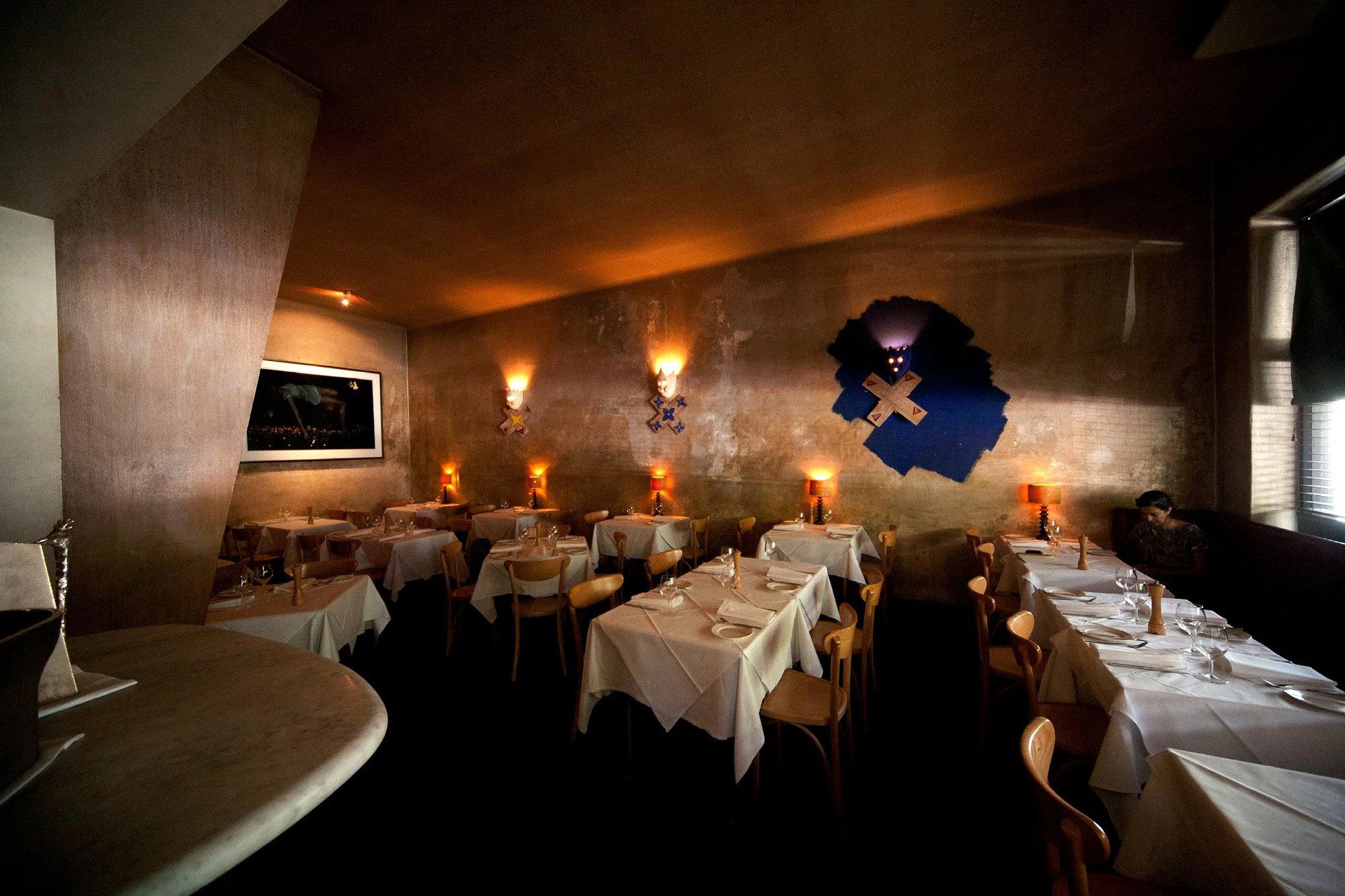
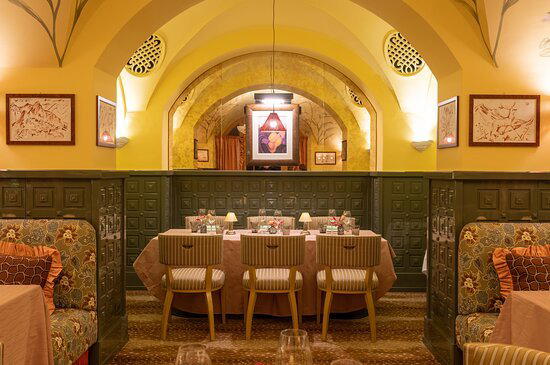
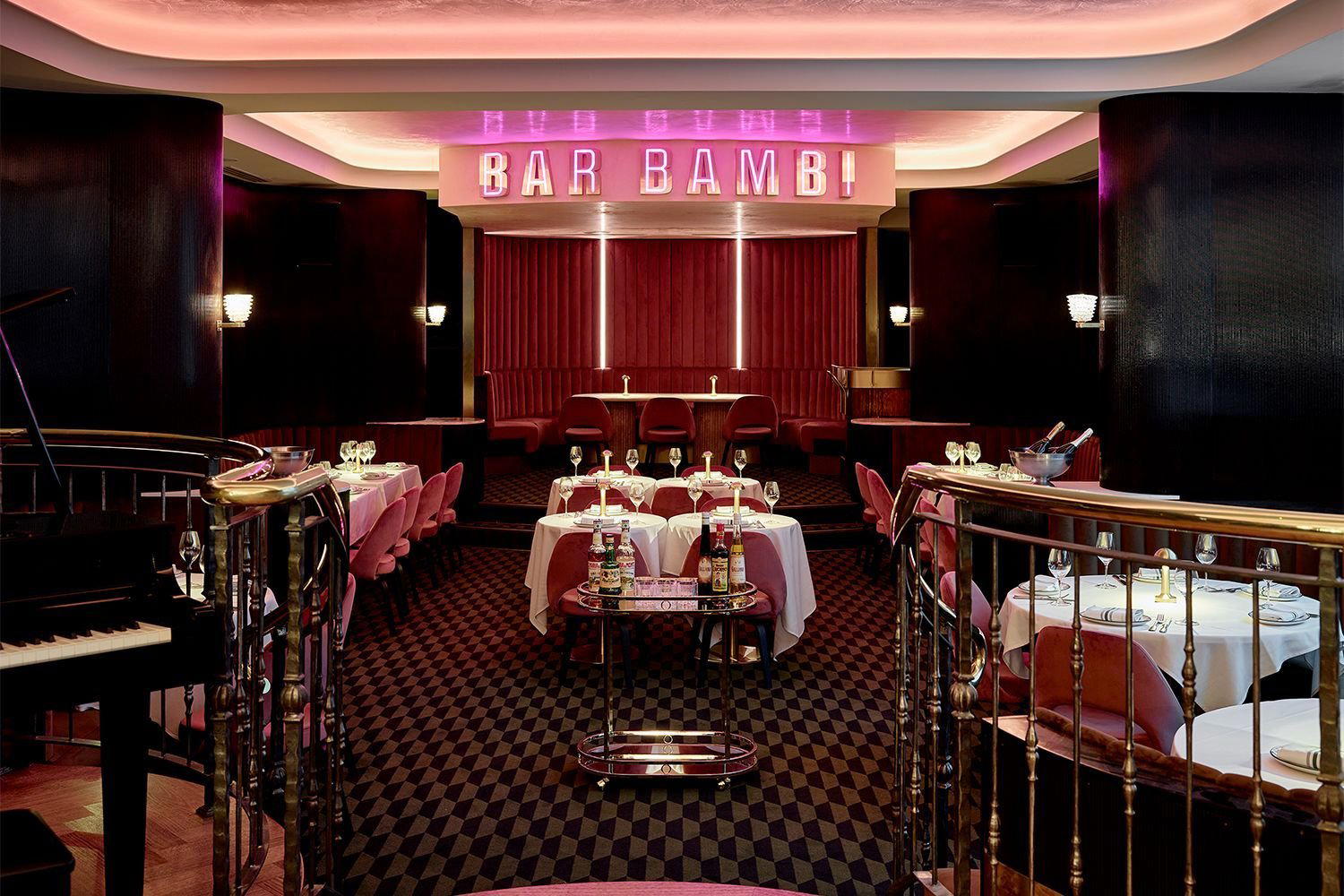
Melbourne's Italian restaurant scene divides, broadly, into three tiers. The first is the contemporary Italian or Italian-adjacent restaurant, drawing on modern technique and Australian produce to produce something distinct from any regional Italian tradition. The second is the trattoria-style operation, casual and regional, often driven by a specific regional Italian identity. The third, the smallest tier, is the formal Italian dining room that treats service and wine with the seriousness of a European institution while remaining unmistakably Australian in its particular ease. Di Stasio occupies that third tier and has done so for over three decades.
For comparison, 48h Pizza e Gnocchi Bar and 7 Alfred operate in the more casual Italian register, where the focus is a specific format executed precisely. Attica represents the Australian Modern tasting-menu position, while Flower Drum provides the most instructive peer comparison: a long-established fine dining room in a specific tradition, defined as much by institutional gravity as by any single dish. Di Stasio reads similarly in terms of what the room asks of you and what it offers in return.
Outside Melbourne, the model of the formal Italian room with serious wine depth appears at Ormeggio at The Spit in Mosman, though with a different coastal register. For Australian fine dining at a destination scale, Attica, Brae in Birregurra, and Botanic in Adelaide define the tasting-menu axis. Di Stasio sits apart from all of them by remaining a full-service à la carte Italian restaurant where the meal's arc is yours to construct.
The Arc of the Meal
The editorial angle that frames any serious engagement with Di Stasio is the progression of the meal itself. Unlike a tasting menu, where the kitchen controls the sequence entirely, Di Stasio's format places the sequencing responsibility on the diner, supported by floor staff who are, by the restaurant's reputation, more than capable of guiding it. This is a different kind of knowledge transfer than what you find at, say, Lazy Bear in San Francisco or Le Bernardin in New York, where the kitchen's progression is fixed and theatrical. At Di Stasio, the intelligence lives in the room rather than exclusively in the kitchen, and how well a table navigates the menu depends on how actively it engages with the service team.
The Italian dining tradition that Di Stasio works within is one where sequencing matters structurally: antipasto establishes appetite, primi are rarely skipped, secondi carry the weight of the meal, and the wine list is meant to be worked through rather than satisfied with a single bottle. Restaurants in this tradition, from Rome to Bologna to Milan, assume a diner willing to spend two to three hours at the table. Di Stasio imports that assumption into St Kilda and has found, over thirty-five years, that Melbourne has always had an audience for it.
Wine list is the clearest signal of the restaurant's ambitions in this direction. Italian lists at Melbourne restaurants tend toward the commercially recognisable: Barolo, Brunello, the Tuscans that travel well on a wine menu. Di Stasio's list has, by consistent account, gone further into regional Italy than most local operations, which means it functions as an extension of the meal's educational arc rather than just a support role. For a diner prepared to engage with it, the list can take the meal somewhere the food alone cannot.
St Kilda's Role in Melbourne's Restaurant Geography
Understanding why Di Stasio is where it is requires a brief account of St Kilda's position in Melbourne's dining geography. The suburb has historically attracted restaurants that operate outside the CBD's commercial logic, partly because its residential character and beach proximity created a different kind of regular customer, and partly because Fitzroy Street's scale and architectural stock suit rooms that want to feel established rather than new. Above Board represents the more recent, smaller-format end of what Melbourne's inner suburbs support. Di Stasio represents the other end: a room with scale, permanence, and a history of operating as a social institution for the city's arts and media communities as much as for food-focused visitors.
That dual role, as restaurant and as room where the city's cultural life happens, is common to a specific type of long-running European dining institution, and far less common in Australia. It places Di Stasio in a conversation with venues like Flower Drum more than with any contemporary Italian opening, and explains why its longevity reads as a credential in itself.
For visitors building a Melbourne itinerary, the full picture of what the city's restaurant culture offers is in our complete Melbourne restaurants guide. Australian dining at a regional scale extends to Hentley Farm in Seppeltsfield, Laura at Pt Leo Estate in Merricks, Provenance in Beechworth, and Pipit in Pottsville. Further afield, Rockpool in Sydney, Salt Water Restaurant in Cairns, and Lizard Island Resort represent the range of what the Australian dining circuit covers at the premium end.
Planning a Visit
Cafe Di Stasio is at 31 Fitzroy Street, St Kilda, a short tram ride from the CBD on the 96 route. The restaurant has operated at this address since 1989, which makes it one of the longest-running fine dining operations in the city. Reservations are advisable, particularly for weekend evenings, given the room's consistent local following over three and a half decades of operation. The St Kilda location also makes it a natural anchor for a longer evening in the suburb, with the foreshore accessible before or after the meal.