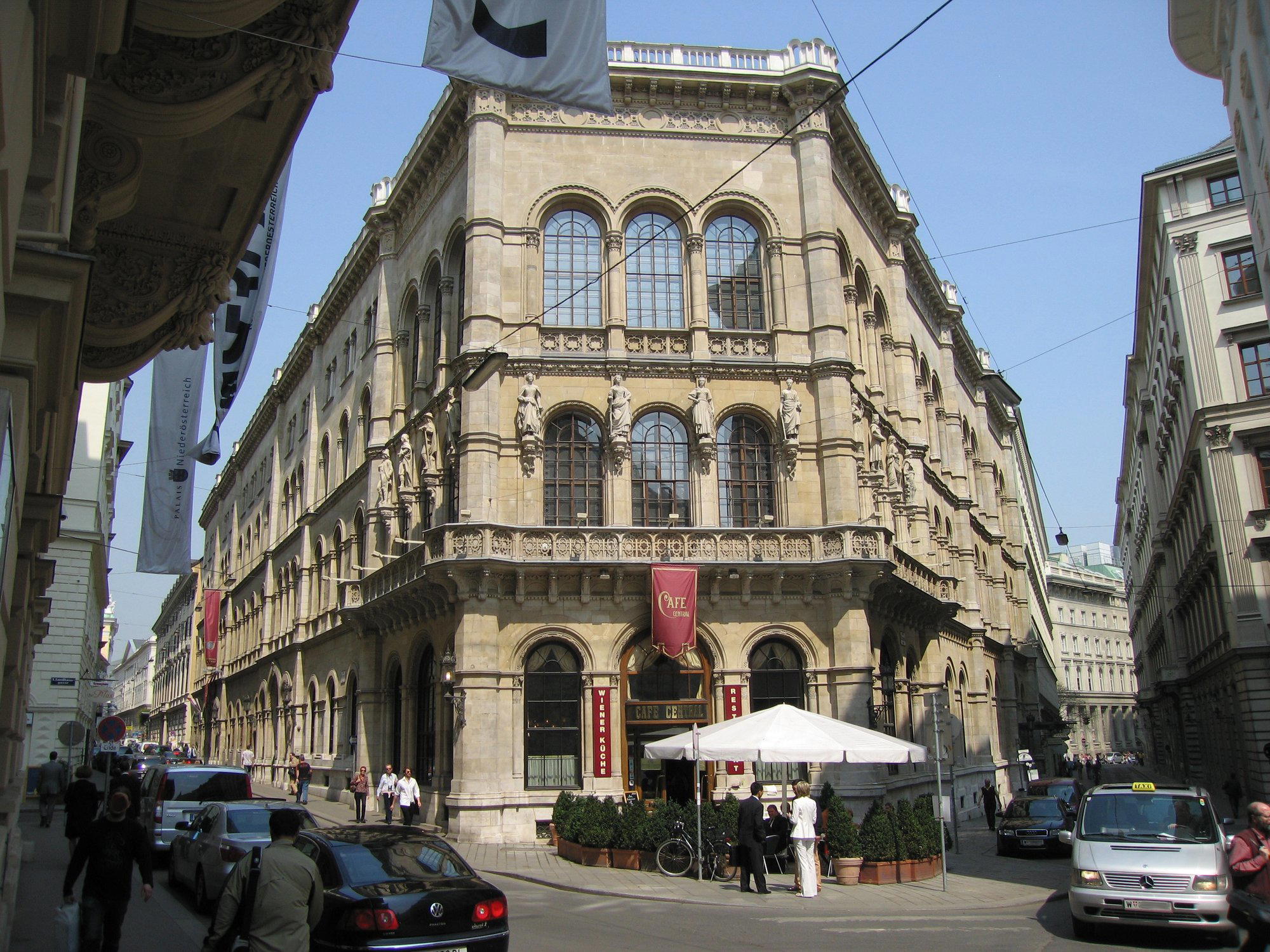
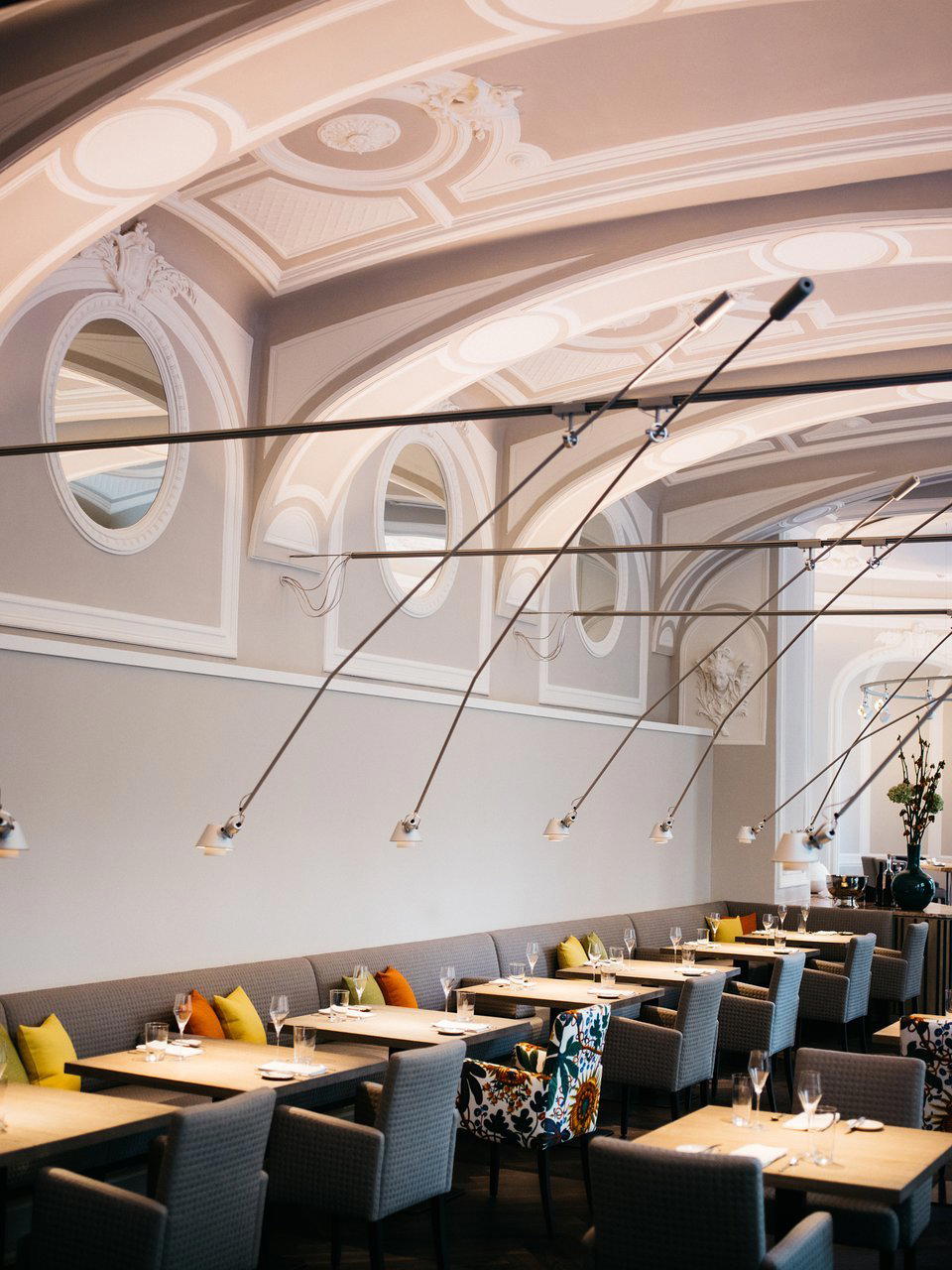
Café Central occupies one of Vienna's most architecturally arresting interiors: a vaulted coffeehouse on Herrengasse that has anchored the city's intellectual and social life for well over a century. It sits at the centre of the Viennese coffeehouse tradition, a format that UNESCO recognised as an element of intangible cultural heritage. For visitors planning time in the first district, the booking question matters more than most expect.

A Room That Arrives Before the Coffee Does
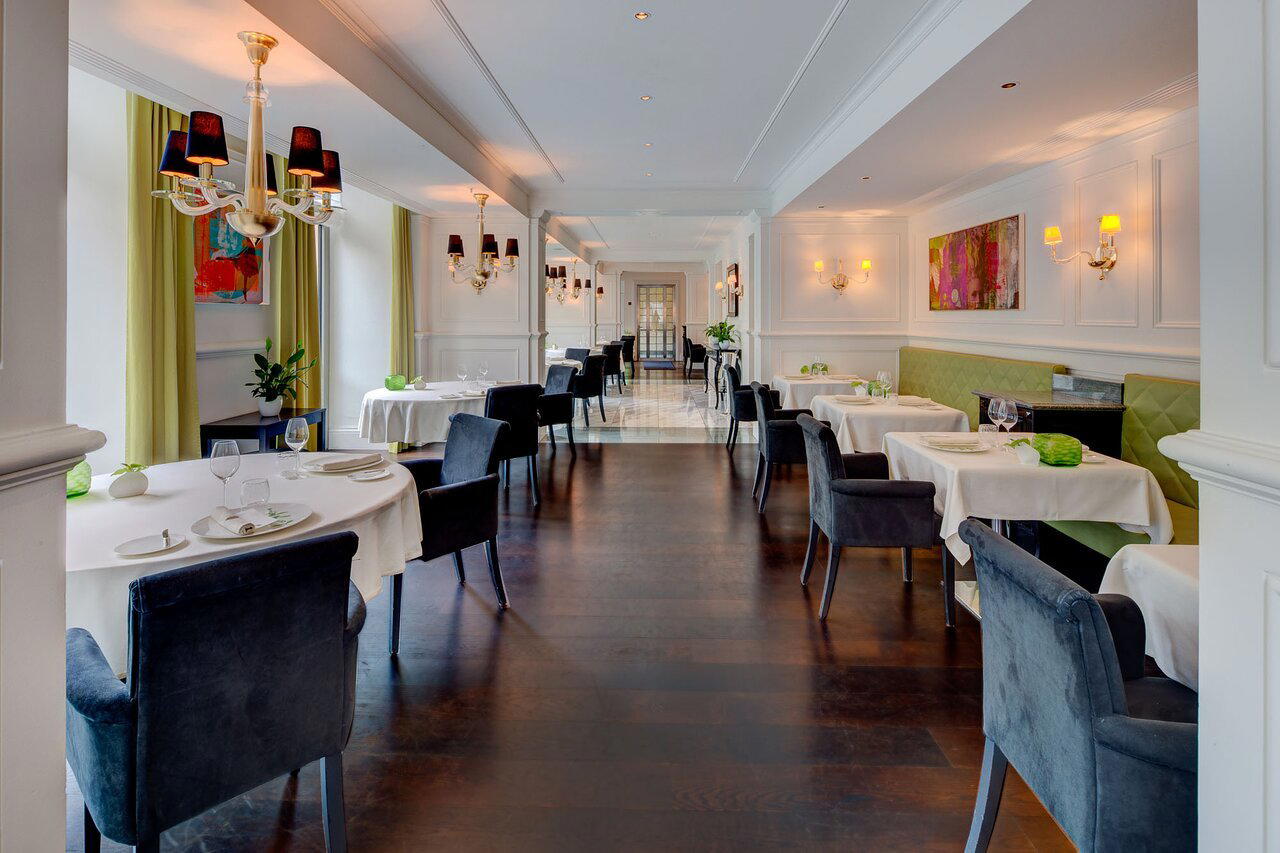
There are coffeehouses, and then there are rooms that make a case for a particular way of spending an afternoon. Café Central, at Herrengasse 14 in Vienna's first district, belongs to the second category. The vaulted neo-Gothic arches, the marble columns, and the reading tables arranged beneath a soaring central cupola establish an atmosphere that operates entirely on its own terms. Before any order is placed, the space communicates something about what Viennese coffeehouse culture is actually for: not speed, not efficiency, but duration. You are expected to stay.
That architectural weight is not incidental. The building dates to the 1860s, and the coffeehouse format it houses is one that Vienna's intellectual and artistic class used as a de facto office, salon, and postal address for generations. The tradition earned UNESCO recognition as an element of intangible cultural heritage, which places Vienna's coffeehouses in the same preservationist category as practices considered irreplaceable expressions of human culture. Café Central is among the most visited embodiments of that tradition.
The Booking Reality in High Season
The editorial angle on Café Central is less about the menu and more about logistics, because the planning decision here shapes the experience before you arrive. Vienna's coffeehouse culture is one of the city's most searched and visited draws, and Café Central sits at the peak of that demand. During summer months, from roughly June through August, and again around the Christmas markets in late November and December, the queue for walk-in tables can extend to forty minutes or longer at prime morning and midday hours.
The practical implication: if you want a specific table time, especially for a weekend morning or a weekday lunch in high season, a reservation is the correct move. The room's layout favours those who have booked: walk-ins are often seated near higher-traffic areas, while reserved tables tend to sit deeper into the hall, where the vaulted ceiling is at its most dramatic. The difference in atmosphere between a table by the entrance and one positioned under the central arches is considerable. For a first visit, the reservation is the access instrument that determines which version of the room you experience.
That said, Café Central is not operating on the allocation model of Vienna's fine-dining tier. Places like Steirereck im Stadtpark or Konstantin Filippou require weeks or months of lead time, with the booking itself functioning as a competitive act. Café Central sits in a different category, one where the planning effort is moderate, not extreme, but still meaningful enough to reward the traveller who thinks ahead. Outside high season, particularly in January through March, the coffeehouse operates at a pace that allows for more spontaneous visits.
What the Viennese Coffeehouse Format Actually Is
Internationally, the coffeehouse is often understood as a café with historical branding. The Viennese version is something more specific. The coffeehouse was historically a place where you paid for your coffee and received, implicitly, the right to occupy the table for as long as you wished, reading newspapers from the rack, meeting people, or working. The waiter, in the traditional format, does not hurry you. The coffee arrives, the glass of water alongside it is replenished without being asked, and the rhythm of the room moves at a register that resists the hospitality industry's usual pressure toward turnover.
That structure is what distinguishes Vienna's coffeehouses from the European café more broadly, and it is why the UNESCO designation applies to the culture rather than to any single building. Café Central preserves the physical conditions that make this format legible: enough space between tables for conversation, enough quiet in the room's acoustics to concentrate, and a menu that spans coffee, pastry, light savoury dishes, and cake in a format that can serve as breakfast, lunch, or an extended afternoon break.
The Menu as Supporting Argument
The food and drink at Café Central function as evidence for the coffeehouse format rather than as a destination in themselves. The Viennese coffee categories, Melange, Kleiner Brauner, Verlängerter, and others, are the primary draw, served in the house style with the traditional accompaniment of a small glass of water. The pastry selection, including Apfelstrudel and a range of tortes, represents the Austrian coffeehouse standard rather than any departure from it.
This is not where Vienna's creative kitchen energy sits. For that, the comparison set looks to Mraz and Sohn, Amador, or Doubek. Austria's wider fine-dining tier extends beyond the capital to Döllerer in Golling an der Salzach, Obauer in Werfen, and Landhaus Bacher in Mautern an der Donau, each representing the kind of destination-dining proposition that Café Central is not attempting to be. The coffeehouse operates in a different register, one where the point is the room, the time, and the cultural format rather than the plate.
What Café Central does offer within its category is consistency and legibility. For a visitor arriving from a city where the coffeehouse tradition has no equivalent, the experience of sitting beneath those arches with a Melange and a slice of Apfelstrudel is a direct encounter with a form of urban life that most European capitals have not managed to sustain at this quality or scale. For context on how differently premium hospitality can be configured, consider that internationally recognised restaurants such as Le Bernardin in New York City or Lazy Bear in San Francisco operate on tasting-menu formats where every element of the experience is tightly controlled. Café Central operates on the opposite principle: the format is defined, but the use of it is entirely yours.
Placing It in the First District
Herrengasse runs through the first district's densest concentration of palaces, government buildings, and cultural institutions. The address puts Café Central within walking distance of the Kunsthistorisches Museum, the Hofburg complex, and the Burgtheater, making it a natural staging point for a day structured around Vienna's major cultural sites. The surrounding streets also contain some of the city's more serious wine and food retail, which matters if the afternoon extends into broader exploration.
For visitors building a broader Austrian dining itinerary, the EP Club guide covers the full range, from the capital's fine-dining tier to regional destinations. The full Vienna restaurants guide maps the city's dining character across categories and price points. Further afield, Tyrolean options including Gourmetrestaurant Tannenhof in Sankt Anton am Arlberg and Stüva in Ischgl represent the alpine dining tier, while Taubenkobel in Schützen am Gebirge anchors the Burgenland end of the country's wine and food corridor. Closer to Salzburg, Kräuterreich by Vitus Winkler in Sankt Veit im Pongau and Schwarzer Adler in Hall in Tirol complete a regional picture that extends well beyond the capital. Ois in Neufelden and Restaurant 141 by Joachim Jaud in Mieming round out the Austrian destinations worth building travel around.
Similar Picks
A quick peer list to put this venue’s basics in context.
| Venue | Cuisine | Price | Notes |
|---|---|---|---|
| Café Central | This venue | ||
| Steirereck im Stadtpark | Creative | €€€€ | Creative, €€€€ |
| Konstantin Filippou | Modern European, Modern Cuisine | €€€€ | Modern European, Modern Cuisine, €€€€ |
| Mraz & Sohn | Modern Austrian, Creative | €€€€ | Modern Austrian, Creative, €€€€ |
| Silvio Nickol Gourmet Restaurant | Modern Cuisine | €€€€ | Modern Cuisine, €€€€ |
| APRON | Austrian, Creative | €€€€ | Austrian, Creative, €€€€ |
Continue exploring
More in Vienna
Restaurants in Vienna
Browse all →Bars in Vienna
Browse all →Hotels in Vienna
Browse all →At a Glance
- Classic
- Elegant
- Iconic
- Historic
- Brunch
- Casual Hangout
- Special Occasion
- Historic Building
- Extensive Wine List
- Organic
Grand historic interior with high ceilings and elegant atmosphere, bustling with tourists and locals.