Café Amisha
Café Amisha occupies an address on Grange Road in Bermondsey's SE1 corridor, a stretch that sits at the intersection of working South London and the area's gradual shift toward independent hospitality. Where Bermondsey's better-known dining destinations cluster around the railway arches and the market, Café Amisha represents the quieter residential tier of the neighbourhood's food scene.
Pearl is the En Primeur Club membership app — saves, bookings, and concierge access live there. Same editors, same standards.
- Address
- Amisha Court, 161 Grange Rd, London SE1 3GH, United Kingdom
- Phone
- +442072317151
- Website
- cafeamisha.co.uk
- Directions
- Get directions
 Saves & bookings on Pearl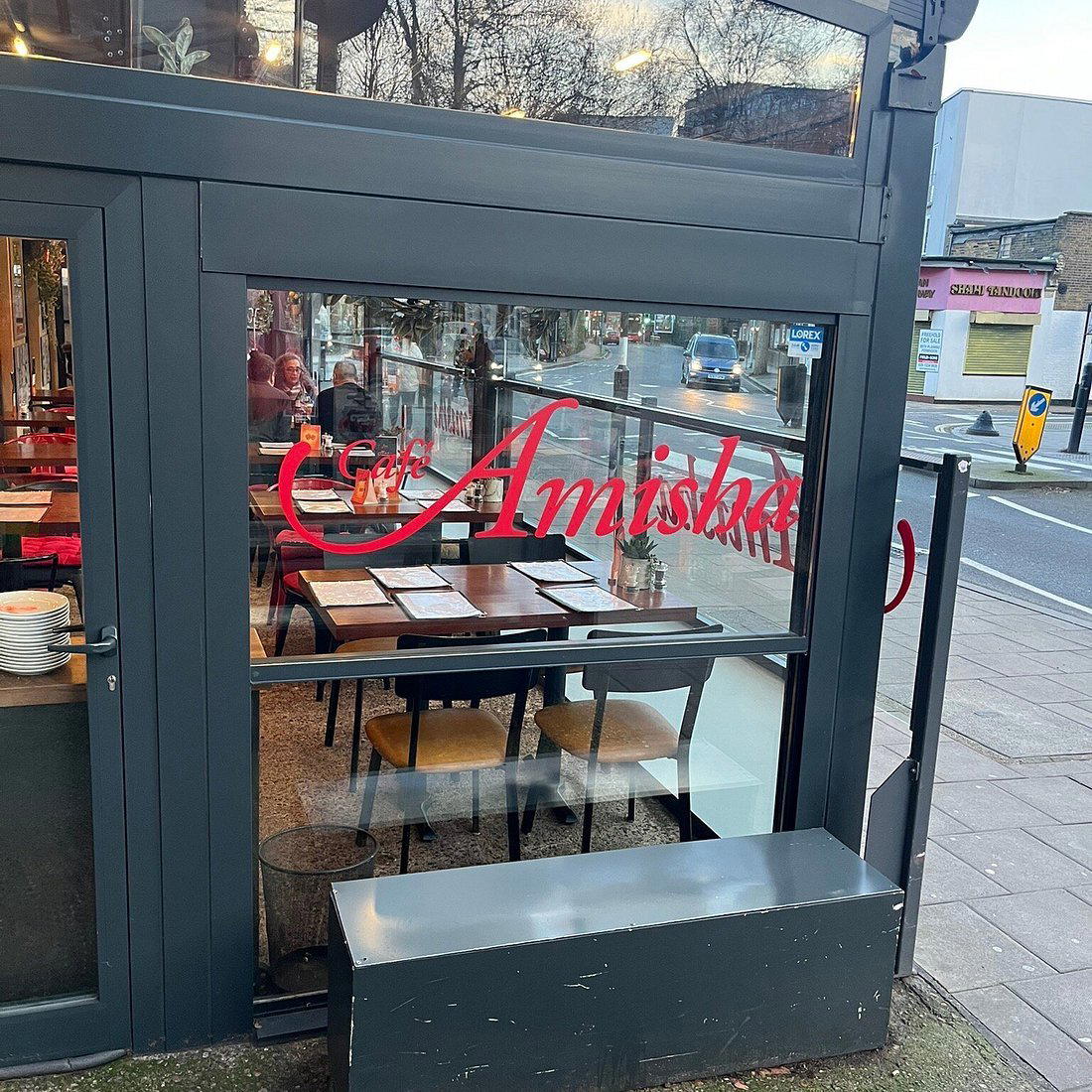
Where Bermondsey's Residential Grain Meets the Café Counter
Café Amisha is a restaurant in London serving authentic Italian food at about £25 per person. South London's SE1 corridor has spent the better part of a decade sorting itself into distinct hospitality layers. The railway arch conversions and Borough-adjacent venues occupy one register: higher footfall, more deliberately curated, increasingly visible to the Michelin and 50 Best circuits that position London's dining at the international level alongside addresses like CORE by Clare Smyth and The Ledbury. Further into the residential grain of Bermondsey and the Grange Road stretch, a different category operates: smaller, neighbourhood-anchored, less legible to the algorithm but often more embedded in the actual daily life of the area. Café Amisha at Amisha Court, 161 Grange Road sits in this second register.
The address itself signals something about function. Amisha Court is residential infrastructure, not a converted warehouse or a destination dining block. A café at that address serves a community first and a passing audience second. As destination dining at the summit end of the market consolidates around a handful of prestigious postcodes and formats, the neighbourhood café that earns genuine local loyalty occupies a different kind of value. It does not compete with Sketch's Lecture Room or Restaurant Gordon Ramsay on any axis. It competes, if at all, with whatever else is within walking distance of SE1 3GH.
The Editorial Angle: Local Ingredients, Broader Methods
British café culture has been slowly reorganising around a tension that mirrors what is happening at every price point in the country's food scene. On one side, the tradition of the greasy spoon and the neighbourhood caff, deep-fried, unglamorous, often excellent in its own terms. On the other, the wave of technique-led, sourcing-conscious café formats that arrived in London via Melbourne, Tokyo, and Scandinavia, where espresso quality, bread provenance, and ingredient traceability became cafés' primary identity signals. Interesting operators in this space are not simply executing either pole. They are drawing on imported methods, slow fermentation, single-origin sourcing, precision extraction, while working with the specific ingredients and demographics of their immediate neighbourhood.
Café Amisha's Bermondsey SE1 address places it within reach of the same supply chains that feed Borough Market and the Maltby Street producers: small-scale British cheesemakers, seasonal bakers working sourdough traditions that have absorbed both local grain heritage and continental technique, and coffee roasters who treat London as a global node rather than a provincial outpost. The infrastructure exists and defines what is possible in the postcode. Comparable dynamics play out at regional addresses further afield, from L'Enclume in Cartmel, where Simon Rogan's hyper-local sourcing shaped a template for ingredient-forward cooking, to Moor Hall in Aughton, where the kitchen garden and the broader Lancashire produce network inform a menu that could not easily be transplanted to another county.
At the café level, the same logic applies differently. The relevant question is not whether a café is sourcing from a named farm with a heritage breed programme. It is whether the food reflects the place it is in, the people it is serving, and some coherent sense of what a plate or a cup should actually accomplish. That question is as meaningful for a neighbourhood café in SE1 as it is for a tasting menu room in West London or a destination kitchen in rural England.
Situating Café Amisha in London's Wider Café Scene
London does not have a single café culture. It has several operating simultaneously and often in the same postcode. The third-wave coffee format, defined by light-roast single origins, flat whites served at precise temperatures, and minimal food menus calibrated around the espresso, is now well established across zones 1 and 2, and has pushed into SE1 most visibly around Bermondsey Street and the Druid Street market cluster. A second format, the all-day neighbourhood café with a broader food proposition, operates with different commercial logic: it needs kitchen throughput across breakfast and lunch, and it serves a resident population rather than a transient one.
That all-day format has proven more durable in residential pockets than the destination-coffee model, which depends on footfall patterns that residential streets do not always sustain. For comparison, the broader UK fine dining circuit works precisely because destination-driven formats can sustain premium pricing from a narrower visitor pool. A residential café cannot work that way. It survives on frequency: the same customer returning three or four times a week, which means the food and coffee have to earn that return visit without novelty-driven theatre.
The neighbourhood café model that earns consistent local loyalty without relying on destination-dining apparatus is well established. Lazy Bear in San Francisco represents one end of the US spectrum, a highly structured, ticketed format, while the city's working neighbourhood cafés form an entirely different ecosystem. Le Bernardin in New York City operates in a completely different register, but the logic of a room that serves its core audience reliably over years rather than chasing new discovery cycles is something the neighbourhood café and the three-star institution share, for different reasons.
Practical Planning
The restaurant is located at Amisha Court, 161 Grange Road, London SE1 3GH. The SE1 postcode is served by several tube and rail options, with Bermondsey (Jubilee Line) and South Bermondsey (Overground) both within the broader area. For visitors combining the café with wider SE1 dining, the neighbourhood sits close enough to Bermondsey Street's concentration of restaurants that both can be covered in a single day. For London's fine dining tier, advance booking of several weeks is standard. For a neighbourhood café, that dynamic does not apply in the same way, but checking current operating hours directly before visiting remains advisable.
| Venue | Format | Price Tier | Booking Lead Time | Postcode |
|---|---|---|---|---|
| The restaurant | Neighbourhood café | £ | Recommended | SE1 3GH |
| CORE by Clare Smyth | Tasting menu | ££££ | Several weeks | W11 |
| The Ledbury | Tasting menu | ££££ | Several weeks | W11 |
| Dinner by Heston Blumenthal | À la carte / set menu | ££££ | 2-4 weeks | SW1X |
| hide and fox, Saltwood | Tasting menu | £££ | 1-3 weeks | CT21 |
A Tight Comparison
Comparable venues nearby, for context on price, style, and recognition.
| Venue | Cuisine | Price |
|---|---|---|
| Café AmishaThis venue — the venue you are viewing | Bermondsey, Authentic Italian | $$ |
| Pentolina | Brook Green, Authentic Italian Trattoria | $$ |
| Carmelina's | Markham, Italian | $$ |
| Pizza Pilgrims Exmouth Market | Clerkenwell, Neapolitan Pizza | $$ |
| Amico Bio Holborn | St Giles, Organic Italian Vegetarian | $$ |
| Il Cucciolo | St Giles, Traditional Italian Trattoria | $$ |
Continue exploring
More in London
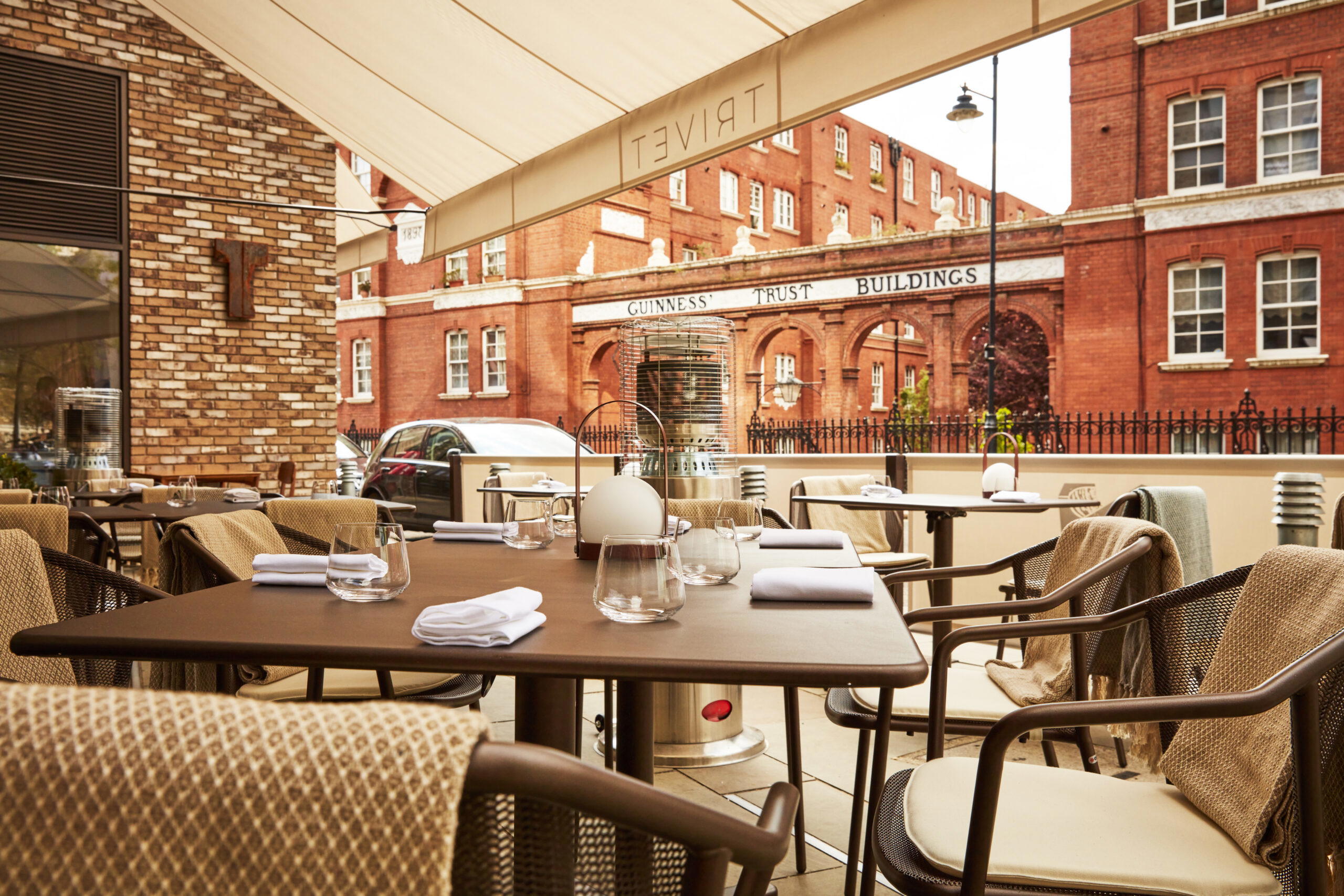
Restaurants in London
Browse all →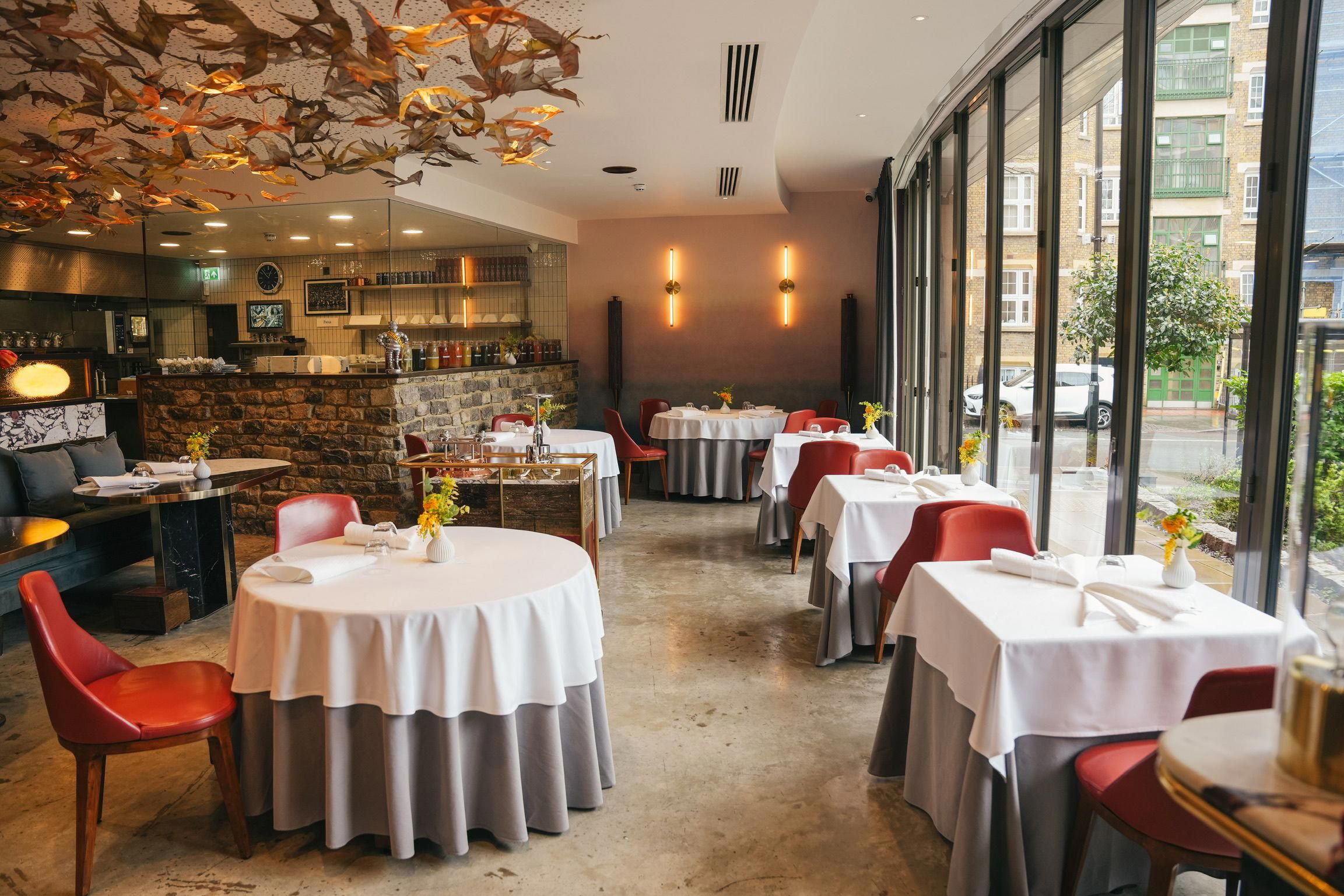
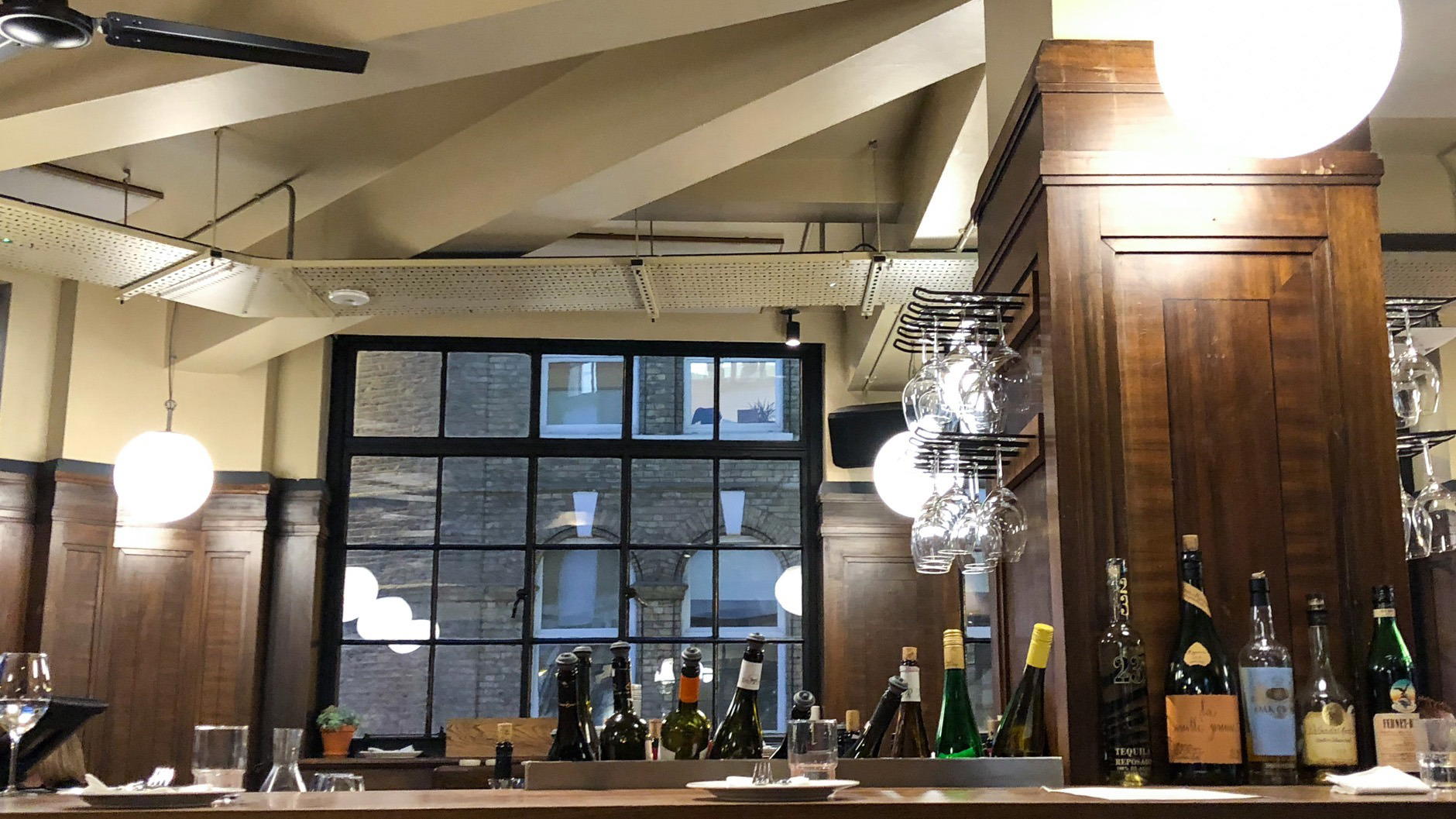
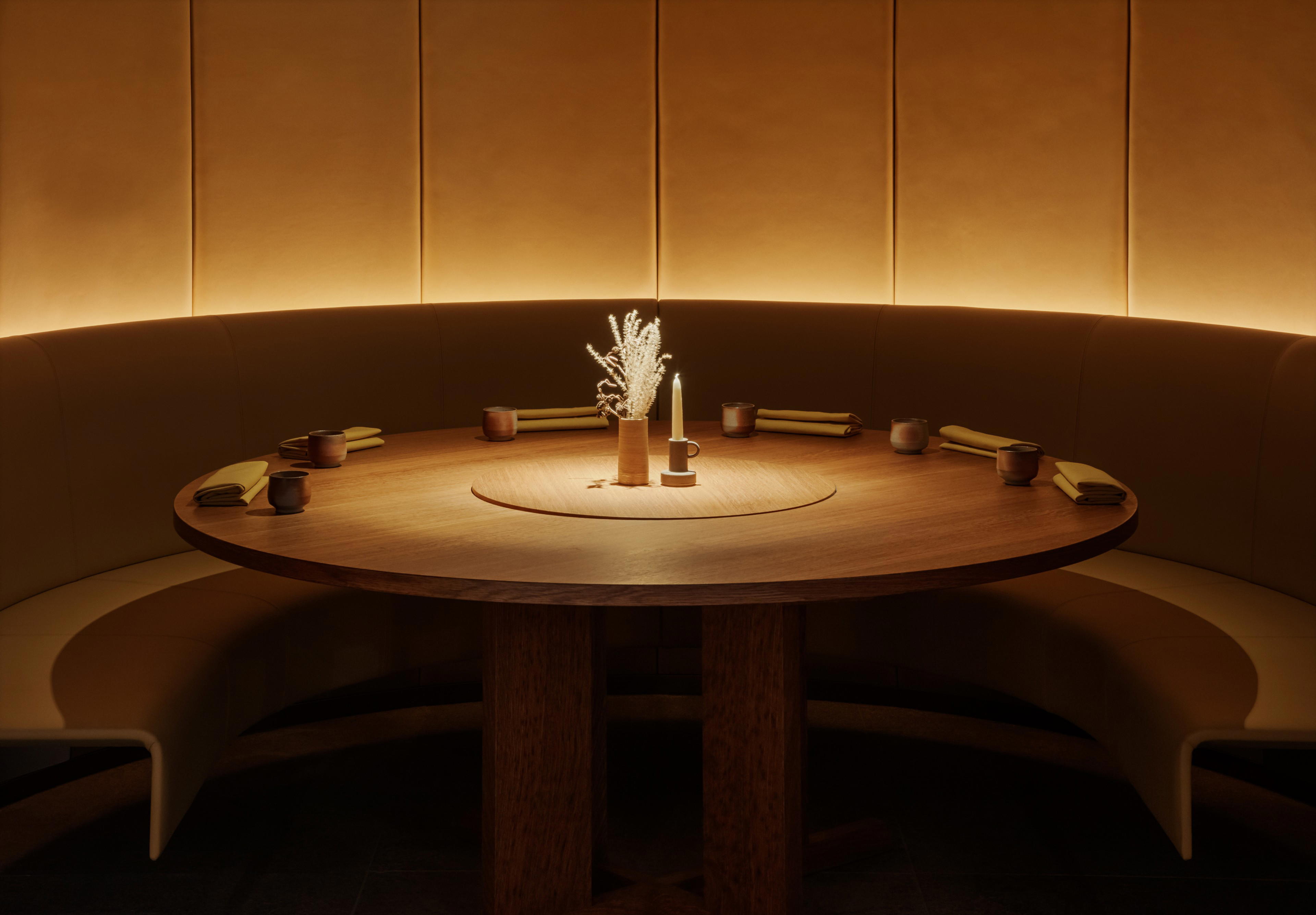
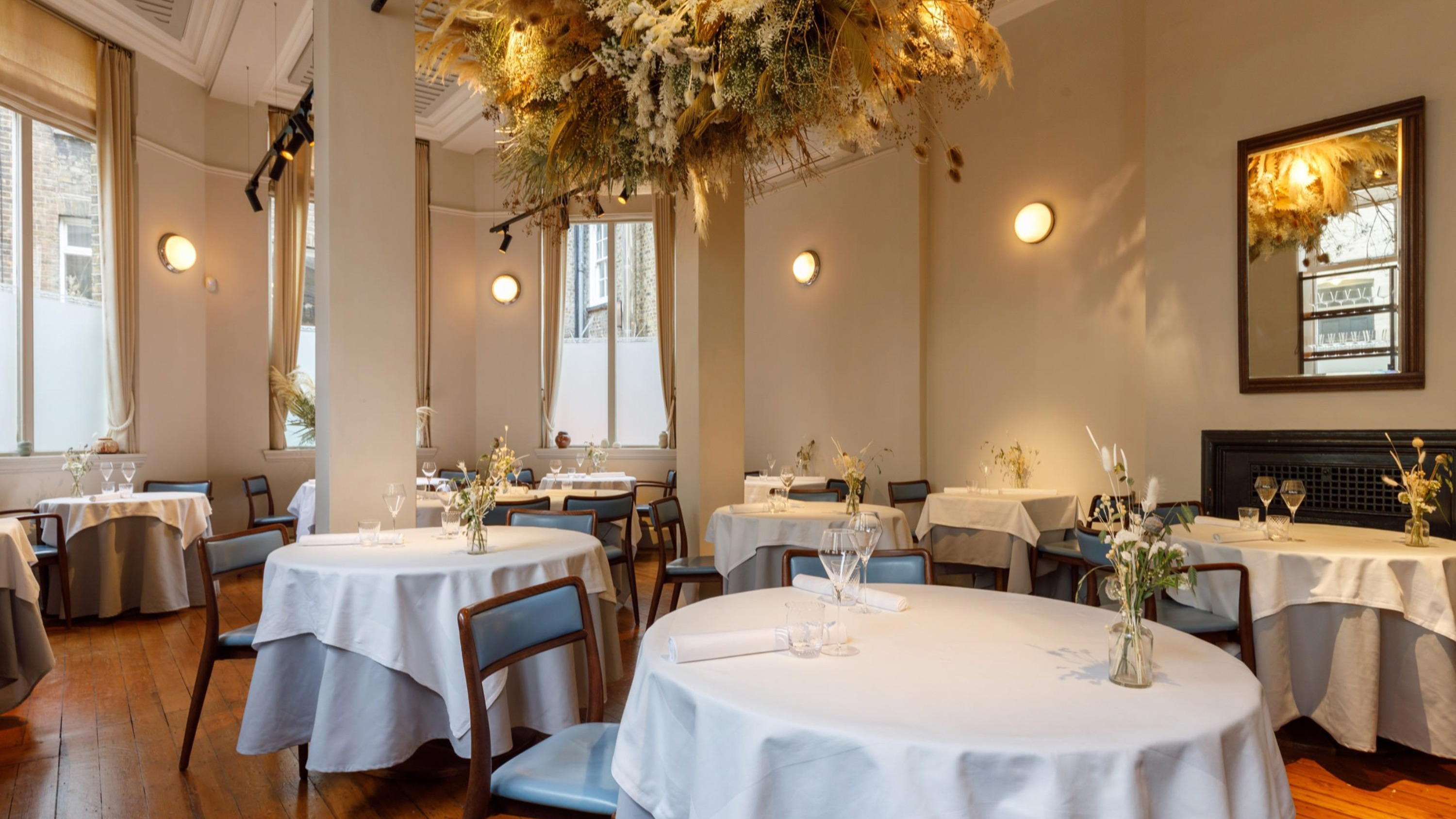
Bars in London
Browse all →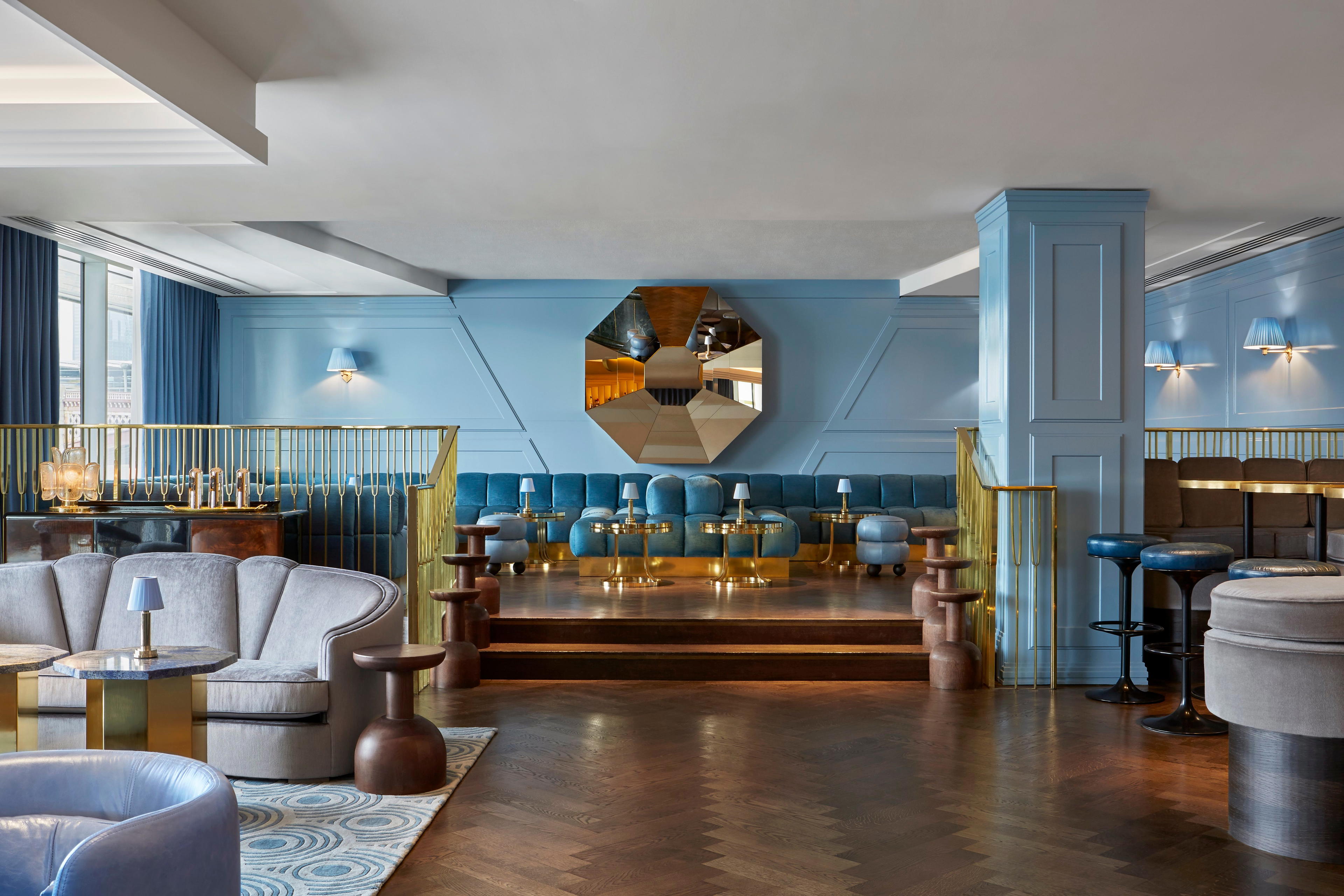
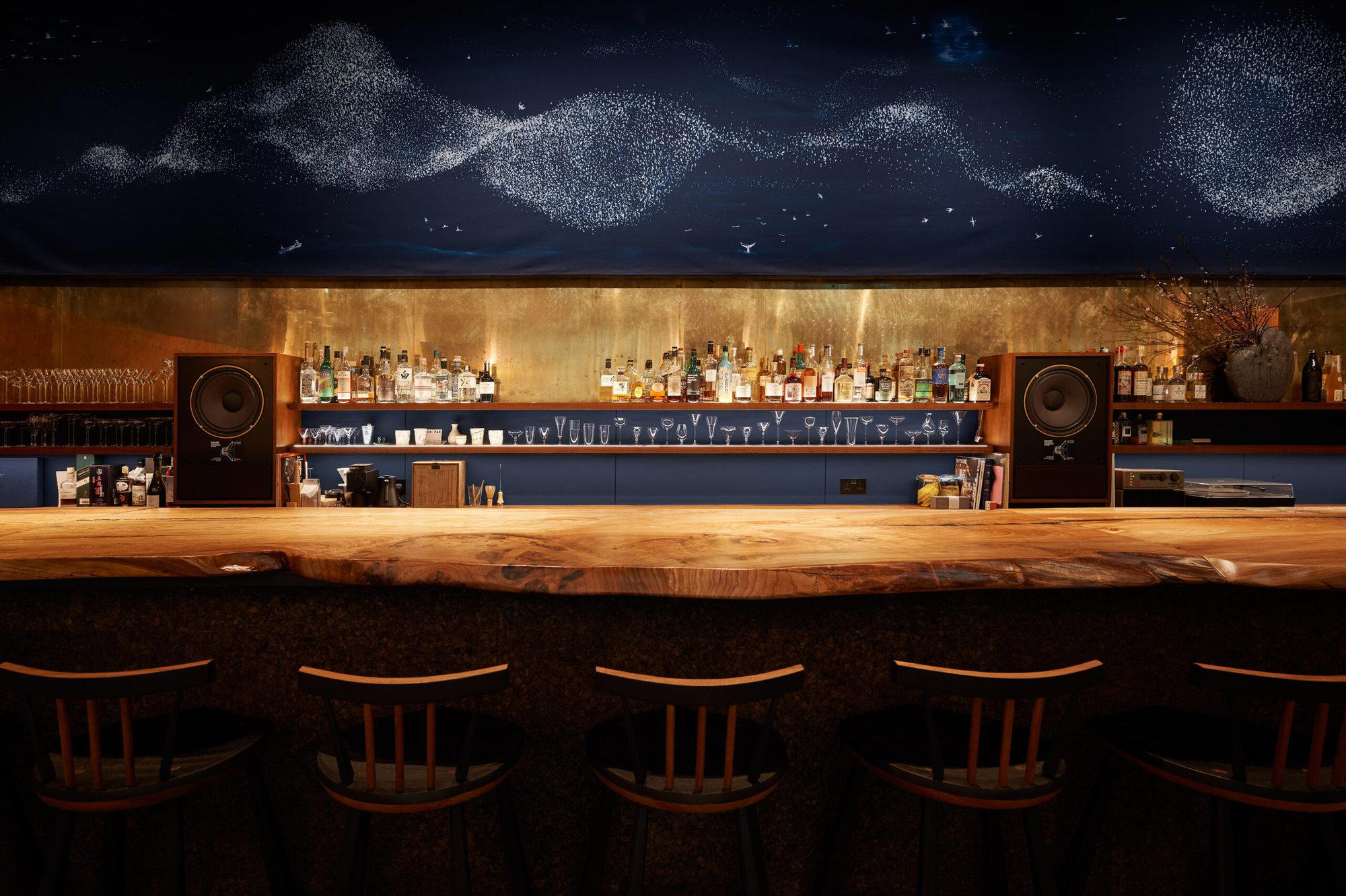
Hotels in London
Browse all →


At a Glance
- Cozy
- Intimate
- Classic
- Date Night
- Casual Hangout
- Family
- Terrace
- Local Sourcing
Current opening hours
- Monday
- Closed
- Tuesday
- 12–10 PM
- Wednesday
- 12–10 PM
- Thursday
- 12–10 PM
- Friday
- 12–10 PM
- Saturday
- 12–10 PM
- Sunday
- 12–9 PM
Hours can change for holidays and private events. Last verified .
Warm, comforting, and cozy atmosphere with rustic urban styling and friendly hospitality.