Google: 4.6 · 5,511 reviews
Pineapples Island Fresh Cuisine
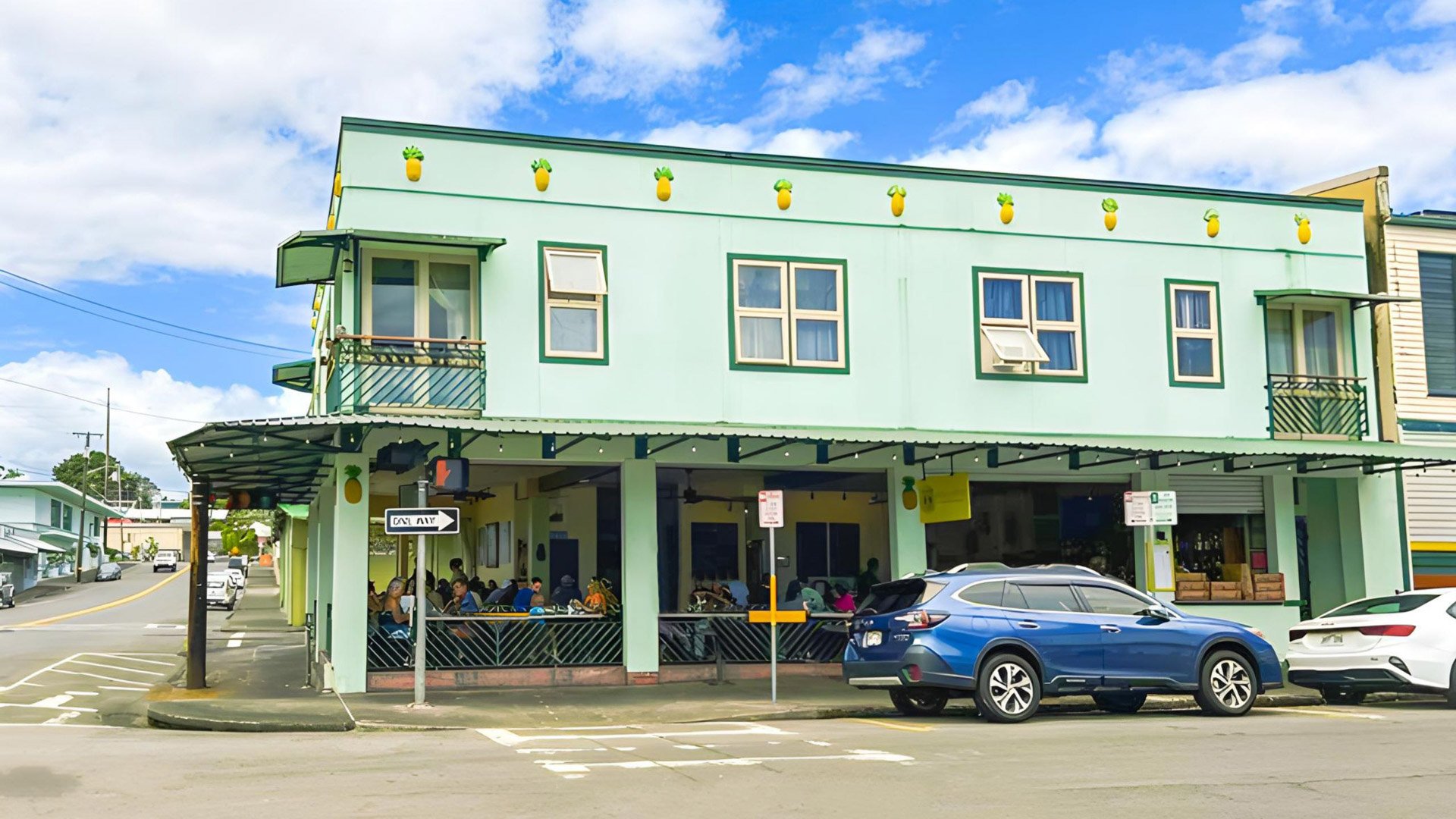
On Keawe Street in downtown Hilo, Pineapples Island Fresh Cuisine sits in a dining scene that takes local sourcing seriously, where the menu architecture reflects Hawaii Island's agricultural range rather than mainland interpretations of it. The address alone places it within walking distance of Hilo's working waterfront, and the 'island fresh' framing signals a menu built around proximity to source rather than imported prestige.
 Discover on Pearl
Pearl is the En Primeur Club membership app — saves, bookings, and concierge access live there. Same editors, same standards.
Keawe Street and the Logic of 'Island Fresh'
Downtown Hilo's dining strip along Keawe Street occupies a different register from the resort corridors of Kona or the high-end farm-to-table circuits of Upcountry Maui. The neighborhood is working Hawaii: fishing boats returning to Hilo Harbor, farmers markets drawing producers from Puna and Hamakua, a food culture shaped more by practical abundance than curated scarcity. In that context, a restaurant named for the island's most theatrically tropical fruit and subtitled 'Island Fresh Cuisine' is making a specific claim about sourcing philosophy, one that the broader Hilo dining scene has increasingly organized itself around.
Pineapples Island Fresh Cuisine, at 332 Keawe St, sits inside this local logic. The 'island fresh' framing is not decoration; in a city where the volcanic soil of the Hamakua Coast produces some of the most varied agricultural output in the Pacific, 'fresh' functions as a menu architecture principle. It implies that what appears on the plate is determined in significant part by what is available, proximate, and in season, rather than by a fixed formula imported from a distant culinary tradition.
How the Menu Architecture Speaks
Across the American restaurant industry, the shift from static menus to market-responsive formats has become one of the more reliable indicators of a kitchen's actual relationship with its supply chain. Menus that rotate with harvest calendars, that list farms by name, or that build dishes around a week's available catch rather than a year-round protein spec, tend to reveal a different operational posture than those built for consistency above all else. At the premium tier, restaurants like Single Thread Farm in Healdsburg or Blue Hill at Stone Barns in Tarrytown have made this sourcing transparency central to their identity and their price positioning.
Pineapples operates at a very different price tier and scale than those properties, but the underlying premise shares a lineage. In a place like Hilo, where the Big Island's agricultural diversity is genuinely extraordinary — macadamia, taro, hearts of palm, free-range pork, Pacific reef fish, lilikoi, varieties of banana that never reach the mainland — a kitchen committed to using what the island produces has an unusually broad palette to work from. The menu at Pineapples, framed around that 'island fresh' premise, is in dialogue with Hawaii's actual food geography rather than a romanticized version of it.
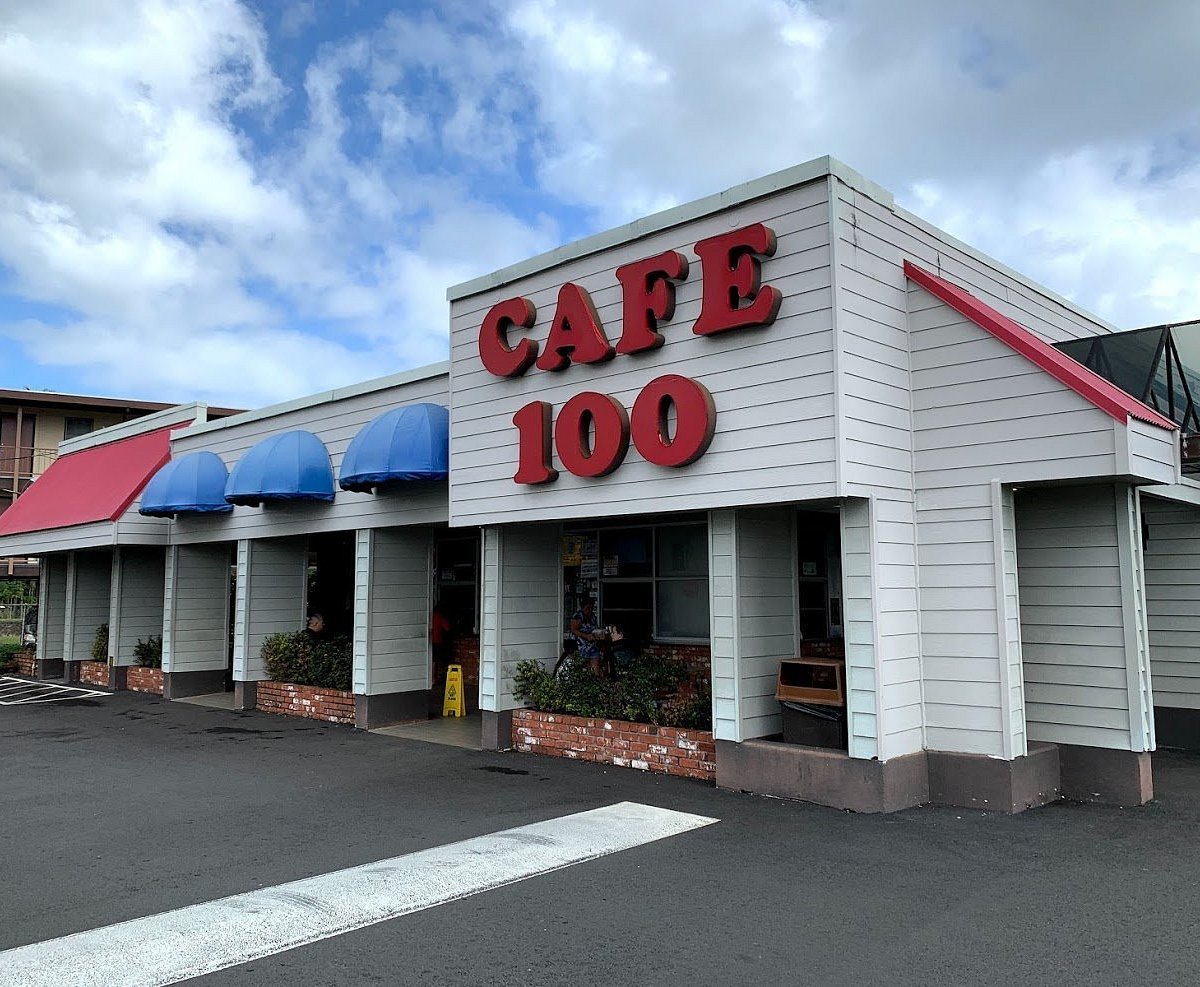
That distinction matters in Hilo specifically. The city's dining scene has always been more practically Hawaiian than performatively so. Cafe 100 is the city's reference point for plate lunch and loco moco, a format built on working-class practicality rather than culinary theater. Hawaiian Style Cafe Hilo anchors the breakfast and comfort food end of the spectrum. Hilo Bay Cafe occupies a slightly more polished middle register. Within that peer set, a restaurant positioning itself as 'fresh cuisine' rather than plate lunch or comfort food is staking a claim to a particular tier of the local market, one interested in produce-forward cooking without necessarily signaling fine dining formality.
The Physical Context of the Address
The Keawe Street address is relevant to how the experience reads. Downtown Hilo is not a tourist district in the resort sense; it has galleries, local retailers, old plantation-era storefronts, and a genuine civic density that most Big Island towns lack. Walking distance to Hilo Farmers Market, which runs on Wednesdays and Saturdays and is one of the larger farmers markets in the state, places Pineapples in direct proximity to the supply chain it implicitly references. That geographical proximity between producer and restaurant is the kind of logistical advantage that kitchens in more isolated locations have to engineer expensively. In downtown Hilo, it is simply structural.
For visitors arriving from outside the island, Hilo's east-side location is worth noting. The city sits on the wet, windward side of the Big Island, a forty-minute drive from Kailua-Kona and closer to Hawaii Volcanoes National Park. Most resort infrastructure clusters on the Kohala Coast, which means travelers who make the trip to Hilo are generally self-selecting for a different kind of experience. The dining audience in downtown Hilo skews toward residents, day-trippers from the Kohala resorts, and travelers who have chosen Hilo as a base precisely because it is less resort-shaped. A restaurant like Pineapples is feeding that audience rather than a captive hotel pool.
Hilo in the Broader Island Dining Conversation
The conversation about Hawaiian cuisine at the high end has been dominated for years by Honolulu and, to a lesser extent, Maui. Restaurants operating at the level of Le Bernardin in New York City or Atomix in New York City tend to define what serious food media covers, but the more instructive comparison for Hilo is how mid-tier, produce-committed restaurants function in agricultural cities generally. Places like Smyth in Chicago or Addison in San Diego represent what happens when sourcing discipline meets formal ambition at the leading of a market. Hilo's version of that ambition is less formally structured, but the underlying instinct, to let the island's agricultural output shape the plate, runs through the better restaurants here.
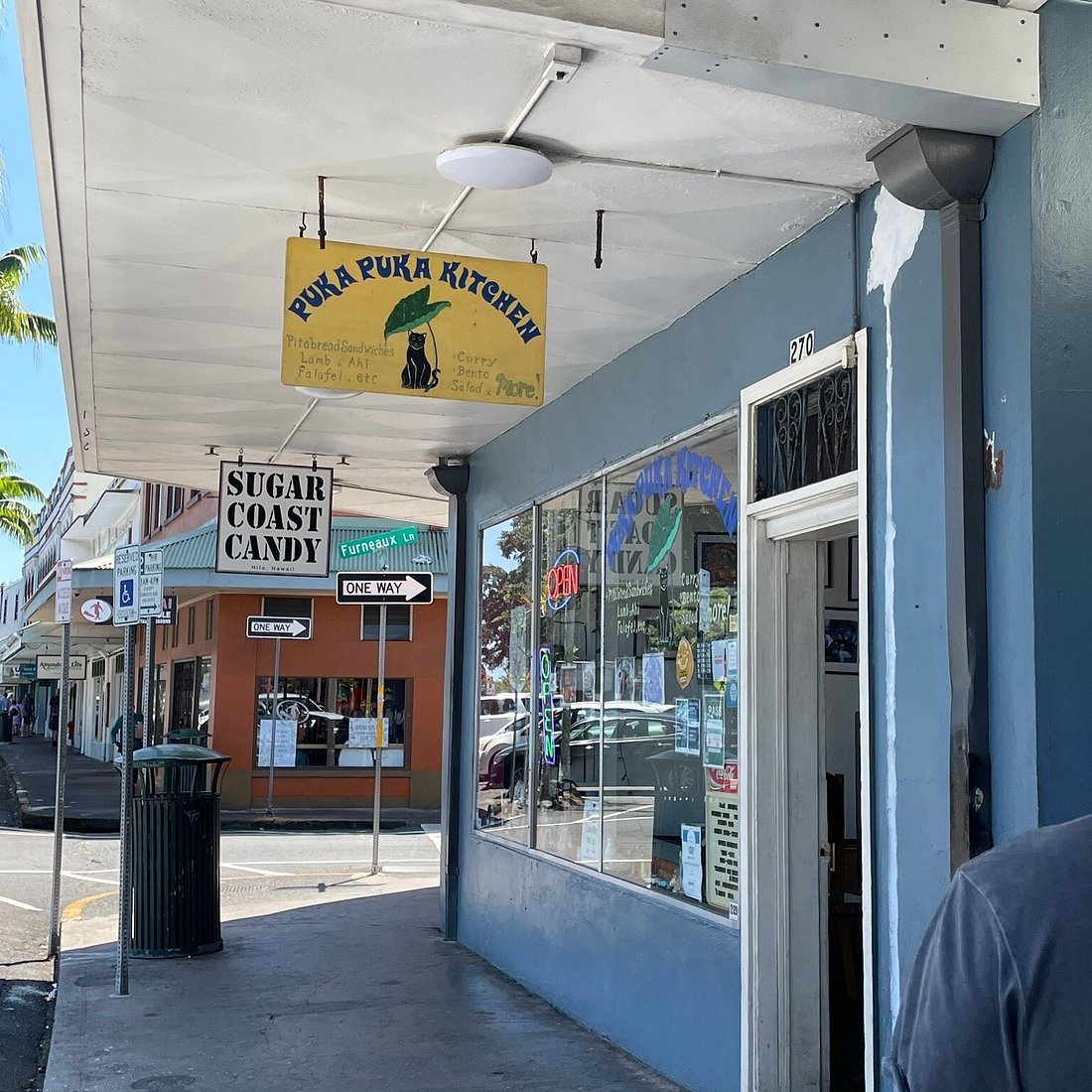
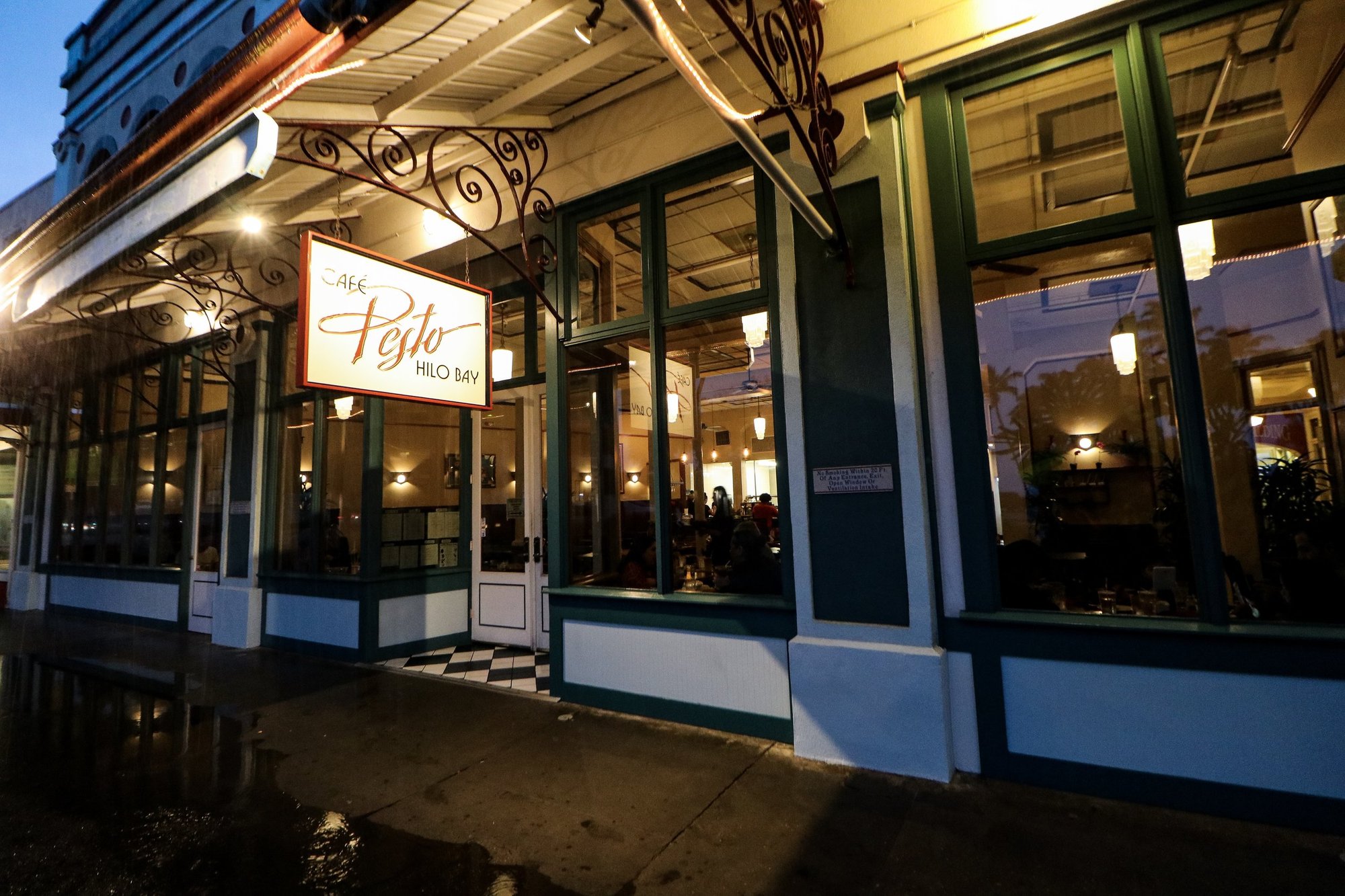
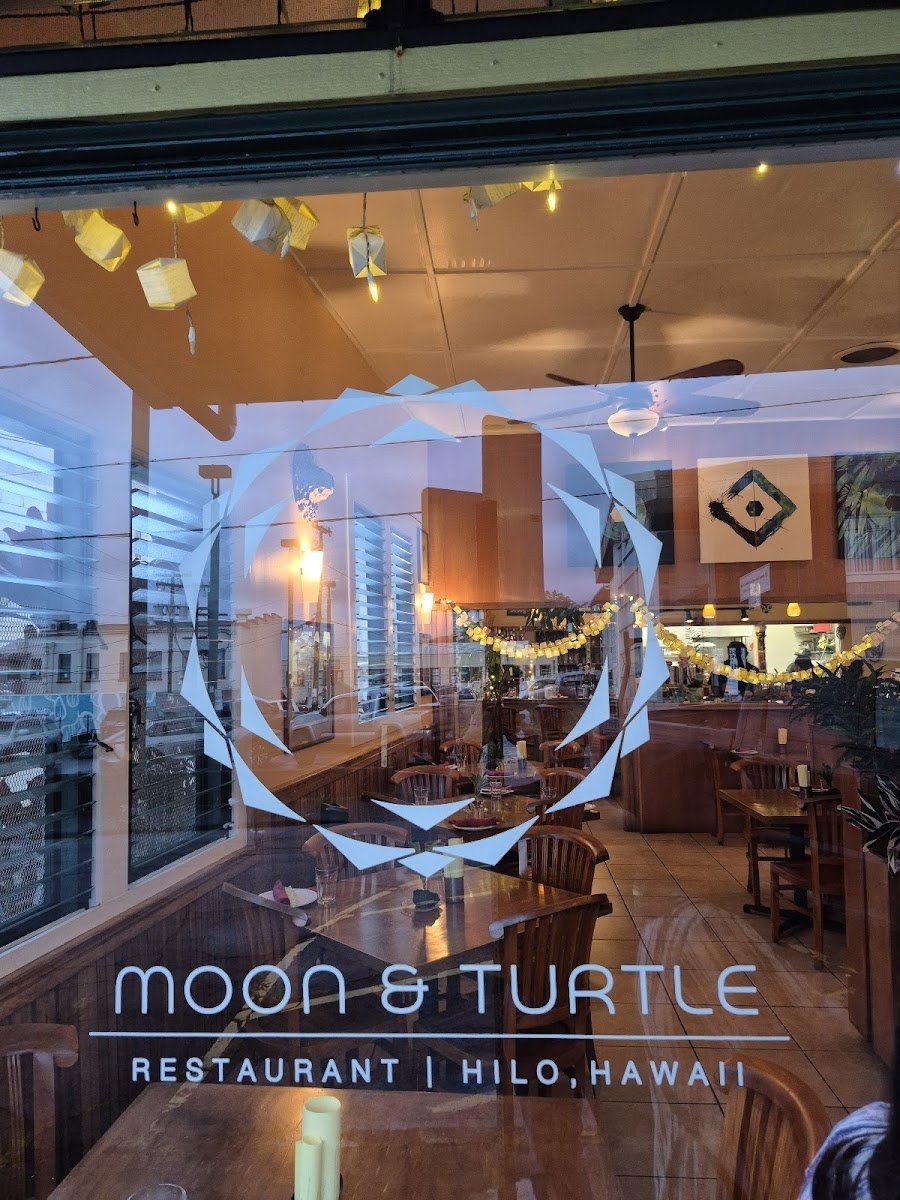
Cafe Pesto has held a consistent position in Hilo for years as one of the city's more reliable sit-down options, with a menu that blends Italian technique and Hawaii ingredients. Don's Grill covers the local comfort food and grilled protein end of the market. Moon and Turtle, the seafood-focused option in the neighborhood, addresses the same locally-sourced seafood audience from a slightly different angle. Pineapples, with its explicit 'island fresh' framing, sits in conversation with all of these without occupying exactly the same niche as any of them. See our full Hilo restaurants guide for the complete picture of how these properties map across the city's dining tiers.
Planning Your Visit
The 332 Keawe St address puts Pineapples in the walkable core of downtown Hilo, accessible from the Hilo waterfront and close to the main commercial block. Because specific hours, booking methods, and current pricing are not confirmed in our records at this time, contacting the restaurant directly before visiting is the practical approach, particularly if you are building an itinerary around a specific day or meal time. The Hilo Farmers Market, a short walk away on Mamo Street, runs its largest sessions on Wednesday and Saturday mornings, and timing a Hilo visit around market day gives a useful reference point for what the island's producers are currently harvesting, which in turn reflects the kind of ingredients a kitchen committed to local sourcing would be working with.
- Pineapple Pow
- Furikake Shrimp
- Dynamite Fish Bowl
- Coconut Crusted Fresh Catch
- Lemon Macadamia Chicken
- Kalua Pork Burger
Accolades, Compared
A short peer set to help you calibrate price, style, and recognition.
| Venue | Awards | Cuisine | Notes |
|---|---|---|---|
| Pineapples Island Fresh Cuisine | This venue | ||
| Moon & Turtle | Seafood | Seafood | |
| Cafe 100 | |||
| Hawaiian Style Cafe Hilo | |||
| Hilo Bay Cafe | |||
| Ken's House of Pancakes |

At a Glance
- Lively
- Energetic
- Casual
- Hidden Gem
- Casual Hangout
- Group Dining
- Family
- Celebration
- Date Night
- Live Music
- Open Kitchen
- Standalone
- Terrace
- Craft Cocktails
- Beer Program
- Extensive Wine List
- Local Sourcing
- Farm To Table
- Sustainable Seafood
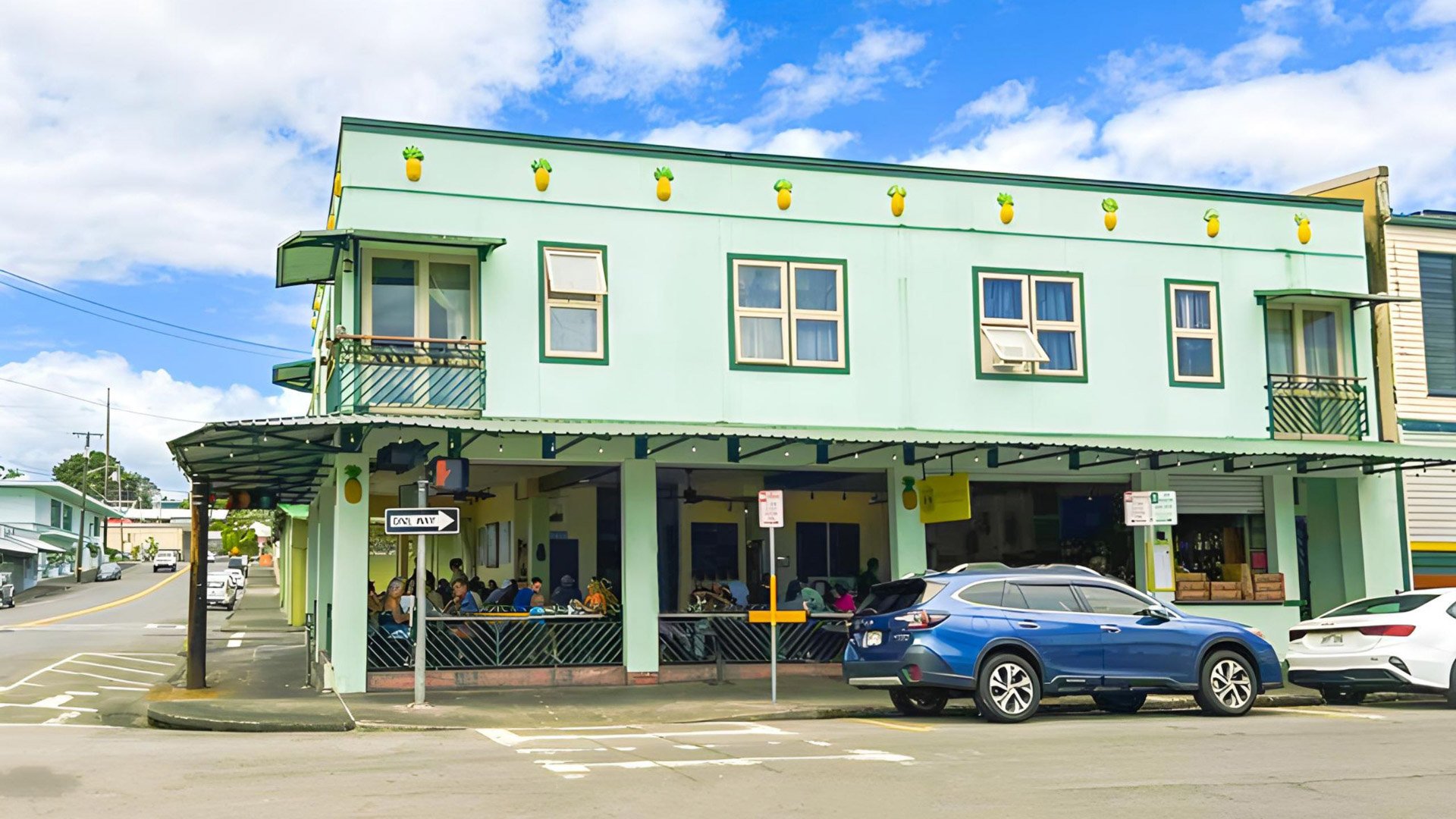
Breezy, laid-back open-air setting with vibrant local energy, live music on weekends, and comfortable ventilation creating a relaxed tropical atmosphere.
- Pineapple Pow
- Furikake Shrimp
- Dynamite Fish Bowl
- Coconut Crusted Fresh Catch
- Lemon Macadamia Chicken
- Kalua Pork Burger