King's Vietnamese Cuisine
Our verdict
King's Vietnamese Cuisine on Piilani Street operates in a Hilo dining scene where Southeast Asian kitchens have quietly built loyal followings among locals who treat pho and bánh mì as weekly staples rather than novelties. The restaurant sits in a part of town that serves the community more than it chases visitors, making it a useful reference point for understanding how Vietnamese cooking has embedded itself in Hawaii's everyday food culture.

Pearl is the En Primeur Club membership app, where members save venues, book tables and use the concierge.
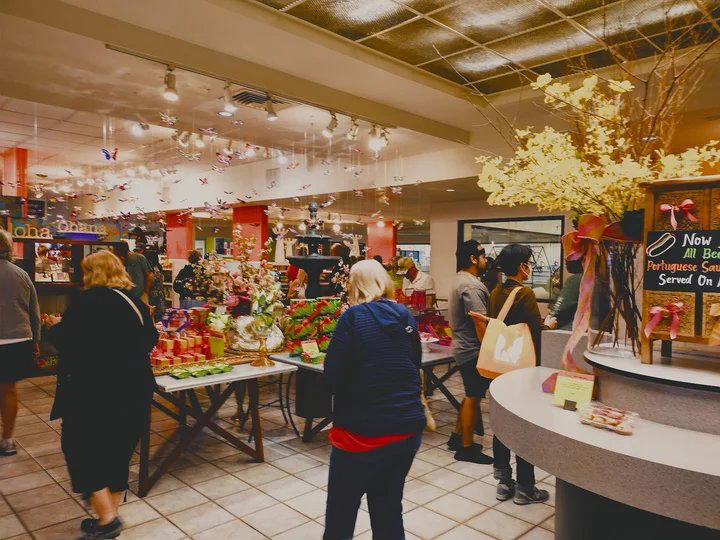
The menu
What to order
- Pho
- Banh mi
- Vietnamese pancakes
- Summer rolls
- Vermicelli salad
Vietnamese Cooking in a Hilo Neighbourhood Context
Hilo's restaurant culture has long divided along two lines: the waterfront-facing spots that compete for visitor attention, and the neighbourhood kitchens that operate on local loyalty alone. King's Vietnamese Cuisine, at 810 Piilani Street, falls squarely in the second category. The address places it away from the tourist-facing corridors where you'll find the plate-lunch institutions like Cafe 100 or the harbour-view rooms of Hilo Bay Cafe. Piilani Street is a working part of town, and a Vietnamese restaurant operating there is making a quiet argument about who its audience is.
That positioning matters because it shapes what you should expect from the menu. Vietnamese kitchens that thrive in neighbourhood settings on the American mainland and in Hawaii tend to build around a core of high-turnover staples: pho in multiple protein configurations, rice plates, vermicelli bowls, and a short list of appetisers that allow tables to graze before committing to a main. The architecture of that kind of menu is not casual by accident. It reflects a model where efficiency and consistency are the main trust signals, and where the quality of the broth, often simmered for many hours from bone, is the primary differentiator between a kitchen that earns repeat business and one that does not.
How the Menu Structure Signals the Kitchen's Priorities
In Vietnamese restaurants that have sustained neighbourhood followings, menu structure tends to be a reliable indicator of the kitchen's confidence. A focused menu, rather than a sprawling one covering every regional variation from Hanoi to Saigon, usually suggests a kitchen that has identified what it does consistently well and built around those strengths. The Vietnamese dining tradition in Hawaii has been shaped by waves of immigration beginning in the 1970s and 1980s, and the restaurants that have lasted across generations have typically done so by mastering a defined set of dishes rather than chasing breadth.
The pho format is the most telling example. A kitchen that offers a well-constructed beef broth, clear, fragrant with star anise and charred ginger, properly seasoned, does not need a hundred variations to justify its place in a community. The accompanying table spread of fresh herbs, bean sprouts, lime, and chilli is less a garnish than a structural element: it gives the diner agency over the final flavour, which is itself a reflection of how Vietnamese cooking frames the relationship between kitchen and table. Where a tasting-menu restaurant like Alinea in Chicago or The French Laundry in Napa exerts total authorial control over every element of a dish, a Vietnamese neighbourhood kitchen delegates finishing authority to the person eating. That is a different philosophy of hospitality, and it is not a lesser one.
Hilo's Southeast Asian Dining Thread
Vietnamese cuisine does not exist in isolation in Hilo. The city's food culture has absorbed influences from Japan, the Philippines, Korea, and mainland China across more than a century of plantation-era and post-plantation migration. That layered history means local diners approach Southeast Asian cooking with genuine familiarity rather than novelty. A restaurant like King's Vietnamese Cuisine is not introducing an unfamiliar cuisine to a sceptical audience; it is competing within a community that already knows what good pho costs and how long a broth should have been on the stove.
This distinguishes Hilo's Vietnamese dining scene from tourist-facing Vietnamese restaurants in larger American cities, where a certain amount of explanation or theatre is often built into the experience. In the Hilo context, the audience is self-selecting and knowledgeable, which means the kitchen's margin for inconsistency is narrow. Regulars at neighbourhood Vietnamese restaurants in Hawaii are not comparing a bowl to a food-media benchmark; they are comparing it to last week's bowl from the same kitchen, or to the version they ate at a competitor down the road.
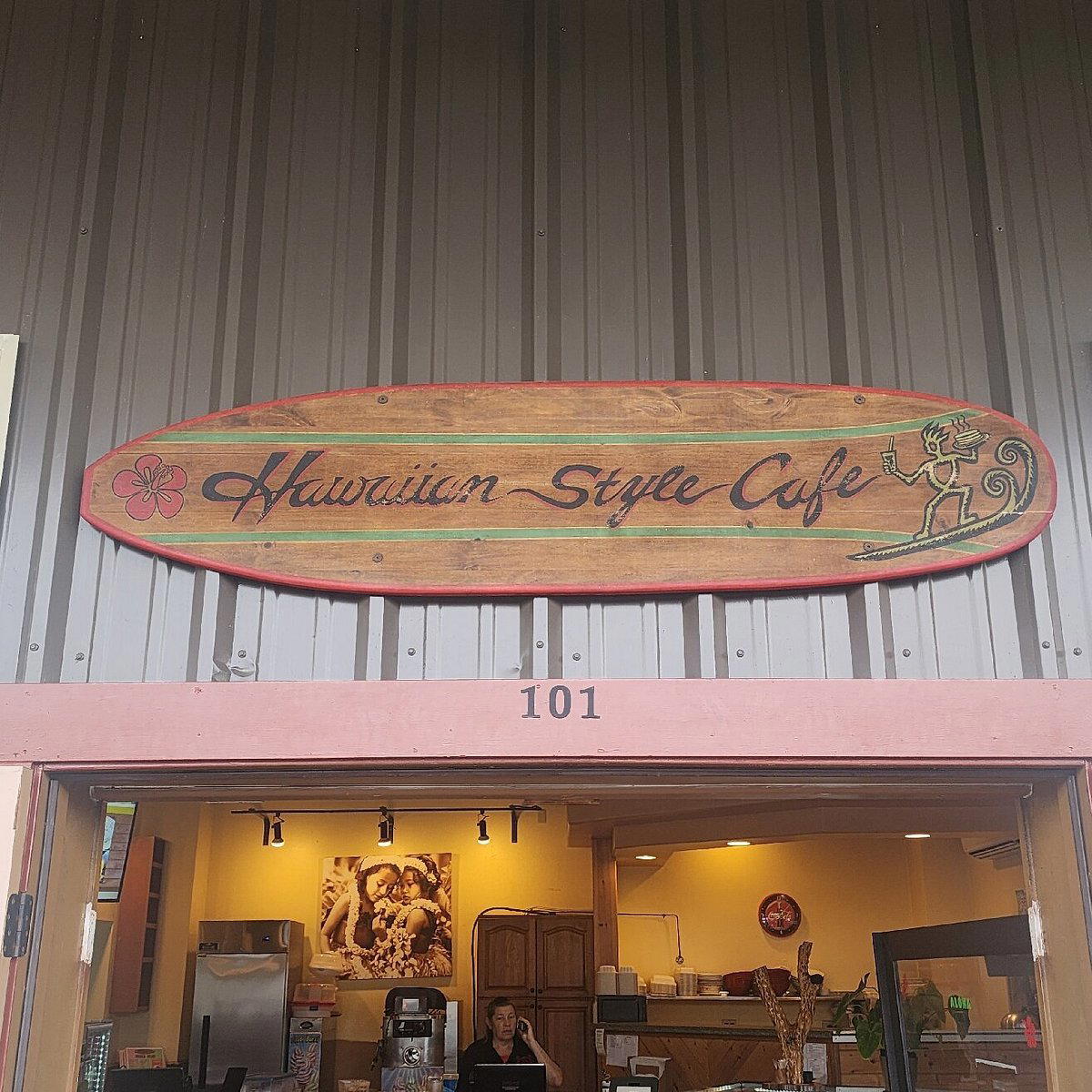
For a broader orientation to how Hilo's restaurant scene is structured, including where Vietnamese cooking sits relative to plate-lunch culture, Japanese izakaya formats, and farm-to-table operations, see our full Hilo restaurants guide. Comparison points within the city include the comfort-food anchors like Don's Grill and Hawaiian Style Cafe Hilo, which operate in a similar neighbourhood-loyalty register but through different culinary traditions, and Cafe Pesto, which occupies the more visitor-oriented end of the spectrum.
Placing King's in a Wider American Vietnamese Context
Vietnamese restaurants in small American cities occupy a specific niche in the national dining ecosystem. They are rarely the subject of awards coverage that shapes itineraries for visiting food writers, in the way that destinations like Le Bernardin in New York City, Lazy Bear in San Francisco, or Providence in Los Angeles attract institutional attention. That absence from award circuits does not reflect culinary quality so much as it reflects how award systems are structured: they tend to follow density of critical attention, which concentrates in major metropolitan areas.
What neighbourhood Vietnamese restaurants in secondary cities do offer is something that highly produced dining experiences at Blue Hill at Stone Barns in Tarrytown or Single Thread Farm in Healdsburg cannot: a direct, unmediated relationship between a kitchen and a community over years or decades. That relationship, expressed through consistent bowls of pho and familiar rice plates, is its own form of culinary credibility. The Korean fine dining at Atomix in New York City and the Italian precision of 8 1/2 Otto e Mezzo Bombana in Hong Kong earn trust through formal recognition; a neighbourhood Vietnamese kitchen earns it through the same table ordering the same bowl every Tuesday for three years.
Planning Your Visit
King's Vietnamese Cuisine is located at 810 Piilani Street in Hilo, a neighbourhood address that sits outside the main visitor corridor. Given the neighbourhood positioning and the format typical of Vietnamese restaurants in this tier, walk-in dining is the likely model rather than advance reservation, but verifying this before a dedicated trip makes sense. For visitors staying near downtown Hilo or the waterfront, the Piilani Street location requires a short drive or ride.
Frequently asked questions
How do I find King's Vietnamese Cuisine?
King's Vietnamese Cuisine is located at 810 Piilani St, Hilo, HI 96720, Hilo.
How does King's Vietnamese Cuisine compare to other Southeast Asian options in Hilo?
Hilo's food culture has absorbed influences from Japan, the Philippines, Korea, and mainland Southeast Asia, making Vietnamese cooking one strand in a broader multi-ethnic dining thread rather than an outlier. King's address on Piilani Street places it in the neighbourhood dining tier alongside similar community-serving spots rather than the waterfront venues competing for visitor traffic. No awards or critical recognition are documented for King's, which is consistent with the wider pattern of small-city Vietnamese restaurants operating below the awards radar while sustaining strong local followings.
What do people recommend at King's Vietnamese Cuisine?
Vietnamese neighbourhood restaurants in Hilo build reputations primarily around pho and rice-based dishes, with broth quality functioning as the clearest signal of kitchen consistency. King's sits on Piilani Street away from the visitor-facing waterfront corridor, which typically means a menu calibrated to repeat local customers rather than tourist expectations.
Is King's Vietnamese Cuisine reservation-only?
No confirmed booking policy is available for King's Vietnamese Cuisine. Neighbourhood Vietnamese restaurants at a Piilani Street address in Hilo generally operate on a walk-in basis, with peak waits at lunch. Calling ahead is advisable, though no phone number is currently listed in verified sources.
What is King's Vietnamese Cuisine known for?
King's Vietnamese Cuisine is a neighbourhood-positioned Vietnamese restaurant on Piilani Street in Hilo, operating outside the main visitor corridor in a part of the city that serves a primarily local clientele. That positioning places it in the everyday, practical tier of Hilo's dining options rather than the destination-restaurant category. Vietnamese cooking in this context typically centres on pho, vermicelli bowls, and grilled-meat plates as the core of the menu.
Where the Accolades Land
Comparable venues nearby, for context on price, style, and recognition.
| Venue | Cuisine | Price | Awards | Notes |
|---|---|---|---|---|
| King's Vietnamese CuisineThis venue (the venue you are viewing) | Vietnamese Comfort Food | $10–20 | Not listed | Not listed |
| Ken's House of Pancakes | American Diner with Hawaiian Pancakes | $10–20 | Not listed | Hilo |
| Ponds Hilo | Hawaiian-American Seafood & Steakhouse | $30–50 | Not listed | Hilo |
| Lava Rock Cafe | Hawaiian Fusion Cafe | $20–30 | Not listed | Volcano Village |
| Cafe Pesto | Hawaii Regional Italian Pizza | $20–30 | Diners, Drive-Ins and Dives Featured Restaurant | Hilo Bay |
| Miyo's | Homestyle Japanese | $20–30 | Not listed | Manono |

Details
- Cozy
- Casual
- Casual Hangout
- Family
- Group Dining
- Standalone
- A La Carte
Current opening hours
- Monday
- 10 AM–8 PM
- Tuesday
- 10 AM–8 PM
- Wednesday
- 10 AM–8 PM
- Thursday
- 10 AM–8 PM
- Friday
- 10 AM–8 PM
- Saturday
- 10 AM–8 PM
- Sunday
- Closed
Hours can change for holidays and private events. Last verified .
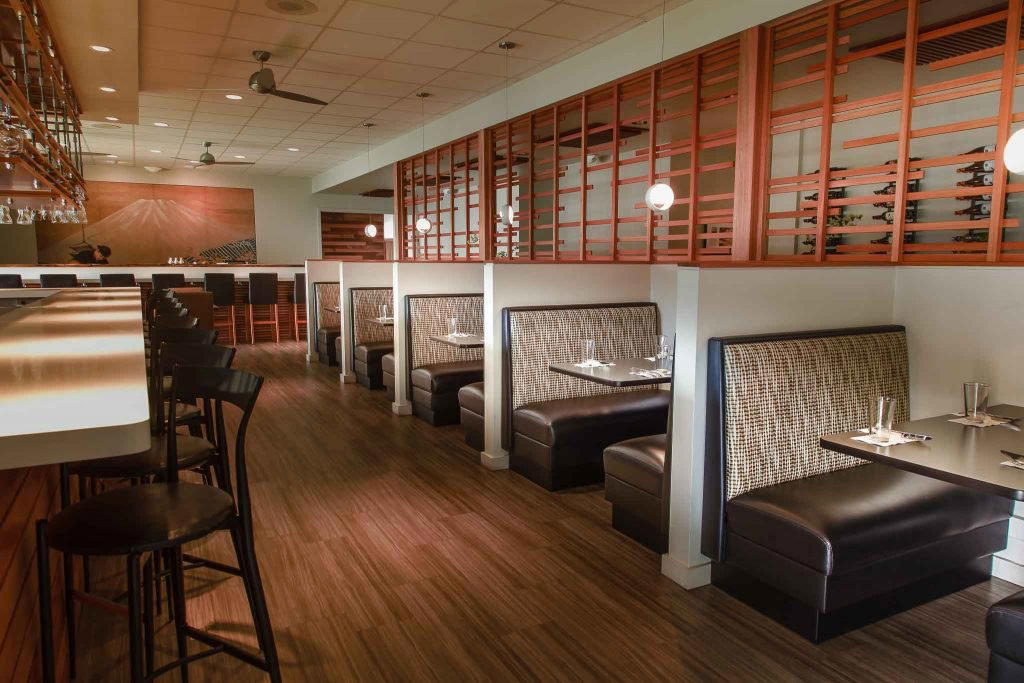
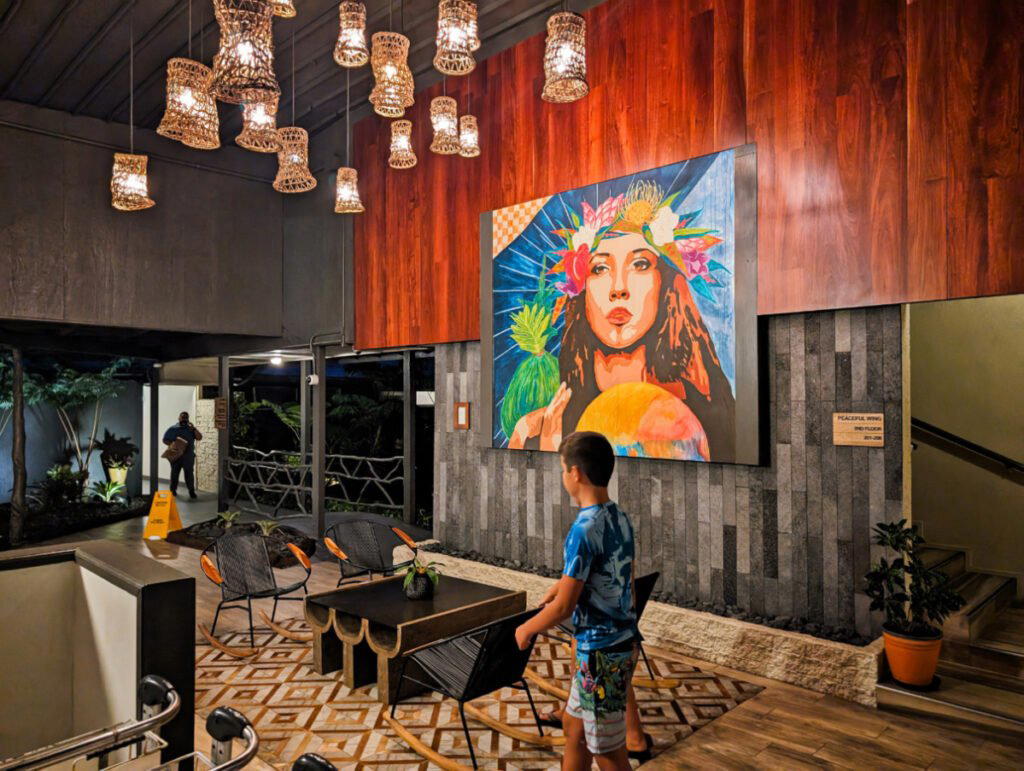
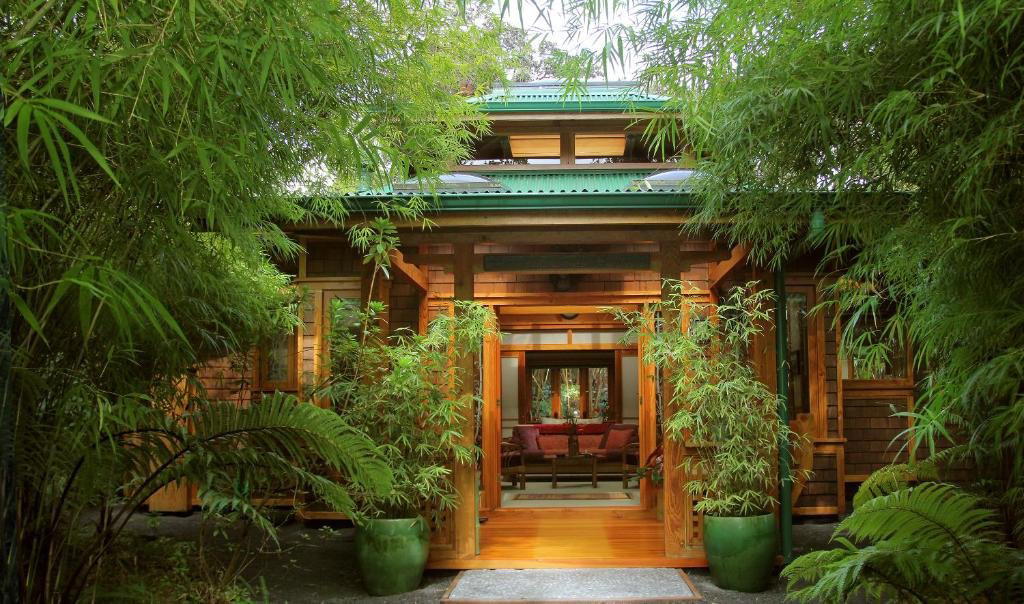
Cozy and inviting atmosphere with a genuine Vietnamese twist, offering both casual dine-in and outdoor seating options.