Miyo's
Our verdict
Miyo's serves homestyle Japanese in Hilo with Ahi-Donburi, Chicken Katsu, and Bento Box, plus a sake program for lunch or dinner.

Pearl is the En Primeur Club membership app, where members save venues, book tables and use the concierge.
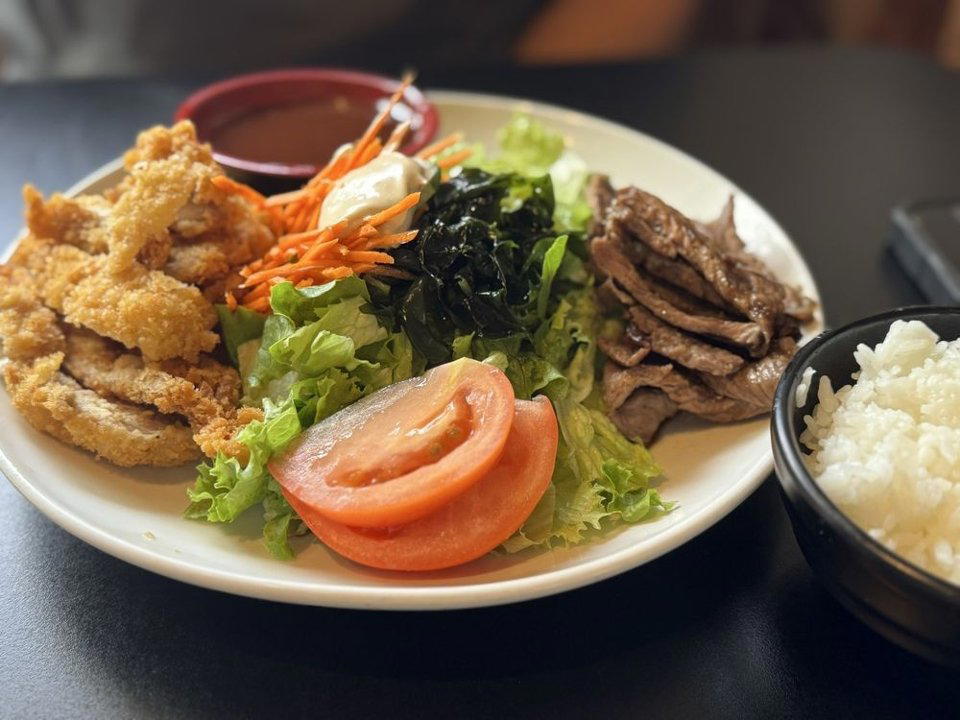
The Rhythm of a Neighborhood Table
Hinano Street in Hilo is not the address most visitors find on their first evening in town. The street runs through a residential pocket of the city, away from the bayfront and the tourist corridor, and arriving at 564 Hinano feels less like locating a restaurant than stumbling onto a neighbor's dinner. That quality of quiet domesticity is not accidental. In a city where dining out has long been framed by local ritual rather than performance, Miyo's occupies a particular register: the place you go not because a publication told you to, but because someone who lives here insisted.
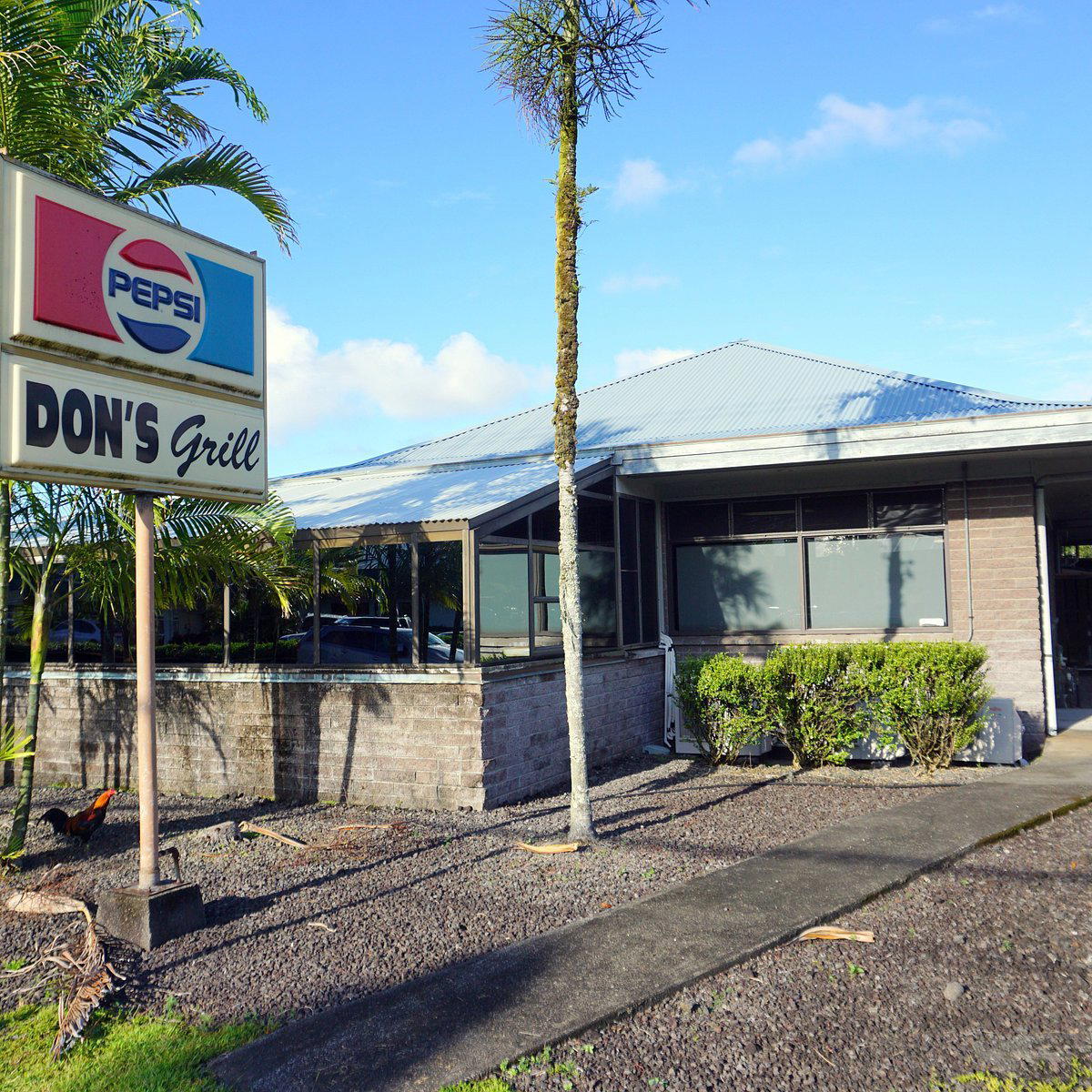
Hilo's dining culture has always sat at a remove from the resort-driven hospitality of the island's west coast. Where Kona and Waikoloa lean into hotel dining rooms calibrated for visitors, Hilo has sustained a network of independently owned, neighborhood-anchored restaurants that run on repeat local business. Cafe 100 built its identity around the plate lunch and the loco moco. Hawaiian Style Cafe Hilo draws lines for breakfast that snake past the door. Don's Grill holds down the comfort-food flank. Miyo's has its own lane inside this ecosystem, one defined by a Japanese-inflected home-cooking sensibility that reflects Hilo's deep plantation-era heritage.
What Eating Here Actually Looks Like
The dining ritual at a restaurant like Miyo's is shaped less by any formal structure than by the habits of its regulars. In Hilo's neighborhood spots, there is a pace that differs from destination dining: no choreographed courses, no sommelier passes, no ambient theater. You arrive, you order what you know or what the person next to you is having, and the food comes when it comes. That directness is not a limitation, it is the format, and understanding it changes how the meal reads.
Japanese home cooking in Hawaii evolved differently from its mainland American counterpart. The plantation communities of the late nineteenth and early twentieth centuries brought regional Japanese food traditions to the islands, and those traditions cross-pollinated with Hawaiian, Chinese, Filipino, and Portuguese influences over generations. What emerged in places like Hilo was a distinct local Japanese idiom: dishes grounded in dashi, soy, and mirin, but adjusted for local ingredients and local appetite. The bento-style sensibility, the emphasis on rice as anchor rather than side, the comfort-first plating, these are conventions that Hilo's Japanese-heritage restaurants have carried forward largely outside the national food media's attention.
That context matters when you read Miyo's address. This is not a Japanese restaurant in the sense that Atomix in New York City or the tasting-counter operations clustered in major culinary capitals represent Japanese cuisine. The comparison set is local and specific: other Hilo establishments where the food carries generational knowledge rather than chef-driven reinvention.
Placing Miyo's in Hilo's Dining Order
Hilo's restaurant scene sorts loosely by occasion and audience. For waterfront positioning and a broader New American menu, Hilo Bay Cafe fills the role of the city's most visitor-legible dining room. For Italian-inflected upscale plates closer to downtown, Cafe Pesto has held that ground for years. Miyo's occupies a different position entirely: a spot that functions on the logic of the neighborhood regular rather than the out-of-town booking.
That positioning has more in common with the ethos driving certain farm-to-table destinations on the mainland, the sense that a restaurant is primarily accountable to its community rather than to a broader dining audience, than with the spectacle of high-profile American fine dining. Single Thread Farm in Healdsburg, Blue Hill at Stone Barns in Tarrytown, and operations like The French Laundry in Napa represent one end of American dining ambition. Miyo's represents something structurally opposite: a place where the absence of national recognition is not a gap but a condition of its particular authenticity.
For visitors accustomed to dining rooms at the scale and register of Le Bernardin in New York City, Alinea in Chicago, Providence in Los Angeles, Lazy Bear in San Francisco, Emeril's in New Orleans, Addison in San Diego, The Inn at Little Washington in Washington, or 8 1/2 Otto e Mezzo Bombana in Hong Kong, Miyo's will read as a deliberate decompression. The value here is not in technical ambition or in the compression of multiple dining trends into a single tasting menu. It is in the specificity of a local food tradition sustained without external validation.
The Practical Shape of a Visit
Miyo's sits at 564 Hinano Street, which places it in a residential section of Hilo that requires a short drive or ride from the downtown core. The address is not served by foot traffic from the bayfront, and arriving without a vehicle in Hilo generally means planning around rideshare availability, which in Hilo is less reliable than in larger Hawaiian cities. Coming in the early part of the dinner window tends to be safer than arriving close to closing; smaller Hilo neighborhood spots operate on leaner staffing than their visitor-district counterparts, and the kitchen pace reflects that. Walk-in capacity at restaurants in this format and neighborhood tier in Hilo is typically the norm rather than the exception, but calling ahead removes the uncertainty.
In the context of Hilo's dining culture, that absence says less about quality than about the structural invisibility of neighborhood Japanese-Hawaiian spots to national credentialing bodies that concentrate their attention on major culinary markets.
What Regulars Know
In Hilo's neighborhood-restaurant culture, the regulars-first dynamic means that ordering patterns among long-term customers carry more signal than any published menu description. At restaurants operating in this Japanese home-cooking tradition across Hawaii, the dishes that sustain loyalty tend to be the unadorned ones: rice plates built around clean dashi broths, simmered proteins, pickled accompaniments. The logic of these meals is quiet and cumulative rather than immediately legible to a first visit.
For the full picture of where Miyo's fits within Hilo's independent dining circuit, the our full Hilo restaurants guide maps the city's options across price tier, cuisine type, and occasion, which is a useful frame before any booking decision.
Frequently asked questions
What's the address for Miyo's?
Miyo's is located at 564 Hinano St, Hilo, HI 96720, Hilo.
Is Miyo's suitable for visitors who want to eat where Hilo residents actually eat?
Miyo's at 564 Hinano Street sits in a residential section of Hilo that most visitors don't reach on their first evening in town, which is precisely what makes it relevant to anyone looking beyond the tourist corridor. The address itself filters the crowd toward a regulars-dominated dining room. A short drive or rideshare from downtown Hilo gets you there, and the atmosphere reflects the neighborhood rather than any visitor-facing positioning.
What do regulars order at Miyo's?
At Hilo neighborhood spots like Miyo's on Hinano Street, long-term regulars tend to anchor their orders around a small set of dishes they return to consistently. Those repeat patterns carry more practical signal than any written menu overview. Asking staff what moves most on a given day is the most reliable way to land on what the kitchen does with confidence.
Do they take walk-ins at Miyo's?
Miyo's is a neighborhood-oriented spot on Hinano Street in a residential section of Hilo, and walk-in culture is common at restaurants of this type. Calling ahead is the safest approach given the local-first dynamic.
What's Miyo's best at?
Miyo's draws its strength from consistency and a loyal local following rather than from a rotating menu or destination-dining spectacle. Located at 564 Hinano Street in Hilo, it operates in the register of a true neighborhood table: familiar, low-friction, and shaped by the habits of repeat customers rather than first-time visitors.
Cuisine and Awards Snapshot
Comparable venues nearby, for context on price, style, and recognition.
| Venue | Cuisine | Price | Awards | Notes |
|---|---|---|---|---|
| Miyo'sThis venue (the venue you are viewing) | Homestyle Japanese | $20–30 | Not listed | Not listed |
| Cafe 100 | Hawaiian Plate Lunches & Loco Moco | $10–20 | Not listed | Hilo |
| Ponds Hilo | Hawaiian-American Seafood & Steakhouse | $30–50 | Not listed | Hilo |
| Hilo Bay Cafe | Contemporary Hawaiian Fusion with Sushi | $20–30 | Diners, Drive-Ins and Dives Featured Bar | Hilo |
| Pineapples Island Fresh Cuisine | Dining | $20–30 | Not listed | downtown Hilo |
| Pineapples Island Fresh Cuisine | Island-Inspired Fresh Cuisine with Local Seafood | $20–30 | Not listed | Downtown Hilo |
Continue exploring
More in Hilo
Restaurants in Hilo
All restaurants in Hilo →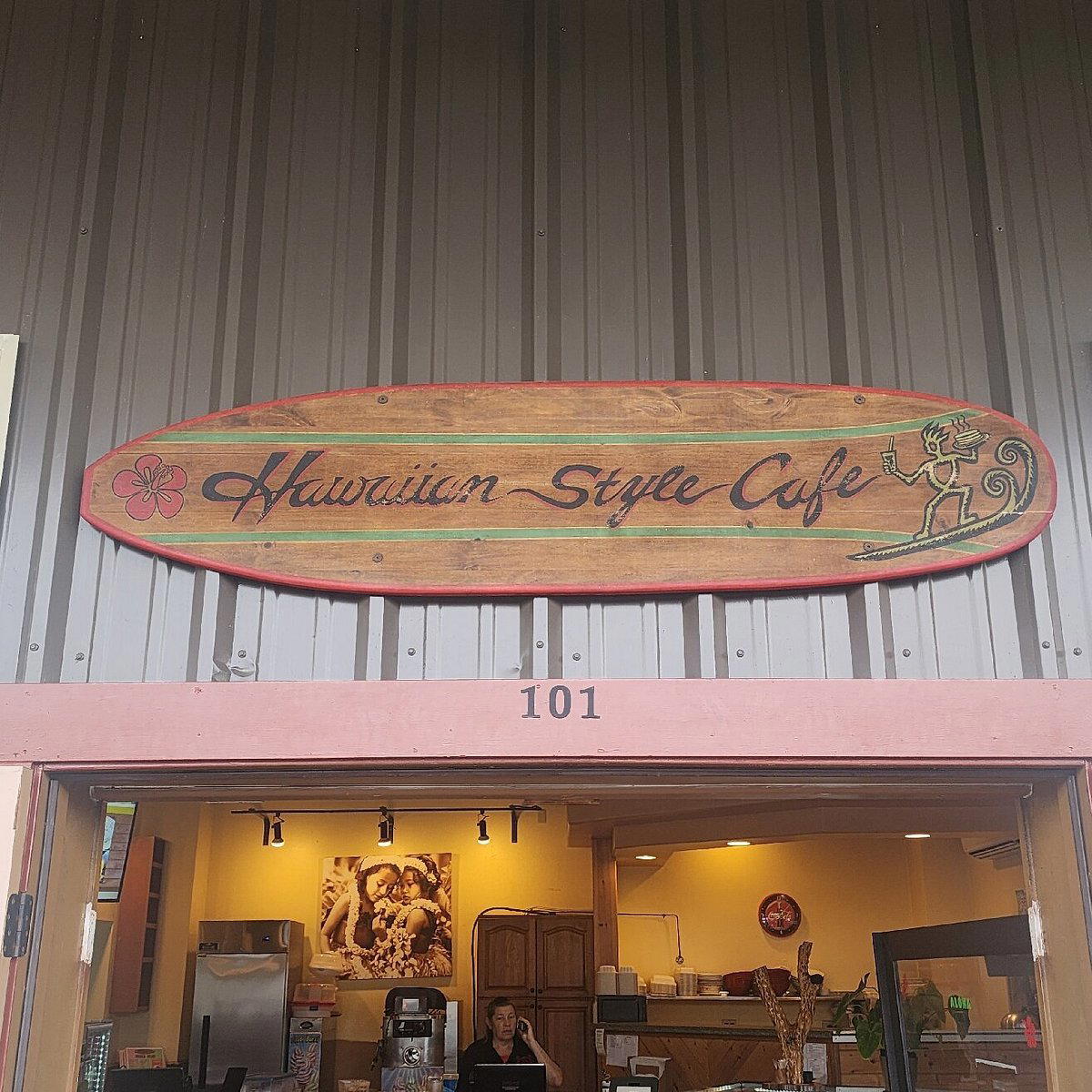
Bars in Hilo
Browse all →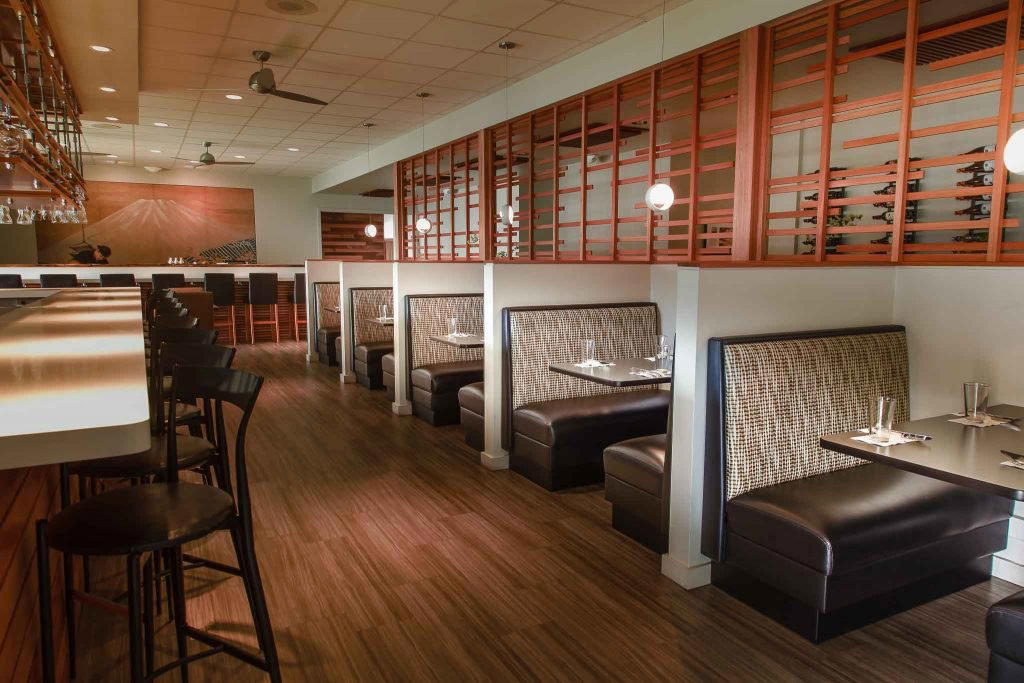

Details
- Cozy
- Casual
- Casual Hangout
- Date Night
- Open Kitchen
- Sake Program
- Local Sourcing
- A La Carte
- Omakase
- Sake Program
- Craft Cocktails
- Vegetarian Friendly
- Vegan Options
Current opening hours
- Monday
- 11 AM–2 PM, 5–8:30 PM
- Tuesday
- 11 AM–2 PM, 5–8:30 PM
- Wednesday
- 11 AM–2 PM, 5–8:30 PM
- Thursday
- 11 AM–2 PM, 5–8:30 PM
- Friday
- 11 AM–2 PM, 5–8:30 PM
- Saturday
- 11 AM–2 PM, 5–8:30 PM
- Sunday
- Closed
Hours can change for holidays and private events. Last verified .
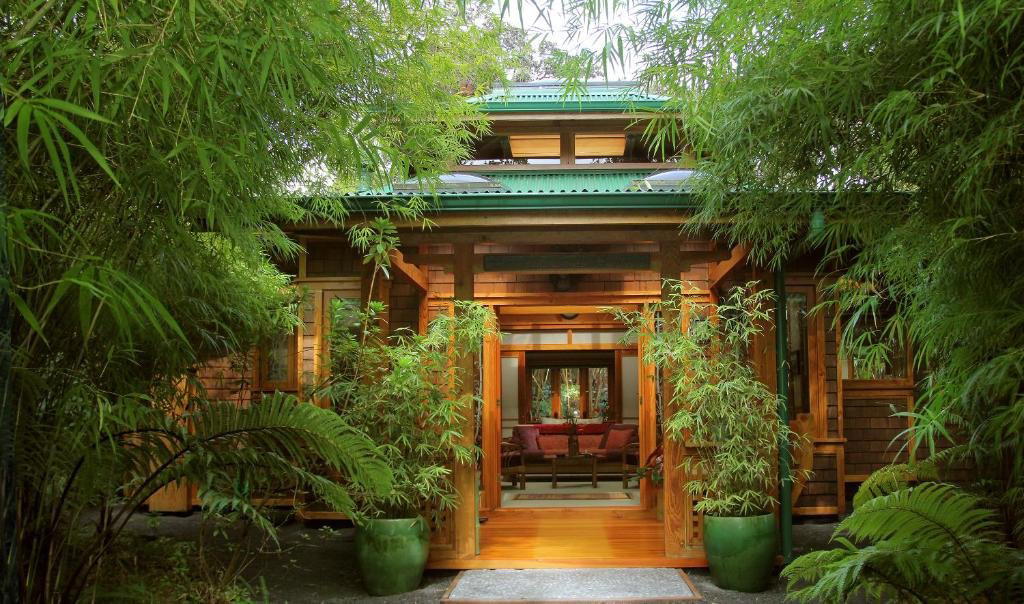
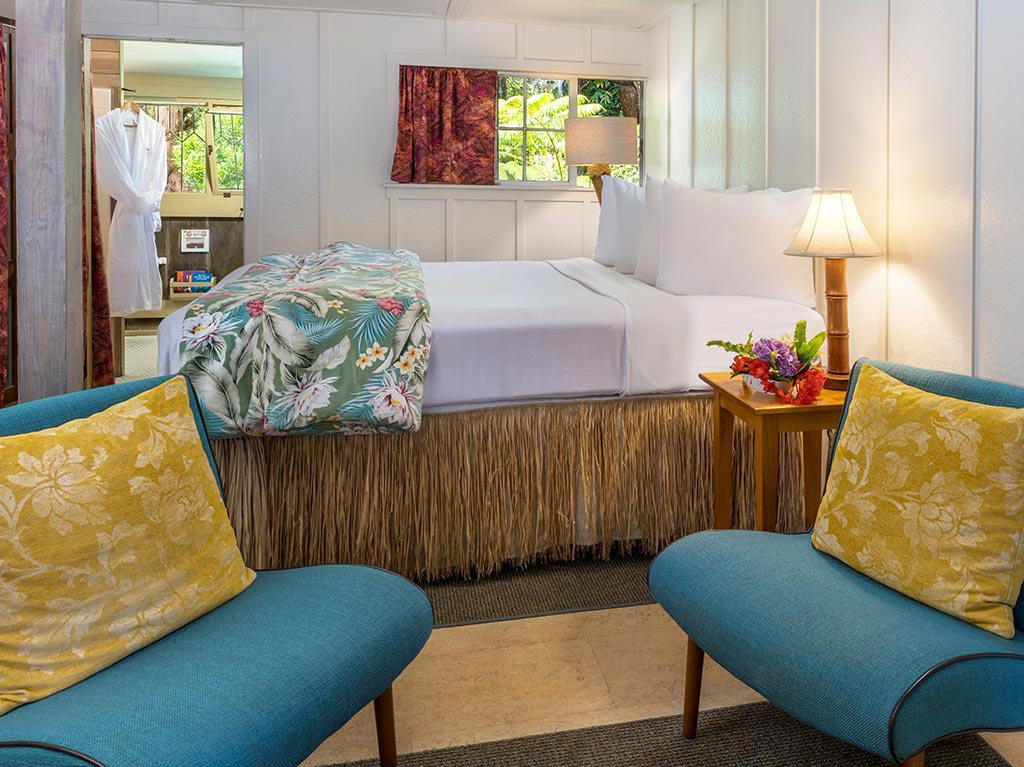
Cozy and inviting casual atmosphere with a homestyle feel, described as chill and welcoming.