
On Calle de Jorge Juan, in the heart of Salamanca, Cadaqués occupies a stretch of Madrid's most self-assured dining corridor. The address alone positions it within a competitive set that includes several of the capital's most-discussed creative restaurants. Specific format details remain sparse, but the location signals a certain price-point and ambition common to this stretch of Madrid.
Pearl is the En Primeur Club membership app — saves, bookings, and concierge access live there. Same editors, same standards.
- Address
- C. de Jorge Juan, 35, Salamanca, 28001 Madrid, Spain
- Phone
- +34913609053
- Website
- restaurantecadaques.com
- Directions
- Get directions
 Saves & bookings on Pearl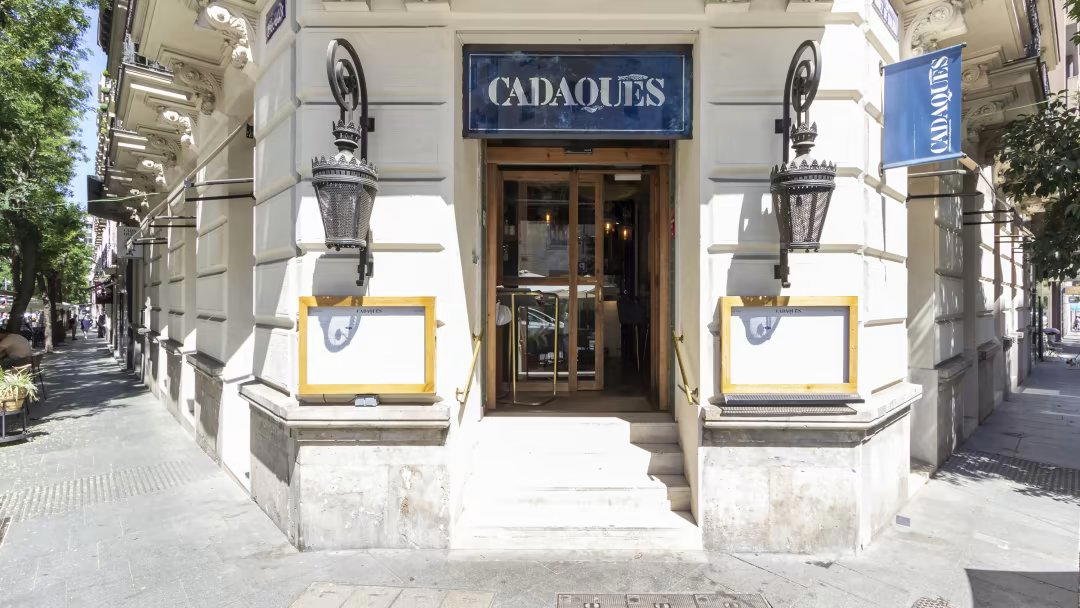
Jorge Juan and the Grammar of Salamanca's Restaurant Mile
Calle de Jorge Juan runs through Salamanca like a spine. The district is Madrid's most consistently affluent dining neighbourhood, and the street itself has accumulated a density of serious restaurants that makes it a useful barometer for where the capital's creative cooking is heading at any given moment. Cadaqués sits at number 35, inside this competitive corridor, where the expectation from the moment you approach the address is already calibrated by everything around it.
The Salamanca neighbourhood sets a particular sensory register before you've crossed any threshold. The streets are wide, the stone facades are well-maintained, and the light in the evening falls across the pavements in a way that softens the formality of the buildings without diminishing it. Restaurants here tend to operate in spaces that reflect that quality: rooms that lean toward composure over spectacle, where the architecture does some of the work that louder venues elsewhere in the city leave to volume and decoration.
In that context, Cadaqués takes its name from one of the most visually arresting towns on the Costa Brava, a place long associated with light, Mediterranean proximity, and a certain artistic seriousness. Whether the restaurant draws on that reference in its cooking, its interior, or simply its spirit is a question that the address alone raises without yet answering.
Where Cadaqués Sits in Madrid's Creative Restaurant Tier
Madrid's leading creative restaurant tier has consolidated around a recognisable group of addresses. DiverXO operates at the outermost edge of progressive cooking in the city, with three Michelin stars and a format that has no close local equivalent. Coque brings a different kind of ambition, rooted in Spanish produce and a wine program of serious depth. Deessa, inside the Mandarin Oriental Ritz, and DSTAgE on Calle Regueros both represent the modern Spanish creative format at different price and atmosphere registers. Paco Roncero adds a longer-standing technical creative tradition to the mix.
Cadaqués on Jorge Juan occupies a different kind of position in this city: a Salamanca address with the associations that entails, in a district where the diner demographic skews toward regulars with considered tastes rather than destination tourists chasing starred credentials. The restaurants that do well on this street tend to reward repeat visits. They build their identity through consistency of atmosphere and cooking rather than through category-defining innovation, though the two are not mutually exclusive.
For broader context on how Spain's creative restaurant scene maps geographically, the comparison set extends well beyond Madrid. El Celler de Can Roca in Girona and Cocina Hermanos Torres in Barcelona represent Catalonia's contribution to the tier. The Basque Country adds Arzak in San Sebastián, Azurmendi in Larrabetzu, Martin Berasategui in Lasarte-Oria, and Mugaritz in Errenteria. Further south, Quique Dacosta in Dénia, Aponiente in El Puerto de Santa María, Ricard Camarena in València, and Atrio in Cáceres each define regional approaches with national significance. Madrid's Jorge Juan corridor operates at a different register from all of these, closer in character to a neighbourhood institution than a pilgrimage destination.
The Sensory Argument for This Address
Restaurants that take their name from a coastal town carry a particular atmospheric obligation. Cadaqués, the town, is defined by whitewashed walls, a bay that turns extraordinary shades in certain light, and a quietness that feels earned rather than engineered. Restaurants that invoke that reference are, whether deliberately or not, setting a sensory expectation: something composed, something with a connection to the sea, something that doesn't need to raise its voice.
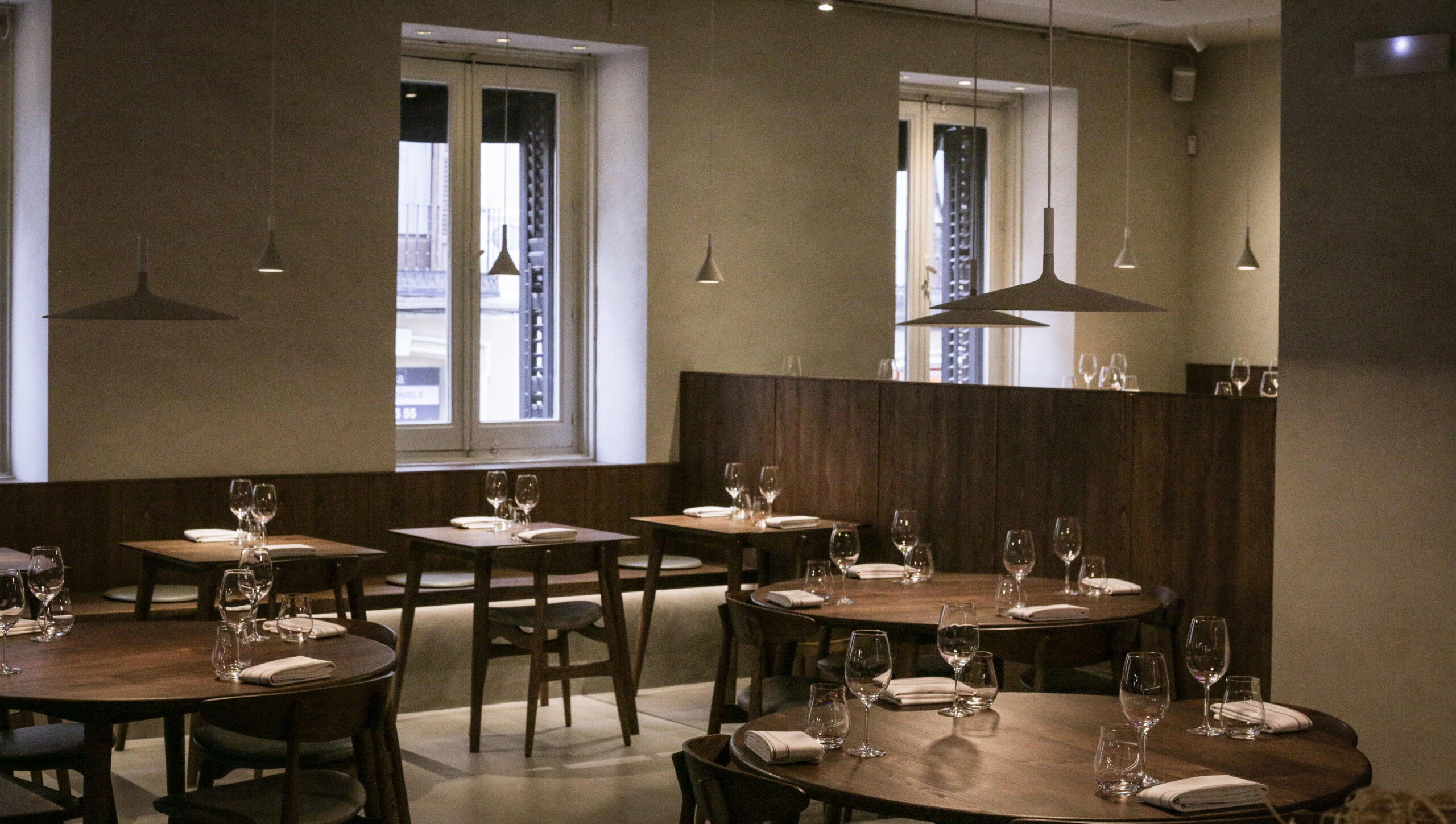
Jorge Juan at number 35 sits in the upper-middle stretch of the street, past the point where the concentration of restaurants becomes most intense. The physical approach to the address passes through a neighbourhood that operates at a measured pace by Madrid standards, where the noise of the broader city falls away into something more contained. Inside, the room's character and its specific relationship to light, material, and sound remain details leading confirmed closer to a visit, but the surrounding architecture and neighbourhood density suggest the scale and register that serious Salamanca restaurants typically adopt.
For international comparison, the kind of neighbourhood dining that Salamanca produces has analogues in cities where affluent residential areas generate serious independent restaurants operating below the starred tier but above the casual. Le Bernardin in New York City and Lazy Bear in San Francisco both illustrate how a city's serious dining can distribute across different formats and neighbourhoods, with each tier serving a distinct kind of intent.
Planning a Visit to Cadaqués
Salamanca is one of the more direct Madrid districts to reach by metro, with Velázquez and Serrano stations both within walking distance of Calle de Jorge Juan. The neighbourhood operates on a largely Spanish schedule, which means dinner service rarely moves before 9pm and the street remains active well into the later evening. Arriving earlier in a sitting tends to produce a quieter room; later sittings on weekends reflect more of the district's full social register.
Given the density of competition on and around Jorge Juan, the restaurants that hold their audience here tend to do so through a combination of cooking quality and room atmosphere rather than novelty alone. Booking ahead is advisable for weekend evenings, which fill on the strength of local repeat custom rather than destination traffic. For a fuller map of how to spend time across the capital, our full Madrid restaurants guide covers the city's key areas and dining patterns in depth.
Know Before You Go
- Address: C. de Jorge Juan, 35, Salamanca, 28001 Madrid, Spain
- Neighbourhood: Salamanca, one of Madrid's primary fine-dining districts
- Nearest Metro: Velázquez (Line 4) or Serrano (Line 4)
- Booking: Advance reservations recommended, particularly for Friday and Saturday evenings
- Dining Schedule: Lunch from approximately 2pm; dinner typically from 9pm, in line with local custom
- Price Range: Consistent with Salamanca's mid-to-upper restaurant tier; specific pricing to be confirmed directly with the venue
- Website / Phone: Contact details currently unavailable; check current listings or Google for updated booking information
Budget and Context
| Venue | Cuisine | Price | Awards |
|---|---|---|---|
| CadaquésThis venue — the venue you are viewing | Not listed | This venue | Not listed |
| DiverXO | Progressive - Asian, Creative | €€€€ | Michelin 3 Star |
| Coque | Spanish, Creative | €€€€ | Michelin 2 Star |
| Deessa | Modern Spanish, Creative | €€€€ | Michelin 2 Star |
| Paco Roncero | Creative | €€€€ | Michelin 2 Star |
| Smoked Room | Progressive Asador, Contemporary | €€€€ | Michelin 2 Star |
Recognition history
Dated appearances from independent guides and award organizations, with the underlying list record or original source where available.
Macarfi 7 Food Rating
Macarfi
Continue exploring
More in Madrid
Restaurants in Madrid
Browse all →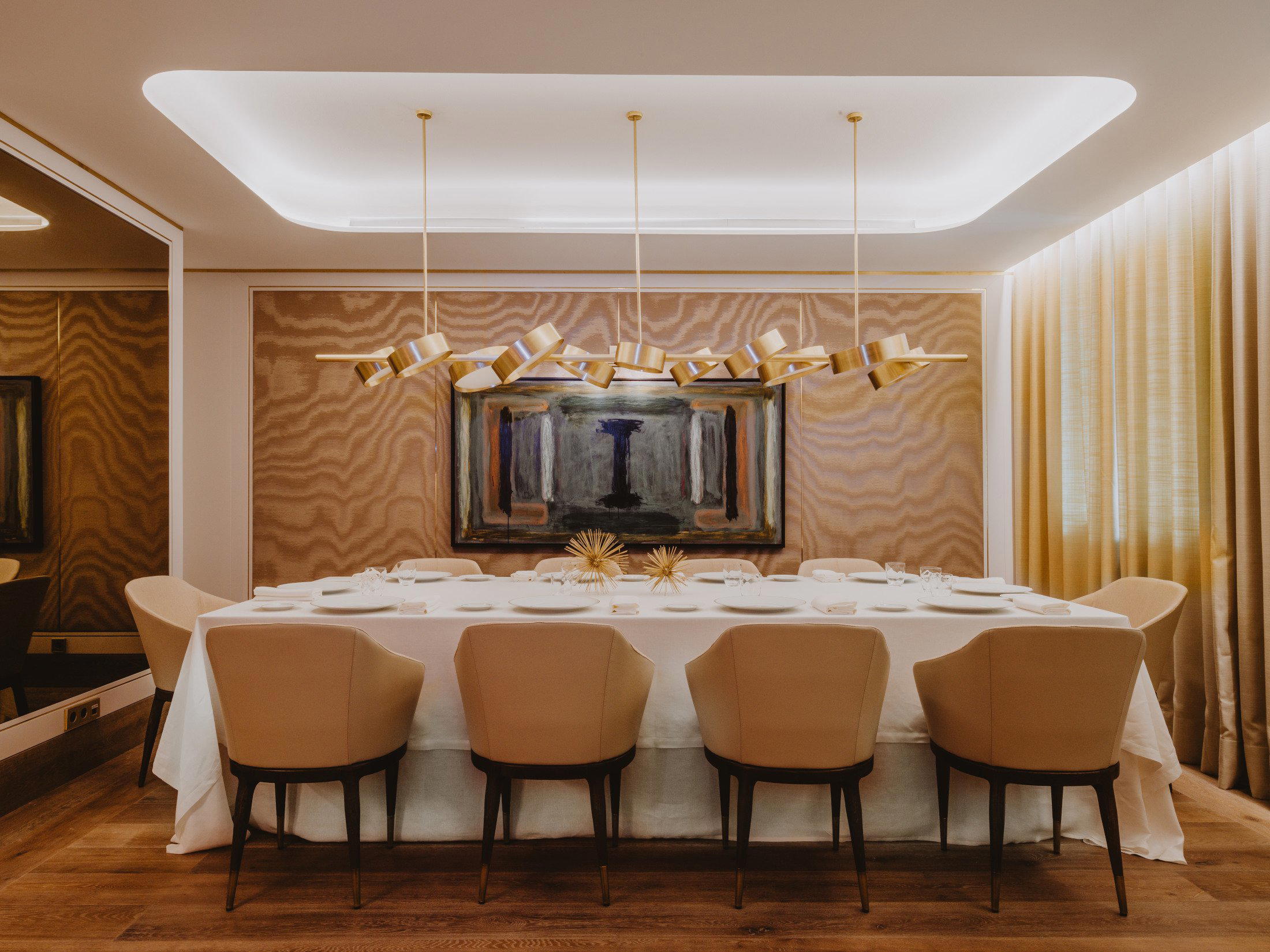
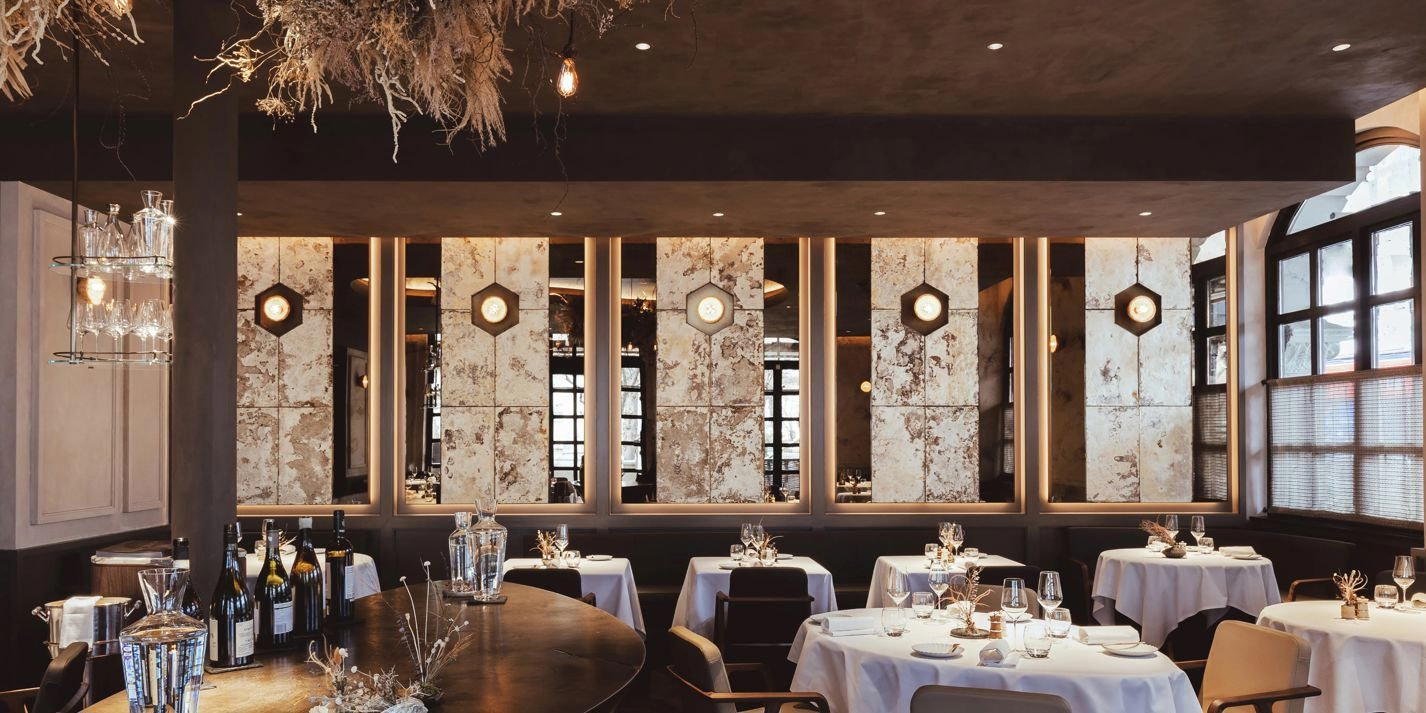
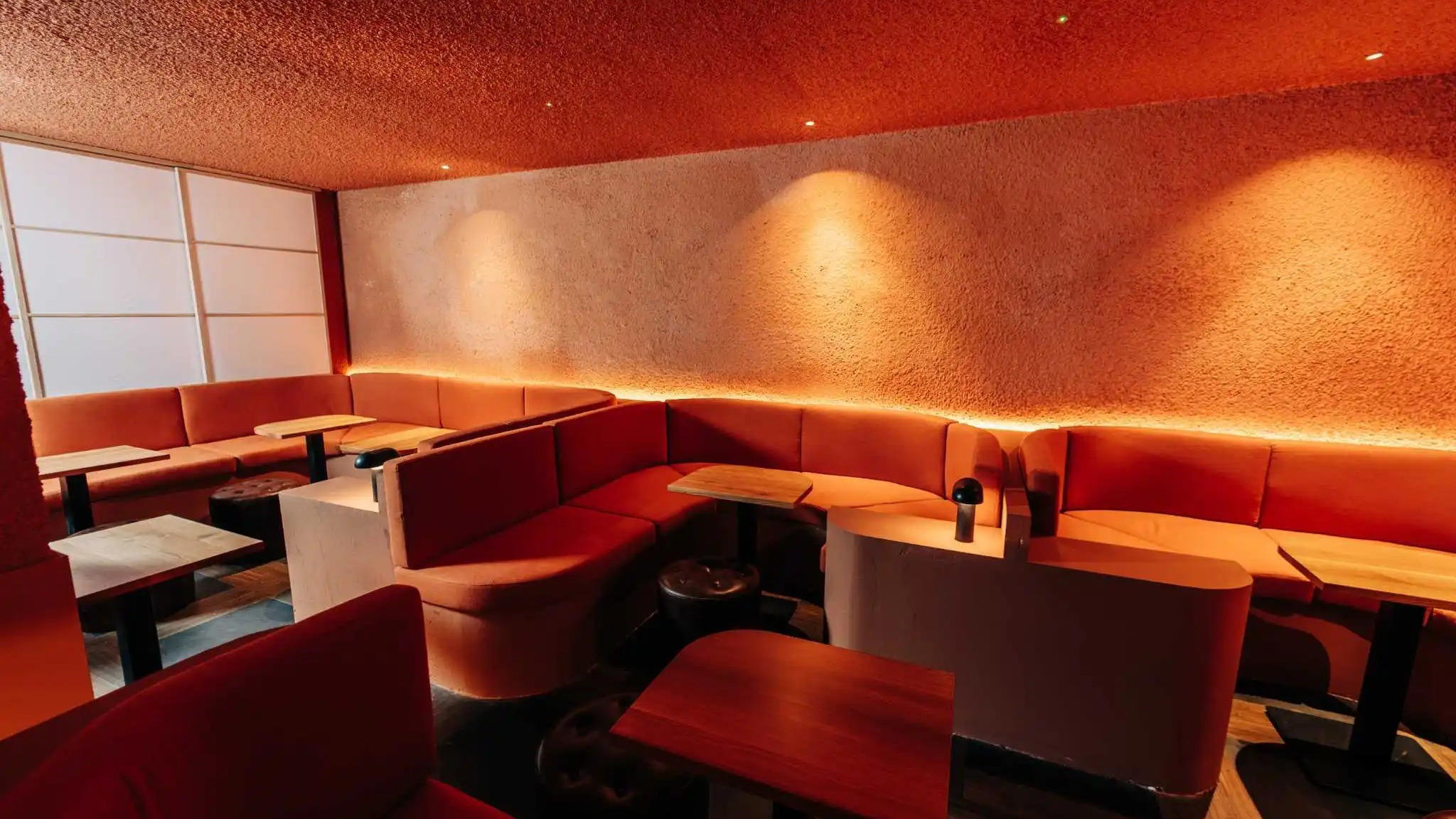
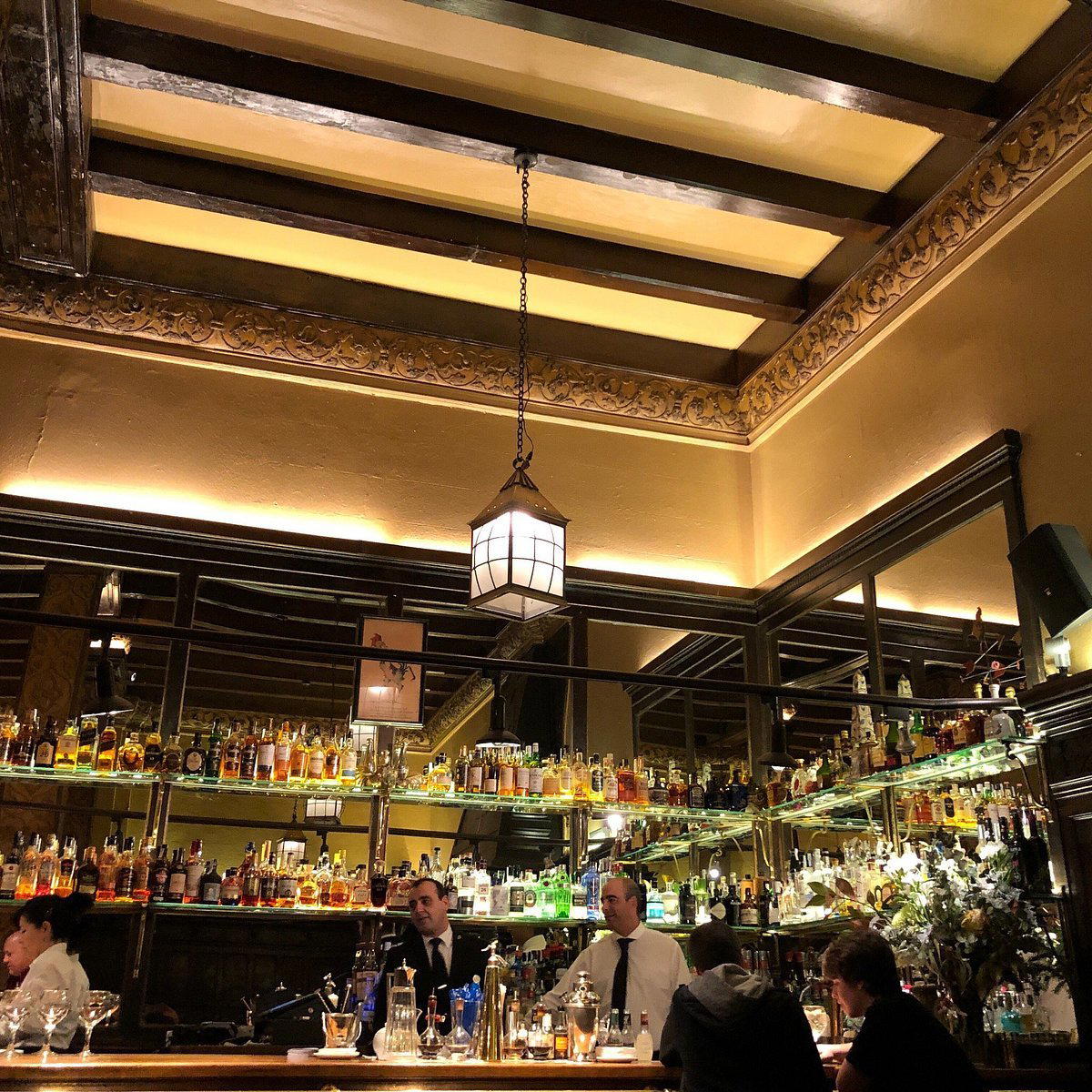
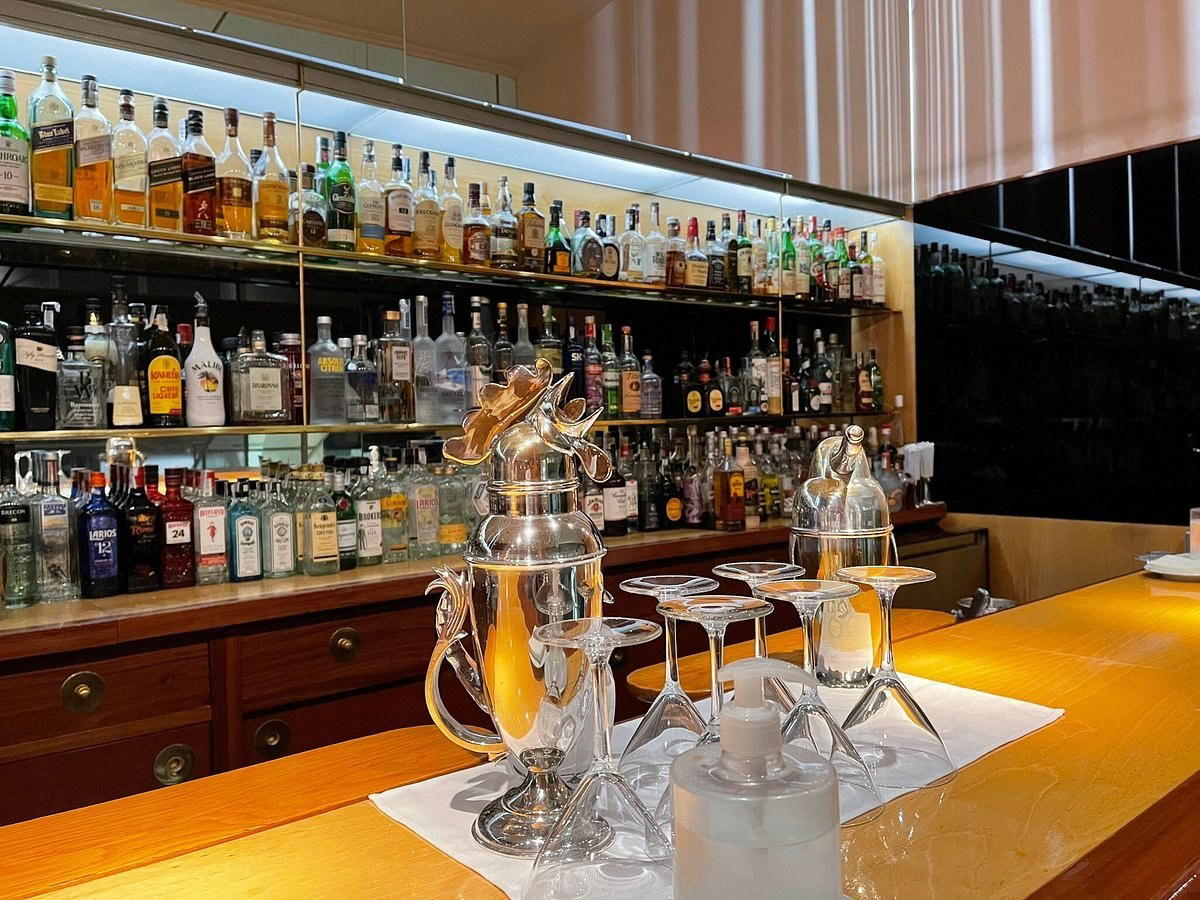
Bars in Madrid
Browse all →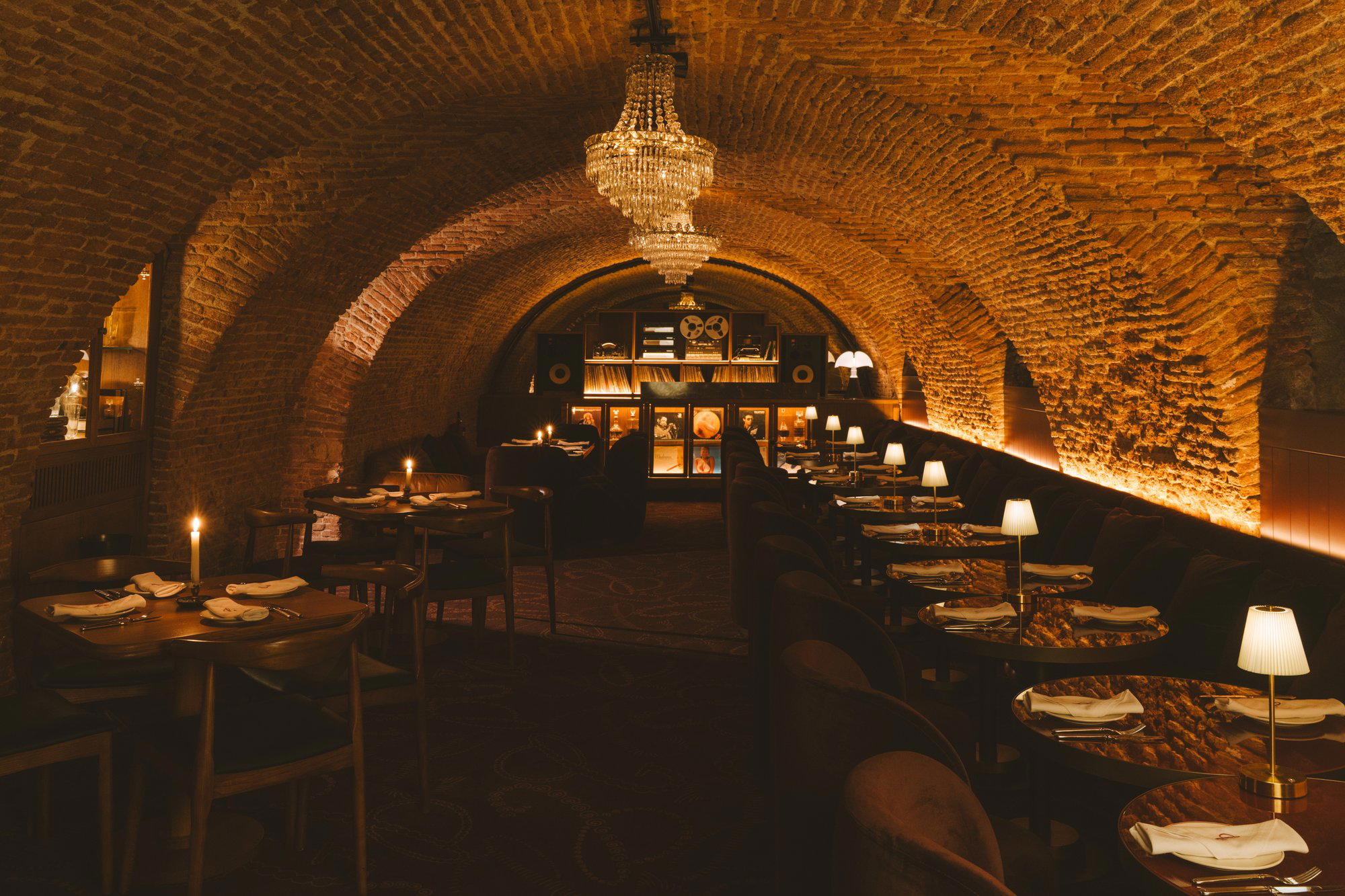
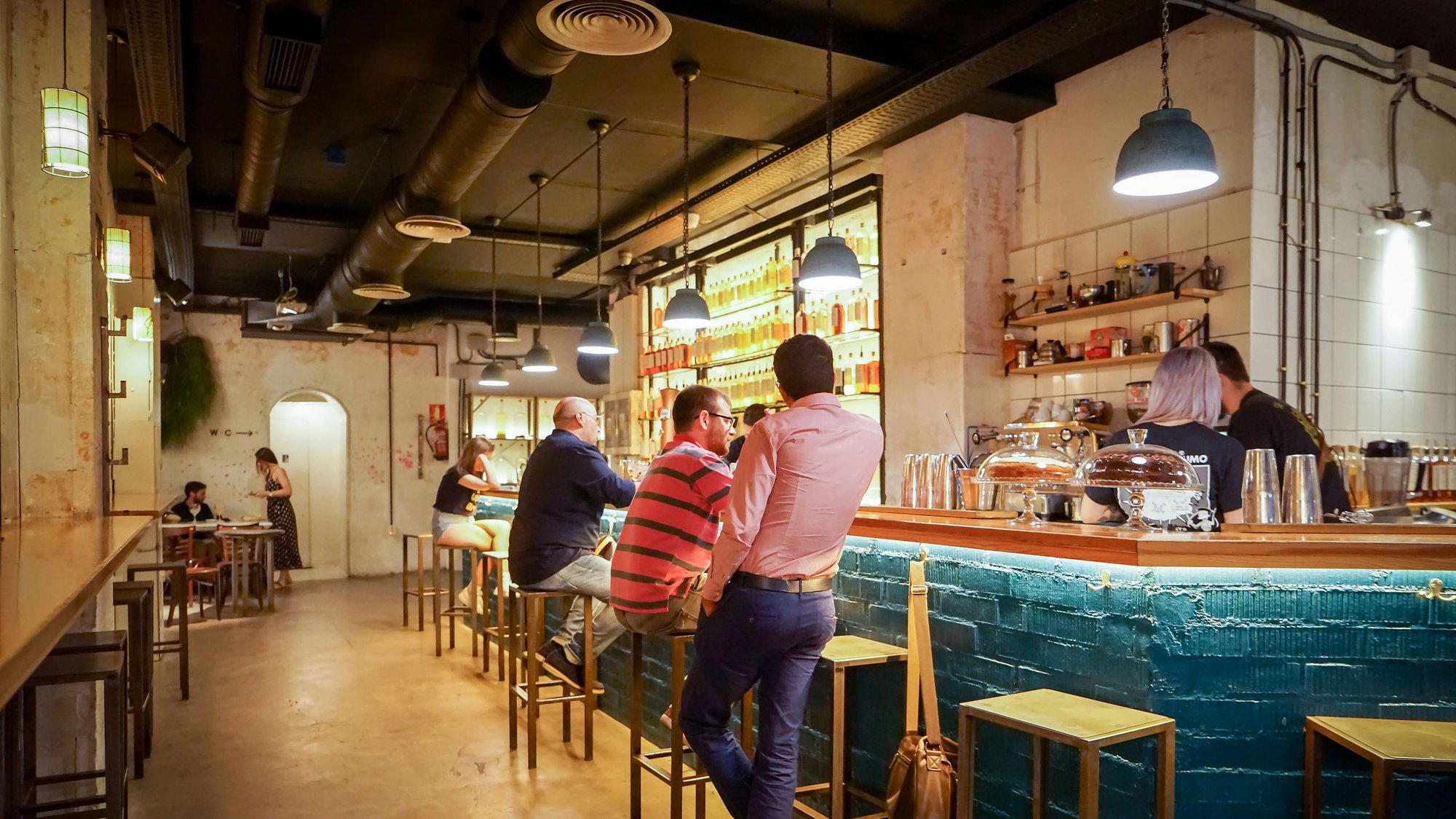
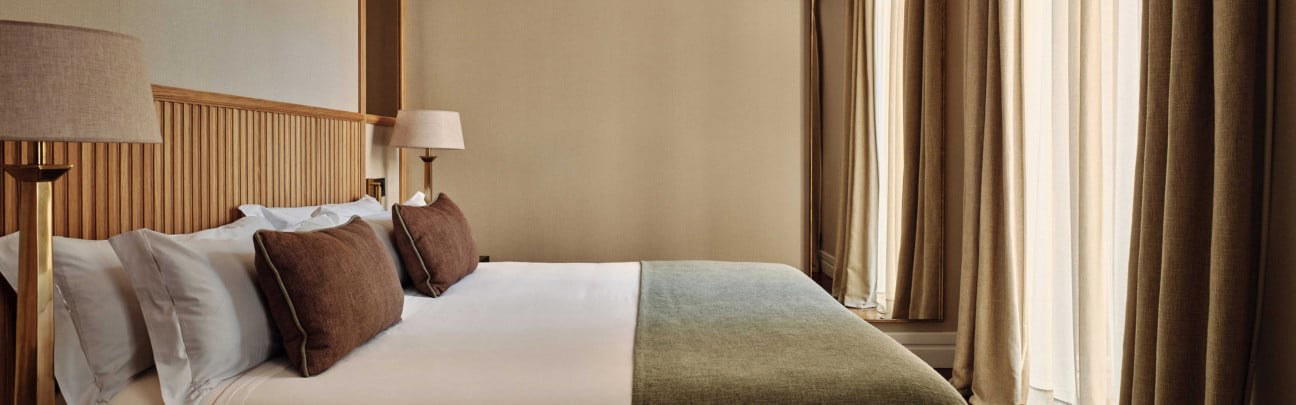
Hotels in Madrid
Browse all →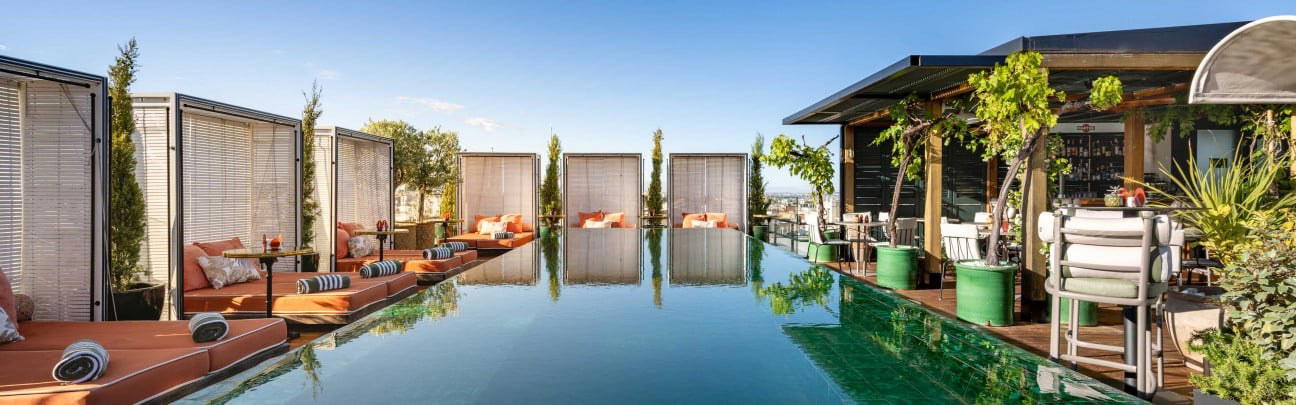

At a Glance
- Elegant
- Sophisticated
- Trendy
- Romantic
- Date Night
- Business Dinner
- Group Dining
- Celebration
- Special Occasion
- Open Kitchen
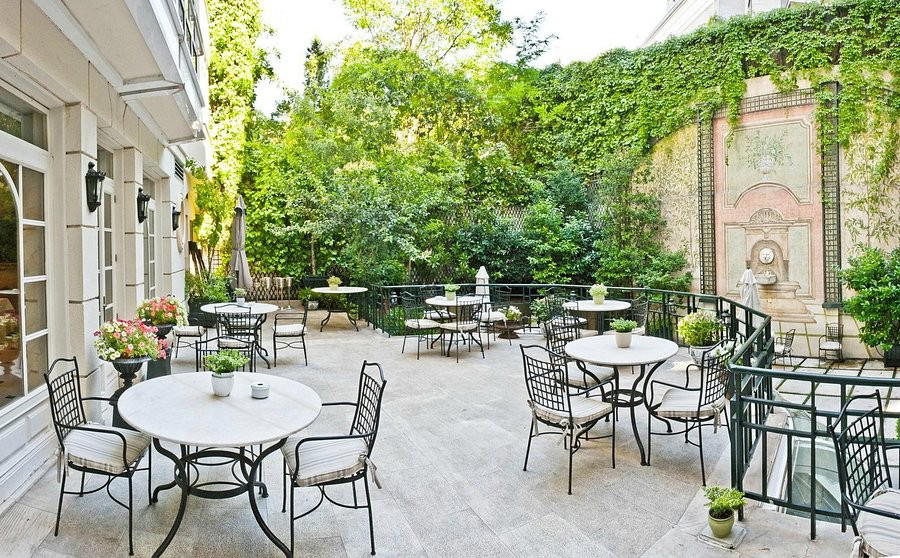
- Terrace
- Standalone
- Extensive Wine List
- Beer Program
- Local Sourcing
- Sustainable Seafood
Current opening hours
- Monday
- 12:30 PM–12 AM
- Tuesday
- 12:30 PM–12 AM
- Wednesday
- 12:30 PM–12 AM
- Thursday
- 12:30 PM–12 AM
- Friday
- 12:30 PM–1 AM
- Saturday
- 12:30 PM–1 AM
- Sunday
- 12:30 PM–12 AM
Hours can change for holidays and private events. Last verified .
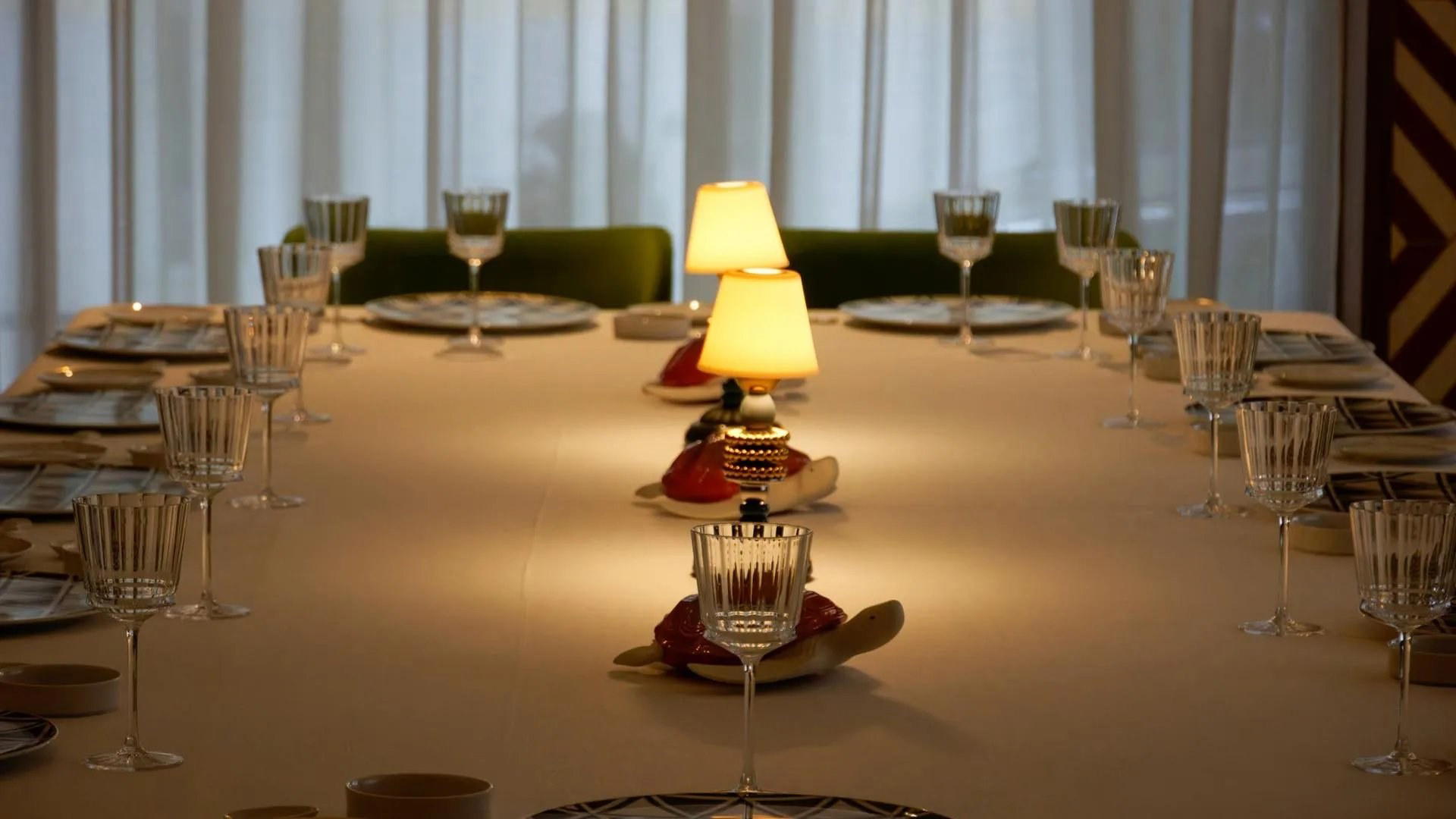
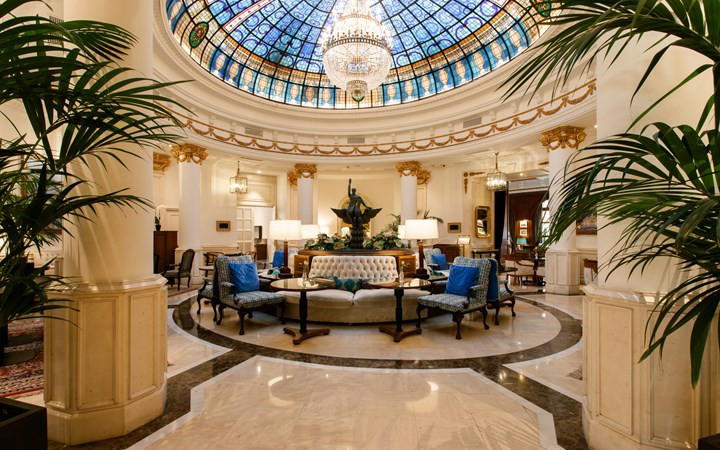
Modern Mediterranean atmosphere evoking fishing villages with elegant design, warm lighting, and an open kitchen where rice is cooked in sight with theatrical presentation.
Know Before You Go
- Getting there
- C. de Jorge Juan, 35, Salamanca, 28001 Madrid, Spain