A La Frégate sits on Avenue Ledru-Rollin in Paris's 12th arrondissement, a neighbourhood where the gap between serious cooking and neighbourhood pricing remains meaningful. Against a Paris dining scene dominated by multi-course tasting menus and grand-hotel formality, this address occupies a quieter register, the kind of room where the cooking does the explaining.
Pearl is the En Primeur Club membership app — saves, bookings, and concierge access live there. Same editors, same standards.
- Address
- 30 Av. Ledru Rollin, 75012 Paris, France
- Phone
- +33143439032
- Directions
- Get directions
 Saves & bookings on Pearl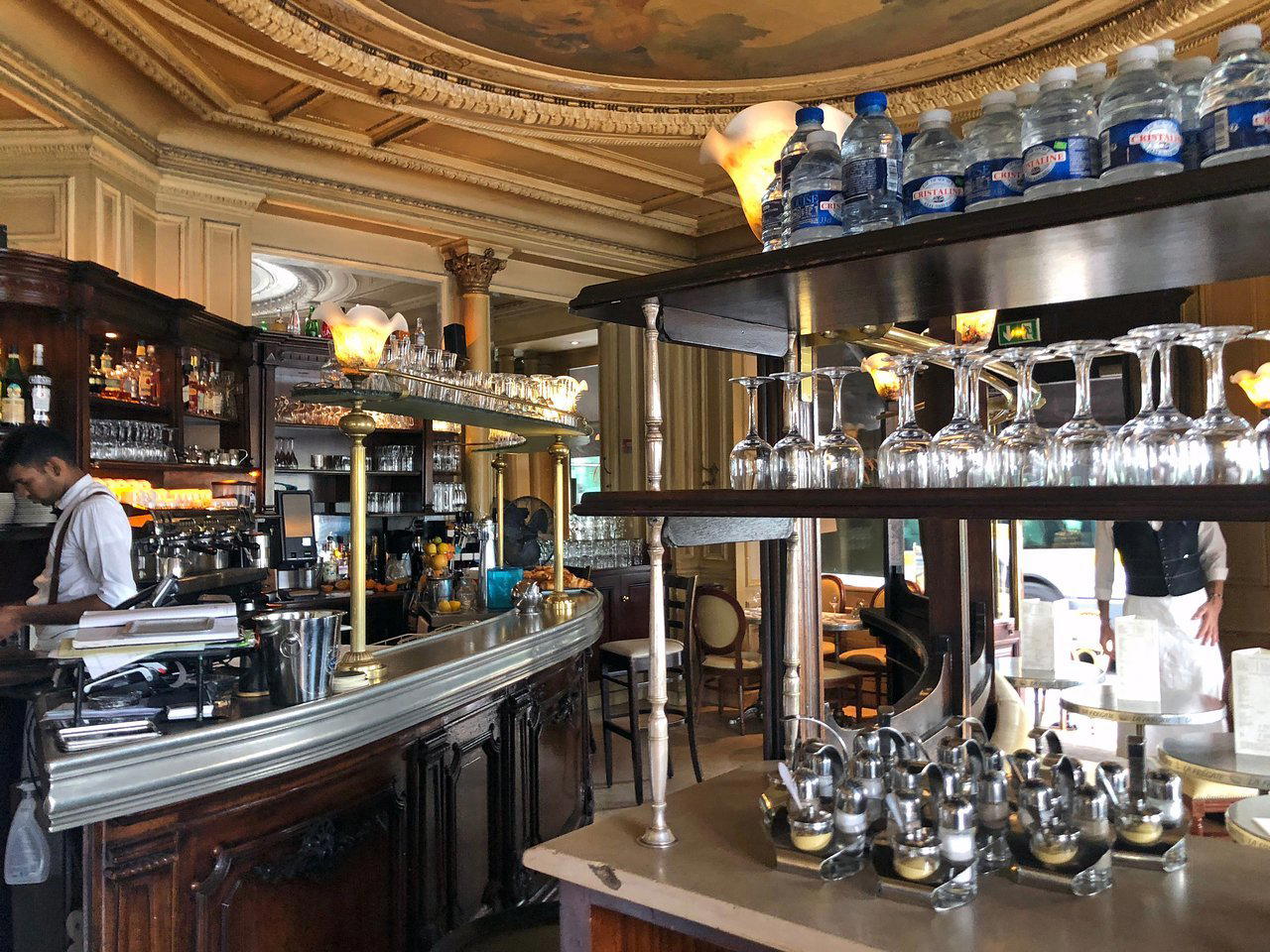
The 12th Arrondissement and the Kitchens That Work Beside the Market
Paris's dining conversation tends to concentrate west of the Seine, around the addresses that built the city's international reputation: the grand brasseries of the 8th, the palace-hotel dining rooms that bracket the Champs-Élysées, and the tasting-menu counters that cluster in the 6th and 7th. Venues like Alléno Paris au Pavillon Ledoyen, Arpège, and Le Cinq at the Four Seasons George V define one version of what ambitious cooking in this city looks and costs. The 12th arrondissement operates in a different register entirely.
The eastern stretch of the Right Bank, anchored by the Marché d'Aligre and the Viaduc des Arts, has developed a culinary identity built around proximity to produce rather than proximity to prestige. Avenue Ledru-Rollin bisects this neighbourhood, running south from Bastille past wine bars, butchers, and the kind of restaurants where the sourcing conversation happens at the market stall rather than in a press release. A La Frégate, at number 30, belongs to this geography.
Local Ingredients, Global Technique: A Familiar Tension in French Cooking
French haute cuisine has always negotiated between the authority of regional product and the ambitions of technique imported from elsewhere. The trajectory runs from Escoffier's systematisation of classical method through the nouvelle cuisine generation's engagement with Japanese minimalism, and into the contemporary moment where kitchens at every price point draw on a wider set of references than any previous generation. Kei, on the Right Bank, makes that Franco-Japanese intersection its explicit identity, to considerable critical success. L'Ambroisie on the Place des Vosges holds the opposite position: a deep classicism that treats outside influence as irrelevant to what it does.
Neighbourhood restaurants in the 12th tend to sit somewhere between those poles. Strong examples among them use disciplined technique, often acquired through stints in more formally recognised kitchens, to work the produce available in the immediate area, particularly from the Aligre market and the surrounding network of small-scale suppliers that remain viable in this part of the city. The editorial angle of local-ingredients-through-global-technique is not a concept that needs to be proclaimed in such rooms; it describes the practical reality of how a serious cook in this neighbourhood works.
This approach has antecedents throughout France. Bras in Laguiole made the relationship between land, season, and plate its entire identity. Mirazur in Menton built a kitchen garden into its method. At a different scale, Flocons de Sel in Megève takes Alpine product and applies a precision that belongs to a global lexicon of fine dining technique. What distinguishes the Parisian neighbourhood iteration is that the supply chain is urban and compressed: the market is minutes away, and the produce cycles are weekly rather than seasonal in the broad sense.
Where A La Frégate Sits in the 12th's Dining Pattern
The stretch of the 12th around Ledru-Rollin and Bastille has attracted a consistent layer of independent restaurants in the past decade, partly as consequence of the sustained pressure on rent in the central arrondissements. Chefs who would previously have planted their flag in the Marais or Saint-Germain have found the 12th's commercial rents more workable, and the neighbourhood's existing food culture, the wine merchants on the Rue de la Roquette corridor, the Aligre market's year-round operation, supportive of the kind of clientele they want. The result is a concentration of addresses worth taking seriously without the ceremony-tax that comes with dining in the 7th or 8th.
A La Frégate occupies 30 Avenue Ledru-Rollin in this context. A La Frégate is a Classic French Seafood Bistro at 30 Avenue Ledru-Rollin, with a price tier of €€€ and an average spend of about $50 per person. What is knowable from the address alone is the competitive environment: a neighbourhood that rewards quality-to-price positioning over formal signalling, and a dining public that tends to be local in composition and informed in its expectations.
For reference on how the broader Paris market is structured, our full Paris restaurants guide maps the city by arrondissement, cuisine type, and price tier.
French Regional Cooking and the Paris Table
Paris restaurants have always functioned as a showcase for French regional product passing through the capital. The Alsatian tradition, visible at addresses like Au Crocodile in Strasbourg in its home region, finds echoes in Parisian brasseries and charcuterie-led bistros. The Champagne region's approach to combining luxury product with structured service, as practiced at Assiette Champenoise in Reims, informs the wine-pairing ambitions of smaller Paris rooms. Even the deep southern Languedoc tradition represented by Auberge du Vieux Puits in Fontjoncouse surfaces in Paris menus that reach for garrigue herbs and olive-oil-led preparations.
The longer lineage of French cooking, through houses like Paul Bocuse's Auberge du Pont de Collonges, Auberge de l'Ill in Illhaeusern, and Troisgros in Ouches, established a template for how regional product and accumulated technical knowledge combine in French serious cooking. Paris neighbourhood restaurants are a downstream expression of that tradition, working at a different scale but drawing on the same underlying logic.
International comparisons are also useful here. AM par Alexandre Mazzia in Marseille demonstrates how radically technique can be pushed in service of Mediterranean product. Across the Atlantic, Le Bernardin in New York and Atomix each show how French technical inheritance gets reinterpreted through different national food cultures. The Paris neighbourhood restaurant sits at the origin point of that dispersal, with access to the product and the method simultaneously.
Planning a Visit
| Detail | The restaurant | Typical €€€€ Paris Peer | Typical 12th Arrondissement Bistro |
|---|---|---|---|
| Address | 30 Av. Ledru-Rollin, 75012 Paris | 7th/8th arrondissement | Bastille/Aligre corridor |
| Price range | Not confirmed, verify directly | €150–€400 per person | €35–€70 per person |
| Booking | Not confirmed, verify directly | 4 to 12 weeks advance | Walk-in or short notice |
| Format | Not confirmed, verify directly | Set tasting menu | À la carte or plat du jour |
| Nearest metro | Ledru-Rollin (Line 8) or Bastille | Varies by venue | Ledru-Rollin / Faidherbe-Chaligny |
The restaurant is open Monday through Friday from 12 to 2 PM and 7 to 10 PM, and is closed on Saturdays and Sundays. The neighbourhood is walkable from Bastille and well-served by Line 8 at Ledru-Rollin station.
A Lean Comparison
Comparable venues nearby, for context on price, style, and recognition.
| Venue | Cuisine | Price | Notes |
|---|---|---|---|
| A La FrégateThis venue — the venue you are viewing | Not listed | $$$ | Not listed |
| Maison Blanche | Not listed | $$$ | 8th arrondissement, Modern French Fine Dining |
| The Tree | Not listed | $$$ | 13th arrondissement, French-Asian Fusion |
| L'Auberge du Roi Gradlon | Gobelins, Breton French Bistro | $$$ | Not listed |
| Cloche Paris | Not listed | $$$ | Les Halles (1st arrondissement), Modern French Brasserie with Wagyu Focus |
| Café Pierre Hermé | Not listed | $$$ | 7th arrondissement, French Patisserie Café |
Continue exploring
More in Paris
Restaurants in Paris
Browse all →
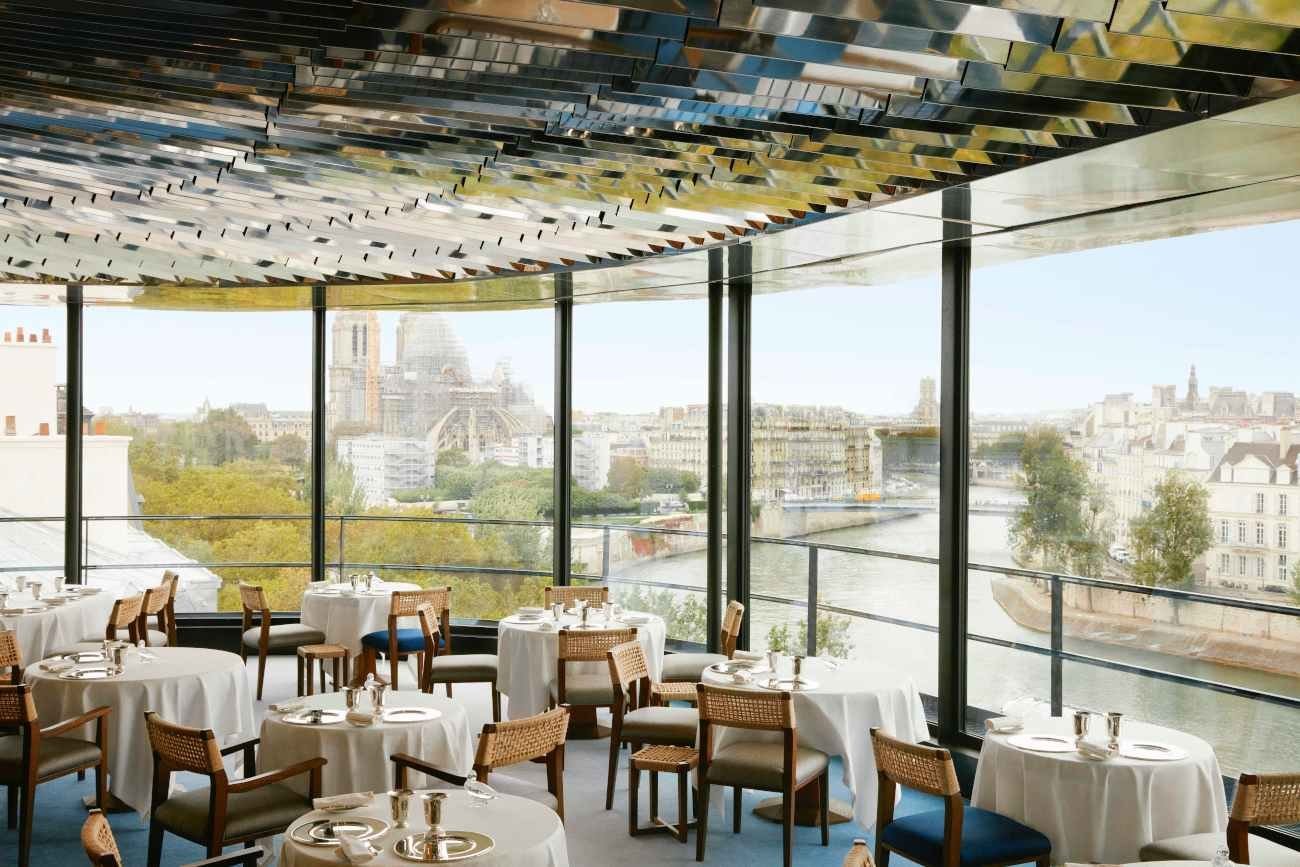
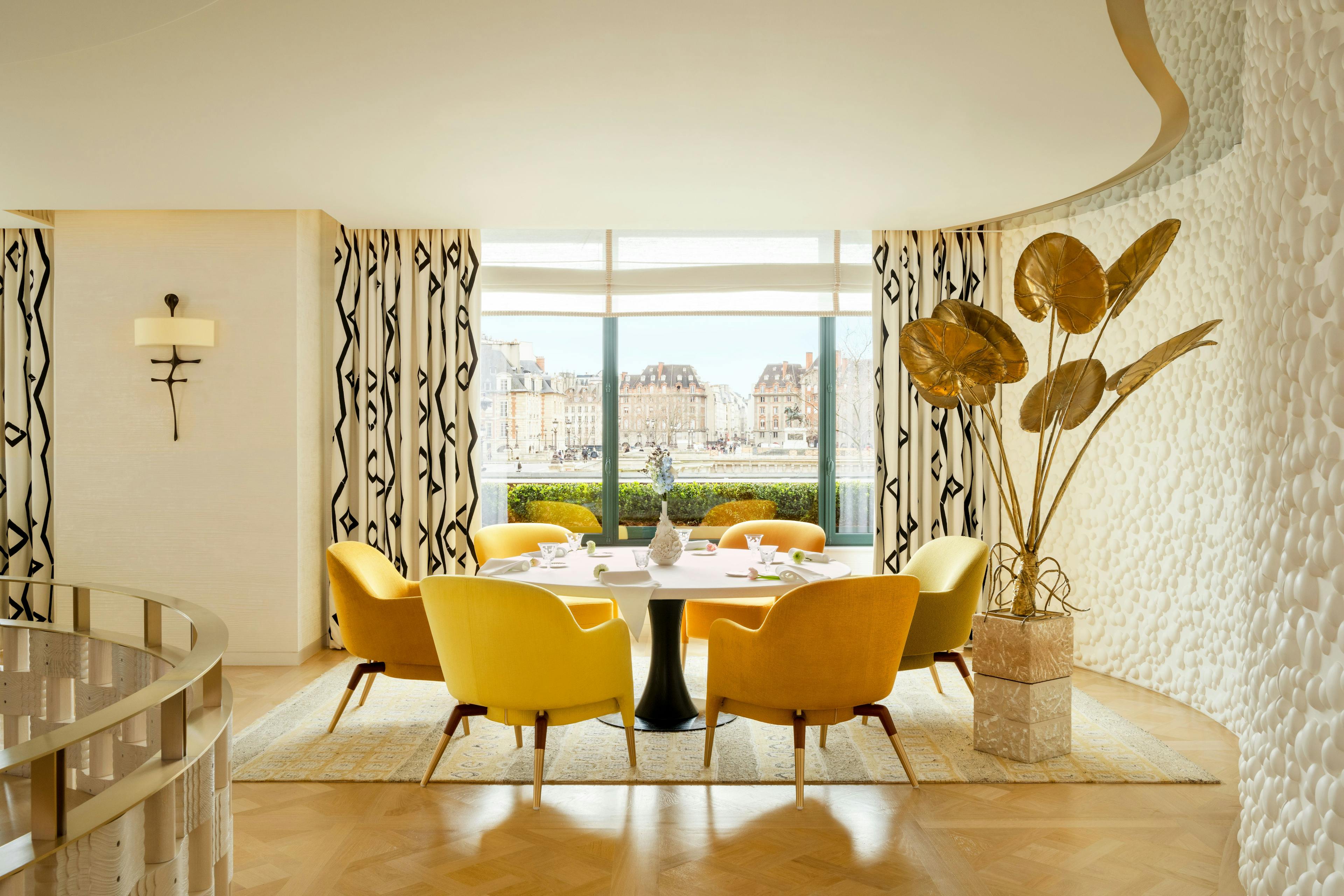
Bars in Paris
Browse all →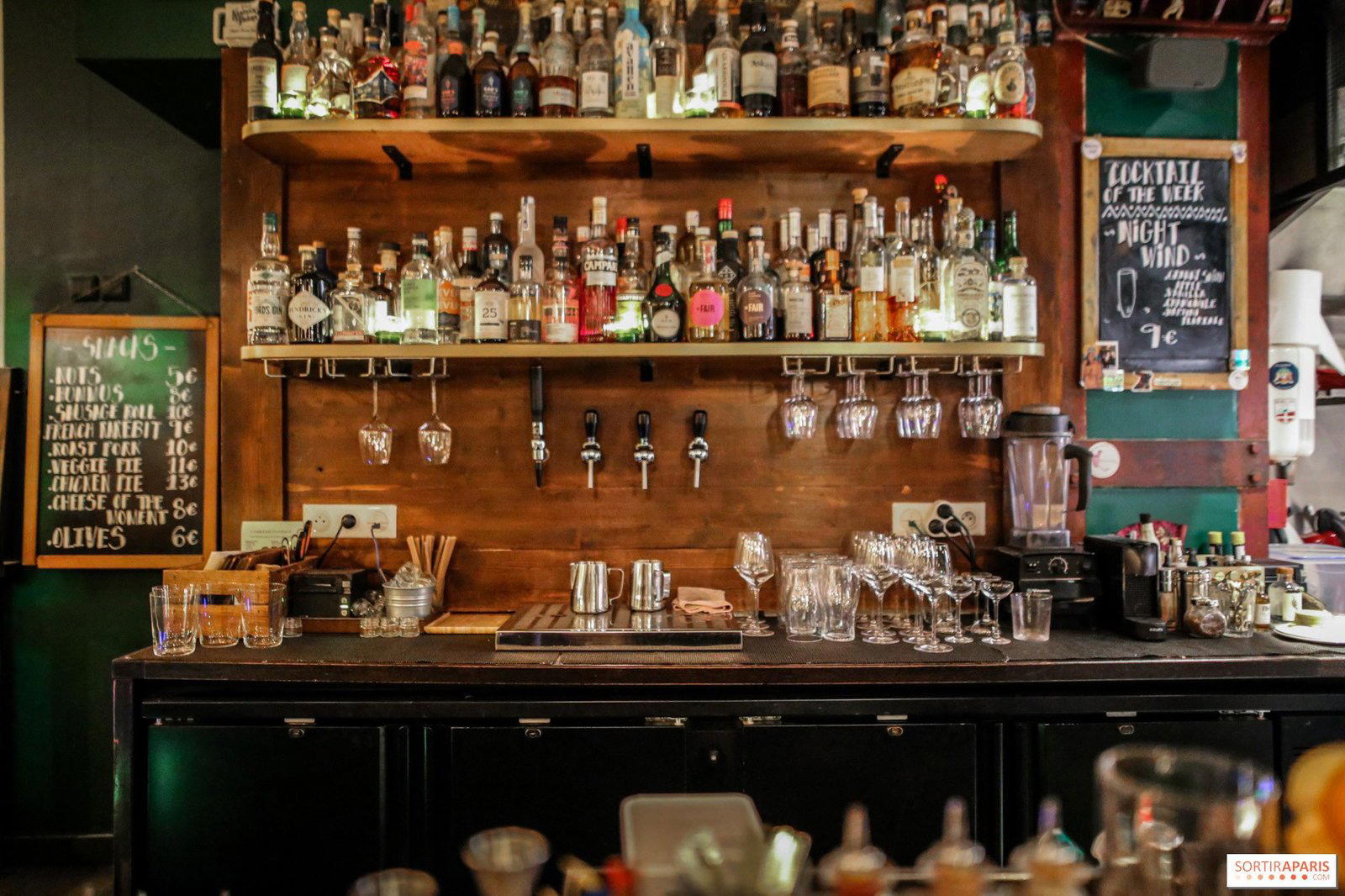
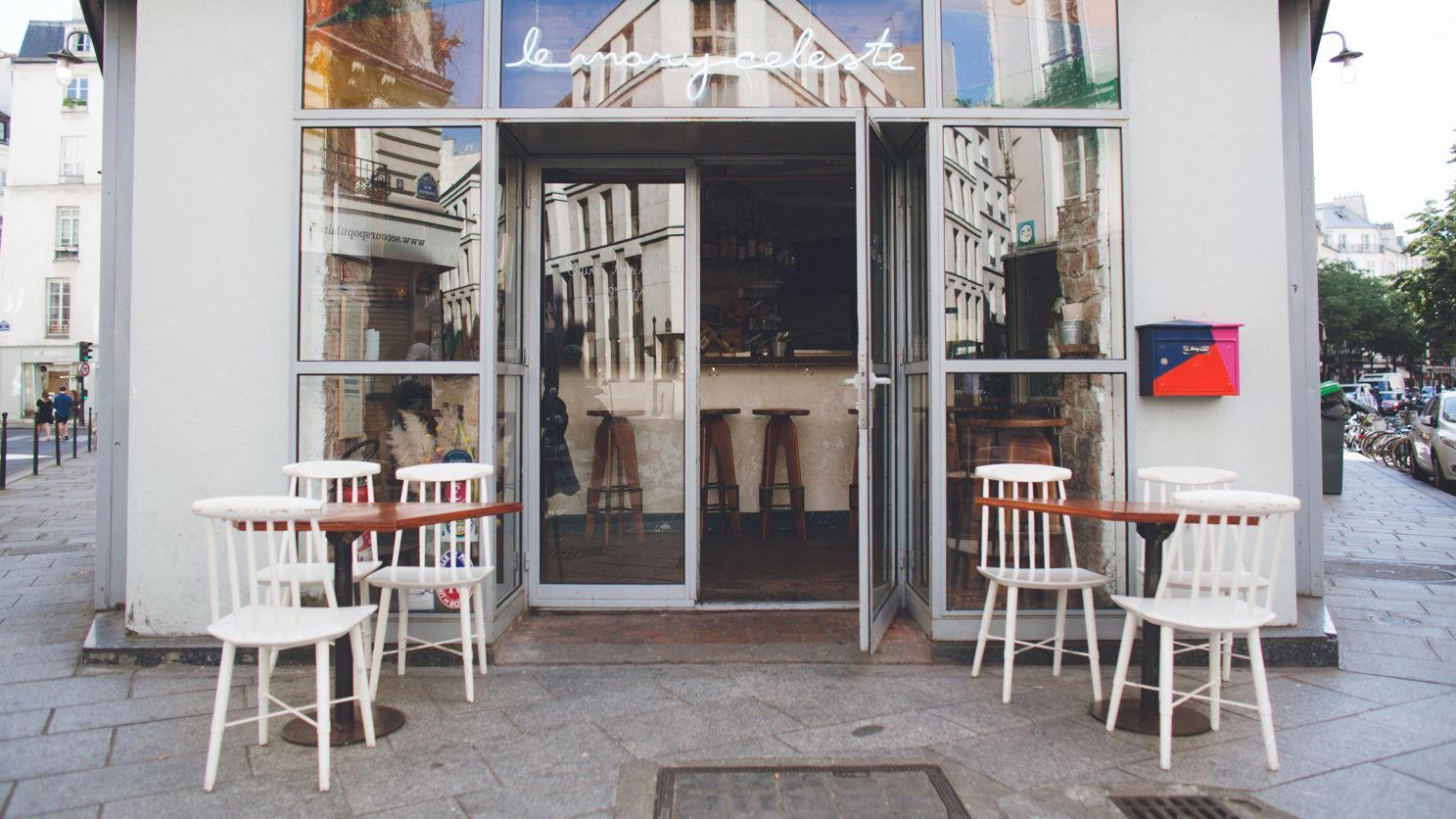
Hotels in Paris
Browse all →



At a Glance
- Classic
- Elegant
- Cozy
- Date Night
- Special Occasion
- Business Dinner
- Terrace
- Local Sourcing
- Waterfront
- Street Scene
Current opening hours
- Monday
- 12–2 PM, 7–10 PM
- Tuesday
- 12–2 PM, 7–10 PM
- Wednesday
- 12–2 PM, 7–10 PM
- Thursday
- 12–2 PM, 7–10 PM
- Friday
- 12–2 PM, 7–10 PM
- Saturday
- Closed
- Sunday
- Closed
Hours can change for holidays and private events. Last verified .
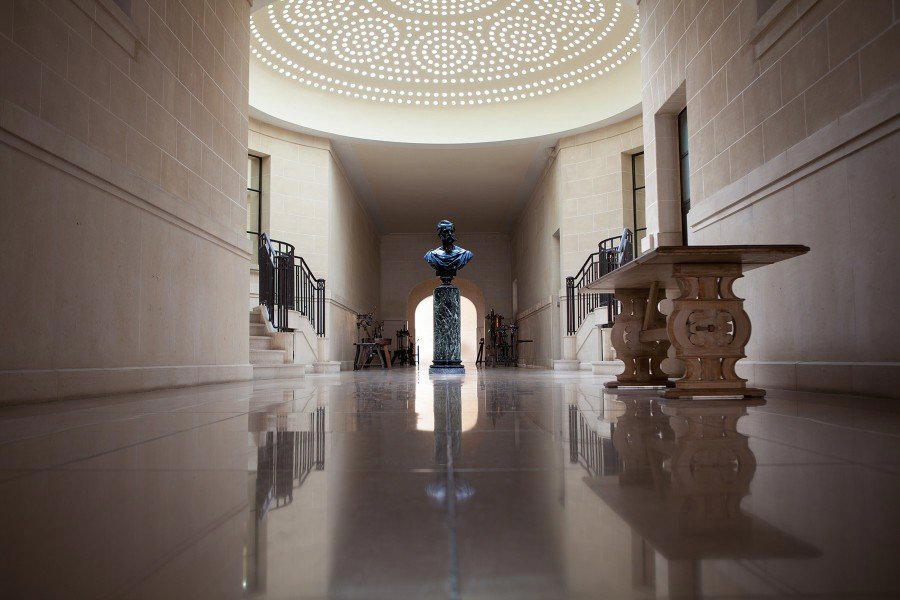
Chaleureux cadre with marine airs, warm and welcoming traditional French elegance.