Cacciatori
Our verdict
Cacciatori sits on Via Lücc in the hillside village of Cademario, in Ticino's canton-wide tradition of trattoria dining where Swiss-Italian cooking meets local agricultural rhythm. The address alone signals a certain remove from urban dining circuits, placing this restaurant in a category of destination meals that reward the drive through the pre-Alpine foothills. For context on the broader Cademario dining scene, see our full Cademario restaurants guide.

Pearl is the En Primeur Club membership app — saves, bookings, and concierge access live there. Same editors, same standards.
- Address
- Via Lücc 126, 6936 Cademario, Switzerland
- Phone
- +41916052236
- Website
- hotelcacciatori.ch
- Directions
- Get directions
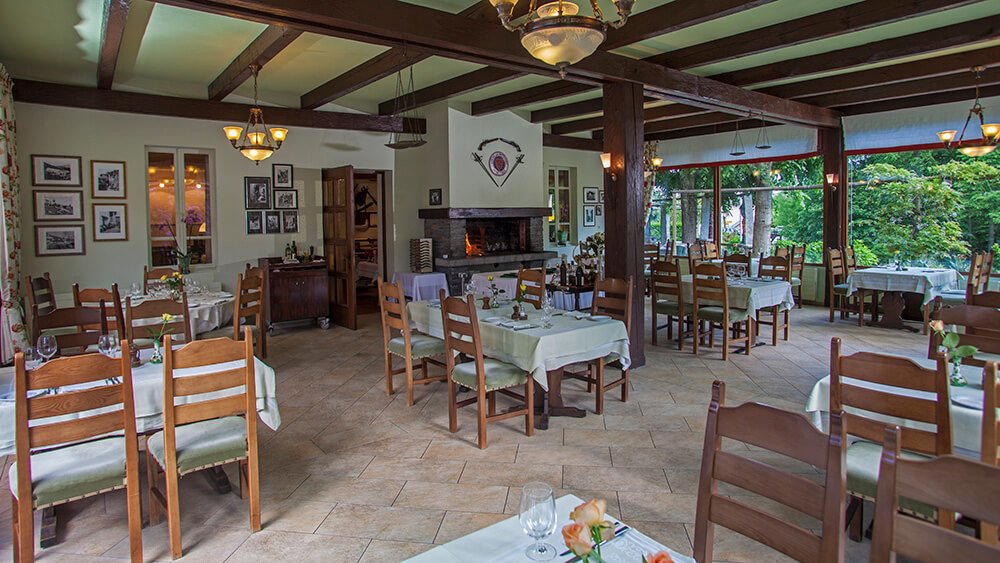
Arriving at Altitude: Ticino's Trattoria Tradition
The road to Cademario climbs above Lake Lugano's basin in a series of switchbacks that leave the lakeside hotels and cross-border commuter traffic below. By the time Via Lücc comes into view at number 126, the dining proposition has already changed: this is not a restaurant you stumble upon. Ticino's hillside settlements have long operated a distinct hospitality culture, one rooted in the Italian-speaking canton's position between Swiss civic order and northern Italian culinary instinct. The osteria and trattoria formats that populate these villages draw on both traditions without fully belonging to either, and Cacciatori sits within that geography.
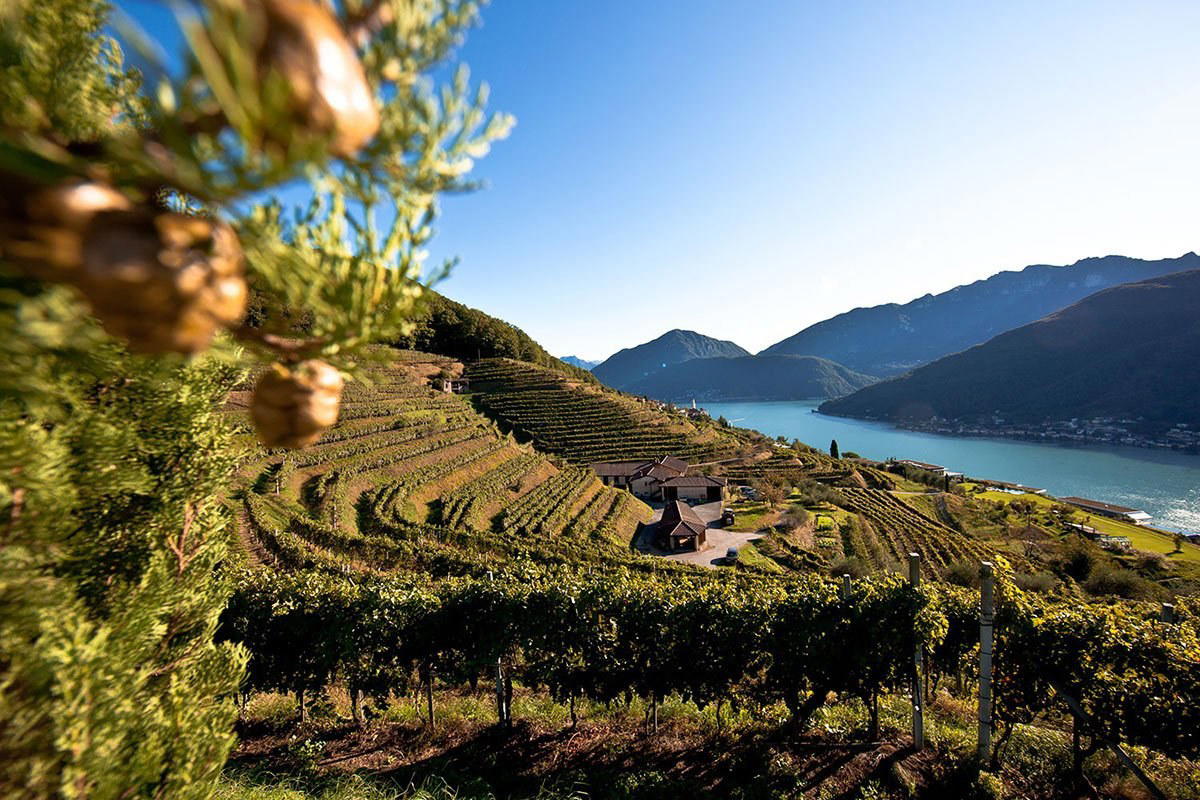
The name itself is telling. Cacciatori means hunters in Italian, and across Ticino and the Lombard foothills south of the border, the word attaches to a particular style of cooking: braised meats, foraged mushrooms, polenta, and the kind of ingredient logic that begins in the surrounding land rather than in a supplier catalogue. Whether Cacciatori in Cademario operates squarely within that lineage or has evolved away from it is a question that the address and setting raise long before you reach the door. The village sits at roughly 800 metres above sea level, in a zone where chestnut forests and terraced smallholdings define what grows and what gets hunted across the seasons.
The Sourcing Logic of the Pre-Alpine Larder
Ticino occupies an unusual agricultural position in the Swiss context. The canton's southern orientation gives it a Mediterranean growing season that the German- and French-speaking cantons cannot replicate, while its elevation produces microclimates suited to chestnuts, wild herbs, and game that lowland Italian kitchens must import. Restaurants in this zone that work with local sourcing do so with a material advantage: the larder changes substantially across the calendar, and a kitchen willing to follow it produces a menu that shifts from the game-heavy autumn months through the lighter, herb-forward spring and summer.
The cacciatore cooking tradition that the name invokes is fundamentally an ingredient-first approach. The classic braised preparations associated with it, whether rabbit, chicken, or wild boar cooked down with tomatoes, olives, capers, and wine, derive their character from what was available to smallhold farmers and hunters rather than from technique for its own sake. In a village like Cademario, that logic has remained geographically coherent in a way that urban interpretations of rustic Italian cooking cannot claim. The surrounding territory still produces the raw materials that the cooking style was designed to use.
This places Cacciatori in a different conceptual category from the Swiss fine-dining tier represented by Michelin-recognised restaurants like Schloss Schauenstein in Fürstenau, Memories in Bad Ragaz, or focus ATELIER in Vitznau. Those addresses operate in the register of tasting menus, precision sourcing networks, and creative elaboration. A Ticino trattoria like Cacciatori, if it holds to its regional form, operates through a different value proposition: familiar preparations executed with honest ingredients in a room where the cooking is not the spectacle but the point.
How Cademario Fits the Swiss-Italian Dining Pattern
The Lugano district has a well-documented pattern of destination dining that draws Swiss-German visitors south for a combination of lakeside atmosphere, Italian culinary reference, and prices that remain lower than comparable meals in Zurich or Basel. Cademario, positioned above the lake rather than on its shore, offers a quieter version of that proposition. The village lacks the tourist infrastructure of Lugano or Ascona, which means restaurants here tend to draw a more local and returning clientele rather than first-visit tourists working through a list of highlights.
That dynamic shapes how kitchens in these villages operate. A restaurant drawing regulars from a defined geographic catchment, including residents of the surrounding comuni and cross-border Italian visitors from the Varese and Como provinces, tends to develop a stable menu identity rather than chasing seasonal reinvention for its own sake. For comparison, La Brezza in Ascona operates in a more tourist-facing lakeside context that creates different menu pressures. Cademario's remove from that circuit is part of what defines the dining offer here.
For those mapping the broader Italian-Swiss cooking corridor, the Ticino tradition connects southward to the Lombard lake district and northward to the Alpine valleys of Graubünden, where restaurants like Mammertsberg in Freidorf and La Table du Valrose in Rougemont represent the French-Swiss and German-Swiss equivalents of terroir-led cooking in a mountain setting. Across all these addresses, the common thread is that geography conditions the ingredient supply, and the leading kitchens build their menus accordingly.
At the opposite end of the Swiss dining register, addresses like Hotel de Ville Crissier in Crissier, Cheval Blanc by Peter Knogl in Basel, and Maison Wenger in Le Noirmont make the case for Swiss fine dining on an international scale. The contrast is useful: what Cacciatori represents, in its Cademario setting, is the other pole of Swiss culinary confidence, one where the argument is made through plainness and provenance rather than elaboration. Internationally, that same argument plays out at addresses like Le Bernardin in New York City and Lazy Bear in San Francisco, both of which have built reputations on disciplined sourcing logic rather than menu complexity for its own sake.
Planning a Visit to Cademario
Cademario is accessible by PostBus from Lugano, though the hillside setting and the limited public transport frequency make a car the practical choice for most visitors, particularly for an evening meal when the last connections run early. The village is small enough that Via Lücc 126 is direct to locate on arrival. As with many Ticino trattorie that operate on a loyal local clientele, confirming a reservation before making the drive up from Lugano is sensible, particularly on weekends in the autumn hunting season when demand for this style of cooking peaks in the region. For a broader picture of what the area offers, our full Cademario restaurants guide maps the village's dining options in context.
Those building a longer Swiss-Italian itinerary should note that the Ticino region's dining character differs substantially from the German-Swiss addresses: Einstein Gourmet in Sankt Gallen, Taverne zum Schäfli in Wigoltingen, or Magdalena in Schwyz each represent their own regional cooking logic. Da Vittorio in St. Moritz and The Japanese Restaurant in Andermatt demonstrate how resort settings attract a different tier of operator entirely. Skin's in Lenzburg adds another data point in the creative Swiss register. Cademario and Cacciatori belong to none of those categories, which is precisely the point of the drive.
Frequently asked questions
Does Cacciatori work for a family meal?
Cademario's trattoria culture is built around the long, unhurried table — the format that defines Swiss-Italian hillside dining in the Lugano district. That setting typically accommodates multigenerational groups well.
What's the overall feel of Cacciatori?
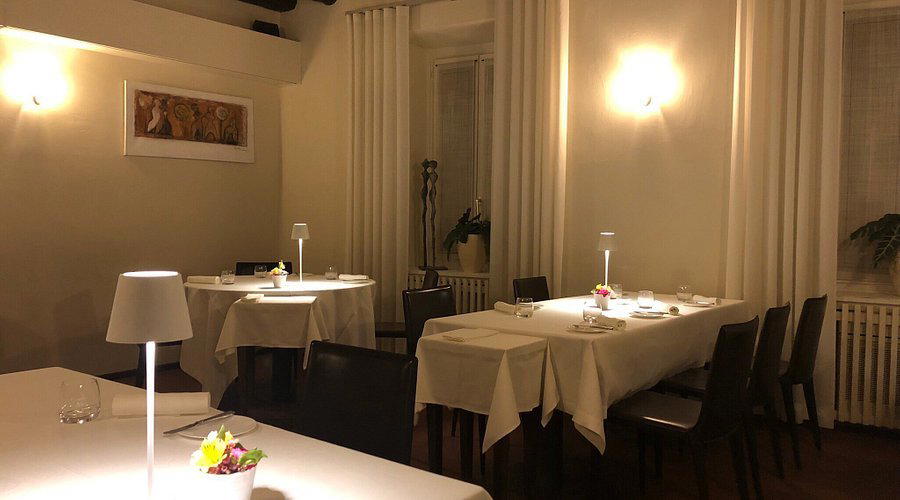
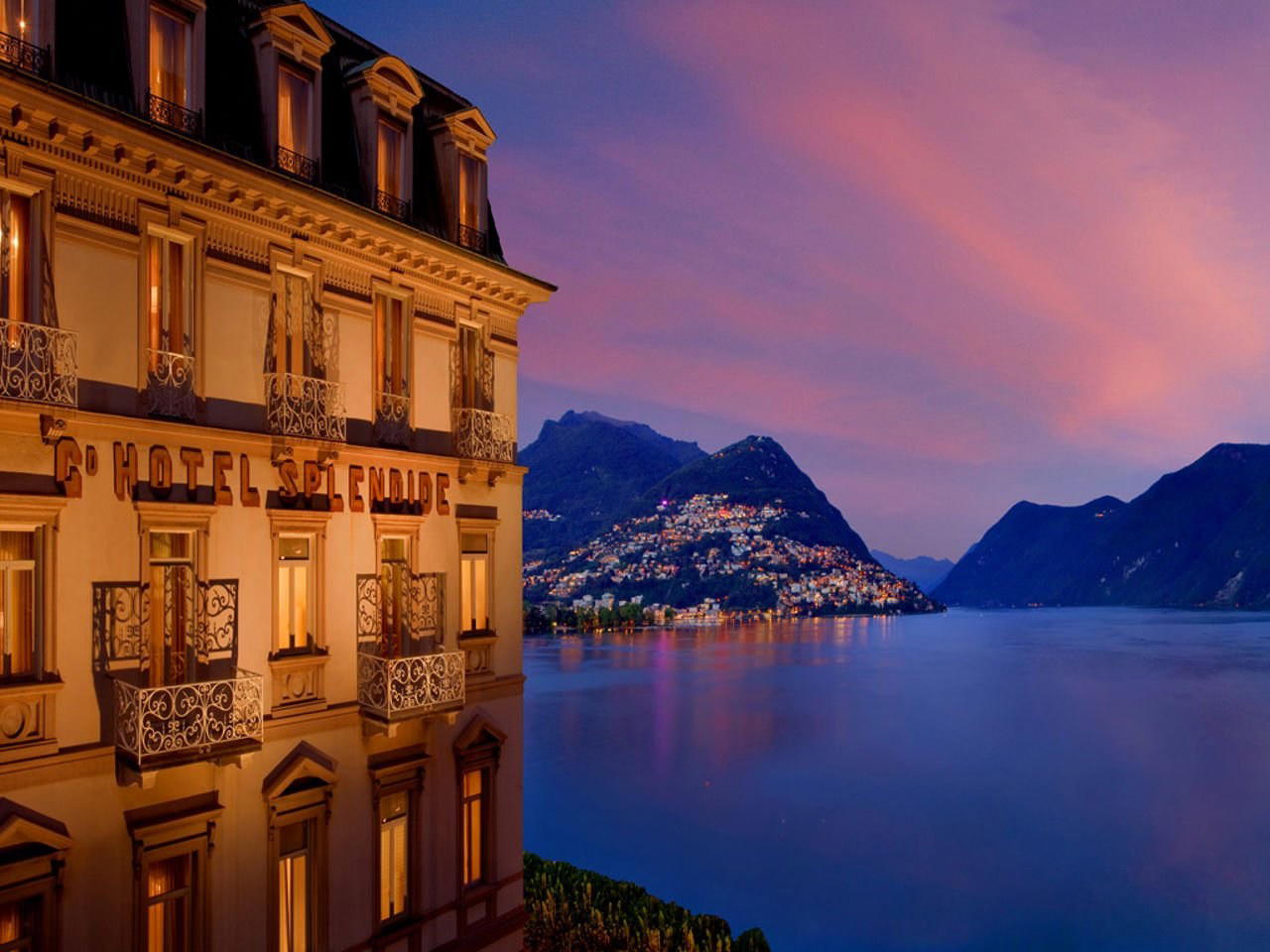
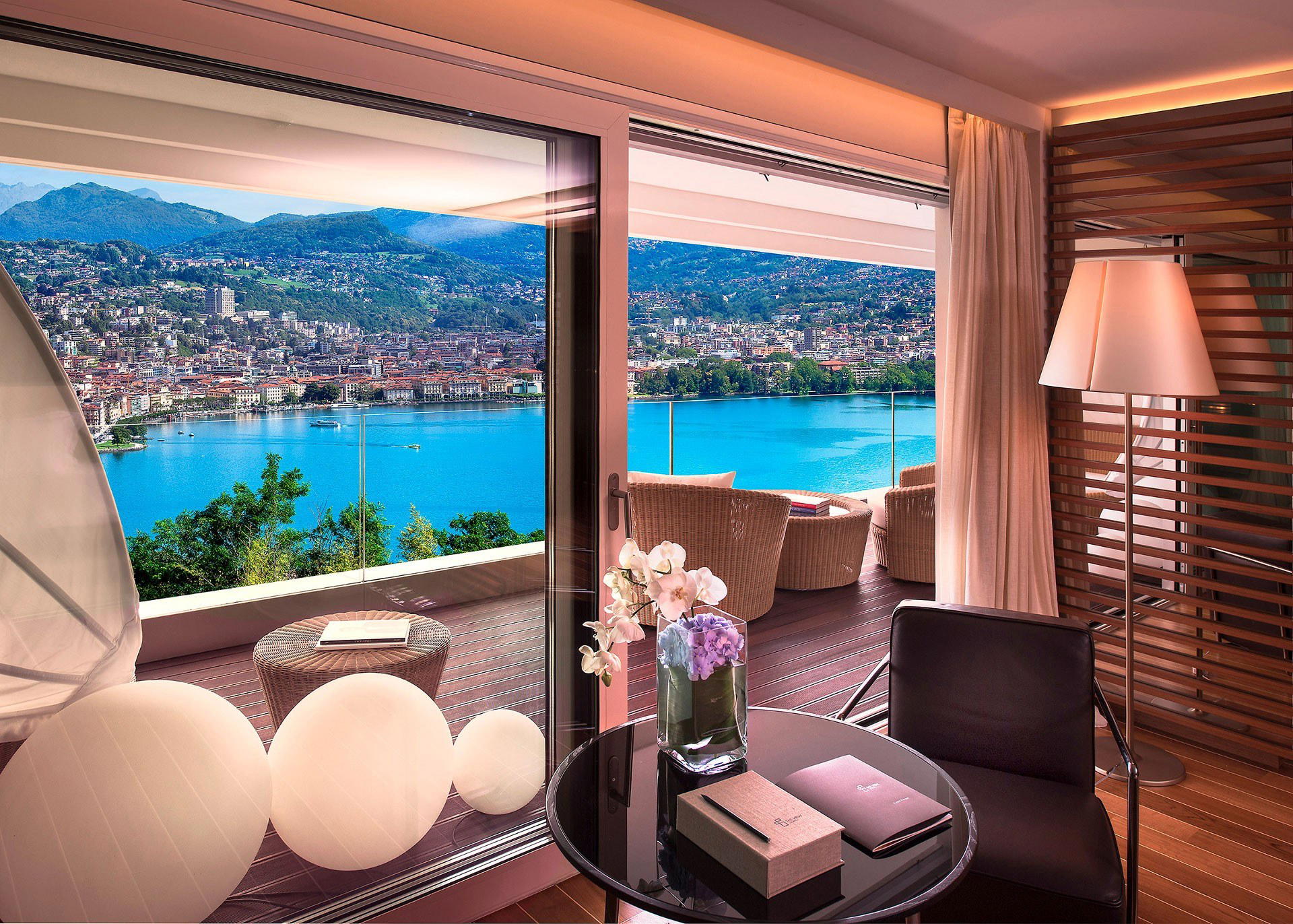
Cacciatori sits in Cademario, a hillside village above Lake Lugano that sits clear of the lakeside hotel circuit and the cross-border commuter corridor. The address on Via Lücc places it within a quiet residential setting, consistent with the destination-trattoria model common across the Lugano district. The atmosphere reads as a working local restaurant that draws visitors willing to make the climb rather than a dining room oriented around passing trade.
Is Cacciatori accessible by public transport from Lugano?
Cademario is served by PostBus connections from Lugano, though frequency is limited and the hillside setting means service gaps can be significant. Via Lücc 126 is within the village, but the practical reality for most visitors is that arriving by car gives considerably more flexibility, particularly for an evening meal when late return services may not align with a full sitting.
What dish is Cacciatori famous for?
The name itself — cacciatori means hunters in Italian — points toward a culinary orientation common in Ticino: game, braised meats, and preparations drawn from the pre-Alpine larder that the canton's southern agricultural position supplies. Confirming current menu specifics directly with the restaurant is the reliable course.
What part of town is Cacciatori in?
Cacciatori is located at Via Lücc 126, 6936 Cademario, Switzerland, Cademario.
What makes Cacciatori worth seeking out?
The case for Cacciatori rests on location and context rather than documented awards. Cademario sits above the Lake Lugano basin in Swiss Ticino — a canton with a Mediterranean growing season that sits entirely outside the Swiss-German agricultural model, giving its restaurants access to produce and wine-region traditions closer to Lombardy than Zurich. That geographical position, combined with a hillside address removed from the lakeside tourist circuit, is what distinguishes this category of Ticino trattoria.
Comparable Spots, Quickly
Comparable venues nearby, for context on price, style, and recognition.
| Venue | Cuisine | Price | Awards | Notes |
|---|---|---|---|---|
| CacciatoriThis venue — the venue you are viewing | Ticinese-Italian Regional | $50–100 | Not listed | Not listed |
| La Poesia | Southern Italian (Puglia) restaurant with wood‑fired grill | $50–100 | Gambero Rosso 2 Forchette | Malley |
| Gianni Genussatelier | Italian-Swiss Bistro | $100–150 | Not listed | Naters |
| Luca² Restaurant | Modern Italian Mediterranean | $50–100 | Not listed | Hottingen |
| Vivanda | Authentic Italian Ristorante | $50–100 | Not listed | central |
| Dal Buongustaio | Italian Trattoria & Pizzeria | Not listed | Not listed | Kilchberg |
Continue exploring
More in Cademario
Restaurants in Cademario
Browse all →
Bars in Cademario
Browse all →
Hotels in Cademario
Browse all →
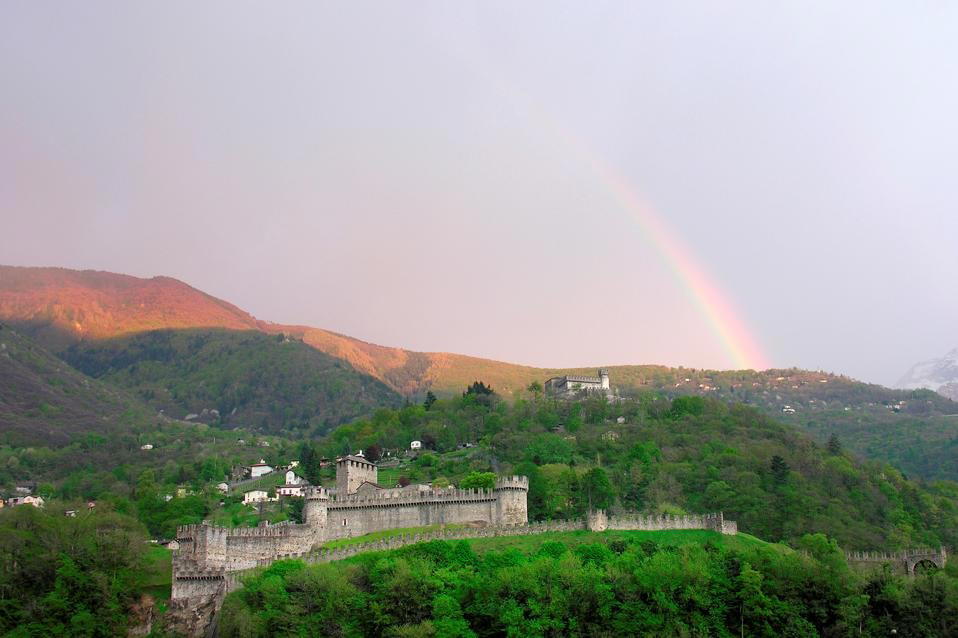
Cacciatori
The wine
- Wine program
- Curated wine list
- Extensive wine list
Details
- Romantic
- Classic
- Elegant
- Scenic
- Date Night
- Special Occasion
- Hotel Restaurant
- Terrace
- Extensive Wine List
- Local Sourcing
- Mountain
- Garden
- A La Carte
- Regional Wines
- Gluten Free Options
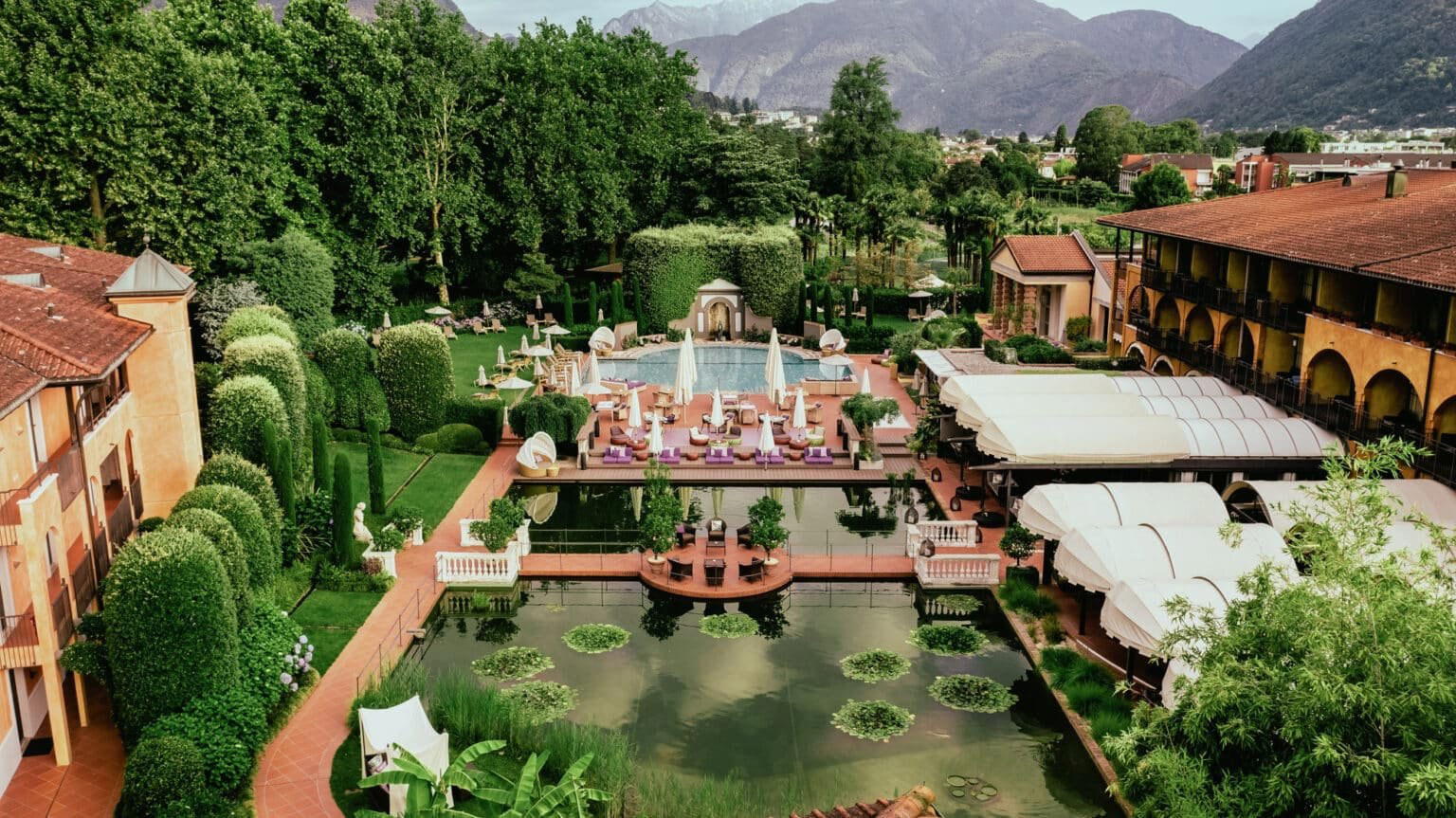
Quiet, romantic rural setting in an old-fashioned glass-enclosed space with beautiful terrace.