Relais Castello di Morcote

1 Michelin Key
A 17th-century convent turned 12-room retreat in the Italian-speaking village of Vico Morcote, Relais Castello di Morcote sits a short walk above Lake Lugano with Juliette balconies, worn-timber interiors, and a working farm and vineyard on the grounds. The property trades in the architectural character of a Tuscan estate rather than the polished anonymity of a Swiss chain hotel, at rates from around $367 per night.

Pearl is the En Primeur Club membership app, where members save venues, book tables and use the concierge.
Where Swiss Administration Meets Italian Soul
The canton of Ticino occupies a peculiar position in the Swiss imagination: geographically alpine, politically Swiss, but culturally and linguistically Italian in almost every detail that matters at ground level. In Vico Morcote, the village above the headland that juts into Lake Lugano, this tension resolves quietly in favour of Italy. The stone lanes, the cadence of conversation, the terracotta roof tiles visible from the water, all of it reads as southern European in a way that the German-speaking cantons simply do not. Our full Morcote restaurants guide covers the wider village, but the property that most completely inhabits this cross-border character sits uphill from the lakefront: Relais Castello di Morcote, a 17th-century convent converted into a 12-room rural retreat.
Switzerland's premium hotel category is well-populated with properties that pursue grandeur through scale and international brand affiliation. Baur au Lac in Zurich, Badrutt's Palace Hotel in St. Moritz, and Beau-Rivage Geneva all belong to that tradition of large-footprint, amenity-heavy luxury. Relais Castello di Morcote belongs to a different category entirely: the design-led, low-key property where the architecture itself does most of the work, and where the guest count is low enough that the building never feels like a hotel in the conventional sense.
A Convent Built for a Different Kind of Silence
The conversion of 17th-century religious architecture into hospitality is a genre with a broad range of outcomes. Done poorly, it produces rooms that feel like over-decorated stage sets, with period details preserved as backdrop rather than substance. The approach at Relais Castello di Morcote leans toward material honesty: worn timber, rich textiles, and a deliberate restraint that allows the age of the building to register without theatrical amplification. The 12 rooms are not identical, but they share a design vocabulary rooted in what the structure already contained rather than what was imported to modernise it.
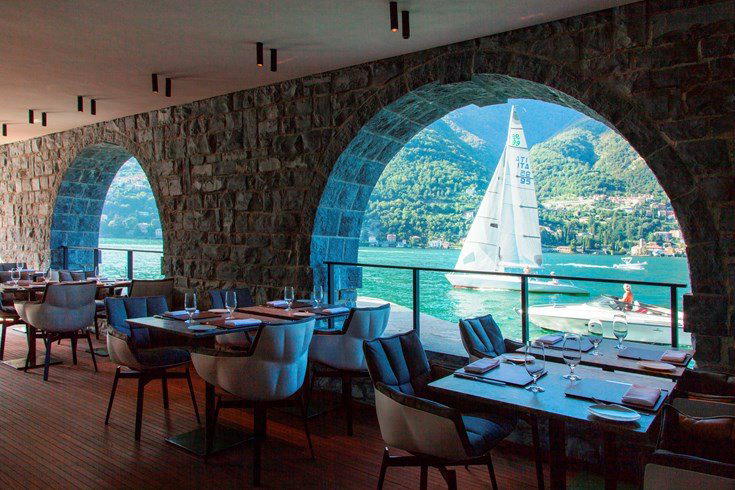
The Juliette balconies are the detail that earns the most immediate attention, and for obvious reasons: the views across Lake Lugano and toward the Lombard foothills on the Italian side of the border are the kind of visual argument that no interior can compete with. In a property of this size, orientation matters enormously, and rooms with direct lake exposure represent a materially different experience from those without. At rates from around $367 per night for a 12-room property of this architectural calibre, the price-to-character ratio compares favourably with Swiss alternatives that offer less spatial specificity for considerably more money. Properties like Bürgenstock Resort or Grand Resort Bad Ragaz operate at a different scale and rate tier, serving guests who want comprehensive amenity programmes rather than architectural immersion in a specific place.
The Estate Logic: Farm, Vineyard, and the Italian Ticino Tradition
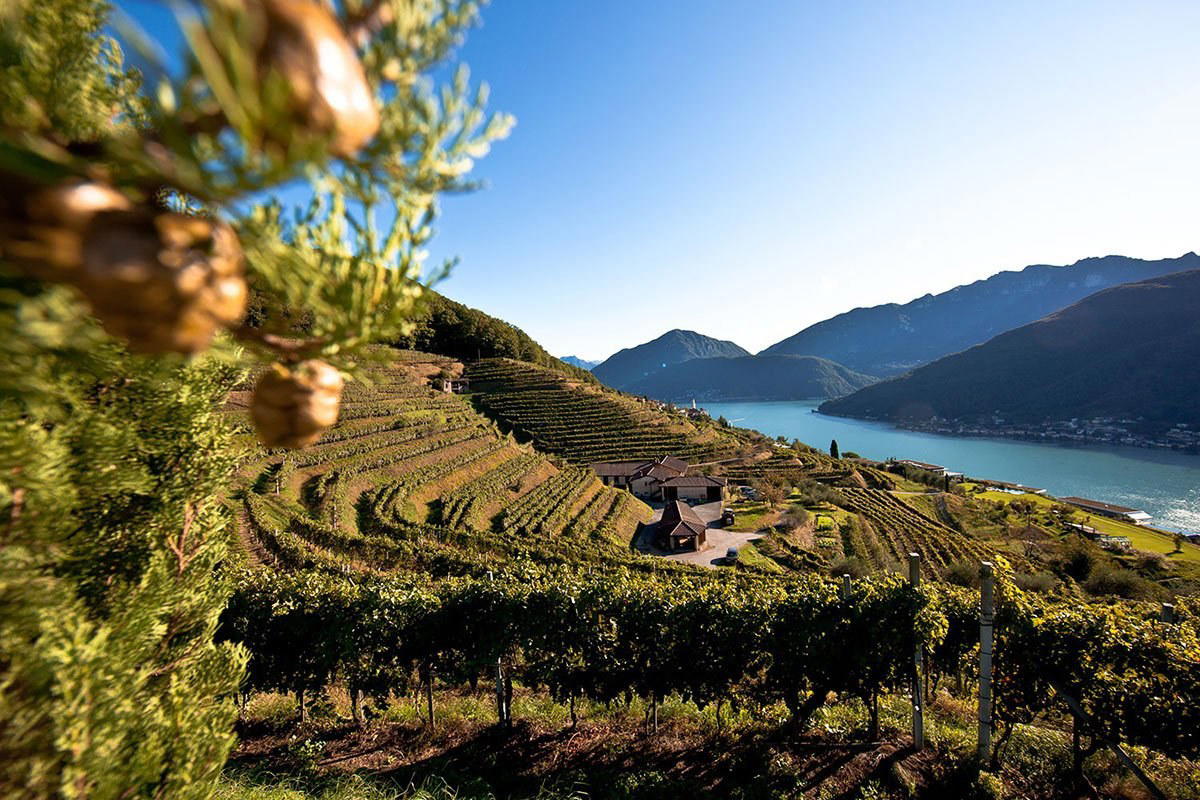
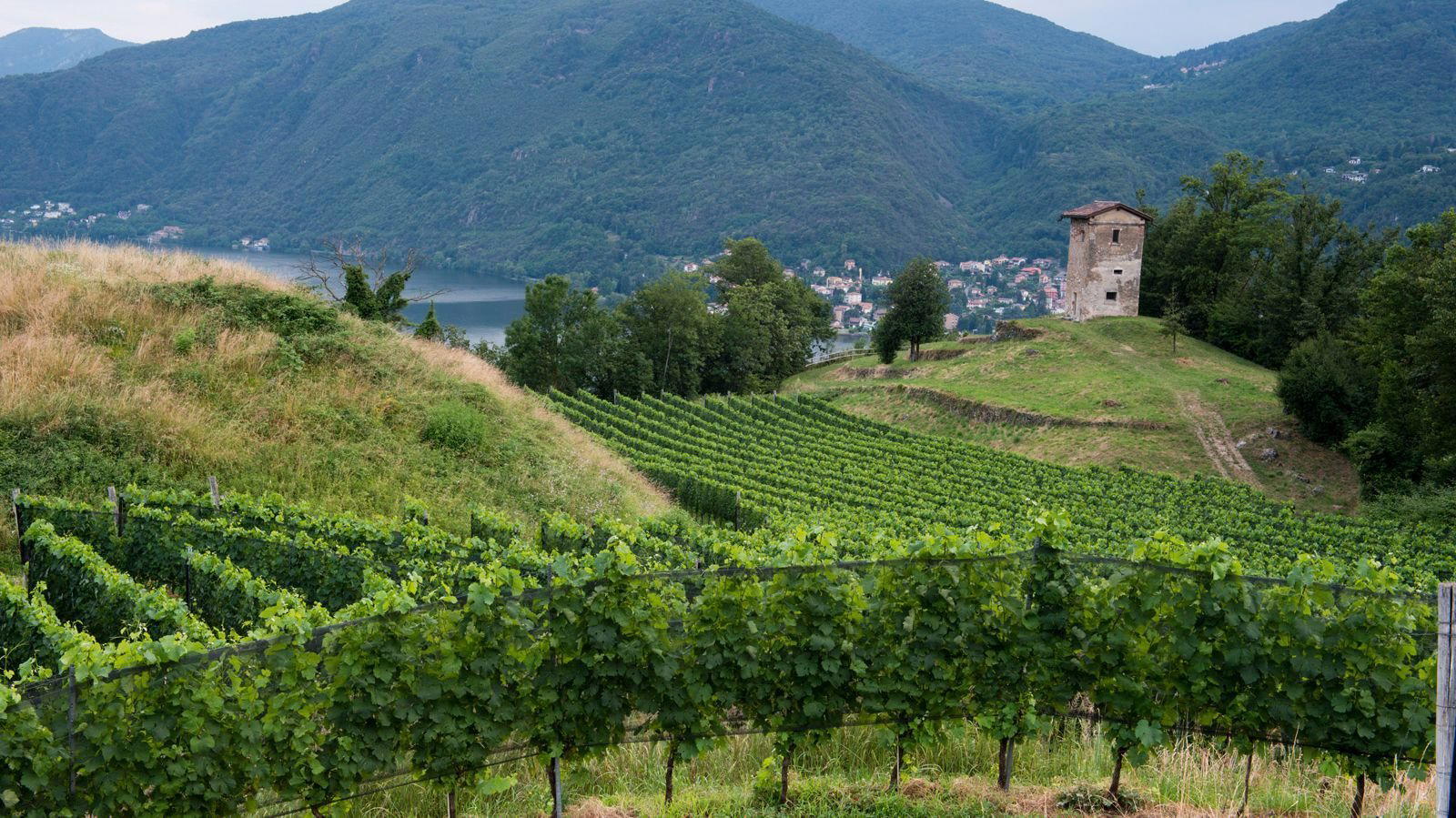
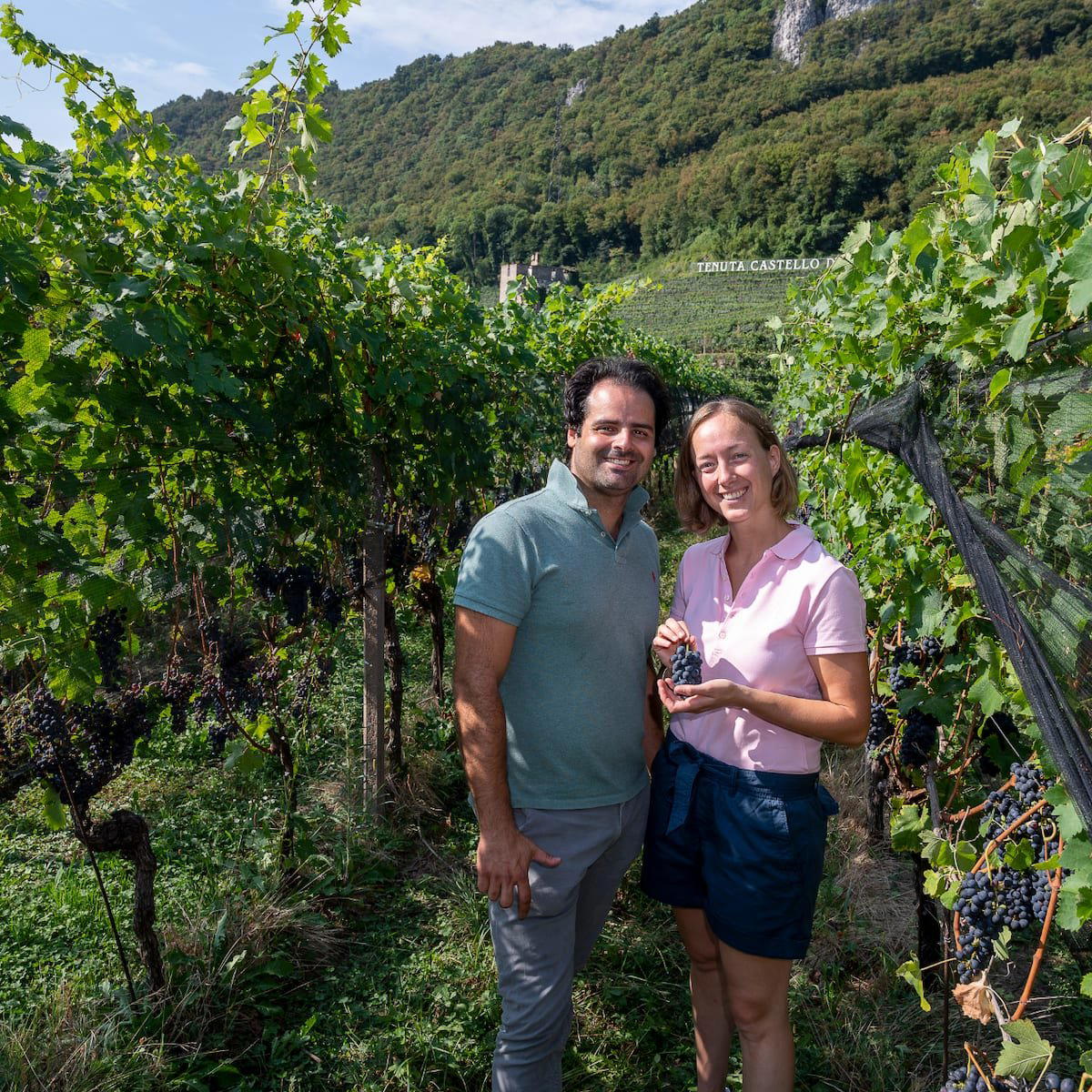
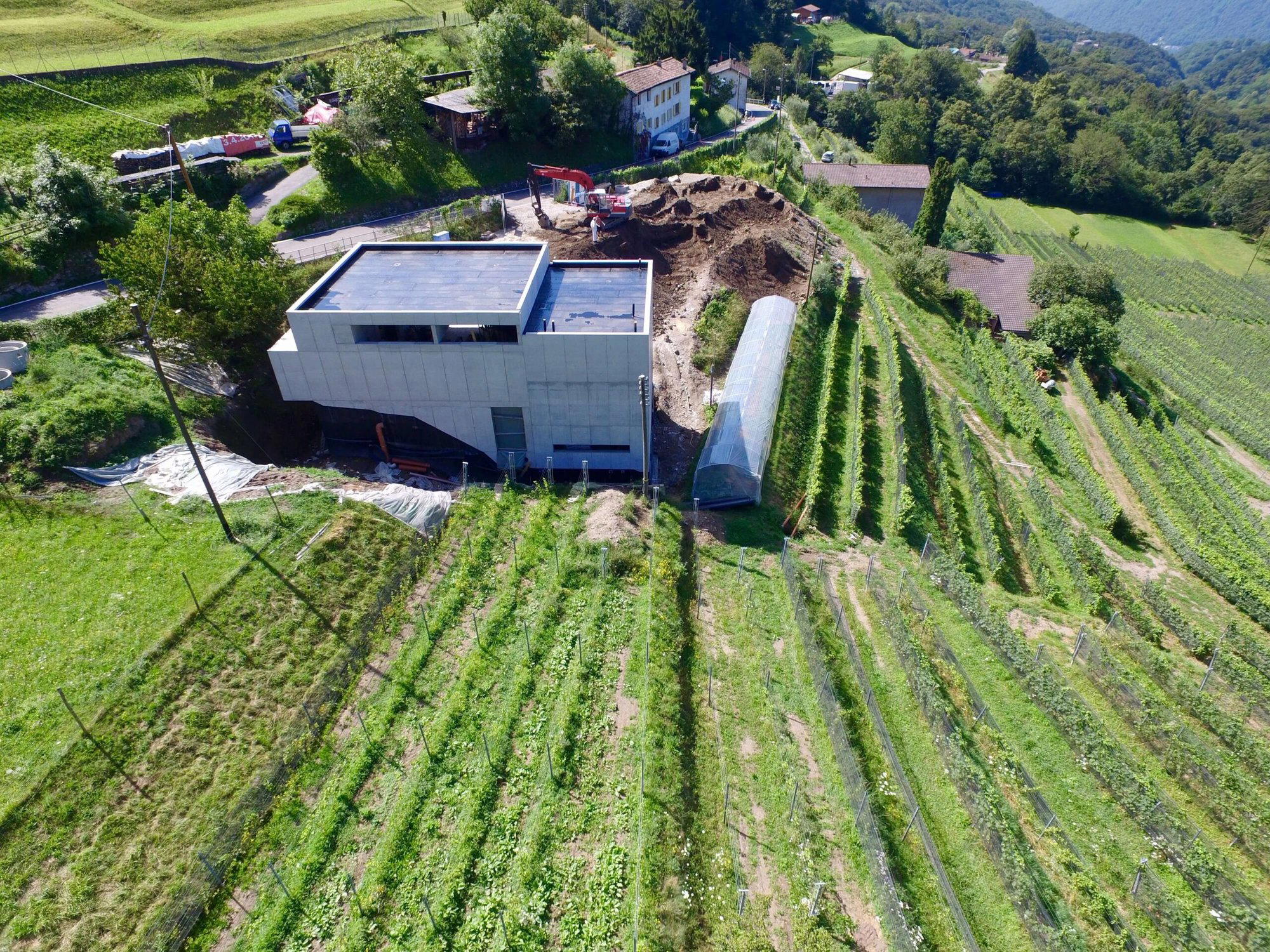
Across Ticino, a number of properties have maintained working agricultural operations alongside their hospitality function, a model that connects them to the agriturismo tradition operating across the Italian border in Lombardy. Relais Castello di Morcote fits that pattern: the estate runs as a working farm and vineyard, which places it in a category of property where the surrounding land is productive rather than merely ornamental. This matters not just as a marketing point but as an architectural and experiential reality. The presence of a working vineyard shapes the grounds, the seasonal rhythms of the property, and the relationship between the building and the landscape it occupies.
Ticino's wine production, largely Merlot-dominant, occupies a niche position within Swiss viticulture. The climate is the warmest in the country, and the results carry more structural similarity to northern Italian reds than to wines from the German-speaking cantons. A property with its own vineyard in this context is not simply offering a picturesque backdrop: it is participating in a regional wine culture with a specific identity. Guests with a serious interest in Ticinese viticulture will find the estate context more instructive than a visit to a purely hospitality-focused property.
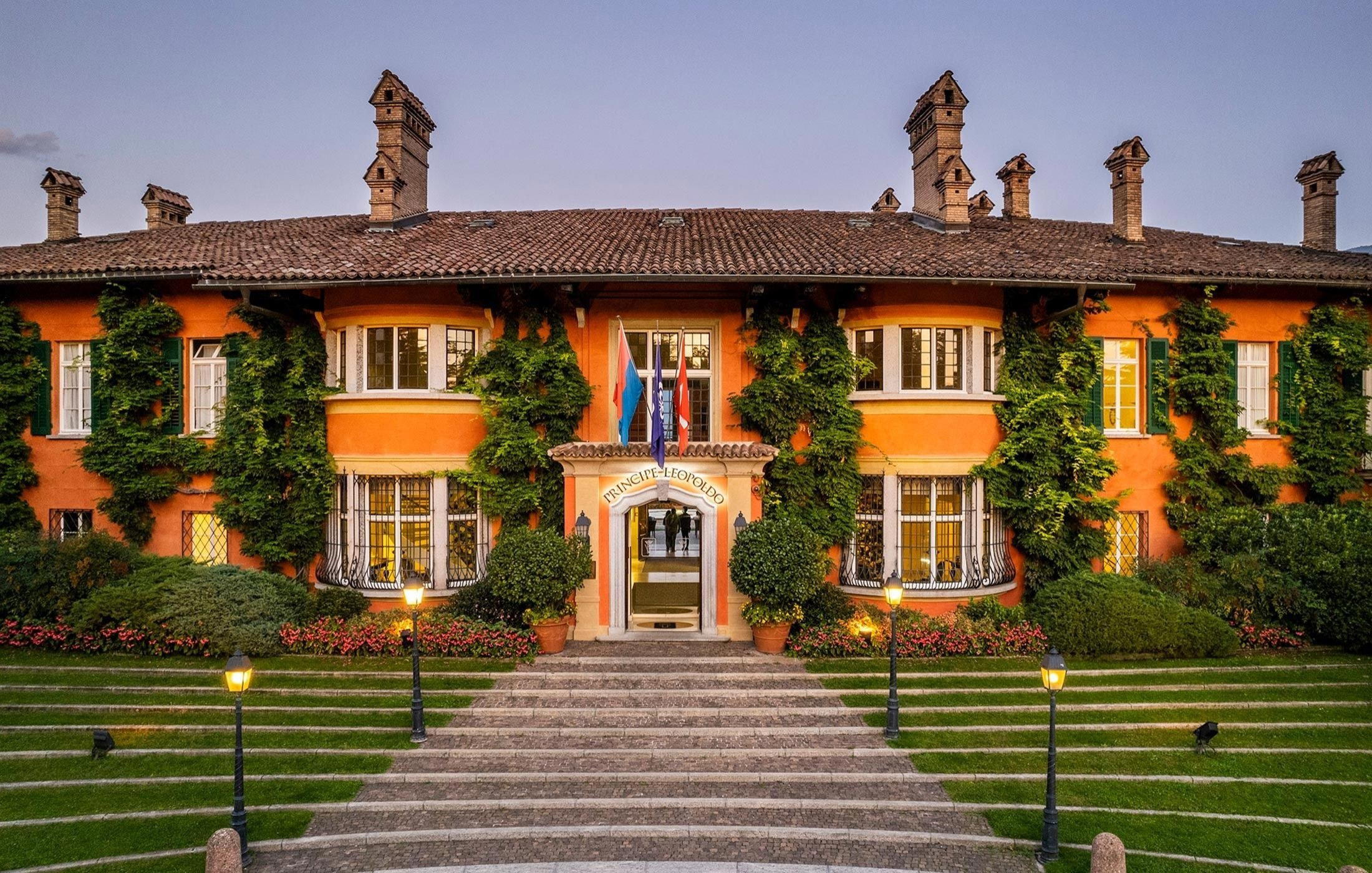
For a broader view of lakeside Ticino luxury, Castello del Sole Beach Resort and Spa in Ascona and Villa Principe Leopoldo in Lugano represent the region's higher-capacity, spa-integrated alternative. Both sit within a comfortable driving range of Morcote and serve a guest profile that prioritises amenity breadth over architectural intimacy.
Positioning Within the Swiss Small-Property Tier
The low-key, design-led small hotel has become a recognisable category in Swiss hospitality, with properties like Boutique Hotel Restaurant Krone Regensberg and Hotel Villa Honegg in Ennetbürgen occupying a similar niche in their respective regions. What separates Relais Castello di Morcote within that peer group is the specificity of its cultural positioning: this is not a Swiss property with Italian accents, but a property that reads as genuinely Italianate in its architecture, language, and relationship to the landscape, while sitting inside Swiss legal and administrative territory. That distinction is meaningful for guests who want to experience the Italian lake district character without crossing the border into the tourist infrastructure of Como or Maggiore.
The 12-room count also places it in a tier where the property's personality is not diluted by volume. At properties of this scale, across Switzerland and internationally, the physical space and its material details carry a weight that a larger property distributes across lobbies, spa wings, and restaurant programming. CERVO Mountain Resort in Zermatt and Valsana Hotel in Arosa operate in comparable low-key registers within their alpine contexts, though both address a mountain-sport guest in a way that Morcote's lakeside and vineyard setting does not.
Planning a Stay
Vico Morcote sits above the main village of Morcote, which is itself accessible from Lugano by road or, seasonally, by boat across the lake. The uphill walk from the lakefront to the property is short but real, guests arriving with heavy luggage should account for it. At 12 rooms, the property books out during peak season, particularly in summer when the lake is at its most active and the vineyard is working through its growing cycle. Advance planning of six to eight weeks is reasonable for high-season dates; shoulder season in April-May and September-October tends to offer more availability and cooler walking conditions in the village. Guests using the property as a base for broader Ticino exploration will find Lugano's restaurant and cultural programming within 30 minutes by car, and the Italian border less than 15 minutes further.
For Swiss lakeside alternatives at different points on the amenity spectrum, Beau-Rivage Palace in Lausanne, Park Hotel Vitznau, and Mandarin Oriental Palace, Luzern serve different guest requirements on the German-speaking lakefronts to the north. Each offers a markedly different architectural register and guest experience from what Morcote provides.
A Quick Peer Check
Comparable venues nearby, for context on price, style, and recognition.
| Venue | Cuisine | Price | Awards | Notes |
|---|---|---|---|---|
| Relais Castello di MorcoteThis venue (the venue you are viewing) | Historic boutique relais in a renovated 17th-century convent | Not listed | 1 Michelin Key | Not listed |
| Le Richemond | Historic lakeside grand hotel blending 19th‑century heritage with contemporary luxury and services. | $300–500 | Not listed | Pâquis / Geneva City Centre |
| Nira Alpina | Contemporary alpine design hotel blending modern luxury with Swiss nature. | $300–500 | Michelin Selected · Design Hotels Member | Silvaplana |
| Swiss Diamond Hotel Lugano | Luxury Italian-style lakeside resort blending contemporary elegance with refined comfort and personalized hospitality. | $200–300 | Michelin Selected | Vico Morcote |
| The Crystal Hotel | Relaxed elegance with alpine charm in the heart of St. Moritz | $200–300 | Small Luxury Hotels of the World Member | centre |
| Maloja Pass | Historic Belle Époque palace with modern renovations | $100–200 | Not listed | Maloja |
Recognition history
Dated appearances from independent guides and award organizations, with the underlying list record or original source where available.
Michelin 1 Key
Michelin
Full recognition history (2 entries)
Michelin 1 Key
Michelin
Continue exploring
More in Morcote
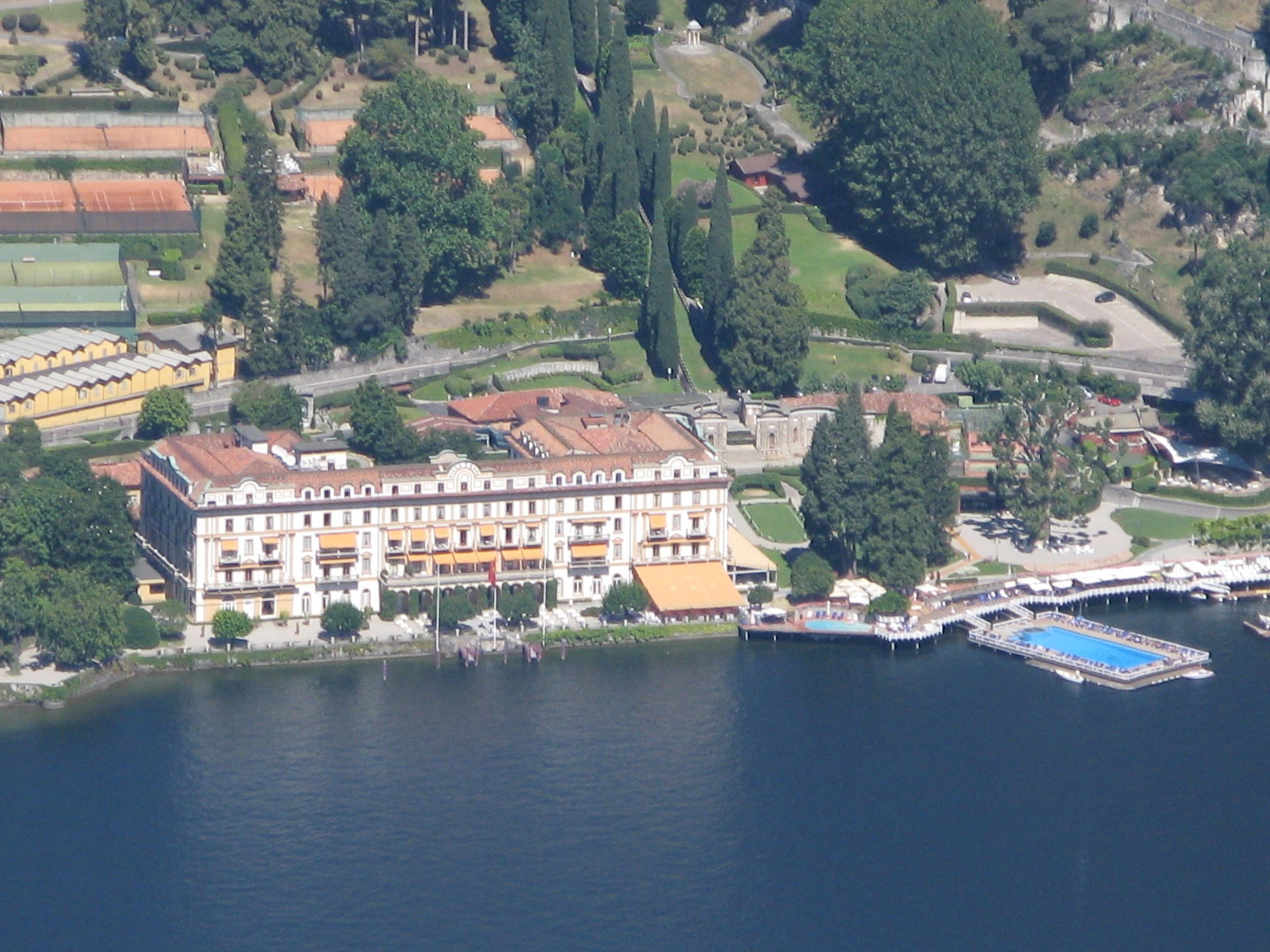
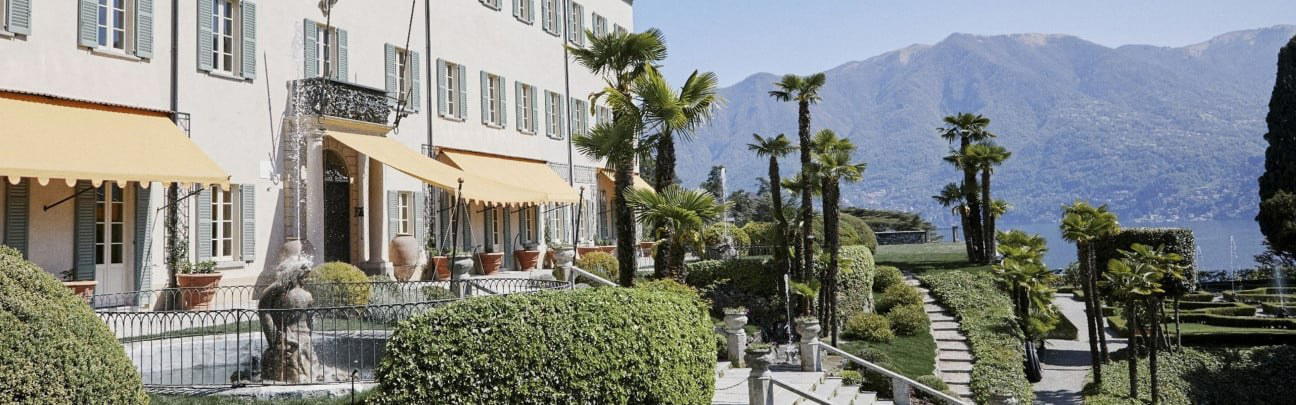
Hotels in Morcote
All hotels in Morcote →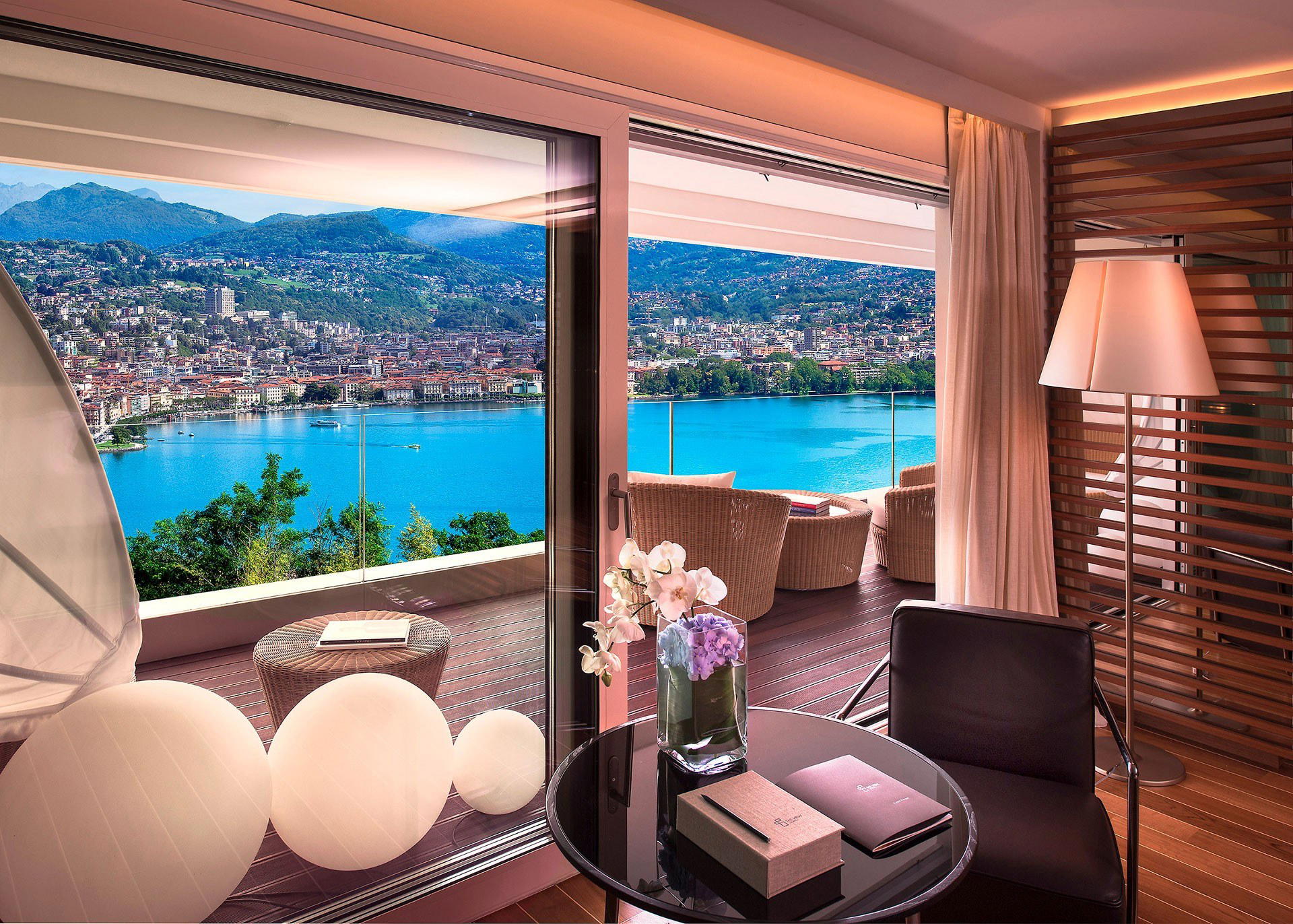
Bars in Morcote
Browse all →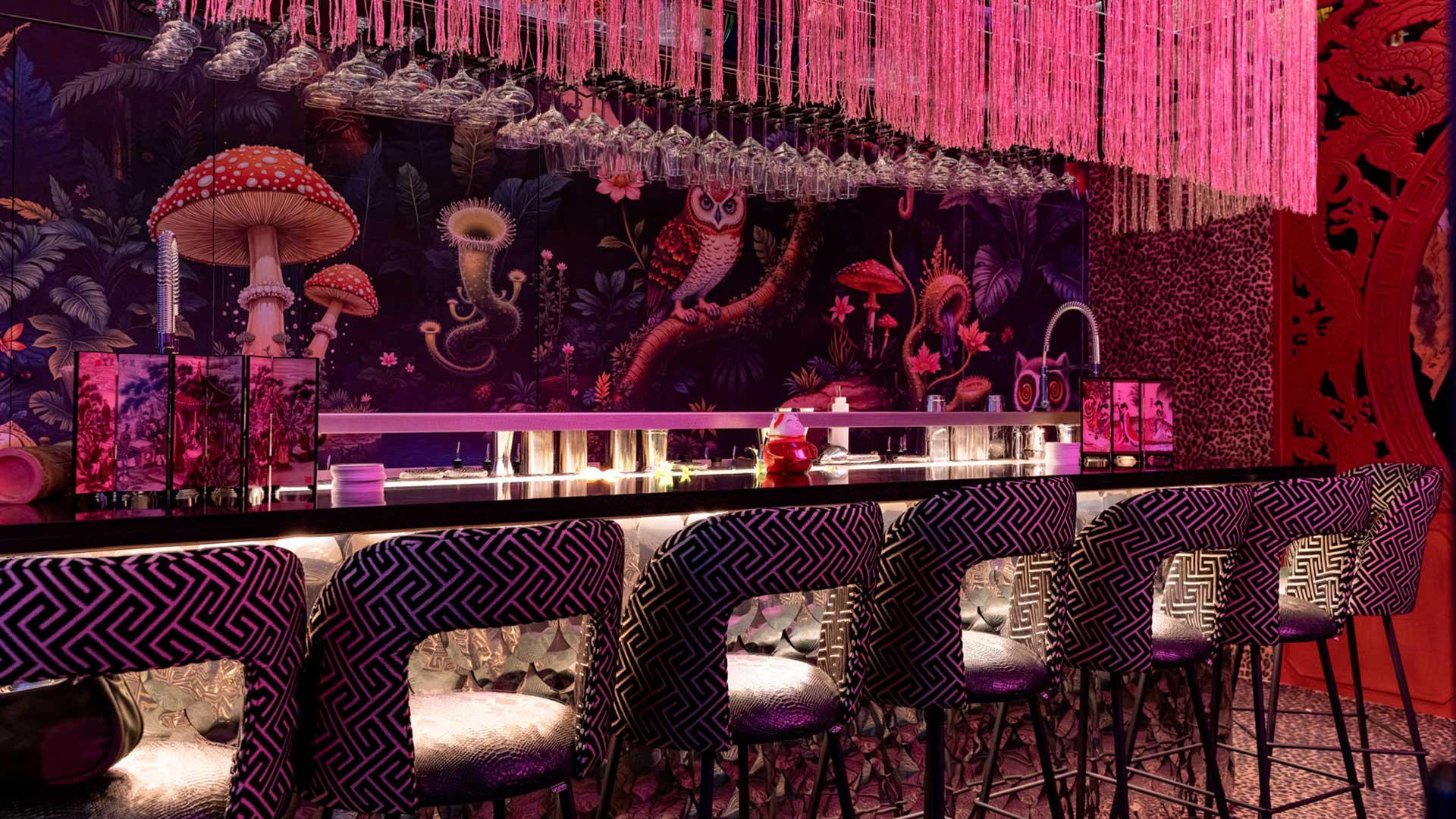
Details
- Romantic
- Quiet
- Elegant
- Scenic
- Intimate
- Sophisticated
- Romantic Getaway
- Honeymoon
- Anniversary
- Weekend Escape
- Historic Building
- Panoramic View
- Garden
- Terrace
- Wi Fi
- Garden
- Restaurant
- Bar
- Air Conditioning
- Elevator
- Bicycle Rental
- Garden
- Mountain
- Wheelchair Accessible
- Elevator
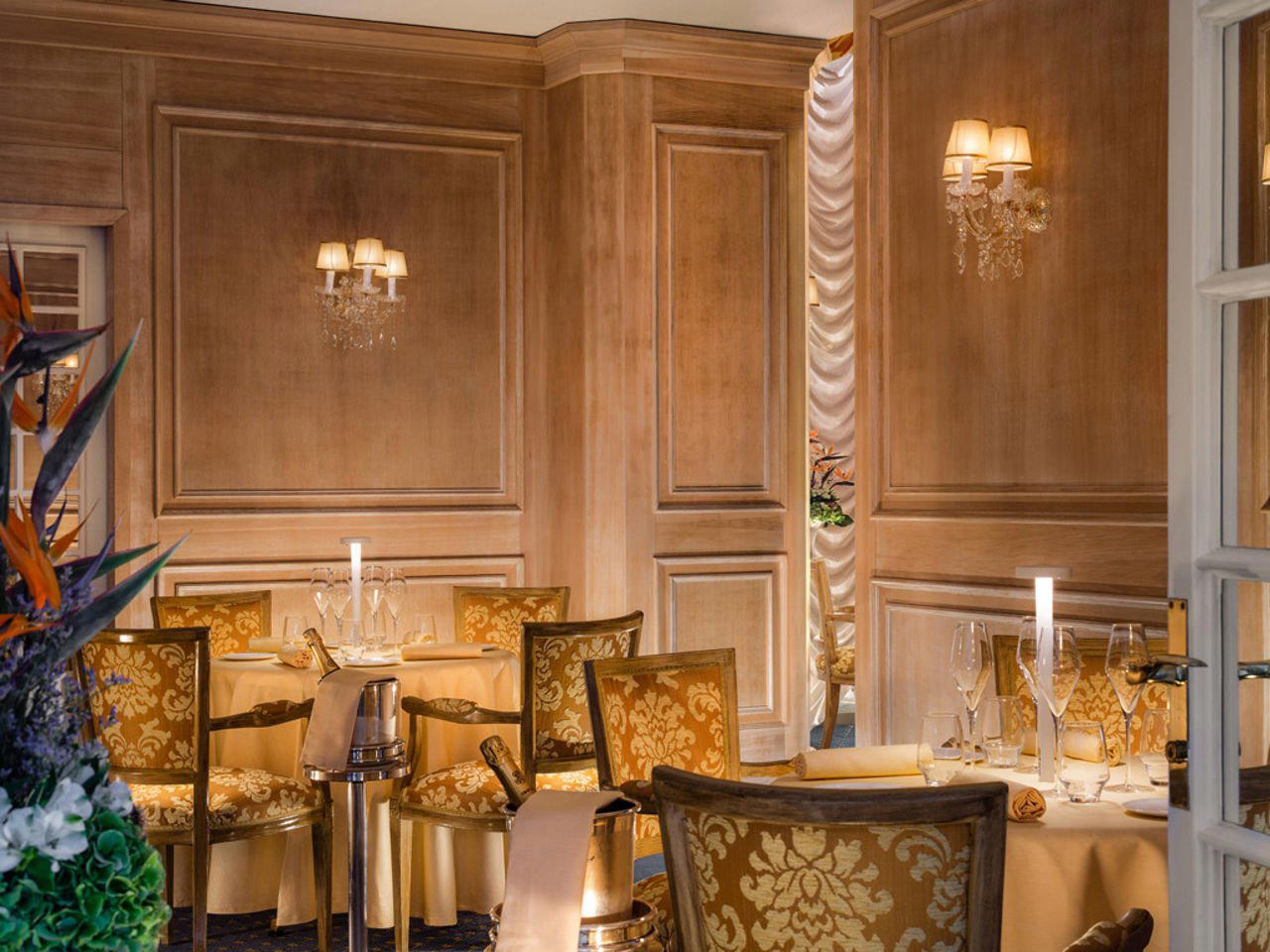
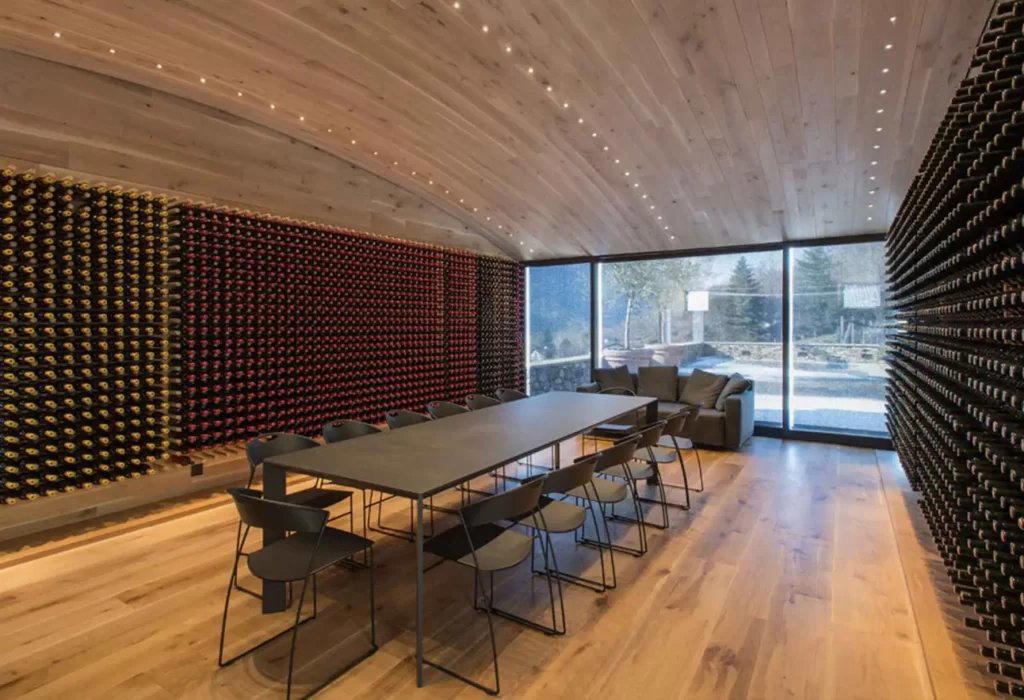
Tranquil and romantic with soundproofed rooms, beautiful lighting in individually decorated spaces featuring worn wood and rich textiles, and a cozy guest lounge.