Our verdict
Cé La Vi occupies a quiet address on the Avenue de Nice in Le Rouret, a village sitting above the Grasse plateau in the Alpes-Maritimes. The surrounding hills place it within reach of some of France's most productive agricultural and aromatic terroir, making ingredient provenance a natural anchor for any serious kitchen in this corner of Provence. For the full picture of dining in the village, see our Le Rouret restaurants guide.

Pearl is the En Primeur Club membership app — saves, bookings, and concierge access live there. Same editors, same standards.
- Address
- 651 Av. de Nice, 06650 Le Rouret, France
- Phone
- +33422911632
- Hours
- Daily 11 AM–2:30 PM, 7–11:30 PM
- Website
- xn--c-la-vi-bya.fr
- Directions
- Get directions
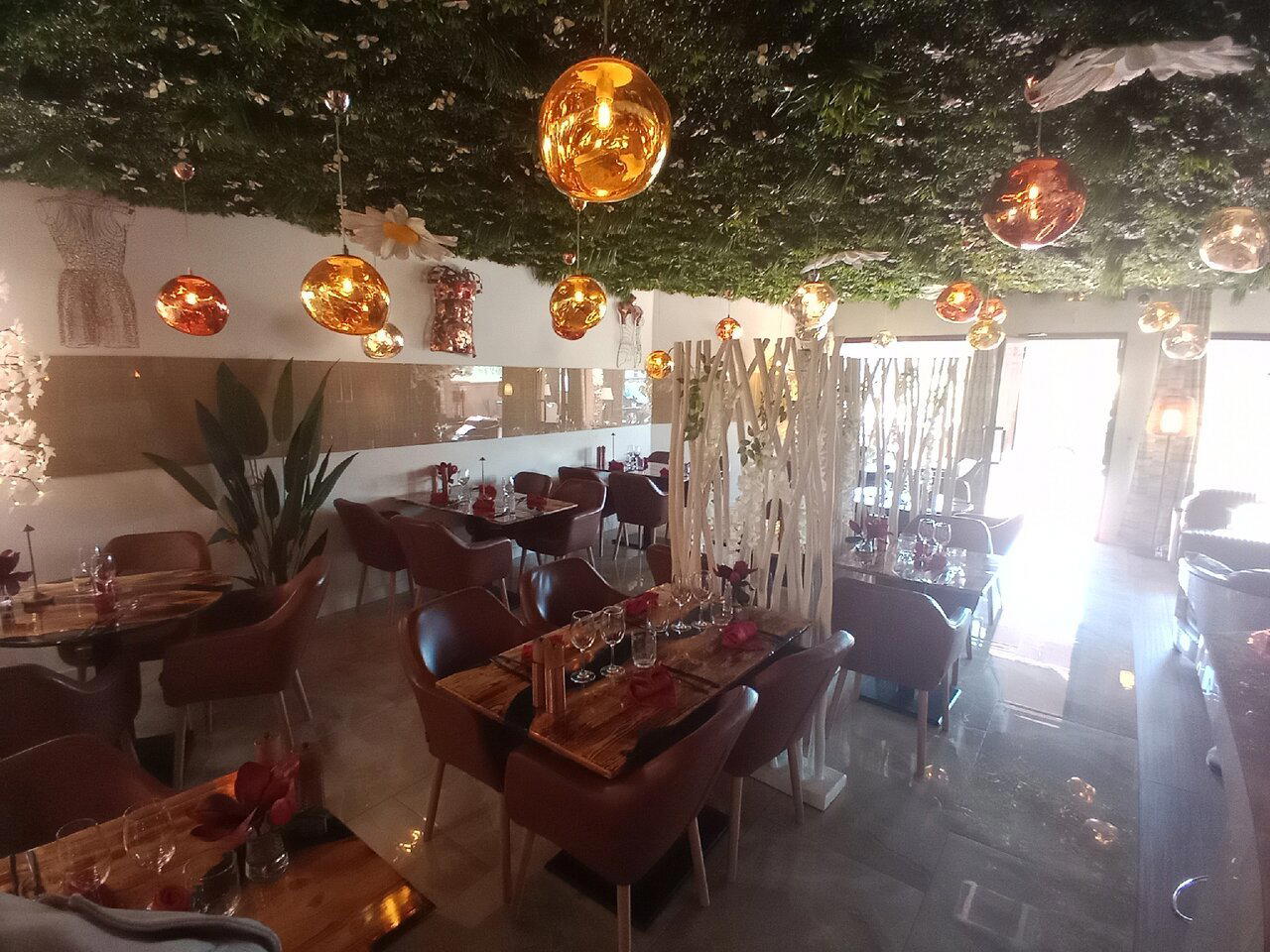
Where the Arrière-Pays Meets the Table
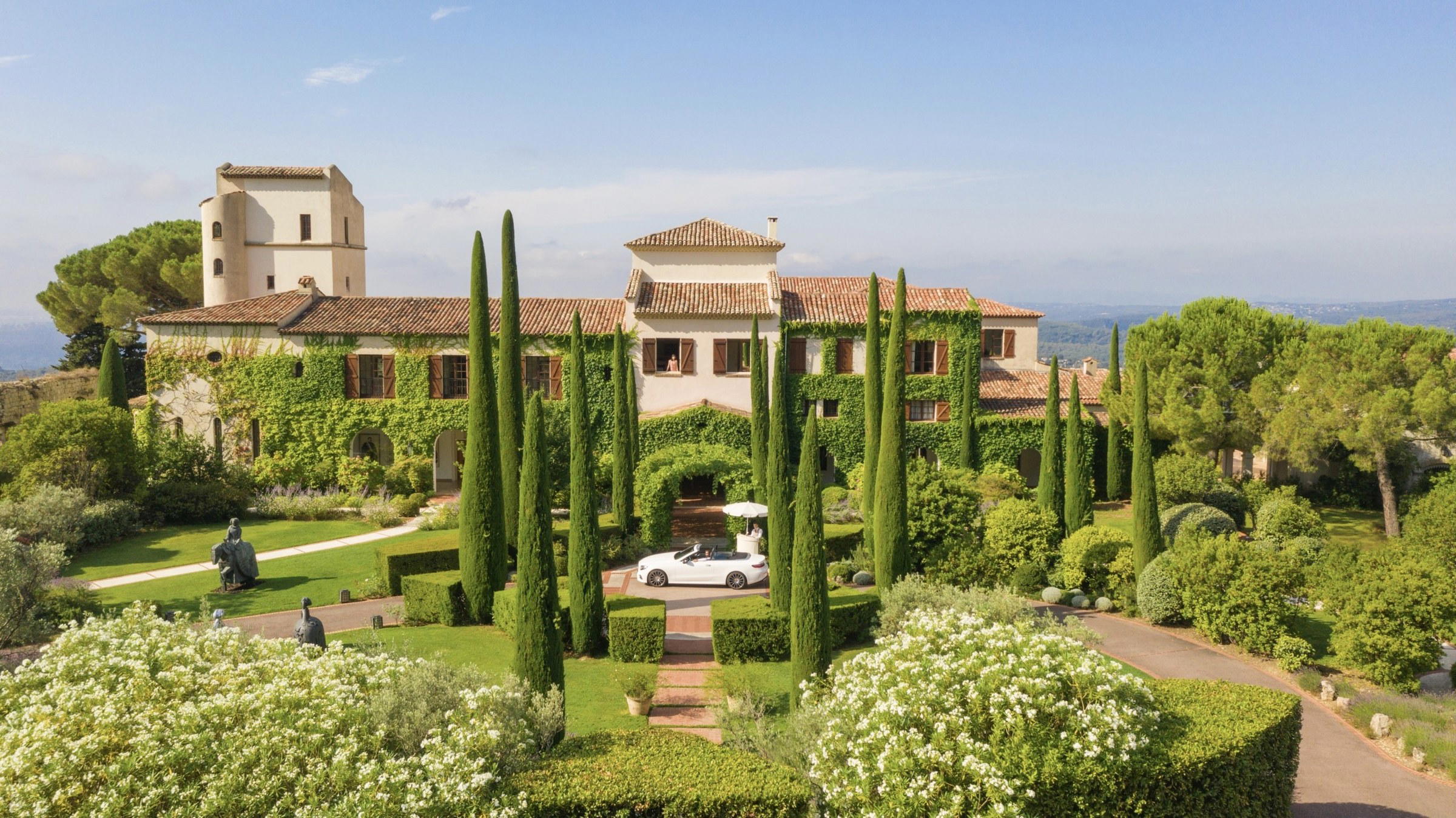
The road into Le Rouret climbs away from the coast quickly enough that the sea disappears before the village comes into view. What replaces it is the quieter register of the Alpes-Maritimes interior: olive groves, limestone outcrops, and the low scrub of the Grasse plateau. This is the arrière-pays — the back country — and it operates on a different logic from the Riviera strip below. Restaurants here do not trade on sea views or celebrity adjacency. They answer to the land immediately around them, and that changes what ends up on the plate.
Cé La Vi sits at 651 Avenue de Nice, a Provençal address that places it within one of France's most agriculturally dense micro-regions. The hills above Grasse supply lavender, jasmine, and aromatic herbs to the perfume industry and fresh produce to local markets in roughly equal measure. A kitchen working with that geography has access to ingredients, courgette flowers, early-season asparagus, stone fruit, wild herbs, that reach the table with almost no transit distance. In a region where provenance has become a marketing term at the coast, the interior villages still deliver it as a practical reality.
The Provençal Interior as a Culinary Reference Point
To understand what a restaurant in Le Rouret is working with, it helps to place it against the broader pattern of serious French regional cooking. The kitchens that have defined French gastronomy outside Paris, Bras in Laguiole, Auberge du Vieux Puits in Fontjoncouse, L'Oustau de Baumanière in Les Baux, share a common orientation: the menu is constructed outward from the local landscape rather than inward from a chef's imported technique. The Alpes-Maritimes sits in that same tradition. Mirazur in Menton, the most decorated table in the region, built its reputation partly on a kitchen garden overlooking the Mediterranean and a supply chain that kept ingredient kilometres to a minimum. The arrière-pays villages operate at smaller scale but with access to equally specific raw material.
That specificity matters because Provençal cooking, at its most disciplined, is an exercise in restraint applied to exceptional primary ingredients. The signature moves, tapenade, daube, ratatouille, soupe au pistou, derive their authority from what goes into them, not from complexity of technique. A kitchen close to the source, working the weekly markets at Valbonne or Grasse, is working with a different baseline than one sourcing through a national distributor. This is the agricultural context that frames any serious table in Le Rouret.
Le Rouret's Dining Character
The village supports a small number of restaurants calibrated to a local clientele of year-round residents and seasonal visitors from northern Europe who return to the same Provençal houses each summer. That audience tends to know what it wants: well-sourced produce, cooking that respects the season, and a room that does not perform more than it delivers. Le Bistro du Clos and Le Clos Saint-Pierre represent the village's established dining reference points, each with a Provençal orientation shaped by the same supply geography. Cé La Vi operates within that same local framework.
For visitors arriving from the coast, the journey up from Nice or Antibes takes roughly thirty to forty minutes depending on traffic through Roquefort-les-Pins. The elevation shift is noticeable: the light is different, the pace is slower, and the commercial density of the Côte d'Azur gives way to something quieter. Restaurants in this zone do not carry the pricing pressure of Cannes or Nice; they also do not carry the foot traffic. Booking ahead is sensible for any serious meal in a village of this size, where covers are limited and turnover low.
Regional Context: Serious French Tables Near the Alpes-Maritimes
The Côte d'Azur and its immediate hinterland sit within reach of some of the most sustained culinary ambition in France. Flocons de Sel in Megève demonstrates how a mountain-adjacent kitchen can build a serious identity around altitude-specific sourcing. Further afield, the long tradition of destination dining in the French provinces runs through institutions like Georges Blanc in Vonnas, Auberge de l'Ill in Illhaeusern, and Paul Bocuse's Auberge du Pont de Collonges, each of which established that the most compelling French cooking has rarely been confined to Paris. Les Prés d'Eugénie in Eugénie-les-Bains and Troisgros in Ouches extended that argument across different regions and decades. In Paris itself, Alléno Paris au Pavillon Ledoyen represents the capital's highest formal register. For comparison points outside France, Le Bernardin in New York and Lazy Bear in San Francisco show how ingredient-led conviction translates across Atlantic cooking cultures. In the Alpine resort tier, Le 1947 à Cheval Blanc in Courchevel and La Table du Castellet anchor the luxury end of southern French dining. See our full Le Rouret restaurants guide for village-level context.
Planning a Visit
Cé La Vi's address at 651 Avenue de Nice places it on the main approach road into the village from the south, accessible by car from the A8 autoroute via the Villeneuve-Loubet or Antibes exits. Le Rouret has no train station; driving or hiring a car from Nice or Cannes is the practical approach. As with most small village restaurants in the Alpes-Maritimes, high season runs from June through September, when demand from seasonal residents and visitors is at its peak.
Frequently asked questions
Is Cé La Vi child-friendly?
No specific family policy is documented for Cé La Vi. Le Rouret itself is a quiet village address well removed from coastal crowds, which tends to favour a relaxed, unhurried pace at its restaurants. check the venue's official channels at 651 Avenue de Nice to confirm seating arrangements for families.
How would you describe the vibe at Cé La Vi?
Cé La Vi sits on the main approach road into Le Rouret from the south, a village that trades in the calm of the Provençal interior rather than coastal spectacle. The setting draws a clientele of year-round local residents and seasonal northern European visitors, which tends to produce a low-key, neighbourhood atmosphere rather than a destination-dining buzz.
How far is Cé La Vi in Le Rouret from Nice, and is it worth the drive inland?
Le Rouret sits roughly 25 kilometres northwest of Nice, accessible via the A8 autoroute with a short climb into the hills from the valley below. The village is also within reach of Grasse, making Cé La Vi a practical stop for visitors already exploring the Alpes-Maritimes interior. For those committed to understanding the Provençal arrière-pays beyond the coast, the detour is coherent rather than incidental.
What do people recommend at Cé La Vi?
Given the restaurant's position in the Alpes-Maritimes hinterland, the broader regional larder — olive oils from the arrière-pays, seasonal vegetables, and local herbs — forms the natural reference point for kitchens in this area. Verified menu details are best confirmed directly with the venue.
What part of town is Cé La Vi in?
Cé La Vi is located at 651 Av. de Nice, 06650 Le Rouret, France, Le Rouret.
Do they take walk-ins at Cé La Vi?
Le Rouret restaurants in this category generally serve a smaller, regular clientele, so capacity can be limited at peak times. Arriving without a booking on weekends or during summer is a risk worth weighing before the drive up from the coast.
What's the defining dish or idea at Cé La Vi?
What the address at 651 Avenue de Nice, Le Rouret does signal is a kitchen working within the Provençal interior tradition, where the hinterland's produce rather than the coast's theatrics sets the agenda. The food logic here, if consistent with the village's character, is grounded and regional rather than elaborate.
Fast Comparison
Comparable venues nearby, for context on price, style, and recognition.
| Venue | Cuisine | Price | Awards | Notes |
|---|---|---|---|---|
| Cé La ViThis venue — the venue you are viewing | Seasonal French Bistro | Not listed | Not listed | Not listed |
| Le Bistro du Clos | Provençal Bistro | $30–50 | Michelin Plate | Le Rouret |
| Le Clos Saint-Pierre | Provençal Market Cuisine | $50–100 | Michelin Plate | Le Rouret village center |
| Atelier de Candale | Seasonal French wine‑country restaurant in the vineyards | $50–100 | Not listed | Saint-Laurent-des-Combes / Saint-Émilion vineyards |
| Le Vingt4 | French Wine Bar Bistro | $30–50 | Not listed | Cœur de Nice |
| La Langouste | French Seafood Mediterranean | $50–100 | Not listed | Cœur de Nice |
Continue exploring
More in Le Rouret
Restaurants in Le Rouret
Browse all →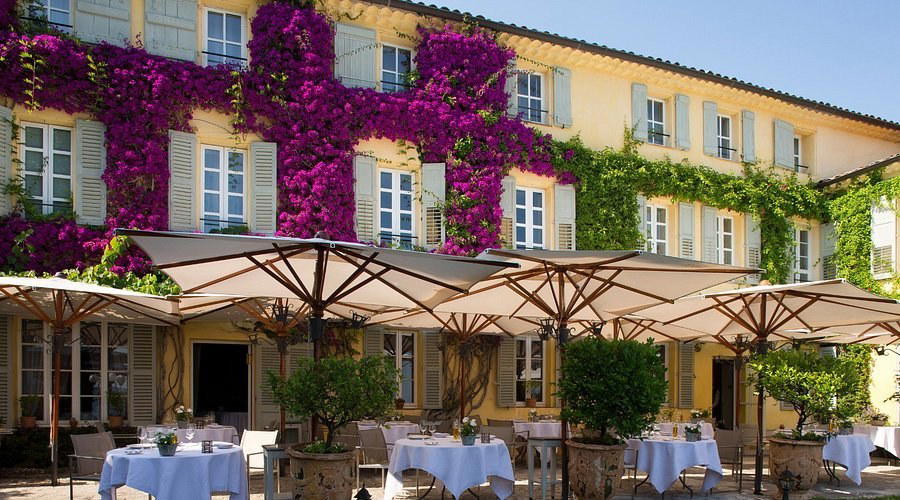
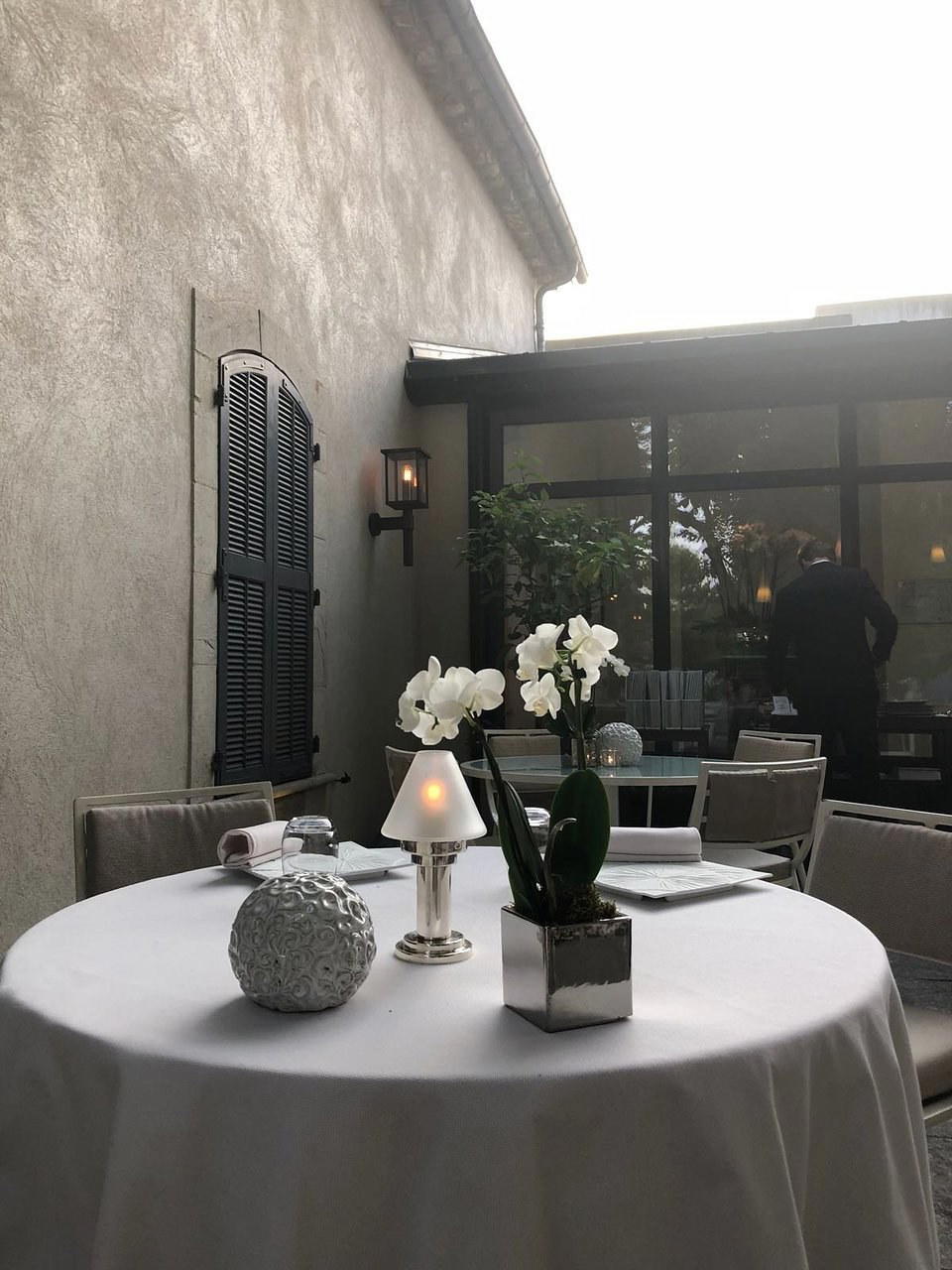
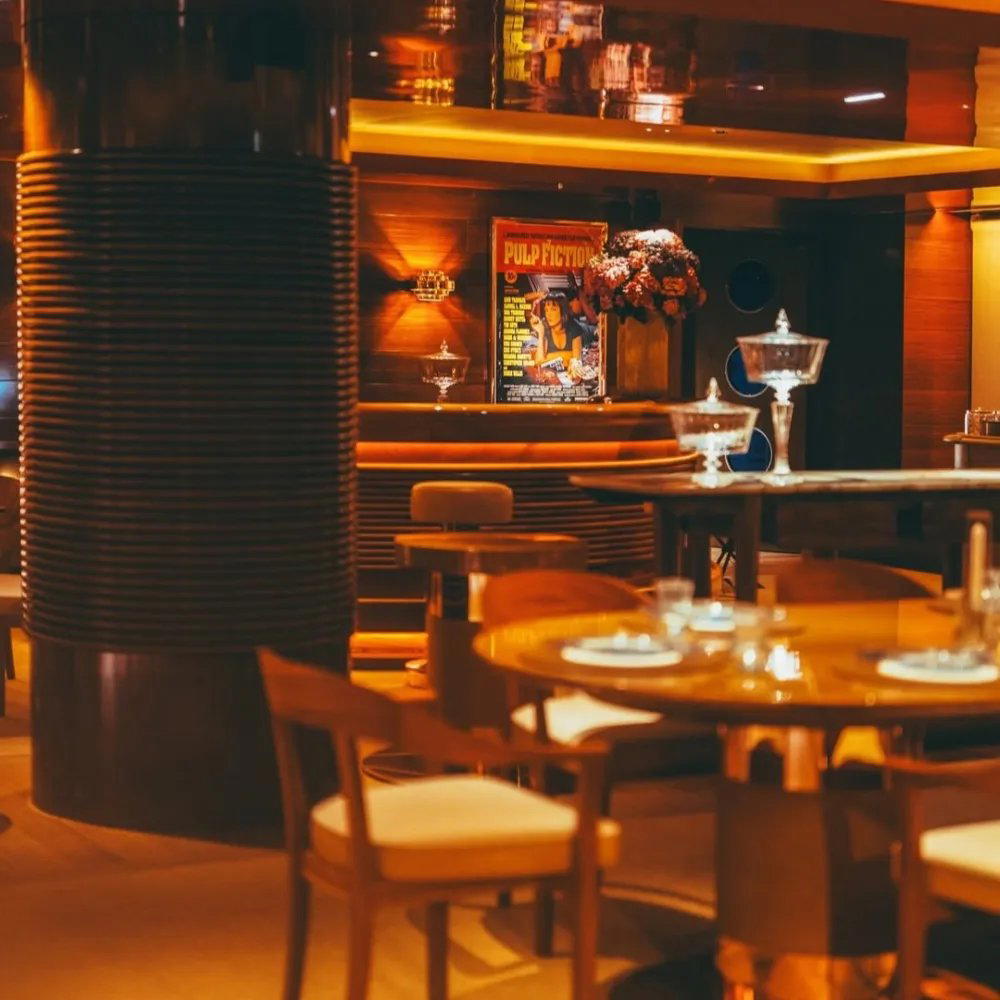
Bars in Le Rouret
Browse all →
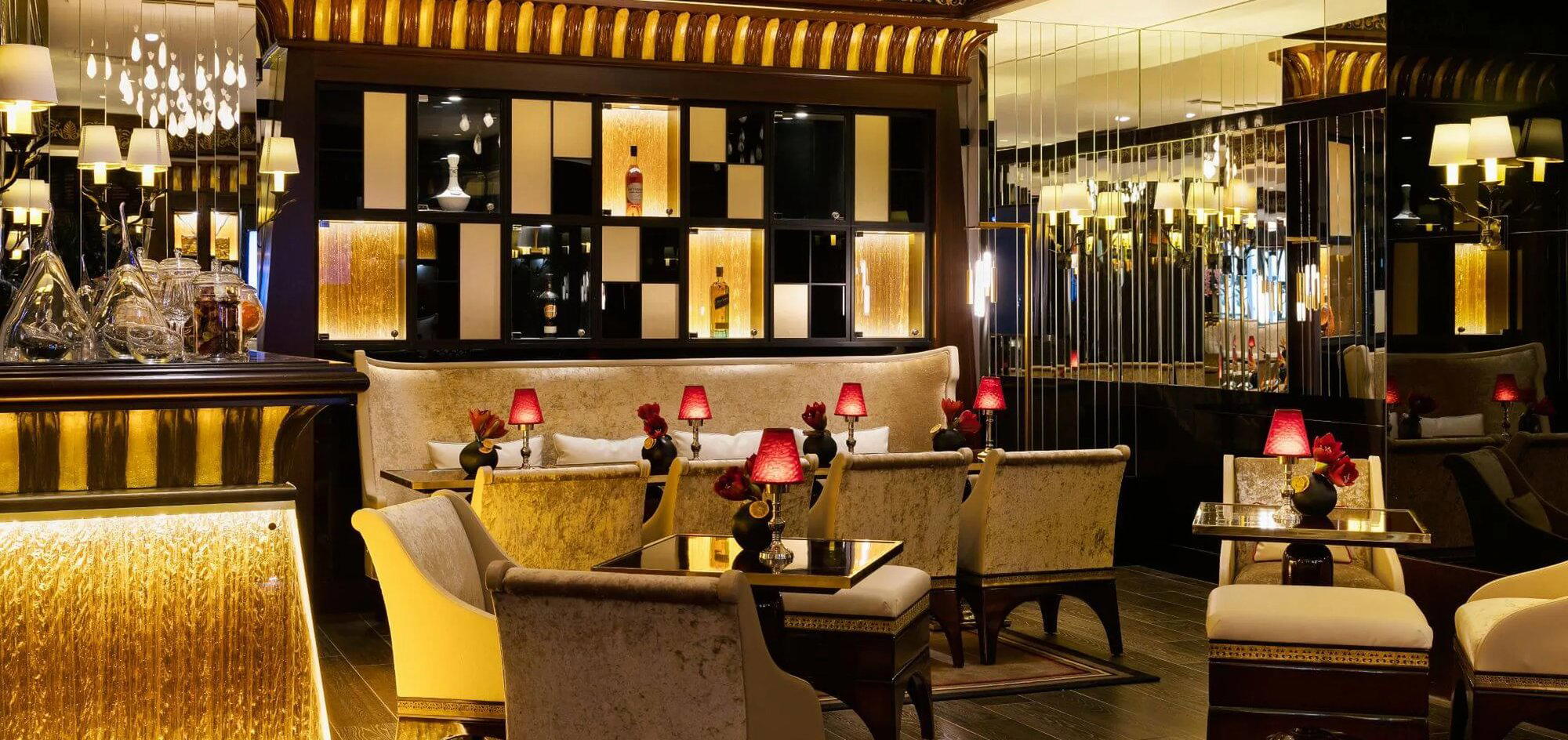
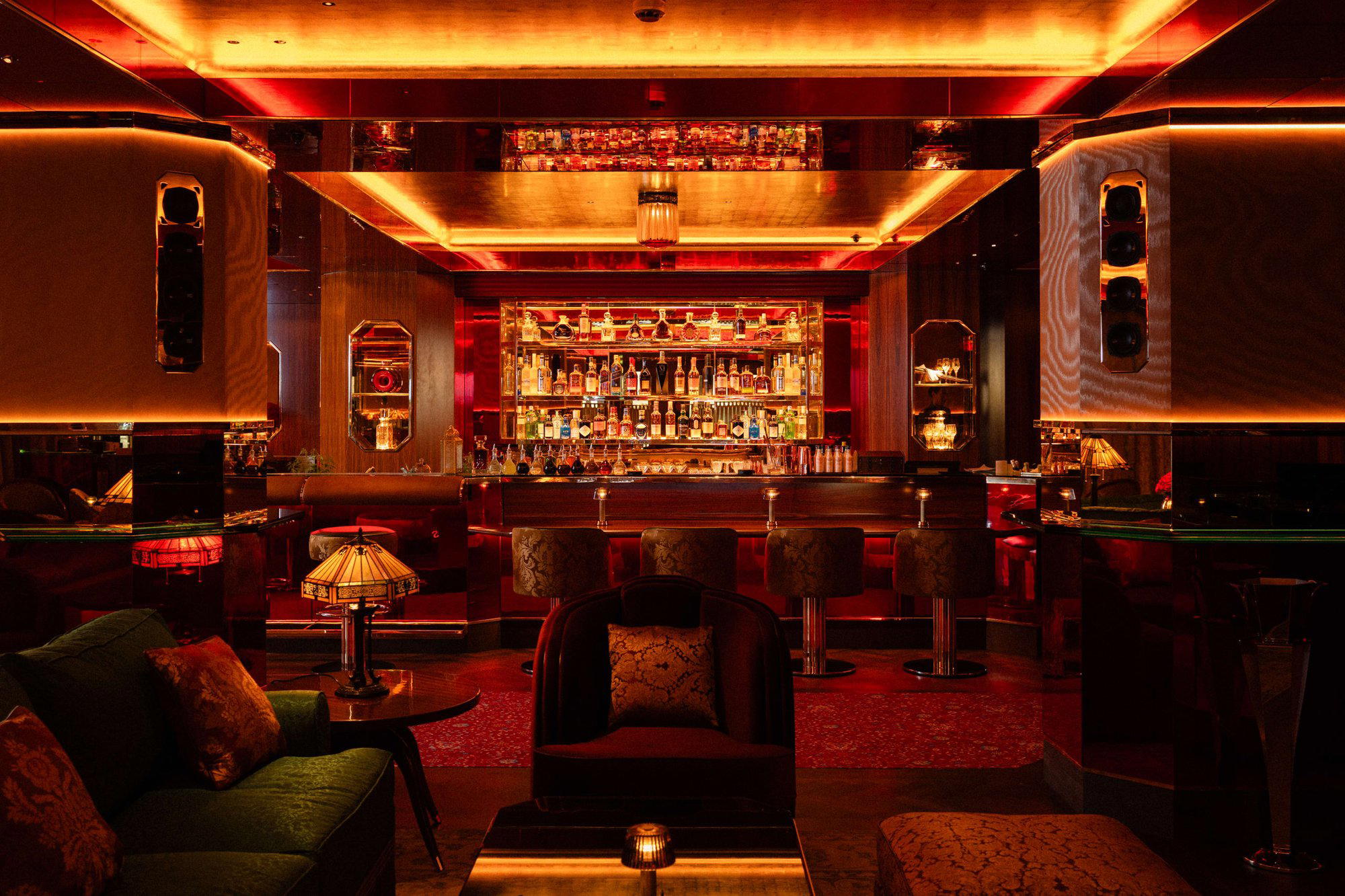
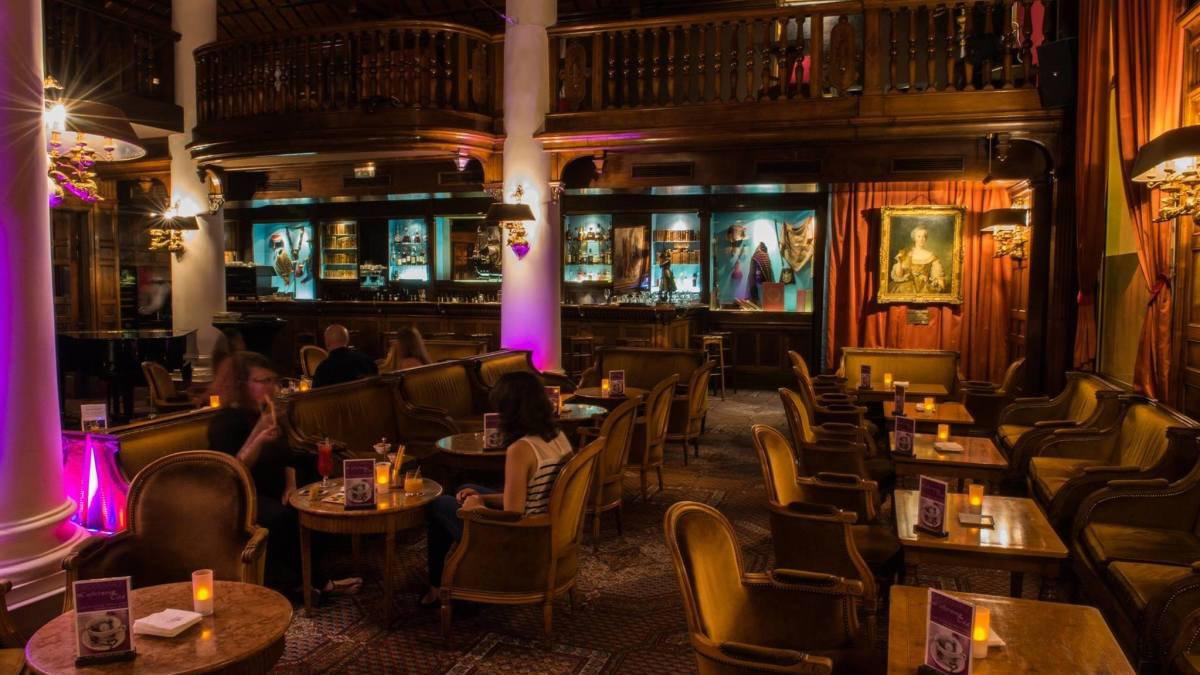
Hotels in Le Rouret
Browse all →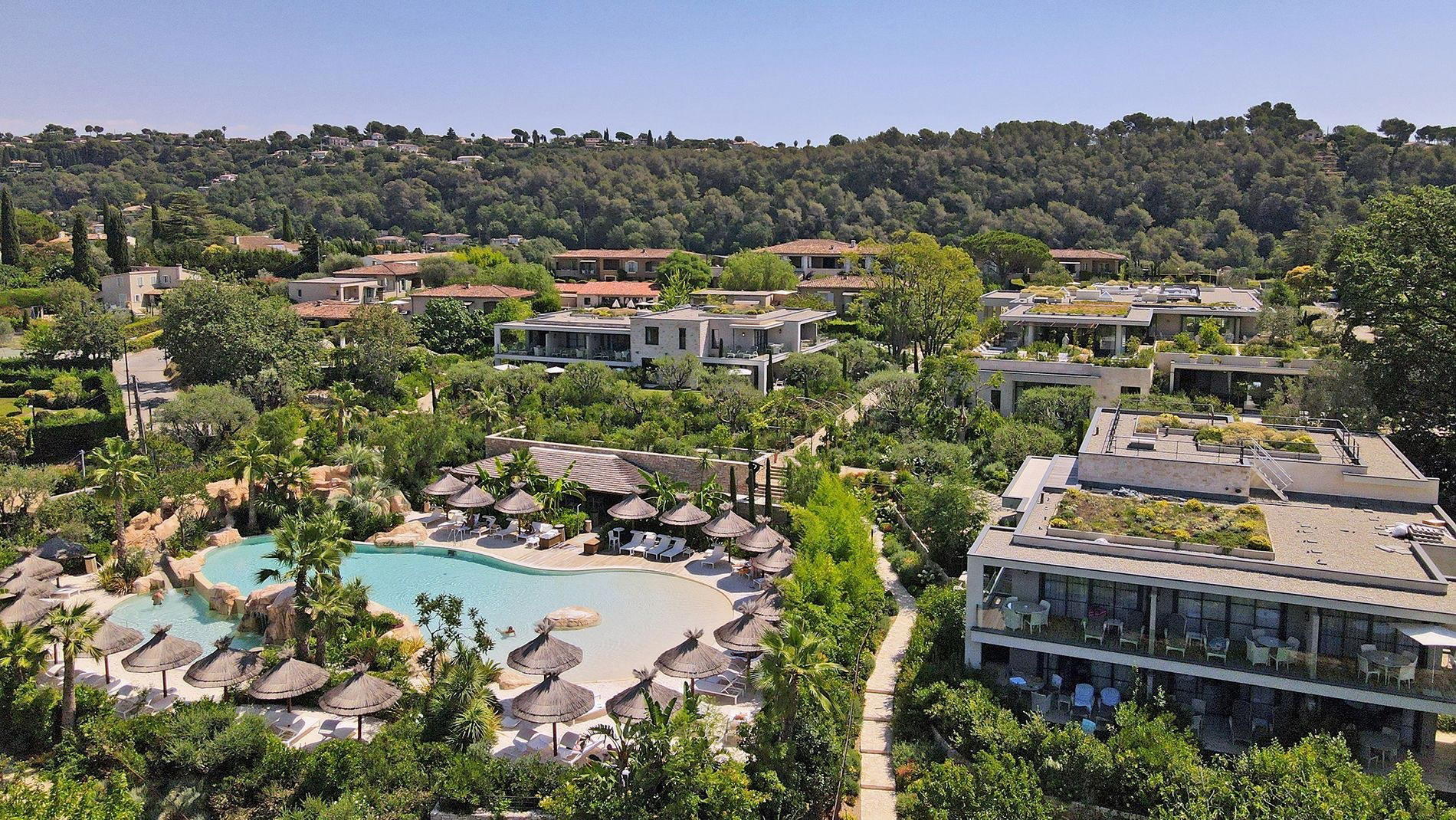

Details
- Cozy
- Elegant
- Date Night
- Special Occasion
- Terrace
- Local Sourcing
- Set Menu
Current opening hours
- Monday
- 11 AM–2:30 PM, 7–11:30 PM
- Tuesday
- 11 AM–2:30 PM, 7–11:30 PM
- Wednesday
- 11 AM–2:30 PM, 7–11:30 PM
- Thursday
- 11 AM–2:30 PM, 7–11:30 PM
- Friday
- 11 AM–2:30 PM, 7–11:30 PM
- Saturday
- 11 AM–2:30 PM, 7–11:30 PM
- Sunday
- 11 AM–2:30 PM, 7–11:30 PM
Hours can change for holidays and private events. Last verified .
Apaisante atmosphere with warm welcome, pleasant decor, and dining under arbours.