Buvette
Buvette brings the French gastrothèque idea to London: casual, compact, wine-friendly cooking shaped by the grammar of the bistro rather than the ceremony of a dining room. The appeal is in the format: small plates, unfussy pacing, and a style of French eating that suits a city where all-day restaurants and neighbourhood counters increasingly matter as much as formal tasting menus.
Pearl is the En Primeur Club membership app — saves, bookings, and concierge access live there. Same editors, same standards.
- Address
- London, United Kingdom
- Directions
- Get directions
 Saves & bookings on Pearl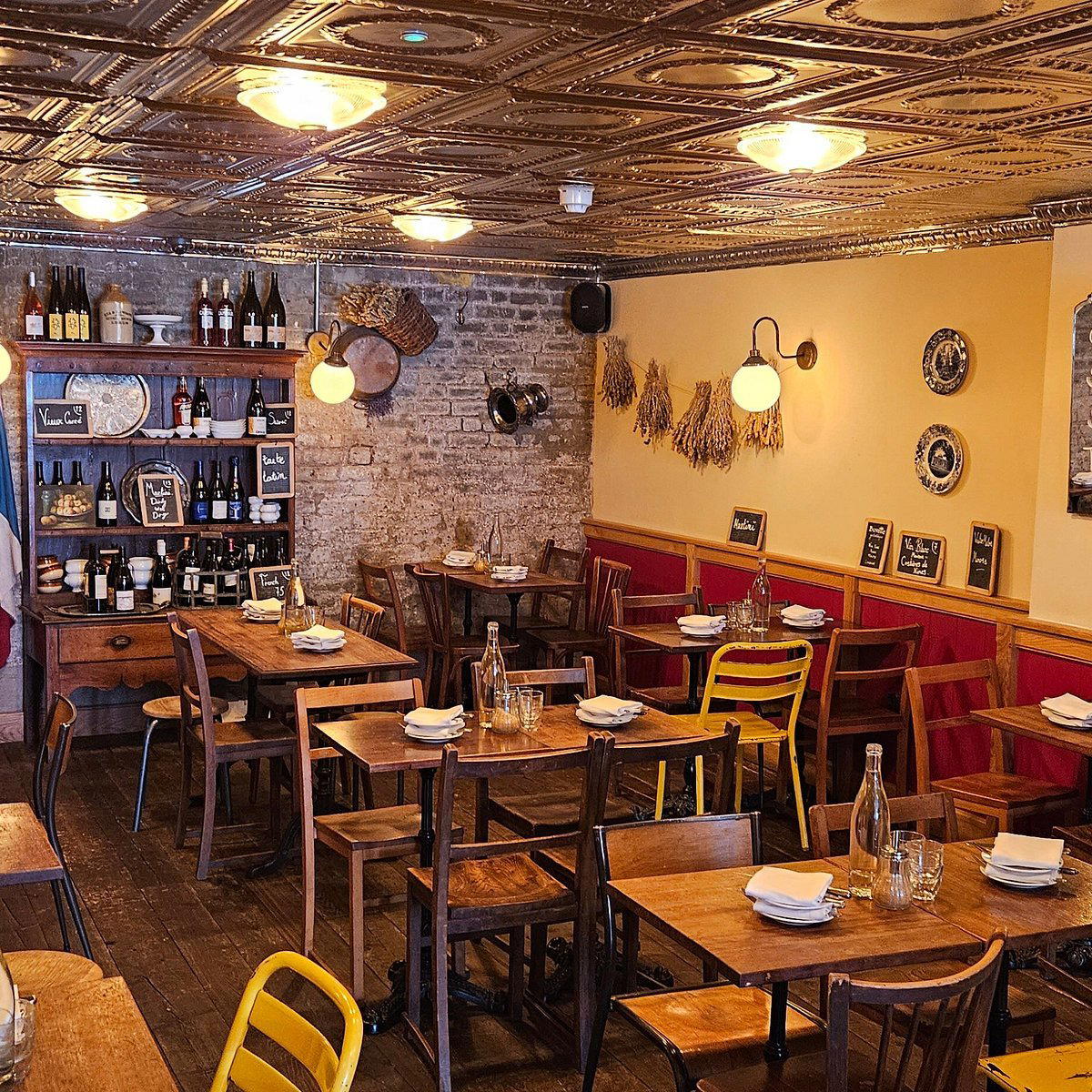
The first read of a proper bistro is rarely the menu. It is the density of the room, the scrape of chairs, the quick rhythm of plates crossing a narrow floor, the sense that lunch can turn into an early glass of wine without the occasion becoming formal. In London, where French dining has often split between grand rooms and polished brasseries, the smaller gastrothèque format offers another register: casual, compressed, and built around repeat use rather than ceremony.
Buvette belongs to that register. Its stated cuisine, French gastrothèque, matters because the word points away from luxury theatre and toward a hybrid of café, wine bar, and bistro. The format is suited to London’s current appetite for flexible dining: a table can function for a light meal, a shared sequence of small dishes, or a glass-led evening. That elasticity is the point. A true bistro is not defined by nostalgia or checked tablecloths; it is defined by pace, informality, recognisable French technique, and the ability to feed different appetites without turning every visit into an event.
French bistro culture, translated for a London table
The bistro tradition has always been more practical than romantic. Its roots are urban, compact, and social: food that can be served quickly, wines poured without ceremony, cooking that prizes familiarity over spectacle. In Paris, that could mean a zinc counter and a blackboard. In London, the same impulse often appears through smaller rooms, all-day menus, and restaurants that blur the line between meal and aperitif.
That is where Buvette’s category becomes useful. “Gastrothèque” signals a looser, more contemporary French idiom than a classical restaurant, but it should not be mistaken for a theme. The benchmark is balance: enough French structure to give the cooking identity, enough informality to make the room usable on an ordinary evening. London diners have become fluent in this middle tier, where the appeal lies between neighbourhood reliability and sharper culinary intent.
The wider city context matters. London’s dining culture is not short of French references, but many of them lean either brasserie-scale or tasting-menu formal. A smaller French gastrothèque occupies a different lane, closer to the city’s wine-bar dining culture and to the modern European rooms that have made concise menus feel natural. Readers mapping that broader scene can place it alongside the editorial spread in Our full London restaurants guide, while nearby alternatives in spirit rather than direct comparison include the city’s compact, ingredient-led restaurants such as 10 Greek Street (Modern European), 104 (Modern Cuisine), and 101 Pimlico Road.
The gastrothèque format suits London's less formal dining habits
London has shifted toward restaurants that do not demand a single mode of use. The old division between restaurant, bar, and café has softened, especially in neighbourhoods where diners want the option of a full meal or a shorter stop without changing venue. A French gastrothèque fits that pattern because its grammar is modular: wine, small plates, dishes with enough structure to satisfy, and service that should feel alert rather than choreographed.
That informality is not a lower standard. In this category, the test is restraint. The room has to carry energy without becoming chaotic; the menu has to read French without slipping into costume; the wine side has to support grazing as naturally as dinner. Buvette’s value to London is in that format: it gives French dining a lighter footprint, less concerned with occasion and more concerned with frequency.
For travellers, this is also a useful London lesson. The city rewards visitors who look beyond trophy reservations and read the everyday dining codes: where locals meet early, where a room works for two glasses and a plate, where the cooking has identity without the full apparatus of fine dining. That same citywide split runs through other EP Club categories, from Our full London bars guide to Our full London hotels guide, Our full London experiences guide, and Our full London wineries guide.
How to read Buvette within a UK dining itinerary
The smartest way to use Buvette is not as a grand French set piece, but as a London meal with bistro logic: flexible, social, and easier to fold into a day than a long-form reservation. It suits diners who understand that casual French cooking has its own discipline. The pleasure is not excess; it is proportion, rhythm, and the comfort of a room that lets food and wine share equal weight.
For a broader UK route, it also shows how London’s dining habits differ from destination restaurants elsewhere in the country. A city gastrothèque serves a different purpose from hotel dining such as 116 at The Athenaeum or rural and regional cooking like 'Seasgair' by Michel Roux Jr in Fort William, “8” By Andrew Sheridan in Liverpool, 1 York Place in Bristol, 10 Tib Lane in Manchester, 11th and Social in Norwich, and 1215 in Egham. Those are different dining propositions; the London bistro mode is about access, tempo, and a sharper sense of everyday urban appetite.
That does not make the category lightweight. A convincing bistro asks for more judgment than its informality suggests. It has to know when to stop: no theatrical plating for its own sake, no forced grandeur, no attempt to turn casual dining into a lecture. Buvette is interesting because the gastrothèque label gives London a French format that can absorb the city’s preference for flexible, wine-aware meals without losing its accent.
For readers cross-referencing London with wider casual dining cultures, the same question appears in different forms: how much structure can a relaxed room carry? It is visible in pizza-led neighbourhood dining such as 081 Pizzeria Peckham, and in more specialised international formats such as Jōdo Saké Bar in Los Angeles and Onigiri Time in Pasadena. Buvette’s answer is French: keep the room close, the food legible, and the meal open-ended.
In Context
Comparable venues nearby, for context on price, style, and recognition.
| Venue | Cuisine | Price | Notes |
|---|---|---|---|
| BuvetteThis venue — the venue you are viewing | French bistro | $$ | Not listed |
| The White Onion | Wimbledon, Contemporary French | $$ | Not listed |
| Augustine Kitchen | Battersea, Authentic French Bistro | $$ | Not listed |
| Café François | Borough, French Brasserie | $$ | Not listed |
| Le Gothique | Not listed | $$ | Wandsworth Common, Traditional French Bistro |
| Colbert | Sloane Square, Classic French Brasserie | $$$ | Not listed |
Continue exploring
More in London
Restaurants in London
Browse all →
Bars in London
Browse all →
Hotels in London
Browse all →



At a Glance
- Cozy
- Classic
- Intimate
- Date Night
- Casual Hangout
- Solo
- Standalone
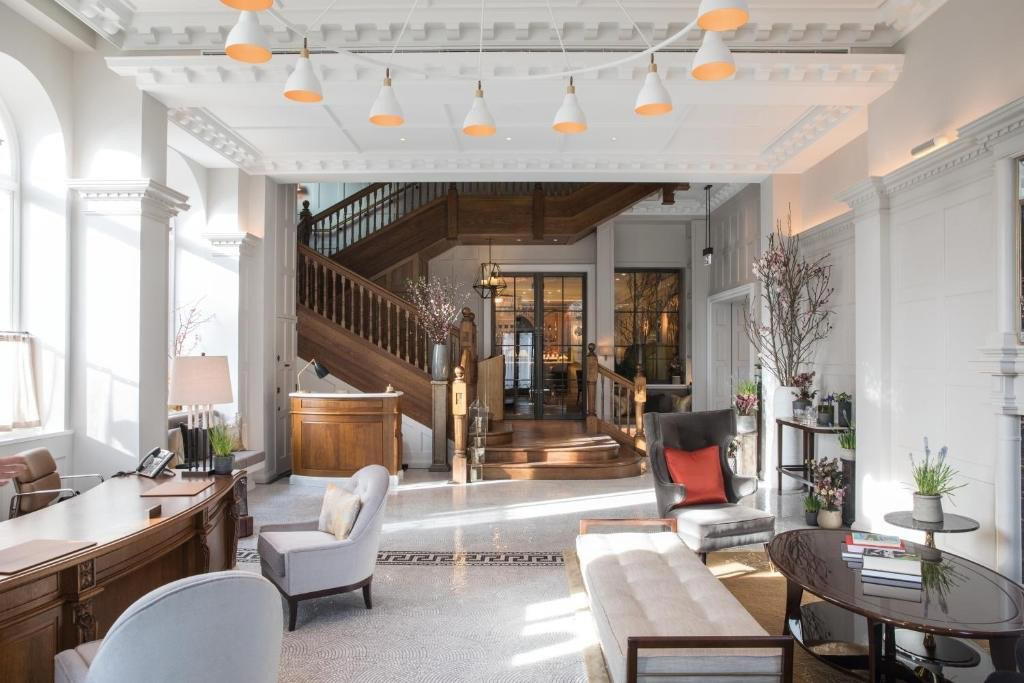
French brasserie-style decor with a warm, cozy, and intimate atmosphere; reviews highlight a classic bistro feel with closely set tables and a relaxed neighborhood vibe rather than a formal dining room.