'Seasgair' by Michel Roux Jr

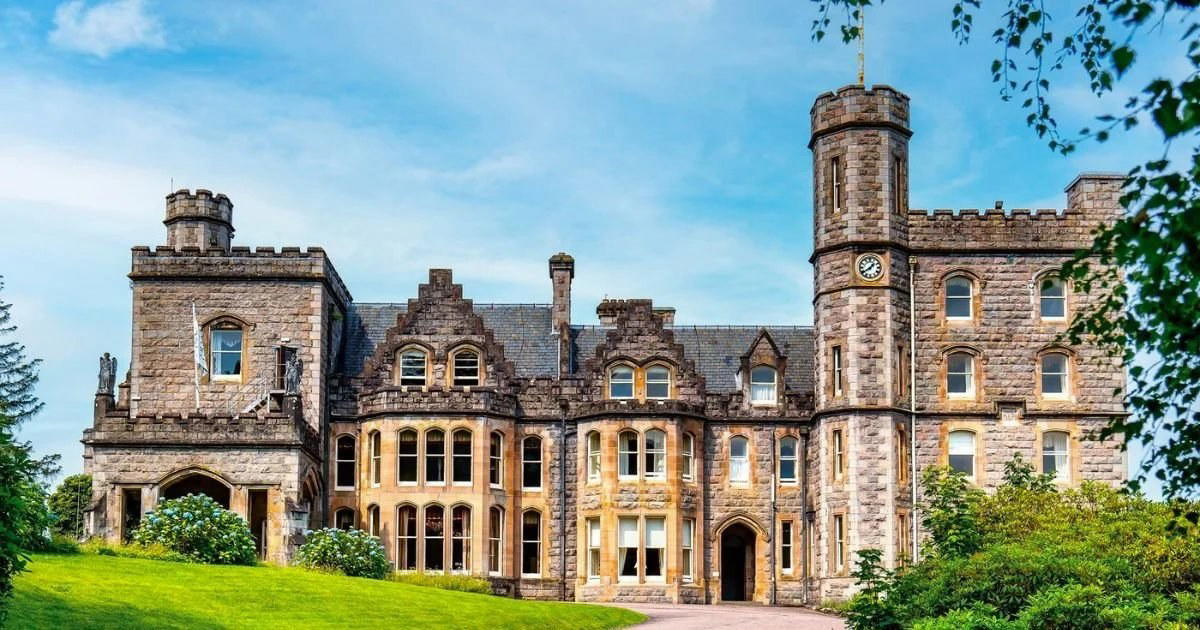
Inside Inverlochy Castle on the outskirts of Fort William, Seasgair brings Michel Roux Jr's classical French training to bear on the Scottish Highlands' larder. A five-course set menu, served in candlelit dining rooms after aperitifs in the Grand Hall, places this among the more formally structured restaurant experiences in the Scottish Highlands. Michelin Plate recognition in both 2024 and 2025 confirms its standing in the country-house dining tier.
Pearl is the En Primeur Club membership app — saves, bookings, and concierge access live there. Same editors, same standards.
- Address
- Torlundy, Fort William PH33 6SN, United Kingdom
- Phone
- +44 1397 702177
- Website
- inverlochycastlehotel.com
- Directions
- Get directions
 Saves & bookings on Pearl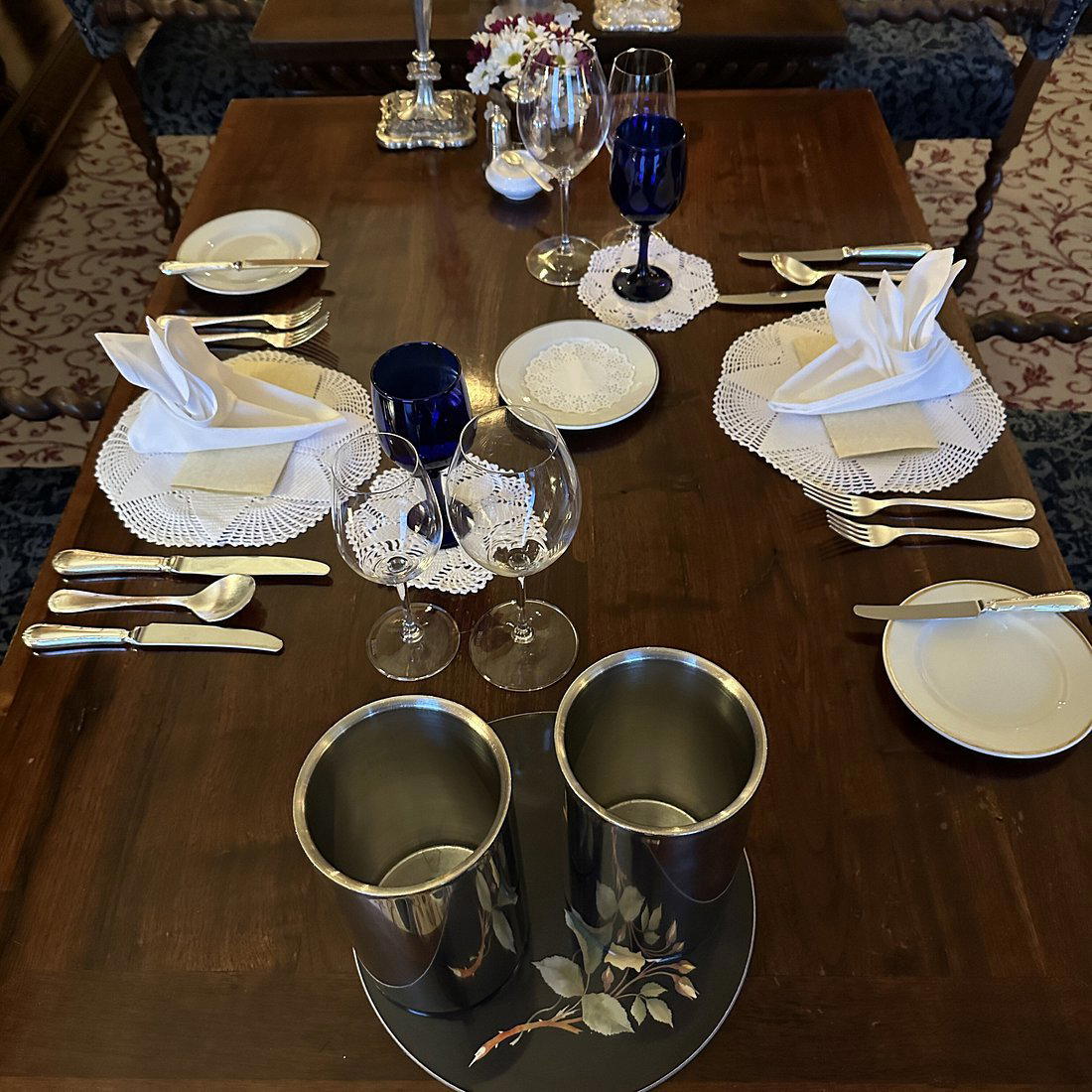
Where the Highlands Meet Classical France
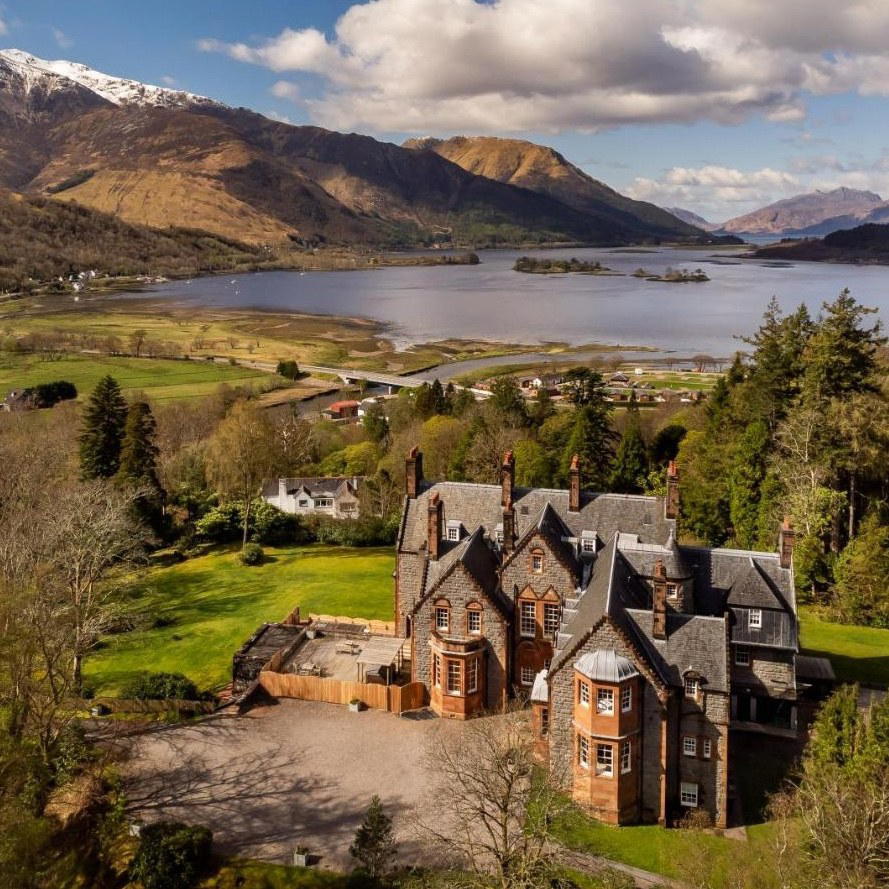
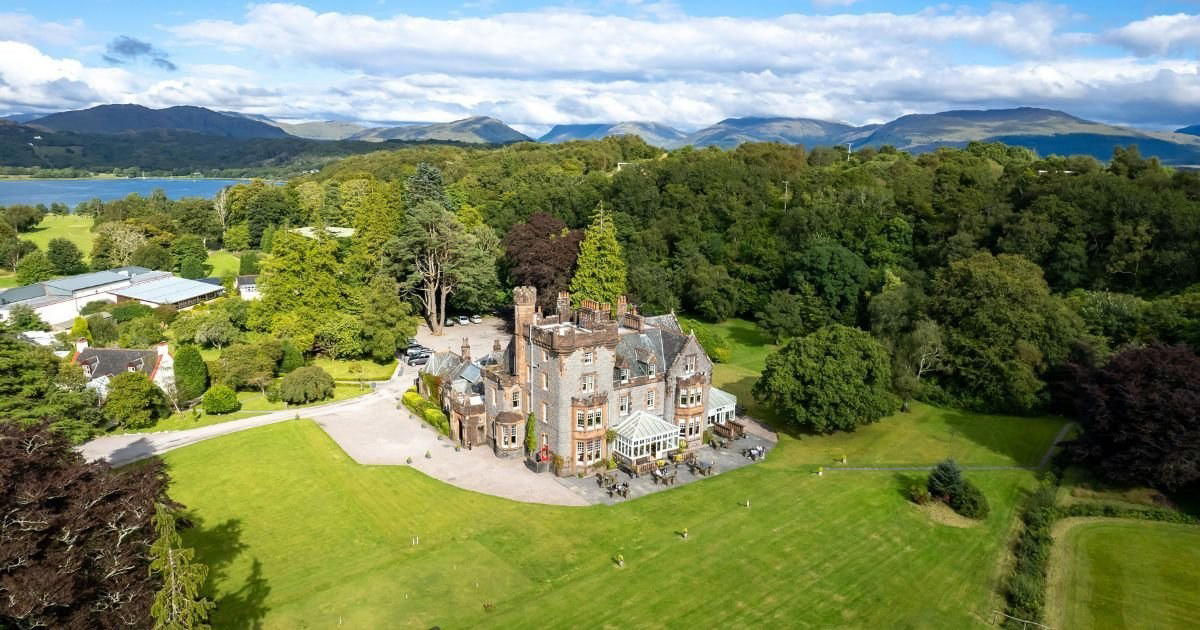
The country-house restaurant occupies a particular position in British fine dining, one that has proved more durable than critics once predicted. At its leading, the format does something that urban tasting-menu restaurants cannot: it places the meal inside a landscape, allowing the produce on the plate to exist in direct, visible relationship with the terrain outside the windows. Seasgair, operating within Inverlochy Castle just outside Fort William on the road to Torlundy, sits inside that tradition. The restaurant serves Modern French with Scottish influences at a price point of about $160 per person. The drive from the town along the banks of the River Lochy, with Ben Nevis filling the horizon, is not incidental to the evening. It conditions what follows.
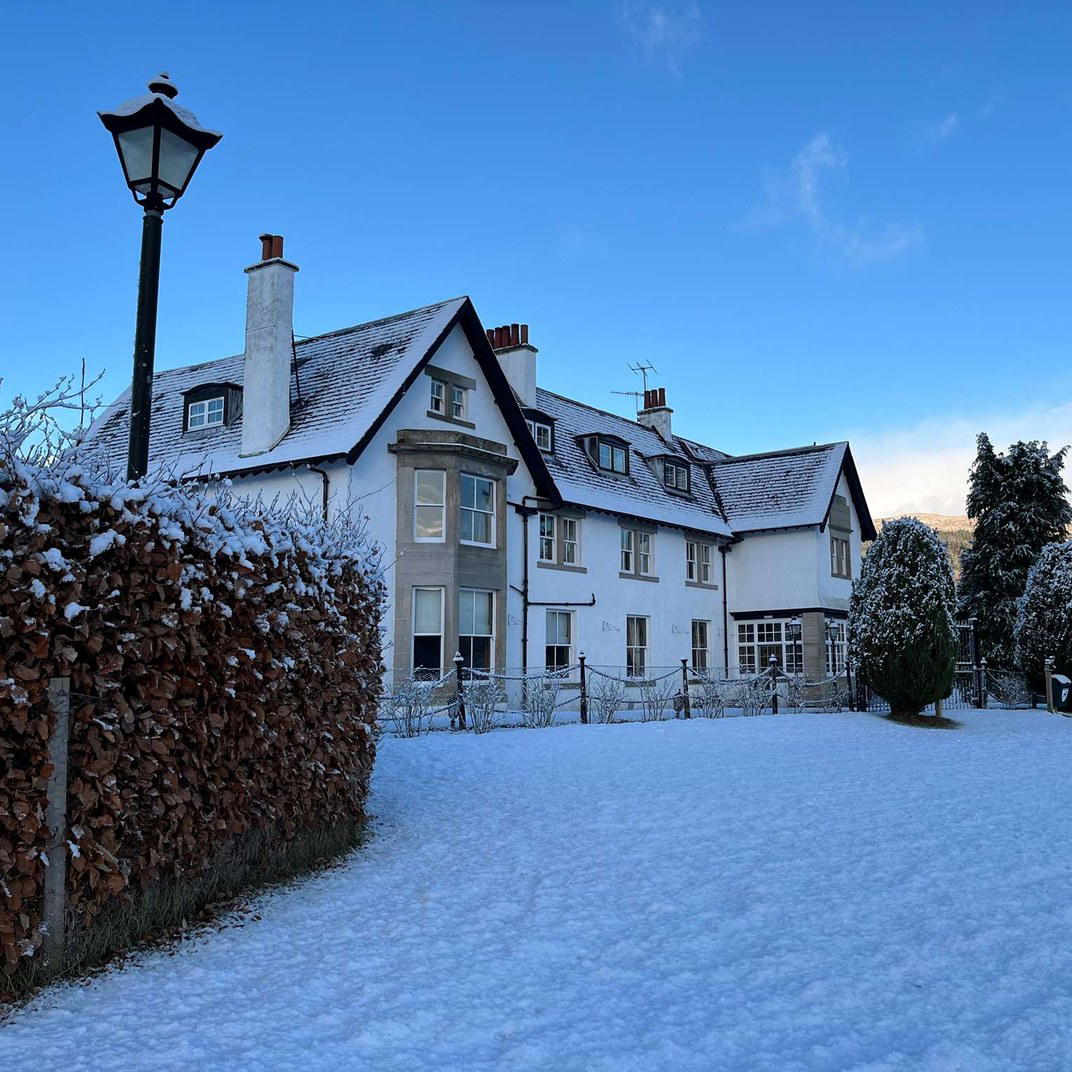
Inverlochy Castle is the kind of building that makes a certain kind of dining formality feel earned rather than imposed. The Grand Hall, where guests take aperitifs to live music before moving through to the dining rooms, sets a rhythm that is deliberately unhurried. This is a sequence, not just a meal: arrival, drinks, music, then the shift into a more private intimacy at the table. The practice of beginning with an aperitif ritual in a separate space before dining is common in Scotland's leading country-house hotels, and it functions here exactly as intended, allowing the room to settle before service begins in earnest.
French Technique and the Highland Larder
The editorial argument for French classical cooking in the Scottish Highlands rests on a direct tension: France's grand cuisine was built on technique and on a deep relationship between regional ingredient and regional kitchen. Scotland's larder, among the more varied in the British Isles, offers red deer from the glens, langoustines from the west coast sea lochs, Aberdeen Angus beef, and game birds that arrive in condition that most London restaurants can only approximate. When French technique is applied to ingredients of this quality and provenance, the result is a particular kind of cooking that sits outside the London Modern British mainstream.
Michel Roux Jr's influence on the menu at Seasgair follows this logic. The five-course set format, served to all guests simultaneously, is itself a Francophile structural choice: it treats the meal as a composed whole rather than a series of individual transactions. Canapés on arrival give the kitchen its first opportunity to signal the tonal relationship between French classicism and Scottish provenance, and the set menu format means there is no dilution of that intent by à la carte hedging. This is a comparable structural choice to what you find at Le Manoir aux Quat' Saisons, a Belmond Hotel in Great Milton, where the kitchen's classical French identity is similarly expressed through a fixed-format meal rather than a broad menu.
Among UK country-house restaurants that operate at this price point and formality level, the comparison set includes Restaurant Andrew Fairlie in Auchterarder, the other significant Scottish entry in Michelin-recognised country-house dining. Fairlie, with two Michelin stars and a similarly French-influenced approach applied to Scottish ingredients, represents the upper ceiling of what this format achieves in Scotland. Seasgair holds Michelin Plate recognition in both 2024 and 2025. For further comparison in the broader UK country-house register, Gidleigh Park in Chagford and Moor Hall in Aughton occupy the same broad tier of formally structured rural fine dining.
The Fort William Context
Fort William is primarily understood through its proximity to Ben Nevis and the outdoor activity economy of the western Highlands. The town's dining scene reflects this: the majority of restaurants serve a broad tourist market, and the gap between everyday eating in town and the formal dining at Inverlochy Castle is pronounced. That gap is the point. Seasgair operates in a separate register entirely, functioning as a destination in its own right rather than as a useful option within a competitive local market. Guests arriving specifically for the restaurant are a different constituency from those walking in off the High Street.
This positioning is not unusual for UK castle hotels. The castle property creates its own context, and the restaurant's pricing (at the ££££ level, consistent with its London-comparable peers) reflects the full experience rather than the cost of the meal alone.
Planning Your Visit
Seasgair sits at Torlundy, approximately three miles north of Fort William town centre on the A82. The address is Inverlochy Castle, Torlundy, Fort William PH33 6SN. Given the castle's rural position and the formal dinner format, driving or arranging private transport is the practical default for most guests; arriving on foot or by local bus is not a realistic option for an evening booking. The five-course set menu format means the kitchen controls the pace of service, and the pre-dinner aperitif sequence in the Grand Hall with live music requires building in time before the meal itself. This is not a restaurant where a rushed arrival is compatible with the experience as designed.
For guests exploring comparable formal dining elsewhere in the UK, the French-influenced modern fine dining category is well represented: Sketch, The Lecture Room and Library in London and CORE by Clare Smyth in London operate at the upper Michelin end of the spectrum, while L'Enclume in Cartmel represents the rural-British fine dining model at its highest current Michelin expression. The Hand and Flowers in Marlow, Midsummer House in Cambridge, Opheem in Birmingham, The Fat Duck in Bray, and hide and fox in Saltwood complete a broader map of UK fine dining for those building a longer itinerary. International context for the Modern French category can be found at Schanz in Piesport.
In Context: Similar Options
Comparable venues nearby, for context on price, style, and recognition.
| Venue | Cuisine | Price | Awards | Notes |
|---|---|---|---|---|
| 'Seasgair' by Michel Roux JrThis venue — the venue you are viewing | Modern French with Scottish influences | $$$$ | Michelin Plate | Not listed |
| Albert And Michael Roux Jr. At Inverlochy Castle | Modern French Fine Dining with Scottish Influences | $$$$ | Not listed | Torlundy |
| Lochleven Seafood Café | Fresh Scottish Shellfish | $$ | Not listed | Onich |
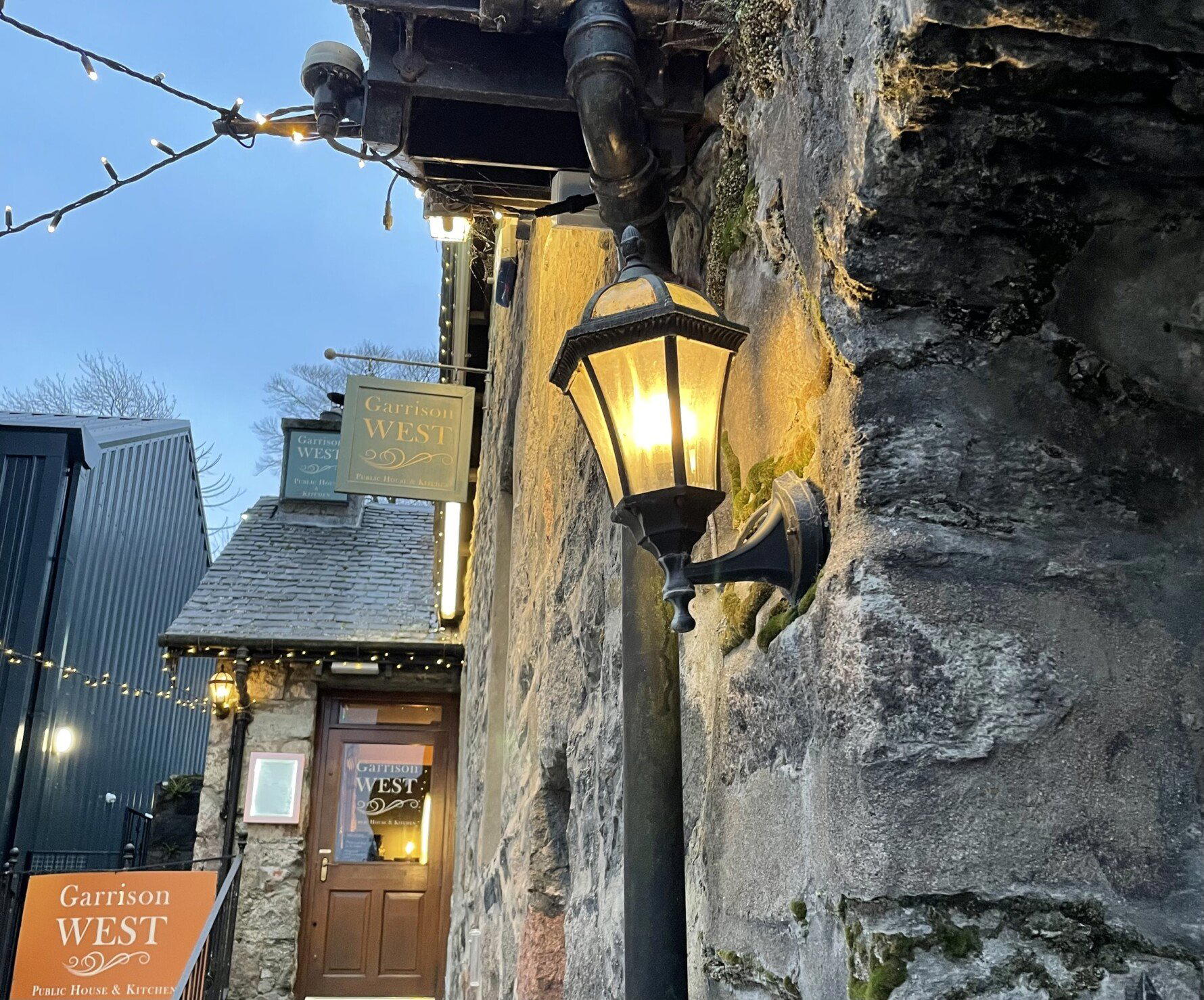
| Crannog at Garrison West | Scottish Seafood | $$$ | Not listed | Fort William town centre |
| 1887 | Modern British Fine Dining | $$$$ | Michelin Plate | Achnasheen |
| Mazarine | Coastal French Seafood | $$$$ | Not listed | Mayfair |
Recognition history
Dated appearances from independent guides and award organizations, with the underlying list record or original source where available.
AA Rosettes 3 Rosettes
AA Rosettes
Michelin Plate
Michelin
Michelin Plate
Michelin
Michelin Plate
Michelin
Continue exploring
More in Fort William
Restaurants in Fort William
Browse all →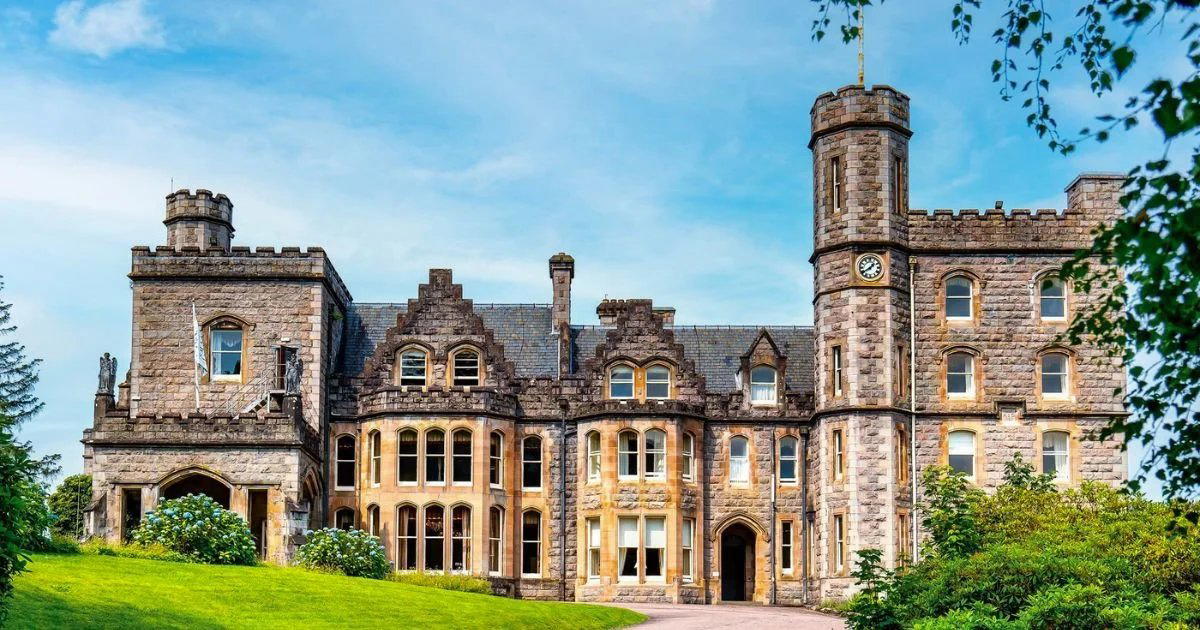
Bars in Fort William
Browse all →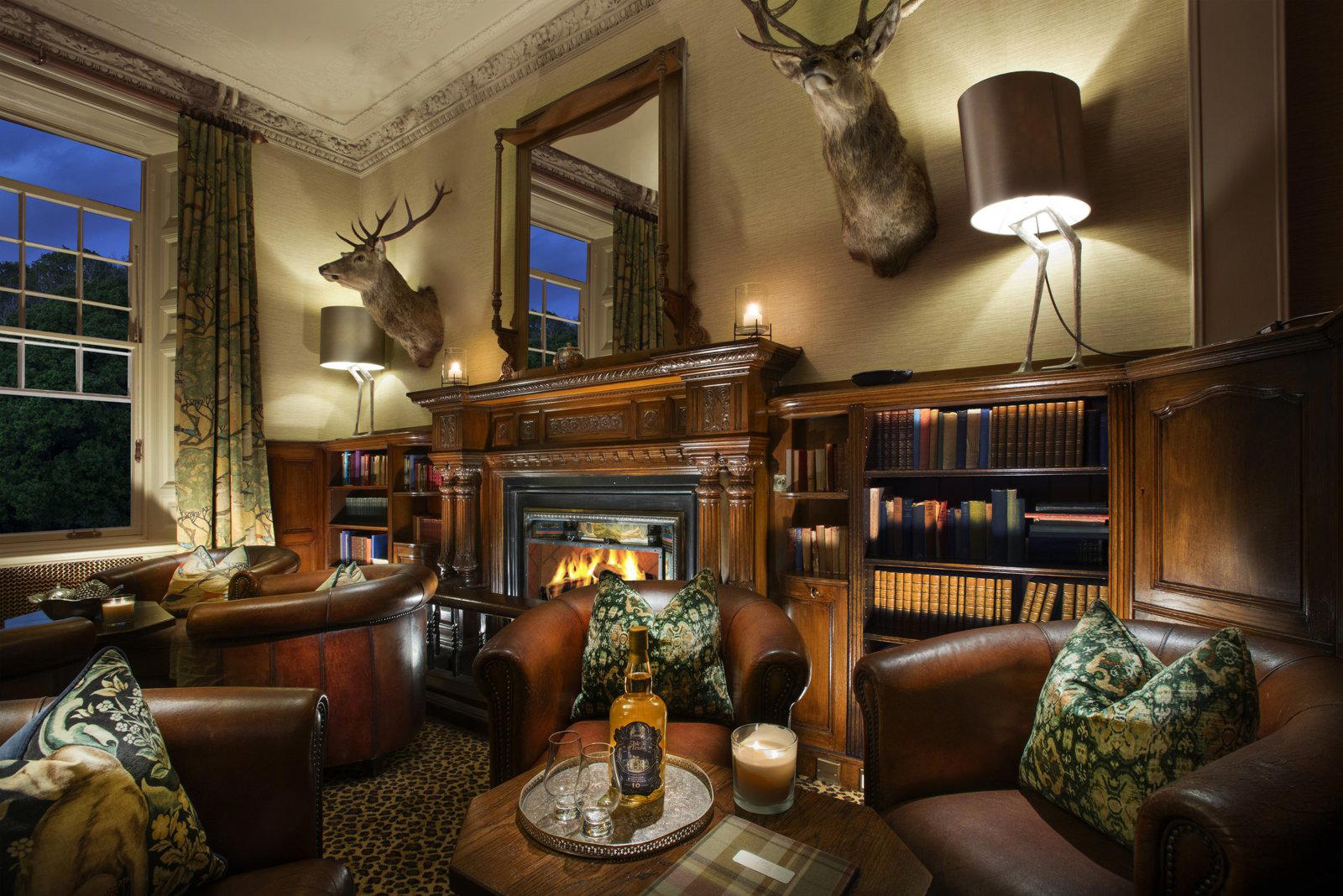
At a Glance
- Elegant
- Cozy
- Sophisticated
- Classic
- Intimate
- Special Occasion
- Date Night
- Historic Building
- Hotel Restaurant
- Private Dining
- Extensive Wine List
- Sommelier Led
- Local Sourcing
- Mountain
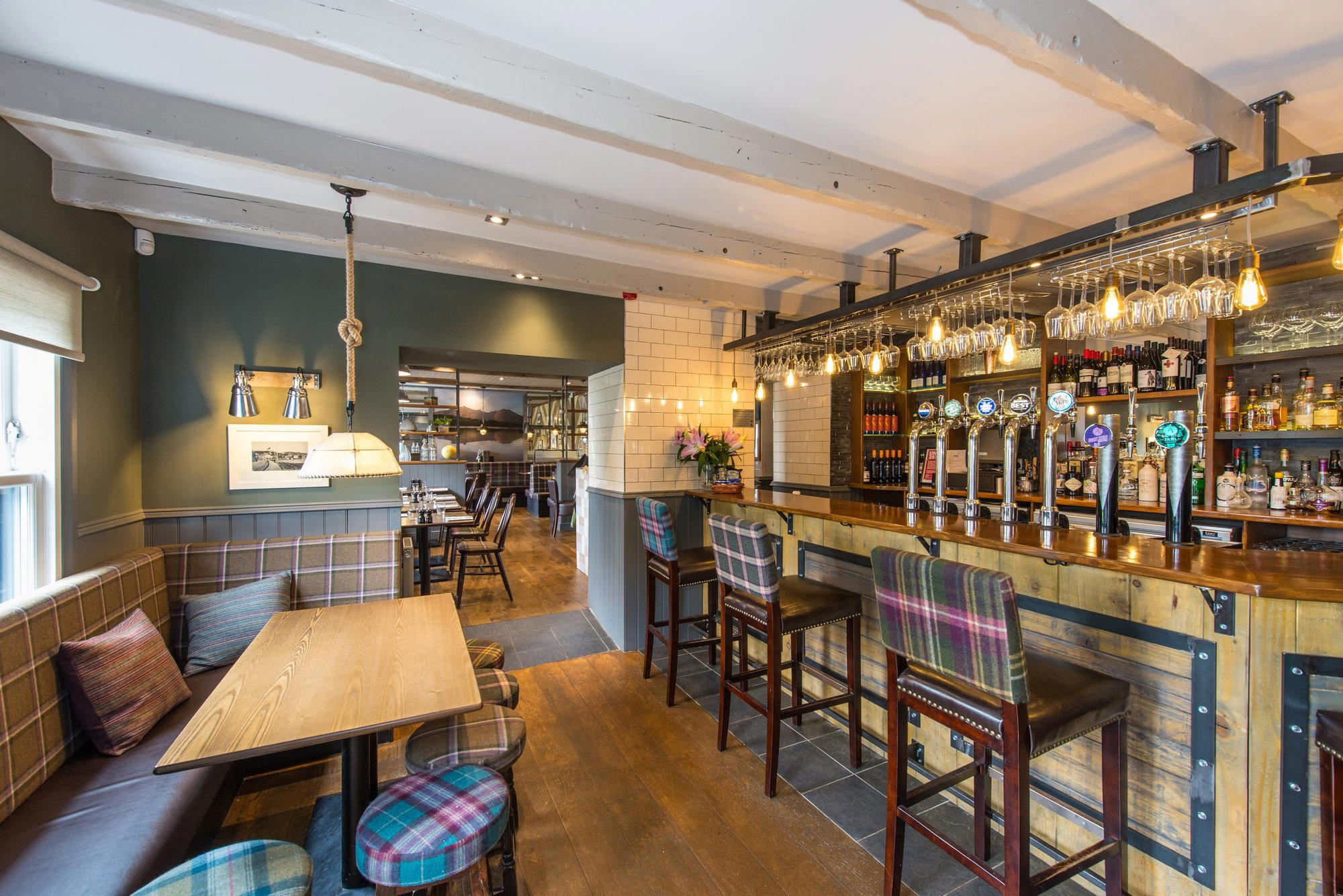
Warm and cosy atmosphere in elegant dining rooms of Inverlochy Castle, evoking old country houses with high ceilings, antiques, crystal chandeliers, and live music in the Grand Hall.