Burma Superstar
Burma Superstar on Telegraph Avenue has anchored Oakland's Burmese dining scene for years, serving a cuisine that sits at the crossroads of South and Southeast Asian culinary traditions. The menu draws on fermented, pickled, and slow-cooked techniques that reflect Burma's geographic position between India, China, and Thailand. Walk-in waits are common; plan accordingly and arrive early.
Pearl is the En Primeur Club membership app — saves, bookings, and concierge access live there. Same editors, same standards.
- Address
- 4721 Telegraph Ave, Oakland, CA 94609
- Phone
- +1 510 652 2900
- Website
- burmasuperstar.co
- Directions
- Get directions
 Saves & bookings on Pearl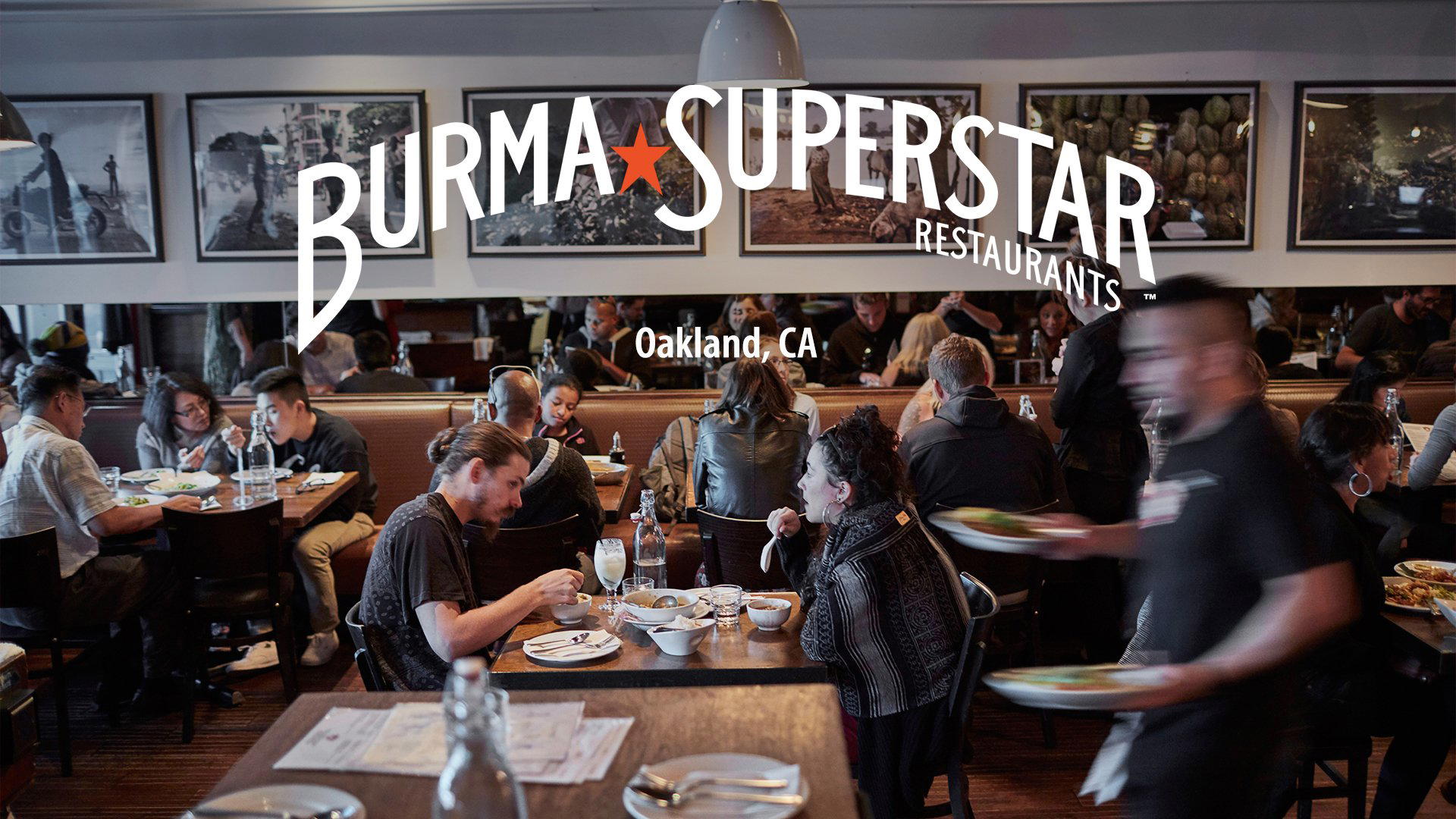
Telegraph Avenue and the Burmese Table
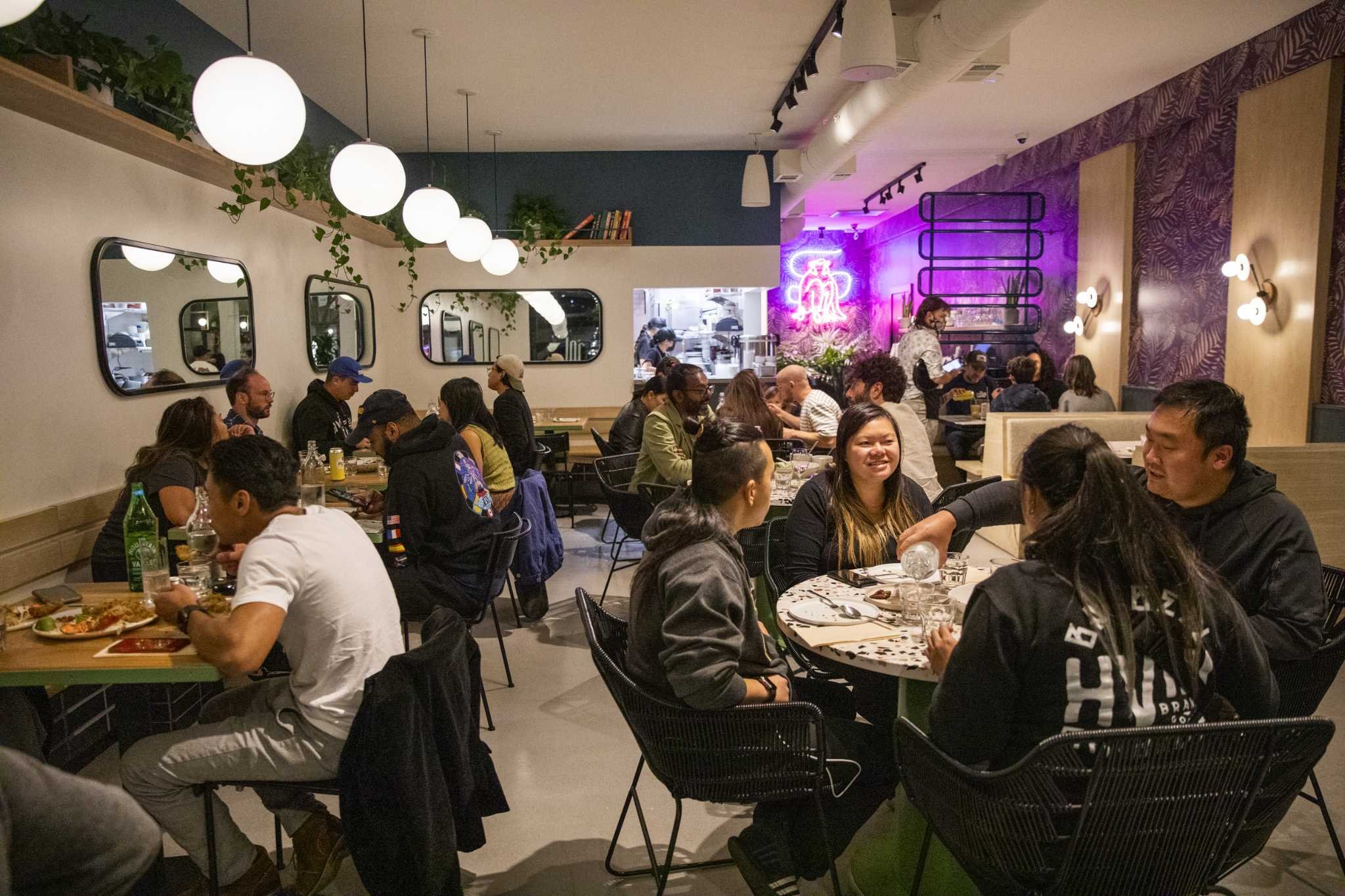
There is a particular kind of restaurant that defines a neighborhood's culinary identity not through ambition signaling but through consistency and a cuisine that the surrounding city has nowhere else to find in the same form. Burma Superstar is a Burmese restaurant at 4721 Telegraph Ave in Oakland, with. On Telegraph Avenue in Oakland's Temescal district, Burma Superstar occupies that role. The room is unpretentious, the kind of space where the focus lands on the table rather than the architecture, and the line that forms outside most evenings is its own form of critical endorsement. Oakland's dining scene is broad and genuinely competitive, covering everything from the Caribbean-rooted cooking at alaMar Dominican Kitchen to the precise Cantonese traditions at 8th St Cafe 文記茶餐廳. Within that field, Burmese food remains a distinct and underpopulated category, and Burma Superstar has long been its most visible address.
A Cuisine at the Crossroads
Burmese cooking is one of the more instructive case studies in how geography shapes a culinary tradition. Burma shares borders with India, China, Thailand, Laos, and Bangladesh, and its food reflects each pressure point without collapsing into any single one. The salad tradition, in particular, is singular: fermented tea leaf (lahpet), raw cabbage, dried shrimp, fried garlic, roasted peanuts, sesame seeds, and lime arrive as individual elements that the diner combines at the table. This is technique that predates the farm-to-table movement's interest in texture contrast by centuries, and it requires ingredients, fermented tea leaf especially, that are largely absent from Indian, Chinese, or Thai kitchens in their traditional forms.
The intersection of imported method and indigenous product is visible throughout the menu. Indian influence appears in the curries and in the use of lentils and chickpea flour; Chinese influence shows up in noodle preparations and certain stir-fry approaches; but the fermentation logic, the layering of dried and fresh aromatics, and the use of specific pickled components remain distinctly Burmese. For a city as interested in technique-led cooking as Oakland, where venues like 3 Bottled Fish apply precision to their own culinary traditions, the restaurant's menu reads as a different kind of technical program, rooted in preservation and fermentation rather than Western kitchen method.
The Temescal Setting and the Broader Oakland Context
Temescal has developed into one of Oakland's more food-forward corridors over the past decade, attracting a mix of neighborhood regulars and cross-bay diners who find the area's energy and price point more accessible than San Francisco's comparable dining districts. The contrast with destination-format restaurants is deliberate and worth naming: venues like Lazy Bear in San Francisco or The French Laundry in Napa operate at a booking-window and price tier that positions them as planned events. The restaurant operates as a walk-in-friendly neighborhood fixture where the meal is driven by the food rather than by the format or occasion. That is a different kind of value proposition, and in Oakland's dining culture, it is one that tends to generate sustained loyalty rather than one-time visits.
The street-level energy of Telegraph Avenue contributes to the experience in a way that more controlled environments cannot replicate. Arriving in the early evening, before the line extends significantly, is the practical move; the restaurant does not take reservations in the conventional sense, and the wait on peak nights can be substantial. That dynamic is itself a data point: in a city with Agave Uptown and a growing number of ambitious independents competing for the same dining dollar, sustained demand without reservations indicates something the market continues to endorse.
Fermentation, Texture, and the Technical Logic of Burmese Cooking
The editorial angle that rewards attention here is not novelty but depth. Burmese cuisine's fermentation tradition is as developed as anything in Korean or Japanese cooking, traditions that have received considerably more critical attention in the American food press. Fermented tea leaf is cured over months, developing an umami intensity and gentle bitterness that functions as both protein and condiment in the same dish. Dried shrimp paste (balachaung) appears as a flavor base with a complexity that draws comparison to Southeast Asian shrimp pastes while remaining chemically and texturally distinct. These are not approximations of better-known ingredients; they are a separate technical vocabulary.
For readers who follow the technique-led end of American dining, the kind of work happening at Smyth in Chicago, Blue Hill at Stone Barns in Tarrytown, or Atomix in New York City, the fermentation and preservation logic at work in Burmese cooking offers a parallel study in how a culinary tradition builds complexity through time and microbial process rather than through heat and reduction. The comparison is instructive precisely because the cultural contexts differ so sharply.
Oakland's food community has supported a handful of strong Ethiopian voices, including Alem's Coffee, which serves that tradition's own fermentation-forward beverage culture. The broader point, that Oakland rewards culinary traditions built on fermentation and communal eating formats, seems to hold.
Planning Your Visit
The restaurant at 4721 Telegraph Ave operates without a conventional reservation system, which means arrival timing matters. Weekday evenings before 6pm and weekend lunches offer particularly manageable waits. The Temescal location is accessible by the 51B AC Transit line along Telegraph, and street parking is available in the surrounding blocks, though it tightens on weekend evenings. The dining room is casual in dress and atmosphere, and the pace of service tends to be efficient.
The price point is accessible, the format is informal, and the kitchen's sophistication is expressed through a culinary tradition rather than through individual chef authorship. That is not a lesser proposition; it is a different one, and in Oakland's dining culture, it has proved durable.
Peers Worth Knowing
Comparable venues nearby, for context on price, style, and recognition.
| Venue | Cuisine | Price | Notes |
|---|---|---|---|
| Burma SuperstarThis venue — the venue you are viewing | Burmese | $$ | Not listed |
| Casserole House | Korean Jeongol Hot Pots | $$ | Temescal |
| Mockingbird | Italian-inspired Northern California | $$ | Downtown |
| Ohgane Korean BBQ | Traditional Korean BBQ | $$ | Temescal |
| Kushido | Yakitori Izakaya | $$ | Temescal |
| Mugunghwa | Authentic Korean | $$ | Temescal |
Continue exploring
More in Oakland
Restaurants in Oakland
Browse all →
Bars in Oakland
Browse all →
Hotels in Oakland
Browse all →

At a Glance
- Lively
- Well Known
- Group Dining
- Casual Hangout
- Standalone
- Craft Cocktails
Current opening hours
- Monday
- 11:30 AM–2:30 PM, 4:30–9:30 PM
- Tuesday
- 11:30 AM–2:30 PM, 4:30–9:30 PM
- Wednesday
- 11:30 AM–2:30 PM, 4:30–9:30 PM
- Thursday
- 11:30 AM–2:30 PM, 4:30–9:30 PM
- Friday
- 11:30 AM–10 PM
- Saturday
- 11:30 AM–10 PM
- Sunday
- 11:30 AM–9:30 PM
Hours can change for holidays and private events. Last verified .
Bustling and energetic atmosphere with crowded tables.