Kushido
Our verdict
Kushido occupies a corner of Telegraph Avenue where Oakland's Temescal corridor transitions from coffee roasters to evening dining. The format centers on kushiyaki, skewered, charcoal-grilled proteins and vegetables, placing it within a small but growing tier of Japanese grill-focused spots that have taken root in the East Bay over the past decade. For the neighborhood, it reads as a deliberate counter to the area's louder, format-heavy restaurants.

Telegraph Avenue and the Architecture of the Grill Counter
On Telegraph Avenue near 48th Street, the built environment does a lot of the storytelling before any food arrives. This stretch of Oakland's Temescal district has accumulated, over roughly fifteen years, a density of independent restaurants that now rivals comparable corridors in San Francisco's Mission or Berkeley's Shattuck Avenue. What distinguishes Kushido within that context is partly format and partly physical: the kushiyaki grill counter is one of the more spatially specific dining arrangements in Japanese cuisine, where proximity to the cook, the smoke, and the sequence of skewers arriving in small increments defines the experience as much as any single dish. Counter dining in this tradition is not incidental to the food, it is the architecture of the meal.
The address at 4828 Telegraph places Kushido at a seam in the neighborhood where daytime cafe culture gives way to evening dining. Spots like Alem's Coffee anchor the daytime economy nearby, while the evening roster on this corridor has expanded considerably, with Japanese, Mexican, and pan-Asian formats competing for the same dinnertime foot traffic. Within that competitive set, a grill-focused Japanese concept occupies a distinct position: the format requires real charcoal infrastructure, trained technique, and a pace that resists the faster table-turn economics that most casual restaurants depend on.
The Kushiyaki Format in the East Bay Context
Kushiyaki as a category is broader than yakitori, the chicken-specific grilling tradition that most American diners encounter first. A full kushiyaki program covers a wider range of proteins, vegetables, and occasionally offal, all threaded onto skewers and cooked over bincho-tan, the dense Japanese white charcoal that burns hotter and cleaner than standard charcoal and allows for a level of temperature control that gas grills cannot replicate. The result, when the technique is applied correctly, is a char that seals quickly without drying the interior, and a smoke character that accumulates across a multi-skewer sequence in a way that a single large plate cannot replicate.
In the Bay Area, the kushiyaki and yakitori tier has historically been concentrated in San Francisco's Japantown and the South Bay corridors near San Jose. Oakland has been slower to develop this format, which makes Kushido's position on Telegraph notable in category terms rather than just geographical ones. The East Bay dining audience has shown appetite for technically demanding Japanese formats, the success of izakaya-style concepts and quality ramen shops across Oakland and Berkeley over the past decade supports that reading. A charcoal grill operation represents a further step up in infrastructure and commitment, and the fact that it has taken root here reflects a maturing local dining culture rather than a trend import from across the bay.
For comparison, the upper register of Japanese-influenced grilling in the United States connects to a broader national conversation about precision technique and sourcing, a conversation that also involves fine dining addresses like Atomix in New York City, where Korean tasting menu formats apply similar discipline to sequence and ingredient transparency. The reference points are different in scale and price, but the underlying logic, that a constrained format executed with precision produces more than a sprawling menu executed loosely, applies across tiers.
Temescal as a Dining District
Understanding Kushido means understanding Temescal's current status as Oakland's most format-diverse dining corridor. The neighborhood between roughly 40th and 51st streets on Telegraph has attracted a mix of operators that would be difficult to replicate in a single San Francisco neighborhood: home-style Mexican from Cenaduria Elvira, Dominican from alaMar Dominican Kitchen, Hong Kong-style cafe at 8th St Cafe 文記茶餐廳, and seafood-forward cooking at 3 Bottled Fish. The corridor also supports Agave Uptown for agave-spirit focused drinking, which signals a local audience that treats dining and drinking as research as much as recreation.
Within that mix, a Japanese grill concept is not filling an obvious gap so much as adding a specific register to an already varied stack. The interesting editorial question for Temescal is whether the district's diversity is a sign of strength or instability: diverse corridors tend to attract diners who are already curious and willing to experiment, but they also require each operator to build its own audience from scratch rather than benefiting from a concentrated cuisine cluster. Kushido's format, deliberate pace, counter-centric design, sequential service, may actually benefit from being surrounded by contrast rather than competition.
What the Space Signals
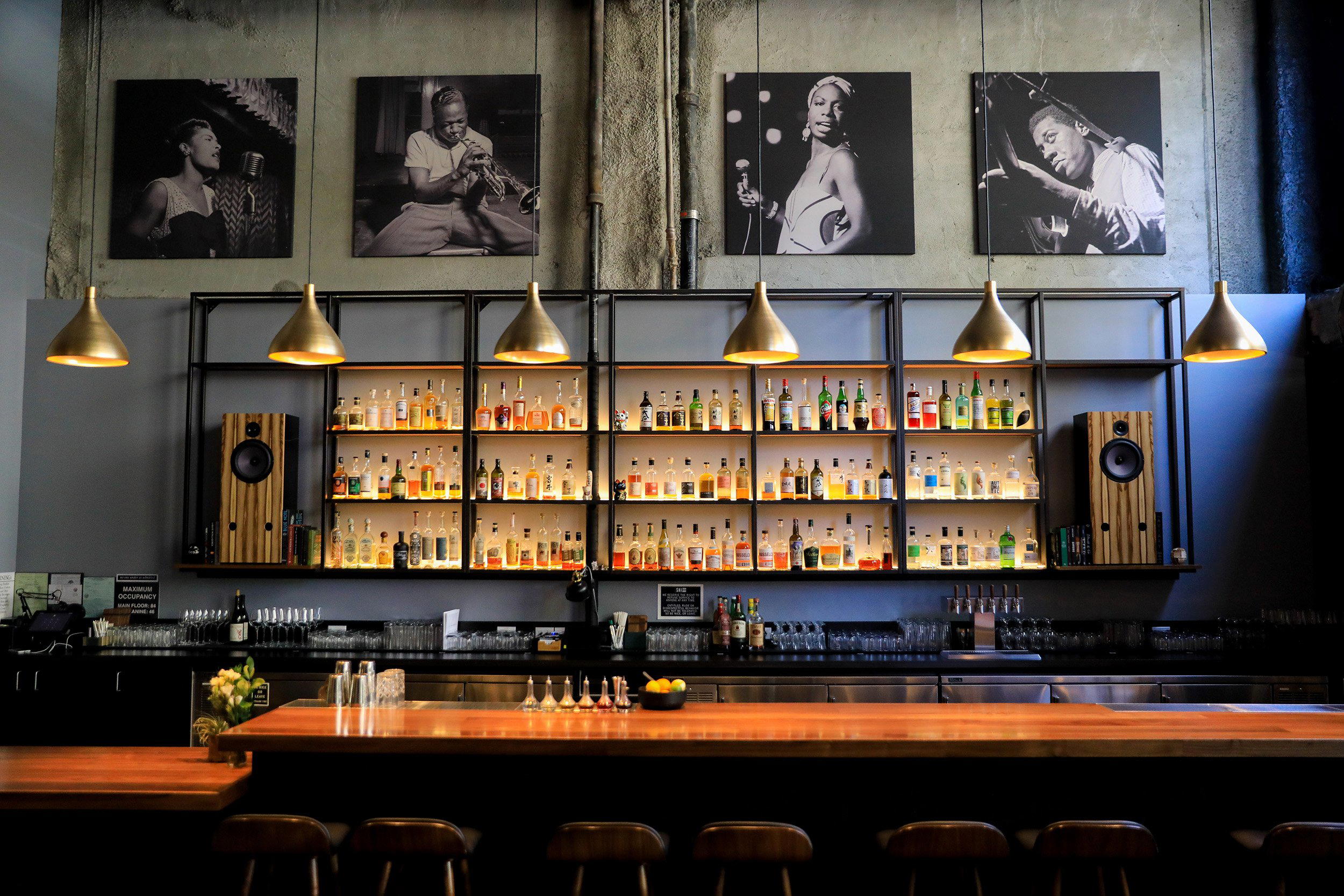
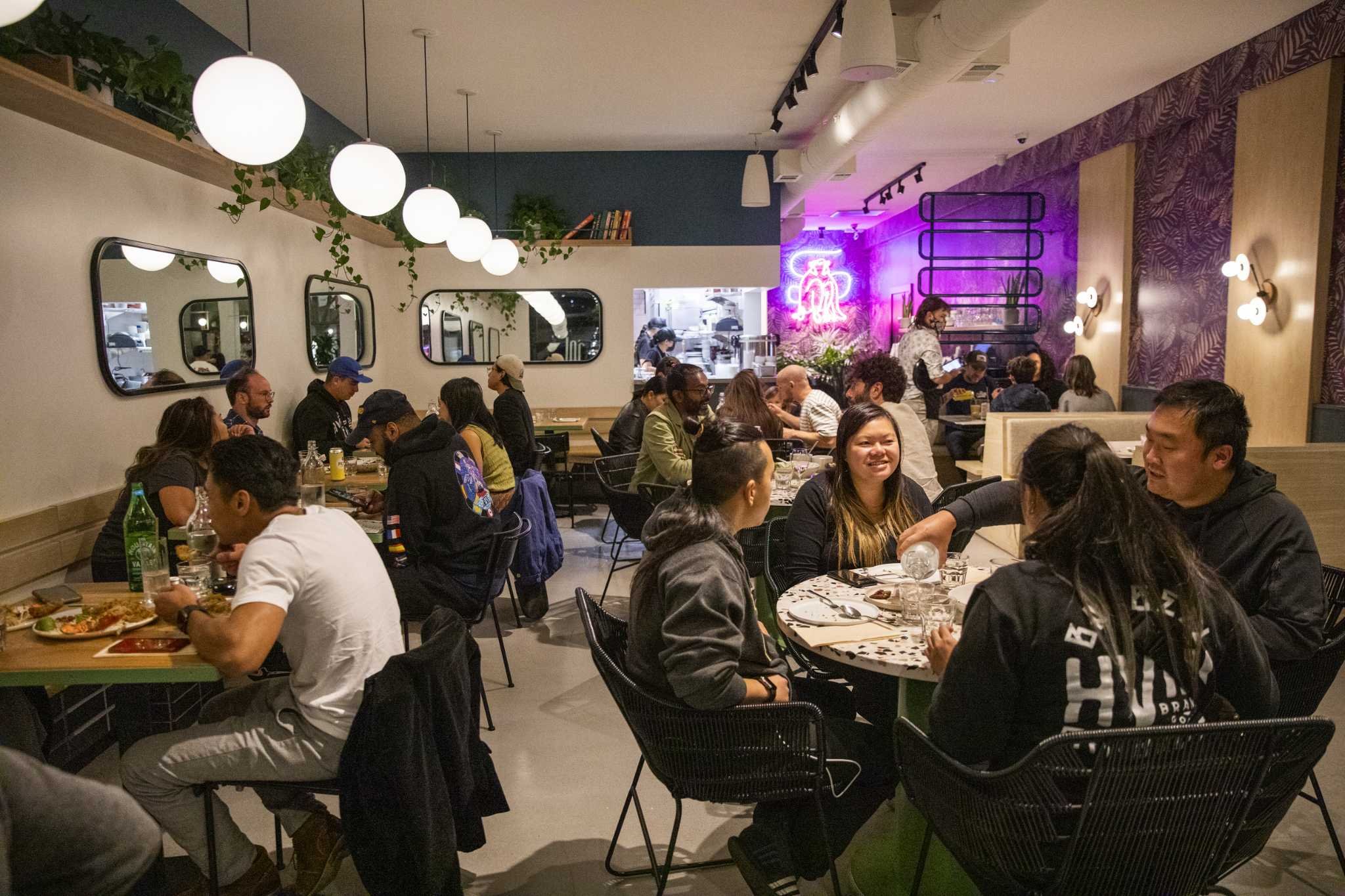
Counter formats in Japanese dining have a specific social grammar. The barrier between diner and cook collapses in a way that table service does not allow, and that proximity creates a set of expectations: you watch the work, you receive in sequence, you do not rush. This is a different contract than the one offered by most Oakland casual restaurants, where the assumption is simultaneous service, shared plates, and ambient volume calibrated for groups. A kushiyaki counter is quieter by design, more focused, and more demanding of the diner's attention.
That spatial logic also sets Kushido apart from the format-heavy end of the American dining market, the tasting menu tier that includes addresses like Lazy Bear in San Francisco, Alinea in Chicago, Le Bernardin in New York City, The French Laundry in Napa, Single Thread Farm in Healdsburg, Blue Hill at Stone Barns in Tarrytown, Providence in Los Angeles, Addison in San Diego, The Inn at Little Washington, Emeril's in New Orleans, and 8½ Otto e Mezzo Bombana in Hong Kong. Those addresses operate on ceremony and occasion. Kushido's counter logic is less ceremonial and more attentive, a distinction that matters for how you decide to book it.
Planning Your Visit
Kushido is located at 4828 Telegraph Ave at 48th Street in Oakland's Temescal neighborhood, accessible by the 51 and 40 bus lines along Telegraph and a short walk from the MacArthur BART station. The format rewards visiting with one or two people rather than a large group: counter seating structures conversation and attention differently than a round table, and the sequential service of skewers works better when everyone is eating in the same rhythm (our full Oakland restaurants guide).
Frequently asked questions
What part of town is Kushido in?
Kushido is located at 4828 Telegraph Ave (48th Street), Oakland, CA 94609.
How does Kushido's kushiyaki format differ from a standard yakitori restaurant in Oakland?
Yakitori is technically a chicken-specific grilling tradition, while kushiyaki encompasses a broader range of skewered proteins and vegetables cooked over flame. Kushido on Telegraph Avenue in Oakland operates within that wider kushiyaki category, meaning the menu scope goes beyond what most American diners encounter at a typical yakitori bar. That distinction makes Kushido relatively unusual within Oakland's East Bay Japanese dining scene, where chicken-led yakitori formats are more common than full kushiyaki counters.
What's the must-try dish at Kushido?
Kushido operates within the kushiyaki format, which covers a wider range of skewered and grilled items than the chicken-focused yakitori most diners know from other Japanese grill spots. The counter format at 4828 Telegraph Ave is designed around the grill itself, so the skewer selection is the core of the menu rather than an accompaniment. Specific dish details are best confirmed directly with the restaurant before visiting.
What's the best way to book Kushido?
Kushido is located at 4828 Telegraph Ave at 48th Street in Oakland's Temescal neighborhood. Current booking contact details are not listed publicly, so checking in person or via any current social profiles the restaurant maintains is the practical approach. The 51 and 40 bus lines along Telegraph provide transit access if you're coming from elsewhere in Oakland.
What's the signature at Kushido?
The counter itself is the signature: a format where the distance between diner and cook disappears in a way that table service doesn't allow, and where the grill is the visual and social center of the room. Kushido sits on a Telegraph Avenue stretch in Temescal that has become Oakland's most format-diverse dining corridor, and the kushiyaki counter positions it within a specific Japanese grilling tradition broader than yakitori alone.
Cuisine Context
| Venue | Cuisine | Price | Awards |
|---|---|---|---|
| KushidoThis venue (the venue you are viewing) | Yakitori Izakaya | Not listed | Not listed |
| Cenaduria Elvira | Authentic Jalisco Mexican Cenaduría | $20–30 | Not listed |
| À Côté | Mediterranean Small Plates | $50–100 | Star Wine List |
| Cafe Colucci | Authentic Ethiopian | $20–30 | Not listed |
| Joodooboo | California Korean Tofu & Banchan | $20–30 | Michelin Bib Gourmand · James Beard Award Semi Finalist |
| JUNE'S PIZZA | Wood-Fired Artisan Pizza | $20–30 | Esquire Best New Restaurants |