Burg Restaurant

Burg Restaurant sits on Rosengasse in Geisenheim, the Rheingau town that doubles as Germany's foremost wine research address. Under chef Sven Vogel, the kitchen carries a Cooking Classics designation, placing it in a tier of German restaurants that treat the national culinary canon with seriousness rather than nostalgia. For visitors working through the region's wine estates, it provides a table grounded in tradition rather than trend.
Pearl is the En Primeur Club membership app — saves, bookings, and concierge access live there. Same editors, same standards.
- Address
- Rosengasse 32, 65366 Geisenheim, Germany
- Phone
- +49 6722 99500
- Website
- burg-schwarzenstein.de
- Directions
- Get directions
 Saves & bookings on Pearl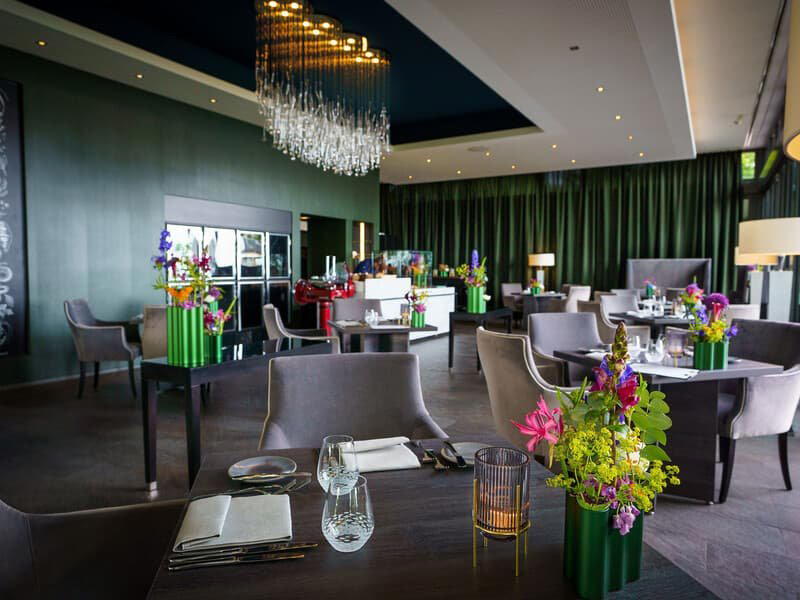
Geisenheim and the Case for Cooking Classically
The Rheingau has a way of pulling visitors toward the expected: Riesling-focused wine lists, vineyard panoramas, and dining rooms that feel suspended sometime around 1985. What is less common is a kitchen that commits to German classical cooking as a deliberate editorial position rather than a default. The town of Geisenheim, home to Germany's most respected viticulture and enology university, is a place where tradition carries genuine intellectual weight, not just sentimental value. Burg Restaurant, on Rosengasse 32, operates in that context and earns its Cooking Classics designation accordingly.
The Cooking Classics recognition places the restaurant within a clearly defined category in the German restaurant firmament: kitchens recognised for technical fidelity to classical preparation, domestic ingredient identity, and a refusal to chase the modernist format cycles that have reshaped fine dining at venues like CODA Dessert Dining in Berlin or Aqua in Wolfsburg. Those are different projects with different audiences. What the Cooking Classics tier offers is something those addresses are not trying to provide: the long lineage of German bourgeois and regional cooking, executed with craft and without irony.
What Cooking Classics Means in Practice
Germany's classical kitchen is frequently underestimated by visitors more familiar with the country's Michelin-starred creative tier — places such as Schwarzwaldstube in Baiersbronn, Vendôme in Bergisch Gladbach, or JAN in Munich, which operate at price points and creative ambitions that place them in an international fine-dining conversation. The classical tradition runs alongside that tier, not beneath it, and in wine regions especially, it maintains a following among those who believe the right pairing for a serious Rheingau Riesling is not an avant-garde tasting format but a well-judged plate of regional cooking with proper sauce work.
Chef Sven Vogel leads the kitchen at Burg Restaurant. Within the editorial frame of the Cooking Classics category, the relevant credential is not a personal origin story but a demonstrated command of the preparations that define this culinary register. Classical German cooking at this level requires technique that is less visible than modernist plating but no less demanding: braising times, reduction discipline, the handling of game, and the architectural logic of a composed plate built from produce with a distinct regional provenance. That kind of cooking does not photograph as dramatically as the tasting menus at ES:SENZ in Grassau or Schanz in Piesport, but its demands are real and its audience knows the difference between competent execution and a kitchen that genuinely understands the canon.
The Rheingau Address and Its Implications
Geisenheim occupies a specific position in German wine geography that gives any serious restaurant here an unusual competitive context. The town is not a major tourist destination in the way that Rüdesheim, a few kilometres to the west, is — which means Burg Restaurant draws a dining public that tends to know what it is looking for. Wine-trade visitors, students from the university, and travellers moving through the Rheingau on focused itineraries rather than coach-tour programmes make up a different room than you find in high-traffic destinations.
The proximity to the Rheingau's wine estates is consequential for how a classical German kitchen performs here. The region's Rieslings, and its smaller production of Spätburgunder, are among the most food-precise wines in the German repertoire, and they interact with classical preparations, particularly those involving acidity-cut sauces, game, and pork, with a logic that more internationally-styled cooking sometimes resists. For the range of what the Rheingau produces across its estates, our full Geisenheim wineries guide covers the field in detail.
Burg Restaurant sits alongside Müllers auf der Burg as part of the dining offer that gives Geisenheim's dining scene its particular character, two addresses working within a classical register in a town that does not need to compete with Frankfurt or Wiesbaden for attention. For those planning a fuller visit, our full Geisenheim restaurants guide maps the scene more completely.
Where Burg Restaurant Sits in the German Classical Tier
Positioning matters in any serious dining market, and Germany's classical tier is not monolithic. At the upper end, kitchens like Waldhotel Sonnora in Dreis and Victor's Fine Dining by Christian Bau in Perl carry Michelin recognition alongside classical foundations. Below that, and no less serious in terms of culinary commitment, is the Cooking Classics category where Burg Restaurant operates: recognised kitchens that prioritise tradition and execution over format experimentation. The difference between these tiers is less about quality of cooking and more about the project each kitchen is undertaking. Restaurant Haerlin in Hamburg and Le Bernardin in New York City demonstrate how a deep commitment to classical form can sustain serious critical standing across decades. Burg Restaurant works within that same logic, at a neighbourhood scale appropriate to Geisenheim.
Planning a Visit
The restaurant is at Rosengasse 32 in central Geisenheim, accessible by the Rheingau rail line that connects Frankfurt to Wiesbaden with stops along the river. Phone and booking details are not publicly listed in the sources available to us; the most reliable approach is to contact the restaurant directly on arrival in the region or via current local listings. Timing a visit around the autumn harvest season aligns the table with the Rheingau's most active period, when wine-estate visits, markets, and the full range of the regional kitchen are at their most coherent as a combined programme.
For those building a wider stay around the area, our full Geisenheim hotels guide, our full Geisenheim bars guide, and our full Geisenheim experiences guide provide the surrounding context for a more complete visit to the region.
How Burg Restaurant Geisenheim compares with similar nearby venues.
| Venue | Cuisine | Price | Awards |
|---|---|---|---|
| Burg Restaurant | German Traditional | Not listed | Relais Chateaux Award (2026) |
| Schwarzmatt | German Traditional | €€ | Not listed |
Recognition history
Dated appearances from independent guides and award organizations, with the underlying list record or original source where available.
Relais Chateaux Award
Relais Chateaux
Relais Chateaux Award
Relais Chateaux
Continue exploring
More in Geisenheim
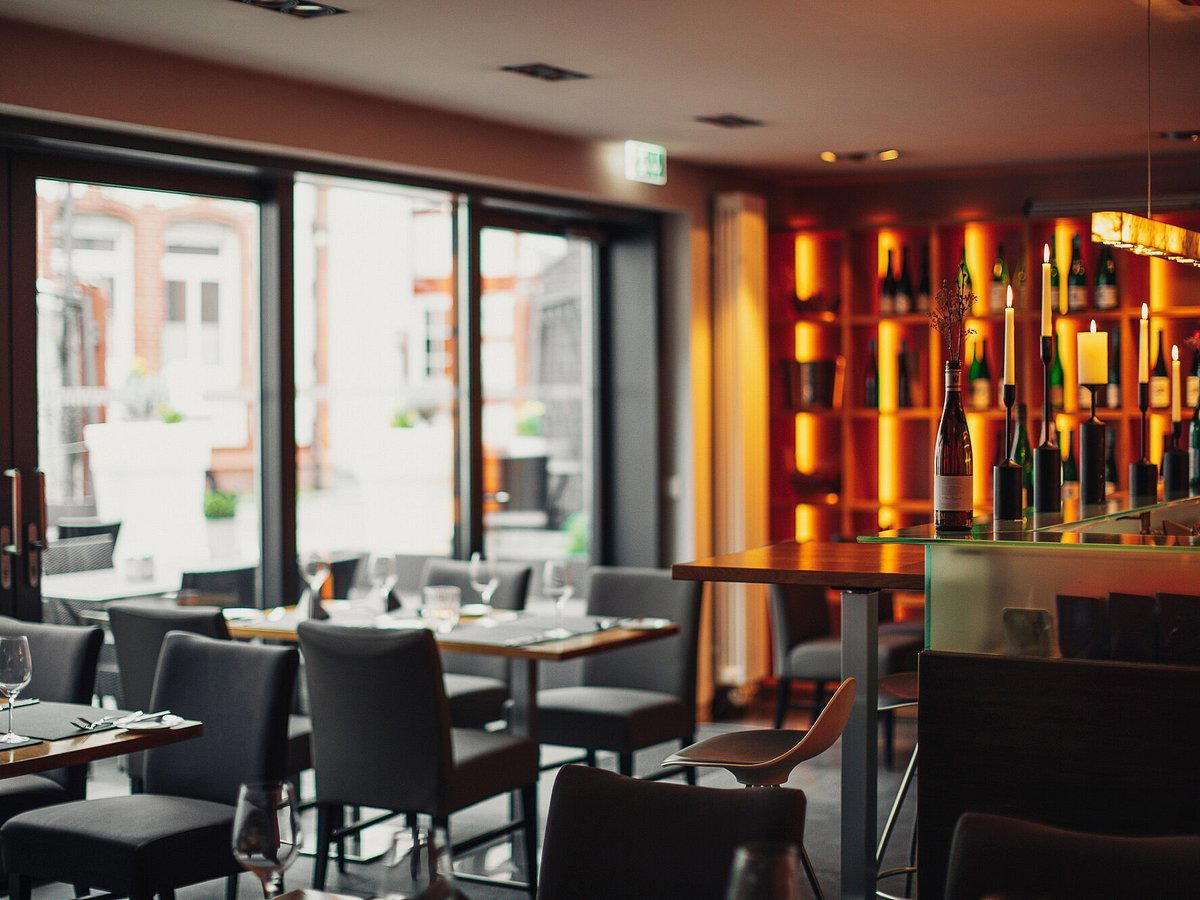
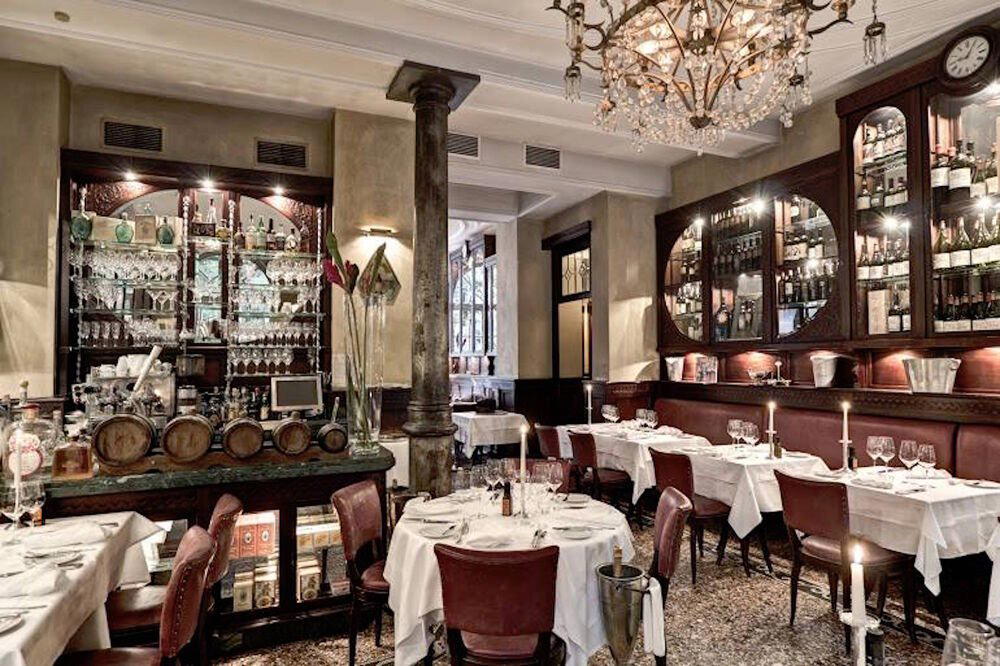
Restaurants in Geisenheim
Browse all →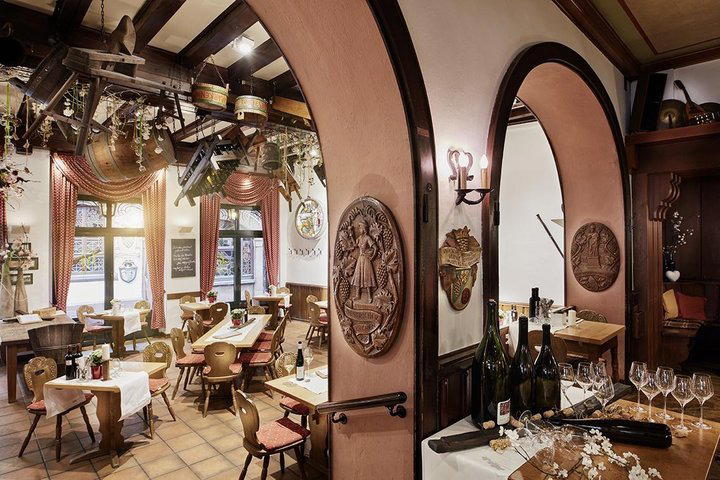
Bars in Geisenheim
Browse all →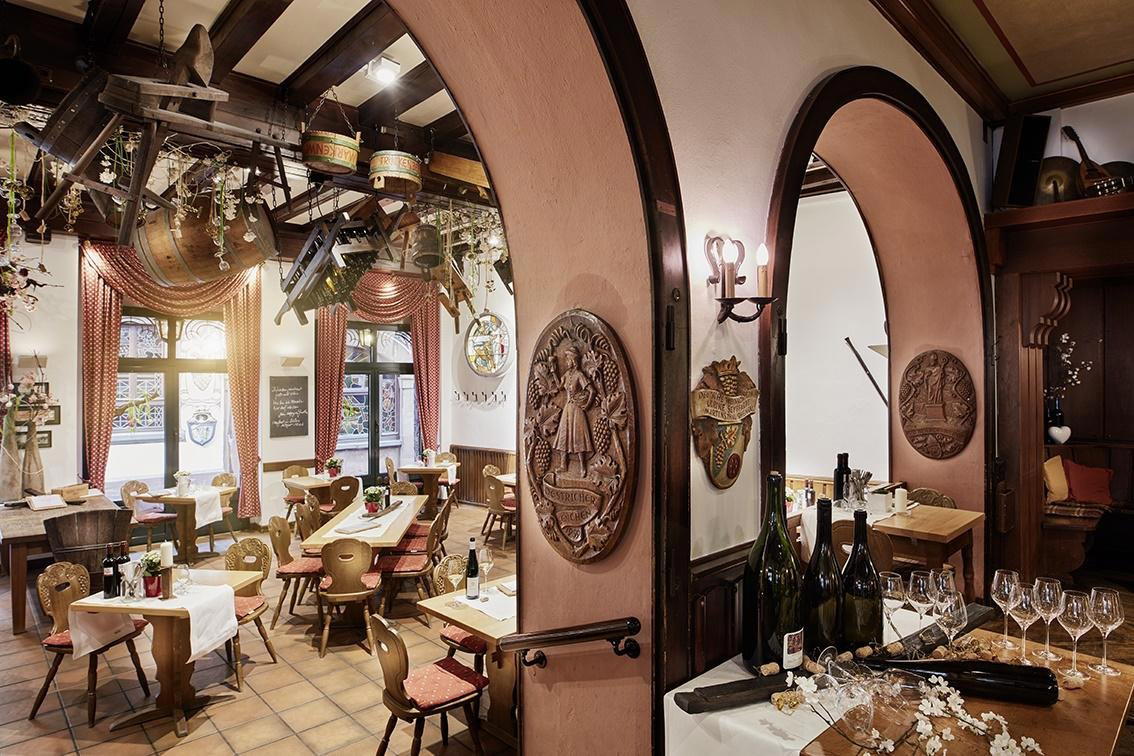
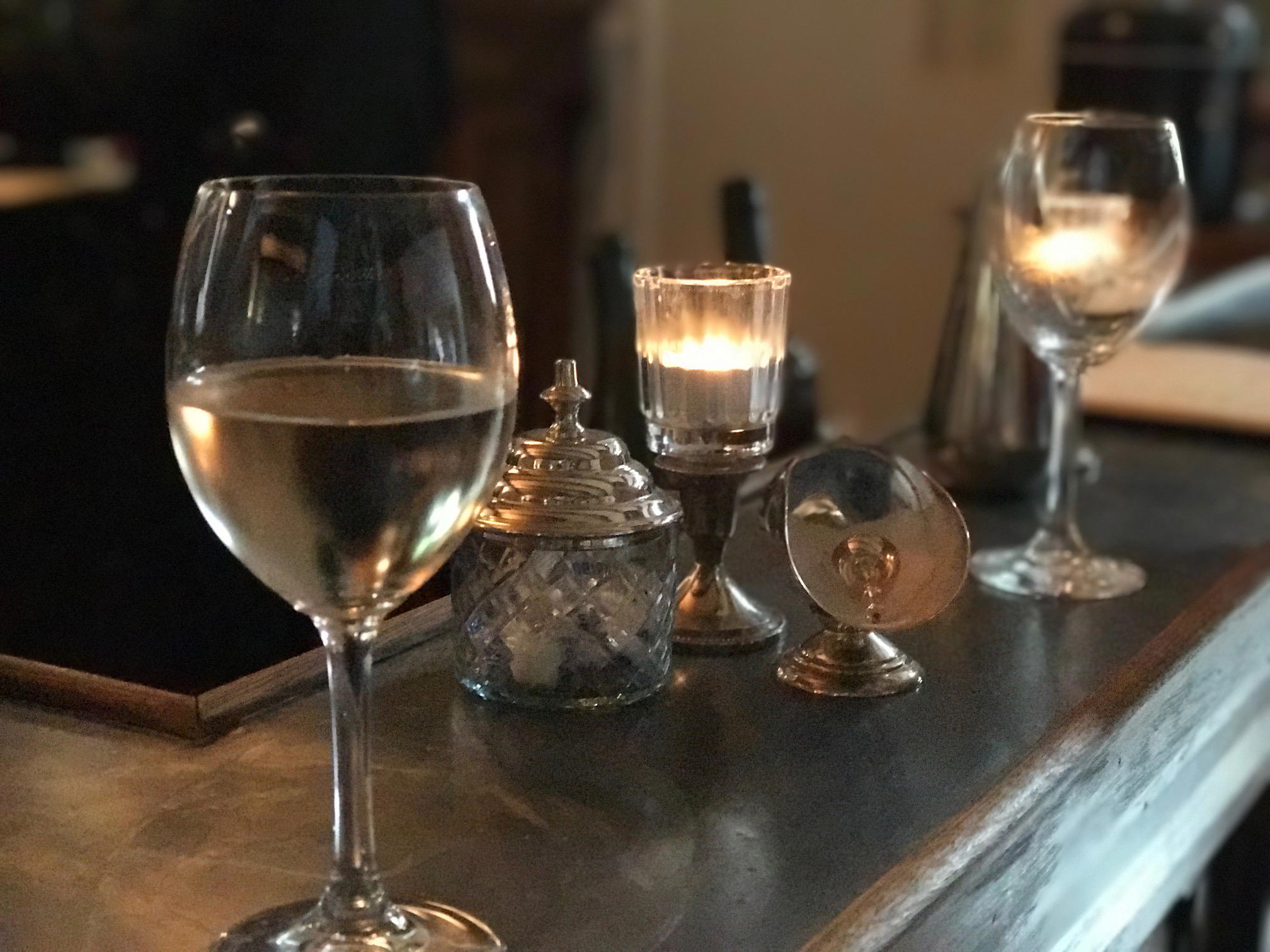

Hotels in Geisenheim
Browse all →
At a Glance
- Romantic
- Elegant
- Classic
- Scenic
- Date Night
- Special Occasion
- Terrace
- Historic Building
- Hotel Restaurant
- Extensive Wine List
- Local Sourcing
- Vineyard
- Street Scene
Current opening hours
- Monday
- 12:30–2:30 PM, 6–10:30 PM
- Tuesday
- 12:30–2:30 PM, 6–10:30 PM
- Wednesday
- 12:30–2:30 PM, 6–10:30 PM
- Thursday
- 12:30–2:30 PM, 6–10:30 PM
- Friday
- 12:30–2:30 PM, 6–10:30 PM
- Saturday
- 12:30–2:30 PM, 6–10:30 PM
- Sunday
- 12:30–2:30 PM, 6–10:30 PM
Hours can change for holidays and private events. Last verified .
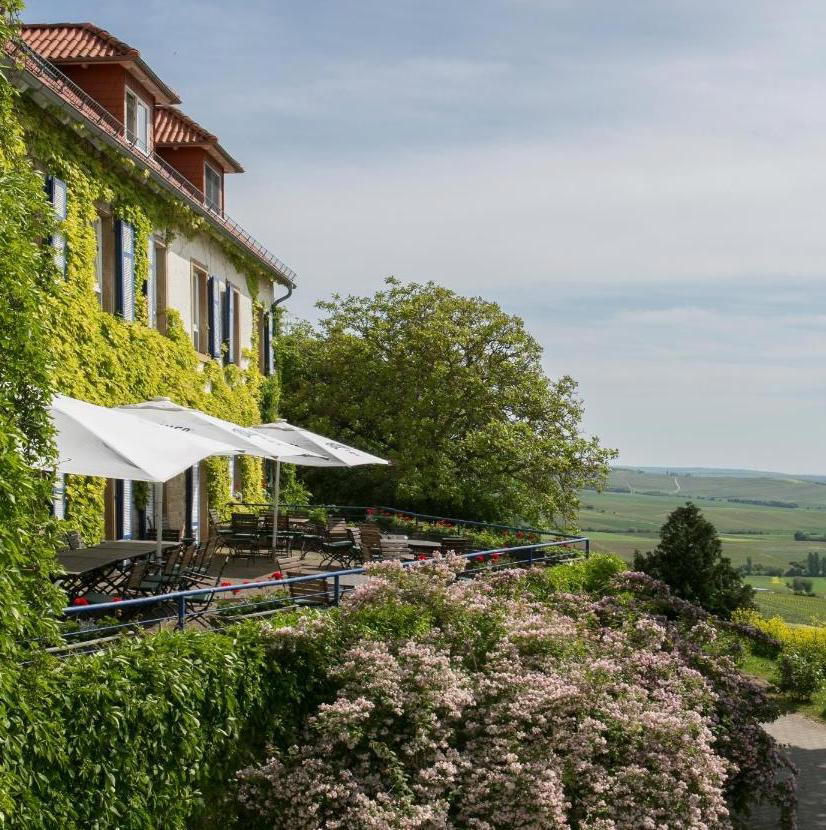
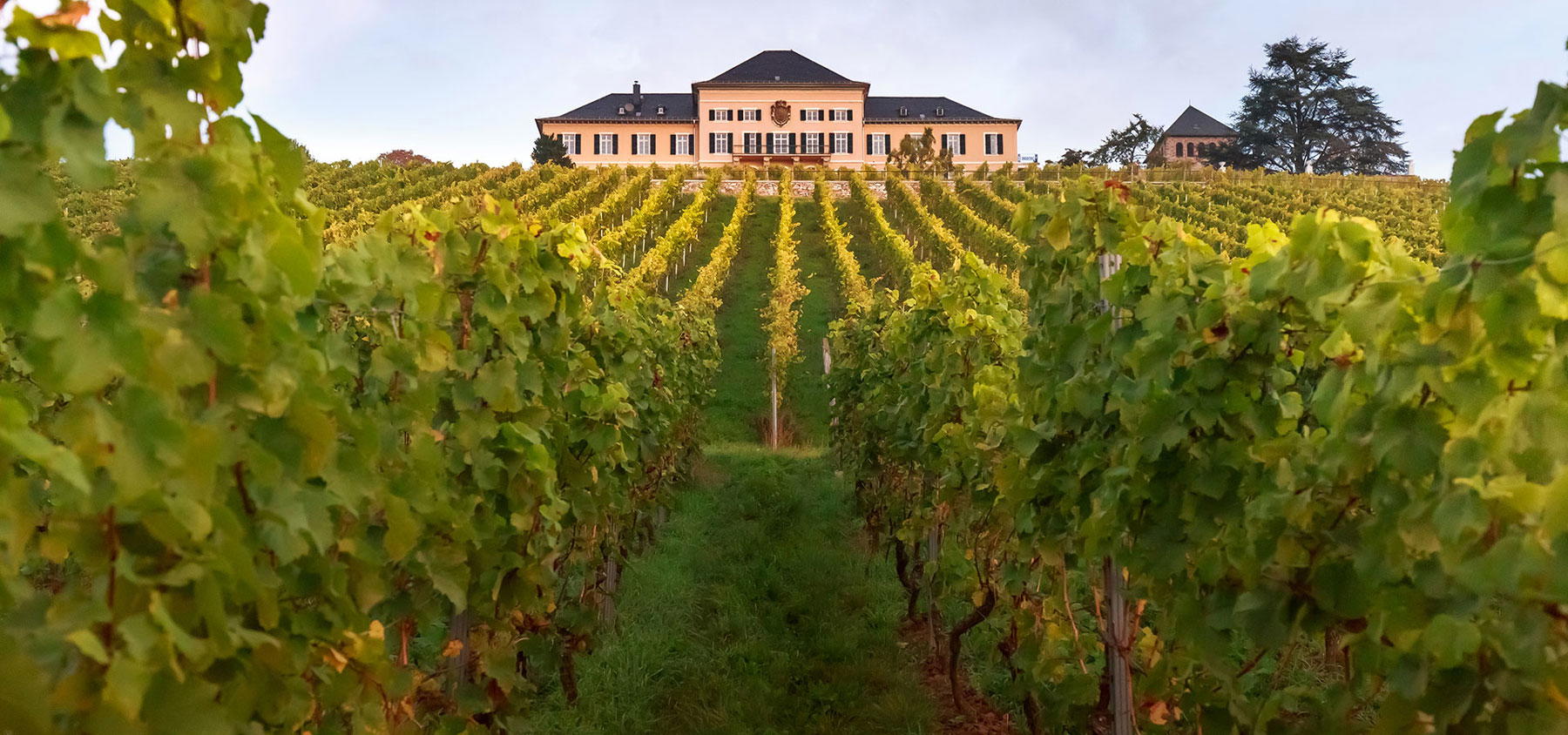
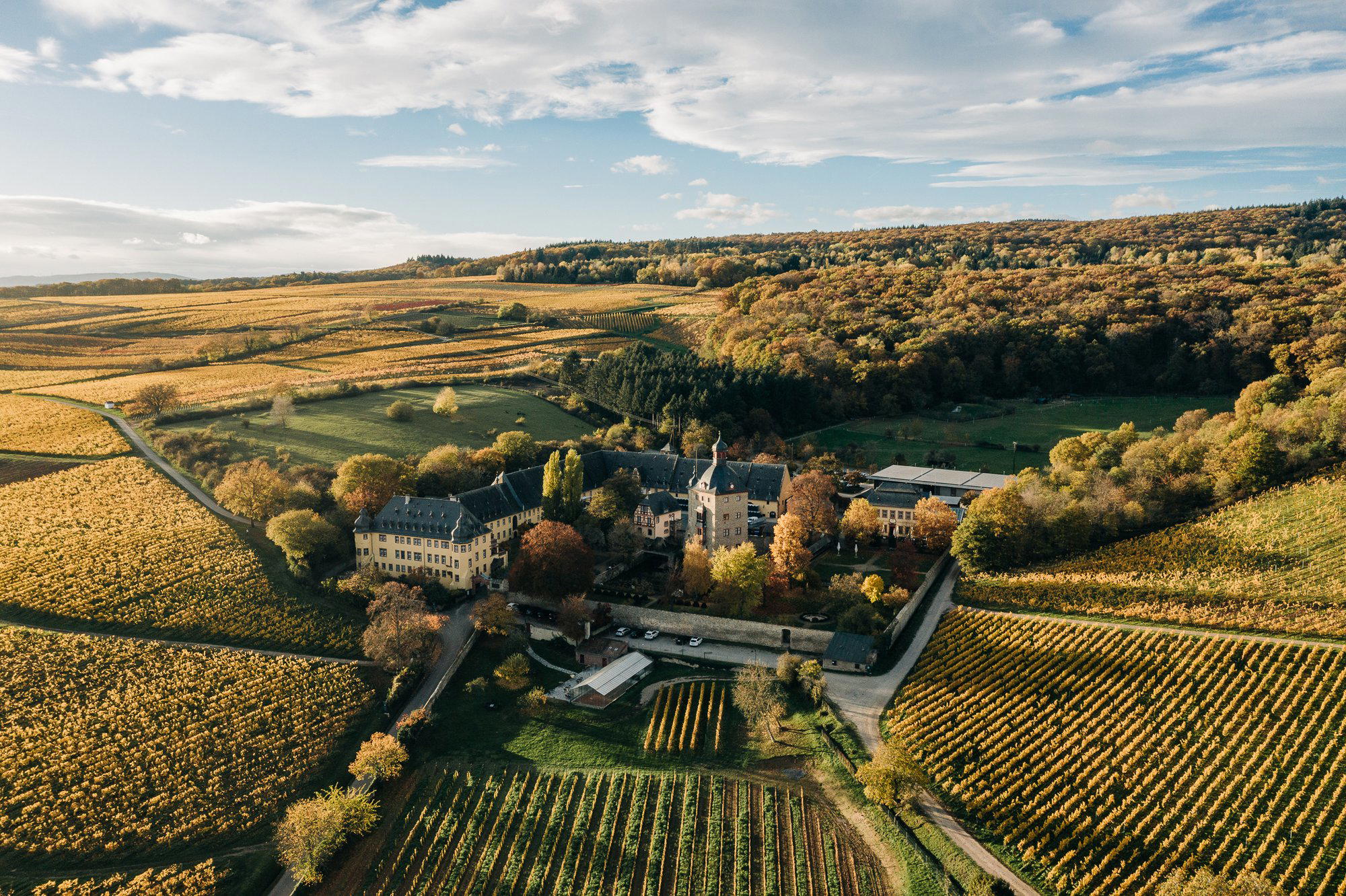
Classic elegant castle ambiance with sunny terrace views of vines; warm, professional service.
Know Before You Go
- Getting there
- Rosengasse 32, 65366 Geisenheim, Germany