A long-running Korean comfort institution on Bloor West, Buk Chang Dong Soon Tofu draws a fiercely loyal following for its soon tofu jjigae, served bubbling in stone pots at the table. The room is no-frills, the portions are generous, and the regulars rarely need to look at the menu. For Toronto's Korean community and those who know, it functions as a reliable benchmark in a city with a growing Korean dining scene.
Pearl is the En Primeur Club membership app — saves, bookings, and concierge access live there. Same editors, same standards.
- Address
- 691 Bloor St W #201, Toronto, ON M6G 1L3, Canada
- Phone
- +1 416 537 0972
- Website
- bukchangdongsoontofu.com
- Directions
- Get directions
 Saves & bookings on Pearl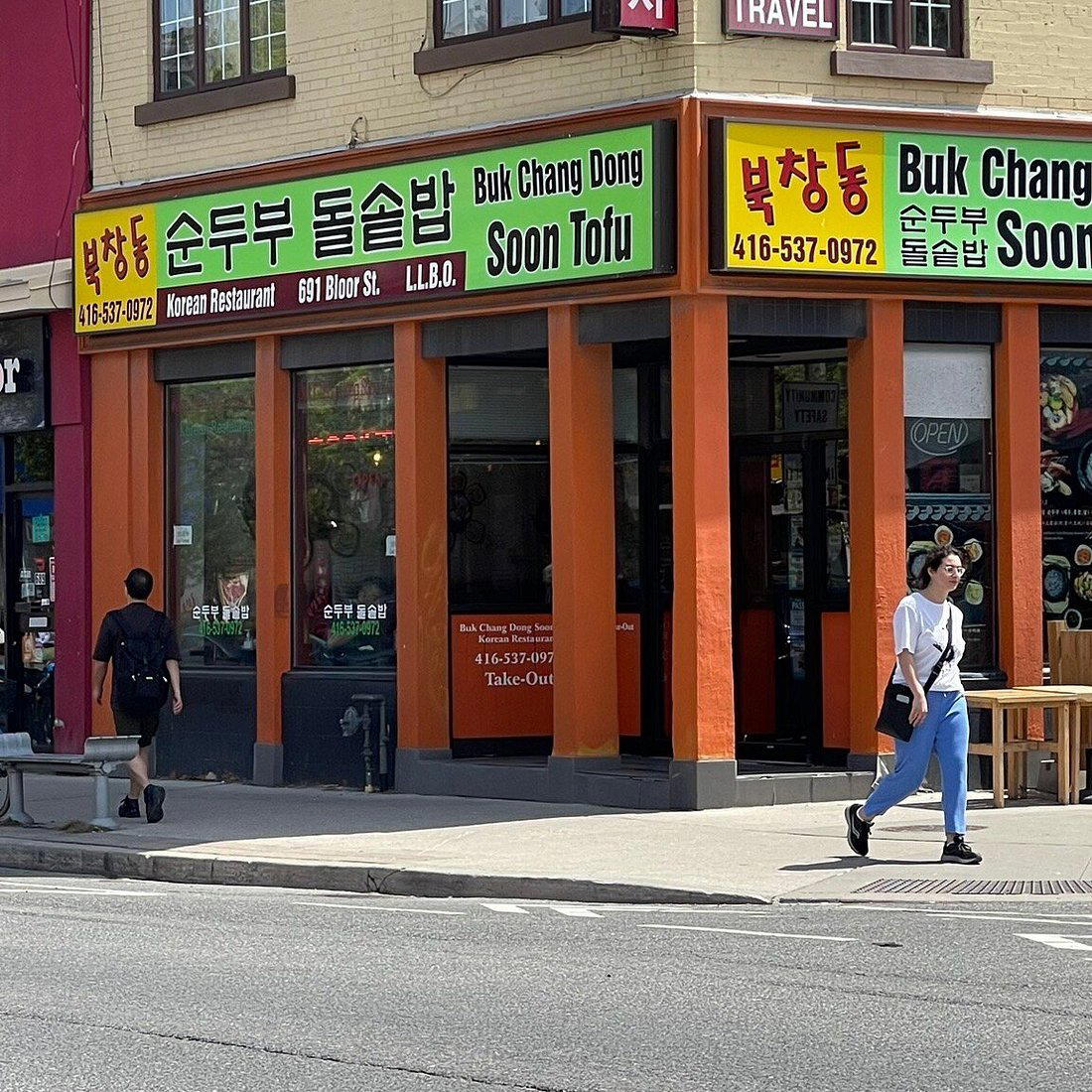
The Room Before the Food
The second-floor address on Bloor Street West sets a tone before you sit down. A staircase separates the restaurant from the street-level foot traffic of the Annex, and the dining room is simple to the point of being deliberately so. Bare tables, fluorescent clarity, stone pots arriving on metal trivets with the kind of aggressive simmer that makes neighbouring diners glance over. This is not a room designed to slow you down for an aperitif. It is designed to get soup in front of you quickly, and it does.
In a city where Korean dining spans everything from barbecue to more refined preparations, places like this occupy a different and more durable role. They are the restaurants the community itself returns to, not because there is nothing newer or more elaborate, but because the format has not drifted. Soon tofu specialists sit apart from all of that, operating in a register that prioritises repetition over novelty.
What Keeps the Regulars Coming Back
Soon tofu jjigae, the soft tofu stew that defines this restaurant's identity, is a dish with a narrow margin for error when the audience knows it well. Regulars at Buk Chang Dong Soon Tofu are not evaluating the dish against a broad international frame of reference. They are measuring it against their own accumulated memory of how it should taste, how the tofu should yield, and how the broth's heat level should build across the bowl. That is a harder standard to meet than a first-time visitor's curiosity, and the restaurant has sustained it across years of regular service.
The unwritten menu at a place like this is the order the regulars don't have to say out loud: the spice level already understood by the server, the side dishes arriving without prompting in their correct quantity, the stone pot placed with the confidence of someone who has done it ten thousand times. For newcomers, the lesson is to follow that pattern rather than work against it. Pick a heat level, commit to it, and let the format do its work.
This kind of restaurant functions as a counterweight to the formal Korean dining experiences arriving in Toronto's higher price brackets. For context, the premium end of Toronto dining, represented by tasting-menu operations like Alo (Contemporary) or the kaiseki precision of Aburi Hana (Kaiseki, Japanese), prices against international comparable venues and requires advance booking. Soon tofu counters like this one price against accessibility and fill on walk-in traffic, serving a different but equally important function in a complete dining city.
The Dish in Its Tradition
Soon tofu jjigae originated as peasant food in Korea, a dish built around silken tofu and whatever protein or vegetables were available, brought to a violent boil and served in the earthenware pot that retained heat through the meal. The version that migrated to diaspora communities in North America adapted over decades, with Los Angeles developing its own identifiable regional variation through the late twentieth century, and Canadian cities absorbing Korean immigration patterns that brought the dish with them.
The restaurant's name references Buk Chang Dong, a neighbourhood in Seoul associated with a particular style of the dish, grounding its version in a specific regional lineage rather than a generic Korean-American hybrid. That claim to origin matters to the regulars who grew up eating it and who use the restaurant as a reference point when discussing where the dish is done correctly in Toronto.
The format holds across the meal: rice arrives separately, meant to be portioned into the stew or eaten alongside it. Banchan, the small side dishes, come as a matter of course. The stone pot stays hot enough through the last spoonful that pacing matters. These are not theatrical elements. They are functional components of a dish that has worked the same way for generations.
Placing This in Toronto's Broader Scene
Toronto's dining identity has spent the past decade consolidating around a handful of internationally recognised formats, from the raw counter Japanese dining represented by Sushi Masaki Saito (Sushi, Japanese) to Italian-inflected contemporary cooking at DaNico (Italian) and Don Alfonso 1890 (Contemporary Italian, Italian). Korean food in that conversation has largely been represented by barbecue and fusion formats. The soon tofu specialist occupies a quieter position, less visible to the city's wider dining press but more embedded in the daily habits of the communities that rely on it.
That embeddedness is what gives restaurants like this durability. They are not chasing an audience that discovered Korean food recently. They are serving people for whom this is Tuesday dinner, not an occasion. The difference in those two audiences produces different restaurants, and both have value in a city with Toronto's scale and diversity. For comparison across Canada, the precision-driven approaches at Tanière³ in Quebec City or Restaurant Pearl Morissette in Lincoln represent a different national dining conversation, as do destination-worthy rooms like the Fogo Island Inn Dining Room in Joe Batt's Arm or Eigensinn Farm in Singhampton. Further afield, rooms like AnnaLena in Vancouver, Jérôme Ferrer - Europea in Montreal, or Narval in Rimouski show how differently Canadian cities are building their respective dining identities. For international reference points in comfort-driven yet technically serious cooking, Le Bernardin in New York City and Lazy Bear in San Francisco each demonstrate what happens when accessible formats meet serious craft ambition, while The Pine in Creemore, Busters Barbeque in Kenora, and Cafe Brio in Victoria illustrate how regional Canadian dining develops its own logic outside urban centres.
Planning Your Visit
The Bloor West address places the restaurant within walking distance of Christie and Bathurst subway stations, with the Annex neighbourhood's density making it direct to combine with other stops on the same stretch. The second-floor location means the entrance is easy to miss on a first visit. Walk-in traffic is the operating model for a restaurant like this; the format does not lend itself to extended waits for a reservation, and the turnover is quick enough that queuing outside for a short period is the standard approach during peak hours. Arrive early in the dinner service or come at lunch to avoid the longest waits.
- Combination Soon Tofu
- Seafood Soon Tofu
- Dumpling Soon Tofu
- Soybean Soon Tofu
- Bulgogi
- Bibimbap
Price and Recognition
Comparable venues nearby, for context on price, style, and recognition.
| Venue | Cuisine | Price | Notes |
|---|---|---|---|
| Buk Chang Dong Soon TofuThis venue — the venue you are viewing | Koreatown, Korean Soon Tofu Stew | $ | Not listed |
| The Owl on Bloor | Koreatown, Traditional Korean | $ | Not listed |
| Jollibee | Downtown Yonge, Filipino Fast Food | $ | Not listed |
| Seven Lives Tacos y Mariscos | Kensington, Baja-style Tacos y Mariscos | $ | Not listed |
| Comma | Kensington-Chinatown, Modern Korean | $$ | Not listed |
| Tacos El Asador | Not listed | $ | Koreatown, Authentic Salvadoran & Mexican Street Food |
Continue exploring
More in Toronto
Restaurants in Toronto
Browse all →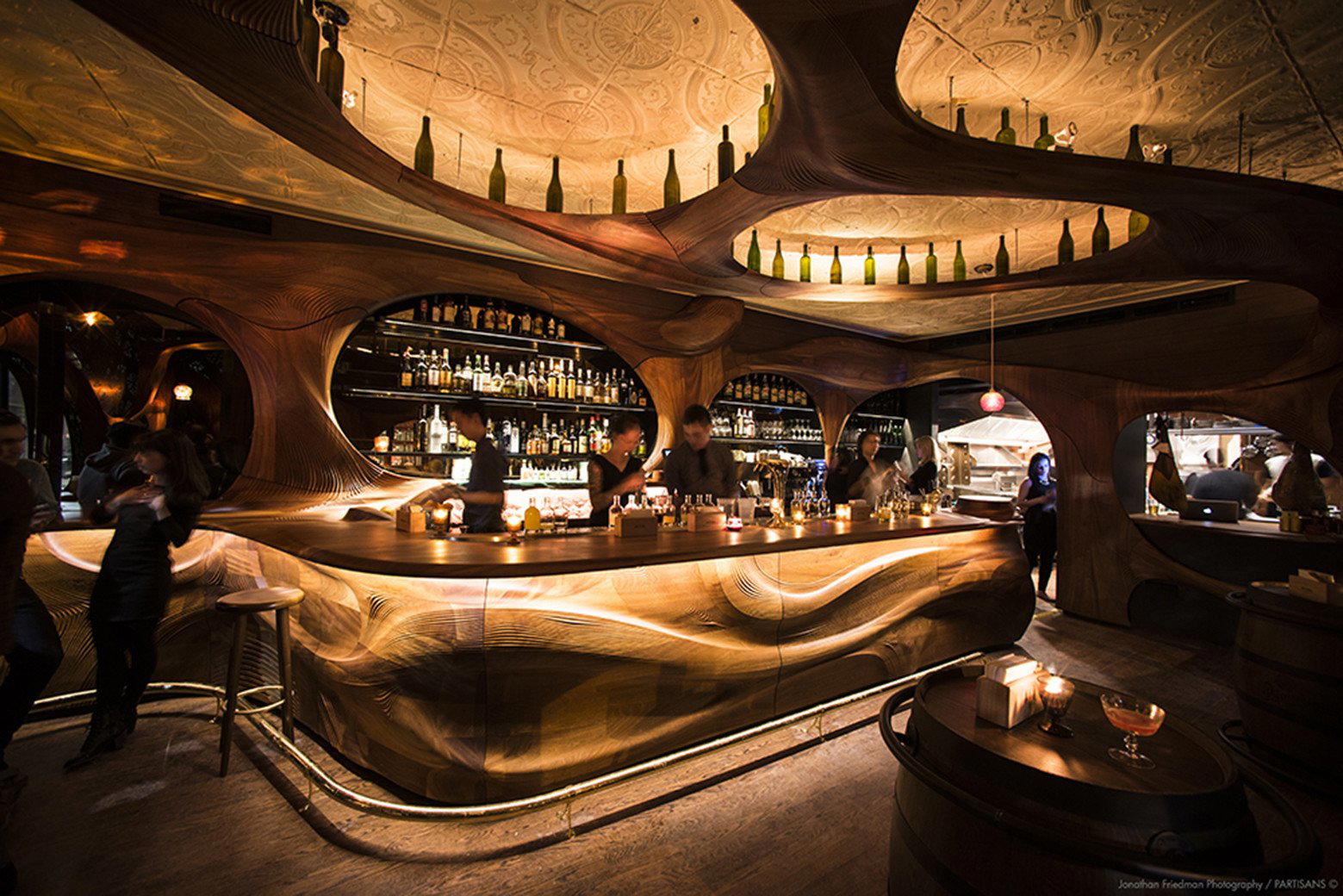
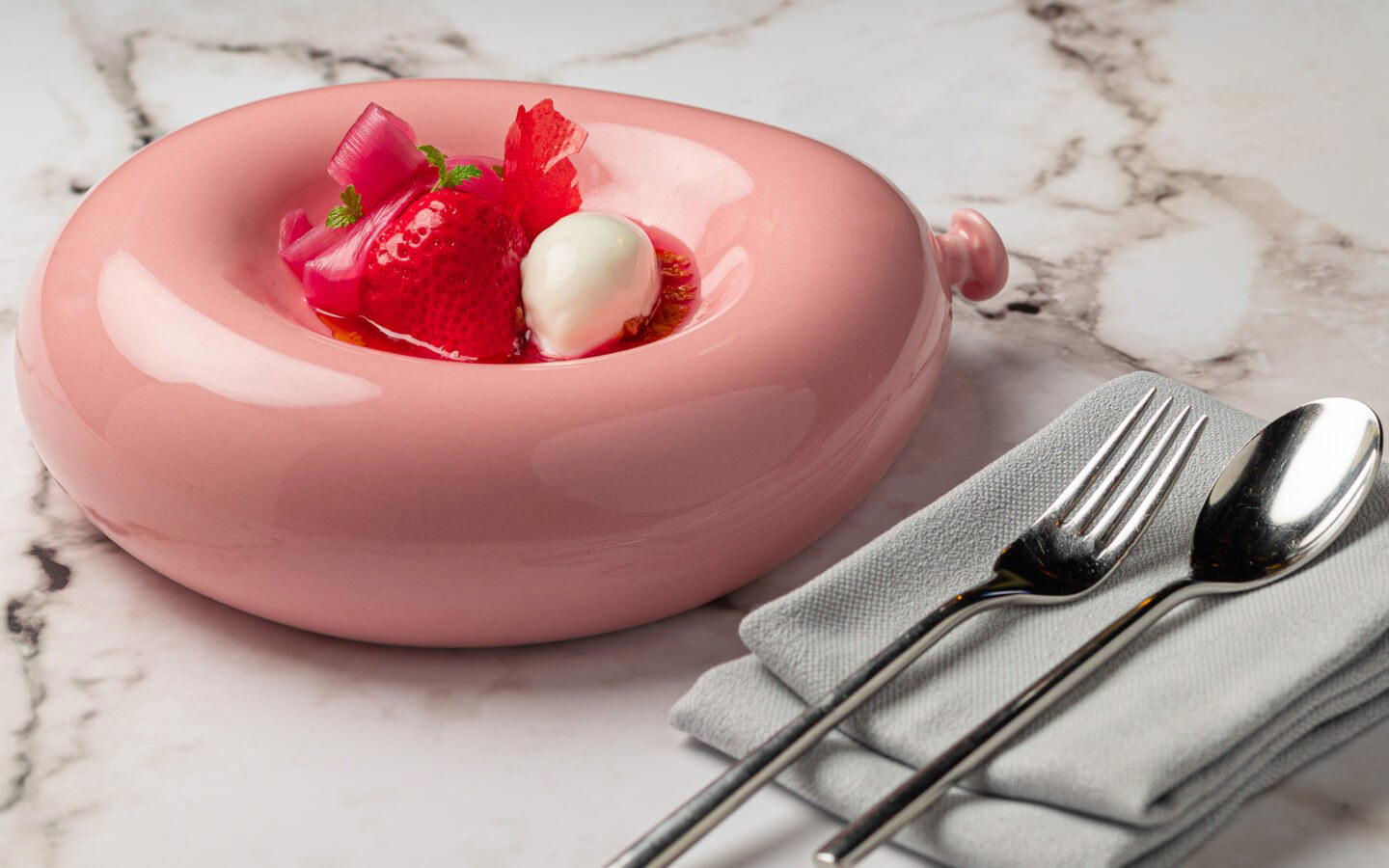
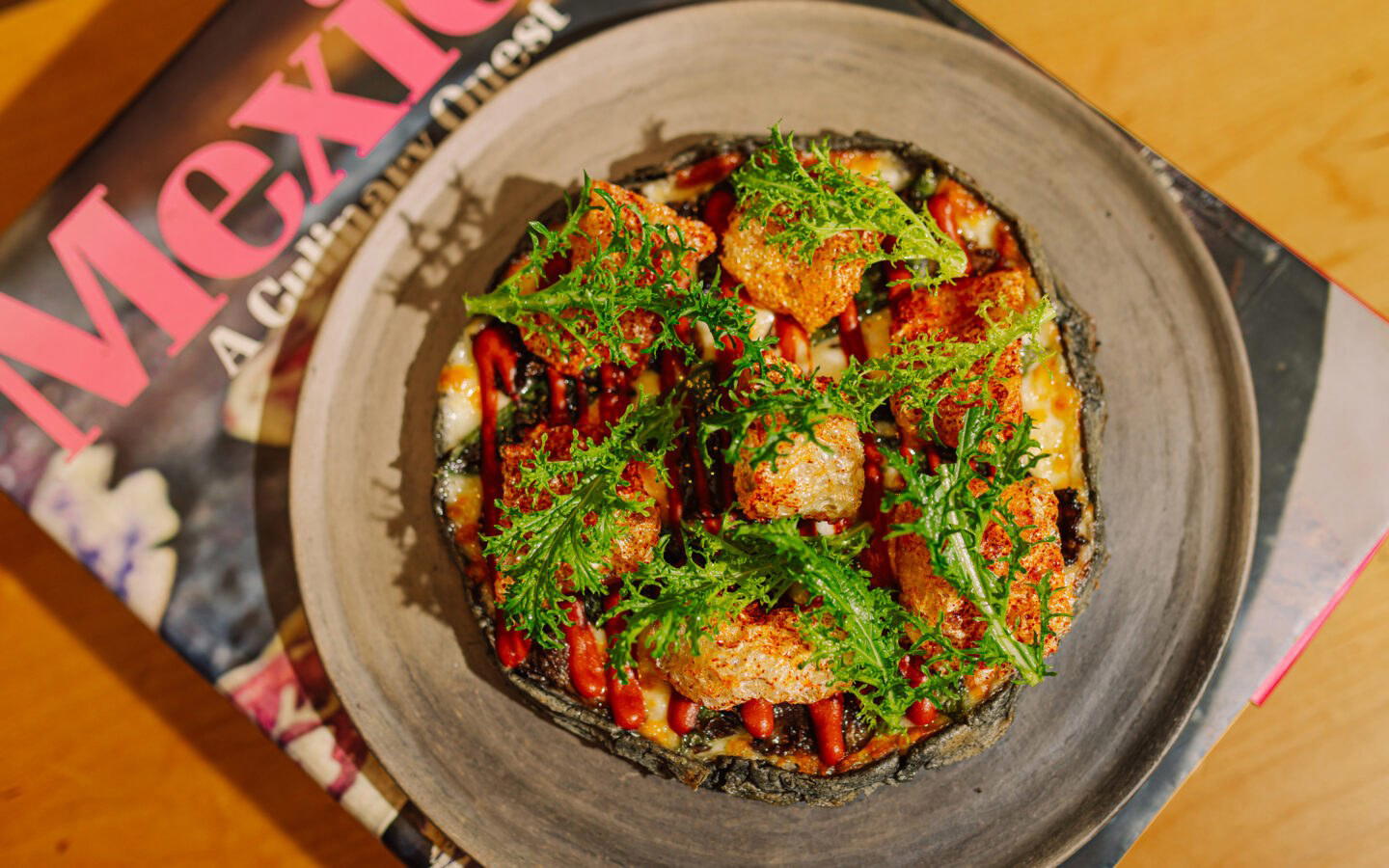
Bars in Toronto
Browse all →
Hotels in Toronto
Browse all →

At a Glance
- Cozy
- Casual
- Lively
- Casual Hangout
- Group Dining
- Family
- After Work
- Standalone
- Beer Program
Current opening hours
- Monday
- 11 AM–10:30 PM
- Tuesday
- 11 AM–10:30 PM
- Wednesday
- 11 AM–10:30 PM
- Thursday
- 11 AM–10:30 PM
- Friday
- 11 AM–10:30 PM
- Saturday
- 11 AM–10:30 PM
- Sunday
- 11:30 AM–10 PM
Hours can change for holidays and private events. Last verified .
No-frills, casual, and bustling with packed tables; warm and welcoming with an authentic Korean comfort-food atmosphere; dimly lit with steaming stone bowls creating an energetic dining experience.