Brunch Cocoonbox Clermont, Riom et Agglo
Brunch Cocoonbox Clermont, Riom et Agglo: Homemade French Brunch Boxes on Av. Thermale in Chamalières pair with local sourcing, quiet pacing, and casual service for a brunch-focused stop.
Pearl is the En Primeur Club membership app — saves, bookings, and concierge access live there. Same editors, same standards.
- Address
- Av. Thermale, 63400 Chamalières, France
- Phone
- +33678989569
- Website
- brunch-cocoonbox.fr
- Directions
- Get directions
 Saves & bookings on Pearl
Brunch in the Auvergne: What Sunday Morning Looks Like at Thermal Avenue
Chamalières sits immediately west of Clermont-Ferrand, separated from the regional capital by little more than a boulevard and a change in postal code. The avenue Thermale that runs through it carries the memory of a spa town that once drew visitors from across the Massif Central, and the buildings along it still carry that unhurried, late-nineteenth-century register. It is in this context that Brunch Cocoonbox Clermont, Riom et Agglo operates: a weekend brunch address on a street more accustomed to mineral-water cures than contemporary dining formats, which gives it a character that the standard urban brunch spot does not have.
The brunch format across provincial France has expanded considerably over the past decade. Where the concept once felt imported and slightly self-conscious outside Paris, cities like Clermont-Ferrand and their satellite communes have developed a version of it that sits more comfortably alongside local produce rhythms. The Auvergne is a region of serious raw materials: lentilles vertes du Puy carry protected designation status, Salers and Cantal cheese production is documented back centuries, and the volcanic plateau agriculture yields distinctive lamb, pork, and root vegetables that bear little resemblance to their industrial equivalents. A brunch address in this region, if it takes its sourcing seriously, has access to a supply network that comparable operations in larger French cities spend considerable effort trying to replicate. That geographic advantage is the most important structural fact about eating in this part of France, and it applies as much to a weekend brunch table as it does to a destination restaurant.
Sourcing and the Auvergne Ingredient Tradition
The Auvergne's position in French food culture is easier to understand by its ingredients than its restaurants. The region does not have the Michelin density of Burgundy or Lyon's bouchon infrastructure, but it holds a material advantage in the quality of what its farms, dairies, and charcutiers produce. For a brunch operation working within the Clermont-Ferrand metropolitan area (the Riom et Agglo designation covers the wider agglomeration to the north), proximity to these producers is a structural benefit rather than a marketing decision. Market supply from the Marché Saint-Pierre in Clermont and seasonal farm networks across the Limagne plain means that weekend cooking in this zone can draw on produce that travels measured in tens of kilometres rather than hundreds. That distance compression is significant: it affects texture, freshness, and what is actually available in a given week, which tends to make the table more seasonal and more honest than one assembled from consolidated distribution.
France's stronger brunch addresses, whether in Lyon, Bordeaux, or the larger provincial cities, have increasingly distinguished themselves by the specificity of their sourcing claims rather than the breadth of their menus. The table that can say where its eggs come from, which fromagerie supplied the morning cheese board, and which charcutier prepared the cured meats is operating with a transparency that the format increasingly rewards. In the Auvergne context, that transparency is a lower bar to clear than in regions with less distinctive agricultural identity, but it is no less meaningful for being accessible.
How Chamalières Fits Into the Regional Dining Picture
Chamalieres is not a dining destination in the way that certain French villages have become known specifically for a single restaurant. It functions instead as a residential and historical commune whose dining offer reflects a local, repeat-customer logic rather than a destination-visitor one. That distinction matters: a brunch address here is likely serving the same families on a rotating basis across the year, which tends to produce a different kind of operation than one calibrated for passing trade. The quality pressure in that context comes from familiarity rather than novelty, and the expectation of consistency is higher. For a visitor from Clermont-Ferrand or passing through the Puy-de-Dôme, it represents the kind of neighbourhood-scale operation that rarely appears in international travel coverage but is often where the most grounded and least performative eating happens.
For context on the broader French dining spectrum, the country's most-documented restaurants operate at a different register entirely. Three-Michelin-star operations like Flocons de Sel in Megève, Mirazur in Menton, Alléno Paris au Pavillon Ledoyen in Paris, and Troisgros - Le Bois sans Feuilles in Ouches define one end of the French table. Enduring regional institutions like Paul Bocuse - L'Auberge du Pont de Collonges in Collonges-au-Mont-d'Or, Bras in Laguiole, Auberge de l'Ill in Illhaeusern, Les Prés d'Eugénie - Michel Guérard in Eugénie-les-Bains, and Georges Blanc in Vonnas occupy a second tier, equally serious but rooted in longer local histories. Further afield, addresses like La Table du Castellet in Le Castellet, Auberge du Vieux Puits in Fontjoncouse, Le 1947 à Cheval Blanc in Courchevel, L'Oustau de Baumanière in Les Baux, and Maison Lameloise in Chagny map the range of serious eating across France's regions. Even internationally, benchmarks like Le Bernardin in New York City and Lazy Bear in San Francisco reflect what French culinary influence looks like when it travels. A neighbourhood brunch in Chamalières operates at none of those registers, but it is not trying to. The comparison is useful only to locate it on the map, not to diminish what it offers within its own scope.
Locally, Le Bistrot Buron represents the kind of Auvergne-anchored bistrot that shares the same general geography and a similar neighbourhood-service logic. For a fuller picture of eating in the commune, our full Chamalieres restaurants guide covers the wider options available.
Planning a Visit
Brunch Cocoonbox Clermont, Riom et Agglo is located at avenue Thermale in Chamalières, accessible from central Clermont-Ferrand in under ten minutes by car and reachable by the municipal bus network that connects the two communes. The venue's current contact details, hours, and booking options are best confirmed directly, as no phone or website information is held in public records at this time. Weekend mornings in provincial French towns tend to fill casual dining rooms earlier than visitors expect; arriving by mid-morning is generally advisable for weekend brunch formats of this type. Pricing and menu details are not available for independent confirmation, so treating this as a walk-in discovery rather than a pre-planned reservation may be the most practical approach until current operational information is available.
How Brunch Cocoonbox Clermont, Riom et Agglo in Chamalières compares with similar nearby venues.
| Venue | Cuisine | Price |
|---|---|---|
| Radio | Modern Cuisine | €€€€ |
| La Flèche d'Argent | Modern Cuisine | €€€ |
Continue exploring
More in Chamalières
Restaurants in Chamalières
Browse all →
Bars in Chamalières
Browse all →
At a Glance
- Cozy
- Brunch
- Family
- Standalone
- Local Sourcing
Current opening hours
- Monday
- 9 AM–8 PM
- Tuesday
- 9 AM–8 PM
- Wednesday
- 9 AM–8 PM
- Thursday
- 9 AM–8 PM
- Friday
- 9 AM–9 PM
- Saturday
- 8 AM–9 PM
- Sunday
- 8 AM–1 PM
Hours can change for holidays and private events. Last verified .
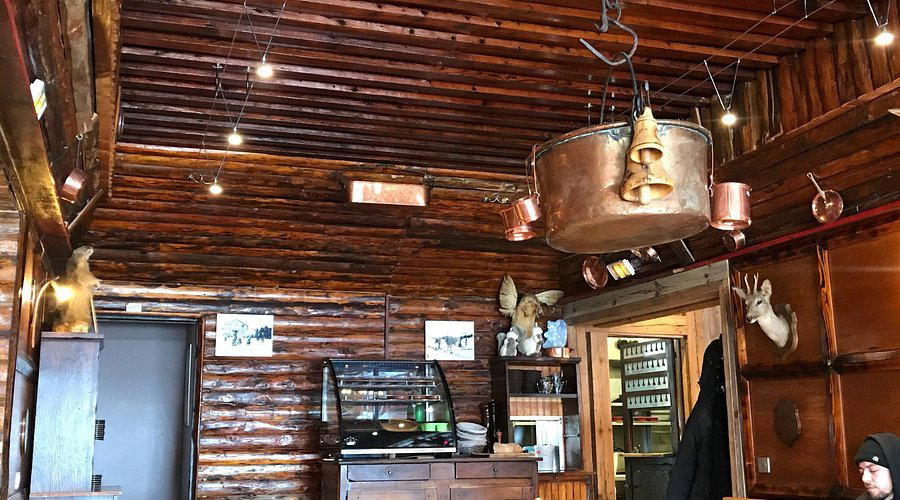
Cozy and comforting homemade brunch atmosphere enjoyed in the comfort of home.