
Gault & Millau Exceptional Hotel
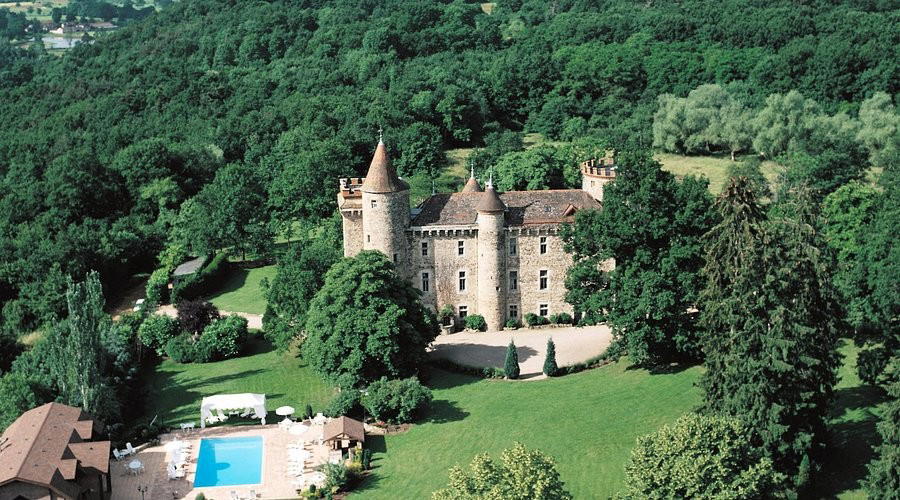
A medieval château in the Auvergne hills outside Lezoux, Château de Codignat earned Gault & Millau's Exceptional Hotel designation in 2025 with a five-point score — placing it at the sharper end of France's historic-property hotel tier. The setting is architectural: centuries-old stone, formal grounds, and an interior logic shaped by the building's own history rather than imported design language.

Pearl is the En Primeur Club membership app — saves, bookings, and concierge access live there. Same editors, same standards.
- Address
- Chateau de Codignat, 63190 Bort-l'Étang
- Phone
- +33 4 43 97 64 90
- Website
- chateaudecodignat.fr
- Directions
- Get directions
Stone, History, and the Auvergne Interior
France has a deep inventory of château hotels, but they occupy a wide spectrum. At one end sit the Loire Valley showpieces — formally restored, often institutional in scale, occasionally more museum than hotel. At the other are the smaller, less-visited regional properties where the architecture does the heavy lifting and the surrounding countryside, rather than a famous wine appellation or coastal postcard, frames the experience. Château de Codignat sits firmly in the latter category, in the Puy-de-Dôme department of Auvergne — a region better known for volcanic geology and Michelin-starred kitchens in Clermont-Ferrand than for luxury hospitality. That relative obscurity is precisely what defines its competitive position.
The building itself is medieval in origin, reworked across successive centuries in the way that most inhabited French châteaux have been, accumulating towers, wings, and formal gardens rather than being designed in a single gesture. The result is architecture that feels genuinely stratified: thick limestone walls, mullioned windows, steeply pitched rooflines, and the kind of spatial irregularity that no contemporary restoration can fully iron out. For guests accustomed to the cleaned-up aesthetic of, say, Château du Grand-Lucé in Le Grand-Lucé or the polished Provençal idiom of Château de la Gaude in Aix-en-Provence, Codignat reads differently, older in feel, more idiosyncratic in its proportions.
What the Gault & Millau Rating Actually Signals
In 2025, Château de Codignat received Gault & Millau's Exceptional Hotel designation with a five-point score. That classification places it within a small cohort of French properties that the guide treats as genuinely distinguished, not merely comfortable or well-maintained. Gault & Millau's hotel scoring examines setting, welcome, cuisine, and character in combination, which means a five-point Exceptional designation is harder to earn purely on room quality alone. The overall experience, including the table, has to cohere. For a château in Auvergne, rather than in the Luberon or along the Champagne route, that recognition carries particular weight: it positions Codignat outside the default luxury-hotel circuit and into a more specific tier of French hospitality where provenance and architectural integrity count as much as thread count.
For comparison, the French château-hotel space that earns this level of attention typically includes properties like Château de Montcaud in Sabran or Domaine Les Crayères in Reims, both operating in regions with stronger existing luxury-travel infrastructure. Codignat earns comparable recognition from a less advantaged geography, which says something about the internal consistency of what the property delivers.
The Architecture as Experience
Approaching the château along the Bort-l'Étang road, the building presents as many French medieval properties do: a composed silhouette rising from managed grounds, the stone facade reading differently depending on the light and season. The Auvergne light, cooler and more variable than Provence, less diffuse than the Atlantic coast, gives the limestone a particular quality in afternoon hours. Inside, the spatial logic follows the château's actual history. Rooms occupy the original chambers and towers, which means ceiling heights vary, corridors turn unexpectedly, and the views from different parts of the building face different aspects of the grounds and surrounding hills.
This is the opposite of the design-hotel approach, where spatial consistency is a selling point. At Codignat, the inconsistency is the point: no two rooms share the same proportions, and the building's centuries of use are legible in the architecture in ways that a purpose-built luxury hotel cannot replicate. Guests who find this appealing, and they tend to be a specific type of traveller, will find it more fully realised here than at many château conversions that have smoothed out the historical roughness in pursuit of uniformity.
That architectural character also extends to the grounds. The formal gardens that frame the building are part of the same heritage logic: structured planting, stone terracing, and managed vistas that were designed in relationship to the château's facades. Spending time outside the building is not incidental to the stay, the grounds and the architecture are in dialogue, which is what separates a château hotel from simply a historic building with bedrooms.
Placing Codignat in the Wider French Luxury Hotel Map
France's premium hotel inventory is geographically concentrated. The Côte d'Azur properties, Hotel Du Cap-Eden-Roc in Cap d'Antibes, La Réserve Ramatuelle, Airelles Saint-Tropez, command the largest share of international attention, followed by the Paris palaces such as Cheval Blanc Paris, the wine-country properties like Les Sources de Caudalie in Bordeaux and Château Lafaurie-Peyraguey, and the Alpine tier represented by Cheval Blanc Courchevel and Four Seasons Megève. Auvergne does not appear on that mental map for most luxury travellers, which is both Codignat's challenge and its argument for itself.
The properties that occupy a similar niche, historically significant buildings in undervisited French regions, earning critical recognition without the benefit of obvious location prestige, include Castelbrac in Dinard and, at a different scale, La Bastide de Gordes. What connects them is the primacy of place: the building and its setting are the product, and the hospitality infrastructure exists in service of that, rather than the reverse.
Planning a Stay
Château de Codignat sits at Bort-l'Étang, near Lezoux in the Puy-de-Dôme, approximately 30 kilometres east of Clermont-Ferrand. Clermont-Ferrand has direct rail connections from Paris (around three hours on TGV) and a regional airport with service to several French cities. From Clermont-Ferrand, the château is a direct drive through the Limagne plain and into the low hills east of the city. Auvergne's tourism season peaks in summer and early autumn, when the grounds are at their most accessible and the surrounding countryside, volcanic plateau, river valleys, medieval villages, is most legible as a travel destination in its own right. The surrounding area warrants building in extra days: the Puy-de-Dôme volcanic chain, the medieval town of Thiers, and Clermont-Ferrand's own Michelin-starred dining scene all sit within reach.
For a fuller picture of dining and hospitality options in the area, see our full Lezoux restaurants guide.
Comparable Venues
Comparable venues nearby, for context on price, style, and recognition.
| Venue | Cuisine | Price | Awards | Notes |
|---|---|---|---|---|
| Château de CodignatThis venue — the venue you are viewing | Historic luxury château with contemporary comfort; positioned as a peaceful countryside escape with fine dining. | $200–300 | Gault & Millau Exceptional Hotel | Not listed |
| Maison Decoret | Renovated Napoleon III chalet with contemporary conservatory extension | Not listed | 4-Star | City Center |
| 70 Hectares & l'Océan - Fontenille Collection | Contemporary luxury resort with Californian surf lodge influences, blending modern elegance with natural forest surroundings. | $300–500 | Michelin Selected | Seignosse |
| Castel Clara | Chic seaside resort with slate-roofed buildings blending into the landscape. | Not listed | Michelin Selected | Goulphar |
| COMO Cordeillan-Bages | Luxury wine‑country château hotel blending Médoc heritage with COMO’s contemporary, high‑touch hospitality. | Not listed | Not listed | Pauillac / Bages (Médoc, Bordeaux Left Bank) |
| Hotel Sax Paris | Urban Left Bank luxury hotel blending heritage neo-Gothic architecture with contemporary art and resort-style garden living. | Not listed | 1 Michelin Key · Forbes Recommended | 7th arrondissement (Left Bank) |
Recognition history
Dated appearances from independent guides and award organizations, with the underlying list record or original source where available.
Gault & Millau Exceptional Hotel
Gault & Millau
Continue exploring
More in Lezoux
Hotels in Lezoux
Browse all →
Bars in Lezoux
Browse all →
Restaurants in Lezoux
Browse all →
Wineries in Lezoux
Browse all →
Details
- Romantic
- Classic
- Elegant
- Scenic
- Romantic Getaway
- Anniversary
- Honeymoon
- Weekend Escape
- Historic Building
- Garden
- Terrace
- Wi Fi
- Pool
- Restaurant
- Bar
- Tennis Court
- Room Service
- Concierge
- Valet Parking
- Garden
- Garden
- Wheelchair Accessible
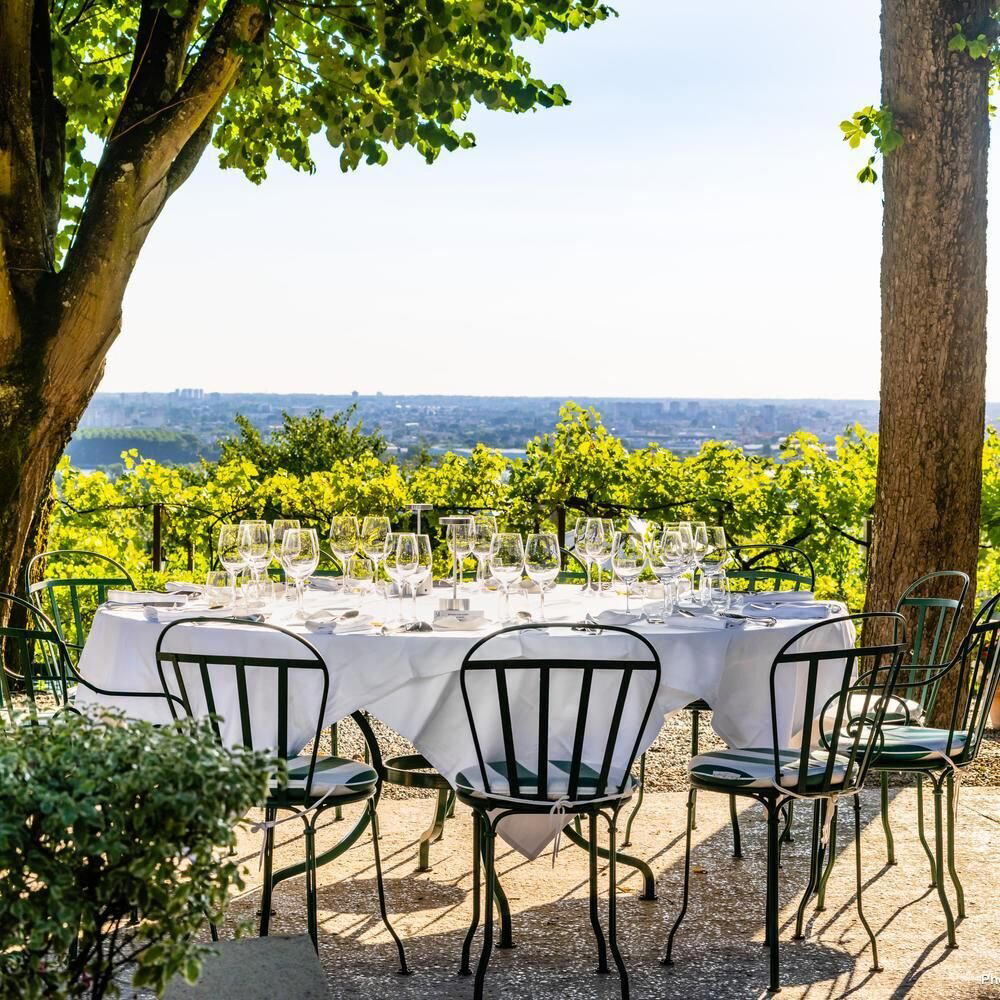
Enchanting and romantic with warm, professional service; guests describe the setting as magical, particularly outdoor dining under century-old chestnut trees with atmospheric lighting.