

Michelin Selected · Relais Chateaux Award
Hôtel Restaurant Le Pré holds two Michelin stars in 2025 and has earned designation as a culinary destination with particular depth in plant-based cuisine — a distinction that places it well outside the conventional French fine-dining template. Located in Durtol on the edge of Clermont-Ferrand, it represents one of the Auvergne region's most serious arguments for a dedicated detour.

Pearl is the En Primeur Club membership app — saves, bookings, and concierge access live there. Same editors, same standards.
- Address
- Rte de la Baraque, 63830 Durtol
- Phone
- +33 4 73 19 25 00
- Website
- restaurant-lepre.com
- Directions
- Get directions
The Auvergne's Case for Fine Dining, Made From the Ground Up
France's fine-dining map has long been drawn around Paris, Lyon, and the Riviera corridor, with the Massif Central rarely entering the conversation. That picture has been shifting, gradually, as a generation of chefs began treating volcanic terroir and regional produce as a serious creative foundation rather than a rusticity to overcome. Hôtel Restaurant Le Pré, positioned on the Route de la Baraque in Durtol — a quiet commune that sits just above Clermont-Ferrand — operates at the sharper end of that shift. Two Michelin stars in 2025 and a formal designation as a culinary destination signal a kitchen working at a level that demands to be taken on its own terms, not measured by proximity to better-known addresses.
The Michelin designation as "The Soul of Auvergne" is not incidental. In a region where the identity of the land is unusually legible, volcanic plateaux, high-altitude pastures, mineral-rich springs, a kitchen that earns that label has made a credible argument that place is the point. That argument carries more weight when it comes from the guide's starred tier rather than from the marketing copy of the property itself.
A Setting That Speaks Before the Kitchen Does
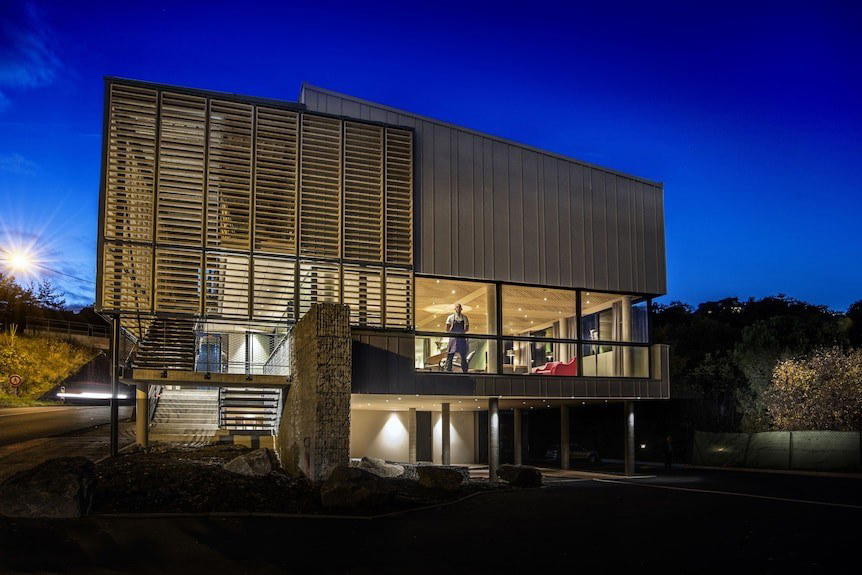
Arriving at Le Pré, the physical logic of the location announces itself. Durtol sits at an elevation above Clermont-Ferrand, and the approach along the Route de la Baraque carries the particular quality of transitioning out of an urban register into something slower and more territorial. The property occupies that threshold effectively. Where many French hotel-restaurants at this level perform grandeur through classical architecture or formal parkland, Le Pré's design vocabulary appears oriented toward the region rather than toward the conventions of the luxury hotel category. The combination of hotel and restaurant within a single property allows the experience to accumulate across arrival, dining, and the morning after in a way that a standalone restaurant cannot replicate.
The editorial angle on place-driven design is relevant here: the properties that hold their identity most coherently tend to be those where the physical environment was conceived in relation to a specific geography, not imported from a hospitality template. In the Auvergne context, that means engaging with a landscape defined by the Chaîne des Puys, a UNESCO-listed volcanic chain, and a material culture that runs from dark lava stone to the deep-rooted agricultural traditions of the Limagne plain. How a property absorbs or ignores those signals tends to determine whether it reads as genuinely rooted or as a fine-dining address that happens to be located in the countryside.
Plant-Based Cuisine as a Structural Commitment
The Michelin guide's specific citation of Le Pré for "Celebrating Plant-Based Cuisine" is worth pausing on. In France, where the culinary canon is built substantially on animal proteins, butter, and cream, a two-starred kitchen that has earned a formal distinction in plant-based cooking is operating against a significant gravitational pull. This is not a category that French fine dining has historically rewarded at the starred level, and the guide's decision to call it out alongside the stars rather than in place of them suggests a kitchen that has found a way to make the approach coherent within a demanding critical framework.
Broader context is that plant-forward fine dining has gained serious traction in European kitchens over the past decade, with addresses in Copenhagen, London, and select Spanish kitchens leading the critical reassessment. Within France, that reassessment has moved more slowly, which makes Le Pré's two-star standing in this sub-category something closer to a structural position than a trend accommodation. For guests whose dining interests run in this direction, the Auvergne's agricultural diversity, high-altitude vegetables, heritage legumes, wild foraged ingredients from the volcanic uplands, provides a credible larder. Compared with other French hotel-restaurant properties at this award tier, such as Domaine Les Crayères in Reims or Baumanière Les Baux-de-Provence, Le Pré occupies a distinct culinary position rather than a parallel one.
Where Le Pré Sits in the French Hotel-Restaurant Category
Hotel-restaurant format, where the kitchen carries Michelin recognition and the accommodation is part of the same property, is a well-established French typology, running from the grandes maisons of Burgundy to the coastal properties of the Côte d'Azur. At the upper tier, addresses like Cheval Blanc Paris or Hotel Du Cap-Eden-Roc in Cap d'Antibes compete on brand recognition and location as much as on culinary depth.
Other design-led French properties worth cross-referencing include Villa La Coste in Le Puy-Sainte-Réparade and Château de la Gaude in Aix-en-Provence, though those operate within the more trafficked Provence circuit. For our full Auvergne context, see our full Durtol restaurants guide.
Planning Your Visit
Durtol is accessible from Clermont-Ferrand, which is served by the A71 and A75 motorways and by TGV connections from Paris (approximately three hours). The property operates as a combined hotel and restaurant, making an overnight stay the logical format for guests arriving from outside the region. One closure period to build into any planning: Le Pré shuts completely, hotel and restaurant, from 18 August to 10 September 2025. Booking outside that window is required, and given the property's award profile, advance reservation for the restaurant is advisable. Additional French hotel-restaurant properties for comparison at a similar tier include Château de Montcaud in Sabran, Castelbrac in Dinard, and Château du Grand-Lucé in Le Grand-Lucé.
At-a-Glance Comparison
Comparable venues nearby, for context on price, style, and recognition.
| Venue | Cuisine | Price | Awards | Notes |
|---|---|---|---|---|
| Hôtel Restaurant Le PréThis venue — the venue you are viewing | Exclusive boutique property blending culinary excellence with intimate accommodations | Not listed | Michelin Selected · Relais Chateaux Award | Not listed |
| Auberge de la Source | Charming Normandy farmhouse hotel with authentic red-brick and half-timbered architecture. | $100–200 | Michelin Selected | Barneville-la-Bertran |
| Villa Mirasol | Historic Belle Époque family home transformed into boutique hotel | $100–200 | Michelin Selected | Trois Rivières |
| Rock Noir | Contemporary Alpine chalet | Not listed | Michelin Selected | La Salle-les-Alpes |
| Maison Nô - Hôtel et Rooftop | Intimate 4-star boutique hotel in a converted former bank in the heart of Lyon’s Presqu’île. | $100–200 | Not listed | Presqu'île |
| Chalet Hôtel Kaya | Comforting 4-star signature where luxury encounters authenticity in a ski chalet setting. | $300–500 | Michelin Selected | Village de Reberty |
Recognition history
Dated appearances from independent guides and award organizations, with the underlying list record or original source where available.
Michelin Selected
Michelin
Relais Chateaux Award
Relais Chateaux
Details
- Romantic
- Elegant
- Cozy
- Sophisticated
- Romantic Getaway
- Anniversary
- Garden
- Historic Building
- Wi Fi
- Restaurant
- Concierge
- Garden
- Air Conditioning
- Garden
- Wheelchair Accessible
- Elevator
- Step Free Entrance
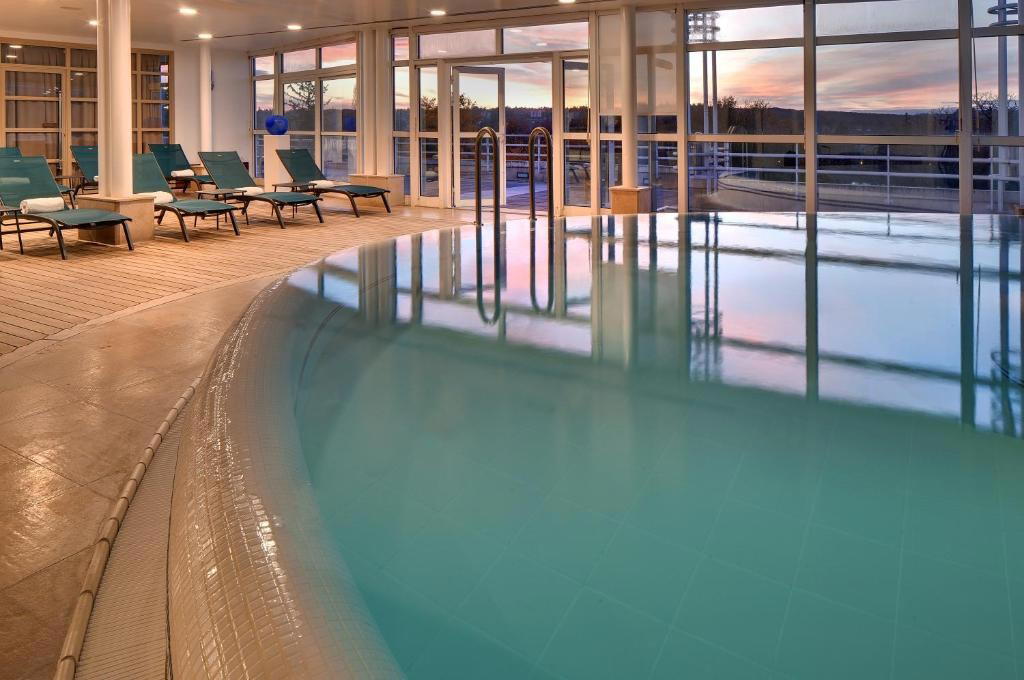
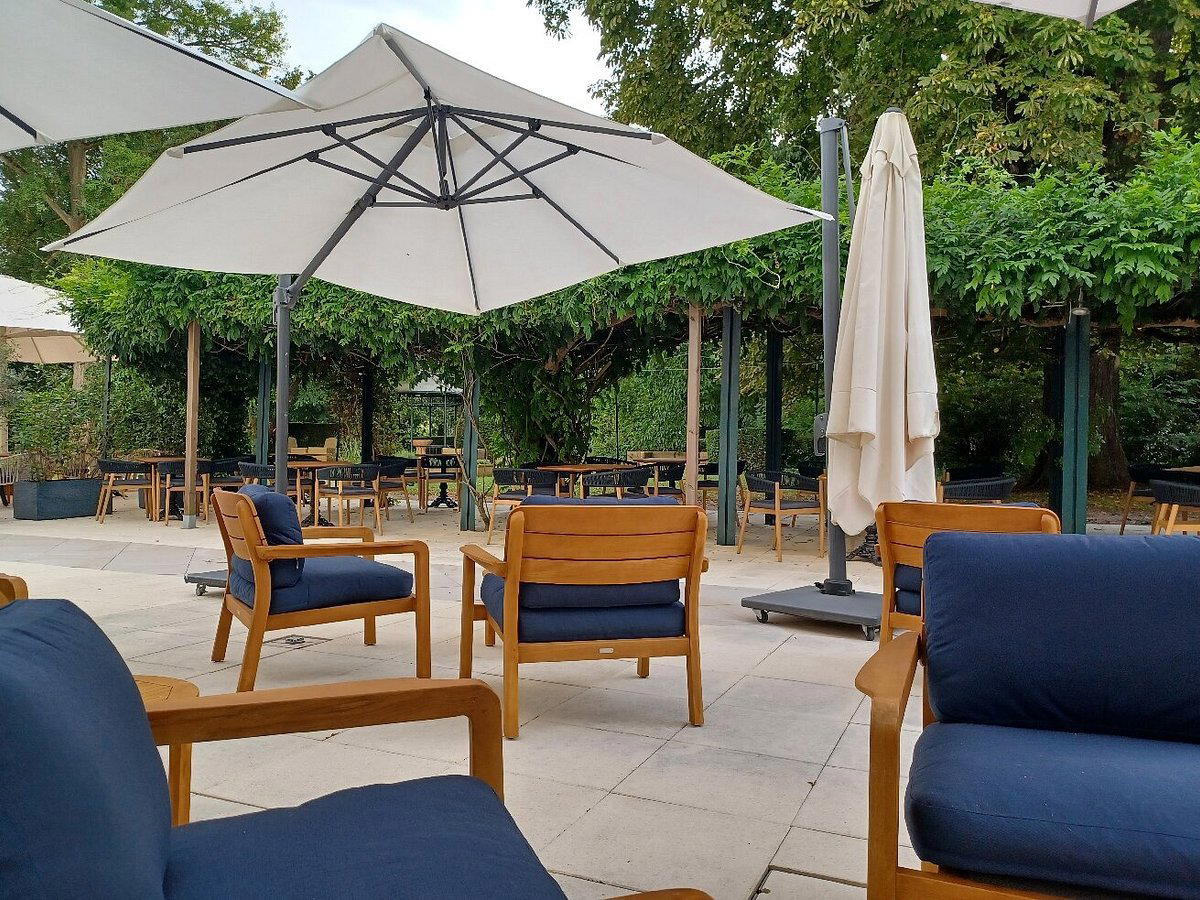
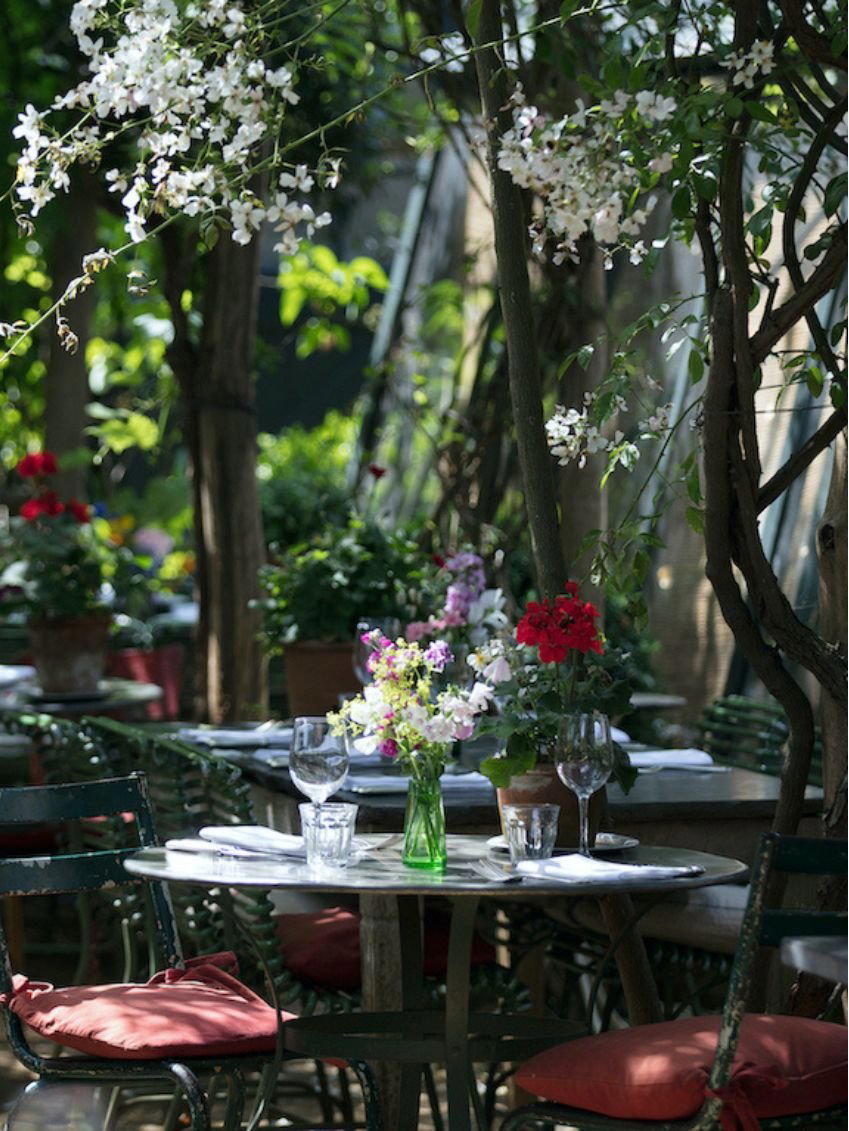
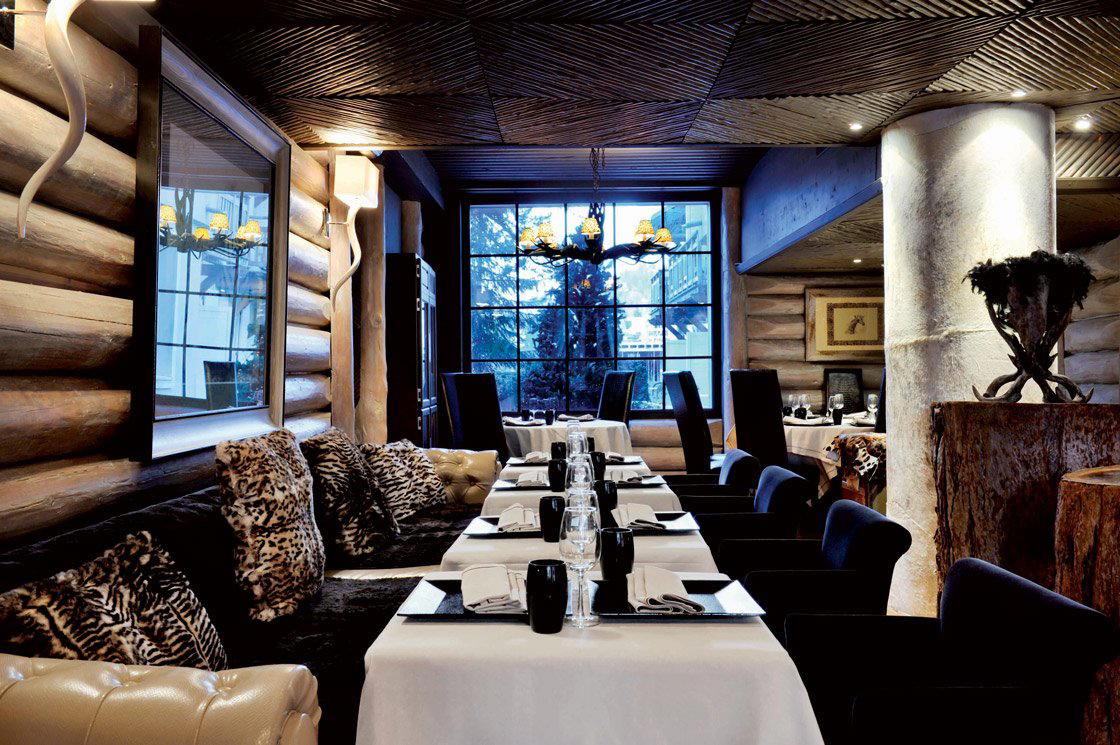
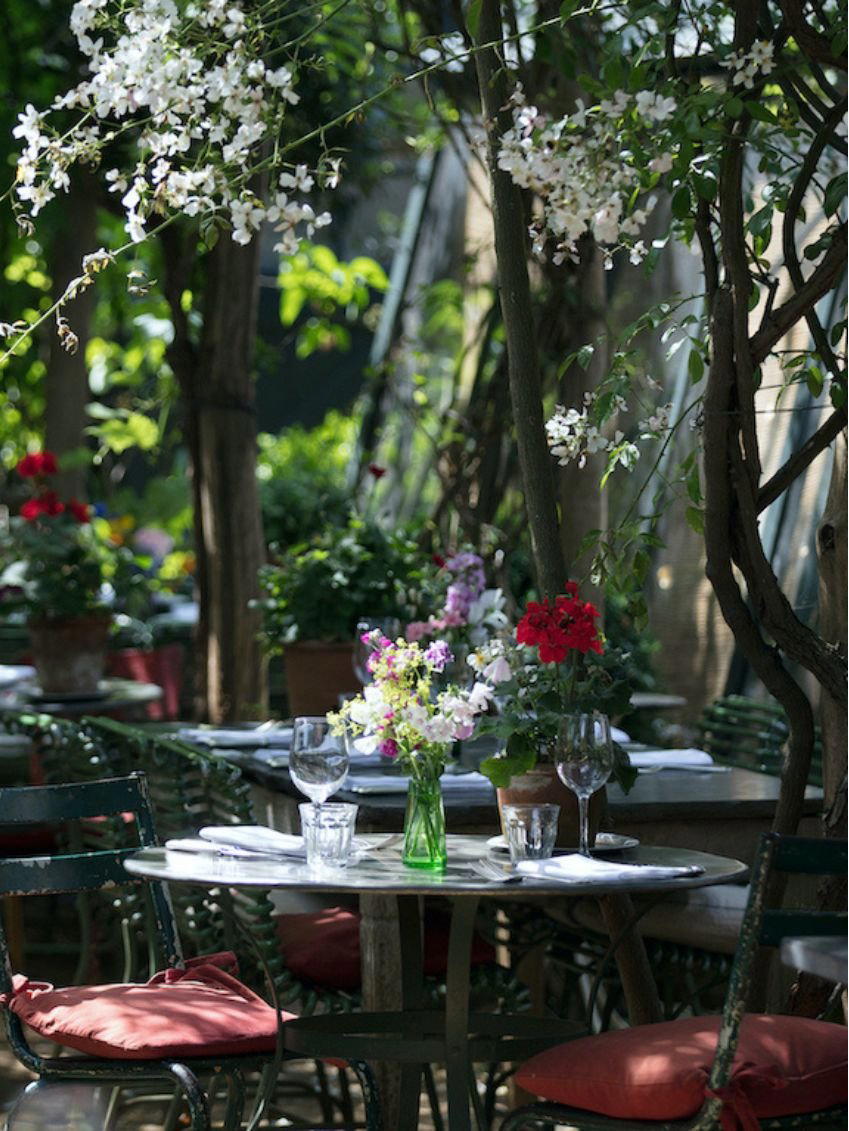
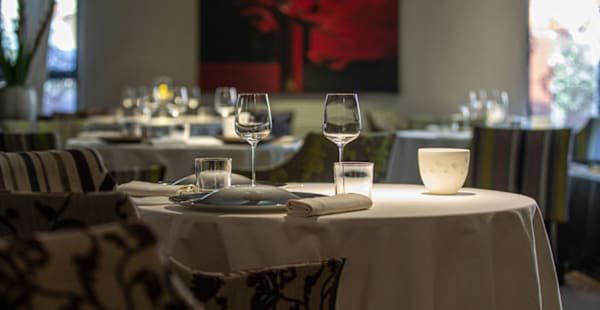
Soft, warm pastel tones with discreet table spacing, refined and relaxing dining atmosphere.