

In a narrow Gothic Quarter street where culinary competition runs deep, Brugarol operates as a tapas bar built around Japanese technique and Mediterranean produce. Chef Angelo Scirocco sources cheese, sobrasada, and wine from his own farm in Palamós, folding those ingredients into a format that reads as izakaya but tastes unmistakably Catalan. Order à la carte or take the tasting menu at the bar and watch the kitchen work.
Pearl is the En Primeur Club membership app — saves, bookings, and concierge access live there. Same editors, same standards.
- Address
- Carrer de Salomó ben Adret, 10, Ciutat Vella, 08002 Barcelona, Spain
- Phone
- +34 933 15 89 95
- Website
- brugarolbarcelona.com
- Directions
- Get directions
 Saves & bookings on Pearl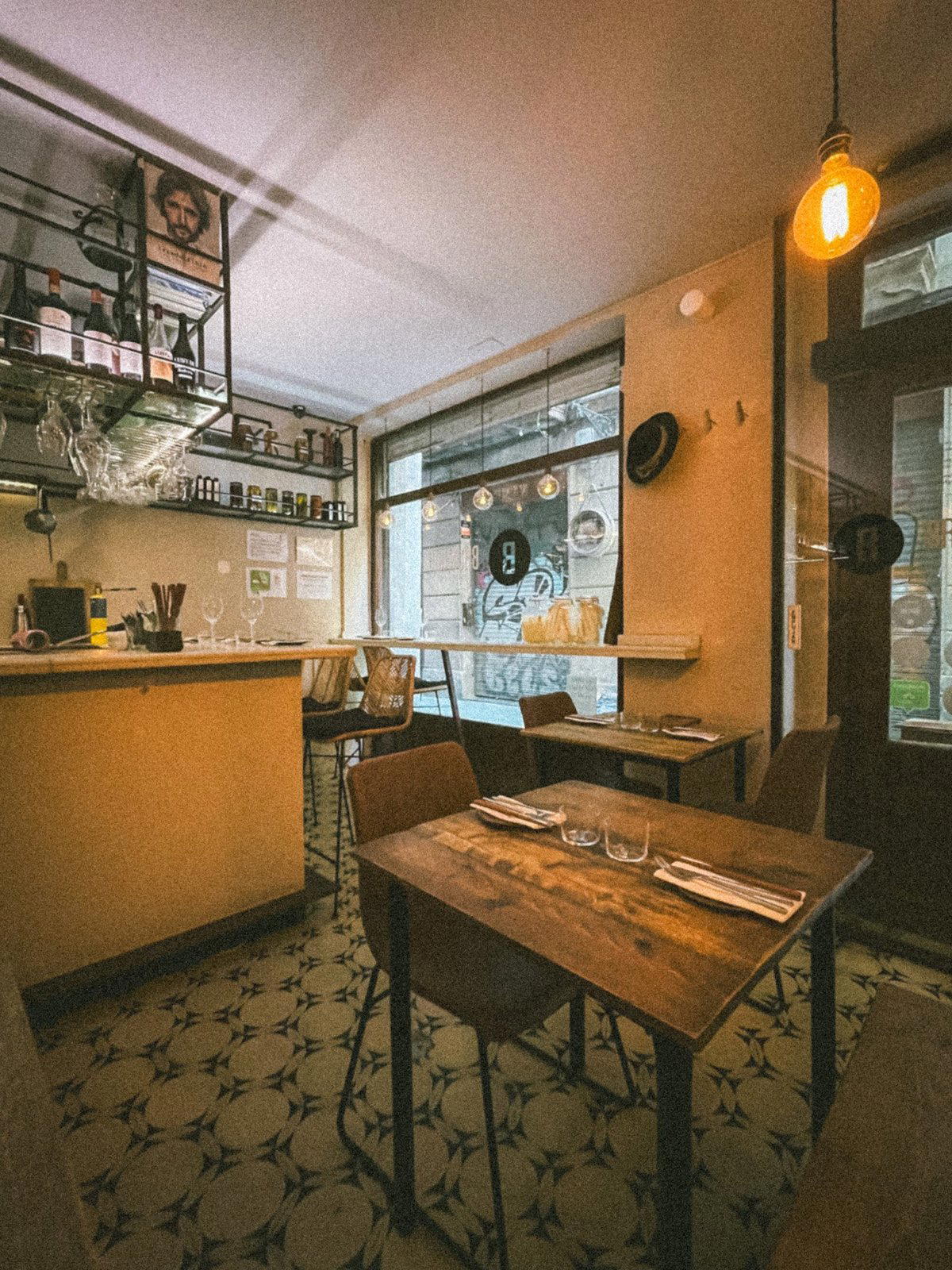
A Gothic Quarter Address That Doesn't Behave Like One
Carrer de Salomó ben Adret is the kind of street that requires you to commit: narrow, shaded, and running through the oldest residential fabric of Ciutat Vella. The Gothic Quarter has long attracted visitors and, with them, a density of restaurants that ranges from tourist-trap set menus to genuinely serious cooking. Finding signal in that noise takes either local knowledge or a willingness to walk past the laminated photographs. Brugarol sits in the serious tier, occupying a small dining room that announces nothing loud from the outside, which is, in this neighbourhood, already a statement of intent.
The concept maps onto a hybrid that has gained traction across European cities over the past decade: the izakaya model transplanted into a Mediterranean kitchen. Where the Japanese original organises an evening around a sequence of small, technique-driven dishes consumed at or near the bar, Brugarol applies the same logic to ingredients drawn from the Catalan coast and its hinterland. The result is a format that feels genuinely positioned rather than trend-chasing. Chef Angelo Scirocco sources cheese, sobrasada, and wine from his own farm in Palamós, a coastal town roughly 120 kilometres northeast of Barcelona, which anchors the Mediterranean half of the equation in something more verifiable than provenance rhetoric.
How a Meal at Brugarol Unfolds
The bar counter is the operative choice here. Seating at or near it gives you direct sightlines to the kitchen, and Brugarol's own framing of the space as a venue where each dish is "meticulously prepared" in full view of the guest is not incidental theatre. In the izakaya tradition, proximity to preparation is part of the experience's architecture, not decoration. The rhythm of the meal follows from that: dishes arrive in sequence, paced by the kitchen, and the counter format creates a natural arc from opening snacks through to more substantial plates.
Guests can choose between ordering à la carte and committing to a tasting menu. The tasting menu format imposes a progression that the kitchen controls, which suits the cross-cultural concept well. Japanese technique applied to Mediterranean produce tends to reveal itself gradually: an early dish might foreground acidity or texture in a way that reads as clean and light, while later courses can draw on richer ingredients from the Palamós farm, including the house-produced cheese and cured sobrasada, whose fat content and depth register differently after a sequence of more restrained preparations. The à la carte route offers more agency but may soften the narrative arc that the tasting menu builds.
The wine list, reportedly drawing on production from Scirocco's own farm, introduces a vertical consistency that few small restaurants can claim. When the same person farming the cheese is also producing the wine, the conversation between food and drink on the plate and in the glass has a coherence that sourcing from multiple producers rarely replicates. In the broader Barcelona context, where the city's leading tables at places like Disfrutar, Cocina Hermanos Torres, and Lasarte operate at Michelin three-star level with extensive wine programmes, Brugarol occupies a more intimate, singular tier defined by producer-to-plate directness rather than scale or trophy-cabinet credentials.
The Cross-Cultural Kitchen Format in Context
The Mediterranean-Japanese hybrid is not Barcelona-specific. Across Spain, chefs trained in or influenced by Japanese technique have been integrating it with local produce for at least two decades, and the conversation about what constitutes "Spanish" cooking has widened accordingly. What distinguishes the more credible iterations of this approach from the superficial is whether the Japanese influence operates at the level of technique or merely at the level of aesthetic reference. Precise knife work, temperature control, the restraint that allows a single ingredient to carry a dish: these are technical inheritances. Decorative elements borrowed from a Japanese visual vocabulary without the underlying discipline are something else.
Brugarol's formulation, tapas with the soul of an izakaya, positions it in the former category. The izakaya reference is structural, not cosmetic. It describes how the evening is organised, how the bar functions as the primary space, and how the sequence of dishes is meant to build a cumulative experience rather than simply feed. Comparable cross-cultural precision formats have appeared in cities from New York to the French-Japanese continuum in fine dining globally, and the category tends to succeed when it has a clear material anchor: specific ingredients, a specific regional tradition, a specific producer relationship. Brugarol's Palamós farm connection provides exactly that.
Within Spain's broader restaurant conversation, the country's most decorated addresses remain concentrated in the Basque Country and Catalonia. Venues like El Celler de Can Roca in Girona, Arzak in San Sebastián, Azurmendi in Larrabetzu, Aponiente in El Puerto de Santa María, and Martín Berasategui in Lasarte-Oria anchor the formal fine-dining tier, while DiverXO in Madrid and Barcelona's own Enigma and ABaC push creative formats in different directions. Brugarol does not compete in that register. Its comparable set is the smaller, format-driven restaurant that trades on concept integrity and producer connection rather than tasting menu length or accolade count.
Planning a Visit
The Gothic Quarter address on Carrer de Salomó ben Adret, 10 sits in the 08002 postal zone, within walking distance of the main Barri Gòtic thoroughfares but far enough into the residential grid that foot traffic is lower than on the tourist corridors. The small size of the dining room means reservations are advisable, particularly for weekend evenings when demand across Ciutat Vella increases sharply. The bar seating is the recommended configuration for the full experience. For visitors structuring a broader Barcelona stay, the EP Club Barcelona restaurants guide maps the city's full dining range, and the hotels guide, bars guide, wineries guide, and experiences guide cover the remaining categories in comparable depth.
Comparable Venues
Comparable venues nearby, for context on price, style, and recognition.
| Venue | Cuisine | Price | Notes |
|---|---|---|---|
| Brugarol BarcelonaThis venue — the venue you are viewing | Mediterranean Tapas with Japanese Izakaya Soul | $$$ | Not listed |
| Mediamanga | Modern Mediterranean Tapas | $$$ | l'Antiga Esquerra de l'Eixample |
| My Fucking Restaurant | Gluten-Free Modern Mediterranean Tapas | $$$ | el Raval |
| Coure | Modern Catalan Mediterranean | $$$ | Sant Gervasi - Galvany |
| Restaurant Cadaqués | Mediterranean Arrocería with Wood-Fired Rice | $$$ | Sant Pere, Santa Caterina i la Ribera |
| Santo Paladar | Modern Mediterranean Gastropub | $$$ | Sant Andreu |
Recognition history
Dated appearances from independent guides and award organizations, with the underlying list record or original source where available.
Macarfi 7.2 Food Rating
Macarfi
Michelin Plate
Michelin
Continue exploring
More in Barcelona
Restaurants in Barcelona
Browse all →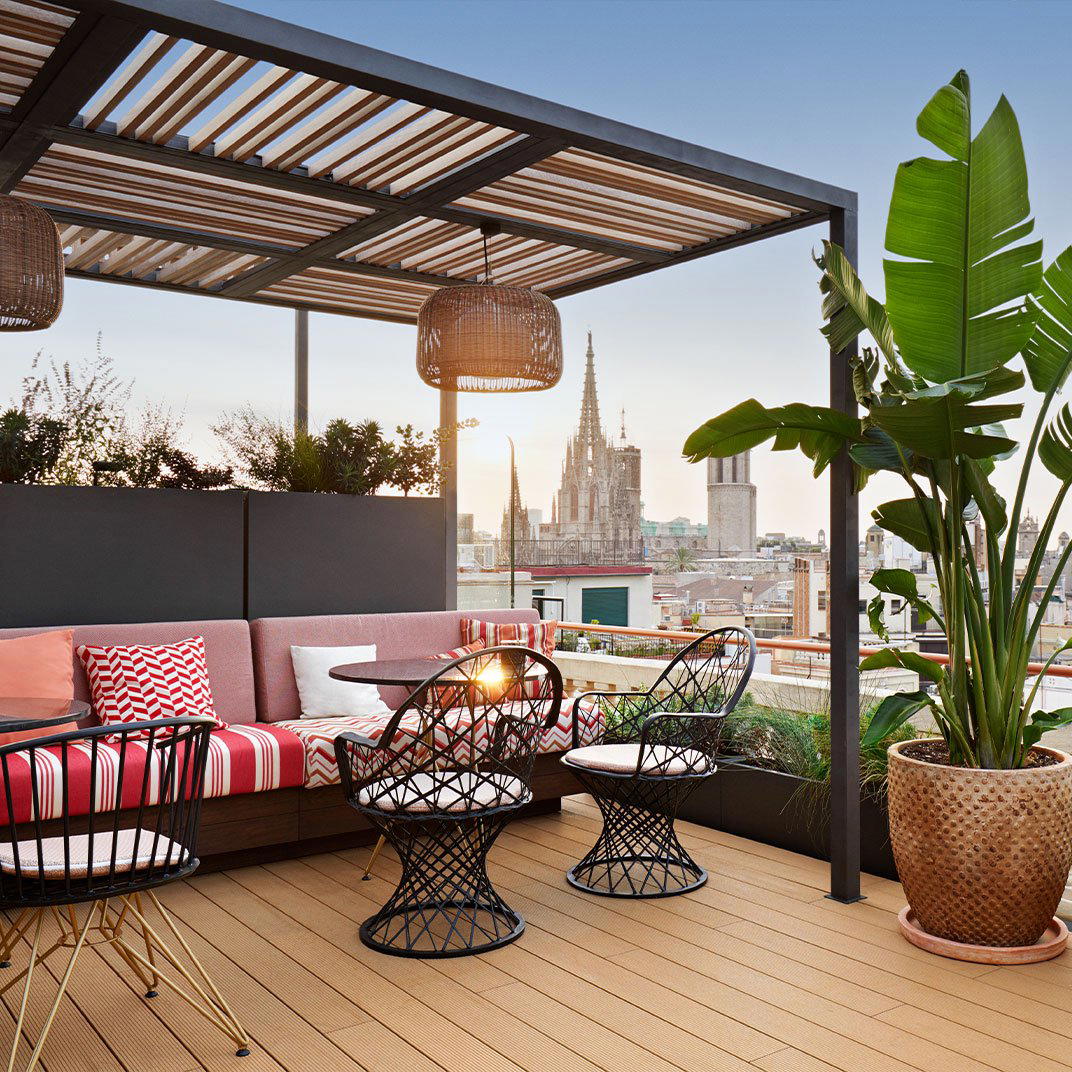
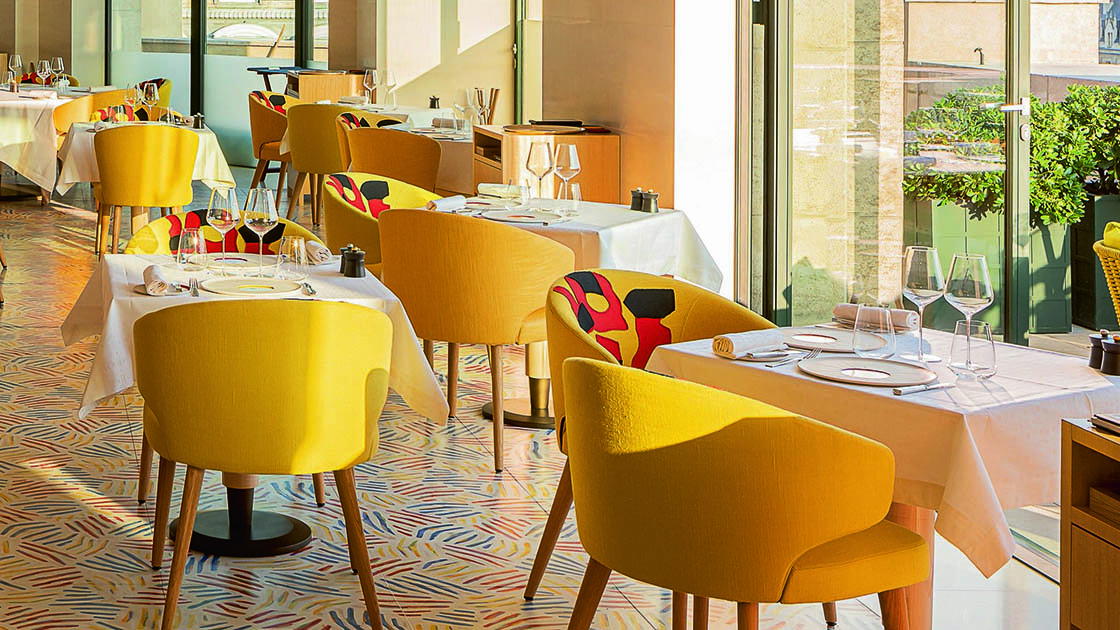
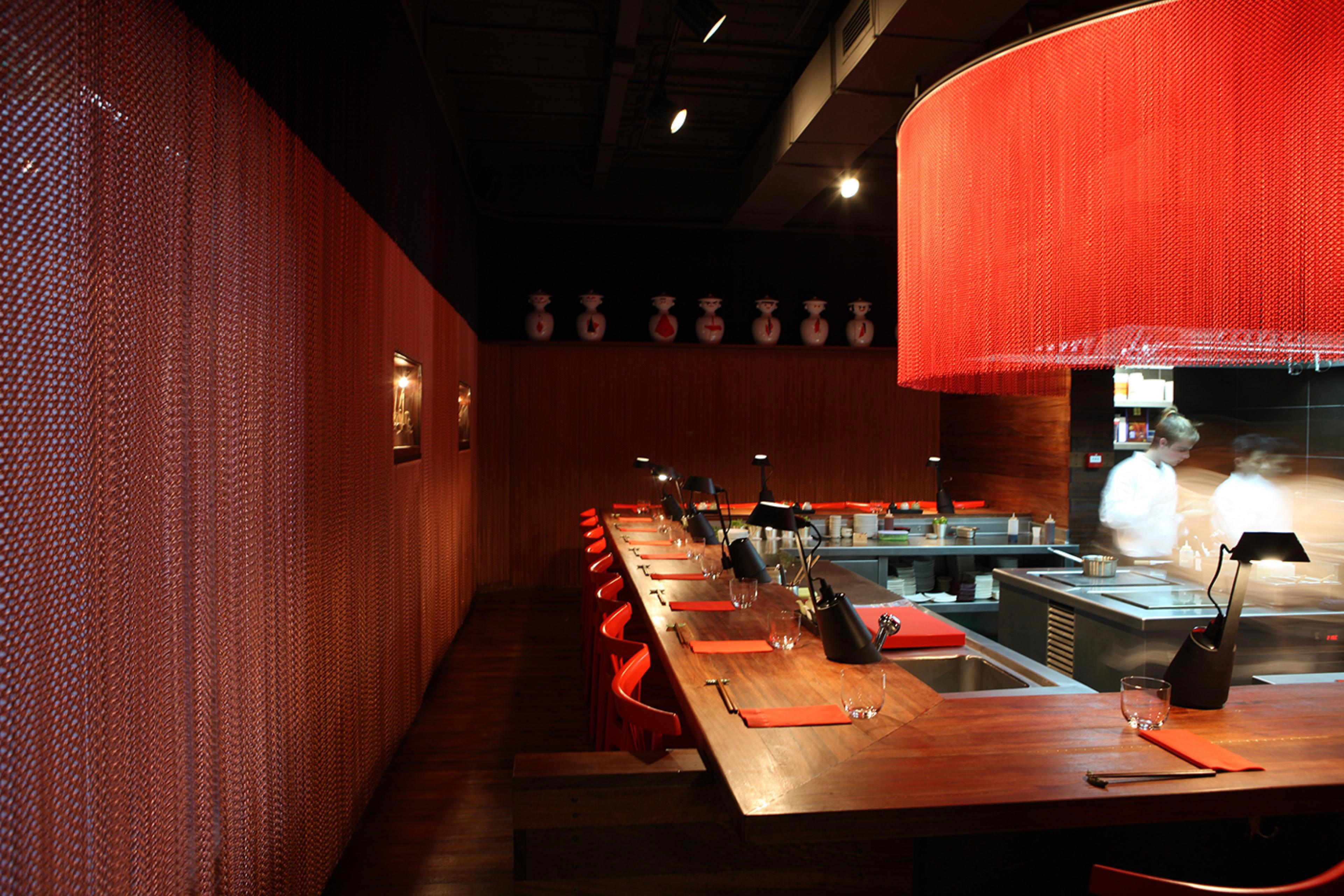
Bars in Barcelona
Browse all →
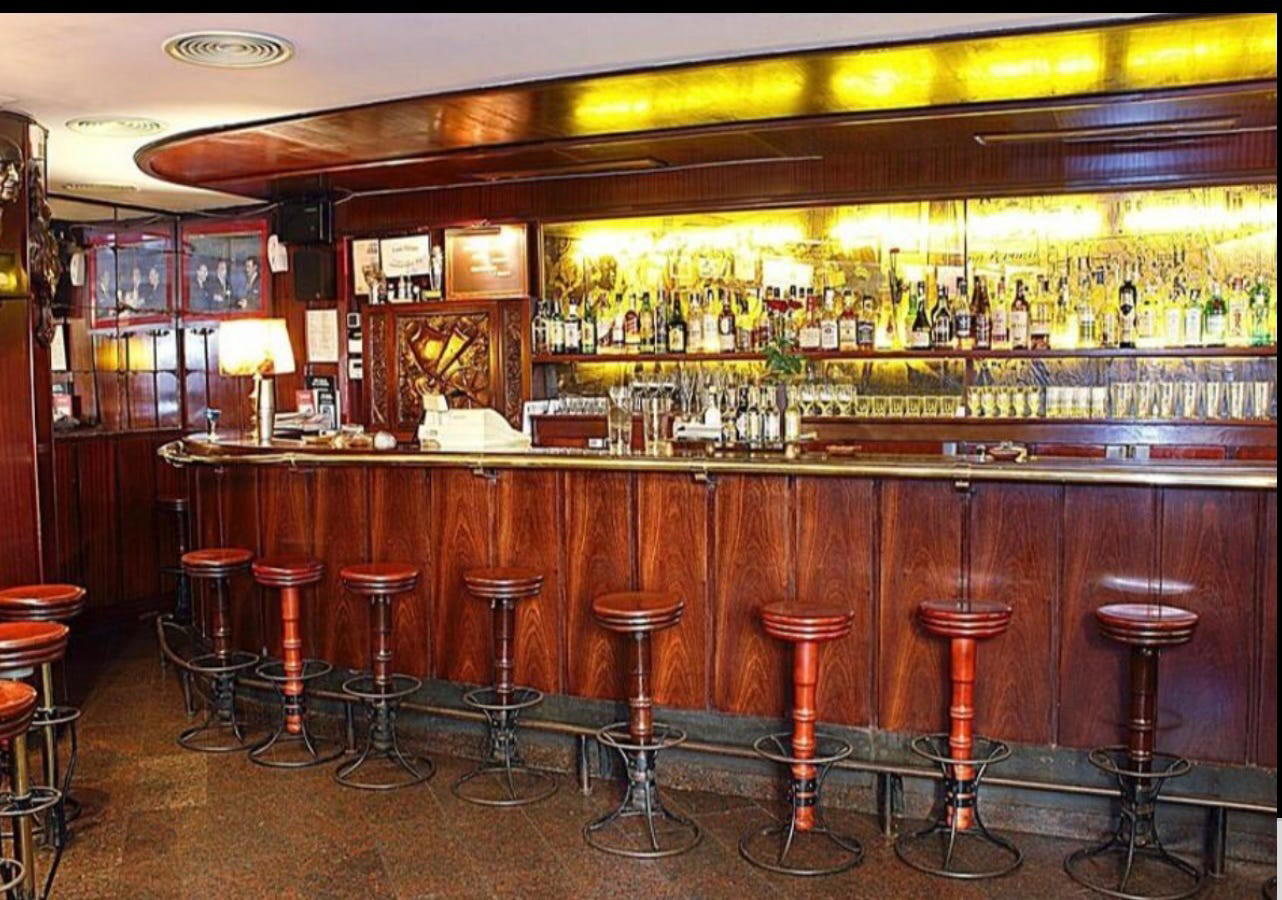
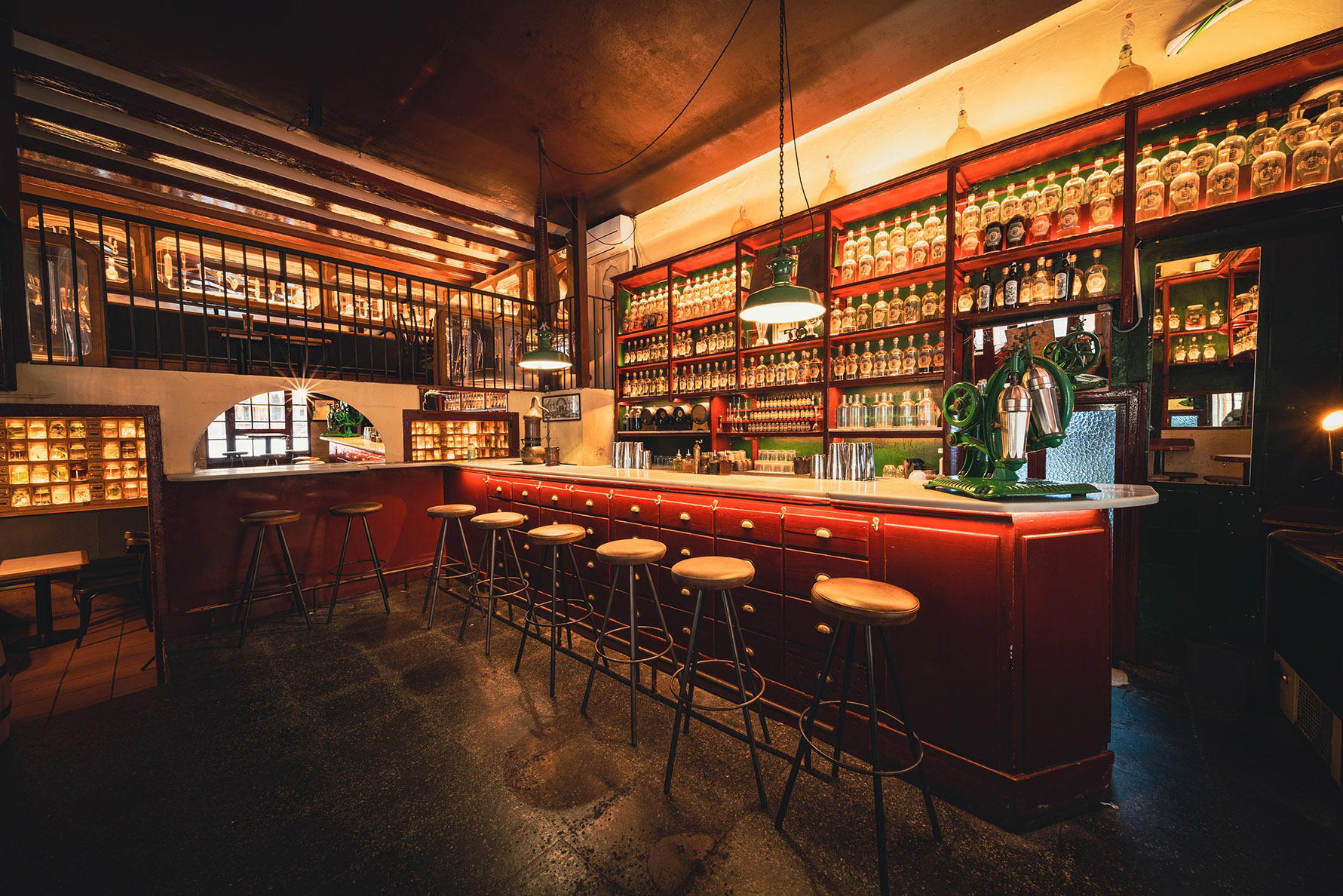
Hotels in Barcelona
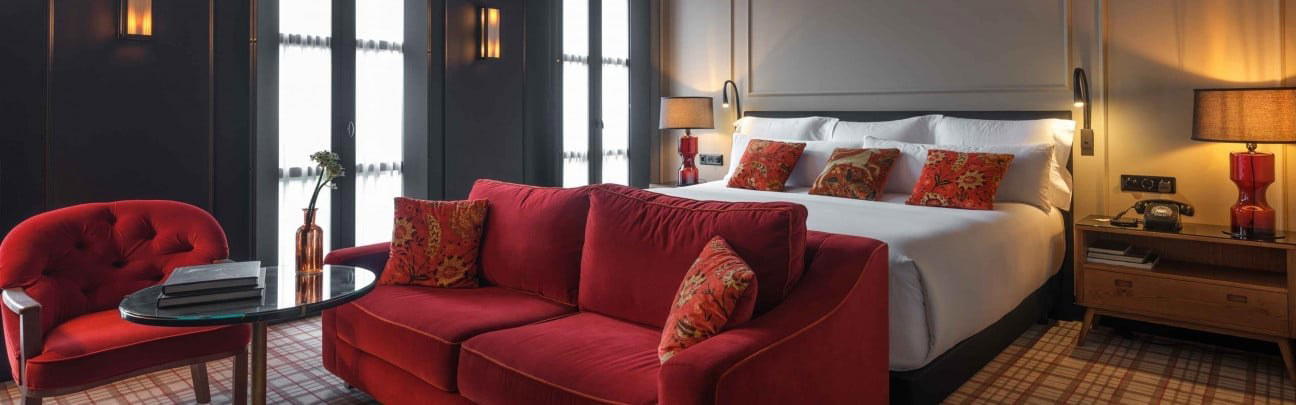
Browse all →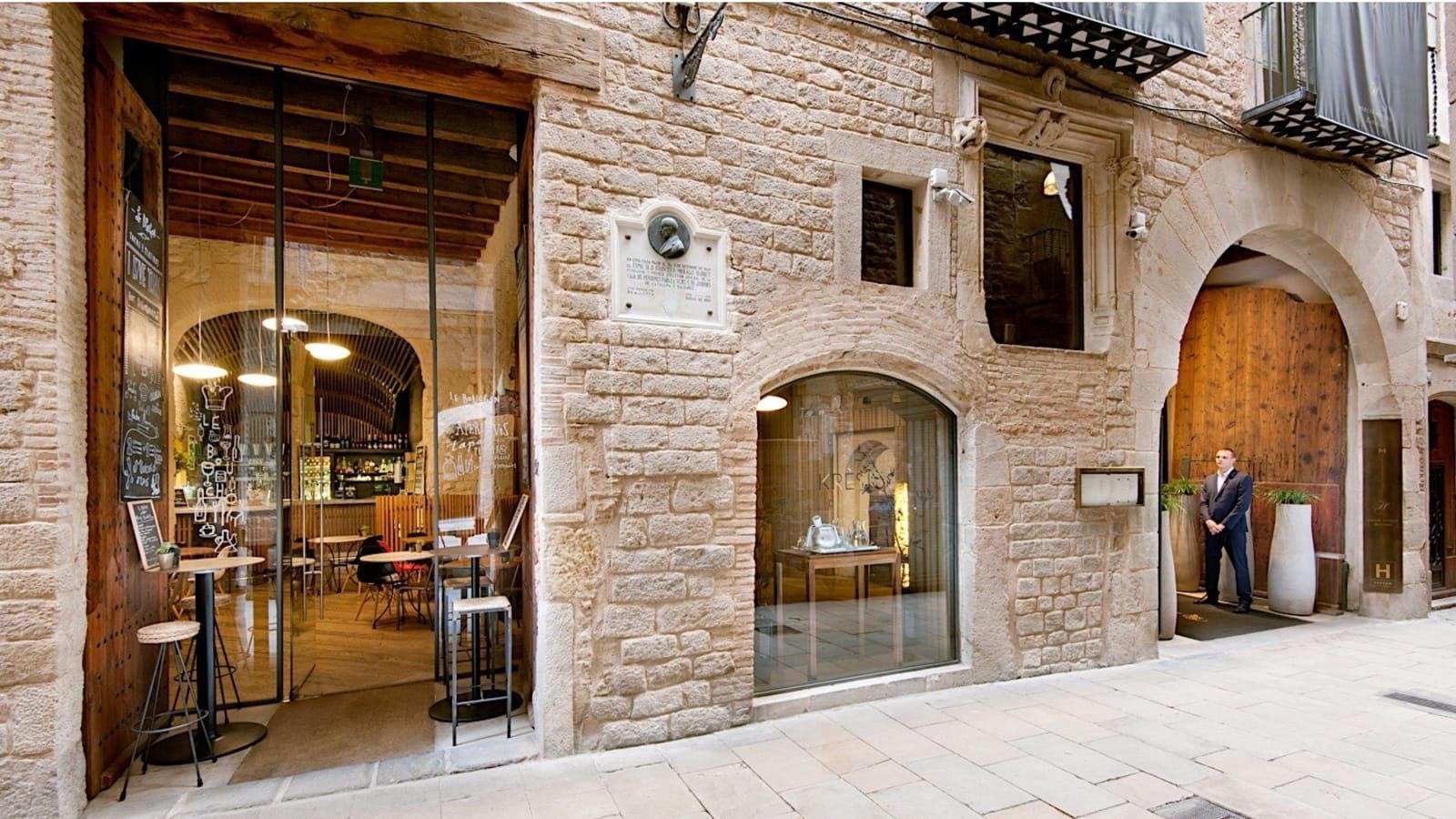
At a Glance
- Intimate
- Cozy
- Elegant
- Trendy
- Date Night
- Special Occasion
- Open Kitchen
- Extensive Wine List
- Local Sourcing
Current opening hours
- Monday
- 7:30–10:30 PM
- Tuesday
- 7:30–10:30 PM
- Wednesday
- 7:30–10:30 PM
- Thursday
- 7:30–10:30 PM
- Friday
- 1–2:30 PM, 7:30–10:30 PM
- Saturday
- 1–2:30 PM, 7:30–10:30 PM
- Sunday
- 1–2:30 PM, 7:30–10:30 PM
Hours can change for holidays and private events. Last verified .
Cozy, warm, and intimate with a lively yet conversational atmosphere, low lighting, and open kitchen views.