Our verdict
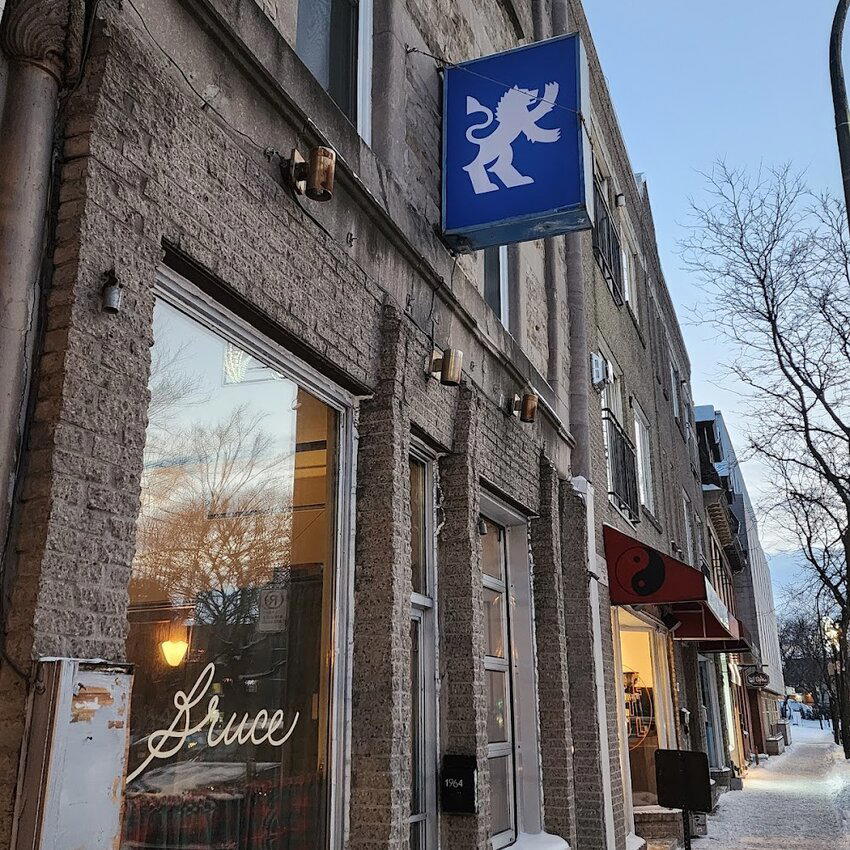
Located on Notre-Dame Street West in Montreal's Saint-Henri neighbourhood, Bruce occupies a stretch of the city where ingredient-driven cooking has found a natural foothold. The address alone signals a certain culinary seriousness: this is not downtown Montreal's formal dining corridor, but a pocket where sourcing and technique tend to matter more than spectacle. For context on the broader Montreal modern dining scene, see the full Montreal restaurants guide.

Pearl is the En Primeur Club membership app — saves, bookings, and concierge access live there. Same editors, same standards.
- Address
- 1964 Notre-Dame St W, Montreal, Quebec H3J 1M8, Canada
- Phone
- (438) 375-9373
- Hours
- Mon–Tue ClosedWed–Sun 5–11 PM
- Website
- opentable.com
- Directions
- Get directions
- Booking
- Book on OpenTable
The menu
What to order
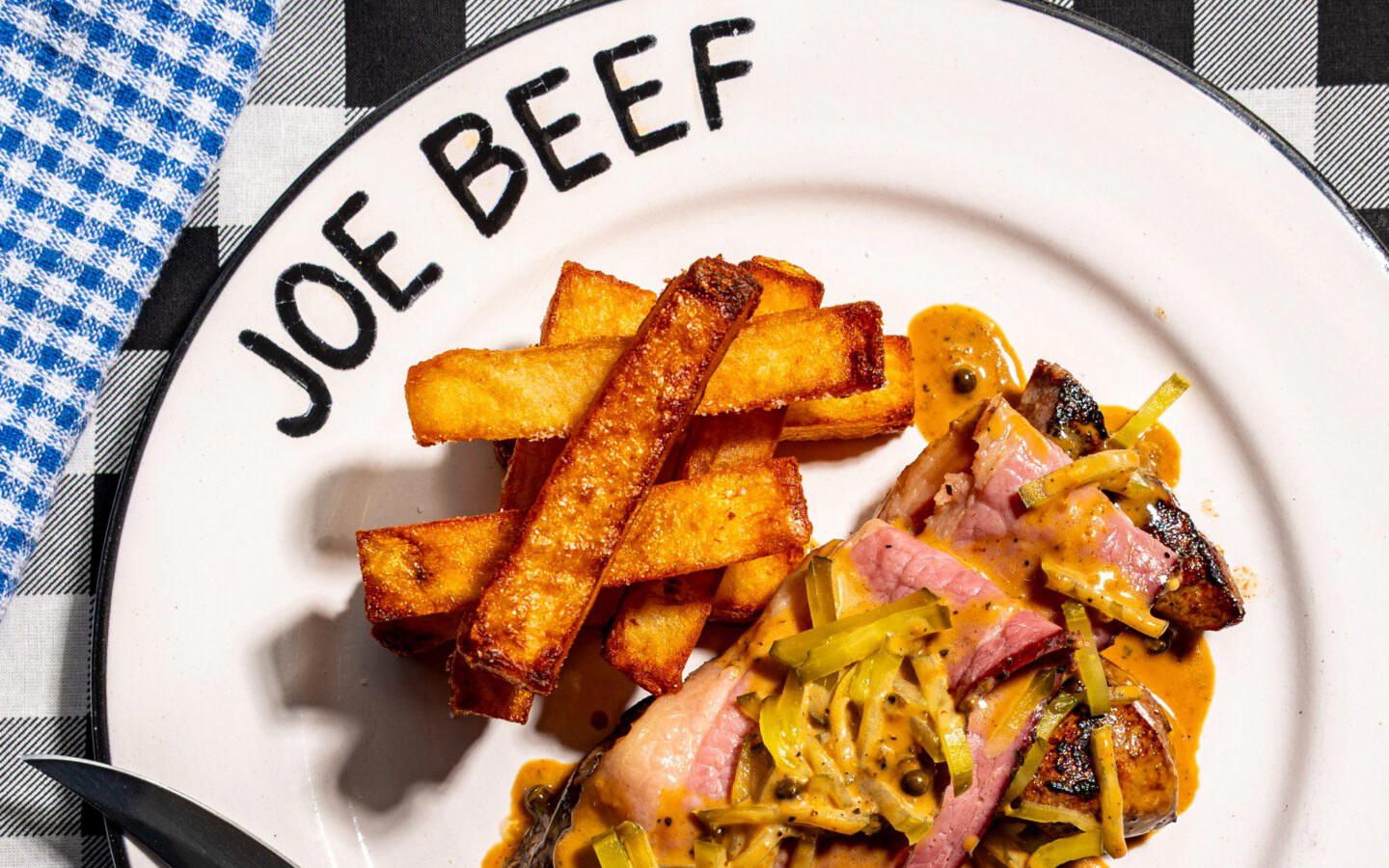
- Haggis with neeps and tatties
- Cullen skink
- Black pudding
Notre-Dame West and the Sourcing-First Shift in Montreal Dining
Montreal's most interesting modern kitchens in the last decade have split along a clear fault line. On one side sit the grand institution restaurants of downtown — places like Jérôme Ferrer's Europea and Sabayon, where the architecture of the room and the formality of the service are part of what you are paying for. On the other side, a generation of kitchens has emerged in the city's former industrial neighbourhoods — Saint-Henri chief among them, where the conversation has moved toward ingredient provenance, supply chain relationships, and what Quebec's agricultural calendar actually permits. Bruce, at 1964 Notre-Dame Street West, belongs to that second category.
Notre-Dame West has undergone the kind of slow-burn transformation that tends to produce more durable dining cultures than rapid gentrification. The corridor running through Saint-Henri and into neighbouring Pointe-Saint-Charles attracted independent kitchens precisely because it offered lower overhead and a clientele already oriented toward a different set of values than the expense-account crowd further east. The result is a stretch of the city where a restaurant can make ingredient sourcing the central argument of its cooking without that position feeling performative.
What the Address Signals About the Cooking
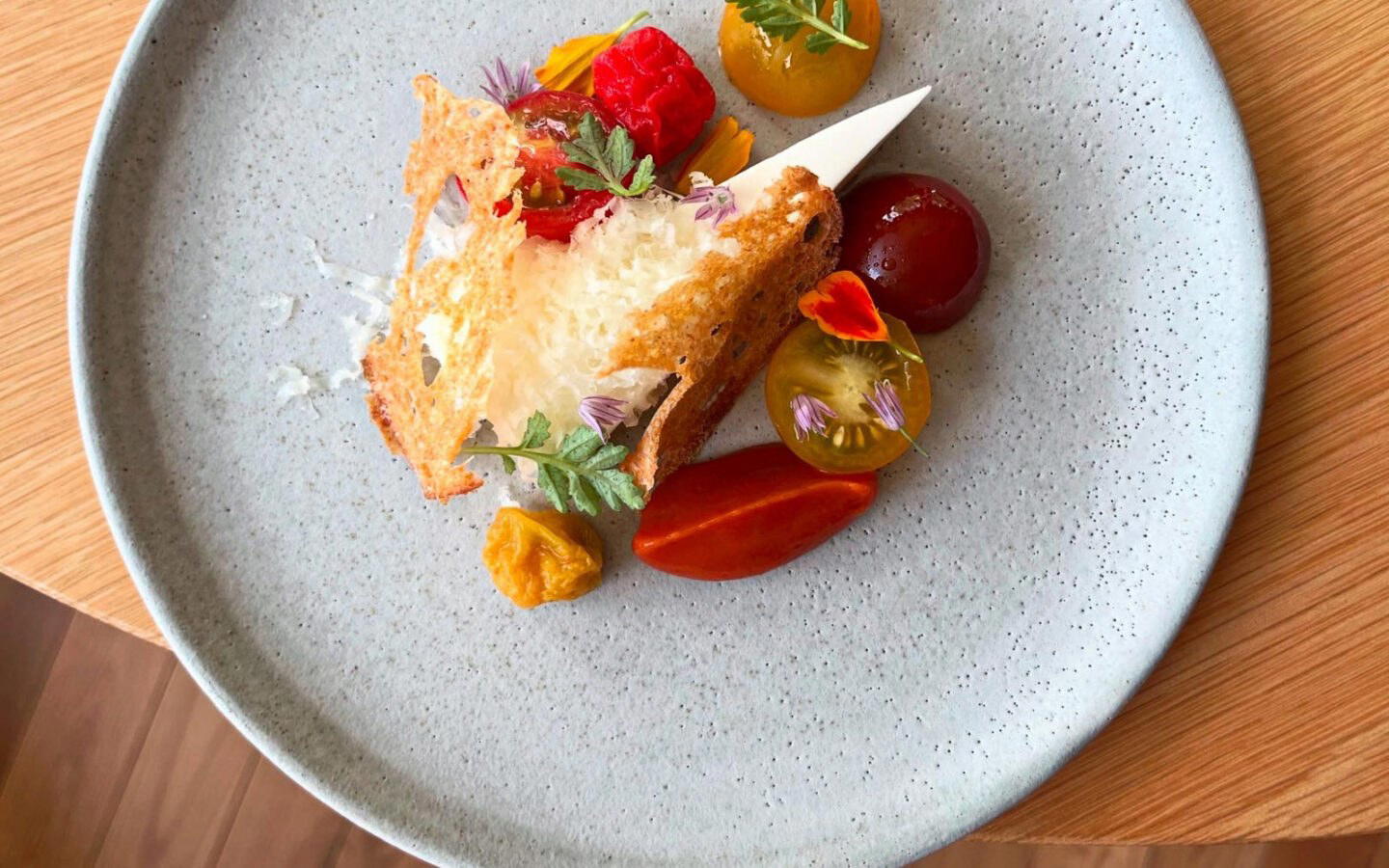
In cities where farm-to-table rhetoric has become wallpaper, the kitchens that actually mean it tend to reveal themselves through specific choices: shorter menus that change with supply rather than season, less reliance on proteins that require year-round industrial infrastructure, and a willingness to let the ingredient carry the plate rather than bury it in technique. Quebec's agricultural geography makes this argument easier to sustain than in many North American cities. The province has a developed network of small-scale vegetable and grain farmers, heritage breed livestock operations, and foragers, with supply chains that have been formalized enough to feed serious kitchens reliably.
Across the broader Canadian modern dining circuit, this kind of sourcing commitment has produced some of the country's most discussed restaurants. Eigensinn Farm in Singhampton built its entire model around a working farm. Fogo Island Inn's dining room in Joe Batt's Arm has made hyper-local Newfoundland sourcing central to its identity. Restaurant Pearl Morissette in Lincoln operates within a wine estate and frames its kitchen output accordingly. In each case, the sourcing logic is not decorative; it determines the menu's structure and vocabulary. The same logic applies to what Bruce represents within the Montreal context.
Positioning Bruce within its immediate competitive set clarifies what kind of meal to expect. This is not the register of Mastard or the formal French lineage of Toqué. It sits in a mid-to-upper-mid price tier on Notre-Dame West, where the emphasis is on cooking that rewards attention rather than occasions that reward spectacle. The neighbourhood also contains 3 Pierres 1 Feu and Abu el Zulof, which together illustrate how broad the cooking ambitions have become along this stretch. The corridor is no longer a secondary option for diners who cannot get into downtown rooms; it has become a primary destination for a specific kind of eater.
That shift mirrors what has happened in other Canadian cities. AnnaLena in Vancouver built its reputation in a neighbourhood that was not the obvious address for serious cooking. Narval in Rimouski demonstrated that the leading ingredient-driven work in Quebec does not require a Montreal postal code at all. The common thread is a willingness to let the quality of the sourcing and the discipline of the kitchen carry the argument, rather than relying on central location or room design.
Quebec Seasonal Logic and What It Means for the Plate
Quebec's growing season runs roughly from late May through October, with a shoulder period on either end during which root vegetables, preserved goods, and cold-storage crops fill the gap. Kitchens that take this calendar seriously produce menus that look quite different in February than they do in August. The spring arrival of fiddleheads, ramps, and early greens tends to mark a genuine shift in what appears on plates in sourcing-focused rooms. Late summer brings field tomatoes, corn, stone fruits, and squash. Winter cooking in this tradition leans on fermentation, preservation, aged proteins, and the dairy and grain outputs that Quebec producers sustain year-round.
This seasonal pressure is one of the clearest markers separating kitchens that have built real sourcing relationships from those that have adopted sourcing language as branding. Tanière³ in Quebec City has made this argument at a high level of technical ambition and public recognition. At the other end of the country, Cafe Brio in Victoria has sustained the same commitment over a longer operational timeline. The seasonal discipline these kitchens practice is worth understanding before you sit down at any table in this category, including Bruce's.
How Bruce Compares Across the Broader Modern Canadian Circuit
The Canadian dining conversation has been increasingly national rather than city-specific. A meal at Alo in Toronto or Lazy Bear in San Francisco shares a frame of reference with what serious Montreal kitchens are producing, in the sense that all of these rooms are participating in a broader conversation about what fine-casual or ingredient-focused modern cooking can mean. The Pine in Creemore and Busters Barbeque in Kenora represent opposite ends of the formality register but share the same underlying premise: that where food comes from matters as much as how it is cooked. Bruce occupies a specific position within that national conversation, a neighbourhood-anchored, sourcing-oriented room on one of Montreal's most interesting dining streets. Internationally, kitchens like Le Bernardin in New York City demonstrate how single-minded ingredient focus can define a restaurant's entire identity over decades. That level of long-term commitment to a sourcing philosophy is what separates restaurants that use the language from those that have built operational systems around it.
Frequently asked questions
How does Bruce fit into the Saint-Henri dining scene compared to its immediate neighbours?
How Bruce Montréal compares with similar nearby venues.
| Venue | Cuisine | Price | Awards |
|---|---|---|---|
| BruceThis venue — the venue you are viewing | Modern Scottish Tavern | $50–100 | Not listed |
| Junjun | Modern Filipino | $50–100 | Not listed |
| Candide | Modern French Fine Dining | $100–150 | Michelin Plate · Star Wine List |
| Foxy | Wood-Fired Mediterranean Grill | $50–100 | Michelin Plate |
| Le Richmond | Northern Italian Fine Dining | $50–100 | Not listed |
| Marché Italien Le Richmond | Northern Italian | $50–100 | Not listed |
Bruce
The wine
- Wine program
- Curated wine list
- Extensive wine list
- Craft cocktails
Details
- Cozy
- Intimate
- Trendy
- Date Night
- Casual Hangout
- Special Occasion
- Extensive Wine List
- Craft Cocktails
- Local Sourcing
- A La Carte
- Small Plates
- Scotch
- Cocktails
Current opening hours
- Monday
- Closed
- Tuesday
- Closed
- Wednesday
- 5–11 PM
- Thursday
- 5–11 PM
- Friday
- 5–11 PM
- Saturday
- 5–11 PM
- Sunday
- 5–11 PM
Hours can change for holidays and private events. Last verified .
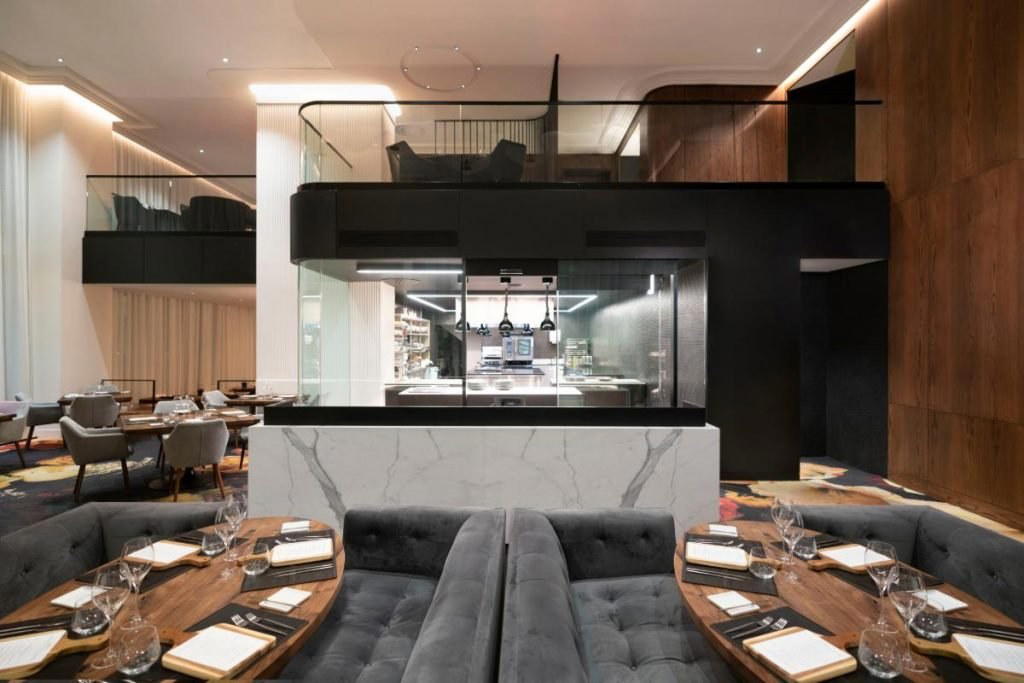
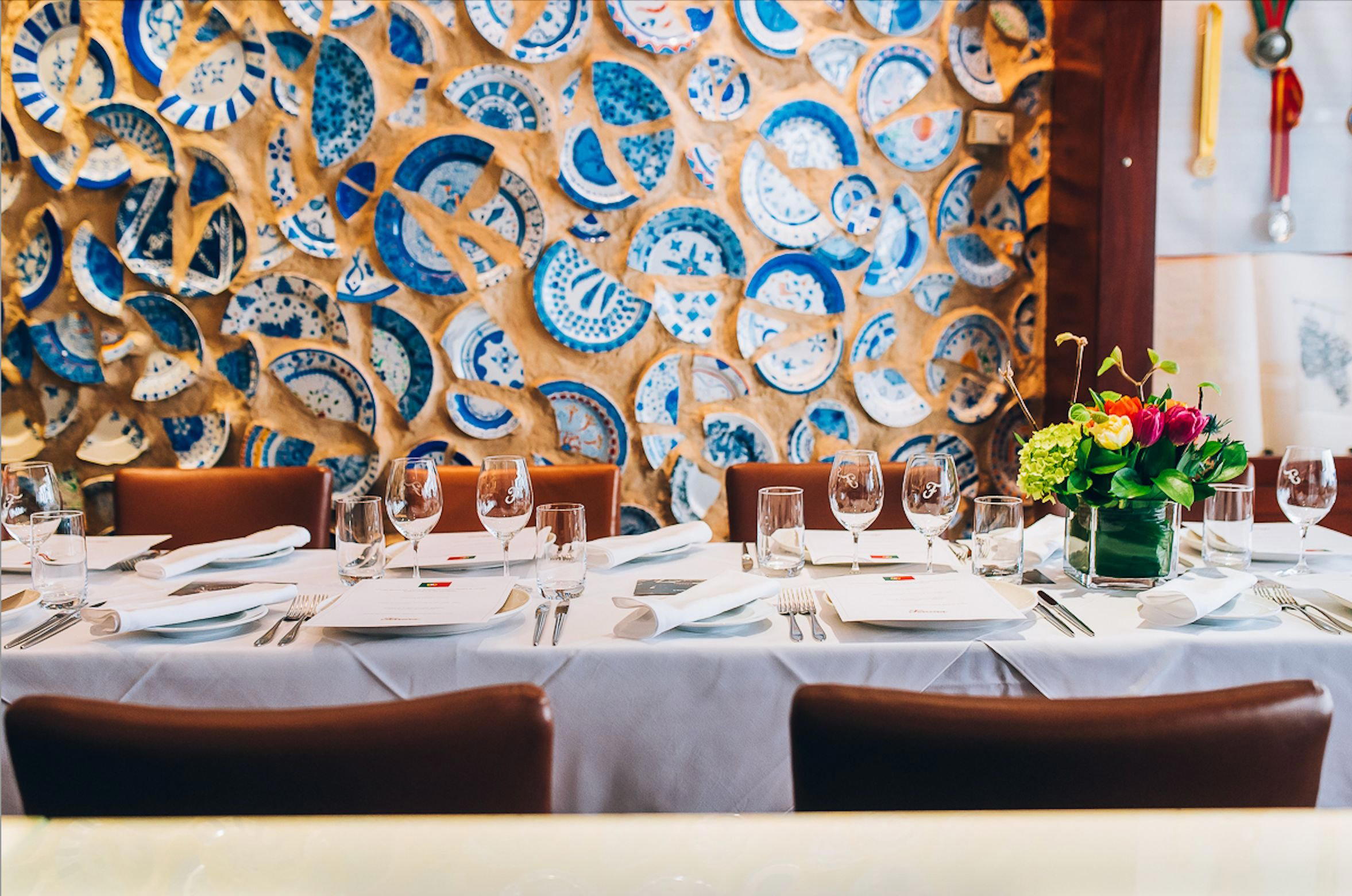
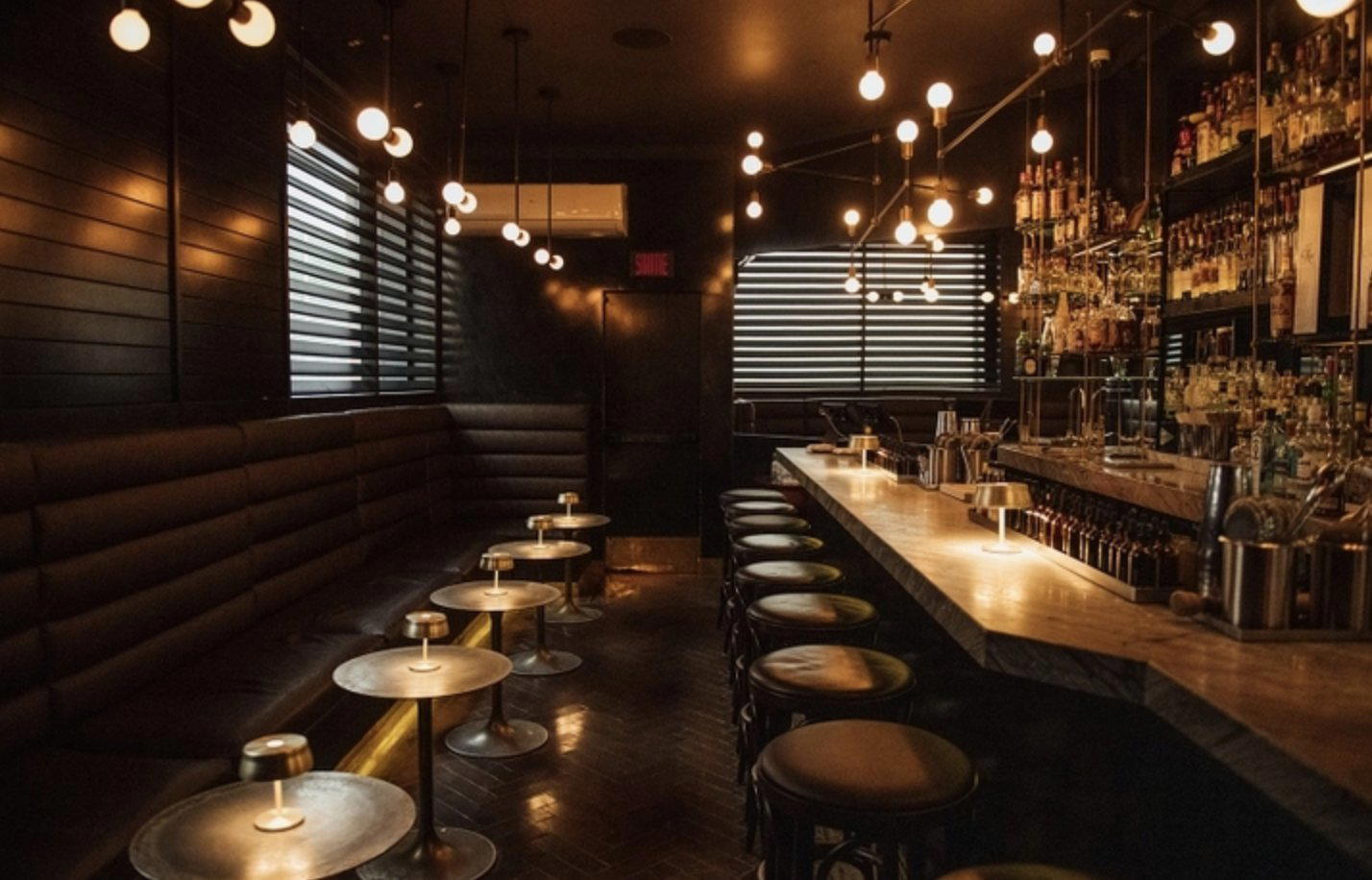
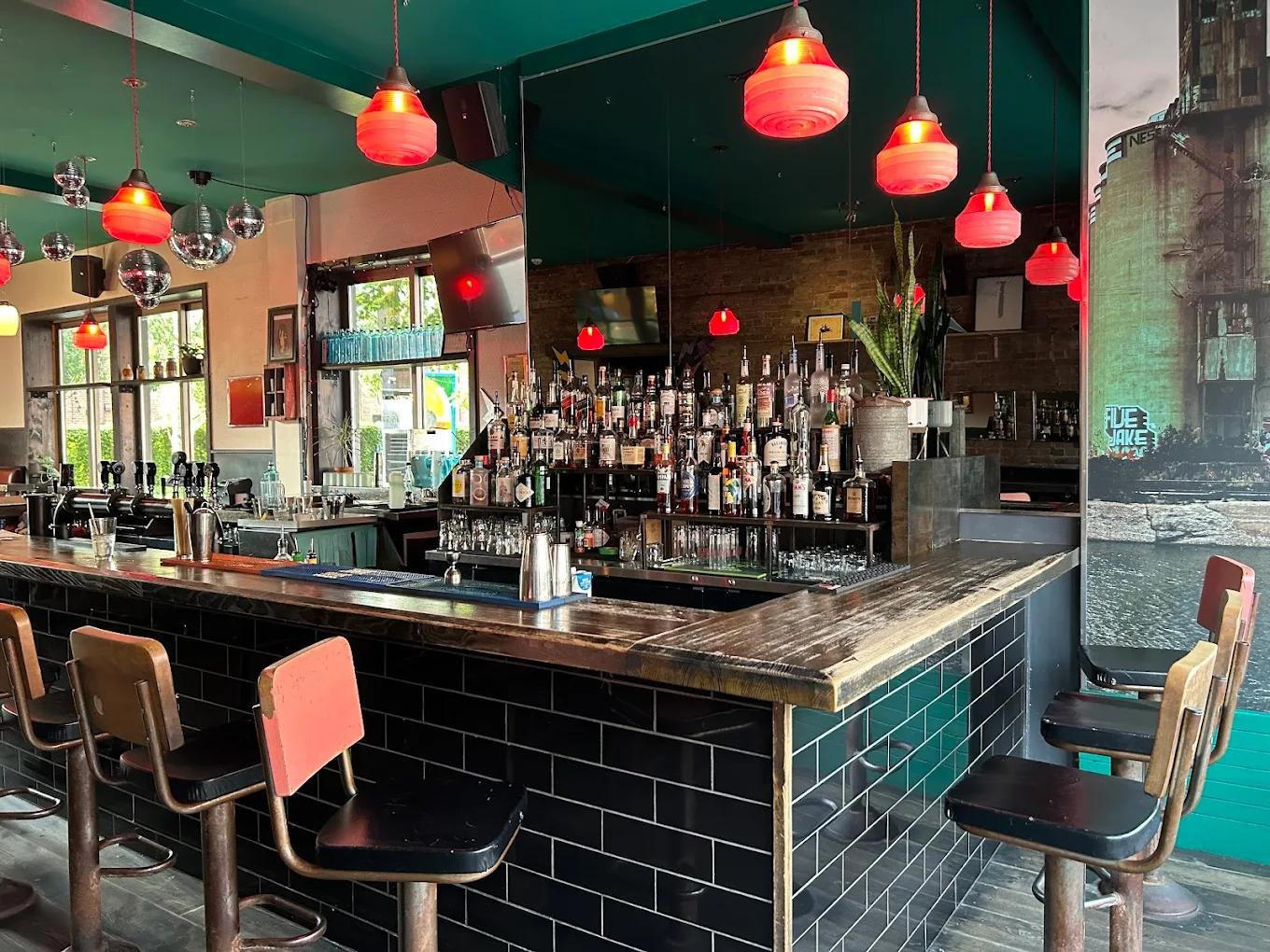
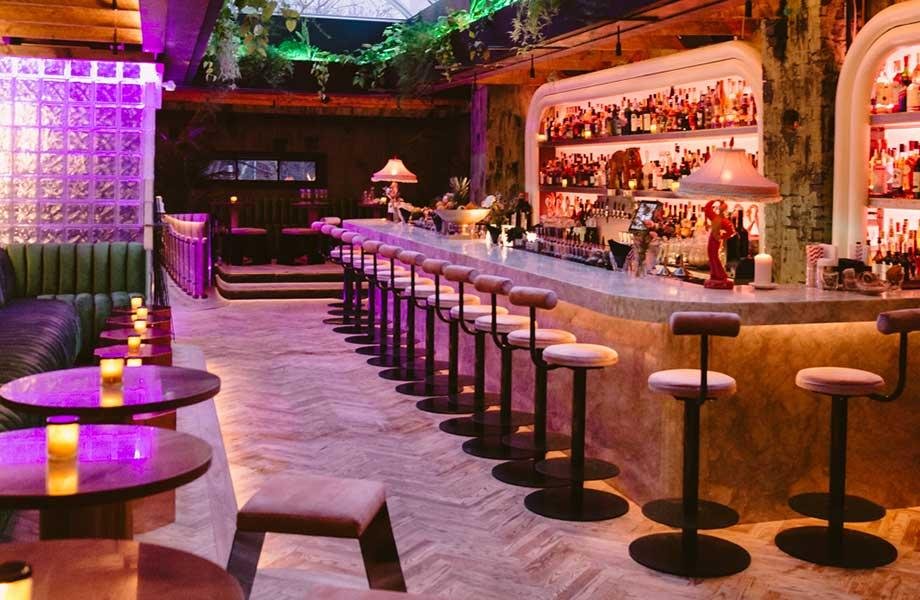
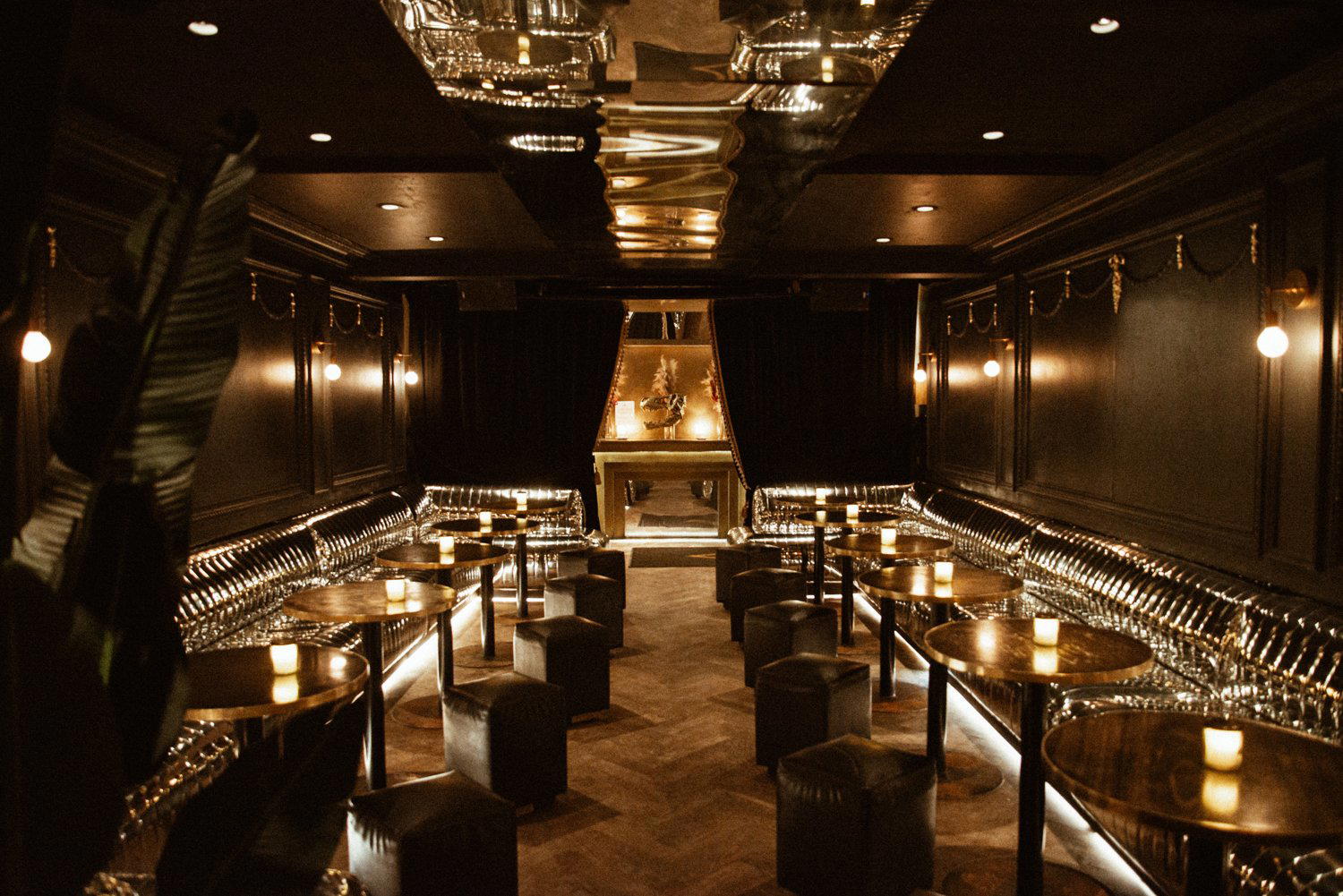
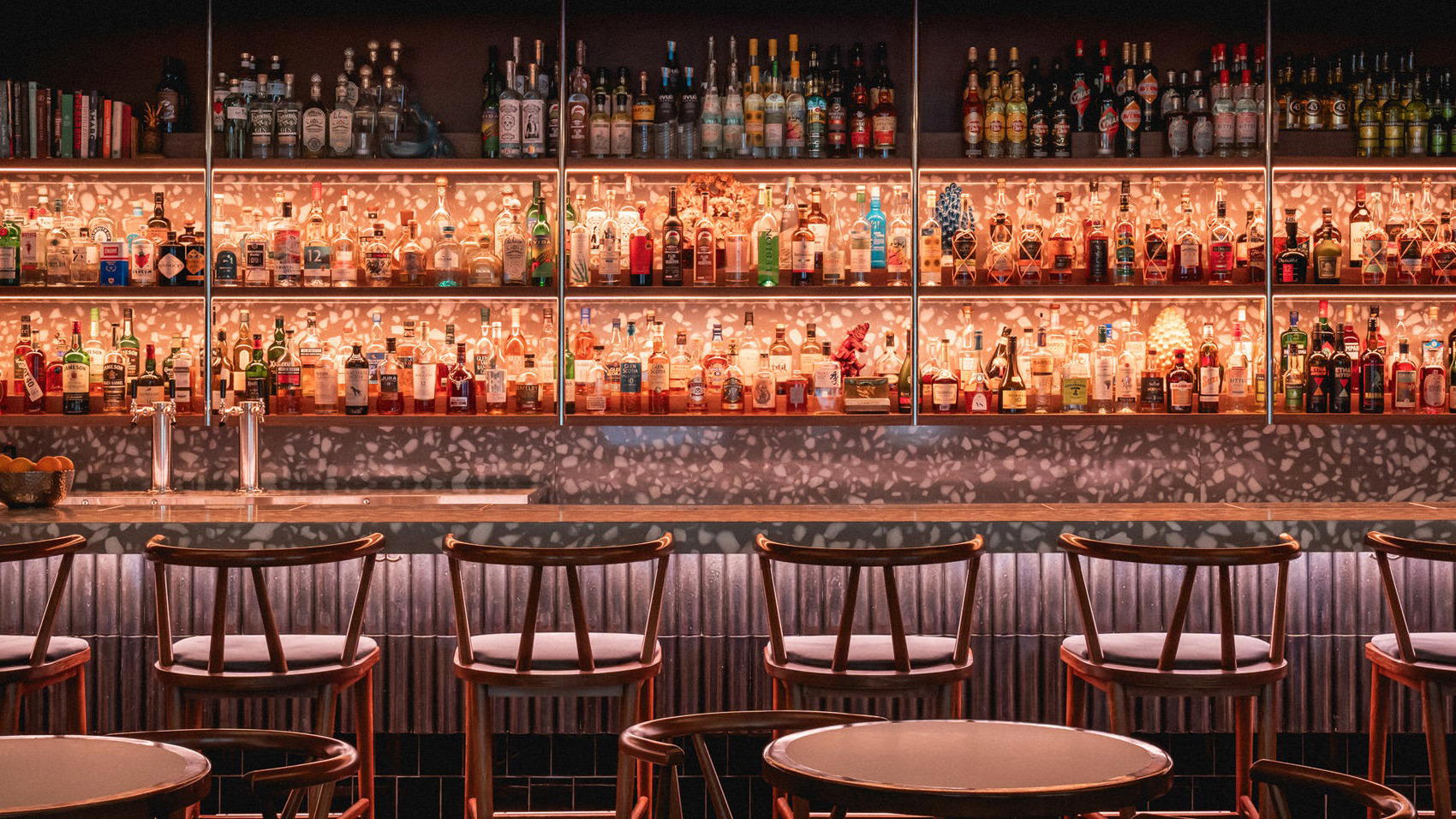
Cozy and comforting Scottish tavern atmosphere with a relaxed, unpretentious, and welcoming vibe.