Our verdict
La Medusa occupies a Drummond Street address in downtown Montreal, positioning it within a city whose restaurant scene has become one of Canada's most competitive. With Montreal's modern cuisine tier running from prix-fixe institutions to neighbourhood-driven tasting formats, La Medusa enters a scene where the meal's arc, its sequencing, pacing, and internal logic, matters as much as any single dish.

Pearl is the En Primeur Club membership app, where members save venues, book tables and use the concierge.

The menu
What to order
- Homemade pasta
- Wood-fired pizza
- Veal dishes
- Grilled fish
- Tiramisu
Where Drummond Street Meets the Tasting Table
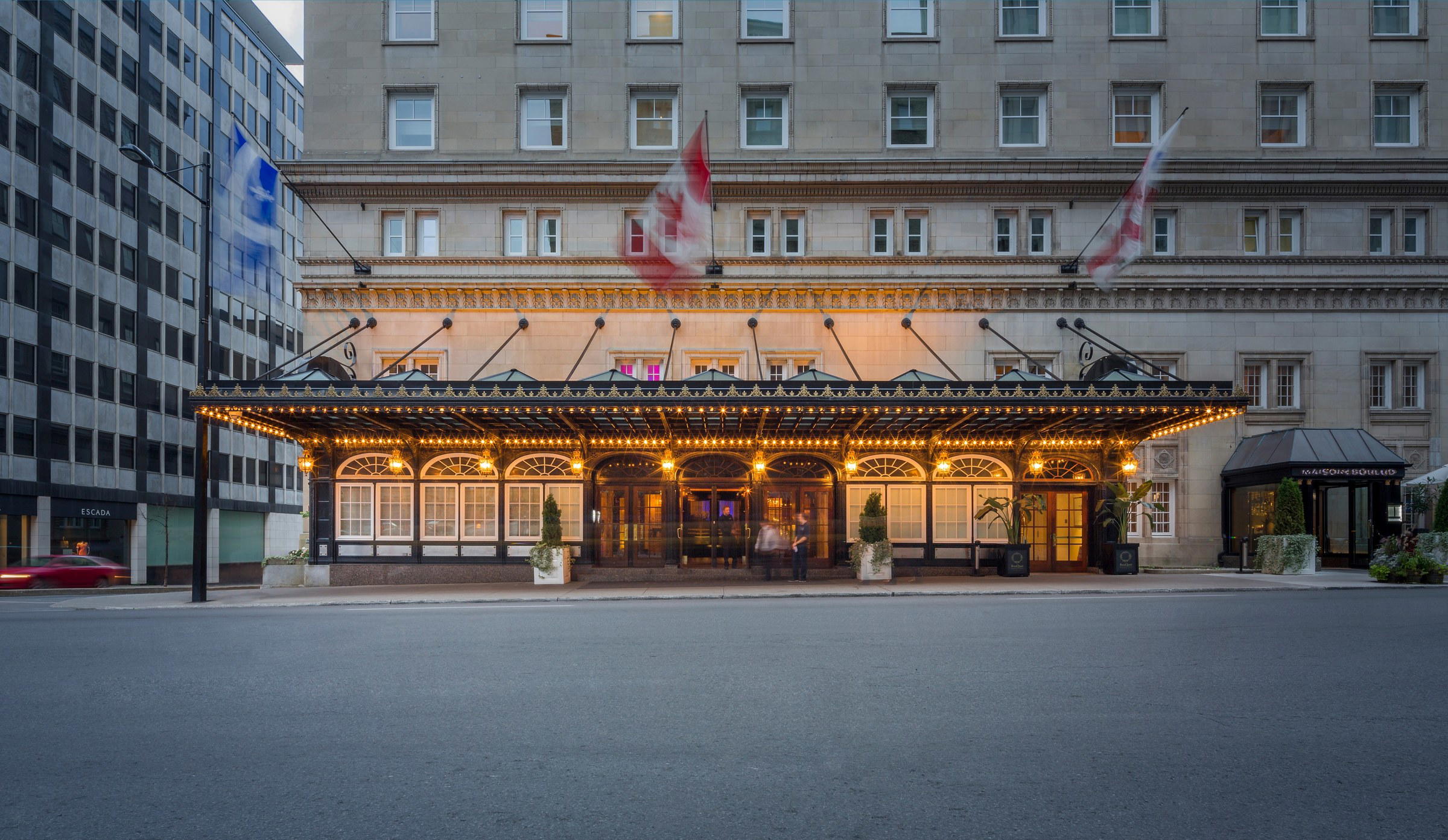
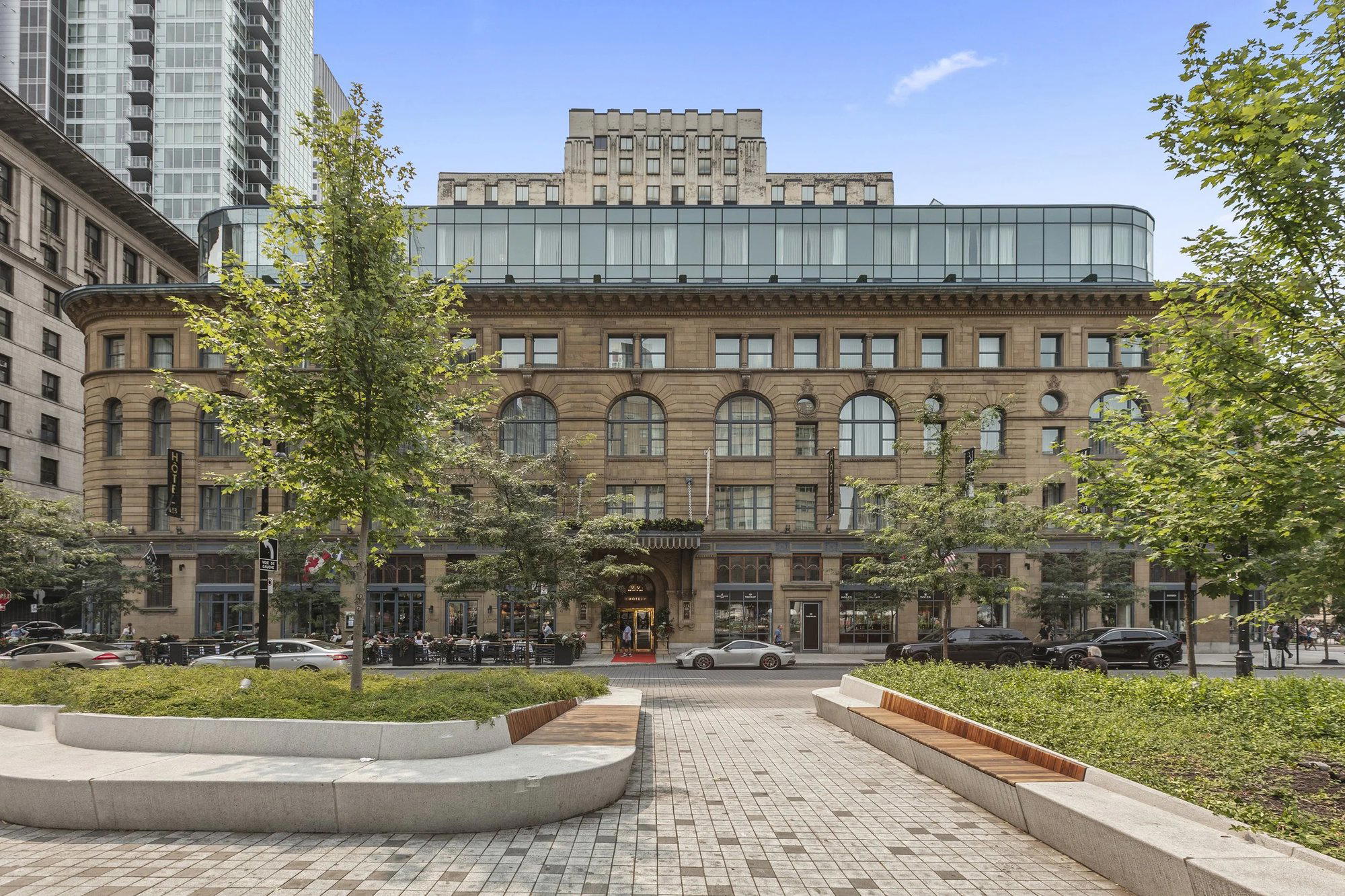
Downtown Montreal has a particular register for dinner. The streets around Drummond and Peel carry the residue of the city's anglophone commercial past, limestone facades, narrow lots, the occasional repurposed club or office building, and restaurants here tend to inherit that architectural seriousness rather than fight it. La Medusa, at 1218 Drummond, sits inside this zone, a neighbourhood that has quietly accumulated a cluster of destination dining rooms without becoming a district in the way that Saint-Laurent or Notre-Dame-Ouest have. The setting primes a certain expectation: this is not a casual address.
Montreal's fine-dining tier has diversified considerably over the past decade. The old model, French-coded, tablecloth-formal, prix-fixe almost by reflex, has given way to something more varied. You can find Jérôme Ferrer's Europea anchoring the grand-occasion end of modern cuisine at the leading price bracket, while Mastard and Sabayon represent a mid-tier that takes the tasting format seriously without the ceremony overhead. La Medusa enters this field at a Drummond address that suggests positioning toward the considered, destination end of the spectrum rather than the drop-in bistro category represented by L'Express or the counter-culture register of Schwartz's.
The Architecture of a Meal
The logic of a multi-course progression is not neutral. Every kitchen that commits to sequencing, amuse to dessert, snack to main event, is making an argument about how flavour should build, where tension should sit, and when the diner should be surprised versus confirmed. Montreal's most discussed tasting rooms have tended to treat this arc as the primary creative act rather than a container for individual showpiece dishes. The meal's internal narrative matters: a course that resolves too early flattens what follows; a course held too long turns anticipation into restlessness.
In this context, the address and name of La Medusa suggest a positioning that takes the full-meal format as its unit of composition. The name itself carries Mediterranean resonance, a reference that in Montreal's restaurant vocabulary often signals an engagement with Southern European technique without a literal commitment to any single national cuisine. Whether that proves to be the interpretive frame here would require confirmed menu data, but the signal is consistent with a city that has become comfortable with cross-reference cuisine at serious price points. For comparable tasting-progression thinking at the national level, Tanière³ in Quebec City and Alo in Toronto each demonstrate how the arc of a meal can carry editorial weight beyond any single dish.
Placing La Medusa within Montreal's dining field requires some triangulation. The city's most recognized rooms, Toqué at the four-dollar-sign ceiling, Europea at the same tier, have held their positions through a combination of tenure, critical attention, and the kind of repeat clientele that sustains a restaurant across economic cycles. The mid-level modern cuisine cohort, where Mastard operates at three dollar signs, is where the interesting pressure currently sits: enough ambition to attract serious diners, enough flexibility on format and price to build broader access.
La Medusa's Drummond location places it in proximity to the city's hotel and business district corridor, which historically generates a reliable weeknight cover count but can flatten a room's identity if the kitchen doesn't assert a clear point of view. The restaurants in this neighbourhood that have built durable reputations have done so by giving locals a reason to cross the city, not just providing convenience to the Sherbrooke hotel cluster. 3 Pierres 1 Feu and Abu el zulof represent the kind of neighbourhood specificity that builds word-of-mouth beyond tourism circuits.
Nationally, the benchmark for tasting-format restaurants outside major urban centres is instructive. Narval in Rimouski and Restaurant Pearl Morissette in Lincoln have each demonstrated that the rigour of a meal's arc can carry a room's reputation across significant geographic distances. The Pine in Creemore and Eigensinn Farm in Singhampton extend the same logic into rural Ontario. In that national conversation, Montreal's downtown rooms are expected to hold their own. For historical French-Canadian cooking reference, Aux Anciens Canadiens in Quebec City provides a useful point of contrast with the contemporary modern-cuisine tier.
The Case for the Multi-Course Format in This City
Montreal diners have absorbed the tasting menu format with less resistance than many North American markets. The city's bilingual food press, its density of culinary school graduates, and its proximity to French food culture have produced a dining public that treats a two-and-a-half-hour meal as a reasonable Tuesday proposition rather than a special-occasion stretch. This matters operationally: restaurants that offer sequential menus here can expect guests to read the arc without explanation, to hold attention across eight or ten courses, and to engage with the wine program as a pairing rather than a list to order from defensively.
That cultural infrastructure is what makes Montreal a viable environment for ambitious tasting-format kitchens. The comparison to other markets is useful: Le Bernardin in New York and Atomix operate in a city where the tasting format competes with a much noisier à la carte culture; AnnaLena in Vancouver works within a West Coast register that prizes informality even at serious price points. Montreal's version of the form tends to carry more classical structure without the full weight of Parisian ceremony. La Medusa's positioning on Drummond places it inside this tradition.
Planning Your Visit
La Medusa is located at 1218 Drummond Street in downtown Montreal, within walking distance of the Peel metro station and the hotel cluster along Sherbrooke. For dining rooms in this neighbourhood tier, reservations are generally advisable for weekend evenings; the downtown business-district corridor sees lighter weekend foot traffic, which means prime Saturday slots at destination restaurants can fill from advance bookings rather than walk-ins. Checking the venue's current booking method directly, whether through their own reservations system or a third-party platform, is the practical first step. For a broader orientation to the city's restaurant landscape, the EP Club Montreal restaurants guide maps the full competitive field across price tiers and neighbourhood zones. Those travelling regionally might also consider Barra Fion in Burlington or Bearspaw Golf Club in Calgary for contrast points in the broader Canadian dining circuit.
Frequently asked questions
What's the address for La Medusa?
La Medusa is located at 1218 Drummond St, Montreal, Quebec H3G 1V7, Canada, Montreal.
Is La Medusa a good choice for a tasting menu dinner in Montreal?
La Medusa's Drummond Street address places it in the part of downtown Montreal that has consistently supported destination-format dining, where sequenced multi-course meals are the dominant mode rather than the exception. Montreal as a city has absorbed the tasting menu format with less friction than comparable North American markets, partly due to its bilingual food culture and density of informed diners. For visitors building an itinerary around that format, La Medusa's location near the Peel metro and the city's core hotel cluster makes it a logistically sensible anchor for an evening.
What dish is La Medusa famous for?
In Montreal's destination-dining tier on streets like Drummond, kitchens operating at this level typically build identity through sequenced multi-course formats rather than a single plate, so the menu architecture itself tends to be the calling card. For confirmed dish details, checking directly with the restaurant before your visit is the most reliable approach.
What's the best way to book La Medusa?
For destination rooms at 1218 Drummond Street in downtown Montreal, same-day availability is rarely the reality, reservation platforms such as OpenTable or Resy cover most of this corridor, and direct outreach through the restaurant's own channels, once confirmed, is advisable for special occasion requests.
What's the standout thing about La Medusa?
La Medusa's position on Drummond Street places it inside Montreal's downtown destination-dining corridor, a zone with a historically strong appetite for considered, multi-course formats. The address alone, within walking distance of the Peel metro and the Sherbrooke hotel cluster, signals a room oriented toward occasion dining rather than casual neighbourhood traffic. In a city where the tasting menu format has found deeper roots than in most North American markets, that positioning carries real weight.
Reputation Context
Comparable venues nearby, for context on price, style, and recognition.
| Venue | Cuisine | Price | Awards | Notes |
|---|---|---|---|---|
| La MedusaThis venue (the venue you are viewing) | Authentic Italian Trattoria | $30–50 | Not listed | Not listed |
| Restaurant Tbsp. | Mediterranean-inspired Modern Italian | Not listed | Not listed | Quartier international de Montreal |
| Restaurant Elena | Contemporary Italian Pizza & Wine Bar | $30–50 | Canada's 100 Best Restaurants #93 | Saint-Henri |
| Il Bazzali | Italian with International Flair | $50–100 | Not listed | District de Saint-Édouard |
| Le Richmond | Northern Italian Fine Dining | $50–100 | Not listed | Griffintown |
| Ristorante Quattro | Contemporary Italian | Not listed | Not listed | Vieux Montréal |
Continue exploring
More in Montréal
Restaurants in Montréal
All restaurants in Montréal →
Bars in Montréal
All bars in Montréal →
Details
- Cozy
- Classic
- Elegant
- Well Known
- Date Night
- Business Dinner
- Group Dining
- Family
- Celebration
- Special Occasion
- Private Dining
- Terrace
- Extensive Wine List
- Local Sourcing
- A La Carte
- Family Style
- Wine
- Vegetarian Friendly
- Gluten Free Options
- Pescatarian Friendly
- Allergy Accommodating
Current opening hours
- Monday
- 12–2:30 PM, 5–10 PM
- Tuesday
- 12–2:30 PM, 5–10 PM
- Wednesday
- 12–2:30 PM, 5–10 PM
- Thursday
- 12–2:30 PM, 5–10 PM
- Friday
- 12–2:30 PM, 5–10 PM
- Saturday
- 5–10 PM
- Sunday
- Closed
Hours can change for holidays and private events. Hours as of .
Warm and inviting atmosphere with a cozy, down-to-earth ambience that feels welcoming and friendly.