Breads of India
Our verdict
On a residential stretch of Sacramento Street in Berkeley, Breads of India has built a quiet but durable reputation around the subcontinent's bread traditions and the regional Indian cooking that frames them. The kitchen operates in a neighbourhood better known for its proximity to the Gourmet Ghetto than for South Asian dining, which makes its specificity of focus all the more deliberate.

Pearl is the En Primeur Club membership app — saves, bookings, and concierge access live there. Same editors, same standards.
- Address
- 2448 Sacramento St, Berkeley, CA 94702
- Phone
- (510) 848-7684
- Hours
- Mon 11:30 AM–2:30 PM, 5:30–9:30 PMTue ClosedWed–Sun 11:30 AM–2:30 PM, 5:30–9:30 PM
- Website
- breadsofindia.com
- Directions
- Get directions
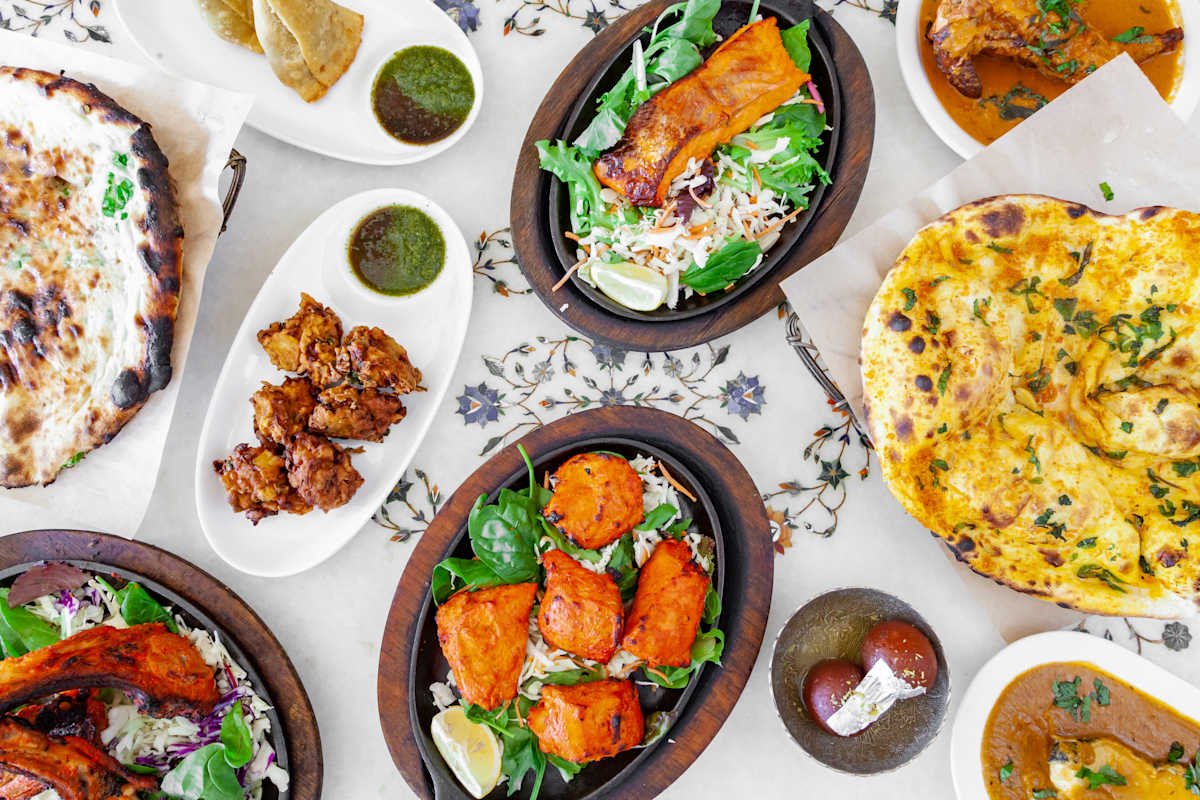
The menu
What to order
- Masaledar Bharwa Karela
- Chicken Tikka Masala
- Samosa
Sacramento Street and the Case for Specificity
Berkeley's dining culture has long rewarded restaurants that commit to a narrow proposition and execute it with discipline. The stretch of Sacramento Street where Breads of India sits is residential and unhurried, far from the foot traffic of Telegraph Avenue or the density of the Gourmet Ghetto corridor. That address is, in a sense, editorial: a restaurant that draws people to a quiet block has to earn each visit on the strength of what comes out of the kitchen, not on passing trade or neighbourhood atmosphere alone.
Indian restaurant culture in the Bay Area has historically clustered in two registers: fast-casual lunch buffets aimed at a broad audience, and upscale tasting-format kitchens that foreground modernist technique. Breads of India occupies a different position. The focus on bread as an organising principle reflects a culinary tradition that most American menus flatten or ignore. Across the subcontinent, bread is not a side note; it is a structural element of the meal, varying by grain, region, leavening method, and cooking surface in ways that a single word like "naan" does not begin to capture.
The Bread Traditions Behind the Menu
The argument for treating bread as a primary subject is well-supported by Indian culinary geography. Northern wheat-growing regions produce tandoor-baked flatbreads with high hydration and a characteristic char. Western and coastal traditions favour thinner, shorter-cooked breads from iron griddles. Southern kitchens work with fermented rice batters and lentil-based preparations that expand the definition of bread entirely. A restaurant that takes these distinctions seriously is making a claim about authenticity that goes beyond ingredient sourcing: it is saying that the format of the meal matters, that the vehicle shapes the experience of everything else on the table.
This is the editorial angle that connects Breads of India to a wider trend in American dining. In the same period that kitchens like Blue Hill at Stone Barns in Tarrytown built reputations around the primacy of a single agricultural philosophy, or that Single Thread Farm in Healdsburg structured its menus around hyper-local seasonal produce, a smaller number of immigrant-tradition restaurants in the Bay Area began asserting that specificity of origin was itself a form of technique. Bread, in this framing, is not a category of supporting carbohydrate but a regional argument.
Berkeley's Indian Dining Context
Berkeley has a deeper bench of regional Indian cooking than most West Coast cities its size. Ajanta has operated on Solano Avenue for decades with a rotating menu of regional Indian dishes that shifts by season, a format that positions it as one of the more research-oriented kitchens in this category locally. Breads of India sits in a comparable tier of commitment to subcontinental specificity, though with a different organising logic.
The broader Berkeley restaurant scene across which both sit is diverse enough to support genuine culinary cross-referencing. 900 Grayson built a long reputation on American comfort cooking executed with care. Agrodolce represents the Italian side of the city's cooking culture. AKEMI works within a Japanese framework. Angeline's Louisiana Kitchen covers Southern American tradition. The range points to a city that takes culinary specificity seriously across multiple traditions, which is the environment in which a bread-focused Indian kitchen can establish a durable niche rather than competing on generalism. Our full Berkeley restaurants guide maps the broader picture.
Local Ingredients, Imported Method
The editorial angle that most defines what Breads of India represents in the American Indian restaurant landscape is the intersection of imported technique and available local product. California's agricultural output is extensive enough that a kitchen drawing on subcontinental cooking methods has access to ingredients that can be both locally sourced and appropriate to traditional preparations. The Bay Area's proximity to Northern California's wheat, rice, and legume farming means that grains used in Indian bread traditions do not necessarily have to travel from distant commodity suppliers.
This is a pattern visible across American fine dining at a different price point. Smyth in Chicago built a programme around the tension between classical European technique and hyperlocal Midwestern produce. Providence in Los Angeles applies French-influenced precision to Pacific Coast seafood. Le Bernardin in New York City has spent decades arguing that French classical rigour is the appropriate lens through which to handle American-sourced fish. In each case, the restaurant's distinctiveness rests on the friction between an imported culinary grammar and a local ingredient reality. Breads of India works within a version of the same logic, at a different price register and with a tradition that is less frequently examined through this frame.
Fermentation also enters the picture here. Several South Indian bread traditions rely on lacto-fermented rice and lentil batters, a technique that the Bay Area's craft food culture — represented by producers like Cultured Pickle Shop — has made more legible to a local audience already attuned to fermentation as a quality signal. The convergence is not accidental: Berkeley is one of the few American cities where a diner ordering a fermented lentil bread might arrive with prior knowledge of why fermentation matters.
Planning Your Visit
Breads of India is located at 2448 Sacramento Street in Berkeley, a walkable distance from the Elmwood neighbourhood and accessible from the Ashby BART station. Given the restaurant's neighbourhood positioning and modest footprint, visiting on a weekday is generally advisable for those who prefer a calmer pace. Those planning a wider day in Berkeley around South Asian dining may want to cross-reference the Ajanta listing and the city guide for complementary options.
Frequently asked questions
Where is Breads of India located?
Breads of India is located at 2448 Sacramento St, Berkeley, CA 94702, Berkeley.
How does Breads of India differ from other Indian restaurants in Berkeley?
Where most Indian restaurants in Berkeley offer a broad menu across curries, rice dishes, and breads, Breads of India centres its menu explicitly on bread traditions drawn from Indian culinary geography, particularly the tandoor-based techniques of the northern wheat-growing regions. Berkeley already has a deeper bench of regional Indian cooking than most West Coast cities its size, with venues like Ajanta holding long-term neighbourhood credibility, but a bread-forward approach of this specificity is uncommon in the American Indian restaurant context. The restaurant is located at 2448 Sacramento Street in the Elmwood-adjacent stretch, within walking distance of the Ashby BART station.
What's the must-try dish at Breads of India?
The menu is structured around bread as the primary subject rather than a supporting role, so the breads themselves are the point of the visit. Northern tandoor-baked preparations and regional flatbreads from India's wheat-growing zones are the kitchen's focus. Specific current offerings are best confirmed directly with the restaurant at 2448 Sacramento Street, Berkeley.
Is Breads of India reservation-only?
Given the restaurant's location on Sacramento Street and its reputation for a focused, discipline-driven menu, it is advisable to check the venue's official channels before visiting to confirm availability and any booking requirements.
What has Breads of India built its reputation on?
Breads of India has built its standing in Berkeley by committing to bread as a central culinary subject, drawing on the regional traditions of India's wheat-growing north and the technique-driven culture of tandoor cooking. Berkeley's Indian dining scene includes long-running operations like Ajanta on Solano Avenue, and Breads of India occupies a distinct position by narrowing its proposition rather than broadening it. That specificity is what separates it from more general Indian menus on the West Coast.
How does Breads of India handle allergies?
Guests with specific dietary requirements should contact the restaurant at 2448 Sacramento Street, Berkeley directly before visiting to discuss the menu and any necessary modifications.
Peers You’d Cross-Shop
Comparable venues nearby, for context on price, style, and recognition.
| Venue | Cuisine | Price | Notes |
|---|---|---|---|
| Breads of IndiaThis venue — the venue you are viewing | Classic Indian Breads & Curries | $20–30 | Not listed |
| Taste of the Himalayas | Indian & Nepali Fusion | $10–20 | Gourmet Ghetto |
| Noor Indian Fusion Kitchen | Indian Fusion | $20–30 | Central Berkeley |
| Tigerlily | Modern Indian Fusion | $20–30 | Downtown Berkeley |
| Mount Everest Restaurant | Nepali & Indian | $20–30 | Southside |
| Casa Bernal Taqueria | Mexican Taqueria | Not listed | Downtown Berkeley |
Continue exploring
More in Berkeley
Restaurants in Berkeley
Browse all →

Bars in Berkeley
Browse all →
Hotels in Berkeley
Browse all →



Details
- Cozy
- Rustic
- Casual Hangout
- Family
- Local Sourcing
- A La Carte
- Vegetarian Friendly
Current opening hours
- Monday
- 11:30 AM–2:30 PM, 5:30–9:30 PM
- Tuesday
- Closed
- Wednesday
- 11:30 AM–2:30 PM, 5:30–9:30 PM
- Thursday
- 11:30 AM–2:30 PM, 5:30–9:30 PM
- Friday
- 11:30 AM–2:30 PM, 5:30–9:30 PM
- Saturday
- 11:30 AM–2:30 PM, 5:30–9:30 PM
- Sunday
- 11:30 AM–2:30 PM, 5:30–9:30 PM
Hours can change for holidays and private events. Last verified .
Warm space with exotic decor.