Breadbox occupies a compact address on Baldestraße in Munich's Isarvorstadt district, operating in a city where sustainability-conscious food businesses are reshaping how residents think about sourcing, waste, and everyday eating. The venue sits in a neighbourhood that bridges student culture and gentrifying gastronomy, placing it in a comparable set that values practice over polish.
Pearl is the En Primeur Club membership app — saves, bookings, and concierge access live there. Same editors, same standards.
- Address
- Baldestraße 19, 80469 München, Germany
- Phone
- +4917623641442
- Website
- breadbox-store.com
- Directions
- Get directions
 Saves & bookings on Pearl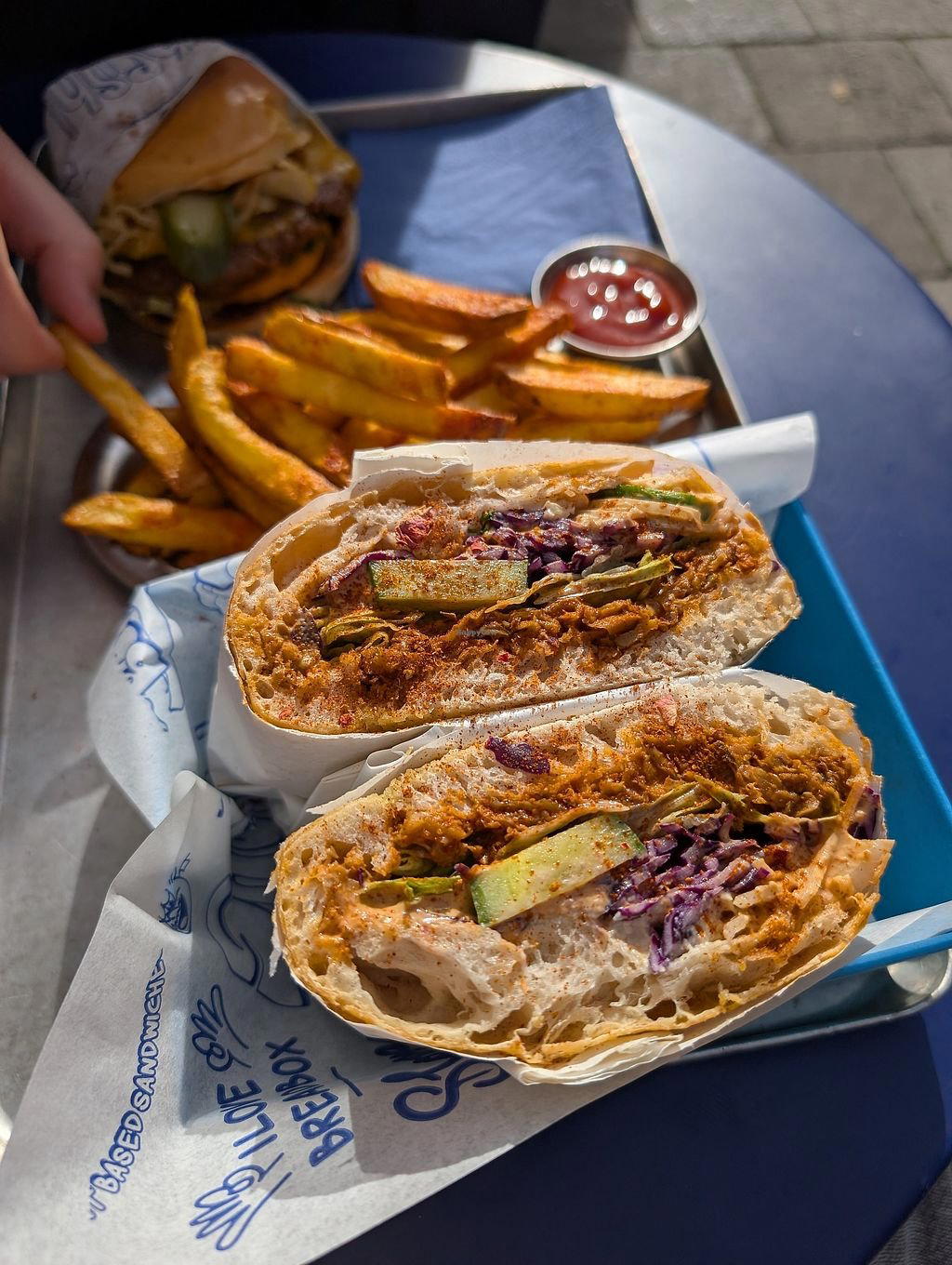
A Neighbourhood Where Food Provenance Has Become the Conversation
Isarvorstadt, the inner-city district stretching south from Sendlinger Tor toward the Isar, has spent the better part of a decade evolving from bohemian afterthought to one of Munich's more considered food neighbourhoods. The streets around Gärtnerplatz and Baldeplatz now host a generation of food businesses that treat sourcing transparency and waste reduction not as marketing angles but as operating constraints. Breadbox, at Baldestraße 19, sits inside that shift. The address alone signals the audience: locals who walk to their food, who expect to know where ingredients come from, and who are increasingly sceptical of the gap between a venue's claimed values and its actual purchasing decisions.
This is the context Munich's sustainability-oriented food scene has built for itself over several years, and it is worth understanding before measuring any individual operator against it. The city's fine-dining tier, represented by addresses like Tantris, Alois - Dallmayr Fine Dining, and Atelier, operates with multi-course tasting formats at €€€€ price points and sources accordingly. But the city's more interesting sustainability story is being written at smaller, less formal addresses where the economics of ethical sourcing are harder to absorb and the operational discipline required to minimise waste is genuinely demanding.
What the Breadbox Address Tells You
Baldestraße runs through the western edge of Isarvorstadt, close enough to the Isar to attract the kind of resident who chooses a neighbourhood deliberately. The street-level address at number 19 places Breadbox in a row of ground-floor businesses that read as neighbourhood-facing rather than destination-seeking. This distinction matters in Munich, where the difference between a venue angling for tourist footfall and one that has built its trade on repeat local custom is usually legible from the outside before you step in.
The name itself carries a directional signal. In a city with a deep baking tradition, where Bäckerei culture is embedded in the daily rhythm of most neighbourhoods, a venue that foregrounds bread in its identity is either drawing on that tradition or positioning against the industrialised end of it. Munich's serious bread culture has long operated on short supply chains by necessity: smaller mills, regional grain, limited shelf life. An address that takes that seriously has a built-in framework for thinking about provenance that extends naturally into the rest of its offer.
The Sustainability Frame in Munich's Food Business
Across Germany, coherent sustainability arguments in food have come from venues operating with tight formats: fixed menus that allow precise procurement, small seat counts that limit over-ordering, and direct relationships with producers that make traceability achievable rather than aspirational. CODA Dessert Dining in Berlin has built a Michelin-recognised model around radical format constraint. ES:SENZ in Grassau, in Bavaria itself, operates with a producer-relationship approach that reflects the region's agricultural proximity. These are not outliers; they are part of a broader renegotiation of what a food business owes its supply chain.
Breadbox operates in a different price tier and with a different daily rhythm than those addresses, but the underlying logic is the same: decisions about what to serve are inseparable from decisions about where it comes from and what happens to what isn't used. In Isarvorstadt, that logic has a receptive audience. The neighbourhood's demographic skews toward residents who read ingredient labels and who have moved their purchasing toward producers they can name. A food business that cannot speak to those expectations clearly tends to lose that customer quickly.
For comparison across the German fine-dining spectrum, addresses like Schwarzwaldstube in Baiersbronn, Vendôme in Bergisch Gladbach, and Waldhotel Sonnora in Dreis represent the heavily awarded, formal end of the country's restaurant culture. Their sourcing decisions carry significant purchasing power. What is instructive is that even at that level, the conversation about provenance has shifted from optional credential to expected baseline. At the neighbourhood level where Breadbox operates, the shift has been faster because the margins are tighter and the customer relationship is more direct.
Munich's Broader Food Reference Points
Understanding where Breadbox sits requires placing it against Munich's range. At the summit of the city's restaurant hierarchy, JAN and Tohru in der Schreiberei operate creative and cross-cultural formats at the city's most demanding price and reservation thresholds. Those venues represent one end of the spectrum: high investment, high reward, and a sourcing approach that can accommodate premium provenance because the menu price absorbs it.
Breadbox operates in a different register, one where the sustainability argument has to be made without the cushion of a multi-course tasting menu price point. That is, in many ways, the harder and more instructive case. It is also the more common one: most people's daily food decisions happen at the neighbourhood level, not at the fine-dining counter. The venues that manage to hold their sourcing principles at accessible price points are doing something that the formally awarded tier rarely has to solve.
Internationally, the comparison points are venues like Lazy Bear in San Francisco, which has built a format around community and transparency, or Le Bernardin in New York City, which has used its scale to formalise sustainable seafood sourcing at the leading end. These are not direct peers of Breadbox, but they illustrate that the sustainability conversation in food runs across every price tier and format type.
Planning a Visit
Breadbox is at Baldestraße 19 in Munich's Isarvorstadt district, reachable on foot from Sendlinger Tor or via tram along Lindwurmstraße. Breadbox is open for lunch and early evening service, with a walk-in-friendly format that suits casual visits.
A Pricing-First Comparison
Comparable venues nearby, for context on price, style, and recognition.
| Venue | Cuisine | Price | Notes |
|---|---|---|---|
| BreadboxThis venue — the venue you are viewing | Not listed | $ | Not listed |
| Sababa | Not listed | $ | Altstadt, Traditional Middle Eastern Falafel & Shawarma |
| Libanon | Schwabing, Lebanese Imbiss | $ | Not listed |
| Kleiner Ochsnbrater | Not listed | $ | Altstadt, Traditional Bavarian Organic Street Food |
| S' Maillinger | Not listed | $ | Neuhausen, Traditional Bavarian & Austrian |
| Trisoux Bar | Isarvorstadt, Cocktail Bar | $$ | Not listed |
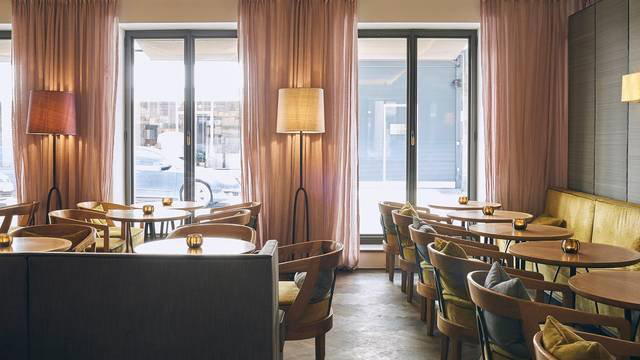
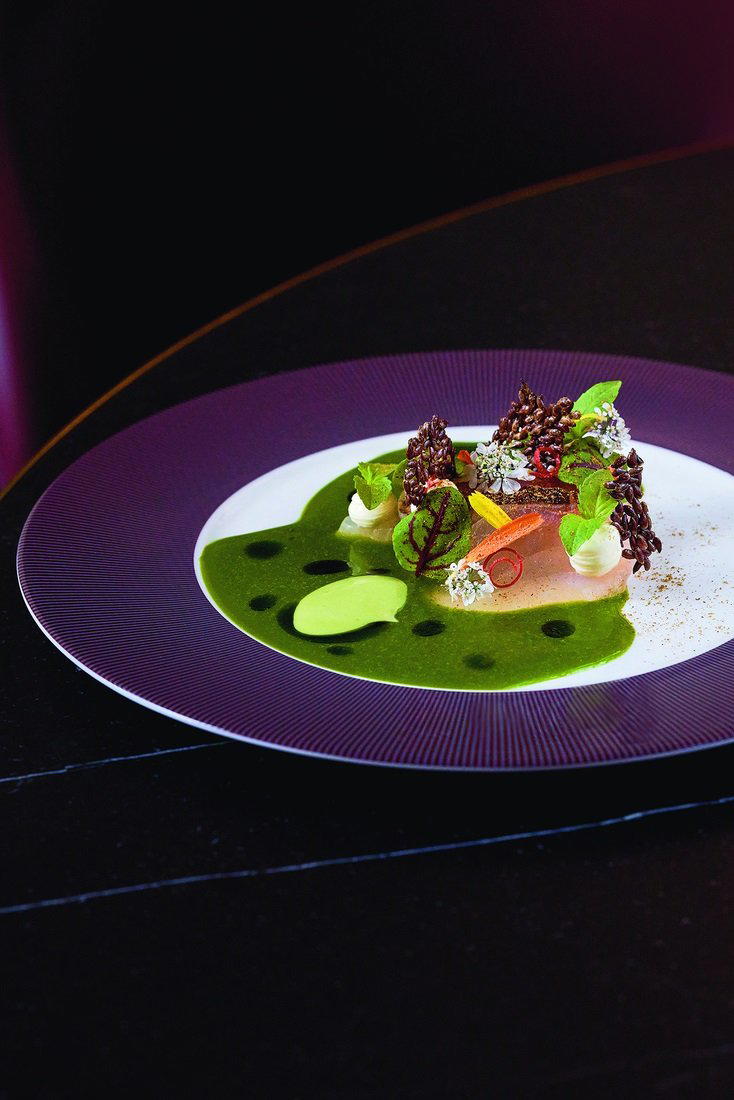
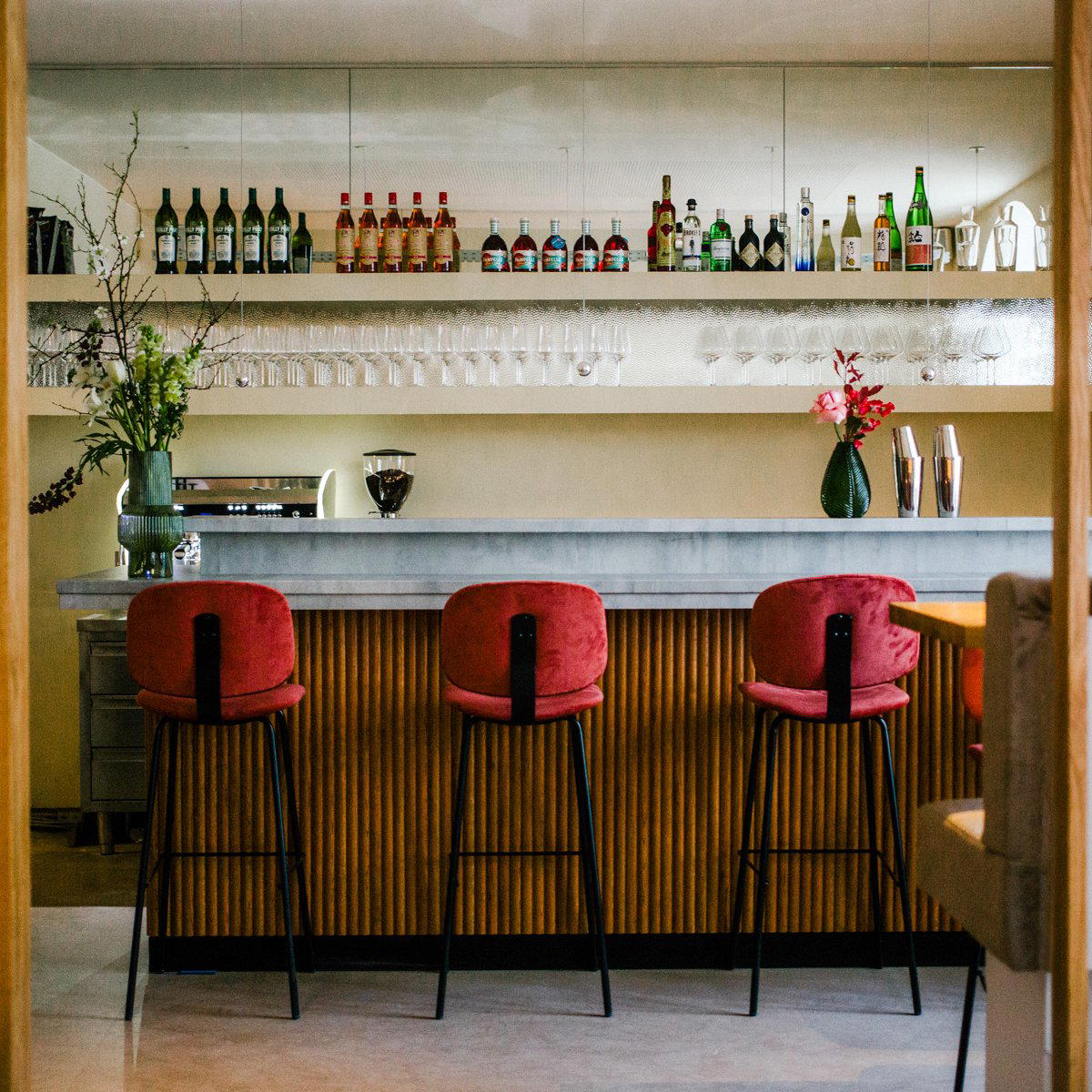
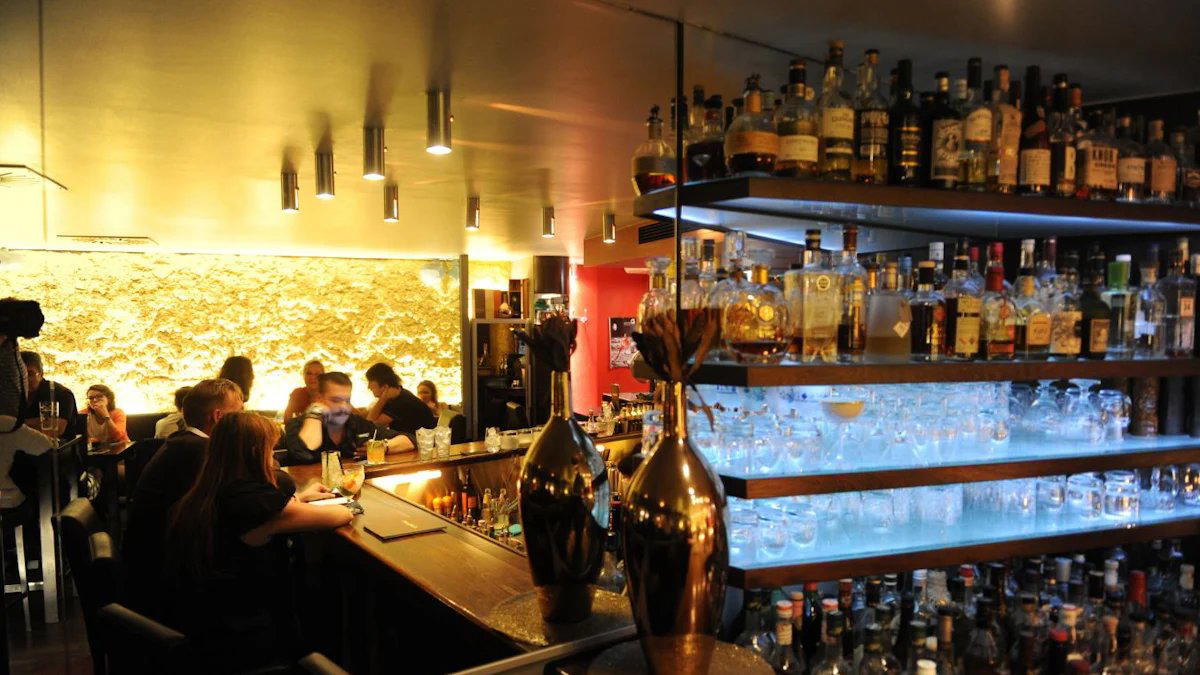
At a Glance
- Trendy
- Modern
- Casual Hangout
- Brunch
- Local Sourcing
Current opening hours
- Monday
- Closed
- Tuesday
- 12–3 PM, 5–8 PM
- Wednesday
- 12–3 PM, 5–8 PM
- Thursday
- 12–3 PM, 5–8 PM
- Friday
- 12–3 PM, 5–8 PM
- Saturday
- 12–4 PM, 5–8 PM
- Sunday
- 12–4 PM, 5–8 PM
Hours can change for holidays and private events. Last verified .
Casual takeaway spot with a modern, Instagram-worthy vibe focused on lively handheld food.