On Müllerstraße in Munich's Glockenbachviertel, Trisoux Bar occupies a stretch of the city's most animated drinking corridor, where the bar scene has shifted decisively away from beer-hall convention toward ingredient-led cocktail programs. The address places it within walking distance of several of Munich's more serious independent operators, making it a natural stop within a considered evening itinerary.
- Address
- Müllerstraße 41, 80469 München, Germany
- Phone
- +498923027755
- Website
- trisoux.com
- Directions
- Get directions
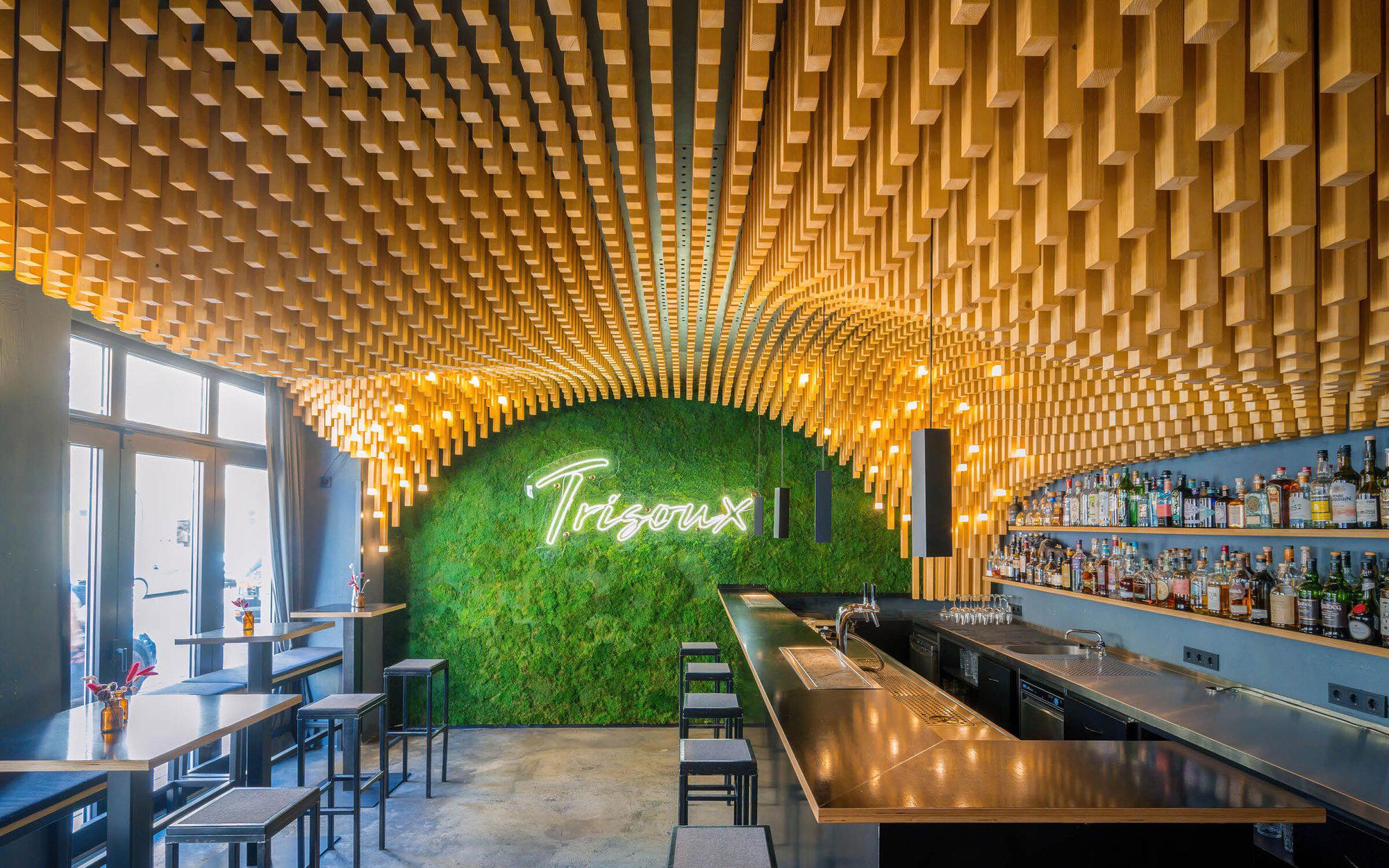
Glockenbachviertel and the New Munich Bar Logic
Munich's relationship with its own drinking culture has always been complicated. The city's international identity is anchored to Oktoberfest and the great beer halls of the Altstadt, but the neighborhoods south of the Isar have spent the better part of a decade building a bar scene that operates on entirely different terms. Müllerstraße, the spine of the Glockenbachviertel, is where that shift is most legible. The street runs through one of Munich's densest concentrations of independent bars, and the progression from one end to the other reads like a cross-section of the city's drinking priorities: a mix of neighborhood standbys, craft-focused operators, and a growing number of addresses where the drink program takes on the same seriousness that Munich's leading restaurant tier has long applied to food.
Trisoux Bar sits on Müllerstraße 41, inside this corridor. That address is not incidental. In Munich's bar geography, the Glockenbach and neighboring Isarvorstadt represent the clearest alternative to the tourist-facing beer consumption of the center, and venues here compete for a local audience that has grown steadily more demanding. The broader German bar scene, particularly in Berlin and Hamburg, moved toward technically rigorous cocktail programs earlier and more loudly, but Munich has been closing that gap, and the bars along this stretch of Müllerstraße are part of that story.
What the Glockenbachviertel Bar Scene Demands
Across Germany, particularly credible cocktail programs of the last decade have shared a few common features: a focus on sourcing and technique over novelty, a preference for shorter menus with clear point of view, and an awareness of how their work fits into a broader European conversation about what bar culture can be. Operations like CODA Dessert Dining in Berlin have shown how far the German bar and dining scene can push formal boundaries when the underlying discipline is in place. Munich's independent bar operators are working within a similar ethos, even if the city's character keeps things somewhat less maximalist.
The Glockenbachviertel specifically has developed a bar identity rooted in accessibility and craft in roughly equal measure. This is not a neighborhood where velvet ropes and reservation-only formats dominate. The successful bars here tend to operate as places people return to across seasons, building loyalty through consistency and through a menu logic that rewards attention without requiring initiation. For a visitor oriented around Munich's fine-dining tier, which includes addresses like Tantris, Atelier, and Alois - Dallmayr Fine Dining, a bar like Trisoux offers a different register: less formal, less event-driven, but operating with the same city-level seriousness about what ends up in the glass.
Cultural Roots of the Munich Drinking Tradition
Understanding where a bar like Trisoux fits requires some context on what Munich's drinking culture has historically prioritized. Bavaria's beer culture is among the oldest regulated food and drink traditions in the world: the Reinheitsgebot, first enforced in 1516, set purity standards for brewing that shaped not just the product but the entire social architecture around consuming it. Beer halls became civic spaces, and the act of drinking in Munich carried communal and ceremonial weight that has no direct parallel in cocktail bar culture anywhere.
The rise of spirits-focused and cocktail-focused bars in neighborhoods like Glockenbachviertel is partly a generational response to that tradition, and partly a function of Munich's increasing cosmopolitanism. The city draws significant numbers of international residents and visitors whose reference points for a good night out extend well beyond the Hofbräuhaus model. The bars that have found sustained footing on Müllerstraße and its side streets tend to be those that have absorbed both influences: respectful of craft and quality in the way that Bavarian food and drink tradition demands, but also aware of what London, New York, and Copenhagen have been doing with the cocktail format over the same period.
That international frame of reference matters more than it might first appear. Germany's upper-tier dining scene has long engaged with global technique while maintaining strong regional identity, as seen in the German-Japanese synthesis at Tohru in der Schreiberei or the creative ambition at JAN.
Positioning Within the Munich Bar Tier
Munich's bar scene, when mapped against other German cities, sits at an interesting mid-point. Berlin's bar culture is more experimental and more export-facing; Hamburg's is more port-city eclectic. Munich's version is denser, more neighborhood-specific, and tends to prize consistency over spectacle. A bar on Müllerstraße competes primarily with other Glockenbachviertel operators for the local evening trade, and that competition keeps standards calibrated against what the neighborhood audience actually wants rather than what might photograph well for an international audience.
Trisoux Bar occupies a specific position within that local comparable set. Its address on Müllerstraße 41 places it in the thicker part of the street's bar corridor, where foot traffic is self-selecting: people walking this stretch already know they are in drinking territory, and the decision to enter a given door is made on the basis of what they can see and sense from outside. In that context, what a bar communicates at the threshold matters enormously, and the bars that have built reputations here have done so through consistent evenings rather than launch-night press.
For visitors comparing Munich's bar options against the kind of precision-focused programs found internationally, the Glockenbachviertel offers a more approachable entry point. The ambition is present; the formality is not. That balance is, for many visitors, exactly what a night that does not revolve around a booked dining room requires.
Know Before You Go
- Address: Müllerstraße 41, 80469 München, Germany
- Neighbourhood: Glockenbachviertel, Isarvorstadt
At a Glance
Comparable venues nearby, for context on price, style, and recognition.
| Venue | Cuisine | Price | Notes |
|---|---|---|---|
| Trisoux BarThis venue — the venue you are viewing | Isarvorstadt, Cocktail Bar | $$ | Not listed |
| Daddy Longlegs | Schwabing, Açaí Café & Superfood Bowls | $$ | Not listed |
| Jack Glockenbach | Isarvorstadt, Authentic Vietnamese | $$ | Not listed |
| Breadbox | Not listed | $ | Ludwigsvorstadt, Vegan Smashburgers & Sandwiches |
| Pera Meze | Isarvorstadt, Modern Turkish Meze | $$ | Not listed |
| Fisch Witte | Isarvorstadt, Fresh Seafood Bistro | $$ | Not listed |
At a Glance
- Trendy
- Modern
- Cozy
- Intimate
- Sophisticated
- Date Night
- Casual Hangout
- After Work
- Design Destination
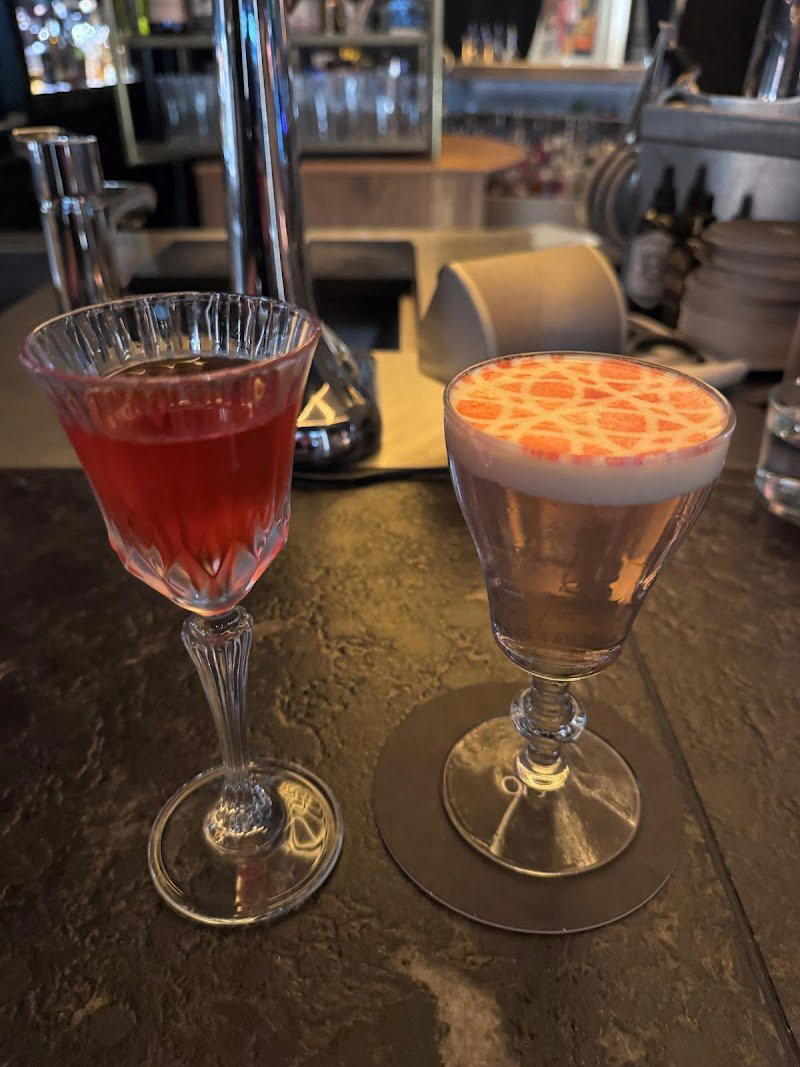
- Craft Cocktails
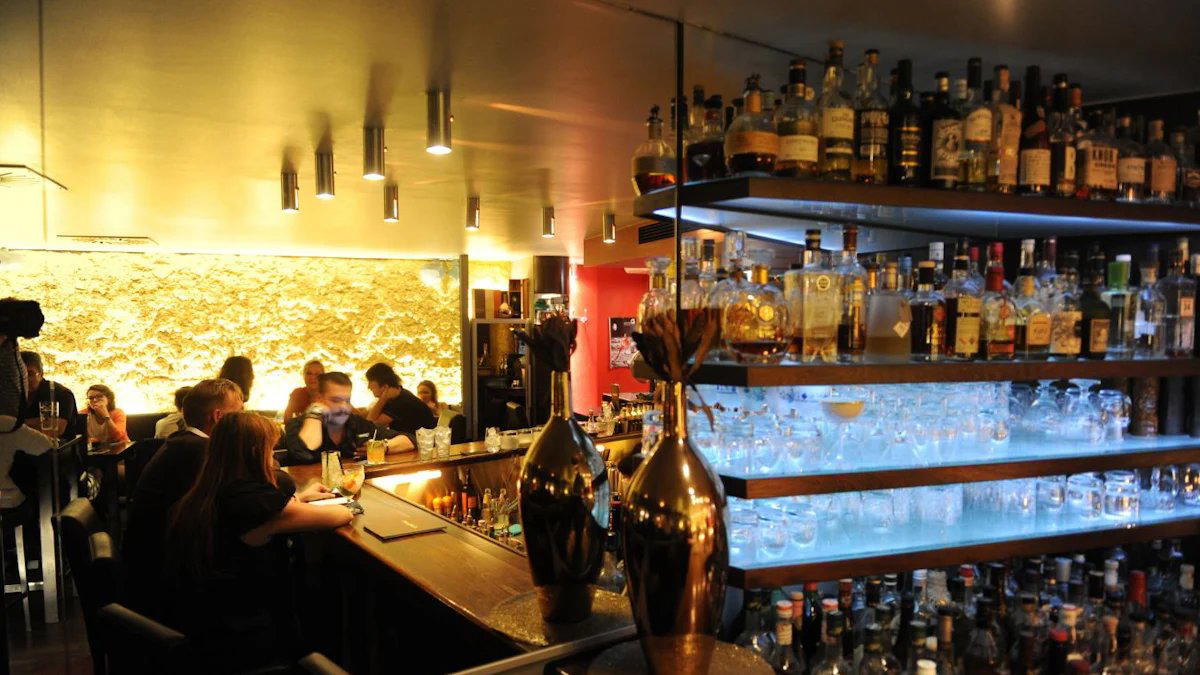
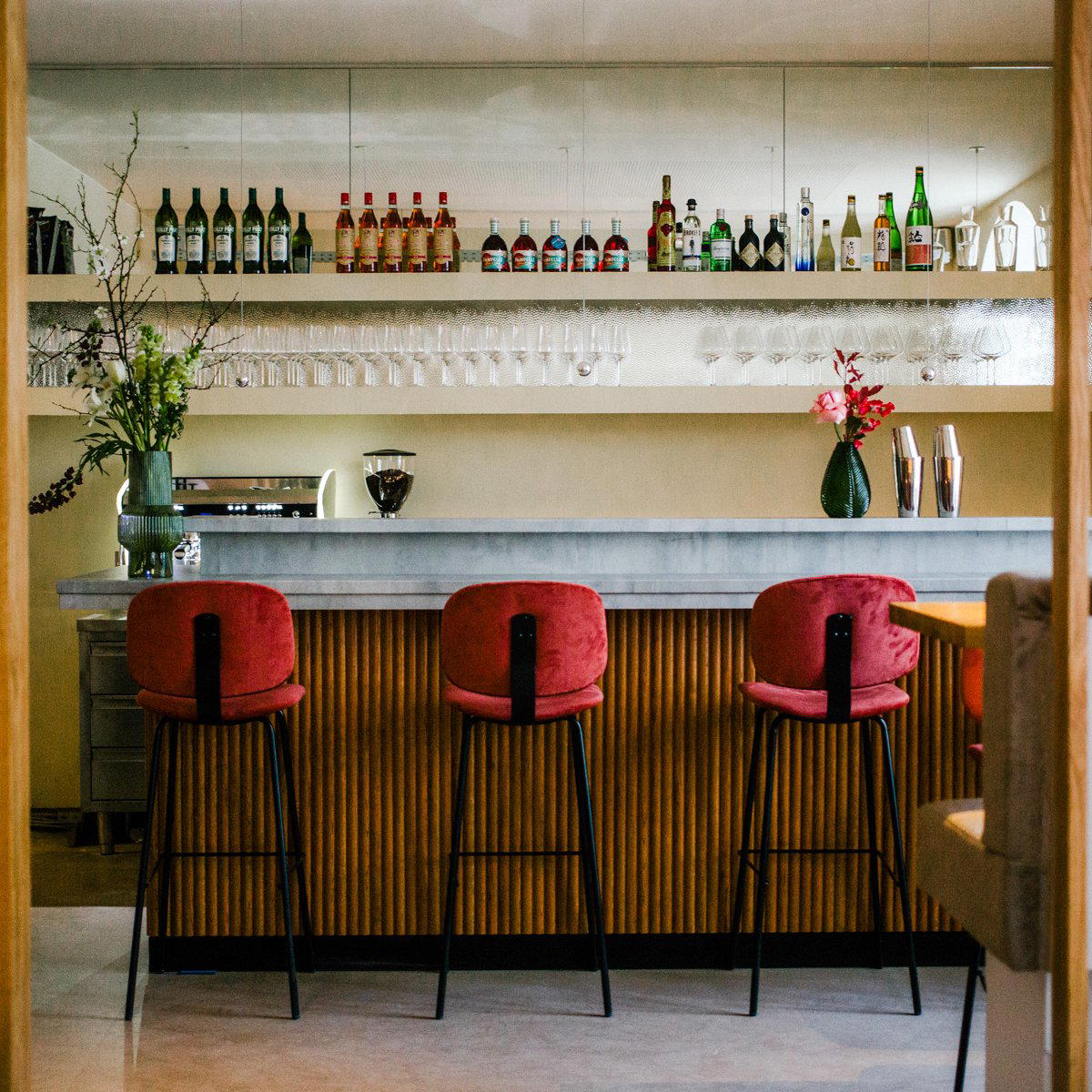
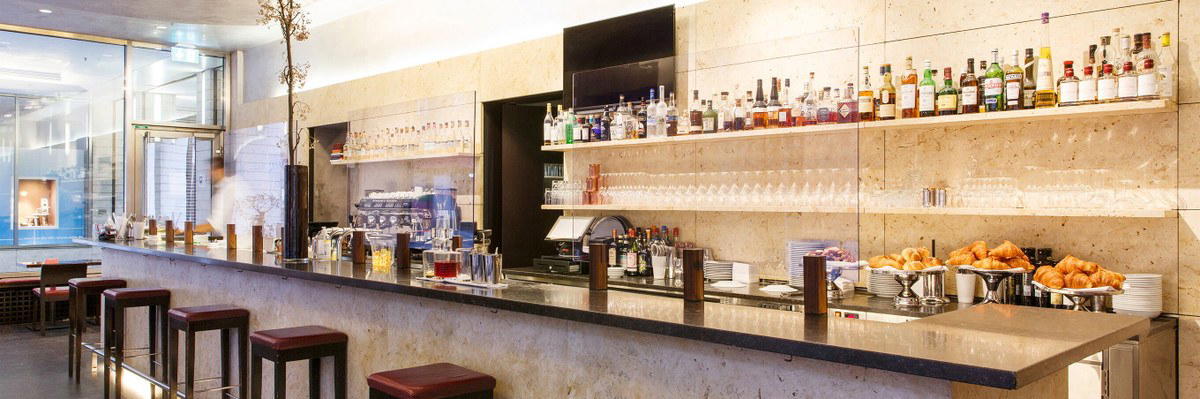
Coolly decorated with dramatic wooden ceiling that varies in height for intimate and public experiences, quirky decor, soft lighting at night, and reduced sound reverberation.