Bread & Butterfly
Bread & Butterfly occupies a particular corner of Atlanta's all-day dining conversation, a Inman Park address where the line between breakfast and lunch blurs deliberately, and the room rewards repeat visits across different hours. It sits in a city whose dining ambitions have expanded well beyond its Southern comfort-food identity, and positions itself accordingly: casual in format, considered in execution.
Pearl is the En Primeur Club membership app — saves, bookings, and concierge access live there. Same editors, same standards.
- Address
- 290 Elizabeth St NE F, Atlanta, GA 30307
- Phone
- +1 678 515 4536
- Website
- bread-and-butterfly.com
- Directions
- Get directions
 Saves & bookings on Pearl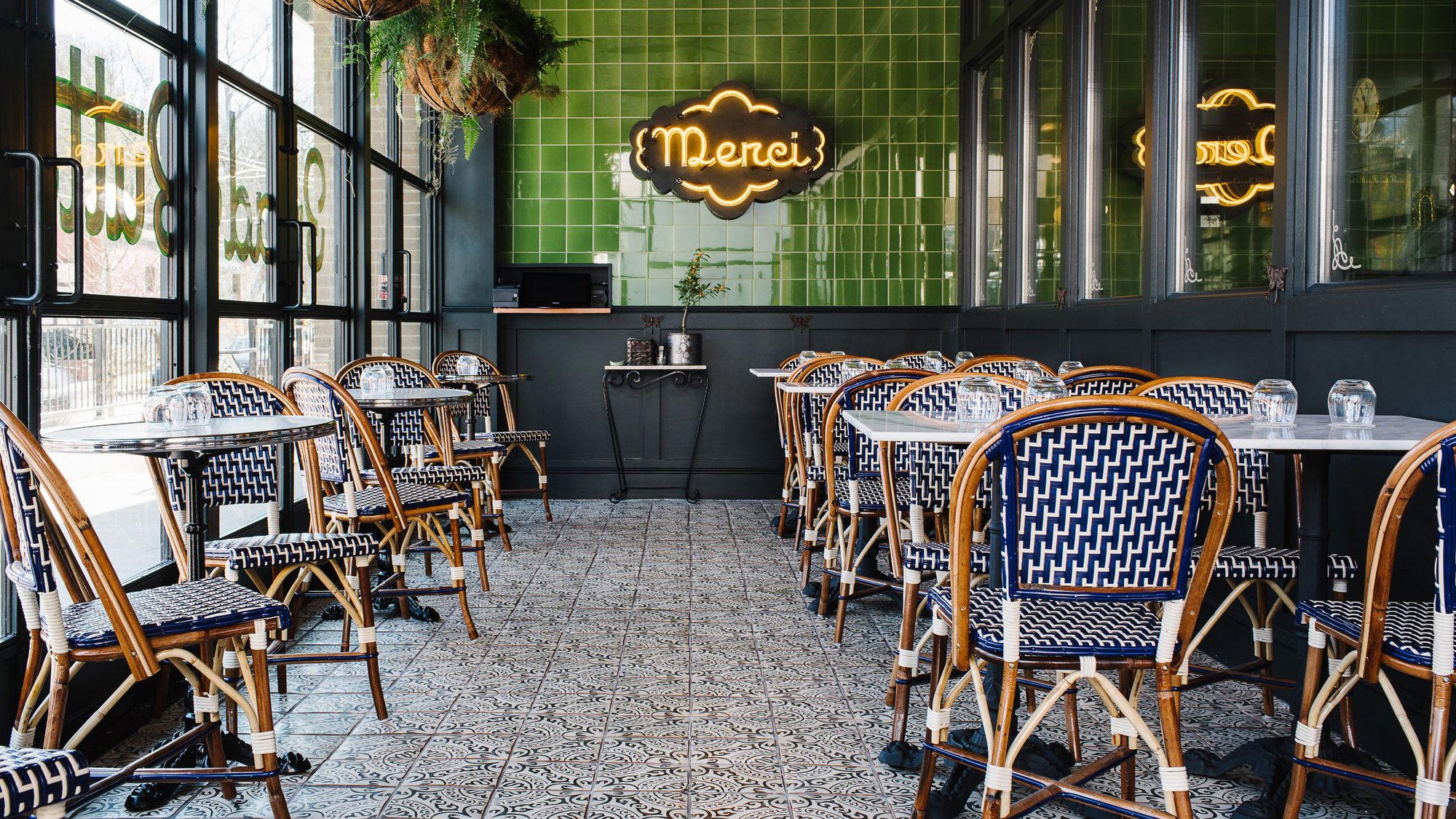
Inman Park's All-Day Rhythm
Atlanta's dining evolution over the past decade has moved in two simultaneous directions: upward, toward the white-tablecloth ambition of places like Bacchanalia and Atlas, and sideways, toward a more European model of neighbourhood restaurants where the time of day shapes the entire experience. Bread & Butterfly is a restaurant in Atlanta's Inman Park, serving French Café & Afro-Caribbean Fusion at a moderate price point. Bread & Butterfly belongs firmly to the second tradition. Located at 290 Elizabeth Street NE in Inman Park, it operates in a part of the city where Victorian bungalows give way to shaded sidewalks and the weekend brunch queue is its own kind of social ritual.
The address itself signals intent. Inman Park sits east of downtown, and its dining character has coalesced around exactly the kind of casual-but-considered approach that Bread & Butterfly represents. This is a neighbourhood that attracts residents who care about what they eat without wanting the ceremony of a tasting menu, and the restaurant reads that crowd accurately. Walking up Elizabeth Street on a weekend morning, the visual cues arrive before you reach the door: a gathered crowd, coffee cups already in hand, the particular low hum of a room that's been running since early morning.
The All-Day Format as Editorial Statement
In American restaurant culture, the all-day café model carries a specific weight. For most of the twentieth century, breakfast and lunch were functionally separate from dinner in terms of kitchen investment, price expectation, and critical attention. What changed, particularly after 2010 in cities like New York, Los Angeles, and eventually Atlanta, was the emergence of restaurants that treated the morning meal with the same sourcing seriousness as an evening menu. Lazy Bear in San Francisco and Smyth in Chicago represent the tasting-menu pole of this movement; Bread & Butterfly represents a more accessible, democratised version of the same impulse: take every daypart seriously.
That positioning matters when you consider where Atlanta's dining conversation was even ten years ago. The city's serious restaurant energy was concentrated at dinner, in fine-dining rooms and chef-driven tasting experiences. The growth of Inman Park, Ponce City Market, and the surrounding eastside neighbourhoods created space for a different kind of ambition, one measured in quality of croissant lamination and the sourcing of eggs rather than in tasting-menu course counts. Bread & Butterfly arrived into that opening and, over time, became a reference point for it.
Reinvention and the Long Arc of a Neighbourhood Restaurant
The editorial angle most useful for understanding Bread & Butterfly is evolution rather than stasis. Atlanta's restaurant scene has absorbed considerable change since the mid-2010s: new openings have raised the bar in Japanese cuisine (see Hayakawa and Mujō), and contemporary tasting formats have become more ambitious (as at Lazy Betty). A restaurant that opened in this period and survived the pandemic-era contraction, the staffing pressures, and the shifting expectations of a dining public that had reorganised its habits around delivery and home cooking had to adapt or narrow.
The all-day model is, in this context, a form of resilience. A restaurant that serves breakfast through lunch builds a different revenue architecture than one that relies entirely on dinner covers. It also builds a different relationship with its neighbourhood: regulars come not for occasions but for routine, and that creates a loyalty structure that a dinner-only restaurant rarely achieves. The European café tradition, which Bread & Butterfly draws on in name, aesthetic, and format, has always understood this. The croissant you buy on a Tuesday morning is the first link in a chain that eventually leads to a Saturday lunch, a gift of pastries for a visiting friend, a recommendation to someone new to the city.
Across a longer arc, this kind of venue tends to reinvent itself not through dramatic pivots but through gradual refinement: the menu tightens, the sourcing improves, the room becomes more itself. Compare this trajectory to the more visible reinventions at fine-dining level, the kind of format experimentation visible at Blue Hill at Stone Barns or the sourcing-first philosophy at Single Thread Farm in Healdsburg, and you see a different rhythm. Bread & Butterfly's evolution has been quieter but no less deliberate.
Where It Sits in Atlanta's Wider Dining Picture
Atlanta now runs a credible comparable set of restaurants that compete nationally. Bacchanalia holds its position as the benchmark New American room; Atlas occupies the hotel fine-dining tier. At the contemporary end, Lazy Betty and Staplehouse have drawn the kind of attention that places them in conversation with restaurants like Providence in Los Angeles, Addison in San Diego, or The Inn at Little Washington. For a fuller picture of where these restaurants sit relative to each other, the EP Club Atlanta guide maps the city's dining tiers with more granularity.
Bread & Butterfly does not compete at that level and does not try to. Its comparable set is neighbourhood-scale: restaurants and cafés where the proposition is a well-made morning or midday meal, a room with character, and a price point that doesn't require an occasion to justify. Within that comparable set, which has grown considerably across Atlanta's eastside, Bread & Butterfly has the advantage of tenure and the credibility that comes from surviving long enough to become a neighbourhood institution rather than a dining-scene moment.
That distinction matters more than it sounds. In the same way that Emeril's in New Orleans became something beyond a restaurant (a cultural reference point for a city's dining ambitions at a particular moment), neighbourhood restaurants that survive long enough accrue a different kind of value: they become part of how a neighbourhood understands itself. Bread & Butterfly is now one of the answers to the question of what Inman Park tastes like.
Planning Your Visit
The restaurant's Elizabeth Street address puts it in walkable distance of Inman Park's main commercial corridor and within easy reach of the BeltLine trail system, which has become one of Atlanta's primary pedestrian connectors between eastside neighbourhoods. Given the all-day format and the neighbourhood's weekend foot traffic, weekend mornings attract the longest waits; a weekday visit rewards with a calmer room and shorter queues. Specific hours, booking options, and current menu details are best confirmed directly with the venue, as these shift with the seasons and staffing.
A Credentials Check
Comparable venues nearby, for context on price, style, and recognition.
| Venue | Cuisine | Price | Notes |
|---|---|---|---|
| Bread & ButterflyThis venue — the venue you are viewing | French Café & Afro-Caribbean Fusion | $$ | Not listed |
| Brasserie Lundi | Modern French Brasserie | $$$ | Midtown |
| Brasserie Margot | Modern French Brasserie | $$$ | Midtown |
| Le Bilboquet | Classic French Bistro | $$$ | Buckhead |
| F & B | French-American Bistro | $$$ | Buckhead |
| Anis Cafe & Bistro | French Mediterranean Bistro | $$ | Buckhead |

At a Glance
- Cozy
- Elegant
- Whimsical
- Intimate
- Date Night
- Brunch
- Casual Hangout
- Open Kitchen
- Craft Cocktails
- Local Sourcing
Current opening hours
- Monday
- 9 AM–3:30 PM
- Tuesday
- 9 AM–3:30 PM
- Wednesday
- 9 AM–3:30 PM
- Thursday
- 9 AM–3 PM, 5:30–9 PM
- Friday
- 9 AM–3 PM, 5:30–9 PM
- Saturday
- 10 AM–3 PM, 5:30–9 PM
- Sunday
- 10 AM–4 PM
Hours can change for holidays and private events. Last verified .
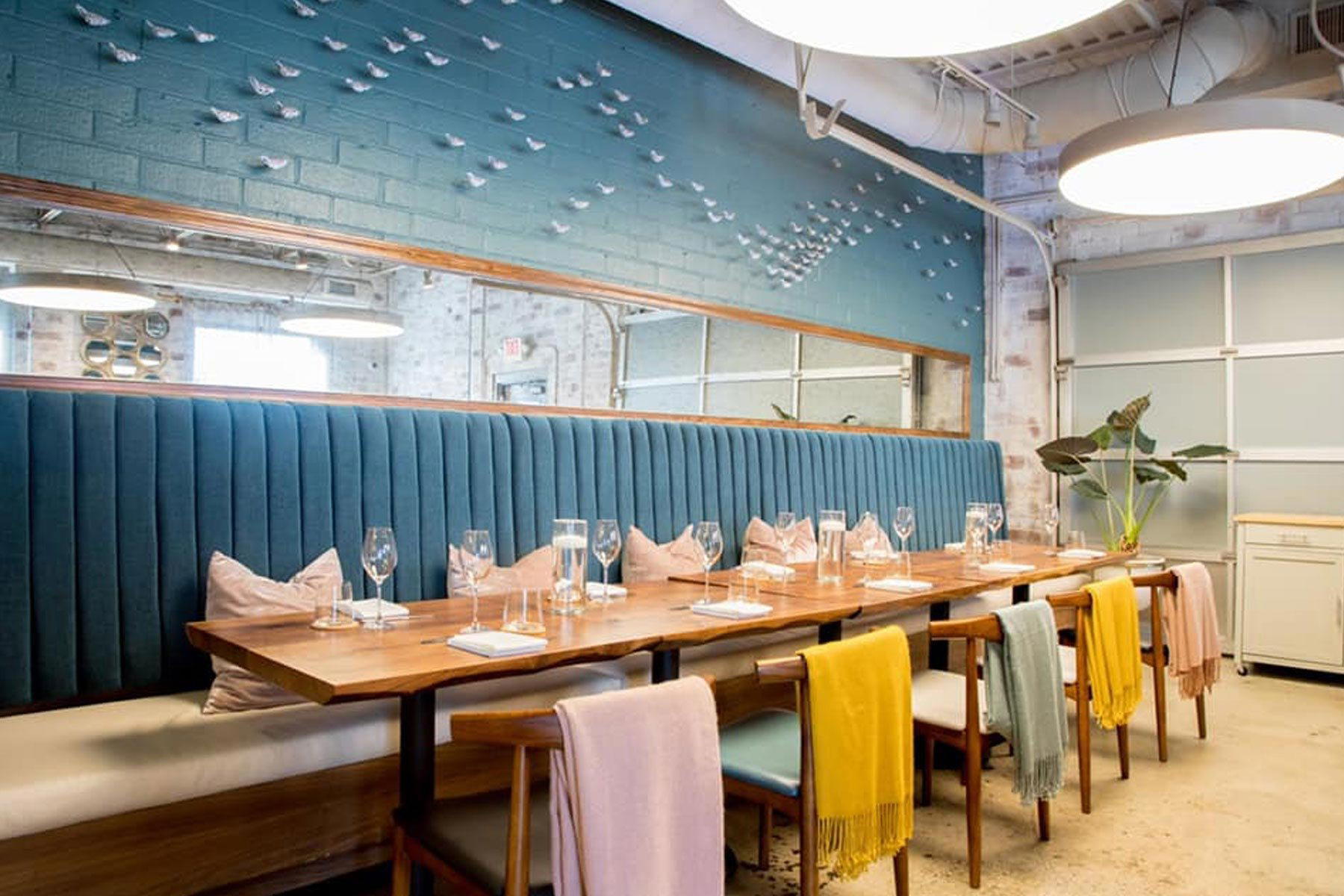
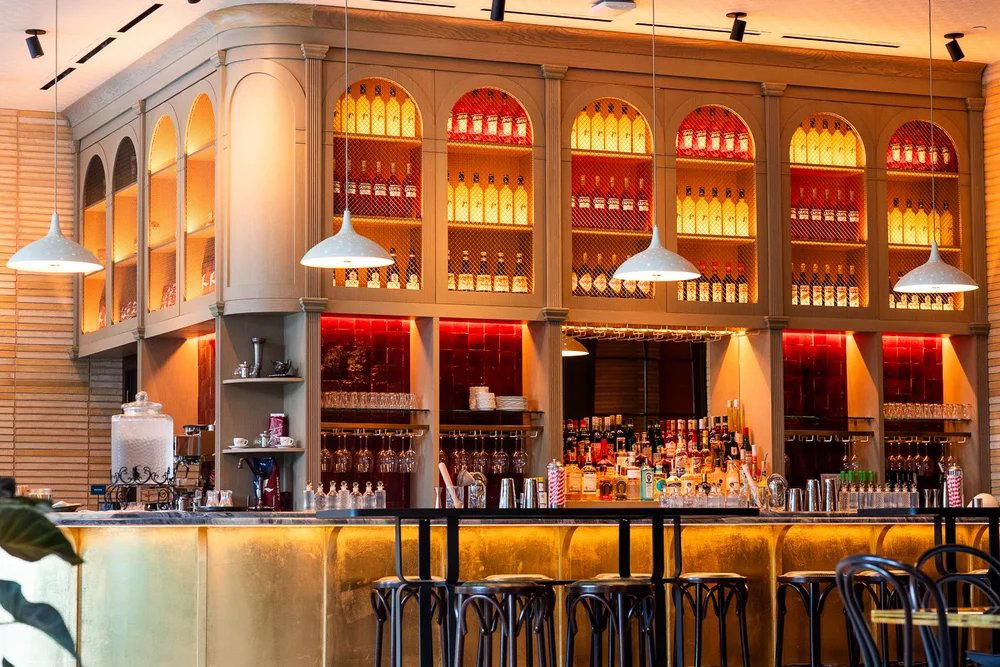
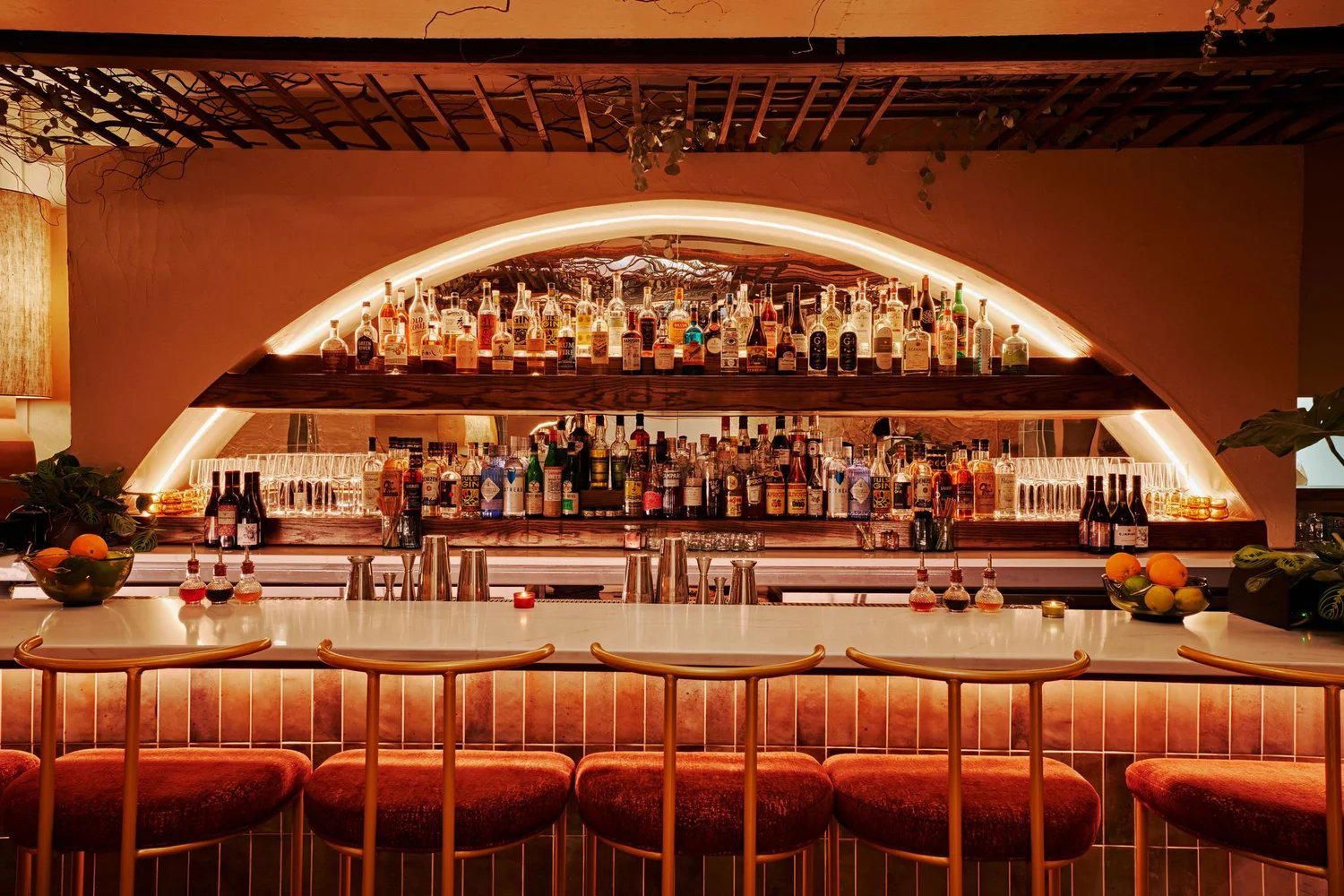
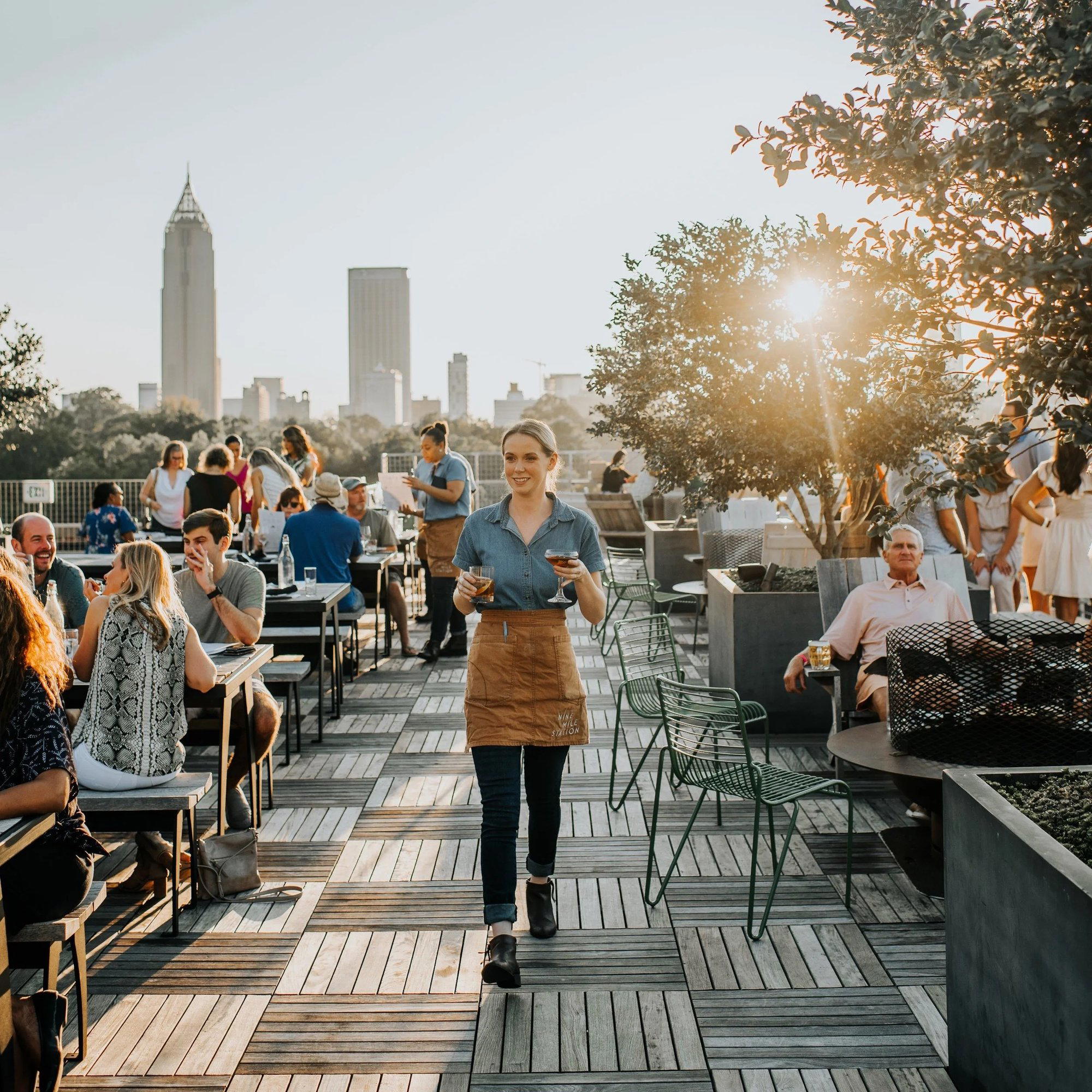
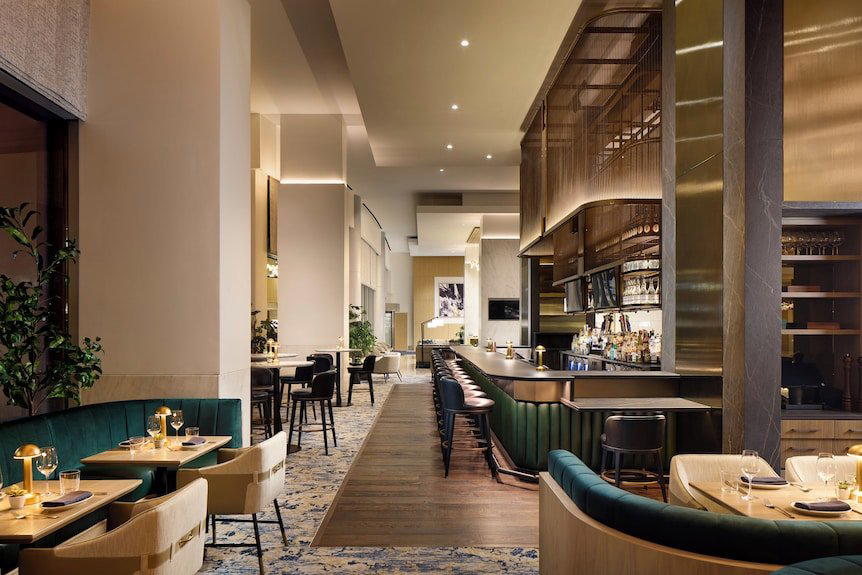
Cozy yet elegant with chic blue and white bistro tables, covered patio with hanging plants, and artistic gold ceiling.