

Michelin Plate · White Guide Baltic Restaurants - Very Fine Level
Our verdict
Joyce holds a Michelin Plate for 2024 and 2025, placing it among the small tier of formally recognised modern cuisine restaurants in Tartu. For the price range, it represents one of the stronger arguments for Tartu as a serious dining destination.

Pearl is the En Primeur Club membership app — saves, bookings, and concierge access live there. Same editors, same standards.
- Address
- Riia tn 2, 51004 Tartu, Estonia
- Phone
- +372 5321 7500
- Hours
- Mon–Thu 5–11 PMFri–Sat 5 PM–12 AMSun 5–11 PM
- Website
- joyce.ee
- Directions
- Get directions
- Booking
- Book on the venue's website
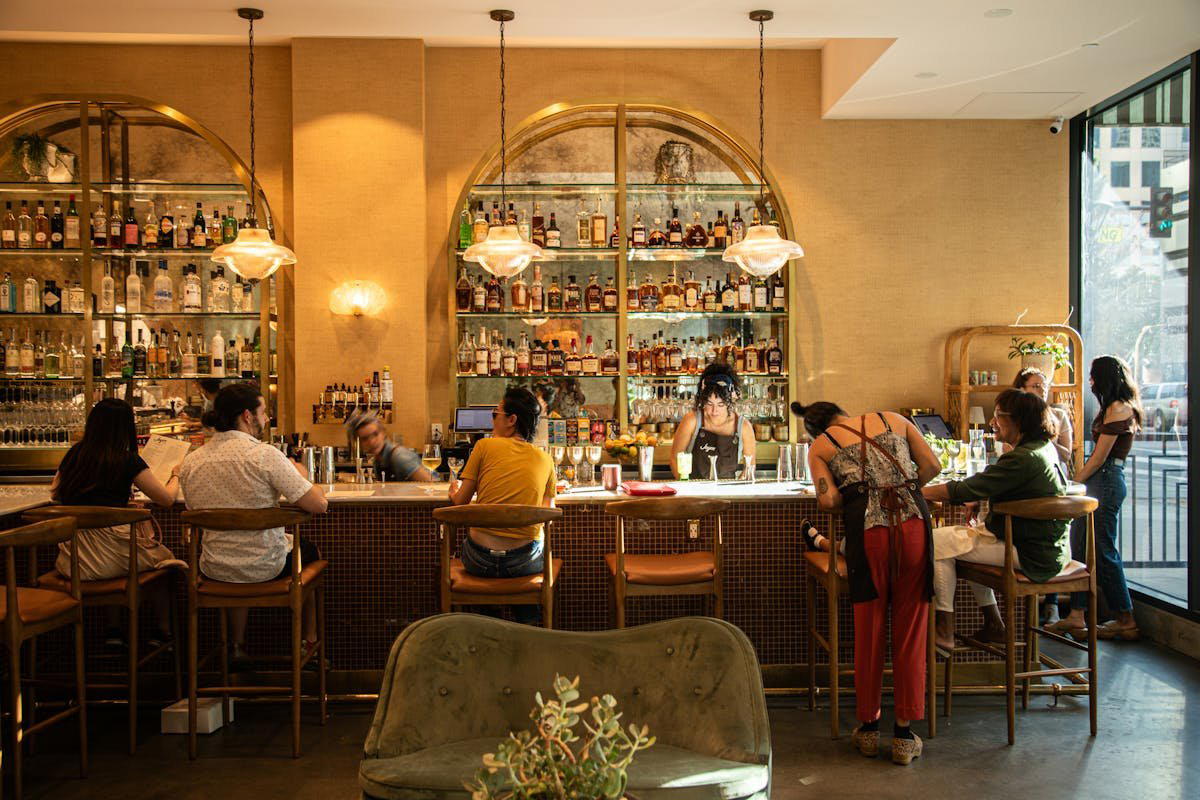
Modern Cuisine in a City Finding Its Own Register
Tartu has spent the better part of the last decade building a dining identity that is distinctly its own — less self-consciously international than Tallinn, more grounded in the rhythms of a university city with strong local producers and a population that eats with genuine interest rather than occasion-driven formality. The restaurants that have earned Michelin recognition here are not imitating the capital's register.
Joyce sits inside that tendency. With a Michelin Plate awarded in both 2024 and 2025, it occupies the same formal recognition tier as a small number of Tartu addresses — which is notable in a city where the inspector presence was limited for years. A Michelin Plate signals consistent quality across cooking, produce, and execution without the theatricality that sometimes accompanies a starred kitchen. Streets in this zone tend to carry a certain unhurried weight, they are not the kind of blocks designed for foot-traffic tourism, which means the restaurants that do well here build their audiences through reputation rather than footfall. Joyce's position on Riia places it on the edge of the area where Hõlm and TOKO have also built their followings, making an evening here part of a broader exploration of what Tartu's modern cooking looks like across a few different price points and formats. At the higher end, restaurants like 180° by Matthias Diether in Tallinn operate at €€€€ price points with two Michelin stars, and Alexander in Pädaste applies the same approach in a remote coastal setting. Elsewhere in the country, Hiis in Manniva, SOO in Maidla, and Kolm Sõsarat in Lüllemäe represent a rural strand of the same tradition. Joyce enters this conversation at the €€ price range, which positions it as the accessible expression of formally recognised modern cooking in Tartu, comparable in price bracket to Frantzén in Stockholm or FZN by Björn Frantzén in Dubai represent where the same broad tradition reaches at its most ambitious and expensive end. Joyce does not operate at that register, but understanding where it sits on that continuum helps calibrate expectations: this is committed, formally recognised modern cooking at a price point that is accessible by European standards.
Planning a Visit
Joyce is at Riia tn 2, Tartu. The €€ pricing means a full dinner for two with drinks is unlikely to exceed what comparable meals in Tallinn or Helsinki would cost at a similar quality tier. For broader trip planning, our full Tartu hotels guide, bars guide, wineries guide, and experiences guide cover the surrounding context. Further afield, Lahepere Villa in Kloogaranna, Rado Haapsalu in Haapsalu, and
Frequently asked questions
What's Joyce known for in terms of accolades?
Joyce has received recognition including: Michelin Plate (2025); Michelin Plate (2024).
What's the best thing to order at Joyce?
Verified menu data is not available for Joyce, so pointing to a single dish would be guesswork. The more reliable approach: given the €€ price range and consecutive Michelin Plate recognition in 2024 and 2025, the kitchen's strength sits in its consistent execution of modern cuisine rather than one headline item. Ask the front-of-house what the kitchen is running that week.
What should I budget for a meal at Joyce?
Pricing at Joyce is listed as €€.
How do I find Joyce?
Joyce is located at Riia tn 2, 51004 Tartu, Estonia, Tartu.
How hard is it to get a table at Joyce?
Tartu is Estonia's second city, not a destination where Michelin-recognised restaurants routinely book weeks out. That said, Joyce's consecutive Michelin Plates for 2024 and 2025 have raised its profile, and weekend tables at €€ restaurants with that kind of recognition do move faster than the city average. A few days' notice on weekdays is likely sufficient; weekends during the university term or major city events warrant earlier contact.
What's the signature at Joyce?
No single signature dish is confirmed in available data. What is confirmed is that the Michelin Plate in both 2024 and 2025 points to a kitchen operating with consistent quality within the modern cuisine category — a format that in Estonia typically draws on local produce and Baltic seasonal rhythms. The cuisine type and location at Riia tn 2, close to Tartu's civic core, position Joyce as part of the city's emerging serious-dining identity.
Budget Reality Check
| Venue | Cuisine | Price | Awards |
|---|---|---|---|
| JoyceThis venue — the venue you are viewing | Modern European Brasserie | $50–100 | Michelin Plate · White Guide Baltic Restaurants - Very Fine Level |
| NOA | Modern European, Modern Cuisine | Not listed | Not listed |
| 180° by Matthias Diether | Estonian Fusion | Not listed | Michelin 2 Star |
| NOA Chef’s Hall | Creative | Not listed | Michelin 1 Star |
| Alexander | Modern Cuisine | Not listed | Not listed |
| Fellin | Traditional Cuisine | Not listed | Not listed |
Recognition history
Dated appearances from independent guides and award organizations, with the underlying list record or original source where available.
Michelin Plate
Michelin
White Guide Baltic Restaurants - Very Fine Level
White Guide
Full recognition history (4 entries)
Michelin Plate
Michelin
Michelin Plate
Michelin
Details
- Modern
- Cozy
- Elegant
- Date Night
- Special Occasion
- Group Dining
- Open Kitchen
- Craft Cocktails
- Local Sourcing
- Zero Waste
- A La Carte
- Tasting Menu
- Cocktails
- Vegetarian Friendly
Current opening hours
- Monday
- 5–11 PM
- Tuesday
- 5–11 PM
- Wednesday
- 5–11 PM
- Thursday
- 5–11 PM
- Friday
- 5 PM–12 AM
- Saturday
- 5 PM–12 AM
- Sunday
- 5–11 PM
Hours can change for holidays and private events. Last verified .
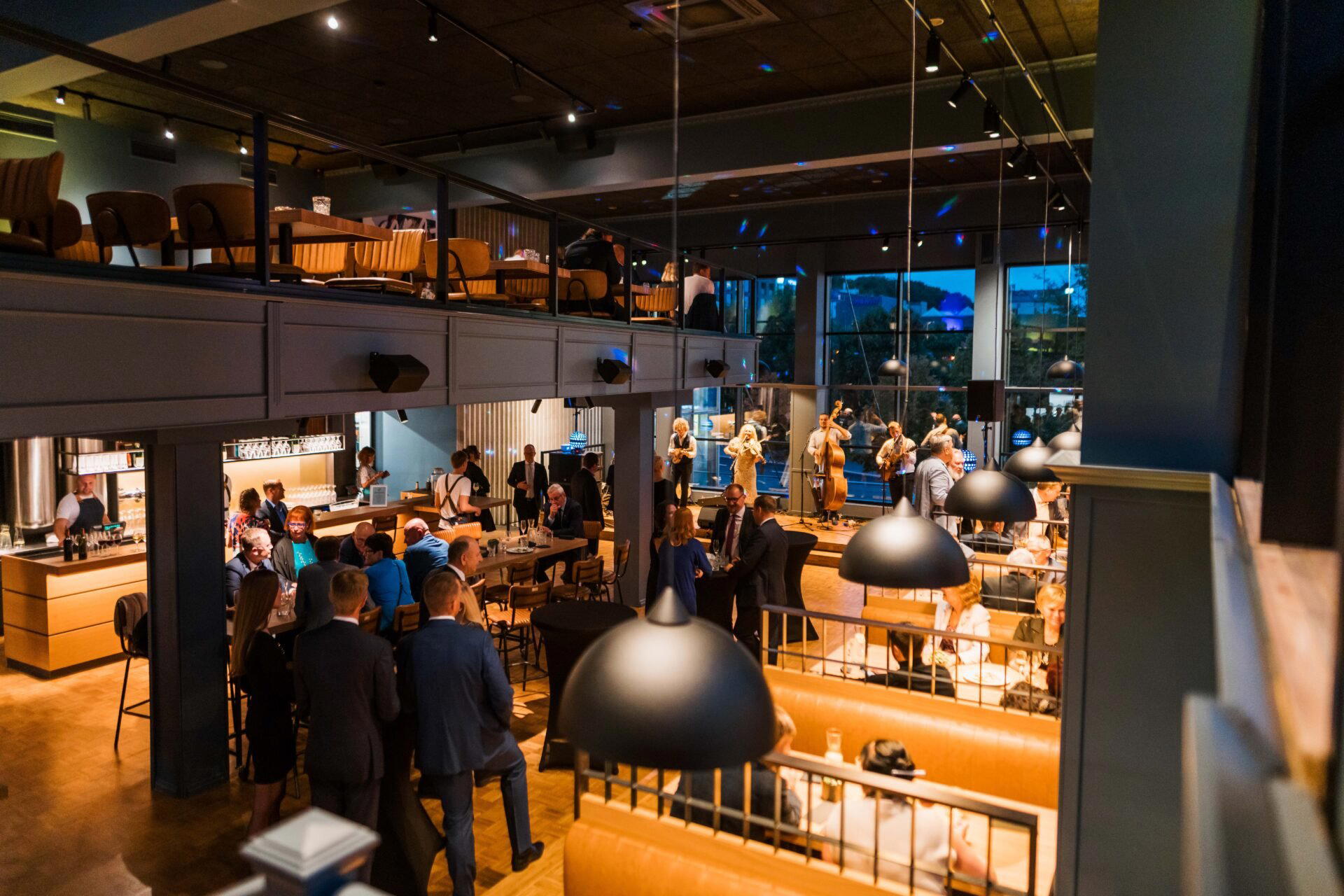
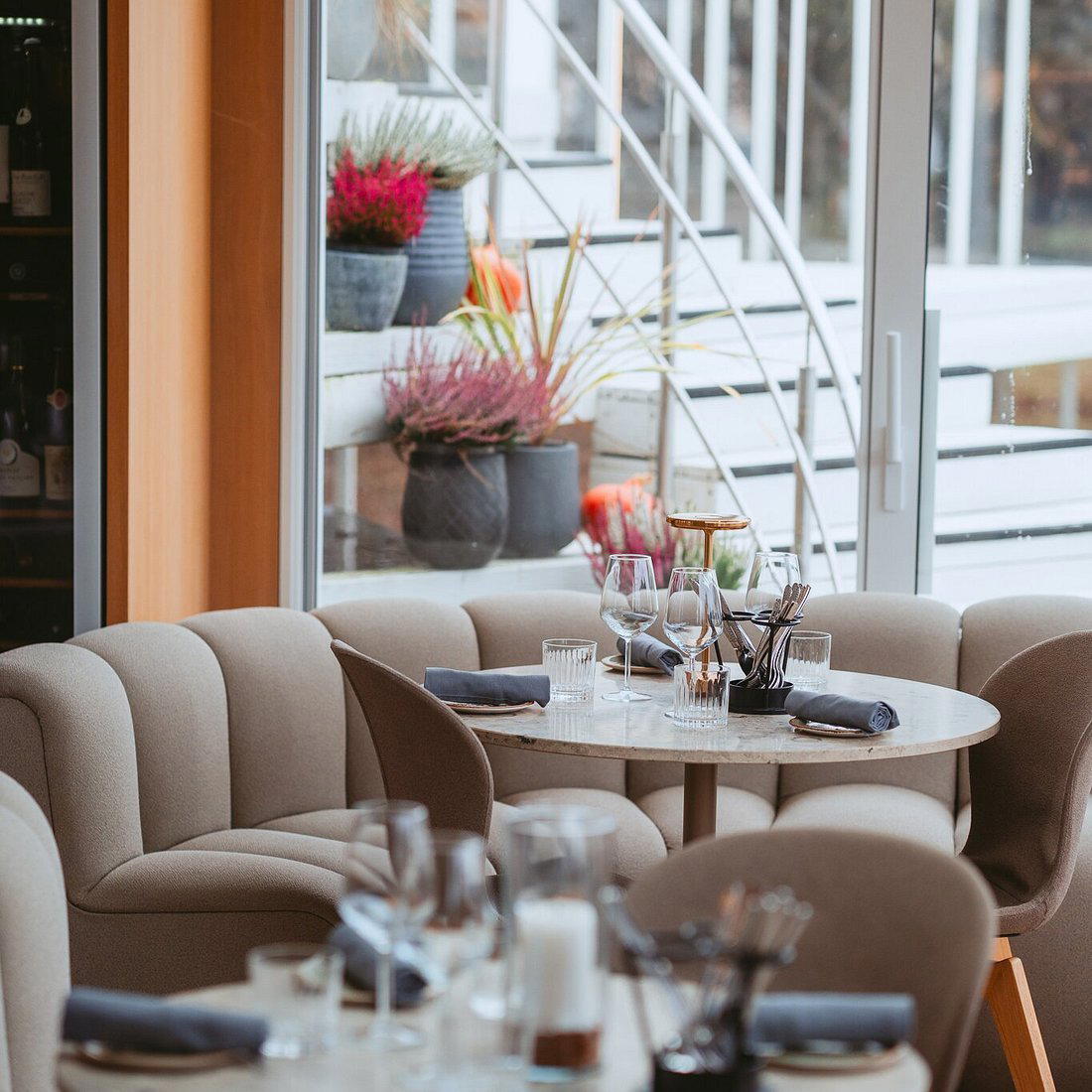
Warm, cozy yet elegant split-level space with bold décor, stylish and informal atmosphere, and buzzy vibe from the popular cocktail bar.