

Michelin Plate · White Guide Baltic Restaurants - Very Fine Level
Our verdict
Wicca sits on the wooded Laulasmaa peninsula west of Tallinn, earning consecutive Michelin Plate recognition in 2024 and 2025 for its modern cuisine approach. At the €€€ price tier, it occupies the middle ground of Estonia's emerging rural fine-dining scene, where sourcing proximity and coastal setting shape the kitchen's priorities as much as technique does.

Pearl is the En Primeur Club membership app — saves, bookings, and concierge access live there. Same editors, same standards.
- Address
- Puhkekodu tee 4 Laulasmaa, Keila, 76702 Harju maakond, Estonia
- Phone
- +372 687 0870
- Hours
- Mon ClosedTue–Thu 5–10 PMFri–Sat 5–11 PMSun 5–10 PM
- Website
- laspa.ee
- Directions
- Get directions
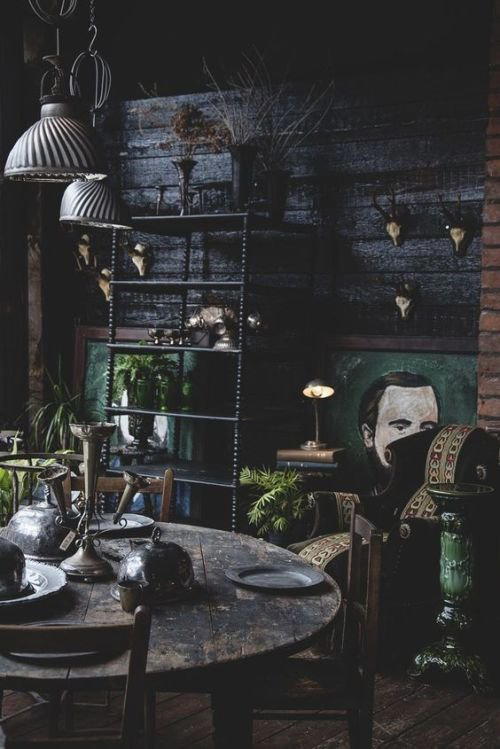
Where the Forest Meets the Plate
The drive to Laulasmaa already tells you something about what to expect. West of Tallinn, the coastal road narrows into pine corridor, and the peninsula's quiet resort geography establishes a particular mood before you arrive at Puhkekodu tee 4. Wicca operates within that setting rather than against it — a modern cuisine address where the surrounding range of forest, shoreline, and Estonian agricultural hinterland is not incidental backdrop but the actual logic behind what arrives on the table.
Estonia's rural fine-dining circuit has expanded meaningfully over the past decade. Where once the credentialed options clustered almost entirely in Tallinn's Old Town, kitchens with serious ambition have taken root in smaller coastal and countryside locations. Wicca belongs to that dispersal pattern, and its back-to-back Michelin Plate recognition in 2024 and 2025 confirms it has sustained the standard required to hold a position in that tier. For visitors covering our full Laulasmaa restaurants guide, it is the address that sets the benchmark for the area.
The Sourcing Logic Behind the Menu
Modern cuisine in the Nordic-Baltic region has developed a sourcing discipline that distinguishes it from its continental European counterparts. The short growing season, the proximity of coastline to farmland, and a culture of preservation — fermentation, curing, smoking, have produced a kitchen philosophy that treats ingredient provenance as structure, not decoration. Wicca sits within that tradition.
The Laulasmaa peninsula's position on the Gulf of Finland means that seafood sourcing is geographically direct in a way that inland kitchens cannot replicate. Baltic fish species, coastal forage, and the forest margin's seasonal yield are the raw materials that give a menu here its regional specificity. A kitchen at this latitude and in this setting that ignored those inputs would be making an aesthetic choice to work against its own context, and there is no indication Wicca does that. At the €€€ price tier, ingredient quality is where the premium is most credibly expressed, and in Estonia's rural fine-dining circuit, that means local and seasonal sourcing is the expectation, not a point of differentiation.
This approach places Wicca in a broader conversation happening across the region. Comparable ambitions are visible at Hiis in Manniva and SOO in Maidla, both of which have built identities around specific rural Estonian sourcing. Further along the coast, Lahepere Villa in Kloogaranna and Mere 38 in Võsu occupy a similar geographic logic, proximity to primary ingredients as the defining operating condition.
Where Wicca Sits in Estonia's Fine Dining Tier
Estonia's Michelin-recognised restaurants now span a price range from €€ to €€€€, and Wicca's €€€ position is worth mapping carefully. Wicca's pricing places it in a bracket that is accessible relative to those addresses but clearly above the casual end of the market, a positioning that reflects both the costs of operating in a remote location and the ambitions of the kitchen.
The Michelin Plate is a signal of consistent kitchen quality rather than the starred tier's declaration of exceptional cooking, but two consecutive years of recognition is not a minor footnote. It indicates that the inspectorate has returned, evaluated, and confirmed the standard holds. In a small country with a compact restaurant scene, that consistency matters. For comparison, Fellin in Viljandi demonstrates how traditional Estonian cooking at the €€ tier earns recognition; Wicca's modern cuisine approach at a higher price point represents a different argument about what Estonian fine dining can be.
Further afield, the modern cuisine category at Wicca's level of recognition invites comparison with how the format operates at higher price tiers and greater scale, Frantzén in Stockholm, FZN by Björn Frantzén in Dubai, and Maison Lameloise in Chagny all occupy the modern cuisine designation with very different resource bases and competitive contexts. Wicca's Laulasmaa setting is its clearest differentiator within that category: the formula is defined by what is available and what is around it, not by urban density or international kitchen pipelines.
Planning a Visit
Laulasmaa is roughly 40 kilometres west of Tallinn by road, making it a practical day trip from the capital or a natural anchor for those also exploring the Lahemaa coastal area. The peninsula's resort character means accommodation is available locally, our full Laulasmaa hotels guide covers the options. For those building a broader itinerary, the area's bar scene and other experiences are detailed in our full Laulasmaa bars guide, our full Laulasmaa wineries guide, and our full Laulasmaa experiences guide.
At a rural address with a kitchen operating at this standard, advance planning is sensible rather than optional. Seasonal demand, particularly in summer when the Laulasmaa peninsula draws visitors from Tallinn for weekend escapes, is likely to compress availability.
Other rural Estonian addresses worth considering in conjunction with Wicca include Kolm Sõsarat in Lüllemäe, Rado Haapsalu in Haapsalu, and Hõlm in Tartu, each represents a distinct strand of Estonia's current fine-dining ambition outside the capital.
Frequently asked questions
Is Wicca child-friendly?
Wicca's €€€ price range and Michelin Plate standing place it firmly in the fine dining tier, which typically means a slower, course-driven format not designed around young children. Families visiting the Laulasmaa area should check the venue's official channels to confirm suitability before booking.
What is the atmosphere like at Wicca?
Wicca sits in Laulasmaa, a pine-forest coastal settlement west of Tallinn, and the setting shapes the mood as much as the room itself. The €€€ pricing and consecutive Michelin Plate recognition in 2024 and 2025 signal a composed, considered dining environment rather than anything high-energy or casual.
What's Wicca known for in terms of accolades?
Wicca has received recognition including: Michelin Plate (2025); Michelin Plate (2024).
What's the must-try dish at Wicca?
What the Michelin Plate awards for 2024 and 2025 do confirm is that the modern cuisine format is executed at a level the guide's inspectors found worth flagging. Checking directly with the restaurant before your visit is the most reliable way to learn what is currently on the menu.
A Quick Peer Check
| Venue | Cuisine | Awards |
|---|---|---|
| WiccaThis venue — the venue you are viewing | Modern Estonian Fine Dining | Michelin Plate · White Guide Baltic Restaurants - Very Fine Level |
| NOA | Modern European, Modern Cuisine | Not listed |
| 180° by Matthias Diether | Estonian Fusion | Michelin 2 Star |
| NOA Chef’s Hall | Creative | Michelin 1 Star |
| Alexander | Modern Cuisine | Not listed |
| Fellin | Traditional Cuisine | Not listed |
Recognition history
Dated appearances from independent guides and award organizations, with the underlying list record or original source where available.
Michelin Plate
Michelin
White Guide Baltic Restaurants - Very Fine Level
White Guide
Full recognition history (4 entries)
Michelin Plate
Michelin
Michelin Plate
Michelin
Continue exploring
More in Laulasmaa
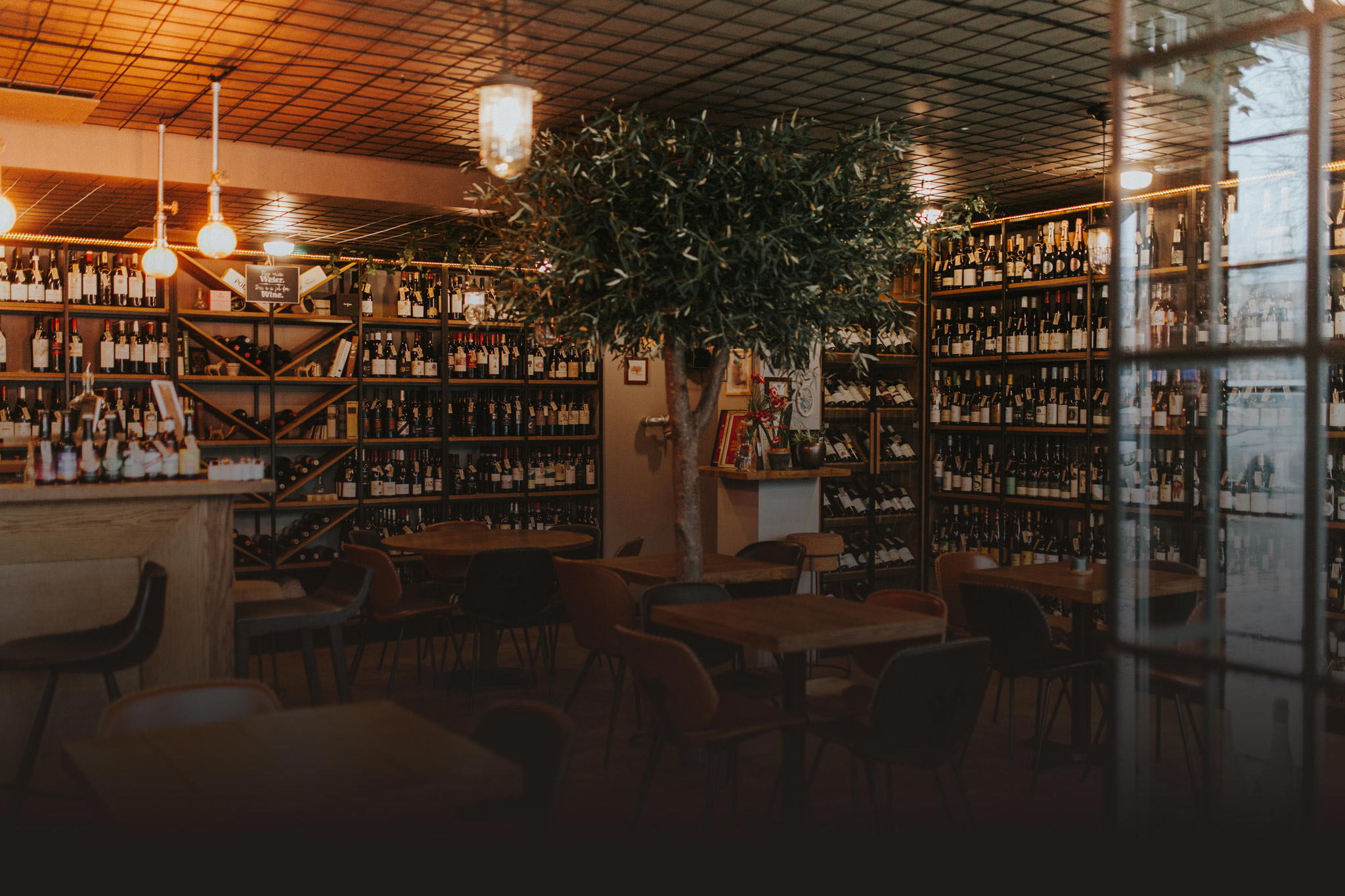
Restaurants in Laulasmaa
Browse all →
Hotels in Laulasmaa
Browse all →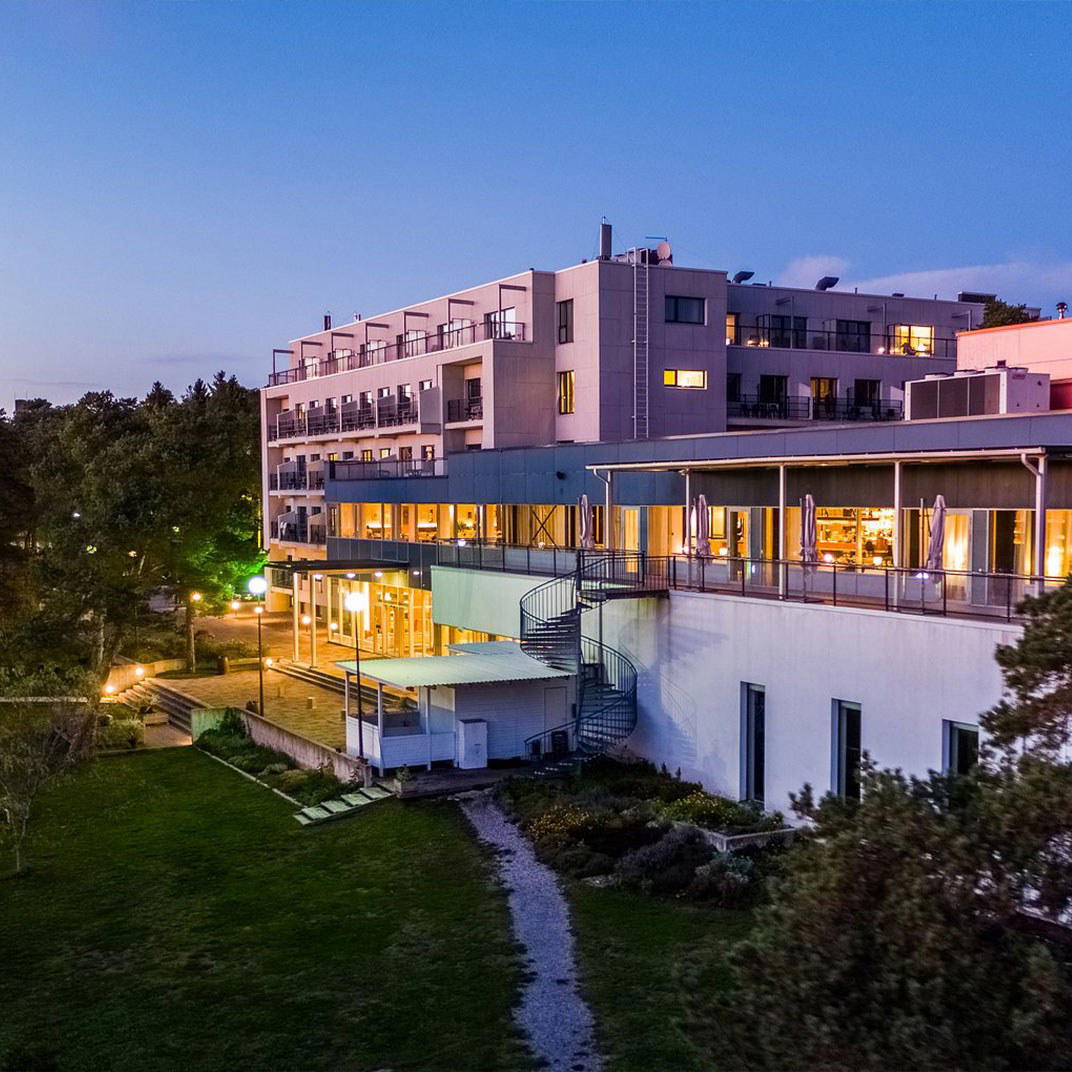
Details
- Elegant
- Sophisticated
- Scenic
- Modern
- Special Occasion
- Date Night
- Celebration
- Hotel Restaurant
- Local Sourcing
- Farm To Table
- Organic
- Zero Waste
- Tasting Menu
- Set Menu
- Organic Focus
Current opening hours
- Monday
- Closed
- Tuesday
- 5–10 PM
- Wednesday
- 5–10 PM
- Thursday
- 5–10 PM
- Friday
- 5–11 PM
- Saturday
- 5–11 PM
- Sunday
- 5–10 PM
Hours can change for holidays and private events. Last verified .
Refined gourmet hotel-restaurant atmosphere with a nature-led, seasonal sensibility and smart-casual polish.