So. Fox
So. Fox on Virginia Avenue sits at the intersection of fermentation-driven technique and seasonal sourcing that defines Atlanta's more considered dining tier. The menu rotates around proteins, produce, and a natural and biodynamic wine list that treats the cellar as an extension of the kitchen's philosophy. For Atlanta diners tracking where serious ingredient work is happening, it belongs on the radar.
Pearl is the En Primeur Club membership app — saves, bookings, and concierge access live there. Same editors, same standards.
- Address
- 1017 Virginia Ave NE, Atlanta, GA 30306
- Phone
- +14043419374
- Website
- sofoxatl.com
- Directions
- Get directions
 Saves & bookings on Pearl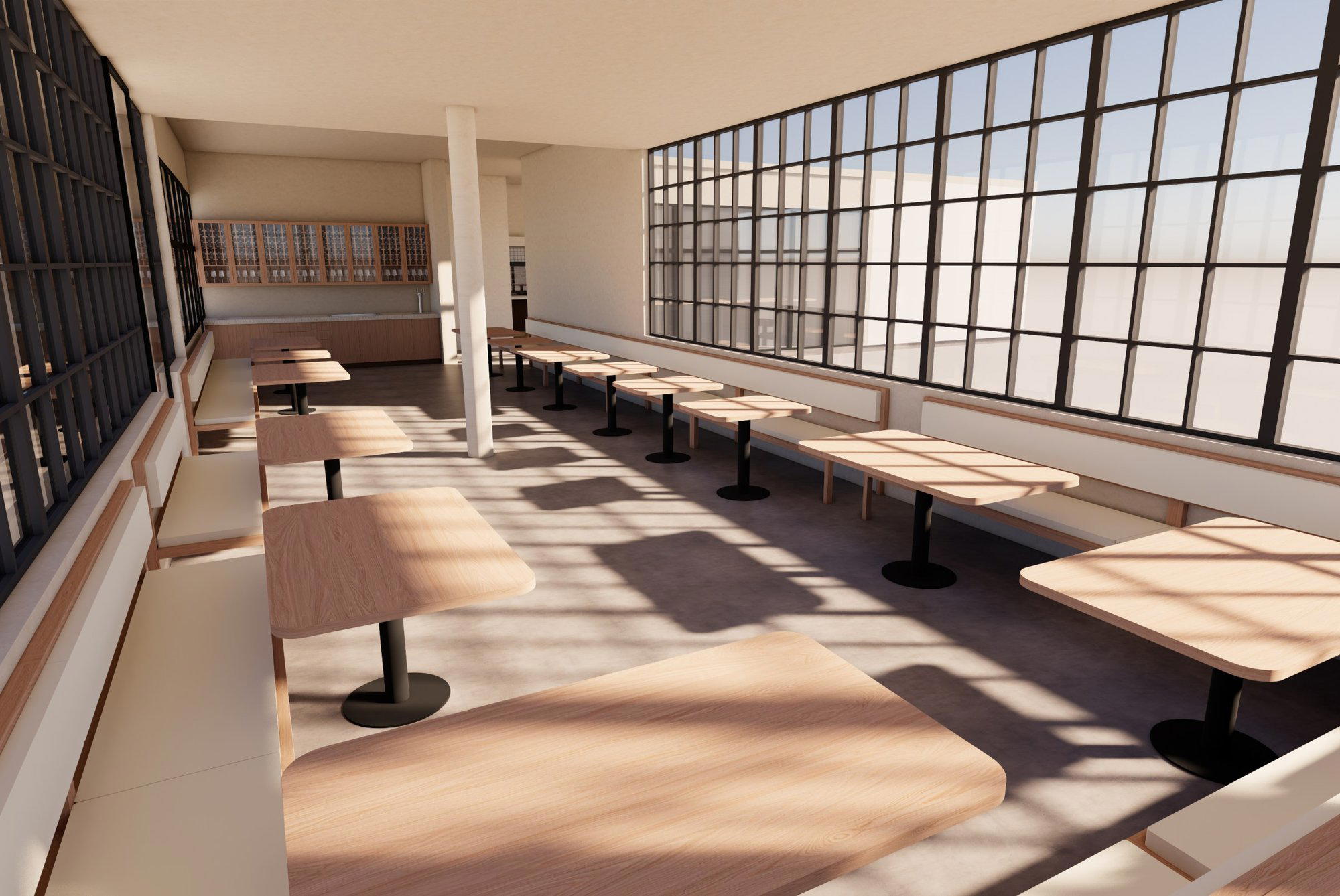
Virginia Avenue and What It Signals
The stretch of Virginia Avenue NE in Atlanta's Poncey-Highland neighbourhood has accumulated a particular kind of restaurant over the past decade: places that operate on restraint rather than spectacle, where the sourcing conversation happens in the kitchen and the dining room is left to get on with it. So. Fox at 1017 Virginia Ave fits that pattern. The physical address puts it in a walkable corridor between Freedom Park and the denser retail of North Highland Avenue, a location that attracts a neighbourhood-first crowd rather than destination diners arriving by rideshare from Buckhead. That geography shapes the register of the room before anyone has eaten a bite.
Atlanta's fine-casual tier has been expanding for several years, with kitchens moving away from the white-tablecloth formality that still defines Bacchanalia and Atlas and toward tighter, more ingredient-focused formats where the menu changes with what is actually available. So. Fox belongs to this second camp, occupying a space in Atlanta's dining progression that sits closer in spirit to Lazy Betty in its precision orientation than to the broader New American format. The difference is emphasis: So. Fox builds its identity around fermentation technique and a natural wine program that treats the cellar as a working part of the kitchen's logic, not a separate department.
The Fermentation-Forward Kitchen
Across American fine dining, fermentation has moved from a fringe technique to a structural kitchen tool. Restaurants like Smyth in Chicago and Blue Hill at Stone Barns in Tarrytown have built reputations partly on the depth that fermented elements add to menus grounded in seasonal produce, and Single Thread Farm in Healdsburg has shown how fermentation can sit alongside hyper-local sourcing without either element overshadowing the other. So. Fox operates on a smaller scale and in a southern context, but the kitchen logic is comparable: fermentation here is a preservation and flavour-development tool, not a novelty.
The menu centres on proteins and produce, which in practice means the composition shifts meaningfully as seasons turn. This is not a marketing framing; it is the operational reality of a kitchen committed to sourcing produce at the right stage rather than building permanent fixtures. What that looks like on the plate changes, but the underlying grammar stays consistent: fermented elements creating acidity or depth, proteins treated as the structural anchor, and produce allowed to read as itself rather than as decoration. Diners arriving with a fixed expectation of what they ordered on a previous visit may find the menu has moved on. That is intentional.
The sustainability dimension here is not signposted through branding. Kitchens that commit to fermentation as a core technique are, by extension, committed to reducing waste: offcuts that would otherwise leave the kitchen become lacto-fermented components, excess produce becomes a preserved element for a later course. This is the pragmatic version of sustainability that serious kitchens in this tier practise, distinct from the more performative sourcing narratives that appear in venue press materials. For context on what this looks like at a programme-level, Atelier Moessmer Norbert Niederkofler in Brunico represents the furthest European expression of this philosophy, where the entire menu is structured around zero-waste principles. So. Fox is not operating at that scale or with that level of formal commitment, but the kitchen orientation points in the same direction.
The Wine Program as Editorial Statement
A natural and biodynamic wine list in this context is not an aesthetic choice in isolation. It is a coherent extension of the kitchen's sourcing position. Natural wine producers, by definition, are working with minimal intervention and accepting the variability that comes with it; biodynamic certification adds a layer of agricultural philosophy that aligns with the kitchen's interest in provenance. The wine list at So. Fox is curated to reflect that alignment rather than to cover every region comprehensively.
This is a narrower proposition than the deep conventional cellar that Le Bernardin in New York City or The French Laundry in Napa maintains, and it is not trying to be. The reference set is closer to the biodynamic-forward programs at restaurants like Lazy Bear in San Francisco or Providence in Los Angeles, where the wine selection is a curatorial statement about producer relationships rather than a comprehensive inventory. Diners who prefer conventional, technically precise bottles may find the list narrow; diners who track small natural producers will find it worth reading carefully.
Where So. Fox Sits in Atlanta's Dining Progression
Atlanta's serious dining tier has deepened considerably. Hayakawa and Mujō have established that the city can sustain rigorous omakase formats at the top of the market, while the broader New American scene around Bacchanalia and Atlas holds the formal end of the spectrum. So. Fox occupies a different position: it is not a destination format in the way that omakase counters function, and it is not formal in the way that the city's most decorated rooms operate. It is a neighbourhood restaurant with kitchen ambitions that exceed its postcode, which is a specific and often underserved category.
The comparison that works regionally is to a place like Emeril's in New Orleans in its earlier neighbourhood-anchored phase, or to Addison in San Diego in the way it uses a tasting format to create intention without requiring the full ceremony of a formal room. The register at So. Fox is more relaxed, but the kitchen seriousness is legible in the sourcing decisions and the fermentation work. For a full picture of where it sits in Atlanta's current scene, the EP Club Atlanta restaurants guide maps the city's dining tiers with more depth.
Comparisons to Atomix in New York City or The Inn at Little Washington are a category error: those are destination formats with extensive reservation infrastructure and national recognition. So. Fox is playing a different game, one where the neighbourhood relationship and the sourcing consistency are the primary credentials.
Planning a Visit
So. Fox is located at 1017 Virginia Ave NE, Atlanta, GA 30306, in the Poncey-Highland neighbourhood. The area is walkable from the BeltLine's Eastside Trail and accessible by rideshare from most of Intown Atlanta. Given the rotating seasonal format, timing a visit around a specific dish or menu item is not reliable; the more productive approach is to arrive with flexibility and let the kitchen's current sourcing position determine the meal. Booking ahead is advisable given the neighbourhood restaurant scale, though the specific reservation method is best confirmed directly with the venue. There is no published price range or dress code in the available record, which is consistent with the informal-but-serious format this category of restaurant typically adopts.
How So. Fox Atlanta compares with similar nearby venues.
| Venue | Cuisine |
|---|---|
| So. Fox | Seasonal menu; focus on proteins and produce; natural/biodynamic wine program; fermentation techniques |
At a Glance
- Lively
- Casual
- Intimate
- Elegant
- Casual Hangout
- Date Night
- After Work
- Open Kitchen
- Standalone
- Natural Wine
- Sommelier Led
- Farm To Table
- Local Sourcing
- Natural Wine
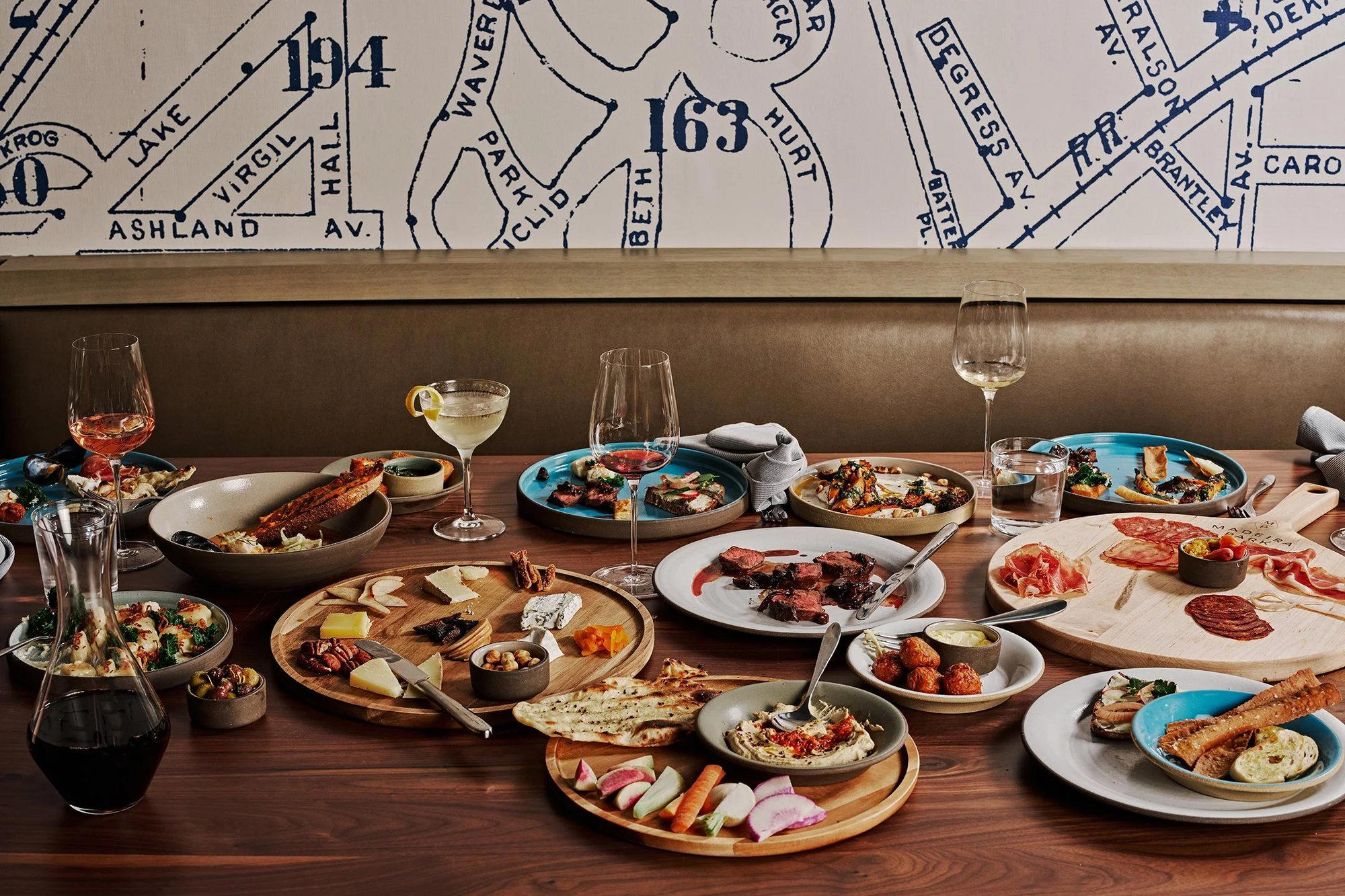
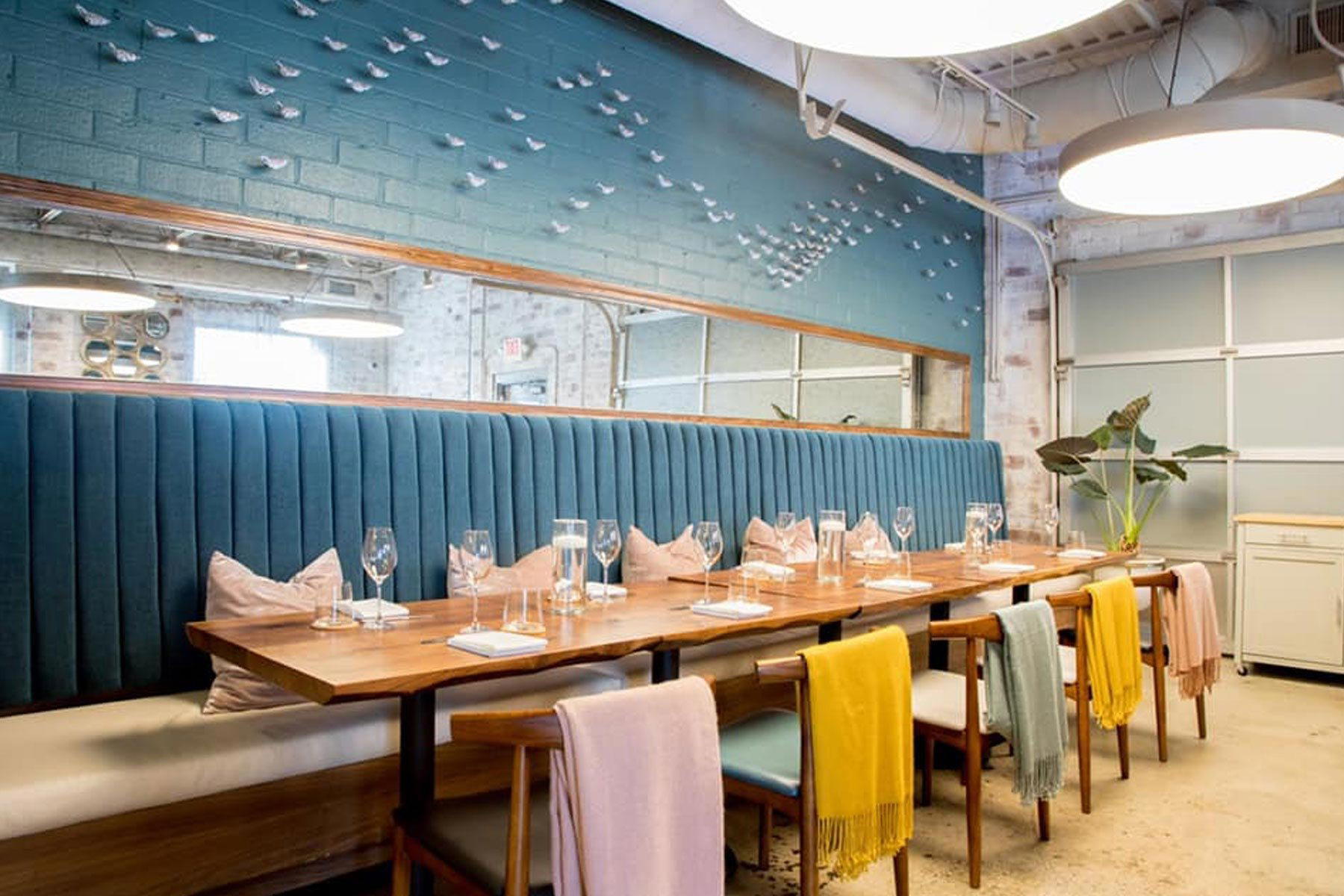
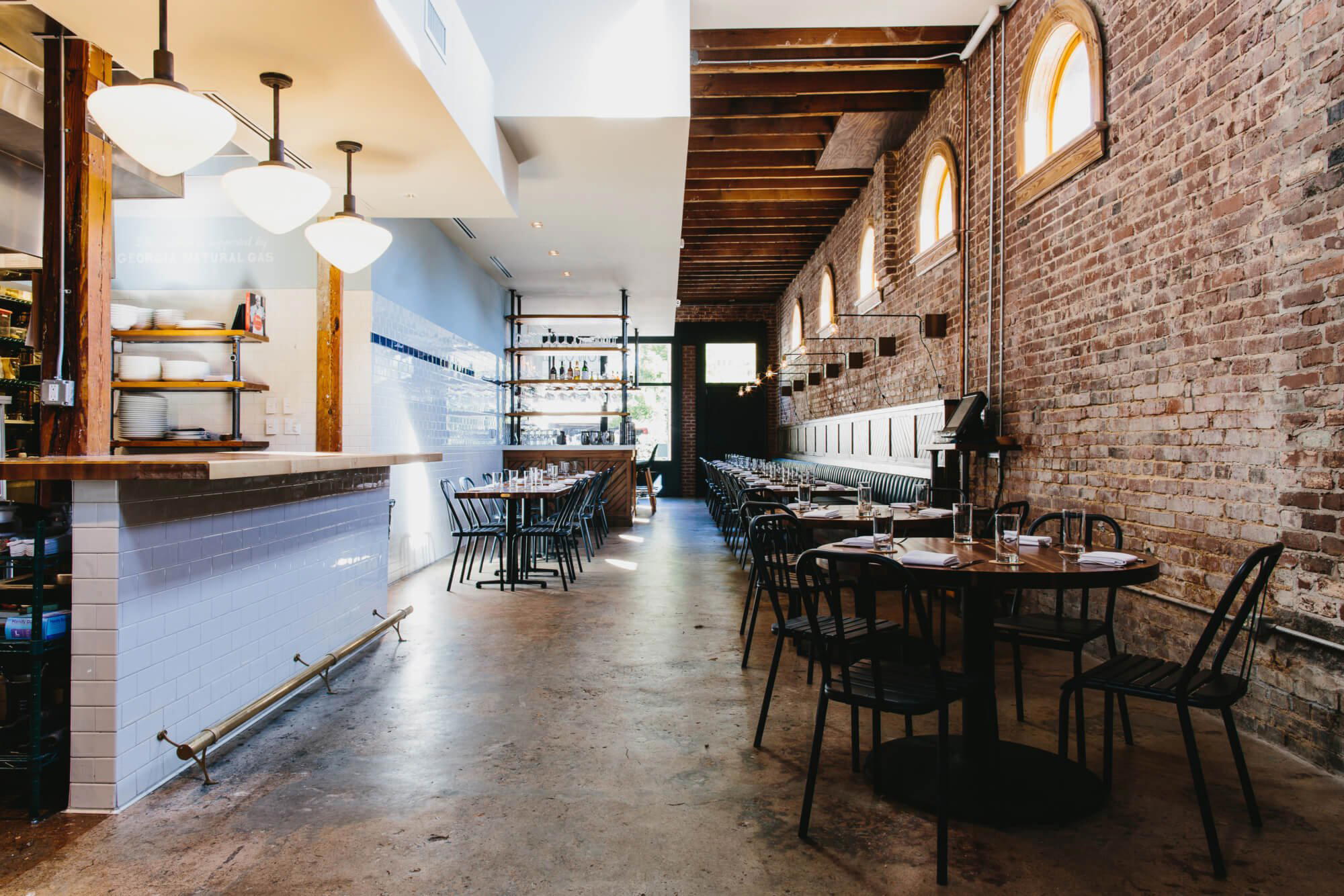
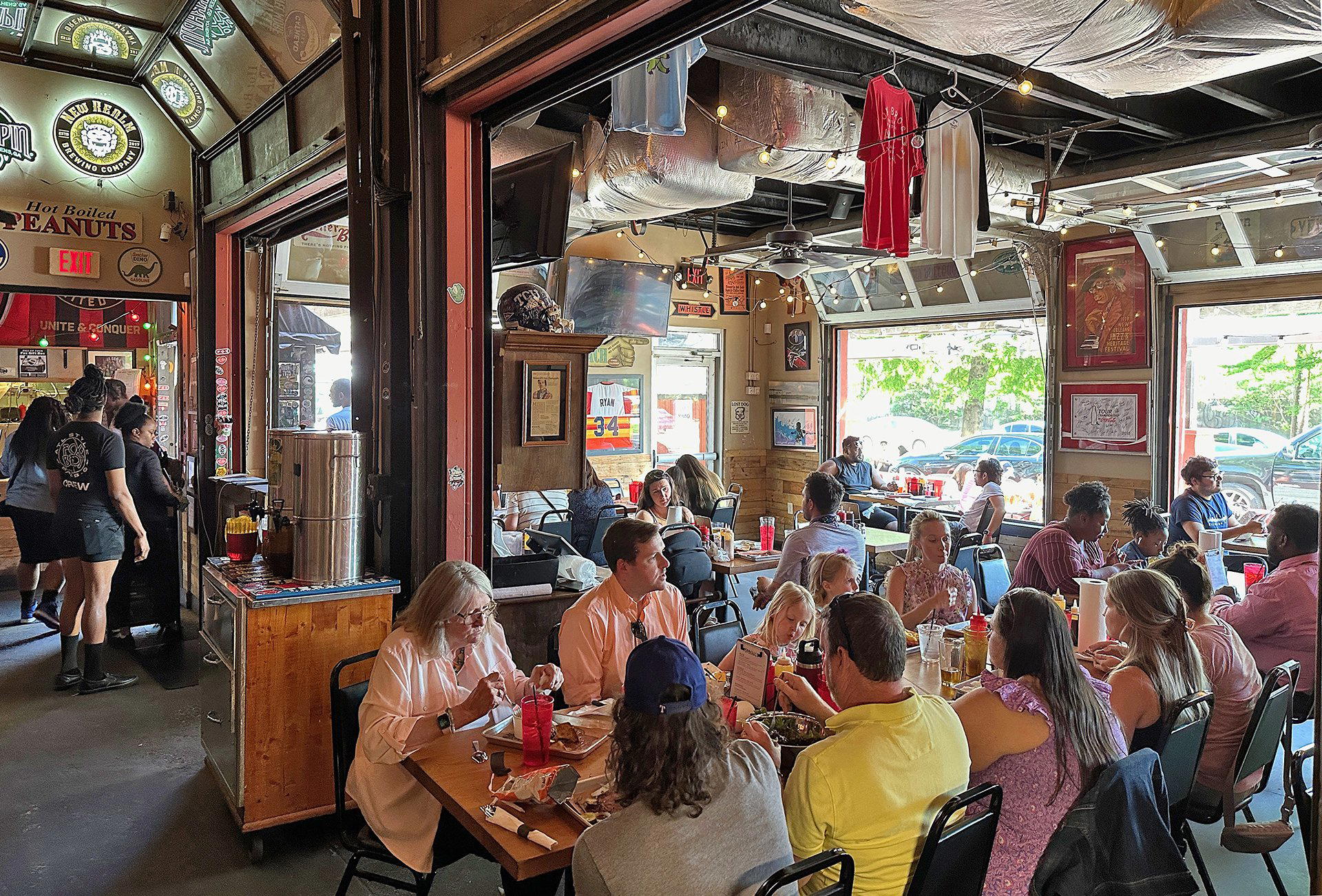
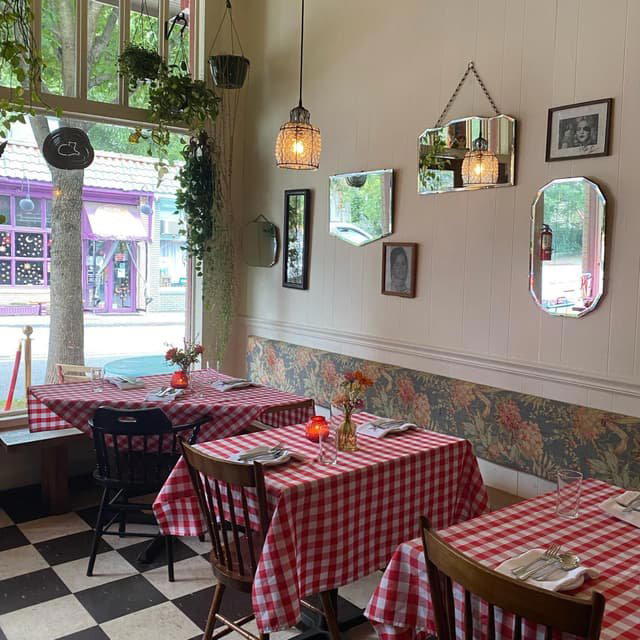
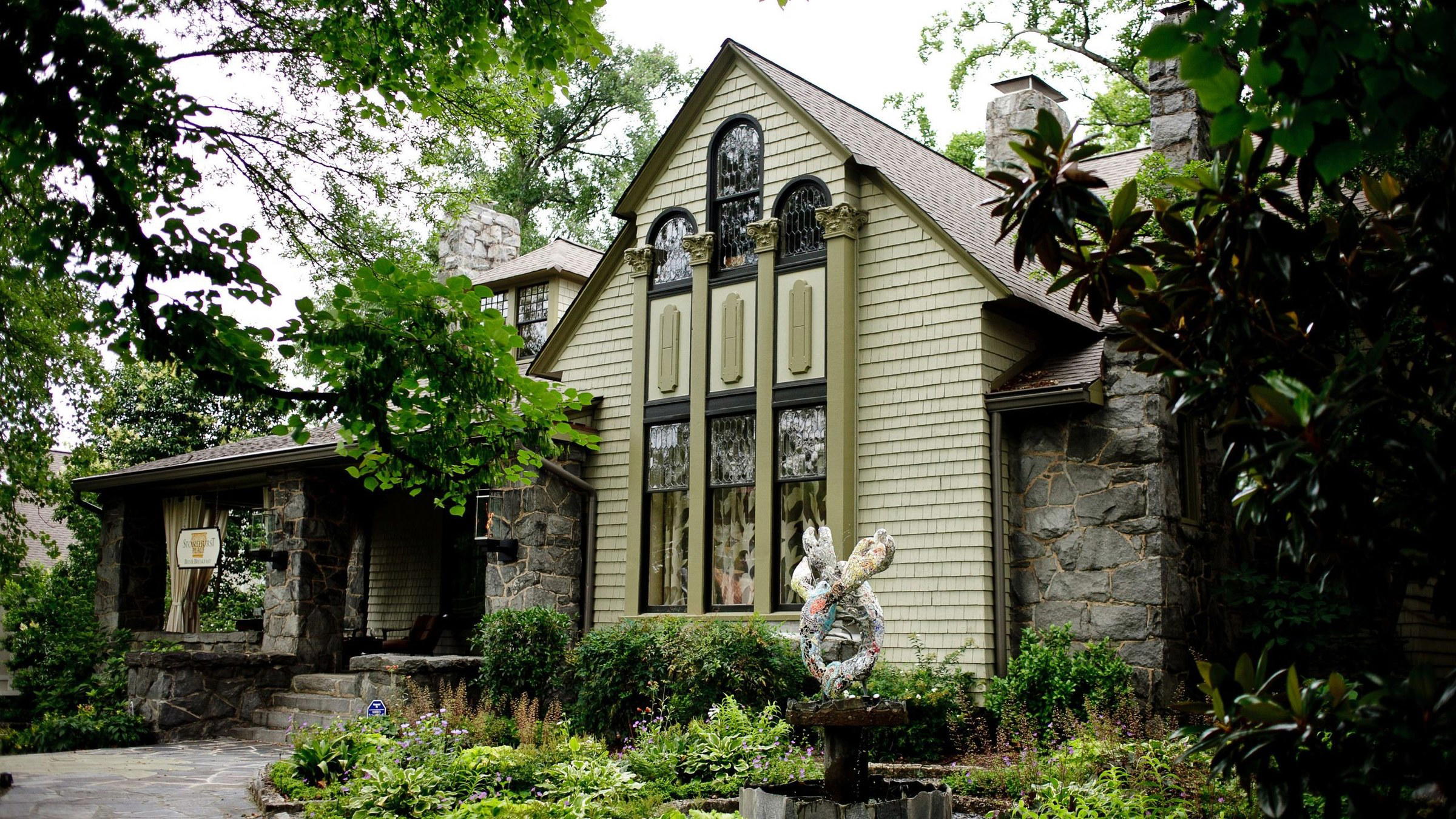
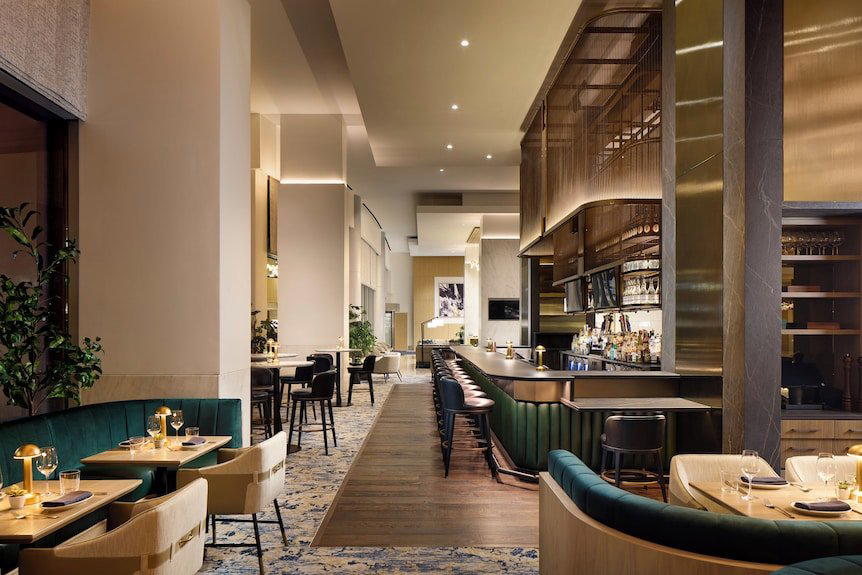
Light and welcoming neighborhood atmosphere with surface renovations reflecting a convivial, casual vibe designed to feel like a local gathering spot rather than fine dining.
Know Before You Go
- Getting there
- 1017 Virginia Ave NE, Atlanta, GA 30306