Brasserie Lundi
Brasserie Lundi occupies a prominent address on Peachtree Street NE, positioning itself within Atlanta's upper tier of formal dining. The brasserie format, with its emphasis on pacing and ritual, places it alongside a comparable set that includes Bacchanalia and Atlas in the city's fine-dining conversation. Expect a meal structured as much by ceremony as by cuisine.
Pearl is the En Primeur Club membership app — saves, bookings, and concierge access live there. Same editors, same standards.
- Address
- 1375 Peachtree St NE, Atlanta, GA 30309
- Phone
- +14707412419
- Website
- brasserielundi.com
- Directions
- Get directions
 Saves & bookings on Pearl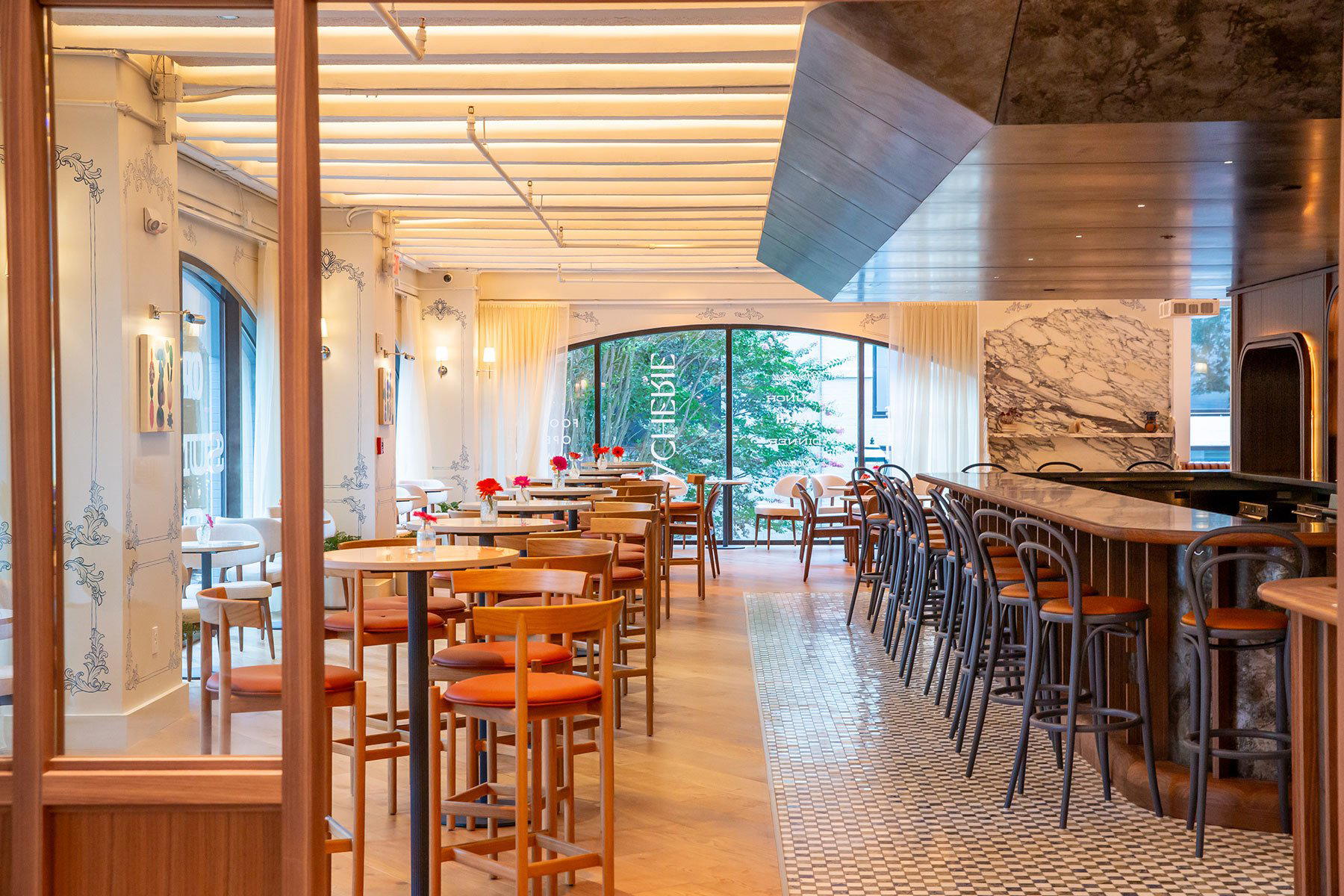
The Ritual of the Brasserie in Atlanta
Peachtree Street has always carried a certain weight in Atlanta's dining geography. The corridor running through Midtown concentrates the city's more deliberate dining rooms, the kind where the table turnover is slow by design and the meal is understood to be an event rather than a transaction. Brasserie Lundi, at 1375 Peachtree St NE, occupies that stretch with a name that signals intent: the French brasserie tradition, with its unhurried cadence and its conviction that Monday, or any evening, deserves formality.
The brasserie format is one of European hospitality's most durable contributions to restaurant culture. Unlike the tasting menu counter, which controls pacing entirely from the kitchen, or the casual bistro, which surrenders it to the guest, a brasserie holds both in productive tension. Courses arrive with purpose, but the table remains yours. In American cities that have adopted the format, the better rooms understand that tension is the product. Atlanta's fine-dining tier, which includes Bacchanalia at the New American end and Atlas in the European-inflected register, has shown consistent appetite for that kind of structured dining experience.
Where Brasserie Lundi Sits in Atlanta's Fine-Dining Conversation
Atlanta's upper dining tier has grown more differentiated over the past decade. The city now sustains a range of formats at the serious end: omakase counters like Mujō and Hayakawa, which operate on chef-controlled precision; contemporary tasting rooms like Lazy Betty, where the kitchen sets the terms from start to finish; and more guest-directed formats where selection and pacing sit closer to the diner. Brasserie Lundi's address and name position it in that last register, where the architecture of a French brasserie provides structure without removing agency from the table.
That positioning has national precedent. Across American cities, the brasserie model has proven more resilient than the tasting-menu format in certain markets, partly because it accommodates business dining and celebration meals in a single room without the rigidity of a fixed sequence. Rooms like Smyth in Chicago and Le Bernardin in New York City operate at the more codified end of formal dining ritual, where every element of the meal is choreographed. The brasserie sits deliberately short of that intensity, which is part of its appeal to a different segment of the serious dining audience.
The Pacing and the Ceremony
What defines a well-executed brasserie meal is not any single dish but the management of time. The leading rooms in this tradition treat the interval between courses as a design element, not an operational gap. Bread arrives before pressure to order. Amuse-bouches, where present, signal the kitchen's register without committing the guest to a format. The wine program, in the classic brasserie tradition, is expected to do serious work: not as an afterthought but as the through-line of a meal that may stretch two hours without feeling long.
That approach to time is what separates the brasserie from the casual European restaurant at one end and the full tasting-menu experience at the other. For the Atlanta diner who wants a meal that breathes, that allows for conversation to develop alongside the food, the brasserie format addresses a real gap in the city's dining options. The Midtown corridor, with its concentration of corporate addresses and cultural venues, has historically needed exactly this kind of room: serious without being severe, formal without being fixed.
Nationally, the restaurants that have done this format justice share certain traits: a wine list with enough depth to reward extended dining, a kitchen capable of executing classics with precision, and a front-of-house culture that reads tables rather than following a script. Lazy Bear in San Francisco and Single Thread Farm in Healdsburg approach the ceremonial dimension of dining from different angles, but both demonstrate that American diners respond to meals structured around intention rather than speed.
The Broader Context: French Brasserie Tradition in American Cities
The French brasserie arrived in American fine dining in earnest during the 1990s and early 2000s, often as a counterpoint to the rising tasting-menu culture. Where the tasting menu demanded surrender, the brasserie offered negotiation. Where the counter seat required deference to the chef's sequence, the brasserie table permitted the guest to linger over a plateau de fruits de mer or extend the cheese course without requesting permission.
That tradition has been interpreted across the American dining map with varying degrees of fidelity. Some rooms adopt the aesthetic without the pacing discipline, producing spaces that look French but operate American. Particularly credible versions, from The Inn at Little Washington to Addison in San Diego, understand that the ritual is the point: that guests are paying for an architecture of time as much as for the food on the plate. Blue Hill at Stone Barns in Tarrytown and Providence in Los Angeles each demonstrate how a commitment to a specific dining philosophy, executed consistently, builds the kind of reputation that holds across years rather than seasons.
Atlanta has the dining audience for a room that takes the brasserie ritual seriously. The city's upper-end guests, accustomed to the $$$$ tier that defines places like Bacchanalia and Atlas, have demonstrated willingness to spend on format as well as food. What distinguishes the leading of those experiences is consistency: the room that delivers the same quality of attention on a Tuesday as on a Saturday, the kitchen that holds its standard across the week. The name Lundi, French for Monday, implies exactly that kind of commitment to the full seven-day offer.
Atomix in New York City, Emeril's in New Orleans, and Atelier Moessmer Norbert Niederkofler in Brunico each illustrate how dining ritual translates across different culinary traditions. The French Laundry in Napa remains the American benchmark for ceremony-as-product, the room against which all formal American dining is eventually measured.
Peers You’d Cross-Shop
Comparable venues nearby, for context on price, style, and recognition.
| Venue | Cuisine | Price | Notes |
|---|---|---|---|
| Brasserie LundiThis venue — the venue you are viewing | Modern French Brasserie | $$$ | Not listed |
| Le Bilboquet | Classic French Bistro | $$$ | Buckhead |
| Carmel | Woodfire Seafood & Oyster Bar | $$$ | Buckhead Village |
| Kinship | American Butcher Café | $$$ | Grant Park |
| Atrium | Modern American Bistro | $$$ | Old Fourth Ward |
| Ray's In the City | Seafood & Steakhouse | $$$ | Downtown |
At a Glance
- Elegant
- Modern
- Lively
- Sophisticated
- Date Night
- Group Dining
- Brunch
- Casual Hangout
- Open Kitchen
- Extensive Wine List
- Street Scene
Current opening hours
- Monday
- 11 AM–3 PM, 3:30–9 PM
- Tuesday
- 11 AM–3 PM, 3:30–9 PM
- Wednesday
- 11 AM–3 PM, 3:30–9 PM
- Thursday
- 11 AM–3 PM, 3:30–9 PM
- Friday
- 11 AM–3 PM, 3:30–10 PM
- Saturday
- 11 AM–3 PM, 5–10 PM
- Sunday
- 11 AM–3 PM
Hours can change for holidays and private events. Last verified .
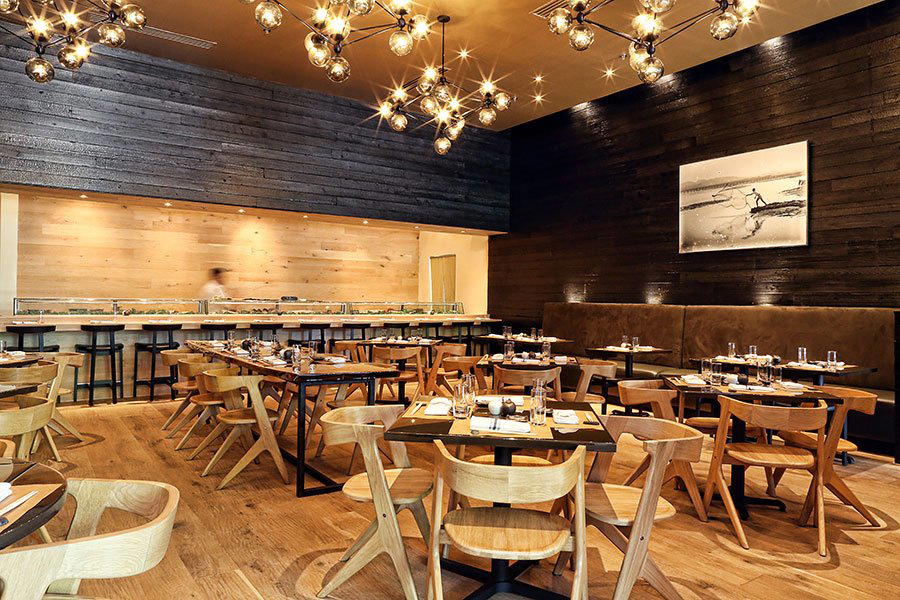
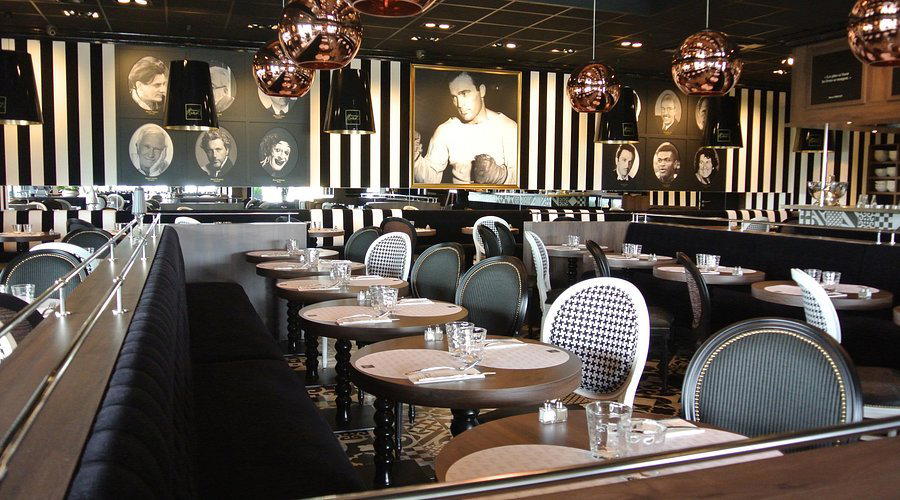
Light and airy with natural light pouring through large arched windows, quietly elegant, relaxed yet refined Parisian charm.