Atrium
Atrium occupies a distinctive address at Ponce City Market, placing it inside one of Atlanta's most architecturally layered retail and dining complexes. The venue draws from a competitive tier of Atlanta restaurants where the interplay between kitchen, floor, and cellar defines the experience as much as any single dish. For visitors planning around the city's serious dining circuit, it sits alongside peers like Bacchanalia and Atlas as a destination worth advance attention.
Pearl is the En Primeur Club membership app — saves, bookings, and concierge access live there. Same editors, same standards.
- Address
- 675 Ponce De Leon Ave NE #158, Atlanta, GA 30308
- Phone
- +14046003939
- Website
- atriumatl.com
- Directions
- Get directions
 Saves & bookings on Pearl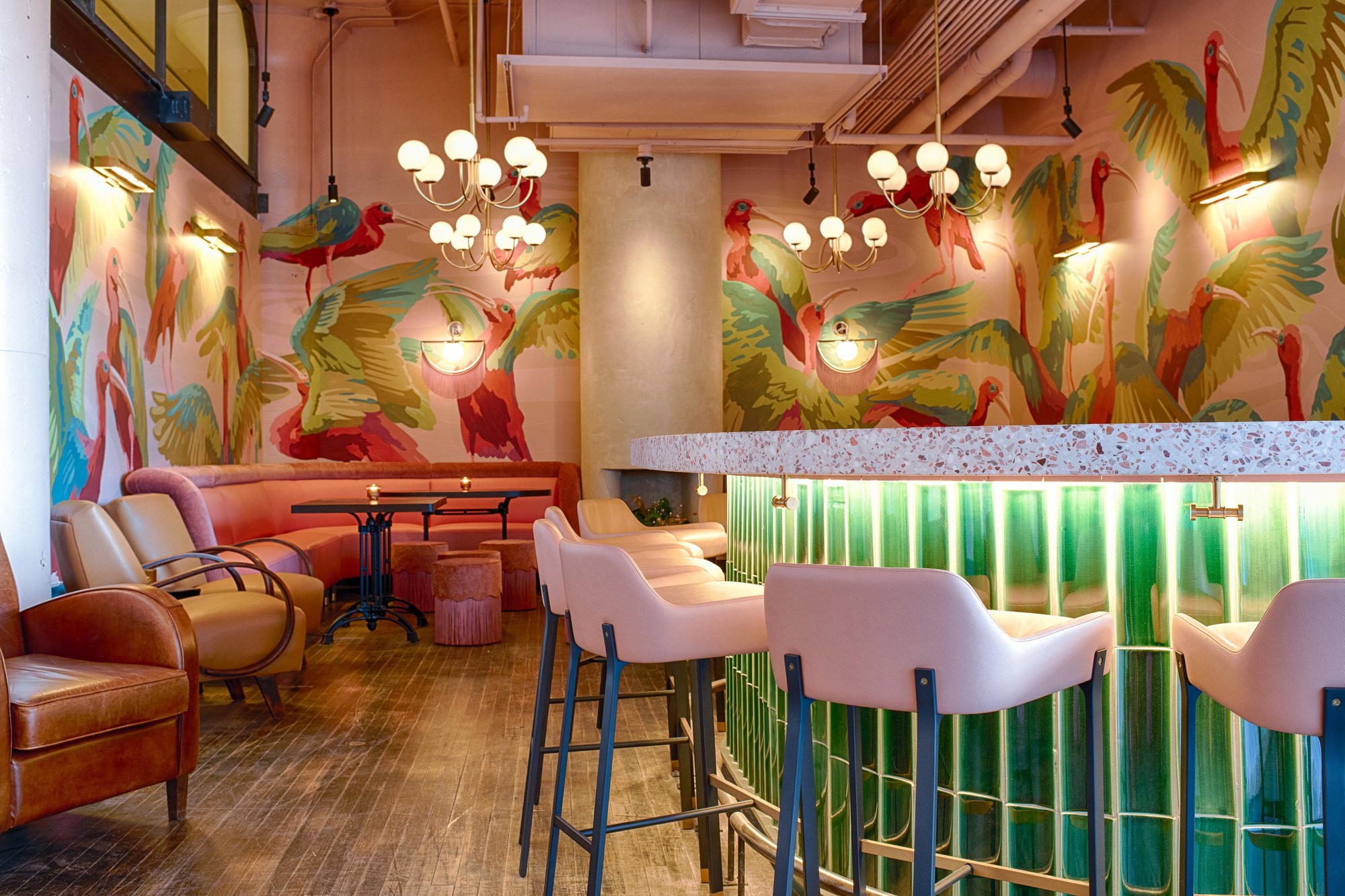
Ponce City Market and the Architecture of Atlanta Dining
Ponce City Market has become a reliable indicator of how Atlanta handles the tension between adaptive reuse and serious hospitality. The 1926 Sears, Roebuck and Co. building on Ponce De Leon Avenue was repurposed across roughly a decade into one of the Southeast's more ambitious mixed-use developments, and the dining occupants that settled there have generally reflected a higher level of culinary intent than typical food hall formats suggest. Atrium, at 675 Ponce De Leon Ave NE, suite 158, sits within this context — a physical setting that already carries architectural weight before a single plate arrives.
The broader Atlanta fine dining scene has spent the past decade consolidating around a handful of recognizable poles. Bacchanalia continues to anchor the New American end of the spectrum with its long track record, while Atlas operates at the intersection of Modern European and New American with a wine program that draws serious collectors. Lazy Betty has carved out a tasting menu position that competes at the top of the contemporary tier. For our full map of where Atlanta's dining scene sits right now, the EP Club Atlanta restaurants guide provides the wider view. Atrium enters this competitive set from a distinct address with a specific physical identity that differentiates it from the standalone fine dining houses clustered in Buckhead or Inman Park.
The Room as First Argument
In American fine dining, the physical environment increasingly functions as the opening statement of a kitchen's intent. The atrium format — high ceilings, natural light, the spatial generosity that comes with adaptive reuse of large-footprint industrial buildings, creates conditions that sit somewhere between the contained drama of a purpose-built tasting room and the open energy of a brasserie. This is neither the compressed intimacy of an eight-seat counter like Mujō nor the formal hush of a white-tablecloth room insulated from street noise.
That spatial register shapes what a kitchen can reasonably ask of its guests. Rooms with significant volume and ambient light tend to support menus that move with some confidence rather than demanding monastic attention at every course. The interplay between space and service pacing is one of the less-discussed variables in American fine dining, but it is a genuine determinant of how collaborative the experience between front-of-house, sommelier, and kitchen can realistically become in a given room.
Team Dynamics and the Collaborative Floor
The most consequential shift in American fine dining over the past fifteen years has not happened in the kitchen alone. The transition from hierarchical, chef-centric operations to genuinely collaborative front-of-house models, where the sommelier contributes to menu narrative and the floor team functions as an extension of culinary intent, has separated the upper tier of American restaurants from the merely competent. This is the model that defines places like Le Bernardin in New York City, where front-of-house precision is as technically demanding as anything happening behind the pass, and Smyth in Chicago, where the integration of kitchen philosophy and floor execution is near-seamless.
At the regional level, that collaborative model is harder to sustain. Atlanta's labour market for trained sommeliers and experienced fine dining floor staff is smaller than New York, San Francisco, or Chicago, which means the restaurants that manage genuine team coherence here, Hayakawa in the Japanese omakase register, Bacchanalia at the top of the New American tier, do so against a real constraint. The question any serious visitor should be asking of Atrium is whether the room, the beverage program, and the kitchen are speaking the same language on a given evening, not whether any single element performs in isolation.
Nationally, the benchmark for this kind of integration sits with operations like The French Laundry in Napa, Single Thread Farm in Healdsburg, and Blue Hill at Stone Barns in Tarrytown, all operations where the sommelier and front-of-house are credited contributors to the experience, not service mechanics. Regionally, Addison in San Diego and Providence in Los Angeles have demonstrated that collaborative team models are possible outside the traditional fine dining capitals. Lazy Bear in San Francisco takes the model further, dissolving the conventional front-of-house structure almost entirely into a communal format. Each approach reflects a different answer to the same question about who the dining experience ultimately belongs to.
Atlanta's Tasting Menu Tier in Context
The American tasting menu format has been under sustained pressure since approximately 2018, with significant closures and format pivots at restaurants that were previously fixed-course only. What has survived and, in some markets, expanded is the hybrid model: a structured menu available alongside a shorter à la carte option, allowing a single kitchen to serve both the committed diner and the more casual visitor. The restaurants that have stayed strictly tasting-menu in Atlanta, Lazy Betty being the clearest example, have done so by building a reservation culture that supports the format financially.
For international comparison, operations like Atomix in New York City and Atelier Moessmer Norbert Niederkofler in Brunico represent the direction in which the committed tasting menu format is evolving: deeper ingredient provenance, tighter course counts, and more explicit sommelier involvement in the sequence. The Inn at Little Washington and Emeril's in New Orleans represent different points on the American fine dining timeline, both useful for understanding what the current Atlanta scene has absorbed and what it is consciously moving away from.
Planning Your Visit
Atrium is located at 675 Ponce De Leon Ave NE, suite 158, within Ponce City Market, a complex with validated parking and BeltLine trail access that makes it reachable on foot from Old Fourth Ward. For visitors staying in Midtown or Inman Park, the address is convenient by rideshare. Given the competitive reservation environment for Atlanta's upper dining tier, particularly on weekends and during the city's peak convention and events calendar in spring and fall, early contact with the venue is the reliable approach.
City Peers
| Venue | Cuisine | Price |
|---|---|---|
| AtriumThis venue — the venue you are viewing | This venue | Not listed |
| Bacchanalia | New American, American | $$$$ |
| Staplehouse | New American, Contemporary | $$$$ |
| Lazy Betty | Contemporary | $$$$ |
| Atlas | Modern European, New American, American | $$$$ |
| Lyla Lila | Southern European, European | $$$ |
At a Glance
- Modern
- Trendy
- Elegant
- Date Night
- Brunch
- Casual Hangout
- Open Kitchen
- Hotel Restaurant
- Craft Cocktails
- Local Sourcing
Current opening hours
- Monday
- 11 AM–9 PM
- Tuesday
- 11 AM–9 PM
- Wednesday
- 11 AM–9 PM
- Thursday
- 11 AM–9 PM
- Friday
- 11 AM–10 PM
- Saturday
- 11 AM–10 PM
- Sunday
- 11 AM–9 PM
Hours can change for holidays and private events. Last verified .
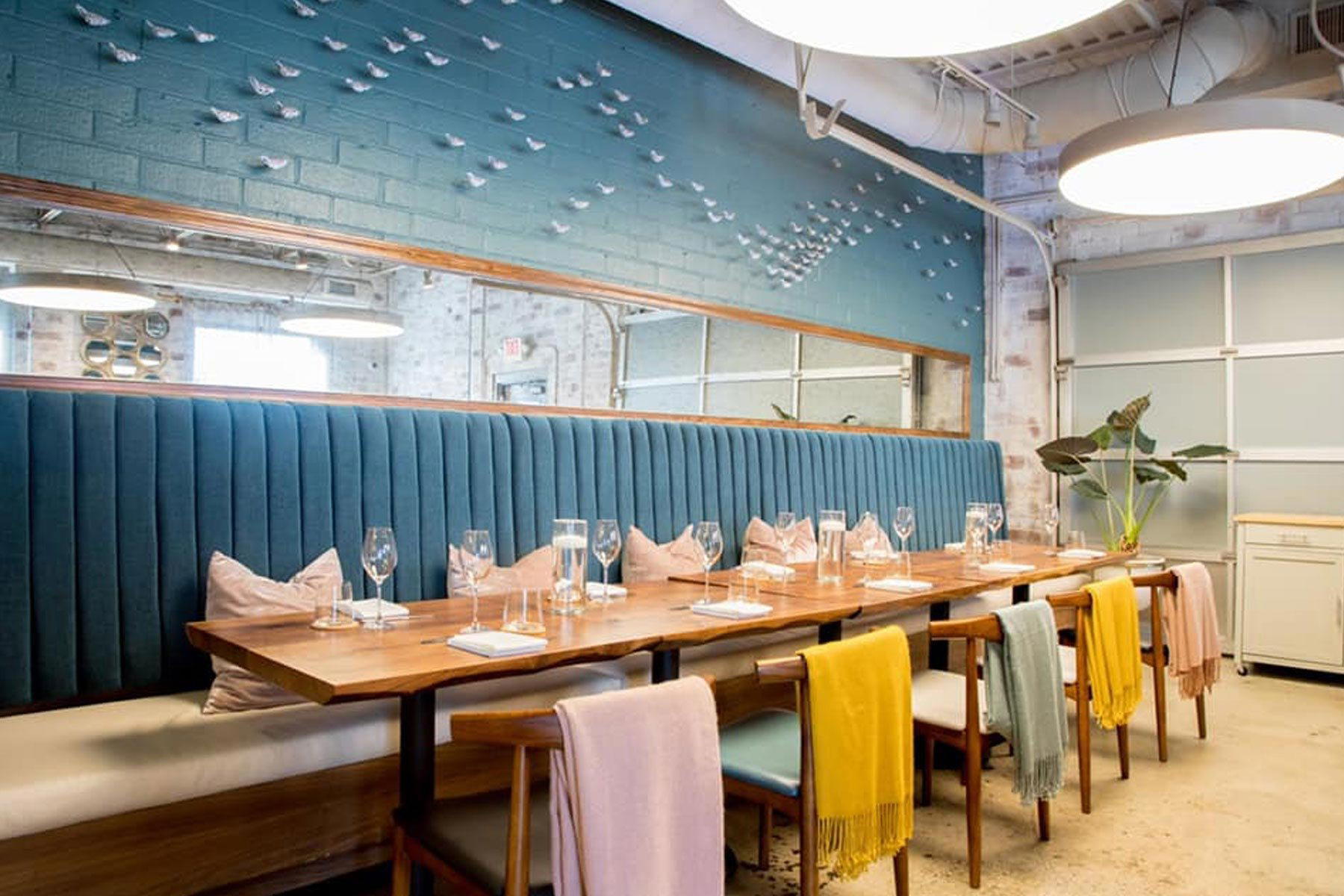
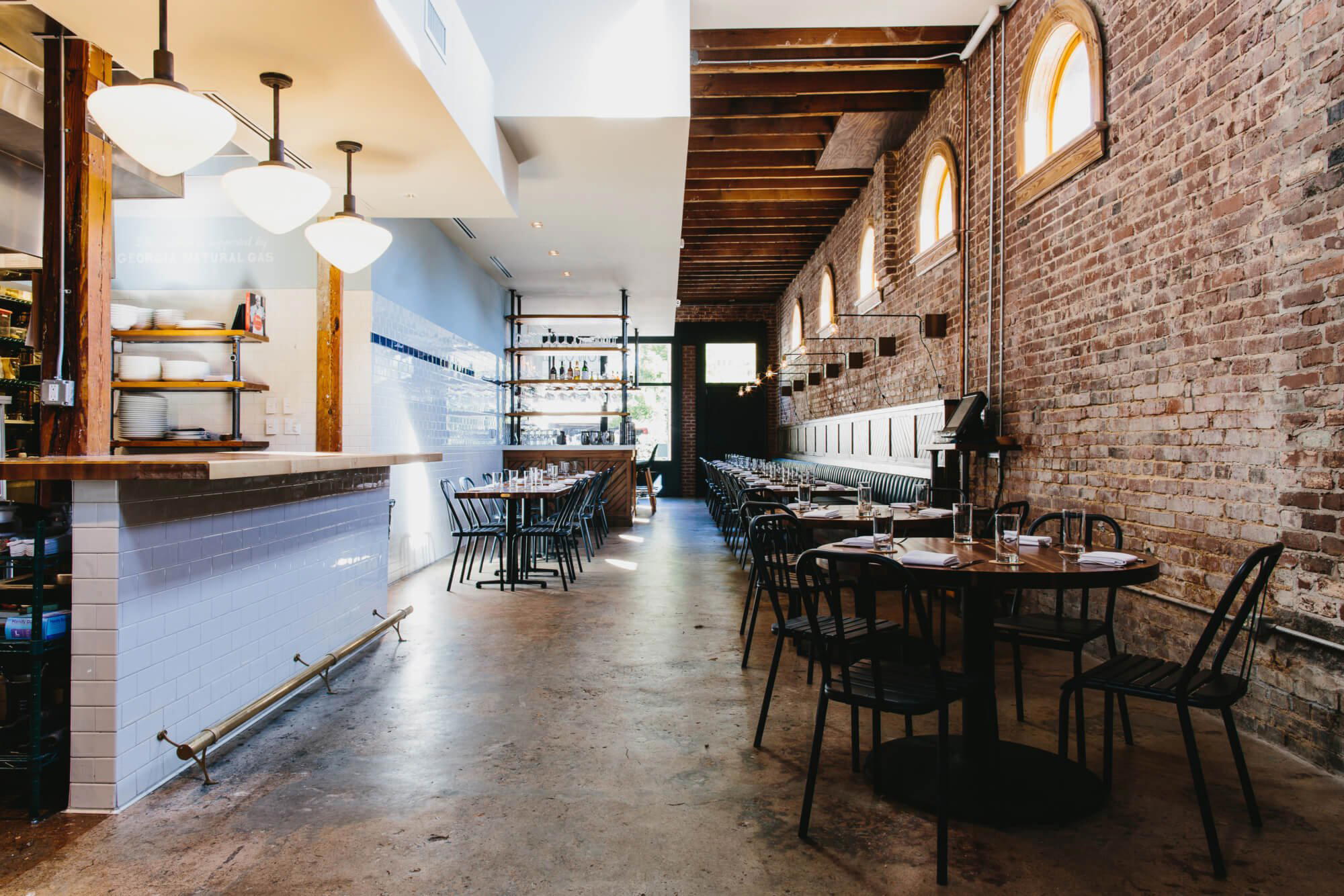
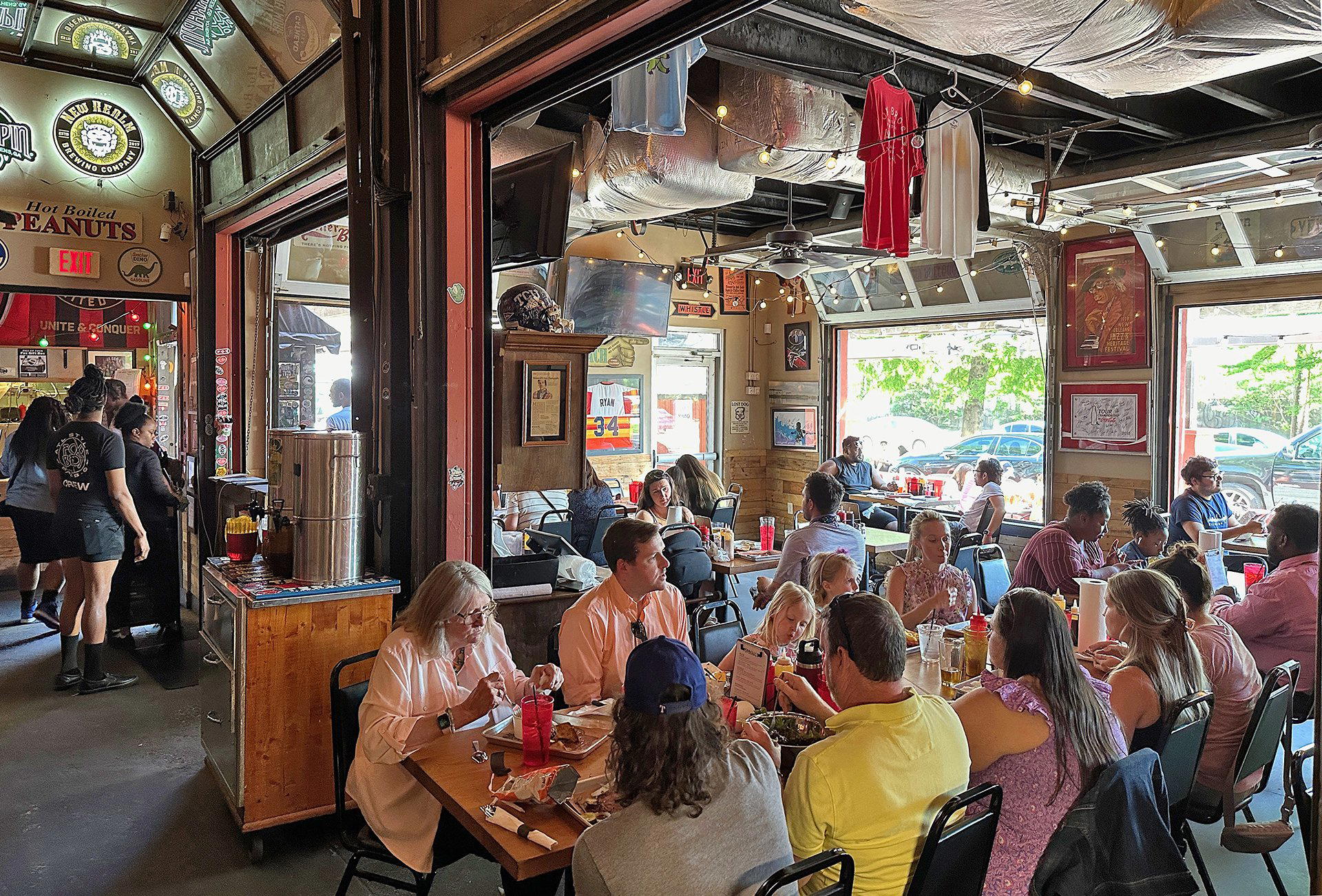
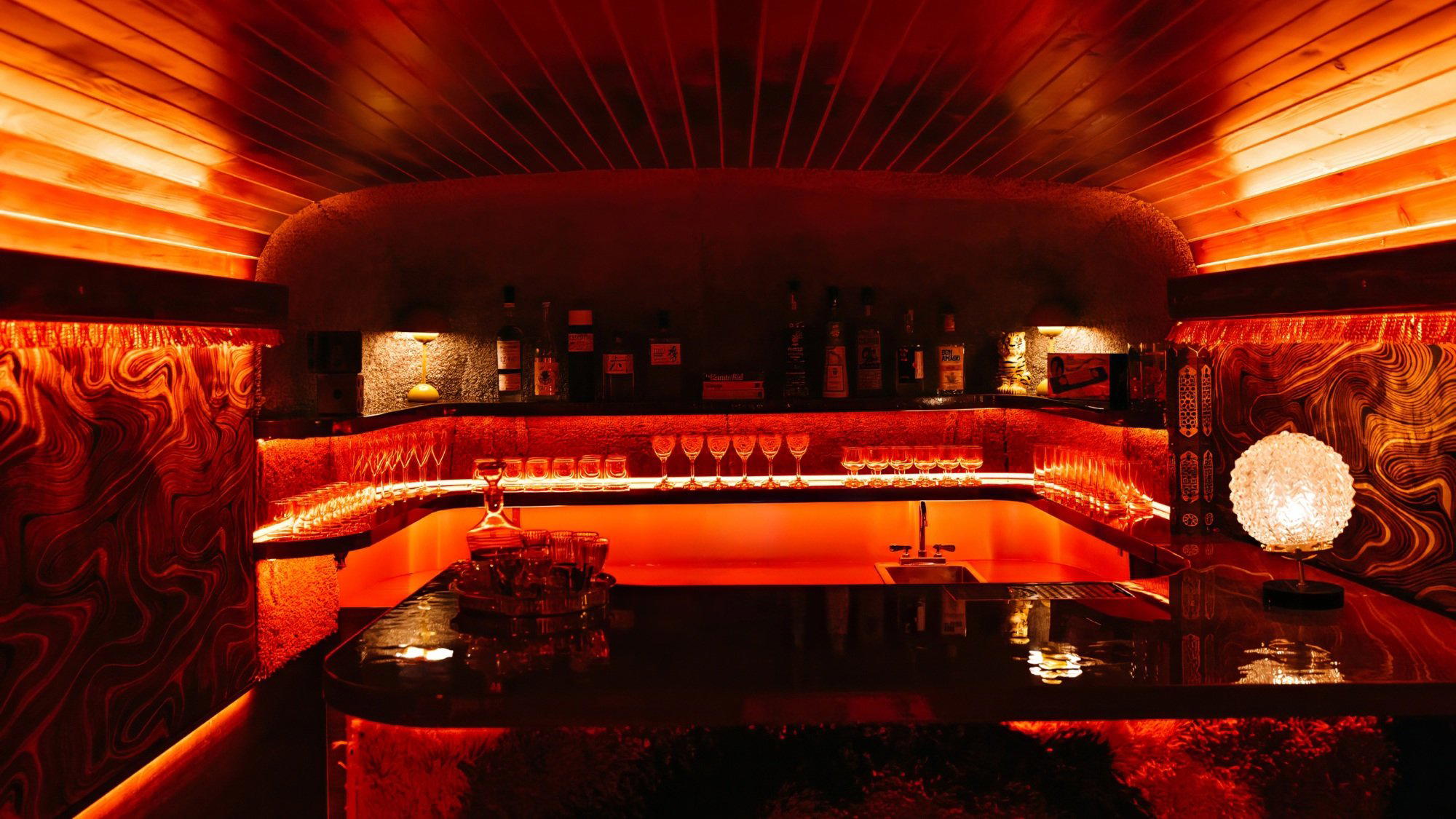
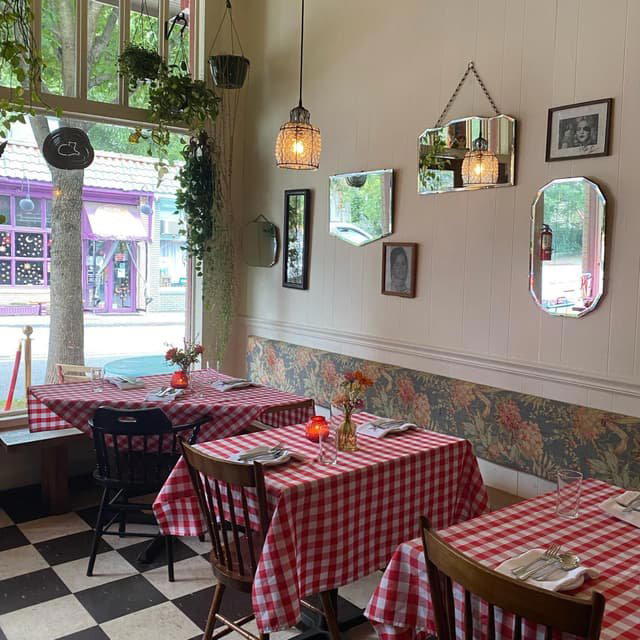
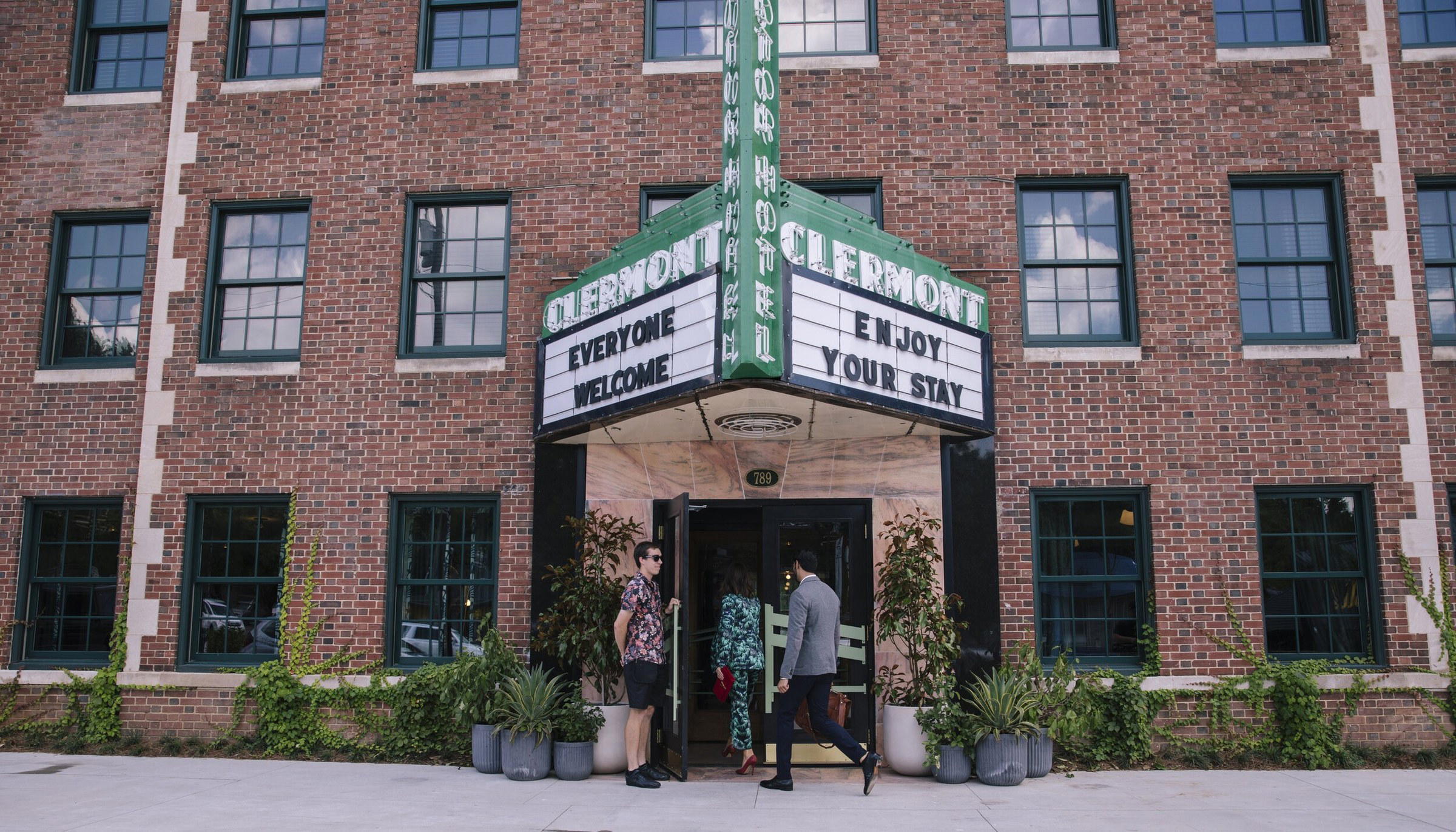
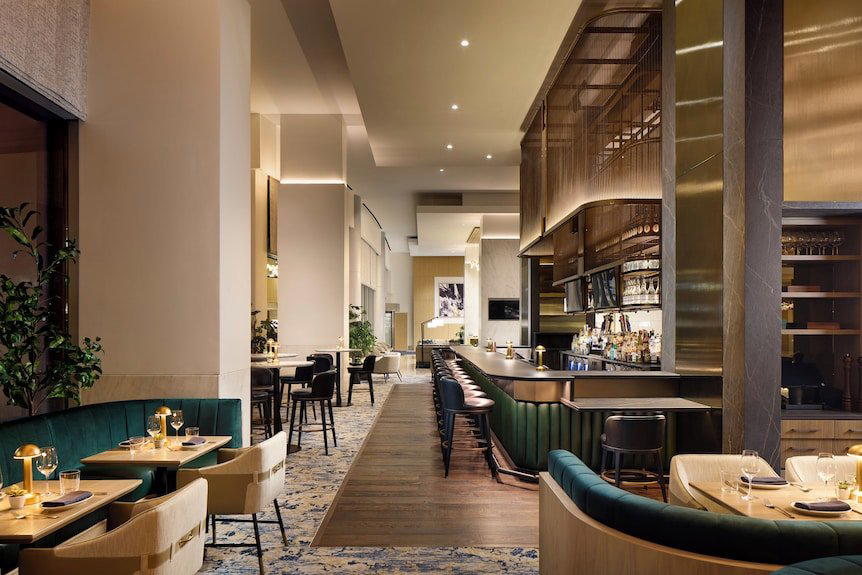
Bright and welcoming with high ceilings, floor-to-ceiling windows, stylish decor, open kitchen views, and floating floral installations creating a calm oasis.
Know Before You Go
- Getting there
- 675 Ponce De Leon Ave NE #158, Atlanta, GA 30308