Brasserie le Donjon
Our verdict
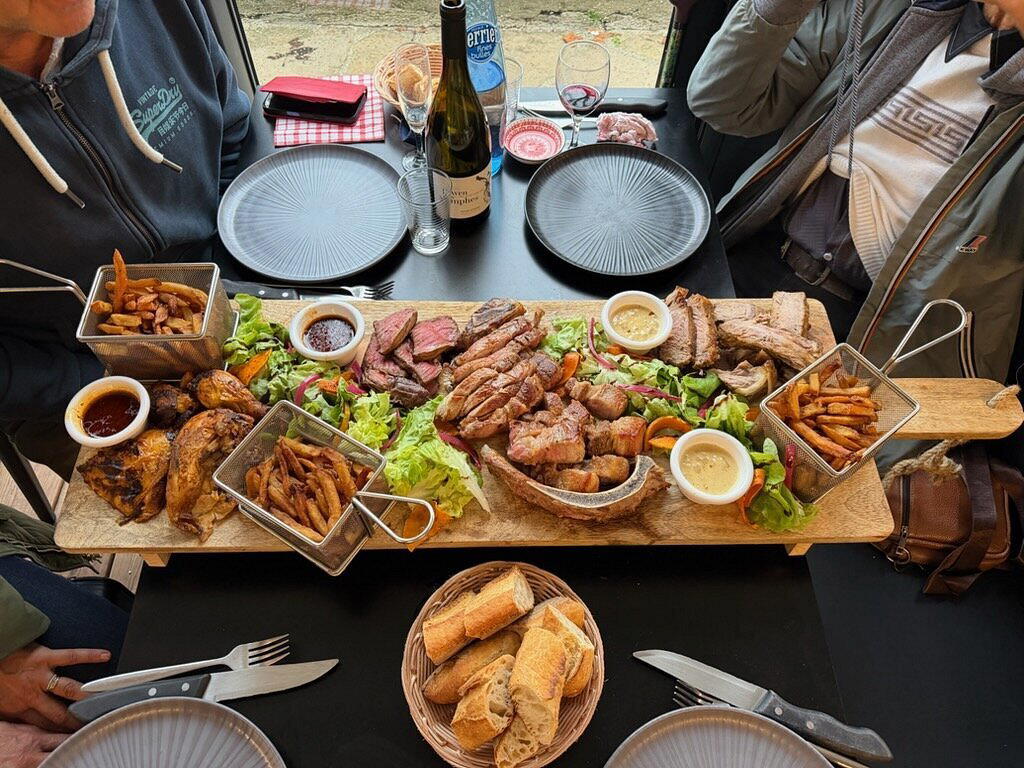
Brasserie le Donjon sits in Les Matelles, a village in the garrigues north of Montpellier where the Hérault countryside sets the terms for what ends up on the plate. The address places it squarely in the tradition of French village brasseries that draw their identity from the land surrounding them rather than from urban culinary trends. A practical stop for those moving through the Pic Saint-Loup wine corridor.

Pearl is the En Primeur Club membership app, where members save venues, book tables and use the concierge.
Stone, Scrubland, and the Sourcing Logic of the Hérault Garrigue
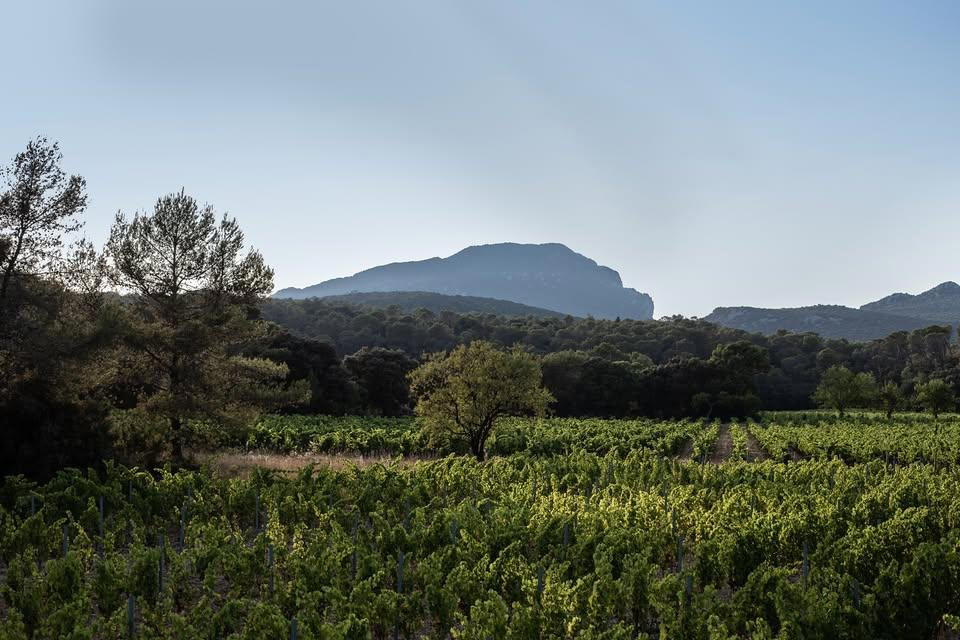
The village of Les Matelles sits on the southern edge of the Pic Saint-Loup massif, roughly fifteen kilometres north of Montpellier, where the garrigue takes over from the suburbs and the air shifts registers entirely. This is limestone country: dry-stone walls, wild thyme and rosemary pushing through the scrub, and a food culture that has always been shaped by proximity to specific producers rather than by the pull of any distant market. Brasserie le Donjon, on the Avenue du Val de Montferrand, occupies that context directly. The address alone positions it within a dining tradition that has more in common with the rural auberges of the Languedoc interior than with the polished brasserie formats of Montpellier's city centre. For our full overview of where to eat in the area, see our full Les Matelles restaurants guide.
In the broader arc of French regional cooking, the Hérault occupies an interesting middle ground. It is not Michelin-heavy territory in the way that Lyon's Rhône corridor is, nor does it carry the destination-restaurant gravity of the Aveyron plateau where Bras in Laguiole has long anchored serious cooking to a range of volcanic basalt and highland pasture. What the Hérault offers instead is a more workday version of terroir-driven French cooking: grilled meats from animals raised on garrigue-fed land, vegetables that ripen slowly in the summer heat, and an instinct for simplicity that comes from cooking close to the source rather than from any programmatic commitment to minimalism.
The Garrigue Pantry: What the Surrounding Land Provides
The ingredient logic of this part of Languedoc-Roussillon runs through several distinct channels. A village brasserie in this corridor operates against that backdrop: the wine list is not a generic French selection but a reflection of what the surrounding slopes are producing, and the food tends to be calibrated to sit alongside those structured, herb-forward reds. Compare this to how coastal Languedoc institutions orient around seafood from the Étang de Thau, or how the garrigue-facing kitchens of the Gard lean toward lamb and game. Les Matelles sits in the inland, drier tier, where the pantry skews toward meat, legumes, and preserved flavours.
This sourcing geography matters because it distinguishes village-scale brasseries in this zone from their urban counterparts. Restaurants in Montpellier's centre operate within a larger, more competitive market and often source more broadly. A kitchen in Les Matelles has fewer intermediaries between producer and plate, which is both a constraint and an advantage: the seasonal range is narrower, but the connection to what is actually available nearby is tighter. That dynamic is precisely what distinguishes the rural Languedoc dining tradition from the branded farm-to-table positioning that urban restaurants apply as a strategy. Here, it is simply the practical reality of where you are.
For context on how high-end French regional cooking has formalized that same sourcing instinct at different price points, the contrast with decorated houses like Auberge du Vieux Puits in Fontjoncouse or L'Oustau de Baumanière in Les Baux is instructive. Both operate within Provence and Languedoc's broader food culture, but at a scale and investment level that transforms local sourcing into a deliberate fine-dining statement. A village brasserie like Le Donjon operates at the other end of that spectrum, where the sourcing is equally local but the presentation is functional rather than theatrical.
Where Le Donjon Sits in the French Village Brasserie Tradition
The French village brasserie is a category that resists easy ranking. It is not competing with the multi-starred houses of the Rhône Valley such as Troisgros in Ouches or Paul Bocuse's Auberge du Pont de Collonges, nor does it aim for the destination-restaurant status of Flocons de Sel in Megève or Mirazur in Menton. It belongs to a different register entirely: the neighbourhood anchor, the place where locals eat on a Tuesday, the kitchen that has absorbed the rhythm of the local market over years rather than seasons. That category is well-represented across rural France, from the Alsatian winstub tradition embodied by houses like Auberge de l'Ill in Illhaeusern at its apex, to the spa-country tables of Les Prés d'Eugénie in Eugénie-les-Bains at the high end. Le Donjon operates in the more everyday middle of that distribution.
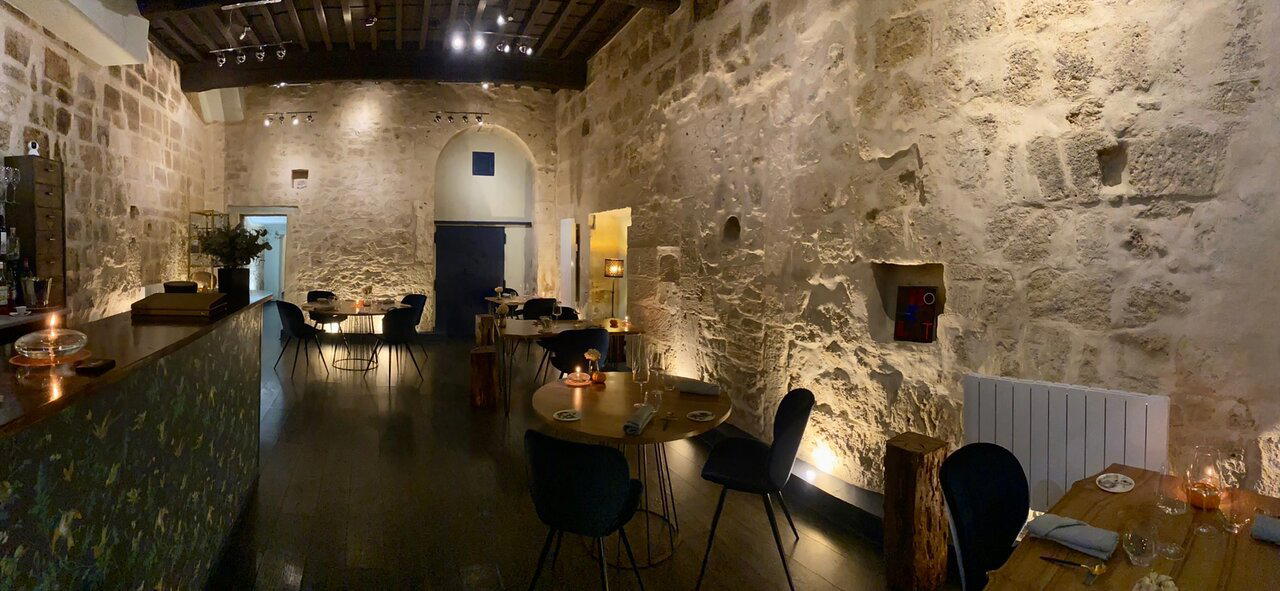
Approaching Les Matelles from Montpellier on the D986, the village announces itself with medieval stonework: the donjon that gives the brasserie its name is the tower remnant of a fortified settlement that has been here since the twelfth century. That physical setting is part of the brasserie's character. Dining in a village where the architecture pre-dates the concept of a restaurant by several centuries changes the register of the meal, even if the food itself is entirely conventional. It is the same effect you find at tables in Les Baux or in the fortified villages of the Aveyron: the stone walls and the narrow streets do work that no amount of interior design can replicate.
Planning Your Visit
Les Matelles is a short drive from Montpellier, making it accessible as a lunch destination for visitors based in the city, particularly those combining the meal with a visit to the Pic Saint-Loup wine country to the north. The village is small and parking is manageable by French village standards. Given the limited venue data currently available for Le Donjon, visitors are advised to contact the restaurant directly or check local aggregator listings for current hours, pricing, and reservation policy before making the trip. The broader Hérault dining scene offers reference points at various price levels, from the Languedoc coast's seafood-forward institutions to the refined regional cooking at addresses like La Table du Castellet in the Var. Those planning a longer southern France circuit with a focus on serious French cooking might also consider Alléno Paris au Pavillon Ledoyen or Maison Lameloise in Chagny as contrasting reference points at the formal end of the French regional spectrum. For those curious about how French culinary traditions translate across the Atlantic, Le Bernardin in New York City and Lazy Bear in San Francisco offer useful comparative perspectives on how French cooking discipline adapts to different markets. Closer to the Mediterranean context, La Vague d'Or in Saint-Tropez and Georges Blanc in Vonnas represent the high-investment end of French regional hospitality against which village brasseries like Le Donjon define their own, quieter appeal. Le 1947 à Cheval Blanc in Courchevel sits at the other extreme of the luxury-to-casual French dining axis, useful context for understanding how wide that axis actually runs.
Frequently asked questions
Is Brasserie le Donjon okay with children?
The village brasserie format in France historically accommodates family dining, and Les Matelles itself is a small community where local restaurants tend to serve a broad cross-section of residents and visitors. That said, specific family facilities at Brasserie le Donjon on Avenue du Val de Montferrand are not documented, so it is worth contacting the venue directly before arriving with young children.
What is the atmosphere like at Brasserie le Donjon?
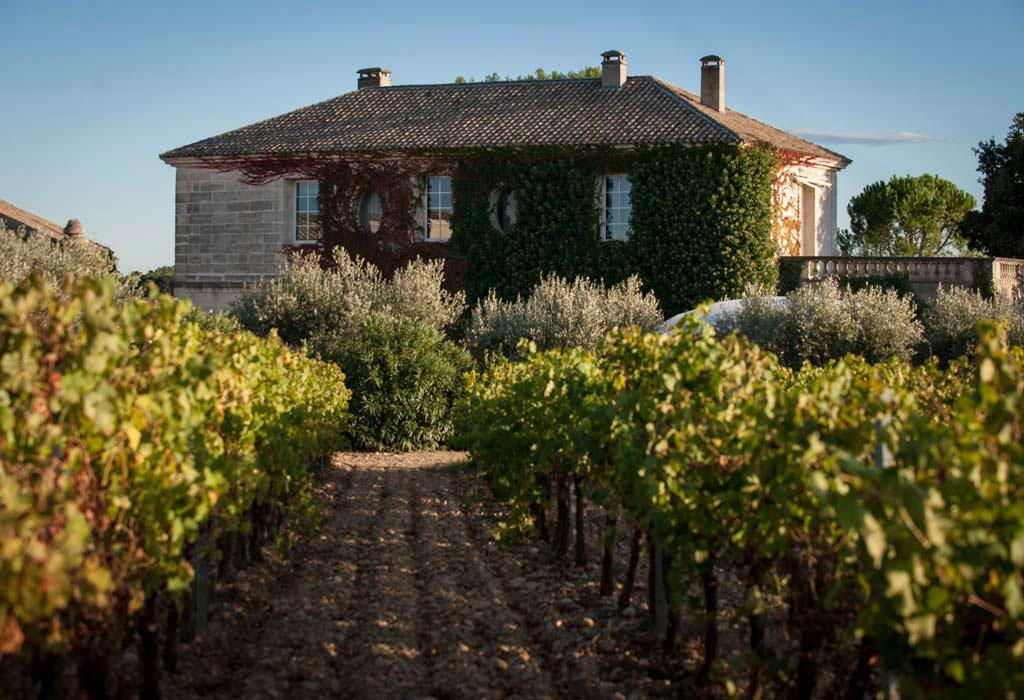
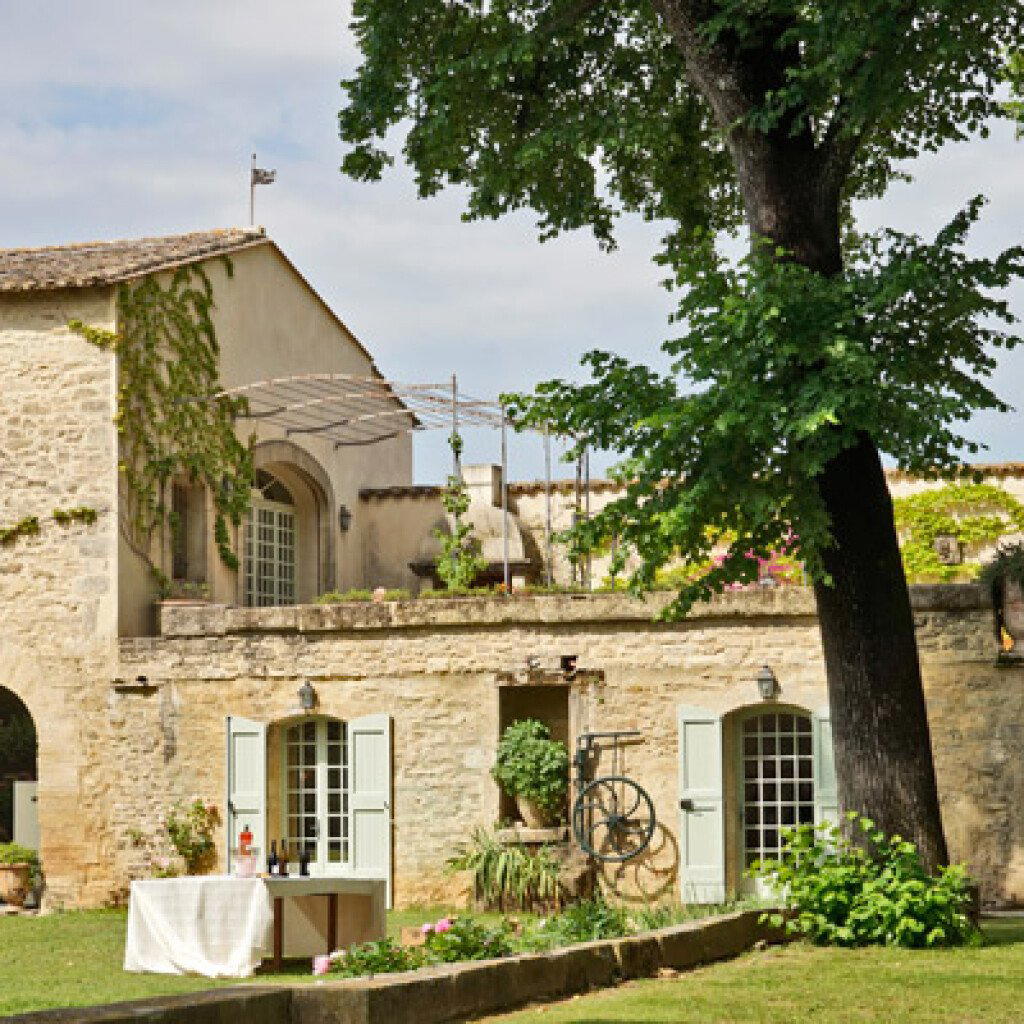
Le Donjon sits in Les Matelles, a stone village on the southern flank of the Pic Saint-Loup massif where the garrigue scrubland defines the physical setting. The French village brasserie category to which it belongs typically favours informal, room-temperature conviviality over studied formality, closer to a working locals' lunch than a destination tasting room. The surroundings at this address on Avenue du Val de Montferrand reinforce that unhurried register.
Is Brasserie le Donjon a good lunch stop when visiting the Pic Saint-Loup wine appellation?
Les Matelles sits at the southern edge of the Pic Saint-Loup massif, positioning Brasserie le Donjon on Avenue du Val de Montferrand as a practical midday stop for those touring the appellation's vineyards. The village is accessible from Montpellier in under twenty minutes by car, making it a logical pairing for a half-day wine itinerary in the Hérault. Visitors combining cellar visits with lunch would do well to confirm opening hours with the brasserie in advance, as rural French kitchens in this region typically observe strict service windows.
What's the address for Brasserie le Donjon?
Brasserie le Donjon is located at 70 Av. du Val de Montferrand, 34270 Les Matelles, France, Les Matelles.
Do they take walk-ins at Brasserie le Donjon?
Reservation policy for Brasserie le Donjon is not formally documented. Village brasseries in the Hérault generally accept walk-ins outside peak lunch hours, though the proximity to Montpellier, roughly fifteen kilometres south, means weekend trade can be heavier than the village scale suggests. Arriving early for the midday service is the lower-risk approach.
Comparable Spots, Quickly
| Venue | Cuisine | Price | Awards | Notes |
|---|---|---|---|---|
| Brasserie le DonjonThis venue (the venue you are viewing) | French Brasserie | Not listed | Not listed | Not listed |
| Mirazur | Modern French Fine Dining | $300–500 | 3 Michelin Stars · World's 50 Best #1 | Modern French, Creative |
| Alléno Paris au Pavillon Ledoyen | Modern French Fine Dining | $150–200 | 3 Michelin Stars · World's 50 Best #79 | Creative |
| Kei | Modern French with Japanese Influences | $300–500 | 3 Michelin Stars · World's 50 Best #93 | Contemporary French, Modern Cuisine |
| L'Ambroisie | Classic French Haute Cuisine | $300–500 | 2 Michelin Stars · World's 50 Best #23 | French, Classic Cuisine |
| Le Cinq - Four Seasons Hôtel George V | Modern French Fine Dining | $300–500 | 3 Michelin Stars · World's 50 Best #24 | French, Modern Cuisine |
Continue exploring
More in Les Matelles
Restaurants in Les Matelles
All restaurants in Les Matelles →
Bars in Les Matelles
Browse all →
Details
- Rustic
- Cozy
- Scenic
- Family
- Casual Hangout
- Standalone
- Extensive Wine List
- Local Sourcing
- Mountain
- A La Carte
Current opening hours
- Monday
- 8:30 AM–4 PM
- Tuesday
- 8:30 AM–4 PM
- Wednesday
- 8:30 AM–7:30 PM
- Thursday
- 9 AM–7:30 PM
- Friday
- 8:30 AM–10:30 PM
- Saturday
- 8:30 AM–6 PM
- Sunday
- 8:30 AM–6 PM
Hours can change for holidays and private events. Hours as of .
Warm and welcoming atmosphere in a beautiful location with true hospitality.