Ébullition


Inside a historic stone building on Rue du Pila St Gély, Ébullition holds a Michelin star earned in 2025. Chef Boris Caillol, trained at Le Petit Nice and La Maison Troisgros, sources directly from Montpellier's organic market and pairs seasonal creative cooking with a wine list weighted toward biodynamic producers from the Languedoc.
Pearl is the En Primeur Club membership app — saves, bookings, and concierge access live there. Same editors, same standards.
- Address
- 10 Rue du Pila St Gély, 34000 Montpellier, France
- Phone
- +33 9 86 10 84 84
- Website
- restaurant-ebullition.fr
- Directions
- Get directions
 Saves & bookings on Pearl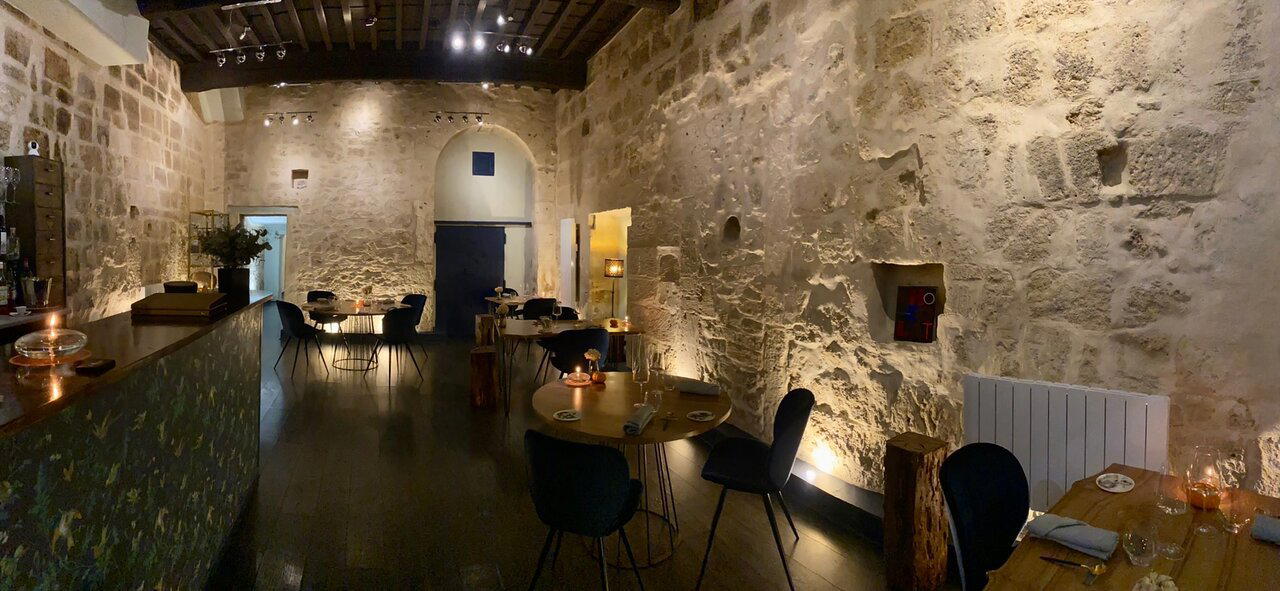
Where Old Montpellier Meets a Living Kitchen
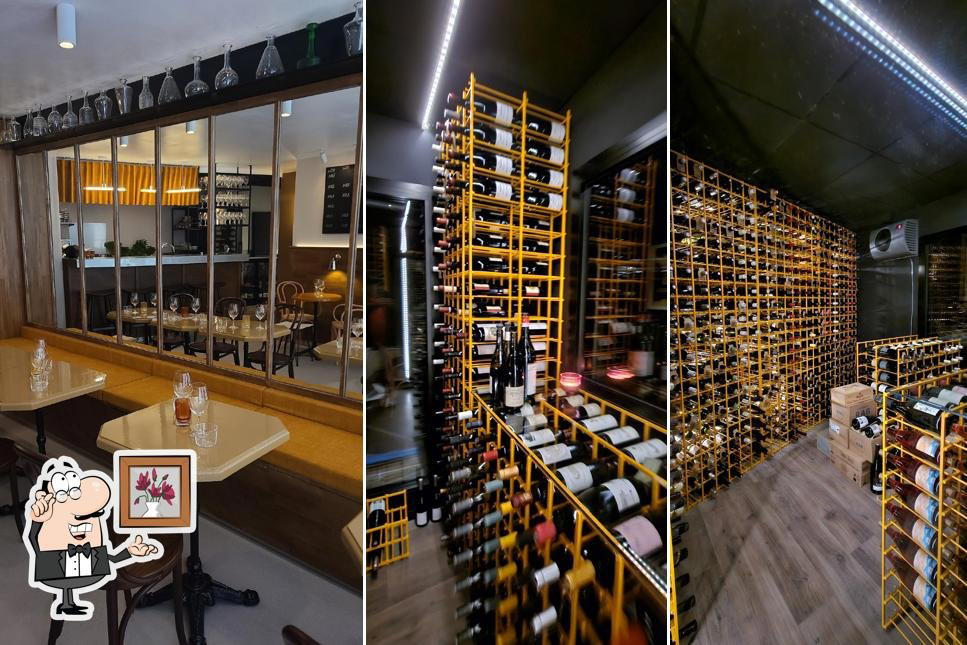
The historic centre of Montpellier is among the more intact medieval urban fabrics in southern France. Its narrow streets, hôtels particuliers, and worn limestone façades have accumulated centuries of layered use, and it is in this kind of environment that a certain type of ambitious restaurant finds its most convincing setting. Ébullition occupies a building on Rue du Pila St Gély, and its old stone walls are offset by soft lighting and contemporary fixtures that keep the room from reading as a period piece. The tension between what is centuries old and what arrived recently gives the space a physical character that newer purpose-built rooms rarely achieve.
Front of house is managed by Coralie Semery, whose presence shapes the register of a meal here. In a room where the cooking is assertive and technically considered, the quality of the greeting and floor service determines whether a diner feels received or merely processed. At Ébullition, that balance tilts toward the former.
Montpellier's Starred Tier in Context
Montpellier carries less culinary name recognition than Lyon, Bordeaux, or the Riviera cities, but its Michelin-starred restaurant count has been growing quietly. The city now supports a small cohort of one-star tables operating at the €€€ price level, with Leclère representing the closest peer comparison at the same price point and recognition tier. Jardin des Sens sits a bracket higher at €€€€, while La Réserve Rimbaud, Pastis Restaurant, and Reflet d'Obione complete a modern cuisine scene with genuine range. See the full Montpellier restaurants guide for the broader picture.
Ébullition received its first Michelin star in 2025, which places it among the more recently recognised addresses in the city. That timing matters: the guide's language around it, categorised as Notable, points to a kitchen that earned recognition through consistent performance rather than through historical reputation.
The Kitchen's Approach to the Region
Creative cooking in southern France occupies a complicated position. The Languedoc and its surrounding terroir offer notable raw material, from coastal seafood and garrigue-fed lamb to a produce calendar that runs longer than much of northern France. The risk, in ambitious kitchens, is either ignoring that local specificity in favour of generic modernist technique, or leaning so heavily on regional identity that the cooking becomes folkloric. The more interesting tables find a third position: using the region's ingredients as a given and building outward from there with whatever technical approach serves the produce leading.
Chef Boris Caillol's kitchen operates from that third position. His training lineage runs through La Maison Troisgros and Le Petit Nice, two houses with different signatures: Troisgros defined by its restless formal evolution over generations, Le Petit Nice by its coastal Marseille precision and seafood focus. That combination of references, one inland and architectural, one maritime and product-led, produces a chef unlikely to default to a single register. The Michelin notes describe a bold, inventive approach that imposes few constraints on itself, and they single out the practice of sourcing personally from Montpellier's organic market as a structural commitment rather than a marketing detail.
Direct market sourcing at this level of cooking carries practical consequences, shaping the menu around what is available at its peak. For a diner, it means the menu on a given visit reflects a specific window of time in the agricultural calendar around Montpellier, not a fixed programme. Among the broader creative restaurants in France, this kind of supply discipline aligns Ébullition with houses like Arpège in Paris, where the sourcing relationship shapes the cooking's character as fundamentally as the technique applied to it.
The Wine List and Its Bias
The wine programme at Ébullition is weighted toward biodynamic producers from the region. The Languedoc is now among the more active zones in France for this style of viticulture: appellations from Pic Saint-Loup, Terrasses du Larzac, and the coastal fringes around the Étang de Thau have attracted a generation of producers working with minimal intervention and a clear sense of terroir. A wine list that prioritises this cohort is making a considered editorial choice about what the food should be accompanied by, not simply stocking what is fashionable. In the context of a menu sourced from local organic markets, the logic is consistent throughout.
For diners oriented toward this style of wine, Ébullition offers an unusual depth of regional coverage at a price tier that remains below the grandes maisons. Comparisons might be drawn to the wine programmes at Mirazur in Menton or Flocons de Sel in Megève, where the list extends and reinforces the kitchen's philosophical stance. The Languedoc focus here, however, is more geographically concentrated and more specific.
Creative Cooking at the €€€ Level in France
The €€€ price bracket for creative cooking in France covers a wide range of ambitions. At the lower end, it overlaps with ambitious bistronomy. At the upper end, it sits just below the tasting-menu houses where a dinner can extend to three or four hours and twelve or more courses. Ébullition occupies the upper register of that bracket, where a Michelin star in 2025 and a creative format signal a meal with genuine length and considered structure.
The comparison set for this style of cooking extends beyond Montpellier. In Paris, addresses like Alléno Paris au Pavillon Ledoyen represent the format at its most formally ambitious. In the south, Bras in Laguiole and Auberge de l'Ill in Alsace define what a strongly rooted creative kitchen can look like over decades of consistent operation. Across the border, Cocina Hermanos Torres in Barcelona maps a parallel approach to Mediterranean produce in a different national tradition. Ébullition's 2025 recognition places it within that conversation without overstating its place in it.
Planning a Visit
Ébullition is located at 10 Rue du Pila St Gély in central Montpellier, within walking distance of the Place de la Comédie and the city's main tram network. For a restaurant of this standing in the historic centre, advance booking is advisable, particularly for weekend service or for larger parties. The address has no website listed through current records, so one direct path to a reservation is by phone or through third-party booking platforms that carry the listing.
For visitors using Montpellier as a base for regional exploration, the city's broader offer is covered across the Montpellier hotels guide, the bars guide, the wineries guide, and the experiences guide. Given the restaurant's orientation toward biodynamic Languedoc wines, a visit to the surrounding appellations pairs naturally with a meal here.
Where the Accolades Land
Comparable venues nearby, for context on price, style, and recognition.
| Venue | Cuisine | Price | Awards | Notes |
|---|---|---|---|---|
| ÉbullitionThis venue — the venue you are viewing | Modern Mediterranean Fine Dining | $$$ | Michelin 1 Star | Not listed |
| Reflet d'Obione | Modern French Sustainable Gastronomy | $$$$ | Michelin 1 Star | Préfecture |
| Pastis Restaurant | Modern French Fine Dining | $$$ | Michelin 1 Star | Saint-Roch |
| Leclère | Modern French Seasonal Tasting Menu | $$$$ | Michelin 1 Star | Saint-Denis |
| Anga - Beaulieu | Modern French Mediterranean Fine Dining | $$$ | Michelin Plate | Préfecture |
| Le Petit Jardin | French Gastronomic with Mediterranean Influences | $$$ | Michelin Plate | Préfecture |
Recognition history
Dated appearances from independent guides and award organizations, with the underlying list record or original source where available.
Michelin 1 Star
Michelin
Gault & Millau Remarkable Restaurant
Gault & Millau
Michelin 1 Star
Michelin
Michelin Plate
Michelin
Continue exploring
More in Montpellier
Restaurants in Montpellier
Browse all →
Bars in Montpellier
Browse all →
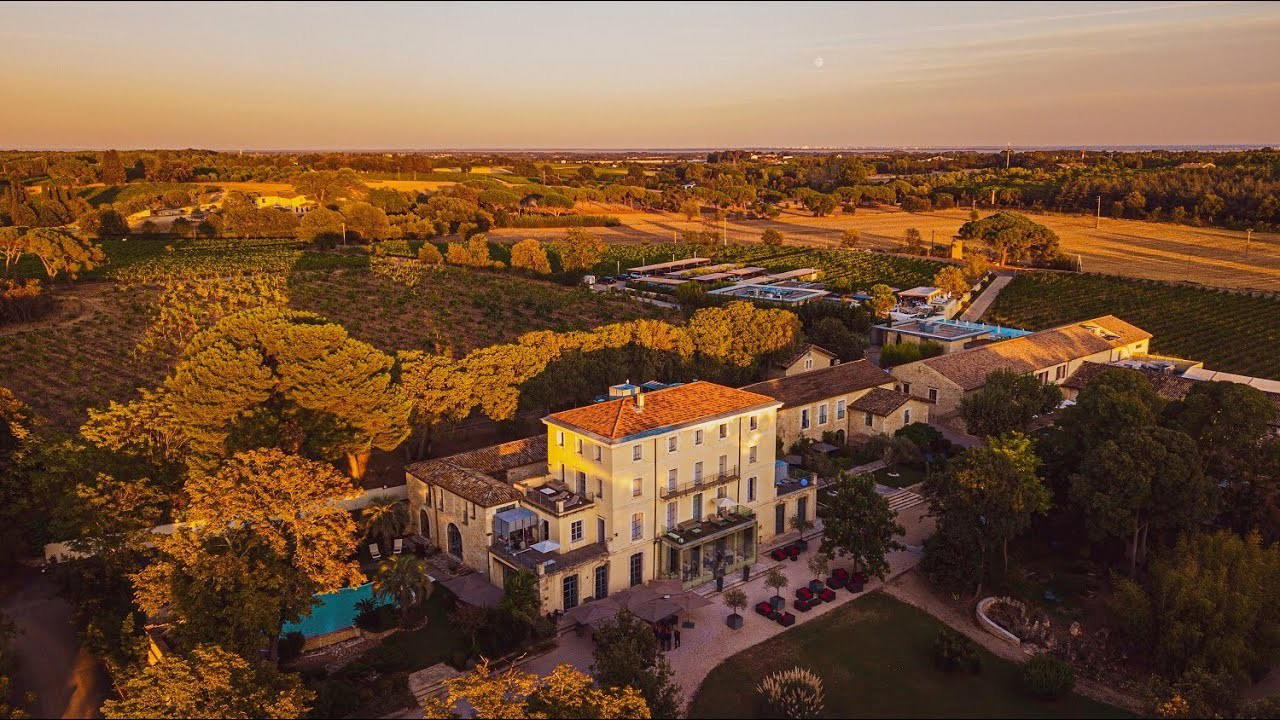
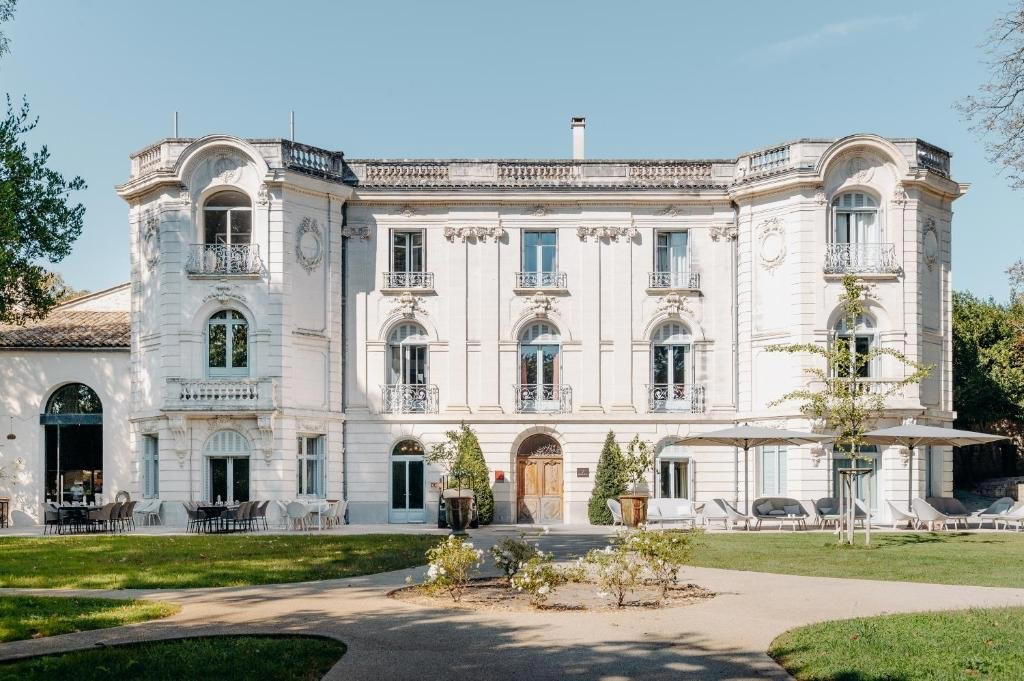
Hotels in Montpellier
Browse all →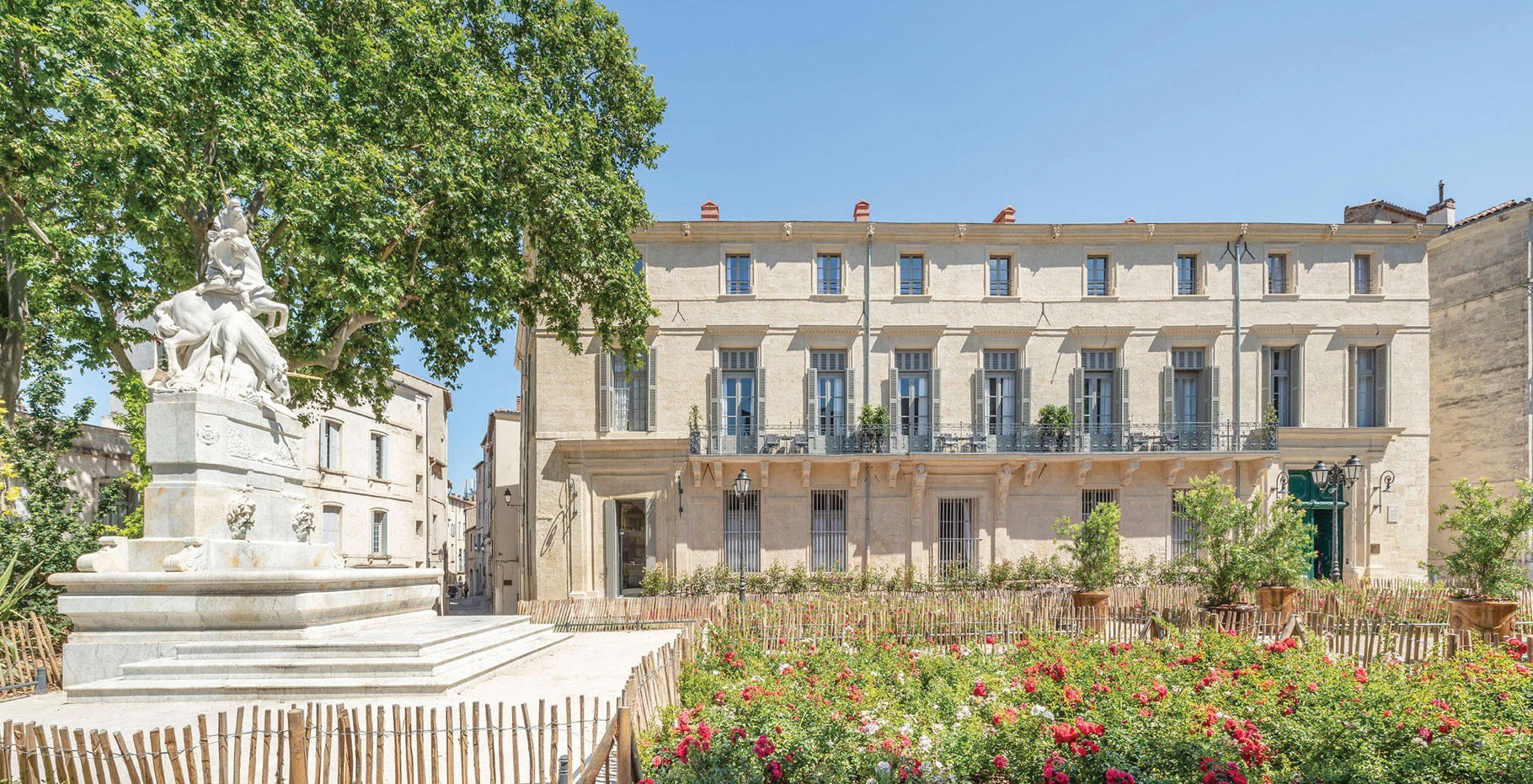

At a Glance
- Intimate
- Cozy
- Modern
- Elegant
- Special Occasion
- Open Kitchen
- Local Sourcing
Current opening hours
- Monday
- Closed
- Tuesday
- 12:15–1 PM, 7:30–8:30 PM
- Wednesday
- 12:15–1 PM, 7:30–8:30 PM
- Thursday
- 12:15–1 PM, 7:30–8:30 PM
- Friday
- 12:15–1 PM, 7:30–8:30 PM
- Saturday
- Closed
- Sunday
- Closed
Hours can change for holidays and private events. Last verified .
Warm, cozy, and contemporary atmosphere with attentive, discreet service in a historic heart setting.