On a narrow pedestrian street in the old quarter of Millau, Le Bouche à Oreille has built its following the way its name suggests: by word of mouth. The address at 26 Rue Droite places it squarely in a neighbourhood where the dining tradition runs closer to the bistro than the brasserie, and where regulars return for the kind of cooking that rewards familiarity over spectacle.
Pearl is the En Primeur Club membership app — saves, bookings, and concierge access live there. Same editors, same standards.
- Address
- 26 Rue Droite, 12100 Millau, France
- Phone
- +33565721803
- Directions
- Get directions
 Saves & bookings on Pearl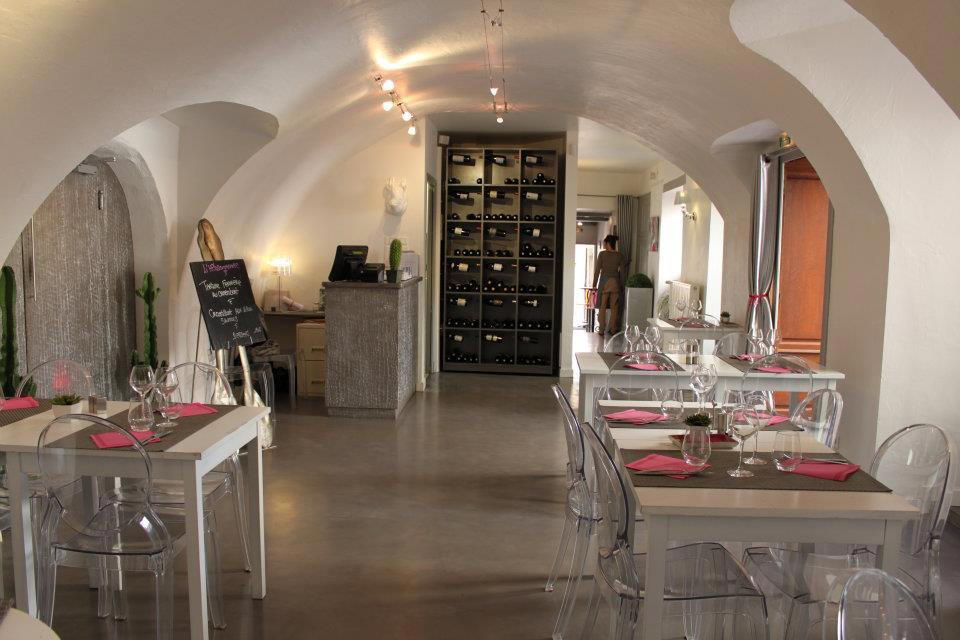
Rue Droite and What It Signals
Le Bouche à Oreille is a Traditional French Bistro in Millau, France, at 26 Rue Droite and known for its casual setting and recommended reservations. Millau's old town operates on a different register from the engineered tourism of the viaduct viewpoints and the adventure-sport outfitters lining the river approach. Rue Droite, one of the pedestrian arteries threading through the medieval core, is where the town feeds itself rather than performs for visitors. Restaurants on this street tend to survive on return custom rather than passing trade, which makes them a reliable signal of what the local dining scene actually values: consistency, honesty of ingredient, and the kind of service that recognises a face. Le Bouche à Oreille at number 26 sits exactly in that context.
The name itself is a statement of intent. In French, le bouche à oreille means word of mouth, the oldest and least gameable form of recommendation. For a restaurant to adopt that as its identity is either a provocation or a confidence, and in the case of an address that has held its position in a small provincial city without the machinery of awards or media coverage, it reads as the latter.
The Millau Dining Pattern
Millau's restaurant scene is compact and stratified in ways that reflect the city's size and its particular geography. Positioned in the Aveyron, a department with a serious agricultural identity, Roquefort is made less than 25 kilometres away, and the plateaux above the Tarn valley produce lamb that trades on appellation, the dining culture here has always been grounded in regional product rather than abstract technique. The city is not large enough to support the full spectrum of fine-dining ambition you'd find in Rodez or Montpellier, but it is serious enough to sustain a tier of restaurants that take their sourcing and their cooking seriously.
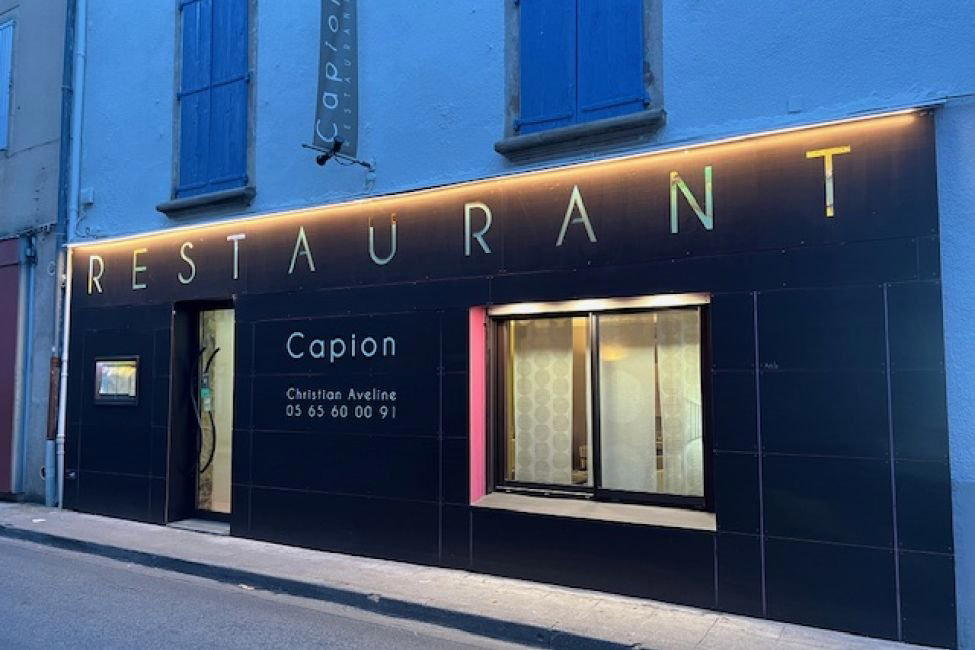
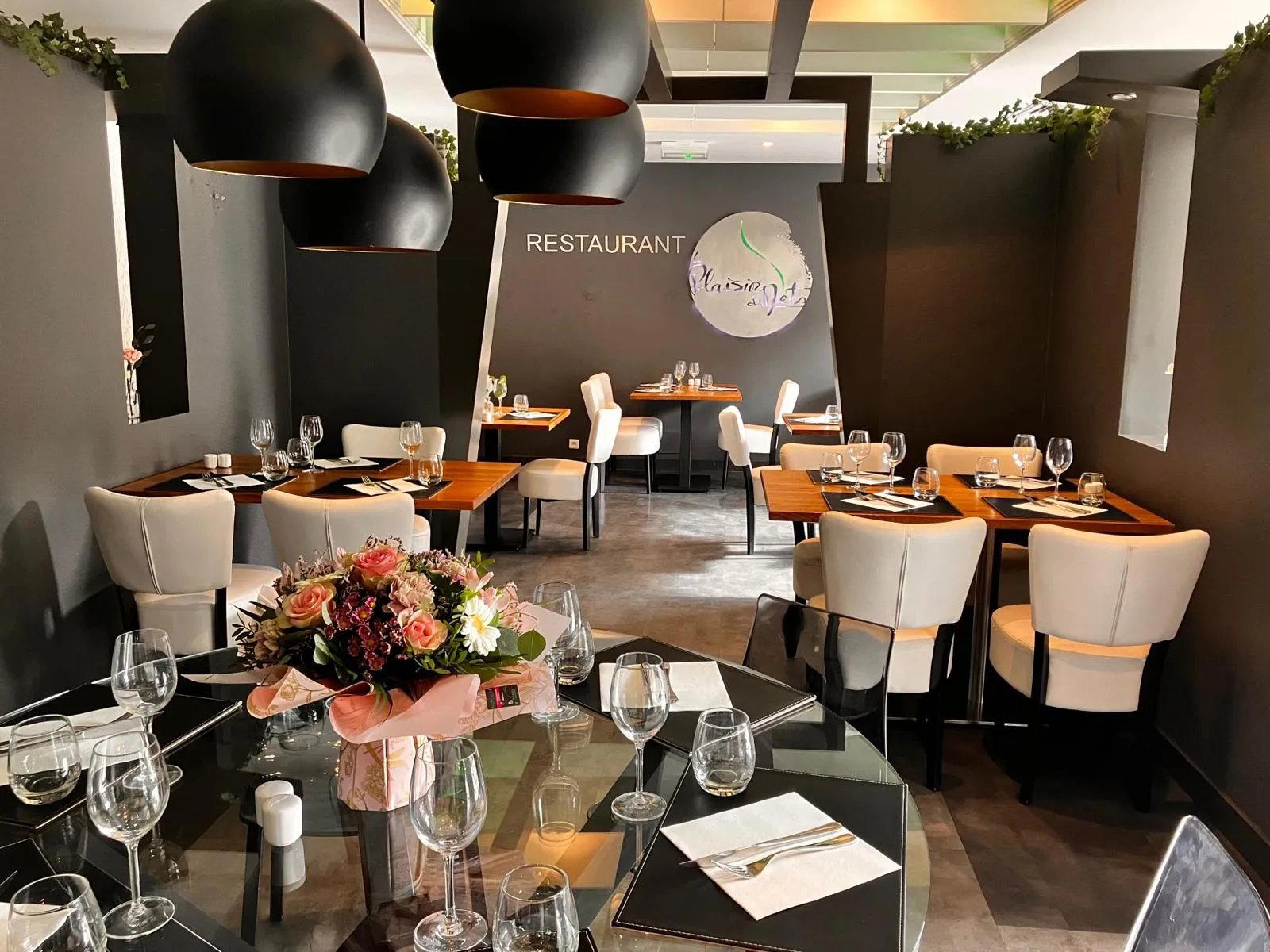
Within that tier, the split runs roughly between places oriented toward a lunch trade and those that anchor around a more considered evening format. Au Jeu de Paume, Capion, and Le plaisir des mets each represent different interpretations of what considered cooking looks like in this city. Maison Seed and Umami restaurant add further texture to a scene that punches above its population size. Le Bouche à Oreille occupies a specific niche within this: the neighbourhood address that functions less as destination and more as institution, where the value lies in deep familiarity with both the menu logic and the room.
The Register of the Place
Restaurants at this address type in French provincial life tend to share certain characteristics. The room is typically modest in scale, the kind of space where a full house feels animated rather than crowded. The menu moves with the market and the season rather than against them, which in the Aveyron means that what arrives on the plate is shaped by what the plateau and the river valley are producing at that moment. The cooking register leans toward the honest and the direct: well-handled product over elaborate construction, sauces that reference classical French method without being exercises in it.
This is not the ambition register of, say, Bras in Laguiole, the three-star address roughly 80 kilometres northeast where Michel and Sébastien Bras have built an internationally recognised language around terroir and restraint. Nor does it compete with the institutional weight of Troisgros or the Alsatian continuity of Auberge de l'Ill. The restaurant operates in a different register entirely, and understanding that is the key to calibrating expectations correctly. The relevant comparable set is the honest French bistro in a provincial city with strong agricultural roots, not the destination restaurant circuit that draws international travellers to addresses like Mirazur in Menton or Alléno Paris au Pavillon Ledoyen.
That distinction is not a limitation. It is a different proposition entirely. The cities that have sustained this kind of address for decades in France understand something that high-volume restaurant markets sometimes forget: that consistency and rootedness are their own form of quality.
What the Address Tells You About Dining Here
Arriving at 26 Rue Droite on foot, as most visitors to the old town do, gives a particular orientation to the experience. The pedestrian scale of the street removes the context-shift that comes with arriving by car; you have already been walking through the medieval fabric of the city when you arrive at the door. That continuity matters. It means the dining experience begins before you sit down, in the stone and the scale and the pace of a quarter that was built for walking and talking, not driving and parking.
For visitors to Millau, this kind of address is most useful when approached with a particular intent: a long lunch with time to extend into the afternoon, or an early evening that lets you remain in the old town rather than retreat to a hotel perimeter. The Aveyron produces wines that pair naturally with the regional cooking tradition, and a room of this character is the appropriate setting for them.
Internationally, the French provincial bistro format has been revisited and reimagined at addresses from AM par Alexandre Mazzia in Marseille to Assiette Champenoise in Reims, each finding different ways to anchor serious cooking in a specific place. The restaurant version is less mediated, less concerned with positioning itself within a national narrative, and more focused on the room in front of it. That is, in its way, the purest version of the proposition.
Travellers who have spent time at technically demanding addresses elsewhere, whether at Paul Bocuse or at Flocons de Sel in Megève or even transatlantically at Le Bernardin or Atomix in New York, will find the restaurant a deliberate deceleration. That is exactly the point. And occasionally, after a sequence of technically ambitious meals, the address that knows its neighbourhood and feeds it well is the one you remember most clearly. At Au Crocodile in Strasbourg, critics have noted that the pull of the established regional room is often more durable than the pull of the experimental one. The restaurant operates in that same durable register.
Planning Your Visit
Millau is accessible by road from Montpellier (approximately 115 kilometres via the A75, which crosses the Millau Viaduct) and from Rodez (roughly 65 kilometres). The old town, including Rue Droite, is leading approached on foot from the central parking areas. The restaurant is typically open Monday to Wednesday from 12 to 2 PM, and Thursday to Saturday from 12 to 2 PM and 7 to 10 PM; Sunday is closed. Reservations are recommended, especially for weekend evenings when demand in the old town concentrates. Given the modest scale typical of this address type in French provincial settings, walk-in availability at peak times is not guaranteed.
The Essentials
Comparable venues nearby, for context on price, style, and recognition.
| Venue | Cuisine | Price | Notes |
|---|---|---|---|
| Le Bouche à OreilleThis venue — the venue you are viewing | Not listed | $$ | Not listed |
| Umami restaurant | Not listed | $$ | Place Maréchal Foch, Modern French-Asian Fusion |
| Le plaisir des mets | Not listed | $$$ | Centre-ville, Contemporary French Terroir |
| Capion | city center, Modern French Bistro | $$$ | Not listed |
| Au Jeu de Paume | Not listed | $$ | Vieux Millau, Traditional French Bistro with Grilled Meats |
| Maison Seed | Old Town Millau, Modern Fusion | $$ | Not listed |
At a Glance
- Cozy
- Modern
- Classic
- Family
- Casual Hangout
- Group Dining
- Terrace
- Standalone
- Local Sourcing
Current opening hours
- Monday
- 12–2 PM
- Tuesday
- 12–2 PM
- Wednesday
- 12–2 PM
- Thursday
- 12–2 PM, 7–10 PM
- Friday
- 12–2 PM, 7–10 PM
- Saturday
- 12–2 PM, 7–10 PM
- Sunday
- Closed
Hours can change for holidays and private events. Last verified .
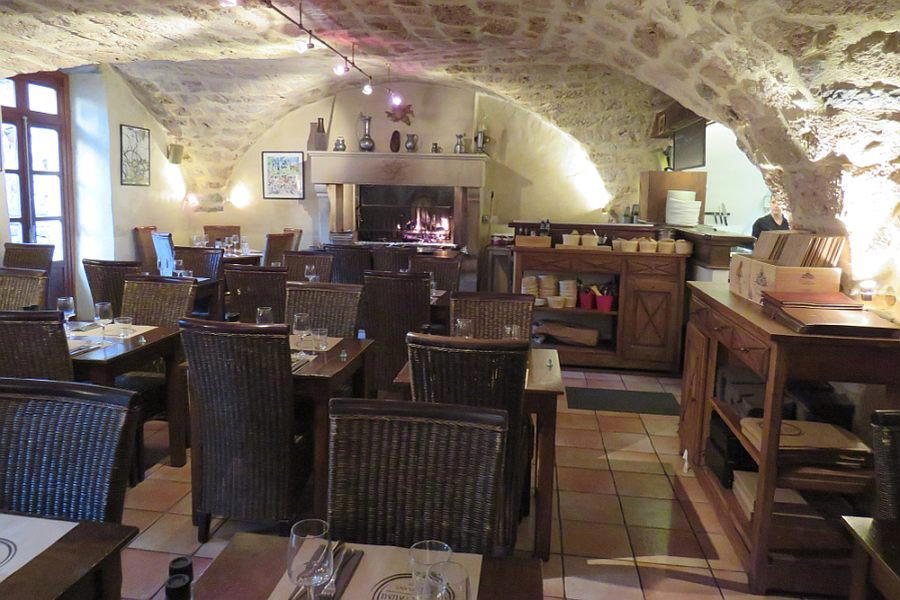
Warm and contemporary décor with good-natured atmosphere; features a fireplace for cooler months and outdoor terrace seating in good weather.