Our verdict
Le Mandajors occupies an address on Rue Mandajors in Alès, a city in the Gard department where the Cévennes foothills begin to press against the plains of Languedoc. The surrounding region produces ingredients that define southern French cooking: wild herbs, stone-fruit, and the kind of olive oil that bears no resemblance to its supermarket counterpart. For a city this size, Alès sustains a dining scene worth interrogating.

Pearl is the En Primeur Club membership app — saves, bookings, and concierge access live there. Same editors, same standards.
- Address
- 17 Rue Mandajors, 30100 Alès, France
- Phone
- +33466526298
- Hours
- Mon 12–1:30 PM, 7:30–11:30 PMTue ClosedWed–Fri 12–1:30 PM, 7:30–11:30 PMSat 7:30–11:30 PMSun Closed
- Directions
- Get directions
- Booking
- Book on the venue's website
The menu
What to order
- Raviolis aux cèpes
- Fricassée cévenole
- Gâteau à la châtaigne
Where the Cévennes Meets the Table
Alès sits at a geographic hinge point that matters for anyone thinking seriously about regional French cooking. To the north and west, the Cévennes mountains carry the designation of UNESCO World Heritage Site and produce ingredients shaped by altitude, thin granite soils, and a continental microclimate that swings hard between seasons. To the south, the Languedoc plain opens toward the Camargue and the Mediterranean, bringing a different register: garrigue herbs, warm-soil viticulture, and the kind of slow-grown produce that coastal tourist towns price at a premium but that markets in Alès still treat as ordinary commerce. A restaurant on Rue Mandajors is, geographically and logistically, close to both supply chains at once.
That positioning matters more than it might appear. French regional cooking at its most coherent is not a style decision; it is a sourcing decision. The great auberges of the Massif Central — Bras in Laguiole built a reputation on exactly this premise, turning the plateau's wild plants and raw dairy into a vocabulary that carries institutional weight decades later. Further north, Troisgros - Le Bois sans Feuilles in Ouches made the argument that terroir-led sourcing and formal technique are not competing priorities. In the south, Mirazur in Menton went further, building a kitchen garden whose output drives the menu rather than illustrates it. The common thread: a serious relationship with where the food comes from, established long before it arrives at the pass.
The Sourcing Context Around Alès
The Gard department is not often named in the same breath as Provence or the Périgord when food sourcing is discussed, but the raw materials here are as compelling as in any of those regions. The Cévennes chestnut — carrying its own protected designation, has fed communities in these hills for centuries and remains in active production. Local goat cheese, dried mushrooms gathered from the maquis, river trout from Cévennes streams, and lamb from high-pasture flocks above Saint-Jean-du-Gard all represent the kind of supply that, in other French cities, restaurateurs drive two hours to secure. In Alès, it arrives from the immediate hinterland.
Wine from the Costières de Nîmes and the Languedoc AOC zones sits within easy reach of any Alès table, and the shift toward lower-intervention winemaking in those appellations over the past decade has given local wine lists considerably more range than they carried twenty years ago. That context is worth holding when assessing what a restaurant in this city can realistically offer versus what would require supply chains stretching well beyond the region.
Le Mandajors in the Alès Dining Scene
Alès is not a large city, its population sits in the low tens of thousands, and it does not carry the dining infrastructure of Nîmes or Montpellier. What it has is a small, functional restaurant scene where quality tends to distribute across a handful of addresses rather than concentrating in one district. Lou Bi and Épices et Tout represent the broader spread of the local offer; Le Mandajors at 17 Rue Mandajors occupies its own position within that set.
The address itself, on a street that carries the same name as the establishment, suggests a degree of rootedness that many newer restaurant concepts in French provincial cities are still working to establish. Whether that translates to the kind of sourcing depth the surrounding territory makes possible is the question any serious visit would need to answer. But it does mean that independent assessment carries more weight than institutional endorsement when forming a view of what Le Mandajors is doing.
For comparison and scale: the restaurants that draw EP Club coverage for formal award recognition in this part of France tend to cluster further south and east. Auberge du Vieux Puits in Fontjoncouse holds three Michelin stars in a village of fewer than 200 people, which is the clearest available proof that recognition and population size are not correlated in this region. AM par Alexandre Mazzia in Marseille works within a different register entirely. Alès sits between those poles: too small to attract consistent critical infrastructure, close enough to exceptional raw materials to sustain cooking of real interest.
What the Surrounding Scene Tells You
France's relationship with ingredient provenance has shifted considerably since the early 2000s. Where sourcing notes on menus were once a marketing gesture, they now function as a technical claim that diners in informed markets will interrogate. Restaurants like Christopher Coutanceau in La Rochelle have built their entire identity around traceable, low-impact sourcing. At the highest end, Alléno Paris au Pavillon Ledoyen and Assiette Champenoise in Reims treat supply relationships as structural elements of the kitchen rather than optional garnish. Outside France, Le Bernardin in New York City and Atomix demonstrate that the same discipline operates across culinary traditions. The common logic is consistent: the closer a kitchen is to its supply, the more control it has over quality, and the more honest the cooking becomes.
In that framework, a restaurant in Alès, positioned as close to Cévennes producers as any address in the south of France, has a structural advantage that restaurants in larger, more celebrated cities have to manufacture through logistics and price. Whether that advantage is actively used is a matter for the table.
Planning a Visit
Le Mandajors is located at 17 Rue Mandajors in Alès, Gard (30100). Alès is accessible by direct TGV from Paris Gare de Lyon, with journey times in the region of three hours, and by regional connections from Nîmes, which sits approximately 45 kilometres to the south. Current booking arrangements, hours, and pricing are best confirmed directly with the restaurant before travelling, as this information is subject to change and is not independently verifiable in current public records. For a fuller view of what Alès offers across multiple price points and formats, the EP Club Alès restaurants guide maps the scene in more detail.
Frequently asked questions
Is Le Mandajors okay with children?
Alès is a small city with a population in the low tens of thousands, and neighbourhood restaurants at this address tend to operate in a relaxed, community-facing register. Calling ahead to 17 Rue Mandajors or checking for current contact details before visiting with children is advisable.
What kind of setting is Le Mandajors?
Le Mandajors is located at 17 Rue Mandajors in central Alès, a city in the Gard department that sits at the southern edge of the Cévennes. The address places it within a compact urban fabric rather than a rural or resort context. Alès does not carry the dining infrastructure of Nîmes or Montpellier, which gives restaurants here a more local, unpretentious character by default.
Is Le Mandajors a good option for visitors arriving by train to Alès?
Alès has a direct TGV connection from Paris Gare de Lyon, making the city accessible without a car for travellers coming from the north. Le Mandajors is located at 17 Rue Mandajors in central Alès, which places it within practical distance of the station in a city of this scale. For visitors using the train as their primary mode of access into the Cévennes region, Alès functions as a logical base, and the Rue Mandajors address sits within the city's walkable core.
What's the best thing to order at Le Mandajors?
The Gard department draws on strong regional produce traditions, including ingredients from the Cévennes uplands, which inform the broader cooking context in Alès. For current menu information, contacting the restaurant directly at 17 Rue Mandajors, Alès, is the most reliable approach.
Where do I go for Le Mandajors?
Le Mandajors is located at 17 Rue Mandajors, 30100 Alès, France, Alès.
In Context: Similar Options
Comparable venues nearby, for context on price, style, and recognition.
| Venue | Cuisine | Price | Awards | Notes |
|---|---|---|---|---|
| Le MandajorsThis venue — the venue you are viewing | Traditional Cévennes Regional French Bistro | $30–50 | Not listed | Not listed |
| Lou Bi | Modern French Fine Dining | Not listed | Not listed | city center |
| Épices et Tout | Modern French Bistro | $20–30 | Michelin Bib Gourmand | Alès |
| Lou Mas Café | Modern French Bistro | $30–50 | Not listed | Nîmes |
| Mimosa | Fresh French Healthy Fast Food | $10–20 | Not listed | Rue de la République |
| La Gousse d'Ail | Provençal Traditional | $30–50 | Not listed | centre ville |

Details
- Cozy
- Rustic
- Classic
- Intimate
- Date Night
- Group Dining
- Family
- Casual Hangout
- Special Occasion
- Terrace
- Historic Building
- Standalone
- Local Sourcing
- Farm To Table
- A La Carte
- Set Menu
- Prix Fixe
- Vegetarian Friendly
Current opening hours
- Monday
- 12–1:30 PM, 7:30–11:30 PM
- Tuesday
- Closed
- Wednesday
- 12–1:30 PM, 7:30–11:30 PM
- Thursday
- 12–1:30 PM, 7:30–11:30 PM
- Friday
- 12–1:30 PM, 7:30–11:30 PM
- Saturday
- 7:30–11:30 PM
- Sunday
- Closed
Hours can change for holidays and private events. Last verified .
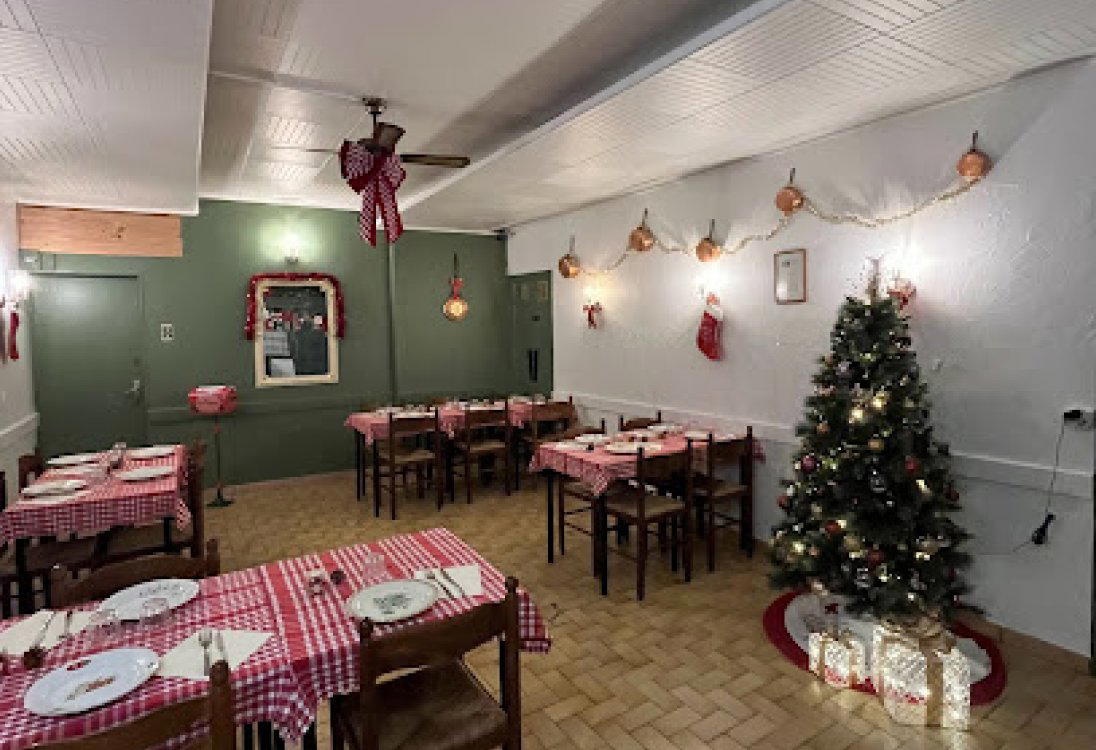
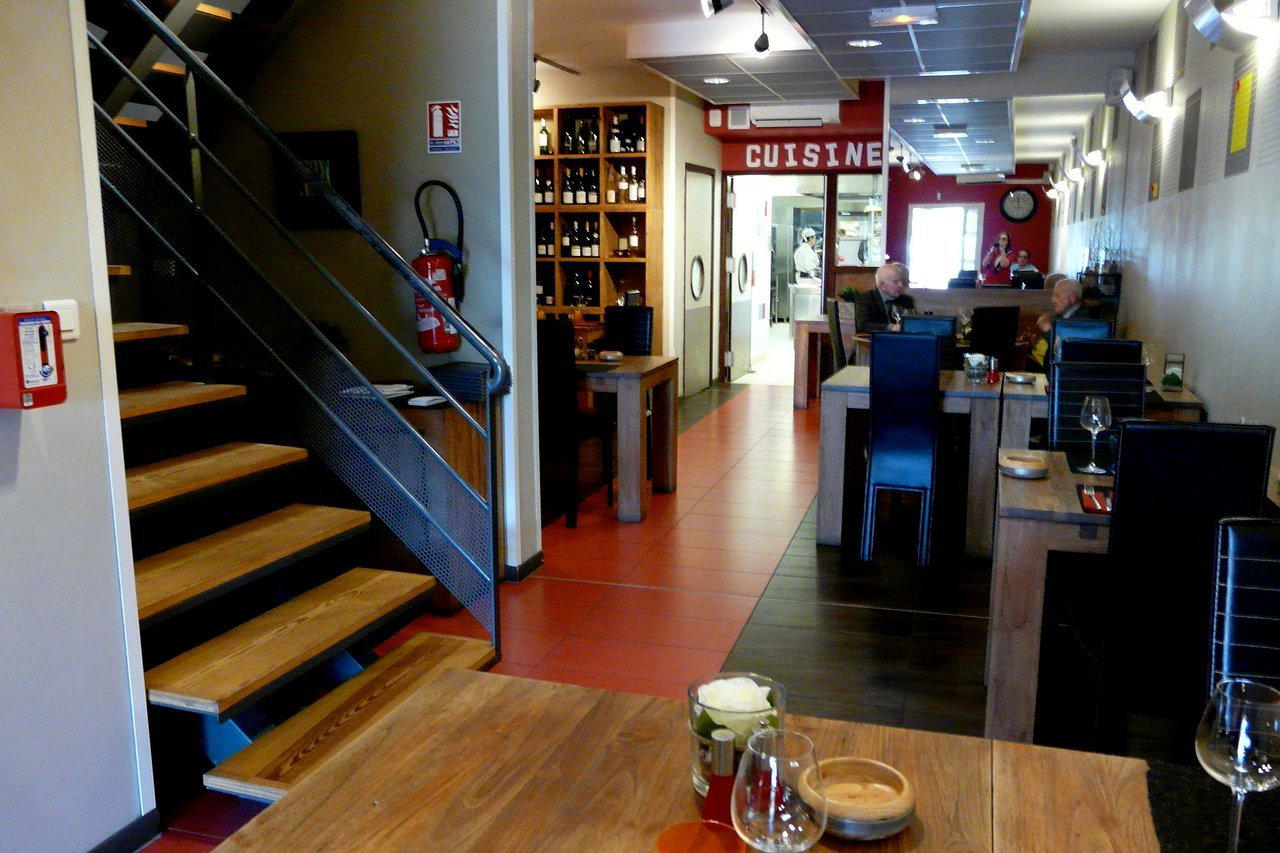
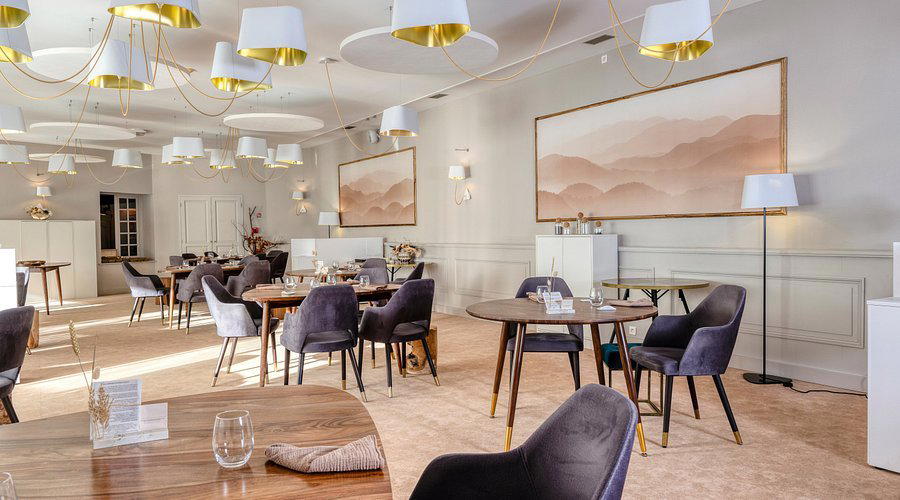
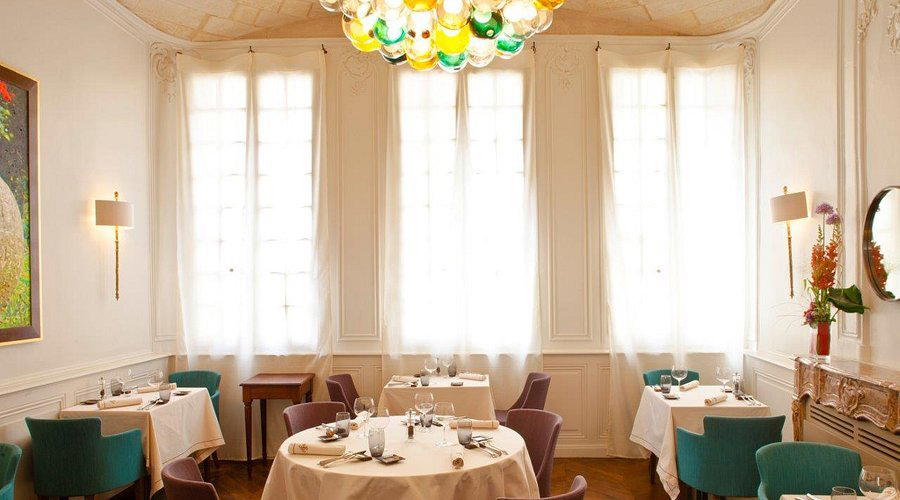
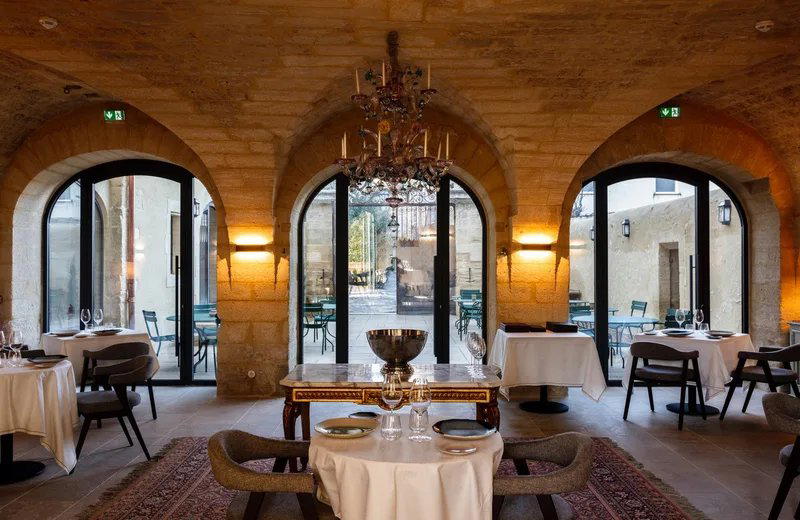
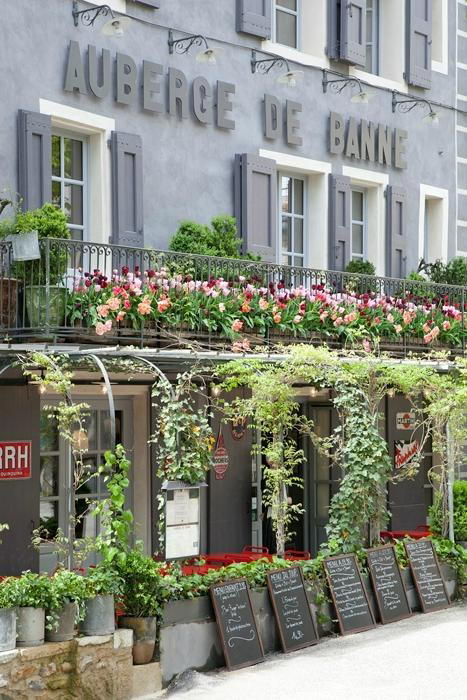
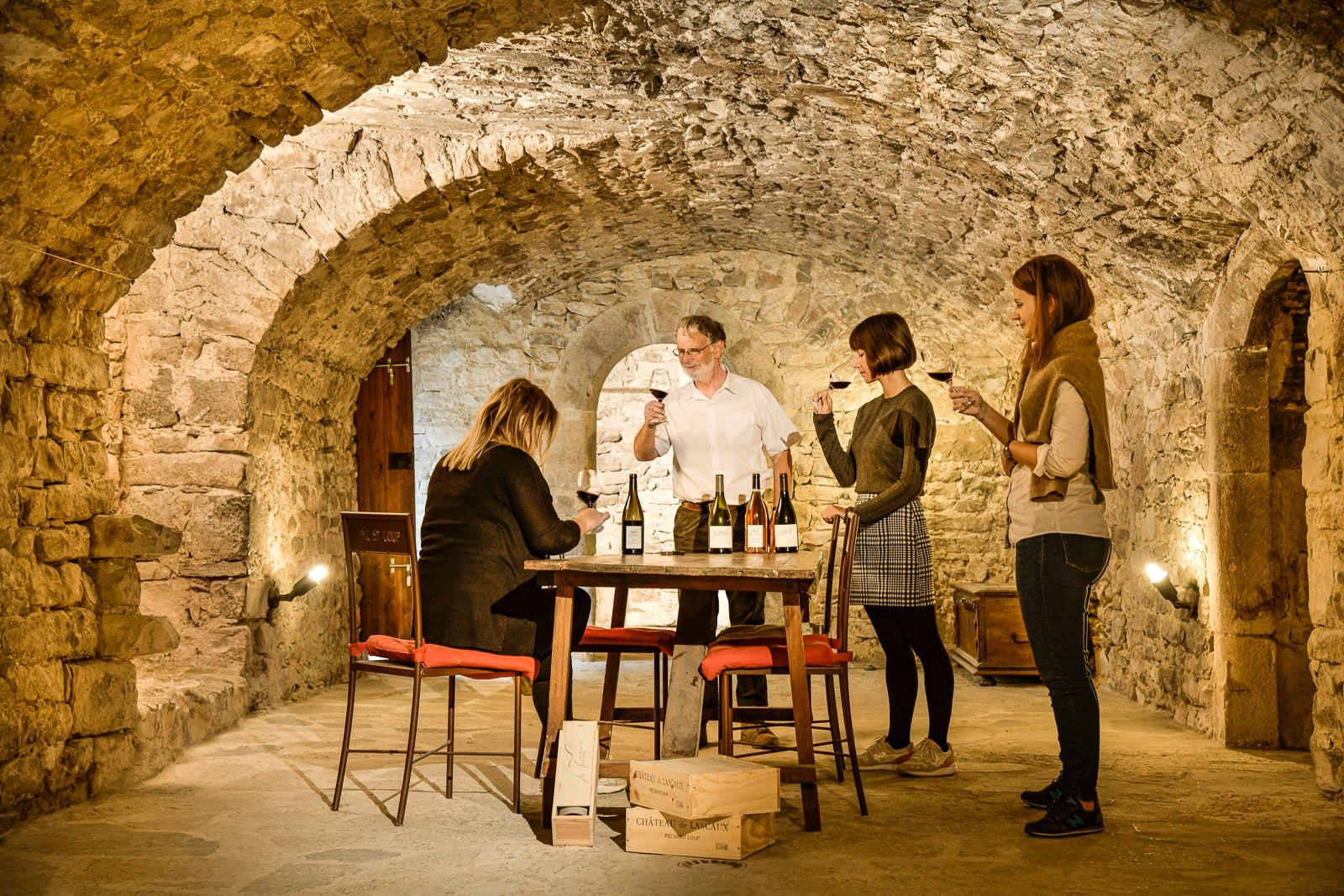
Warm and welcoming bistro atmosphere reminiscent of traditional French country dining, with elegantly decorated interior and charming terrace seating that evokes a nostalgic, homey feel.