Château de Pondres

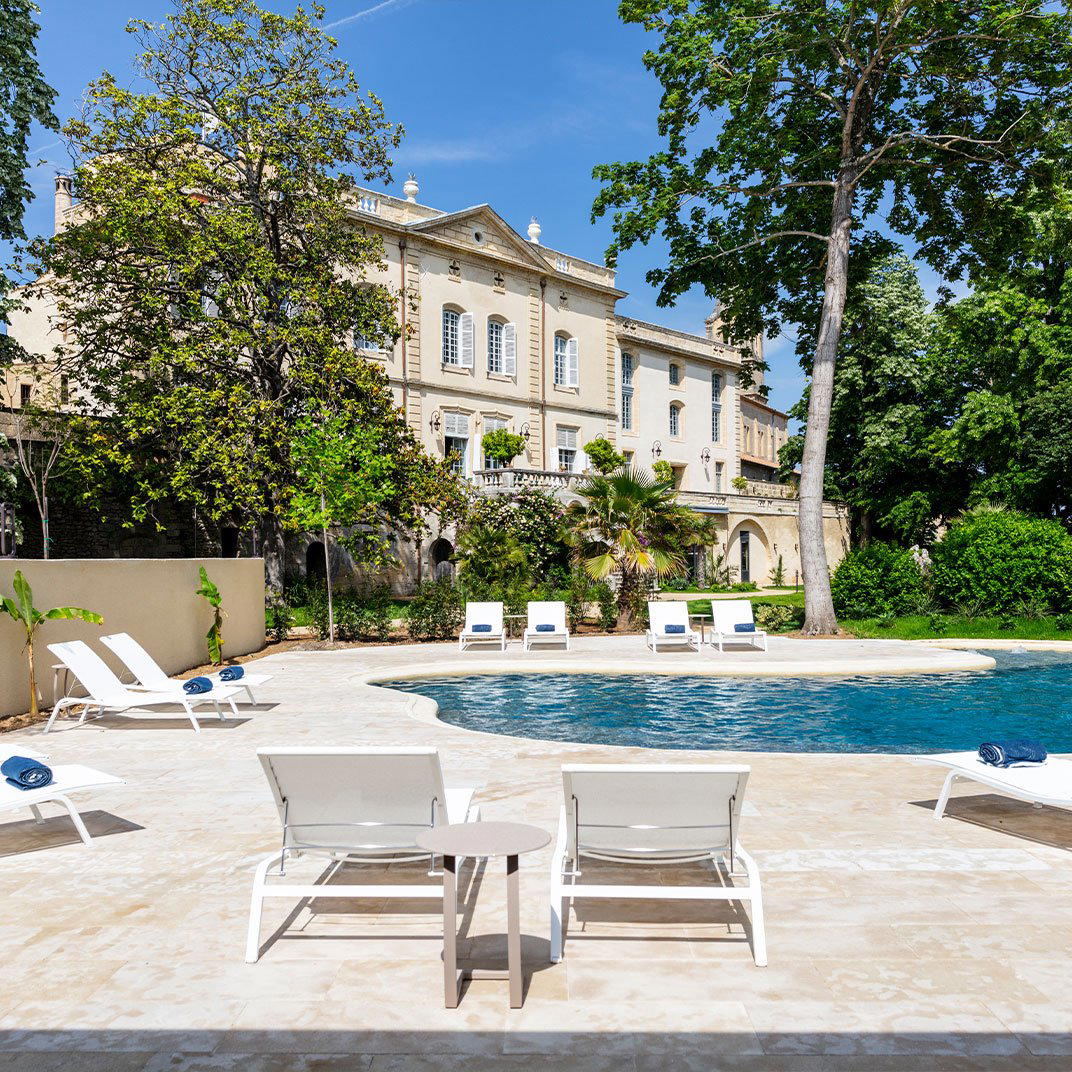
A Michelin Selected château-hotel in the village of Villevieille, in the Gard department of southern France, Château de Pondres occupies a historic estate with architecture that grounds it firmly in the Languedoc tradition of fortified manor houses. Its selection for the 2025 Michelin Hotels guide places it within a specific tier of French château accommodation: owner-operated, design-coherent, and oriented toward guests who want place over brand.
Pearl is the En Primeur Club membership app — saves, bookings, and concierge access live there. Same editors, same standards.
- Address
- 2 All. du Pigeonnier, 30250 Villevieille, France
- Phone
- +33 4 66 35 97 20
- Website
- chateaudepondres.fr
- Directions
- Get directions
 Saves & bookings on Pearl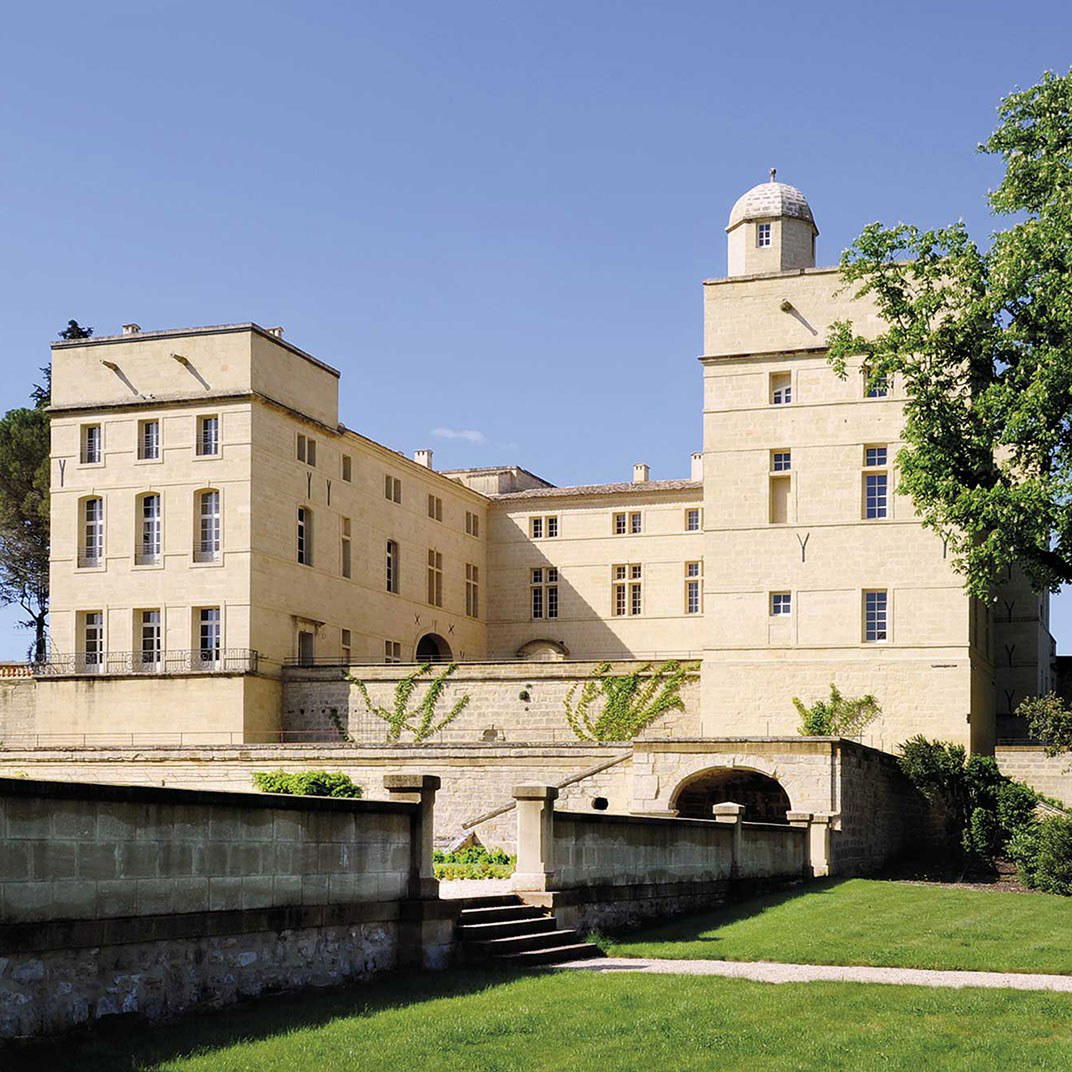
Stone, Scale, and the Architecture of the Languedoc Château Hotel
The southern French countryside between Nîmes and Montpellier has long been defined by a particular kind of domestic architecture: the château or fortified manor that doubles as agricultural estate, its limestone walls built to endure heat, wind, and centuries of changing ownership. Villevieille sits in this zone, a small commune in the Gard where the medieval built fabric remains largely intact. Château de Pondres, addressed at 2 allée du Pigeonnier, occupies precisely this architectural tradition. The pigeon house referenced in the street address, a pigeonnier, is itself a marker of status in Languedoc estate design: these towers were historically a privilege of landowners and remain among the more photogenic features of the regional vernacular.
That physical setting matters because it determines the category of stay this property represents. In a French hospitality market that has increasingly split between large international brands and smaller, architecturally distinctive châteaux, Château de Pondres belongs firmly to the latter cohort. It is the kind of property where the building itself carries the editorial weight, and where the guest is essentially choosing to sleep inside a piece of regional history rather than within a standardised luxury framework. That choice shapes everything from the spatial logic of the rooms to the relationship between interior and exterior.
What a Michelin Selection Signals in This Market
Château de Pondres holds a MICHELIN Selected distinction in the 2025 Michelin Hotels guide, placing it within the broader family of Michelin-recognised accommodation in France without sitting at the starred hotel tier occupied by properties like Le Bristol Paris or Hôtel de Paris Monte-Carlo. The Michelin Selected designation functions as a quality filter rather than a prestige ranking: it identifies properties that meet the guide's standards for comfort, character, and hospitality without necessarily competing on scale or amenity breadth.
In practice, this positions the hotel in a comparable set of smaller, often owner-operated French château hotels that prioritise architectural authenticity and regional rootedness over the full-service infrastructure of a resort. This is a different competitive conversation than the one happening at, say, La Bastide de Gordes in the Luberon or Baumanière Les Baux-de-Provence, both of which operate at a larger scale and with more developed food and spa programs. Pondres speaks to a guest who wants the architectural experience of a southern French estate without the resort apparatus around it.
Across the broader map of Michelin Selected château hotels in southern France, properties in this category tend to command attention for specific physical qualities: the coherence of a restored historic building, mature grounds, a meaningful connection to the surrounding agricultural or viticultural terrain. The Languedoc, with its density of medieval and post-medieval estates, has a particular concentration of this type, and Michelin's selection process tends to reward the ones where ownership care is visible in the fabric of the building.
Situating Pondres in the Languedoc-Gard Context
Villevieille is not a destination that appears on standard itineraries, which is precisely what makes a property like Château de Pondres interesting to a particular kind of traveller. The Gard department sits between two better-known draws: the Roman amphitheatre city of Nîmes to the west and the medieval centre of Montpellier to the east. That position makes Villevieille a workable base for either without being absorbed into either's tourist infrastructure.
The village itself has medieval origins, with the château structure at its centre reflecting the defensive and agricultural priorities of the region's landed history. For guests arriving from the north, Nîmes has a TGV connection that places Paris around three hours away, making this corner of the Gard accessible as a weekend extension for travellers moving through the south. Those coming specifically for the Languedoc wine country will find the Pic Saint-Loup appellation a short drive north, one of the Gard-Hérault border's most consistent red wine zones.
In the context of southern France château stays, this part of the country occupies a less trafficked niche than Provence. Properties like Château de la Gaude in Aix-en-Provence or Villa La Coste in Le Puy-Sainte-Réparade attract a more established luxury traveller precisely because Provence carries greater international name recognition. The Gard and Hérault, by contrast, draw guests more willing to construct their own itinerary around lesser-known villages and regional wine routes. For that profile, the hotel functions as an anchor rather than a stopover. For broader editorial context across the French château hotel category, see also Château du Grand-Lucé in Le Grand-Lucé and Domaine Les Crayères in Reims, both of which illustrate how the format plays out in different French regions.
Planning a Stay
Booking for the hotel is recommended. Spring and early autumn represent one practical seasons in this part of the Languedoc: summer heat in the Gard can be significant, and the olive and vine harvest season in September and October adds regional texture to a stay. Guests using Nîmes as an arrival point can reach Villevieille by car in under twenty minutes; Montpellier airport provides an alternative entry point for those flying into the region. For comparison with other small luxury château properties across France, see La Ferme Saint-Siméon in Honfleur, Hôtel Chais Monnet in Cognac, and Royal Champagne Hotel & Spa in Champillon. For travellers also considering the Côte d'Azur or Alpine alternatives during the same trip, The Maybourne Riviera, Hotel du Cap-Eden-Roc, Château de la Chèvre d'Or in Èze, La Réserve Ramatuelle, Le Negresco in Nice, Hôtel du Palais in Biarritz, Hôtel & Spa du Castellet, Four Seasons Megève, Le K2 Palace in Courchevel, Les Sources de Caudalie, and Casadelmar in Porto-Vecchio each represent a distinct version of the French small-luxury property format worth weighing against the Languedoc option. International travellers can also reference Badrutt's Palace in St. Moritz and The Fifth Avenue Hotel in New York City for sense of how the Michelin Selected designation maps against other quality tiers globally.
In Context: Similar Options
Comparable venues nearby, for context on price, style, and recognition.
| Venue | Cuisine | Price | Awards | Notes |
|---|---|---|---|---|
| Château de PondresThis venue — the venue you are viewing | Historic monument with contemporary classic design; a place of prestige and tranquility blending centuries-old architecture with refined modern amenities. | $$$ | 4-Star | Not listed |
| Rock Noir | Contemporary Alpine chalet | $$$ | 4-Star | La Salle-les-Alpes |
| Solly Hotel Paris | Boutique hotel in historic Art Deco building with modern updates | $$$ | 4-Star | Le Marais |
| Maison Volver | Bohemian boutique hotel with eclectic, vintage-inspired design and intimate atmosphere emphasizing authenticity and personal touch. | $$$ | 4-Star | Cavalerie |
| nhow Marseille | Contemporary design hotel blending international architecture with Provençal coastal vibes. | $$$ | 4-Star | La Corniche |
| La Régalido | House of character in a former 17th-century oil mill | $$$ | 4-Star | Fontvieille |
Recognition history
Dated appearances from independent guides and award organizations, with the underlying list record or original source where available.
Michelin Selected
Michelin
Continue exploring
More in Villevieille
Hotels in Villevieille
Browse all →
Bars in Villevieille
Browse all →
Restaurants in Villevieille
Browse all →
Wineries in Villevieille
Browse all →
At a Glance
- Romantic
- Quiet
- Elegant
- Classic
- Scenic
- Honeymoon
- Romantic Getaway
- Destination Wedding
- Anniversary
- Weekend Escape
- Historic Building
- Garden
- Terrace
- Panoramic View
- Destination Spa
- Private Dining
- Wi Fi
- Pool
- Spa
- Fitness Center
- Room Service
- Concierge
- Business Center
- Restaurant
- Bar
- Sauna
- Garden
- Waterfront
- Wi Fi
- Pool
- Spa
- Fitness Center
- Room Service
- Concierge
- Business Center
- Restaurant
- Bar
- Sauna
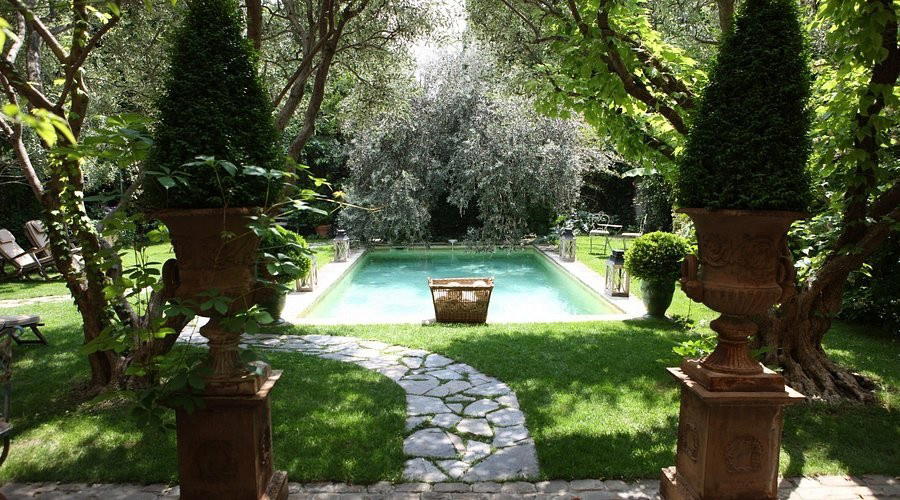
Tranquil and refined with candlelit dining, terraced gardens, and soft romantic lighting; contemporary classic aesthetic blending historical charm with modern comfort.