Tasca Restaurant El Moroco
Our verdict
A tasca-style restaurant on Avenida Bolívar in Lechería, Municipio Urbaneja, El Moroco fits into the Spanish-inflected dining tradition that has long shaped Venezuela's coastal Anzoátegui region. With sparse publicly available data, the kitchen's sourcing from a coastline rich in Caribbean seafood positions it within a regional dining culture that rewards direct engagement before visiting.

Pearl is the En Primeur Club membership app, where members save venues, book tables and use the concierge.
Where the Spanish Tasca Tradition Meets the Anzoátegui Coast
Venezuela's coastal dining culture has always carried a strong Iberian undercurrent. The tasca format, a Spanish-derived model built around informal sharing, long tables, and kitchens that move between land and sea ingredients, arrived in Venezuela with waves of Spanish immigration through the mid-twentieth century and took firm root in cities where the two cultures found common commercial ground. In the eastern coastal city of Lechería, part of Municipio Urbaneja in Anzoátegui state, that tradition persists in neighbourhood restaurants that operate without the visibility of Caracas's food media circuit. Tasca Restaurant El Moroco sits on Avenida Bolívar in that quieter register, a street address rather than a branded destination, which in this context is the point.
The tasca model, as it functions across Venezuela's urban centres and coastal towns, depends less on formal tasting structures and more on the logic of what is available, what is fresh, and what the kitchen knows how to do well. In Anzoátegui, that logic is shaped by geography: the region sits along the northeastern Caribbean coast, giving local kitchens access to a seafood supply that many landlocked Venezuelan restaurants can only approximate. The Caribbean waters off this stretch of coastline yield a different catch from those farther west, a point that matters when the tasca kitchen is built, as most are, around whatever arrived that morning rather than a fixed printed menu.
Sourcing in the Northeast: What the Coastline Provides
In Venezuela's eastern coastal belt, proximity to the sea is not a marketing claim, it is a structural condition of how restaurants operate. The Anzoátegui coastline, which includes resort-adjacent areas like Lechería and the broader Municipio Urbaneja zone, has long functioned as a supply corridor for fresh Caribbean catch. Pargo (red snapper), carite (Spanish mackerel), and various shellfish move through local markets at a pace and freshness level that makes the region's tasca kitchens structurally different from their inland counterparts.
For restaurants like El Moroco operating in this geography, the sourcing question is answered at least partly by neighbourhood: when your address is this close to active fishing activity, the kitchen's default is to build around what arrives rather than what can be ordered weeks in advance. This is the opposite of the supply-chain model that underpins high-volume restaurant groups in larger cities. It is a format that prioritises the day's catch over consistency of presentation, a trade-off that the best of the Venezuelan tasca tradition handles with quiet competence. Comparable supply-to-table logic appears in far better-documented contexts, consider how Aponiente in El Puerto de Santa María builds its identity entirely around marine sourcing, but El Moroco operates without that level of formal documentation or international visibility.
That absence of documentation is itself a regional characteristic worth understanding. Municipio Urbaneja's restaurant scene is not widely covered by Venezuelan food media, which concentrates on Caracas and, to a lesser extent, Valencia. For kitchens operating in Lechería and the surrounding coastal municipalities, the review infrastructure that produces comparative data, ratings, awards, chef profiles, simply does not engage at the same frequency. This is not a reflection of quality; it is a reflection of geography and media attention.
The Broader Anzoátegui Dining Context
Lechería functions as the more affluent commercial and residential extension of Barcelona, the Anzoátegui state capital, and the two towns together form a dining ecosystem that sits apart from Venezuela's main gastronomic conversation. The restaurants that operate here tend to serve a local professional and business clientele, often with a secondary tourist layer from the nearby coastal resorts. That dual audience shapes what kitchens emphasise: consistency for regulars, accessibility for visitors, and a willingness to serve the kind of long, social table format that the tasca tradition was designed for.
For context on how Venezuela's restaurant scene maps across cities, our full Municipio Urbaneja restaurants guide covers the broader range of options in the area. Across Venezuela, comparable neighbourhood-anchored restaurants include Brasero Restaurant in Sucre, Casa Vintage Restaurant in Municipio Naguanagua, and Casa Tarbes Restaurant in Municipio Valencia, each operating in a regional market with its own sourcing logic and culinary reference points. Cordero in Caracas and Portarossa in Pampatar represent the more documented end of the country's dining spectrum, where award recognition and media coverage have created a clearer profile. El Moroco occupies a different tier: local, address-specific, operating in a tradition rather than a brand.
The Spanish tasca format, for visitors unfamiliar with it in the Venezuelan context, differs from the formal tasting-menu structures that dominate internationally recognised restaurants. Where Le Bernardin in New York City or Alain Ducasse at Louis XV in Monte Carlo are built around precision, sequence, and a controlled dining arc, the tasca operates on shared plates, flexible pacing, and a kitchen that responds to the table rather than directing it. That is not a lesser format, it is a different one, with its own set of demands on the cook and its own pleasures for the guest.
Planning Your Visit
The restaurant is located at Av. Bolívar, Lechería 6016, Anzoátegui, a commercial corridor accessible by car from both central Lechería and Barcelona. The sensible approach, particularly for visitors travelling from outside the immediate area, is to verify hours and availability directly with the restaurant before making a specific journey.
Visitors to the broader Anzoátegui coast will find that the restaurant landscape here operates on different conventions from internationally mapped dining cities. There is no centralised reservation platform, no standardised digital presence, and the information available through travel platforms is sparse. That is a condition to plan around, not a deterrent. The tasca tradition across Venezuela functions largely on local knowledge and repeat custom, arriving informed about the format and prepared to be flexible on the specifics is the correct posture.
Frequently asked questions
Is Tasca Restaurant El Moroco a family-friendly restaurant?
The tasca format that El Moroco follows is structurally built for group dining, shared plates, informal pacing, and a convivial atmosphere that accommodates mixed-age tables well. Located on Av. Bolívar in Lechería, a commercial and residential hub in Anzoátegui state, the restaurant sits in a neighbourhood where family dining is a standard evening pattern. It is a reasonable choice for families comfortable with a Spanish-influenced dining format.
What's the vibe at Tasca Restaurant El Moroco?
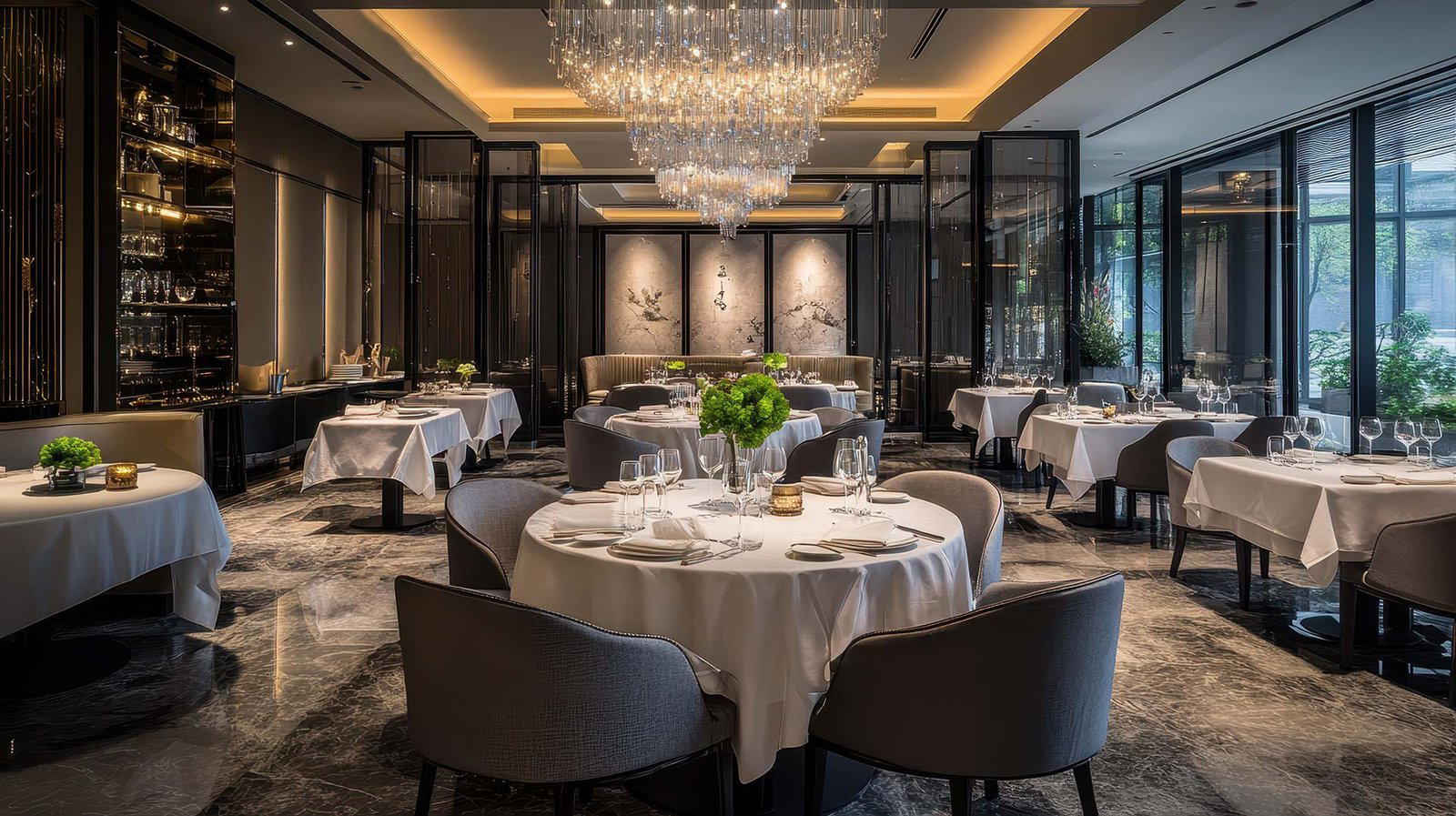
El Moroco operates within the tasca tradition, a Spanish-derived model oriented around informal, sociable eating rather than formal table service. In Lechería's dining culture, which reflects the town's role as the more affluent coastal extension of Barcelona, Anzoátegui, the register tends toward relaxed but purposeful. Expect a room calibrated for conversation and shared plates, not ceremony.
How does Tasca Restaurant El Moroco fit into the Spanish culinary tradition present in Venezuela?
Venezuela's Iberian culinary inheritance runs deep, particularly along the northeastern coast where Spanish immigration patterns left lasting marks on food culture. El Moroco operates as a tasca, a format that traces directly to Spain's informal tavern-dining model, placing it within a tradition that predates the modern restaurant in Anzoátegui state. The address on Av. Bolívar in Lechería positions it at the centre of a region where that Spanish culinary thread remains active rather than nostalgic.
What dish is Tasca Restaurant El Moroco famous for?
Given its position on the Anzoátegui coast, where northeastern Venezuela's fishing grounds shape what kitchens can reliably source, coastal seafood dishes are a structural probability on the menu.
Where is Tasca Restaurant El Moroco in Municipio Urbaneja?
Tasca Restaurant El Moroco is located at Av. Bolívar, Lechería 6016, Anzoátegui, Venezuela, Municipio Urbaneja.
Do they take walk-ins at Tasca Restaurant El Moroco?
No reservation policy is publicly documented for El Moroco. The tasca format generally supports walk-in dining more readily than formal tasting-menu restaurants, and Lechería's dining culture is not dominated by advance-booking norms. Arriving at off-peak hours on weekdays gives the best chance of being seated without prior arrangement. Contact details are not currently listed in public directories.
Comparable Spots, Quickly
Comparable venues nearby, for context on price, style, and recognition.
| Venue | Cuisine | Price | Awards | Notes |
|---|---|---|---|---|
| Tasca Restaurant El MorocoThis venue (the venue you are viewing) | Spanish Seafood | Not listed | Not listed | Not listed |
| Alto | Modern Venezuelan Fine Dining | Not listed | The Best Chef One Knife | Altamira |
| CasaPakeaé¤é¦ | Venezuelan Coastal | $10–20 | Not listed | Vargas Municipality |
| Casa Tarbes Restaurant | American Burgers | Not listed | Not listed | Mañongo |
| Portarossa | Authentic Neapolitan Pizza | $30–50 | 50 Top Pizza World #51 | Old Town Pampatar |
| Brasero Restaurant | Grill Restaurant | Not listed | Not listed | Municipio Sucre |
Details
- Elegant
- Family
- Group Dining
- A La Carte
Current opening hours
- Monday
- 11:30 AM–11:30 PM
- Tuesday
- 11:30 AM–12 AM
- Wednesday
- 11:30 AM–11:30 PM
- Thursday
- 11:30 AM–11:45 PM
- Friday
- 11:30 AM–12 AM
- Saturday
- 11:30 AM–12 AM
- Sunday
- 11:30 AM–9 PM
Hours can change for holidays and private events. Hours as of .
Warm, welcoming, and elegant atmosphere with beautiful decor.