Our verdict
Casa Tarbes Restaurant serves American Burgers, with a blue cheese angus burger on the menu and a conversational room that suits breakfast through dinner.

Pearl is the En Primeur Club membership app, where members save venues, book tables and use the concierge.
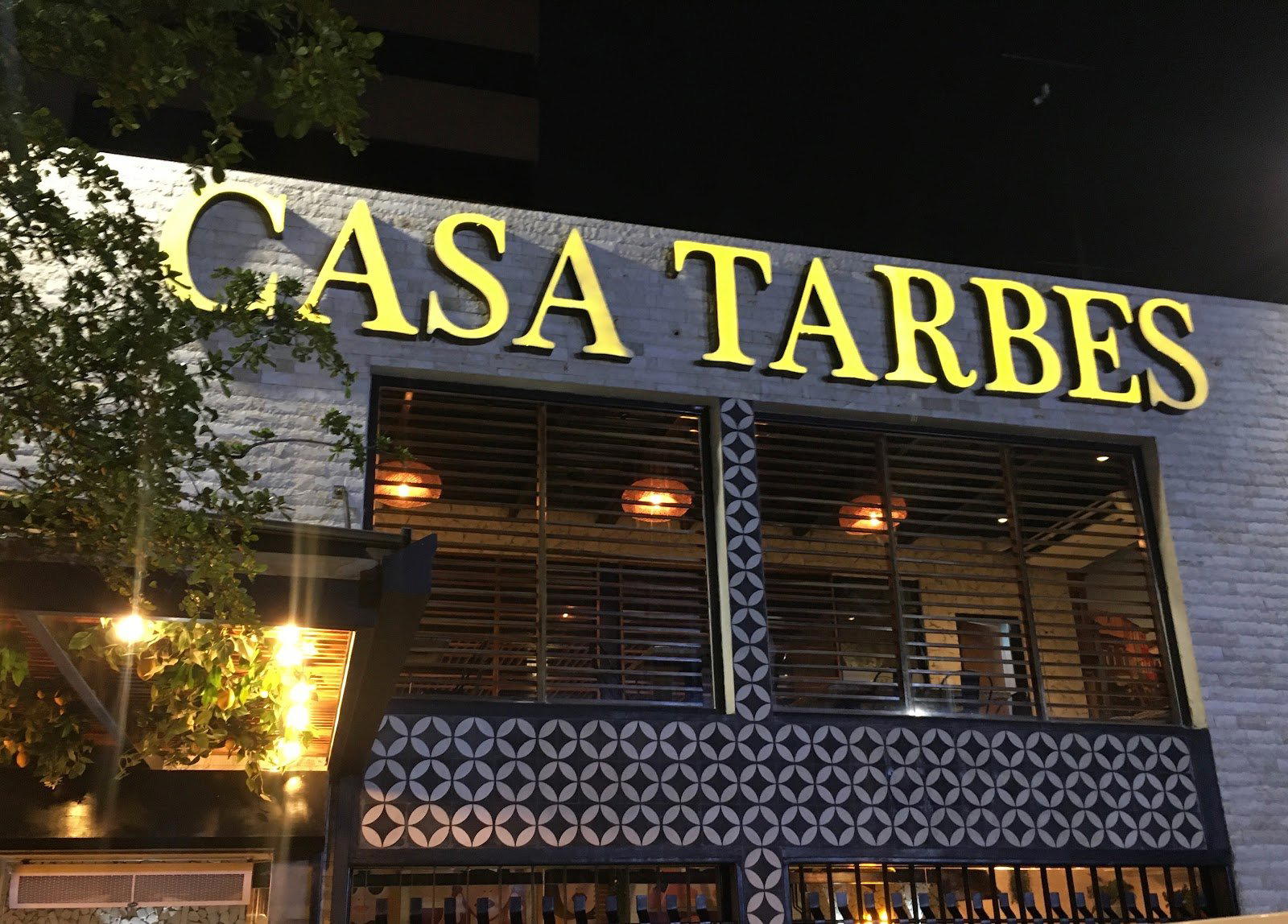
San José de Tarbes and the Question of Where the Food Comes From
Valencia, Carabobo's industrial capital and Venezuela's second-largest city, has long operated in Caracas's cultural shadow when it comes to dining conversation. That gap has been narrowing. In the residential pocket of Urb. San José de Tarbes, along Calle 138A, Casa Tarbes Restaurant occupies a position that says something useful about how neighbourhood dining in mid-size Venezuelan cities actually works: rooted in a specific locality, serving a community that already knows where it is, with no particular need to shout about itself to outsiders. The approach, whether by design or circumstance, mirrors a broader pattern visible in restaurant cultures from coastal Italy to rural France, where the most enduring local tables earn loyalty through consistency of sourcing and cooking rather than through marketing cycles.
The Ingredient Question in Venezuelan Cooking
Venezuelan cuisine is frequently discussed in terms of its Spanish colonial inheritance and its African and indigenous substrata, but the more pressing editorial question for any restaurant operating today in the country is one of supply. Venezuela's economic pressures over the past decade have fundamentally reshaped what a restaurant kitchen can reliably access, and by extension what ends up on the plate. In that context, proximity to agricultural sources is not an aesthetic preference but a practical necessity. Carabobo state sits within reasonable reach of productive agricultural zones, and restaurants in this corridor have historically maintained supplier relationships that urban Caracas kitchens have found harder to sustain consistently. For a neighbourhood address like Casa Tarbes, operating within a defined residential catchment rather than competing for destination-dining traffic, that local sourcing logic tends to be more legible in the food than it would be in a larger, more anonymous operation. Compare this to how Atelier Moessmer Norbert Niederkofler in Brunico has made regional Alpine sourcing the structural backbone of its entire menu proposition, or how Dal Pescatore in Runate has built decades of credibility on a kitchen anchored in the specific agricultural character of the Po Valley. The scale differs enormously, but the logic of place-grounded sourcing as a stabilising editorial idea runs through all of them.
Neighbourhood Dining as a Category in Its Own Right
The distinction between neighbourhood restaurants and destination restaurants matters more in cities like Valencia than in, say, New York or London, where the two categories blur constantly. Valencia's dining scene distributes across residential urbanizaciones in a way that rewards local knowledge over guidebook tourism. A table in San José de Tarbes is not competing with, nor aspiring to be, the kind of technically ambitious tasting-menu format you find at Cordero in Caracas or the coastal interpretive work happening at Portarossa in Pampatar. It exists in a different tier, one defined by regulars, by a fixed address in a specific postal zone, and by what a community around it needs from a restaurant on a Tuesday evening rather than what a food media cycle might reward.
That neighbourhood-tier dynamic is visible across Venezuela's provincial cities. Casa Vintage Restaurant in Municipio Naguanagua operates in an adjacent municipality with a comparable residential identity. Tasca Restaurant El Moroco in Municipio Urbaneja represents the tasca format that remains one of the most durable dining institutions in Venezuelan urban life, a format built around communal eating, accessible pricing, and a menu that changes less than it holds. Casa Tarbes sits within this broader ecosystem of residential-quarter dining, where the measure of success is return frequency rather than first-visit impact.
What to Expect From the Setting
Addresses formatted with plus-code coordinates (6X6V+RXJ) rather than full street numbers tend to signal locations that are hyper-local in character: known to the neighbourhood, found by those who already have a reason to look. The Calle 138A address in Urb. San José de Tarbes follows that pattern. The urbanización format typical of Venezuelan residential development tends to produce restaurant settings that are house-converted or purpose-built within low-density blocks, usually with some outdoor or semi-covered seating that moderates the Carabobo heat. What the setting communicates, before a single dish arrives, is that this is not a room performing for strangers. For readers accustomed to the production-value signalling of places like Le Bernardin in New York City or Waterside Inn in Bray, the register here is different in kind, not just in degree.
The Wider Valencia Table
Anyone building a serious itinerary around Municipio Valencia's restaurant scene will want to consult our full Municipio Valencia restaurants guide for the complete picture. The city's dining options range from the tasca format to more contemporary Venezuelan cooking, with the most interesting tables generally found through local word-of-mouth rather than formal review infrastructure. For context on how Venezuelan restaurant culture compares internationally, the format discipline of Lazy Bear in San Francisco or the sourcing rigour of Uliassi in Senigallia offer useful reference points, even if the economic and logistical conditions of those kitchens bear little resemblance to operating a restaurant in Carabobo state today.
The broader Venezuelan neighbourhood restaurant, whether in Valencia, Maracay, or secondary Caracas urbanizaciones, functions as a social institution as much as a commercial one. Brasero Restaurant in Sucre operates with a comparable community-anchor function in its own municipality. That institutional role, built over time through consistent presence in a fixed place, is harder to replicate than any individual menu item and tends to outlast trends.
Planning Your Visit
Casa Tarbes Restaurant is located on Calle 138A in Urb. San José de Tarbes, Valencia, Carabobo, with the plus-code reference 6X6V+RXJ useful for navigation apps in an area where full street addressing can be inconsistent. No website or phone number is currently listed in public databases, which means the most reliable approach is to visit in person during expected service hours or to ask locally for current opening times, a common practical reality for neighbourhood restaurants of this type in Venezuelan cities.
Frequently asked questions
Is Casa Tarbes Restaurant suitable for children?
Restaurants in residential urbanizaciones like San José de Tarbes in Valencia, Carabobo typically serve the surrounding community, which means families with children form a core part of the regular clientele. The neighbourhood address on Calle 138A points to a format built around local, everyday dining rather than a formal or late-night setting.
What kind of setting is Casa Tarbes Restaurant?
Casa Tarbes sits on Calle 138A within Urb. San José de Tarbes, a residential district of Municipio Valencia, Venezuela's second-largest city. The plus-code address (6X6V+RXJ) is characteristic of hyper-local venues embedded in suburban grids rather than commercial dining strips. Expect a neighbourhood-scale room serving the surrounding community rather than a destination format with formal service architecture.
Where exactly is Casa Tarbes Restaurant located in Valencia, and how do I find it?
Casa Tarbes Restaurant is on Calle 138A in Urb. San José de Tarbes, Municipio Valencia, Carabobo, Venezuela. The plus-code reference 6X6V+RXJ is the most reliable navigation tool: entering it directly into Google Maps or similar apps will pin the precise location within this residential urbanización. No website or phone number is currently listed, so the plus-code is the primary wayfinding resource for first-time visitors.
What should I order at Casa Tarbes Restaurant?
Venezuelan neighbourhood restaurants in cities like Valencia commonly anchor their menus around arepas, pabellón criollo, and protein-forward lunch plates, though that reflects regional convention rather than verified Casa Tarbes specifics. Asking staff about the day's available plates is the practical approach given the absence of a published menu or website.
What's the address for Casa Tarbes Restaurant?
Casa Tarbes Restaurant is located at 6X6V+RXJ, Urb. San José de tarbes, C. 138A, Valencia, Carabobo, Venezuela, Municipio Valencia.
Do they take walk-ins at Casa Tarbes Restaurant?
No phone number or website is listed for Casa Tarbes Restaurant, which makes advance booking through conventional channels unavailable. Walk-in appears to be the operating default, consistent with neighbourhood restaurants in San José de Tarbes that serve a local, repeat clientele rather than a reservation-driven crowd. Arriving during standard lunch hours gives the best chance of securing a table.
Quick Comparison
Comparable venues nearby, for context on price, style, and recognition.
| Venue | Cuisine | Price | Awards | Notes |
|---|---|---|---|---|
| Casa Tarbes RestaurantThis venue (the venue you are viewing) | American Burgers | Not listed | Not listed | Not listed |
| Casa Vintage Restaurant | Caribbean Beach Dining | Not listed | Not listed | Municipio Naguanagua |
| El Bosque Bistró | Contemporary Venezuelan Bistro | $30–50 | The Best Chef One Knife | Chacao |
| CasaPakeaé¤é¦ | Venezuelan Coastal | $10–20 | Not listed | Vargas Municipality |
| Brasero Restaurant | Grill Restaurant | Not listed | Not listed | Municipio Sucre |
| Alto | Modern Venezuelan Fine Dining | Not listed | The Best Chef One Knife | Altamira |
Continue exploring
More in Valencia
Restaurants in Valencia
All restaurants in Valencia →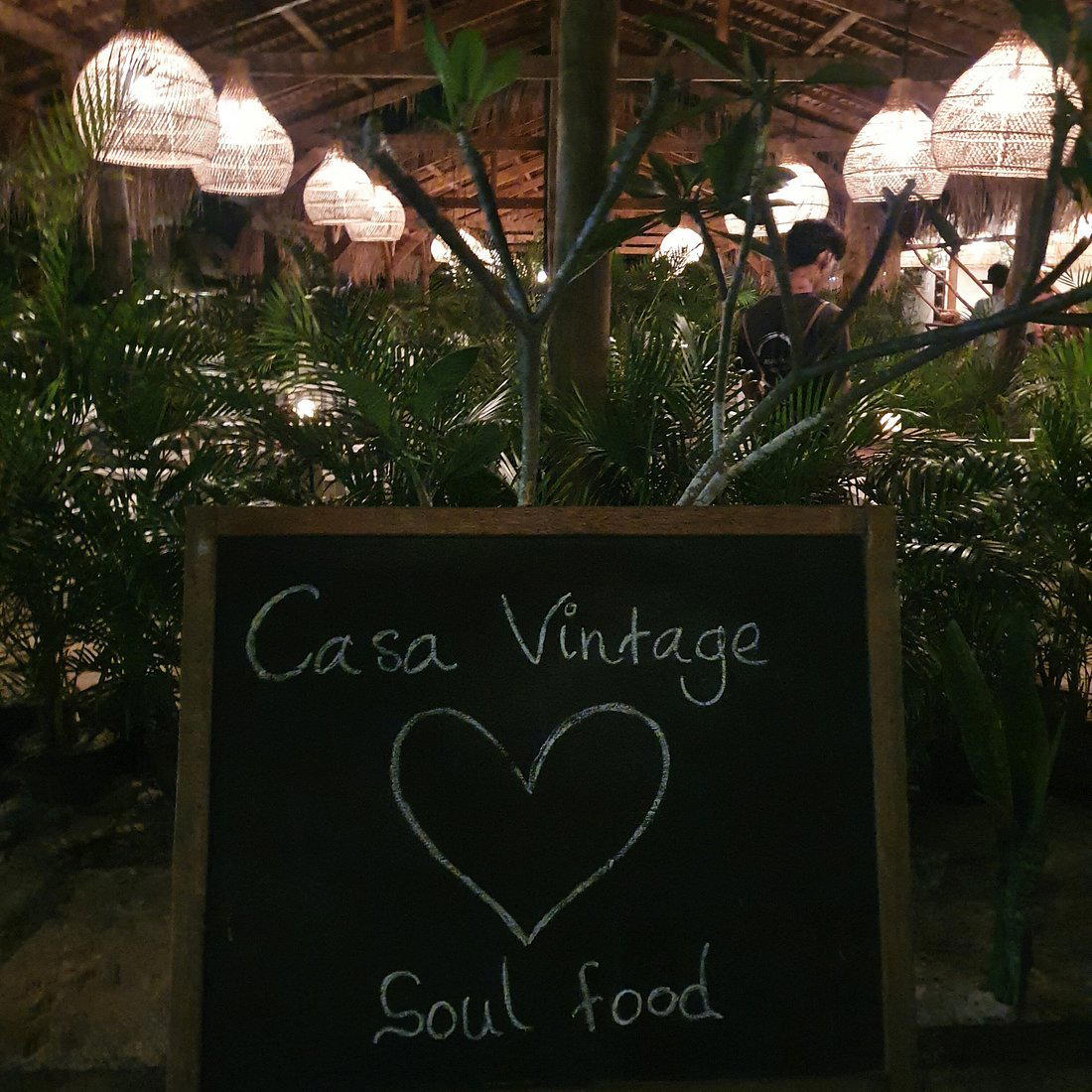
Details
- Casual Hangout
- A La Carte
Current opening hours
- Monday
- 7:30 AM–10 PM
- Tuesday
- 7:30 AM–10 PM
- Wednesday
- 7:30 AM–10 PM
- Thursday
- 7:30 AM–10 PM
- Friday
- 7:30 AM–11 PM
- Saturday
- 7:30 AM–11 PM
- Sunday
- 7:30 AM–10 PM
Hours can change for holidays and private events. Hours as of .