Casa Pakea
Our verdict
The Road to Galipán and What It Signals About Venezuelan Highland Cooking The ascent to San Antonio de Galipán along Vía Galipán is one of the more disorienting approaches to a meal in Venezuela. Within thirty minutes of leaving the coastal heat...

Pearl is the En Primeur Club membership app, where members save venues, book tables and use the concierge.
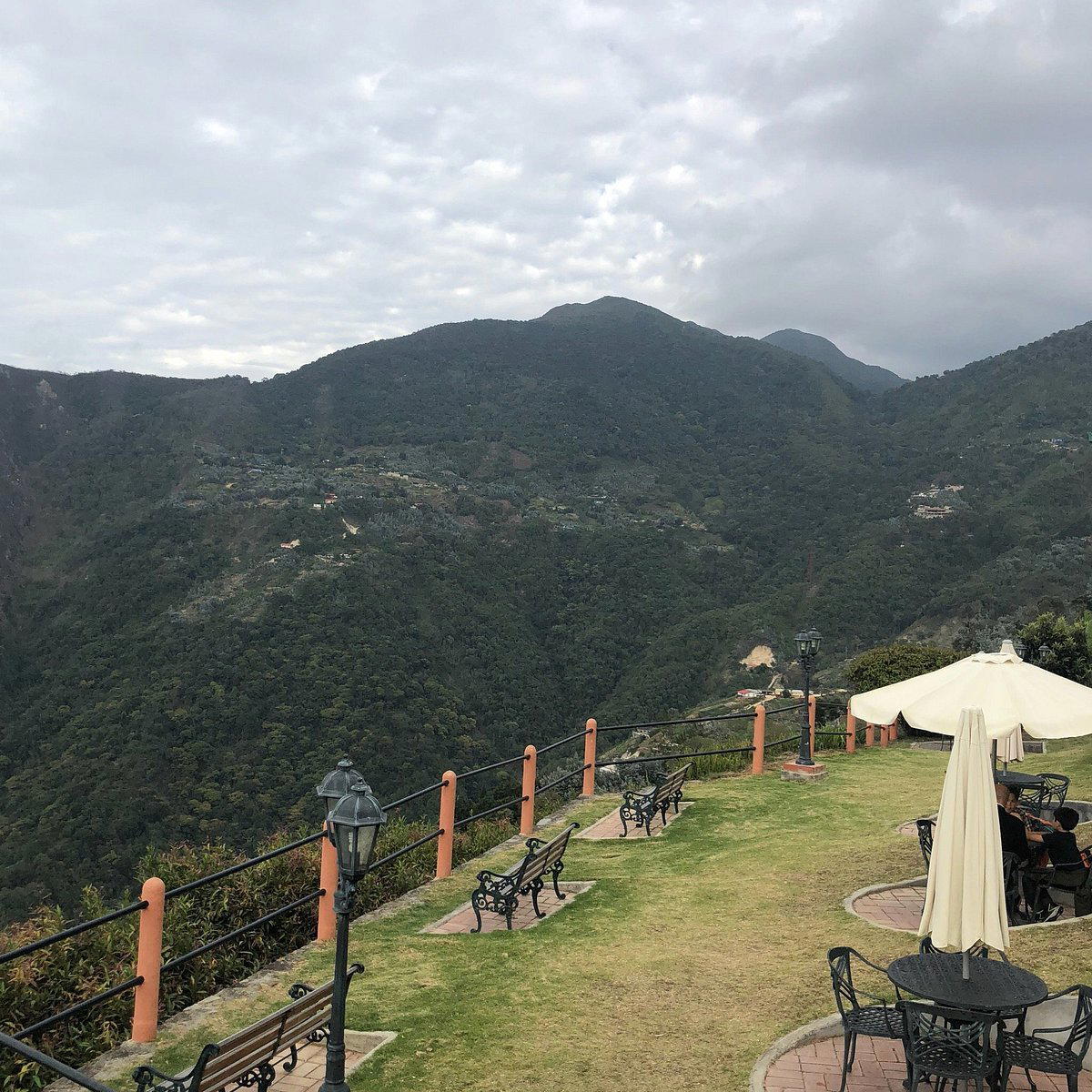
The Road to Galipán and What It Signals About Venezuelan Highland Cooking
The ascent to San Antonio de Galipán along Vía Galipán is one of the more disorienting approaches to a meal in Venezuela. Within thirty minutes of leaving the coastal heat of La Guaira, the air thins, the temperature drops by several degrees, and the roadside shifts from sea-facing cliffs to dense cloud forest draped in bromeliads and ferns. This is the Ávila massif, the mountain ridge that separates Caracas and its coast from a micro-climate that has, for generations, supported flower cultivation, strawberry farms, and small-scale produce gardens that supply both the capital and the coastal communities below. CasaPakeá sits inside that agricultural tradition, occupying a position on the mountain where altitude and humidity conspire to produce ingredients that simply do not exist at sea level.
Dining in this zone has a different logic than restaurant culture in the cities. The conversation around provenance is not a marketing choice, it is a geographic fact. What grows here, at elevation, reflects conditions that neither Caracas nor La Guaira can replicate. Strawberries from Galipán have a tartness and density that flat-ground cultivation cannot match. Herbs grow slowly and concentrate their oils. The result, at a venue embedded in this environment, is sourcing that is less a philosophy than a practical consequence of location. For the broader context of Venezuelan dining destinations worth tracking across the country, our full Vargas Municipality restaurants guide maps where this region sits relative to other notable tables.
Ingredient Sourcing at Altitude: What the Galipán Context Produces
Venezuela's highland dining conversation has long been underreported relative to what the Andes-adjacent cloud forest belt produces. The Galipán corridor is a case study in how micro-climate shapes a kitchen's identity before a single decision is made by whoever runs the stove. The strawberry farms that have operated here since the mid-twentieth century established the area's reputation as a provisioning zone for Caracas hotels and households. Over time, that agricultural density attracted smaller family operations growing herbs, tropical-temperate crossover vegetables, and floriculture that overlaps with edible applications.
At this altitude, sourcing from within a few kilometres of the kitchen is less a commitment to a trend and more a reflection of what is actually available and fresh. A kitchen working this honestly with its geography tends to express it through seasonal variation and restraint rather than complexity for its own sake. The parallels with how mountain-situated restaurants operate in other contexts, the way, say, altitude-positioned venues in the Andes or the European alpine belt anchor their menus to what the surrounding land produces in a given month, are instructive for understanding what CasaPakeá represents within Vargas Municipality's emerging dining character.
Comparative reference: within Venezuela, highland-sourced dining sits in a distinct niche from the beef-forward, urban-rooted formats that dominate Caracas. Cordero in Caracas operates in that more urban register. The difference is not a value judgment but a categorical one: provenance at altitude is geographically constrained and therefore more specific. Internationally, the sourcing discipline that venues like Aponiente in El Puerto de Santa María apply to marine ingredients, or that Lazy Bear in San Francisco applies to Northern California producers, reflects a similar commitment to geography as the primary creative constraint.
The Atmosphere of the Approach and the Setting
Arriving at CasaPakeá via Vía Galipán means committing to a drive that is part of the experience. The mountain road, at this section near address H435+CV4, places visitors inside a range of cultivated plots and forested hillside that is genuinely removed from the coastal infrastructure of La Guaira below. The physical environment does work that no interior design decision could replicate: guests arrive already oriented toward the mountain, the air temperature, and the surrounding cultivation.
This kind of approach, where the journey recalibrates the visitor before they sit down, is a feature of highland dining globally. It is the same principle that makes an alpine refuge different in atmosphere from a city restaurant of equivalent quality: the location creates a psychological frame before a single plate arrives. In Venezuela's context, where dining out has historically been concentrated in the urban centres of Caracas and Maracaibo, a venue at this altitude and in this agricultural setting occupies a genuinely distinct position.
Venezuelan Highland Dining in Regional Context
The dining scene across Vargas Municipality is smaller and more specialist than what the capital offers, which changes the peer comparison. Rather than benchmarking against Caracas urban tables, venues like CasaPakeá sit in a different competitive frame, one defined by access (you have to want to make the mountain drive), by the constraints of highland supply chains, and by a clientele that arrives with specific intent rather than passing foot traffic. This is structurally closer to how destination dining operates in other contexts: Brasero Restaurant in Sucre or Casa Vintage Restaurant in Municipio Naguanagua both operate in similarly intentional registers, where the guest makes a deliberate decision to be there.
Within Venezuela, the broader category of family-run or small-scale highland venues has not received the same editorial attention as the premium urban tables. That gap is narrowing, partly because Caracas-based visitors have increasingly treated the Galipán corridor as a half-day or full-day excursion that includes a meal. The mountain road conditions and seasonal weather, cloud and mist are common, particularly from May through November, mean timing matters. The clearest conditions tend to come in the dry season months of December through April, when views down toward the Caribbean coast are unobstructed and the approach road is more predictable.
Planning a Visit
Reaching CasaPakeá requires private transport or a arranged transfer; the Vía Galipán route is not served by regular urban transit from La Guaira or Caracas. The drive from La Guaira takes under an hour in normal conditions, though the mountain road demands care and familiarity with the route. Visitors coming from Caracas should account for the descent to the coast and then the ascent to Galipán, which adds time.
The venue's position within the agricultural community of San Antonio de Galipán places it in proximity to the strawberry market stalls and flower vendors that line the upper sections of the road, making a visit easily combined with a broader exploration of what the mountain community produces and sells directly. For readers planning wider Venezuelan dining itineraries, Casa Tarbes Restaurant in Municipio Valencia, Portarossa in Pampatar, and Tasca Restaurant El Moroco in Municipio Urbaneja each represent different registers of the country's dining range.
Frequently asked questions
Is CasaPakeá a family-friendly restaurant?
The setting along Vía Galipán in San Antonio de Galipán, a village road requiring private transport to reach, suggests an outing that suits families comfortable with a committed mountain drive. The highland environment and communal nature of Venezuelan rural dining traditions tend toward relaxed, multigenerational gatherings rather than formal service. That said, confirm arrangements directly before bringing young children, as the access route via H435+CV4 adds logistical complexity.
What's the overall feel of CasaPakeá?
CasaPakeá occupies a position on Vía Galipán where the approach is inseparable from the atmosphere: the cloud forest altitude, the mountain road, and the village context of San Antonio de Galipán frame everything before you arrive. Venezuelan highland venues at this elevation tend toward an unpretentious, produce-forward character shaped by what the Galipán corridor grows locally. The experience is more about place and proximity to ingredient source than urban restaurant theatre.
What should I order at CasaPakeá?
Arriving open to whatever reflects the current harvest is the practical approach at mountain restaurants along Vía Galipán. check the venue's official channels to confirm current availability before your visit.
How do you get to CasaPakeá from Caracas, and how long does the drive take?
CasaPakeá is located at address H435+CV4 on Vía Galipán in San Antonio de Galipán, Vargas Municipality, a mountain road that branches off the Caracas–La Guaira corridor. The ascent via Vía Galipán is not served by urban transit, so private transport or an arranged transfer is required. From central Caracas the drive typically runs under an hour depending on traffic on the lower highway, though the mountain section demands careful driving and adds meaningful time to the journey.
A Quick Peer Check
Comparable venues nearby, for context on price, style, and recognition.
| Venue | Cuisine | Price | Awards | Notes |
|---|---|---|---|---|
| CasaPakeaé¤é¦This venue (the venue you are viewing) | Venezuelan Coastal | $10–20 | Not listed | Not listed |
| Casa Vintage Restaurant | Caribbean Beach Dining | Not listed | Not listed | Municipio Naguanagua |
| Brasero Restaurant | Grill Restaurant | Not listed | Not listed | Municipio Sucre |
| El Bosque Bistró | Contemporary Venezuelan Bistro | $30–50 | The Best Chef One Knife | Chacao |
| Tasca Restaurant El Moroco | Spanish Seafood | Not listed | Not listed | Lecheria |
| Casa Tarbes Restaurant | American Burgers | Not listed | Not listed | Mañongo |
Continue exploring
More in Vargas Municipality
Restaurants in Vargas Municipality
All restaurants in Vargas Municipality →
Hotels in Vargas Municipality
Browse all →
Details
- Casual Hangout
- Family
- A La Carte
Current opening hours
- Monday
- Closed
- Tuesday
- Closed
- Wednesday
- Closed
- Thursday
- 12–7:30 PM
- Friday
- 12–7:30 PM
- Saturday
- 12–8 PM
- Sunday
- 12–8 PM
Hours can change for holidays and private events. Hours as of .
Casual and welcoming with natural light and simple decor.