Schiffle occupies a quietly noted address on Mühlebacherstraße in Dornbirn, the commercial heart of Vorarlberg. The dining room sits within a city that punches above its size for food culture, positioned between the alpine tradition of the broader region and a local scene growing more independent by the year. Planning a visit warrants a look at what the neighbourhood offers before you arrive.
Pearl is the En Primeur Club membership app — saves, bookings, and concierge access live there. Same editors, same standards.
- Address
- Mühlebacherstraße 25, 6850 Dornbirn, Austria
- Phone
- +43557233023
- Website
- schiffle-dornbirn.at
- Directions
- Get directions
 Saves & bookings on Pearl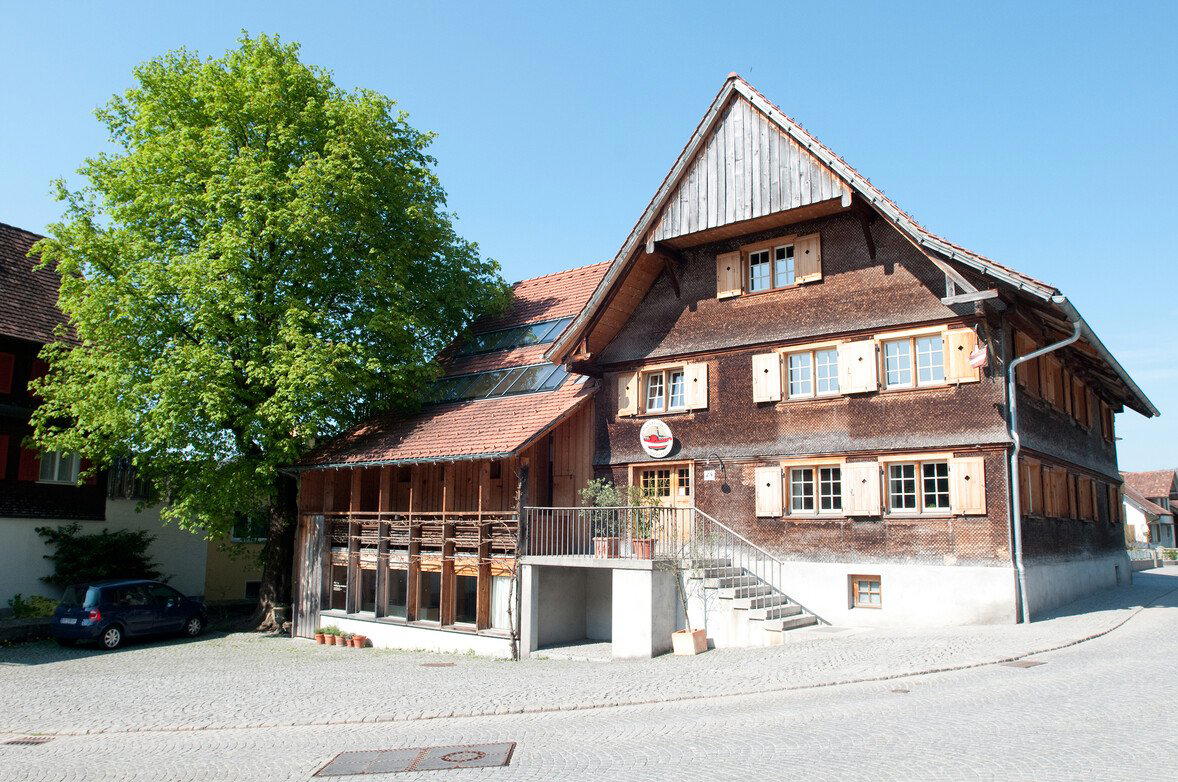
Dornbirn's Dining Scene and Where Schiffle Fits
Vorarlberg occupies Austria's westernmost corner, sharing more geographical and culinary logic with Zurich and the Allgäu than with Vienna. Dornbirn, the region's largest city, has built a food culture that reflects this positioning: grounded in local produce and alpine technique, but increasingly influenced by the cross-border traffic of a city within easy reach of three countries. The street-level dining scene along addresses like Mühlebacherstraße moves between neighbourhood staples and spots that draw guests from outside the city limits. Schiffle, at number 25, sits within that pattern.
The broader Austrian dining conversation tends to fix on Michelin addresses in Vienna and the alpine resort belt. Steirereck im Stadtpark in Vienna and Obauer in Werfen anchor one end of that spectrum; Landhaus Bacher in Mautern an der Donau and Ikarus in Salzburg add further reference points. Vorarlberg has its own serious tier, with Griggeler Stuba in Lech and Gourmetrestaurant Tannenhof in Sankt Anton am Arlberg pulling from a resort-driven clientele. Dornbirn, by contrast, serves a local population rather than a seasonal tourism wave, which shapes what its restaurants prioritise and how they operate.
The Setting on Mühlebacherstraße
Approaching Schiffle on Mühlebacherstraße, you are in a working district rather than a curated dining corridor. The street carries the grain of everyday Dornbirn: functional, unhurried, oriented toward residents rather than visitors moving through on a schedule. This is a consistent characteristic of the better neighbourhood restaurants in mid-sized Austrian cities. They do not compete on theatrical location or visible prestige signals. They accumulate a local reputation built over return visits rather than one-time tourist traffic.
This kind of address tends to reward advance familiarity. Arriving without a reservation or without prior knowledge of format and hours is a common planning error at venues of this type in Dornbirn. Cross-referencing via local directories or the city's hospitality networks before visiting is the more effective approach.
Booking and Planning: What to Know Before You Go
The editorial angle here is logistical, and it matters more than usual for a venue with limited digital presence. Restaurants at the neighbourhood-local tier in Austrian cities below Innsbruck and Salzburg operate with less online infrastructure than their resort or capital-city counterparts. Phone lines, walk-in windows, and word-of-mouth booking remain more common than real-time online reservation systems. Schiffle's regular hours are Mon: Closed; Tue: 5:30-11 PM; Wed: 5:30-11 PM; Thu: 5:30-11 PM; Fri: 5:30-11 PM; Sat: 5:30-11 PM; Sun: 10:30 AM-2 PM.
This is not unusual in Dornbirn's context. Comparison venues in the city operate across a range of formats. Krone and Gabriel's Cucina represent different registers of the local dining offer, while BurgerCraft and Masala Kitchen anchor the more casual end. hirsch IV adds another point in the range. Across that spread, the venues with stronger neighbourhood followings tend to have the thinner online footprint. The correlation is not accidental: they are filling seats through repeat local custom rather than inbound digital discovery.
For the visiting reader, the practical implication is to plan earlier and through more direct channels than you might for a larger city. Arriving in Dornbirn without prior reconnaissance on a Friday or Saturday evening and expecting to secure a table at a locally regarded address is an approach that frequently fails. The venues worth visiting are typically full by mid-week reservation. This applies across the local scene, and the reader should treat it as a structural condition rather than a flaw in any individual venue.
The wider Vorarlberg region offers useful precedent. At Döllerer in Golling an der Salzach, advance planning is effectively mandatory given reputation and seat count. Kräuterreich by Vitus Winkler in Sankt Veit im Pongau and Restaurant 141 by Joachim Jaud in Mieming sit in a similar position. Even at Ois in Neufelden, the booking window closes faster than the venue's low-profile address might suggest. Schiffle fits within this regional pattern of venues where local credibility moves faster than public-facing booking infrastructure.
Where Schiffle Sits in the Local Conversation
What is clear from its address and the broader character of Mühlebacherstraße is that it operates in the everyday neighbourhood register rather than the special-occasion tier occupied by resort-adjacent restaurants in the Arlberg or Bregenzerwald. That is a different value proposition, not a lesser one. The neighbourhood dining model in Austrian mid-sized cities has produced particularly consistent and honest cooking in the country, precisely because the client base demands repetition and reliability rather than novelty.
For comparison, the kind of precision and technical ambition visible at Atomix in New York City or the long-running classical rigour of Le Bernardin in New York City represents the formal end of a spectrum. The neighbourhood end of that spectrum, which Schiffle occupies, operates on different terms: the cooking needs to work on a Tuesday as well as a Saturday, for a table of regulars as much as for a first-time visitor. That accountability shapes kitchens in ways that award cycles and destination traffic do not.
Side-by-Side Snapshot
Comparable venues nearby, for context on price, style, and recognition.
| Venue | Cuisine | Price | Notes |
|---|---|---|---|
| SchiffleThis venue — the venue you are viewing | Traditional Austrian Gasthaus | $$ | Not listed |
| Red House | Traditional Austrian | $$ | Marktplatz |
| hirsch IV | Modern Austrian with Local Vorarlberg Focus | $$$ | Dornbirn |
| Krone | Traditional Austrian with International Influences | $$$ | Dornbirn |
| Panoramarestaurant Karren | Traditional Austrian with Regional Specialties | $$$ | Dornbirn |
| Gabriel's Cucina | Authentic Italian Mediterranean | $$ | Dornbirn city center |
Continue exploring
More in Dornbirn
Restaurants in Dornbirn
Browse all →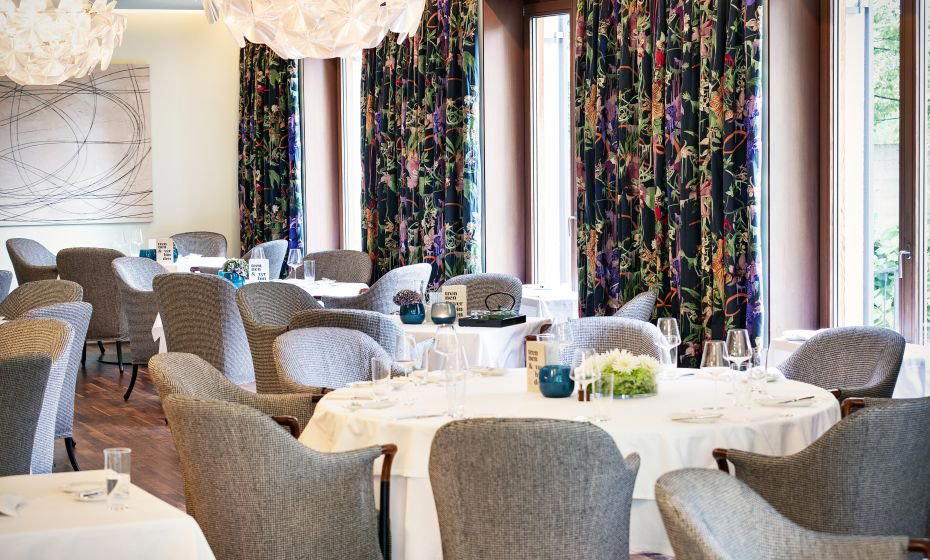
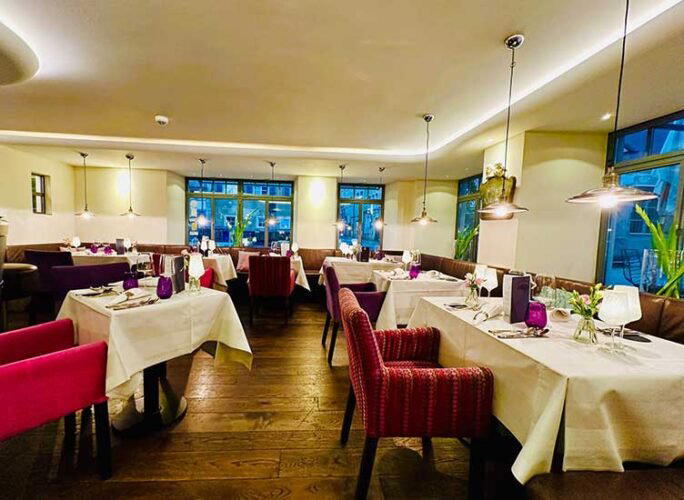
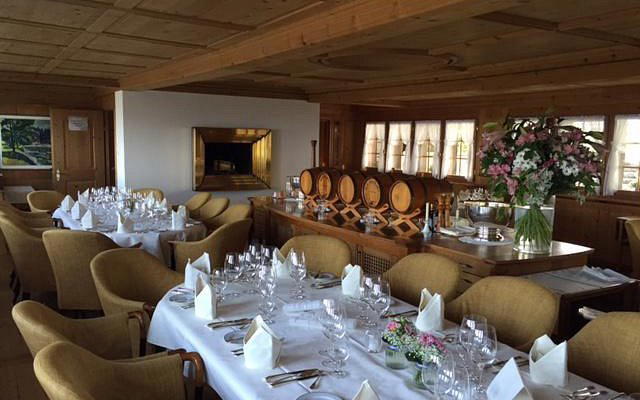
Bars in Dornbirn
Browse all →
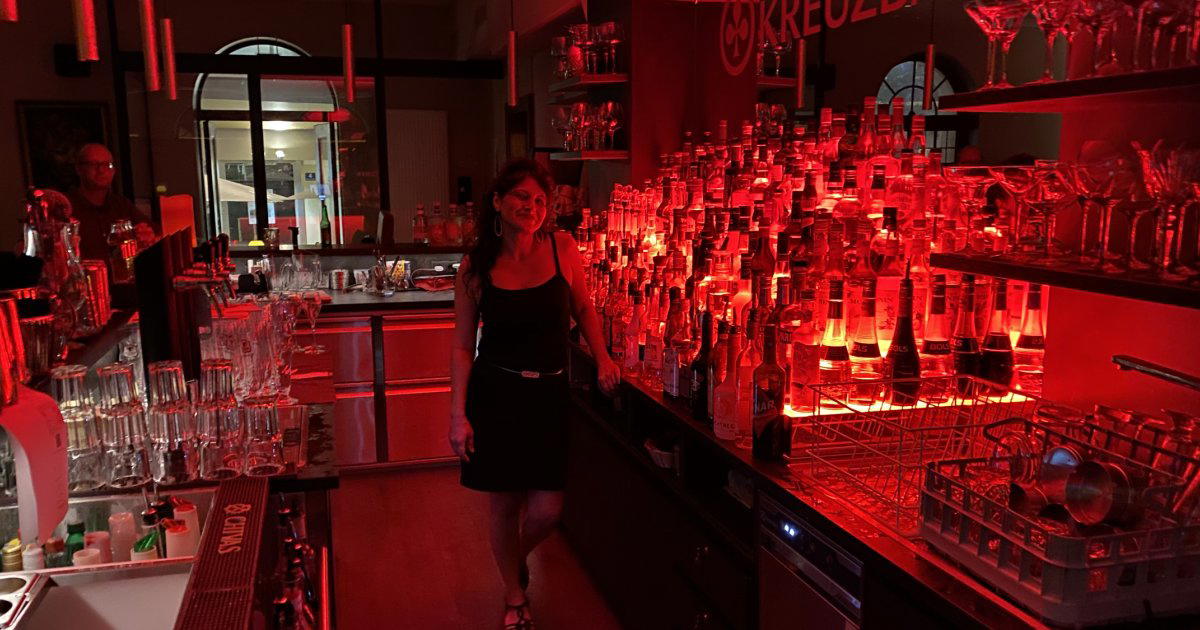
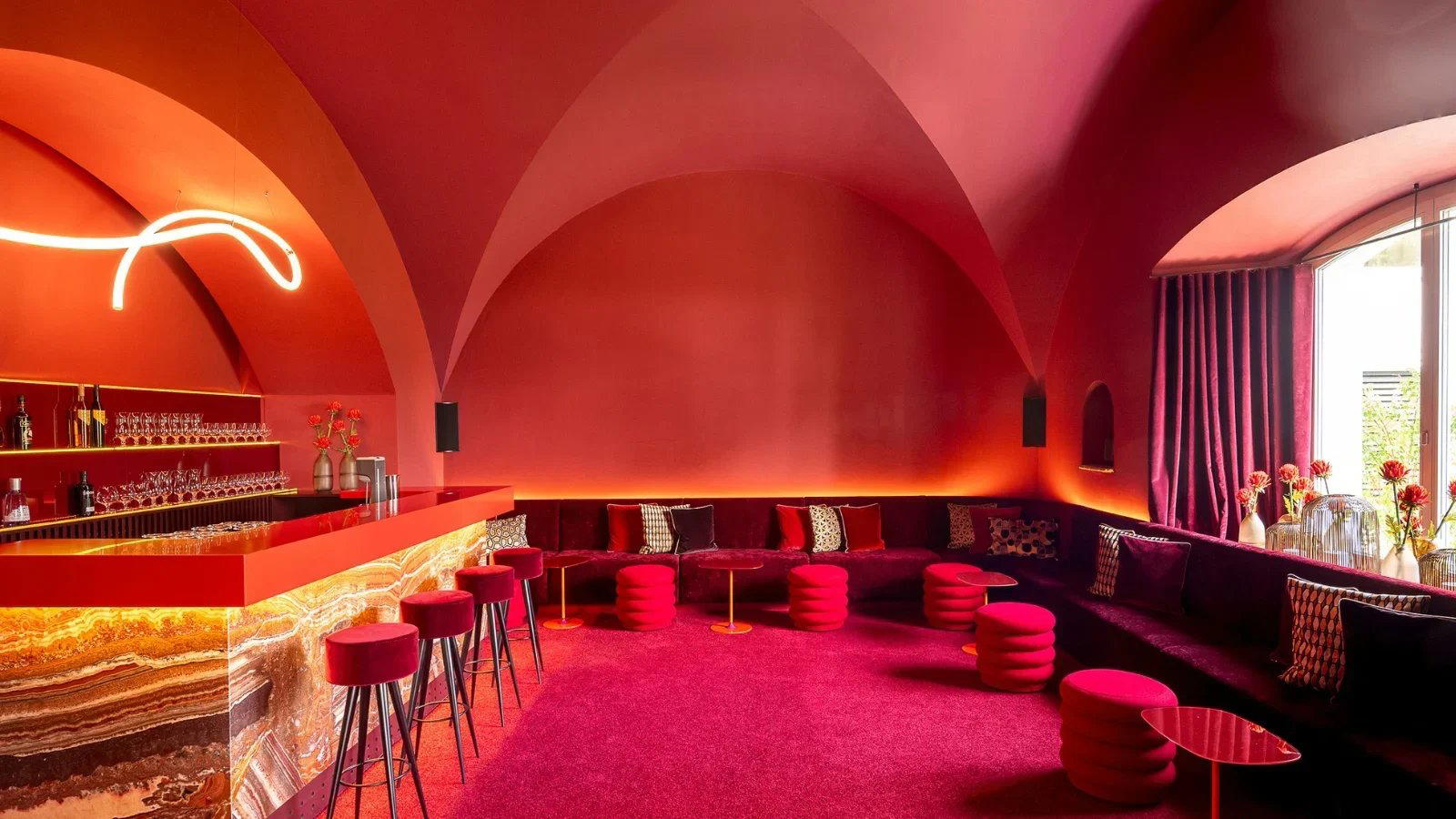
Hotels in Dornbirn
Browse all →

At a Glance
- Cozy
- Classic
- Rustic
- Historic
- Intimate
- Casual Hangout
- Group Dining
- Family
- Special Occasion
- Historic Building
- Extensive Wine List
- Local Sourcing
- Street Scene
Current opening hours
- Monday
- Closed
- Tuesday
- 5:30–11 PM
- Wednesday
- 5:30–11 PM
- Thursday
- 5:30–11 PM
- Friday
- 5:30–11 PM
- Saturday
- 5:30–11 PM
- Sunday
- 10:30 AM–2 PM
Hours can change for holidays and private events. Last verified .
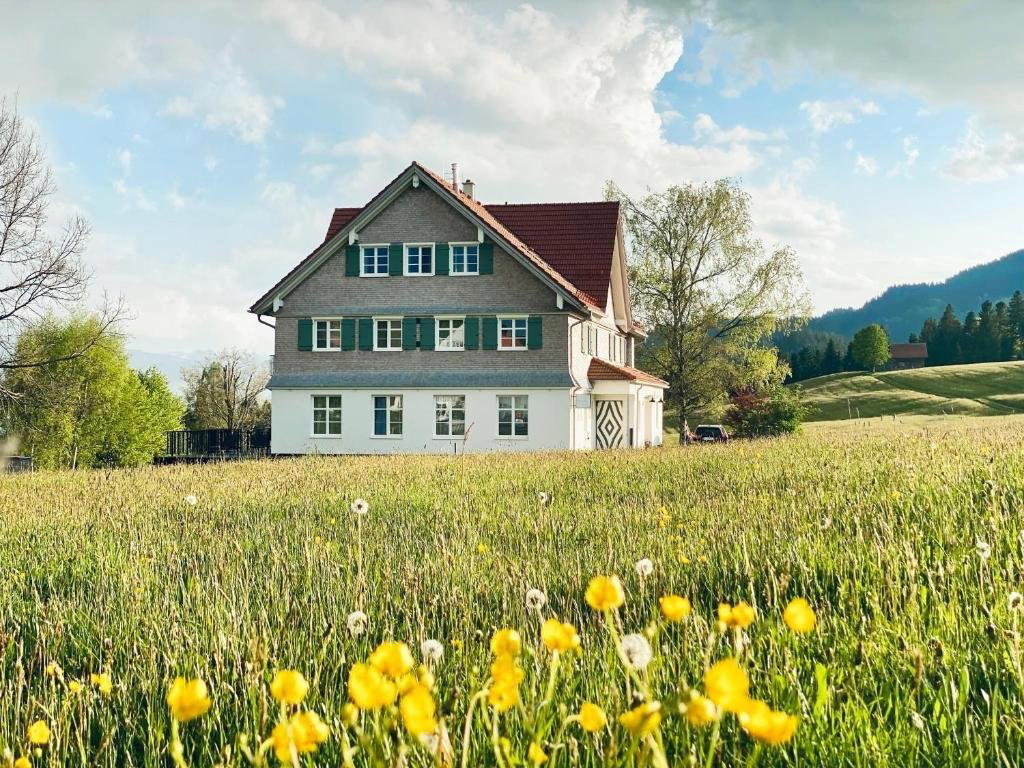
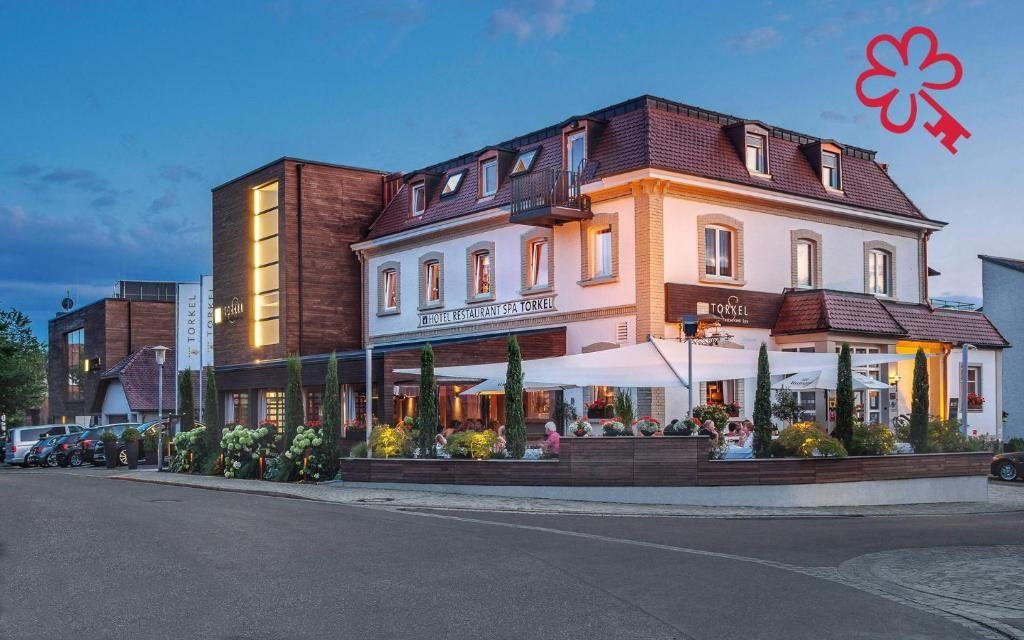
Cozy and gemütlich atmosphere in a carefully restored 130-year-old Gaststube with classic decor, warm lighting, and a small garden arbor offering views of a historic alley.