Bourbon House
Bourbon House sits at 144 Bourbon Street in the heart of the French Quarter, occupying one of New Orleans' most recognizable addresses and drawing on the city's deep Gulf seafood and Creole traditions. It belongs to a tier of French Quarter dining that balances accessibility with culinary seriousness, positioned between the neighborhood's raw-bar casual spots and its white-tablecloth Creole institutions. For visitors mapping the Quarter's dining options, it represents a reliable anchor point on a street that can otherwise be difficult to read.
Pearl is the En Primeur Club membership app — saves, bookings, and concierge access live there. Same editors, same standards.
- Address
- 144 Bourbon St, New Orleans, LA 70130
- Phone
- +1 504 522 0111
- Website
- bourbonhouse.com
- Directions
- Get directions
 Saves & bookings on Pearl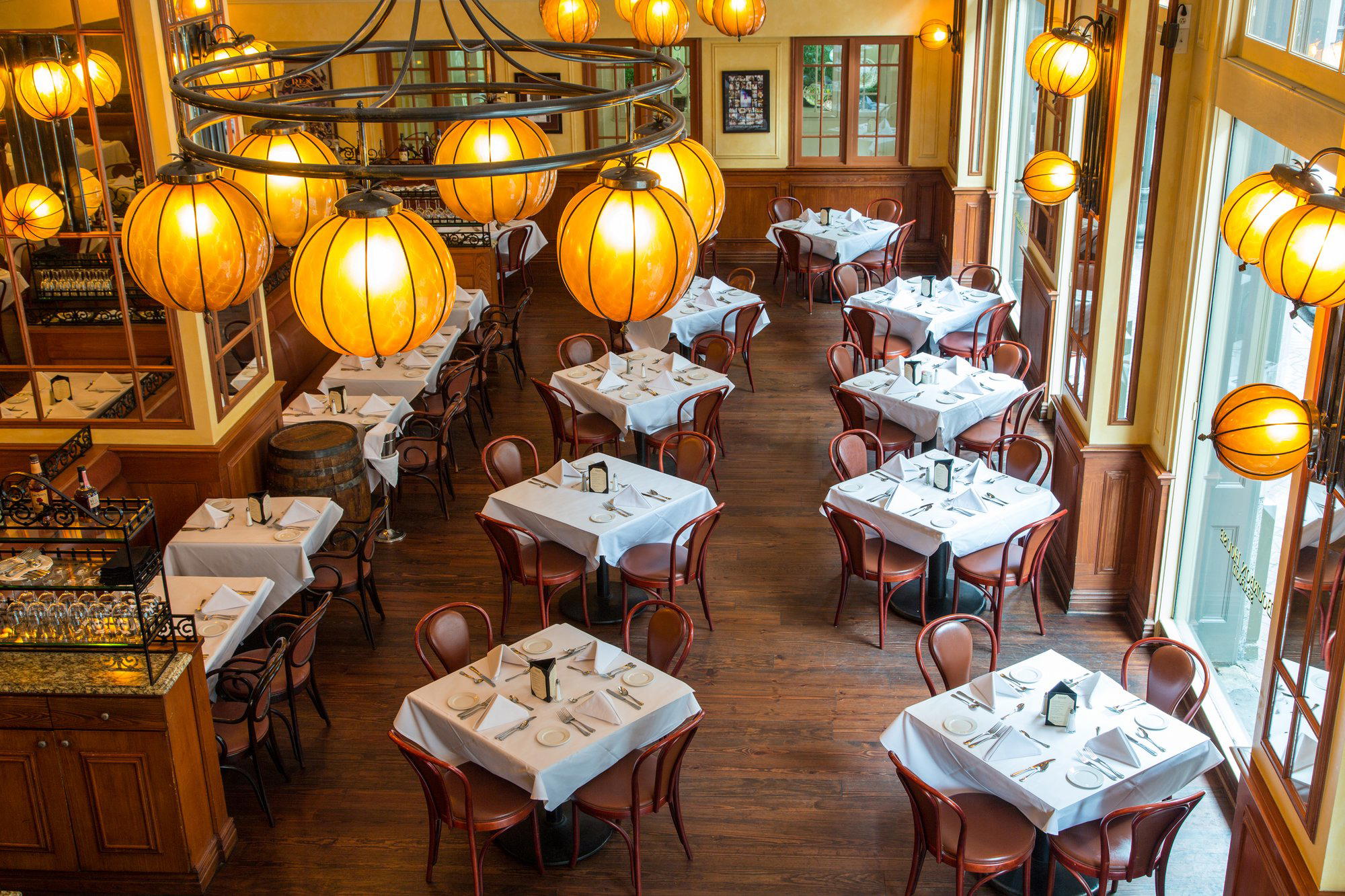
What Bourbon Street Dining Has Become
Bourbon Street's reputation as a dining destination has always been complicated. For most of its modern history, the strip functioned as an entertainment corridor first, with food largely playing a supporting role to the spectacle outside. The French Quarter's serious tables, Commander's Palace in the Garden District, Bayona on Dauphine, Emeril's on Tchoupitoulas, have historically been set away from the street itself, as if distance from the noise were a prerequisite for culinary credibility. Bourbon House at 144 Bourbon St sits squarely against that convention. It operates directly on the strip, in a section of the Quarter where the pedestrian traffic is dense and the ambient volume rarely drops, and it makes no architectural effort to signal separation from its surroundings.
That positioning is worth understanding before anything else, because it shapes what Bourbon House is and what it is not. The French Quarter dining scene has evolved considerably over the past two decades. Where the early 2000s saw Bourbon Street treated as essentially a write-off for serious diners, a wave of operators began reconsidering high-traffic French Quarter real estate as the city rebuilt its hospitality identity. Properties on or directly adjacent to Bourbon Street started receiving more investment, and the assumption that proximity to Bourbon's party economy was automatically disqualifying began to soften.
The Gulf Seafood Frame
New Orleans seafood dining sits at a particular intersection of tradition and geography. The city's access to Gulf shrimp, oysters, blue crab, and fin fish has defined its culinary identity for generations, producing a regional idiom that differs structurally from Atlantic seaboard seafood cooking. Where the Northeast defaults to minimal intervention, raw bars, simple preparations, Gulf Coast cooking in New Orleans runs through a Creole filter: roux-based sauces, spiced batters, oysters prepared in multiple styles from raw to chargrilled to en brochette. The chargrilled oyster, in particular, has become something of a regional signature over the past two decades, moving from a single operator's innovation to a category expectation across French Quarter menus.
Bourbon House operates within that Gulf seafood tradition. Its address on Bourbon Street places it in direct competition with other seafood-forward French Quarter destinations, a comparable set that includes everything from tourist-oriented raw bars to more carefully composed Creole seafood operations. Within that range, it occupies a middle tier: more considered than the surrounding street-level counters, less formally structured than the white-tablecloth Creole houses like Commander's Palace that anchor the city's fine-dining seafood conversation.
The broader New Orleans dining scene includes properties that operate at considerably higher formality and price. Saint-Germain and Re Santi e Leoni represent the contemporary fine-dining tier, while Zasu anchors the American contemporary bracket. The restaurant functions differently, as an accessible French Quarter option with a seafood emphasis rather than as a destination-dining proposition. That is not a criticism; it is a calibration. New Orleans needs restaurants that serve the visitor volume the Quarter generates without defaulting to purely tourist-grade cooking.
Evolution on a Famous Block
The trajectory of the restaurant reflects a broader pattern in French Quarter dining: the gradual attempt to hold culinary standards inside an environment that has historically worked against them. Bourbon Street has seen repeated cycles of operator optimism followed by retreat, with the street's economics, high rents, high turnover, and a transient customer base, making sustained quality difficult to maintain. The operators who have succeeded over time on or immediately adjacent to Bourbon have generally been those willing to treat the location as a constraint to work within rather than a problem to ignore.
What that has meant in practice at the restaurant is a focus on accessible Creole and Gulf seafood formats that travel well to a mixed dining audience: visitors on a first trip to New Orleans, conventioneers with a meal hour to fill, and locals who know exactly what the street is but want a reliable seat without crossing to the quieter blocks. That audience mix shapes the offer more than any single culinary decision. It explains the emphasis on approachable formats, raw bar options, seafood plates, regional cocktails, rather than the tasting-menu or chef-driven experimentation that defines restaurants like Lazy Bear in San Francisco, Smyth in Chicago, or Atomix in New York City.
At the national level, the restaurants setting the terms of American fine dining, Le Bernardin in New York, The French Laundry in Napa, Blue Hill at Stone Barns, Providence in Los Angeles, Single Thread Farm in Healdsburg, Addison in San Diego, The Inn at Little Washington, Frasca Food & Wine in Boulder, and Atelier Moessmer Norbert Niederkofler, operate at a different register entirely. The restaurant does not compete in that space. Its competitive frame is the French Quarter block it sits on and the category of accessible, seafood-forward Creole dining it represents within New Orleans specifically.
Planning a Visit
The restaurant sits at 144 Bourbon Street, which puts it deep in the Quarter's busiest pedestrian zone. Arriving on foot from Canal Street is direct and typically takes under five minutes; the address falls on a block where the street is fully pedestrianized in the evenings, which removes the parking question for anyone already staying in the Quarter. Walk-in availability during off-peak lunch hours is generally more reliable than dinner, when Bourbon Street traffic peaks and the surrounding blocks fill with a mix of diners and evening visitors.
Credentials Lens
Comparable venues nearby, for context on price, style, and recognition.
| Venue | Cuisine | Price | Notes |
|---|---|---|---|
| Bourbon HouseThis venue — the venue you are viewing | New Orleans Seafood and Oyster Bar | $$$ | Not listed |
| Delacroix Restaurant | Modern Cajun Seafood Fish Camp | $$$ | French Quarter |
| Delacroix | Modern Cajun & Creole Seafood | $$$ | French Quarter |
| Seaworthy | Modern Seafood Oyster Bar | $$$ | Arts District |
| Kingfish | Modern Louisiana Seafood | $$$ | French Quarter |
| Grand Isle Restaurant | Louisiana Seafood & Cajun | $$ | Central Business District |
Continue exploring
More in New Orleans
Restaurants in New Orleans
Browse all →
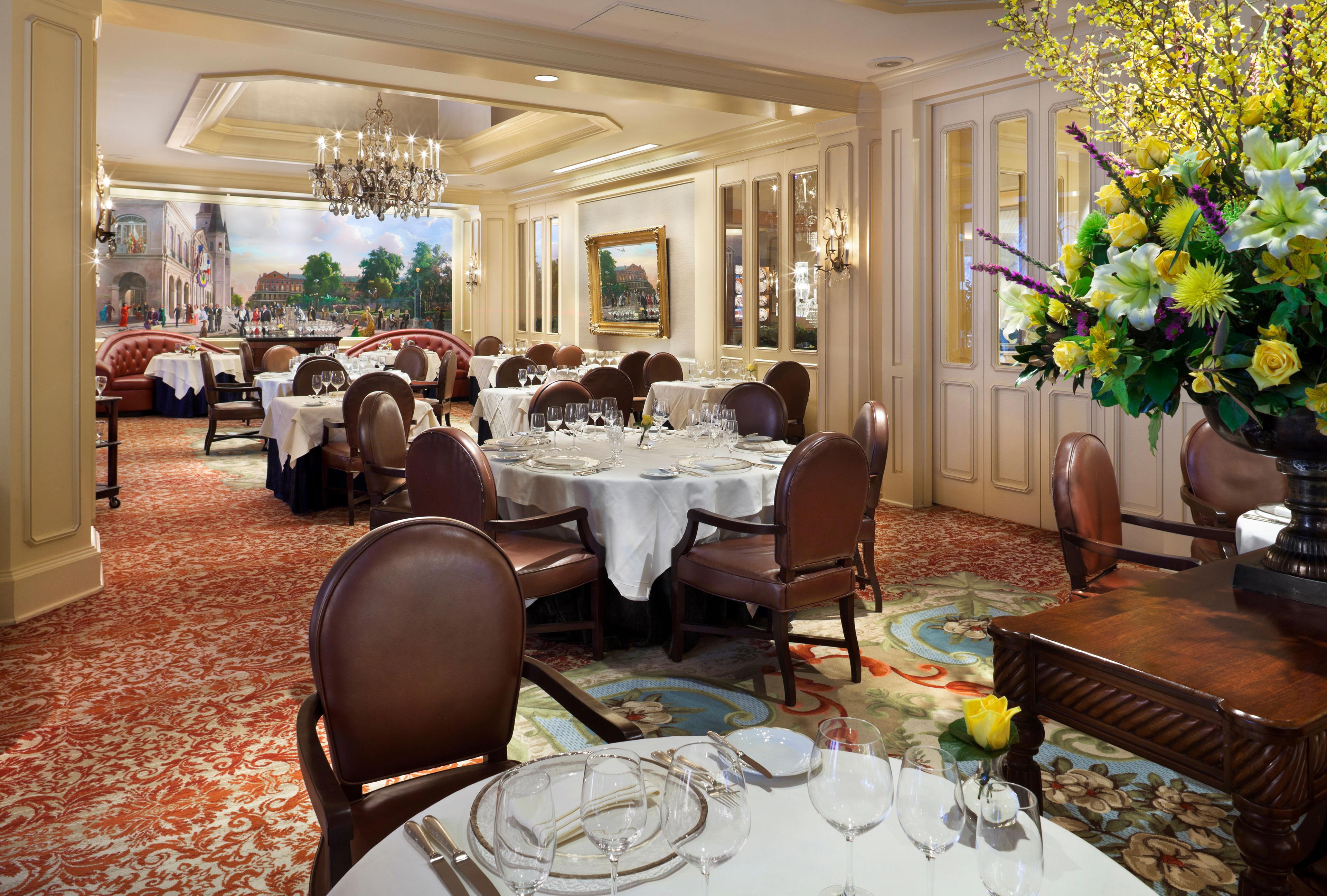
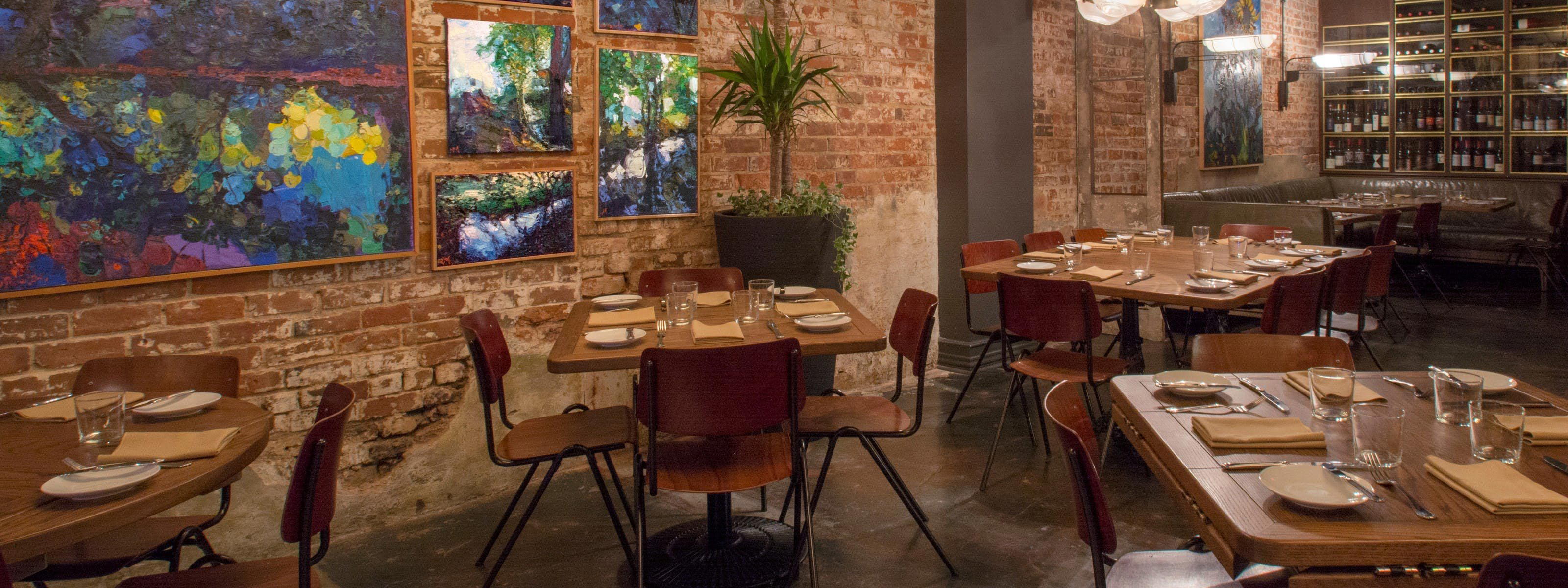
Bars in New Orleans
Browse all →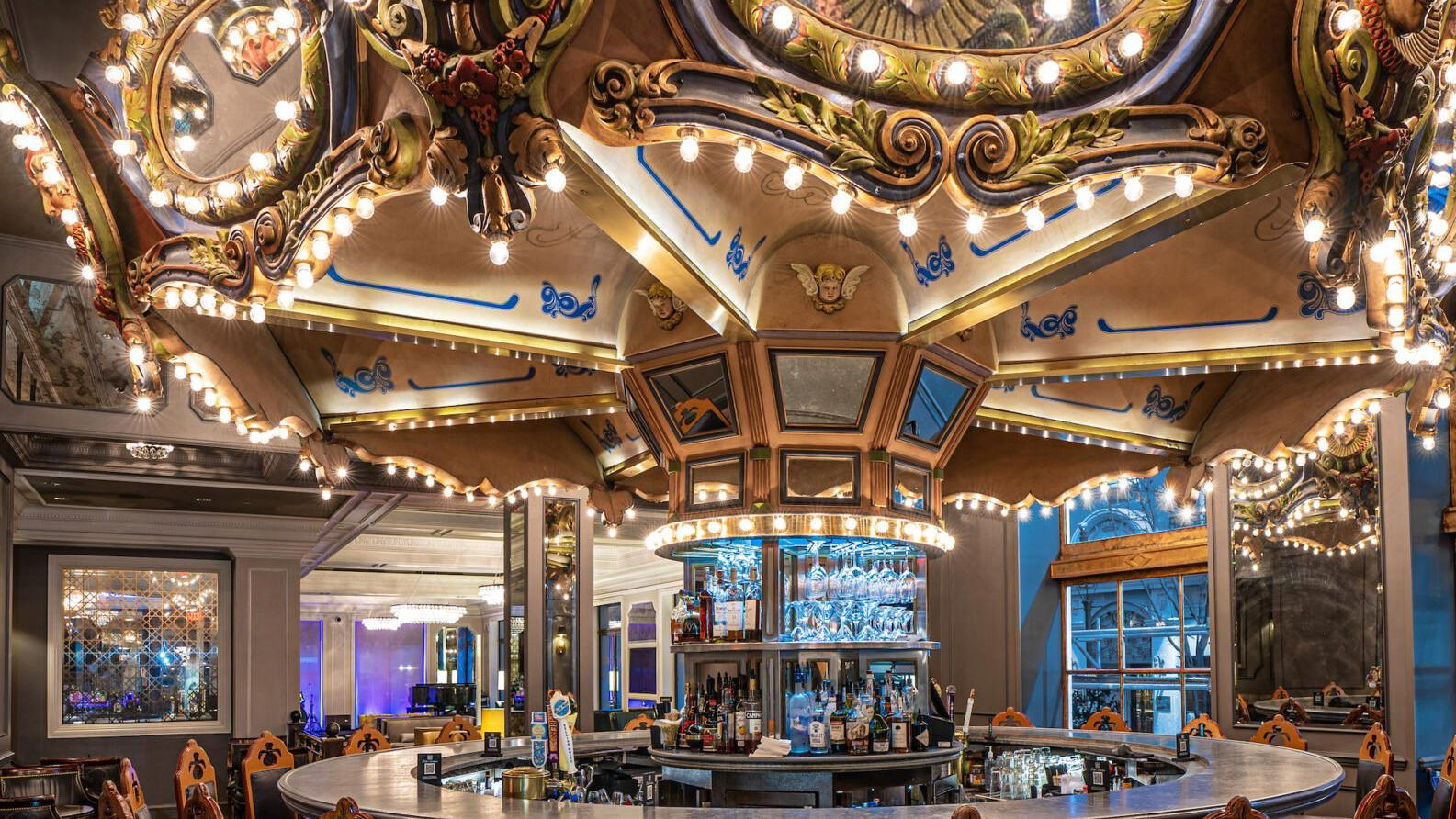
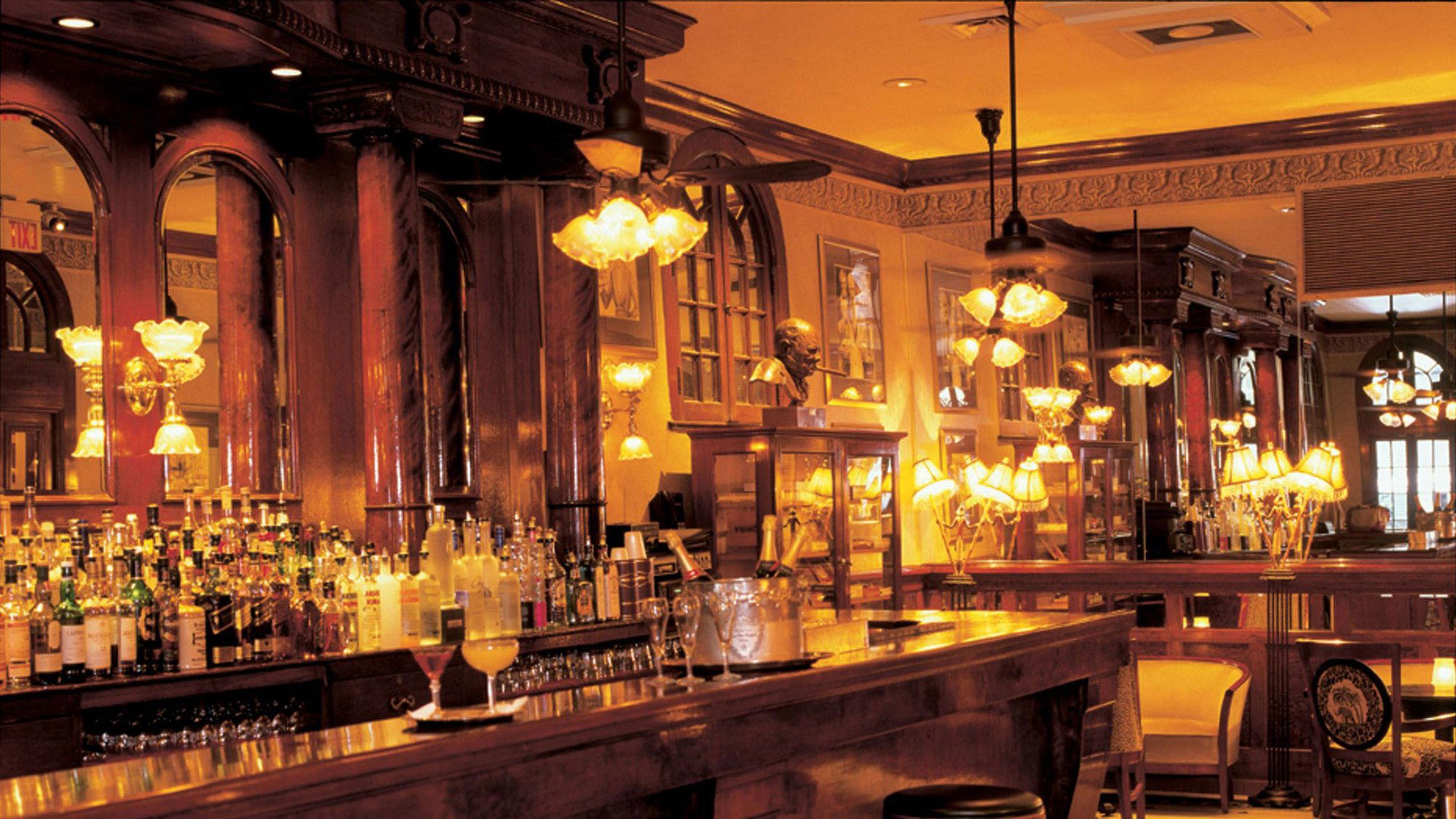
At a Glance
- Lively
- Well Known
- Elegant
- Brunch
- Celebration
- Historic Building
- Private Dining
- Craft Cocktails
- Local Sourcing
- Sustainable Seafood
- Street Scene
Current opening hours
- Monday
- 7:30 AM–9 PM
- Tuesday
- 7:30 AM–9 PM
- Wednesday
- 7:30 AM–9 PM
- Thursday
- 7:30 AM–9 PM
- Friday
- 7:30 AM–10 PM
- Saturday
- 7:30 AM–10 PM
- Sunday
- 7:30 AM–9 PM
Hours can change for holidays and private events. Last verified .
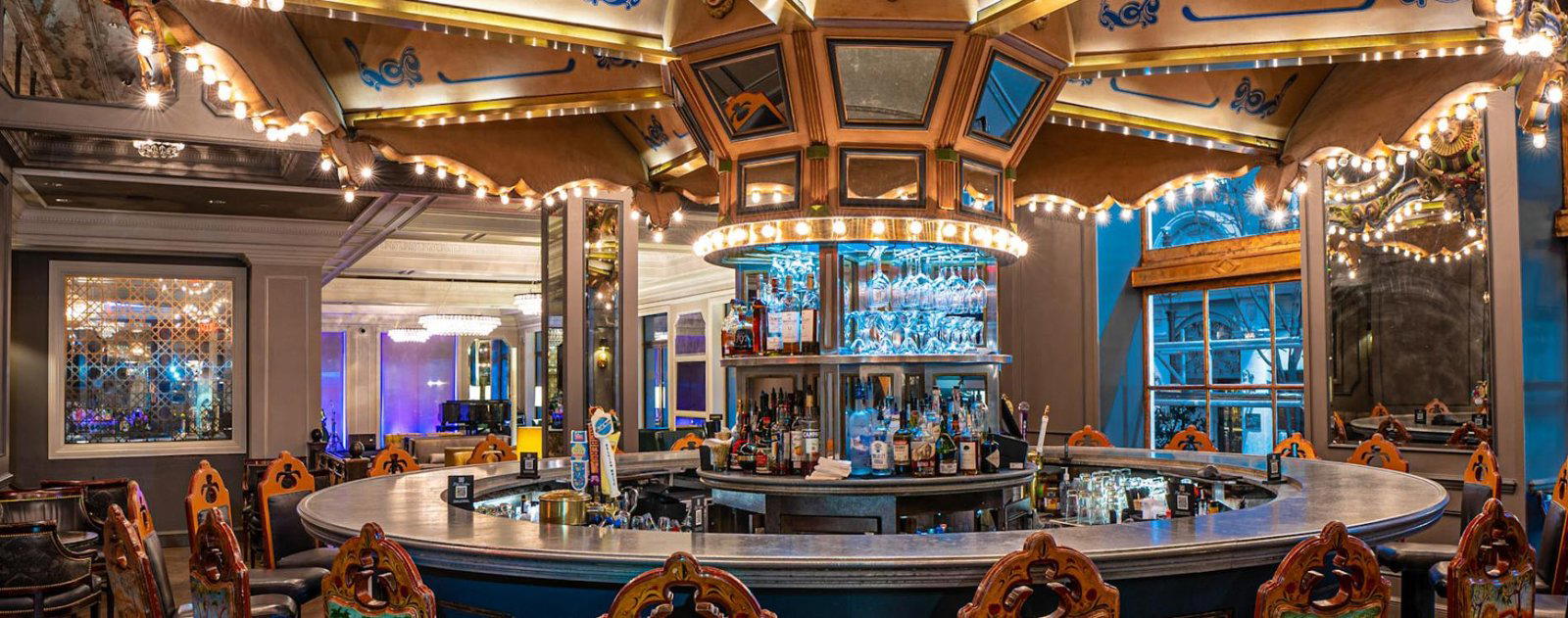
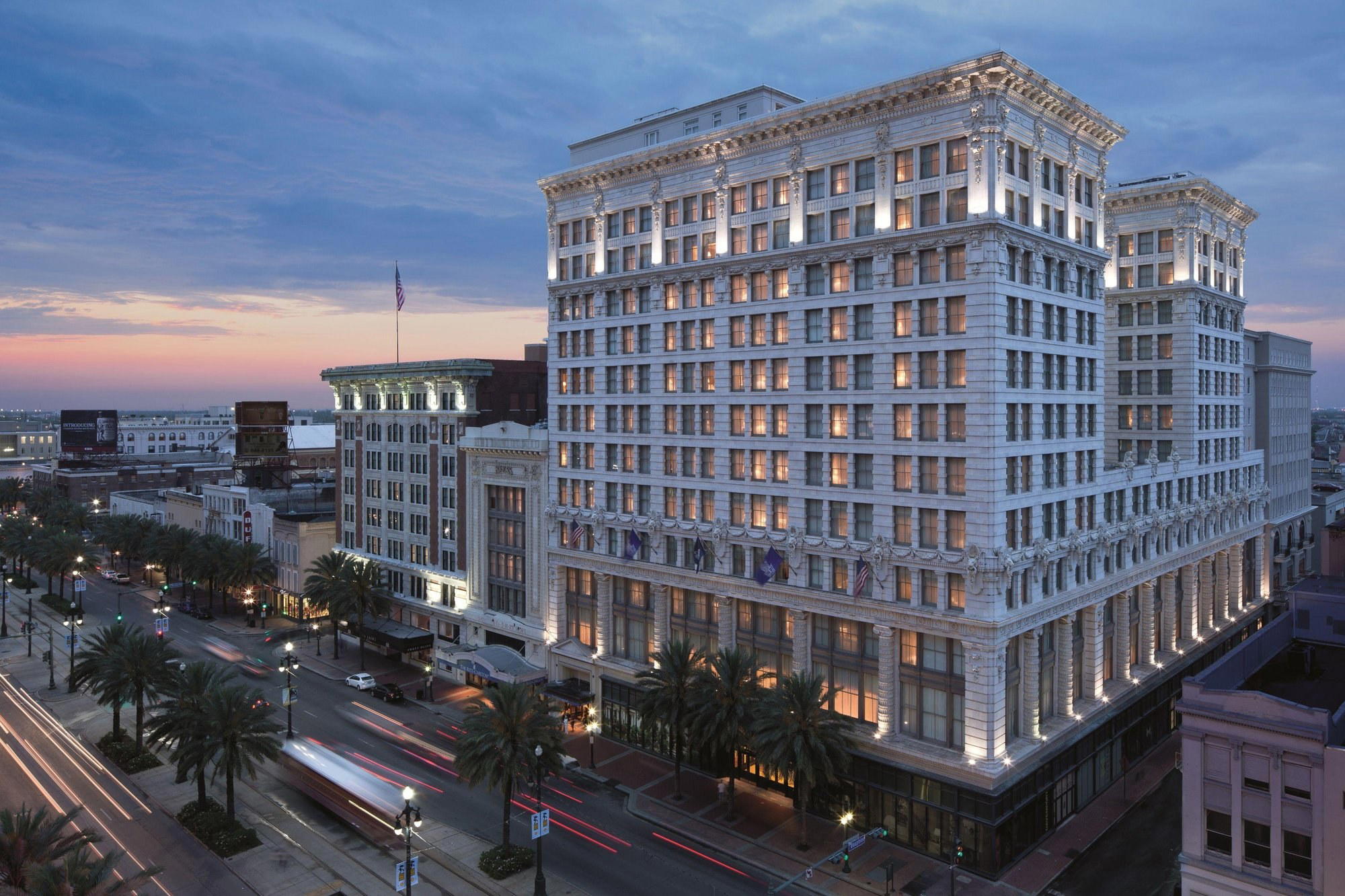
Lively atmosphere with huge picture windows overlooking the lively Bourbon Street entertainment.