Kingfish
On Chartres Street in the French Quarter, Kingfish occupies a stretch of New Orleans where history and nightly theater have always overlapped. The address places it in the middle of one of America's most concentrated dining corridors, where Creole tradition, Cajun influence, and modern American technique compete for the same tables. Approach it as a study in how the city's drinking and dining culture layers itself across a single block.
Pearl is the En Primeur Club membership app — saves, bookings, and concierge access live there. Same editors, same standards.
- Address
- 337 Chartres St, New Orleans, LA 70130
- Phone
- +15045985005
- Website
- kingfishneworleans.com
- Directions
- Get directions
 Saves & bookings on Pearl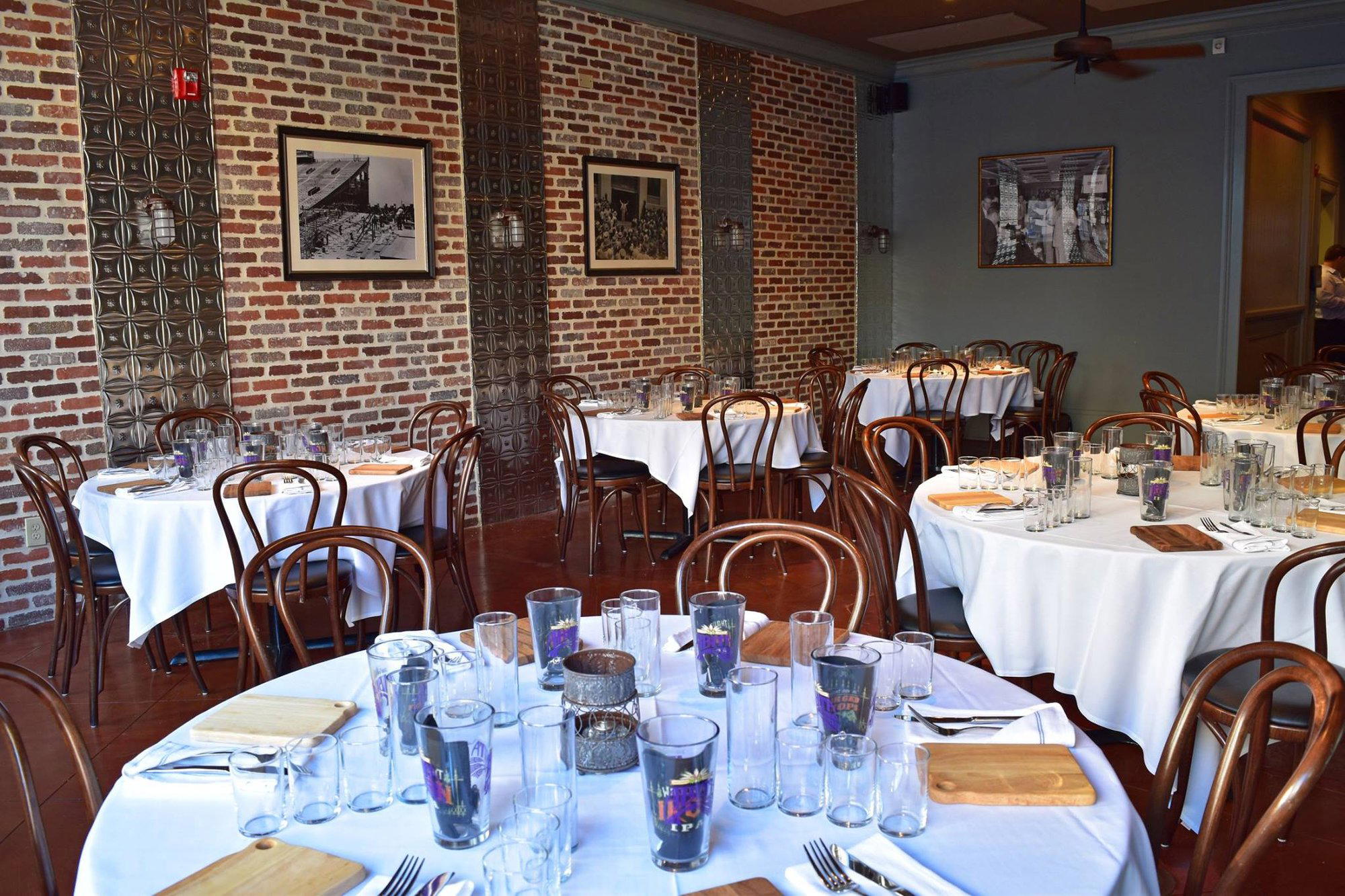
Chartres Street After Dark
The French Quarter does not ease you in. By the time you reach 337 Chartres St, the street has already made its position clear: old brick, iron lacework overhead, and the particular sound of a city that treats eating and drinking as a single continuous activity rather than sequential stops. Kingfish is a restaurant serving Modern Louisiana Seafood in New Orleans, at 337 Chartres St, with a price tier of 3 and an average spend of about $50 per person. The physical approach matters here in a way it does not in, say, a sanitized hotel dining room: the French Quarter exerts atmospheric pressure before you open any door.
New Orleans has always organized its restaurant culture around streets rather than neighborhoods in the conventional sense. Chartres functions as one of the Quarter's working corridors, distinct from the more tourist-saturated stretch of Bourbon and a few degrees more local in character than Royal. Venues on this block compete in a category where the room's sensory register, its noise level, its lighting temperature, its relationship to the street outside, carries as much weight as what arrives on the plate.
Where Kingfish Sits in the New Orleans Dining Order
New Orleans dining has never been a single tradition. It is, more accurately, several overlapping traditions that share geography and occasionally borrow technique from one another. Creole cooking, anchored in Commander's Palace and its lineage, runs parallel to Cajun influence (represented most visibly by Emeril's), and both sit alongside a wave of contemporary American venues that draw on the city's pantry without strict allegiance to either historical mode. Bayona on Dauphine represents the longer-running contemporary New American approach in the Quarter; more recent arrivals like Re Santi e Leoni push toward European-influenced contemporary territory.
Kingfish on Chartres occupies a position in this order that its address partially defines. The French Quarter address signals accessibility and a certain kind of evening energy, but it does not automatically place a venue in the tourist-facing tier. Several of the city's most serious dining rooms operate within the Quarter's boundaries. The question for any Chartres Street venue is whether it is using the location as an asset or merely surviving it.
The French Quarter, with its density of foot traffic and its tolerance for a certain kind of performative hospitality, rewards venues that commit to a specific sensory register rather than hedging across multiple formats.
The Sensory Architecture of a Quarter Evening
Understanding what makes a French Quarter dining room work requires separating the atmospheric from the incidental. The Quarter's background noise, its ambient warmth even in shoulder seasons, and its tendency to keep street-level windows and doors open whenever the weather permits, all of these push the interior experience toward something more porous than a sealed fine-dining environment. The room bleeds into the street and the street bleeds back. This is not a flaw in the model; it is the model. Venues that fight the permeability of a French Quarter address rarely win that argument.
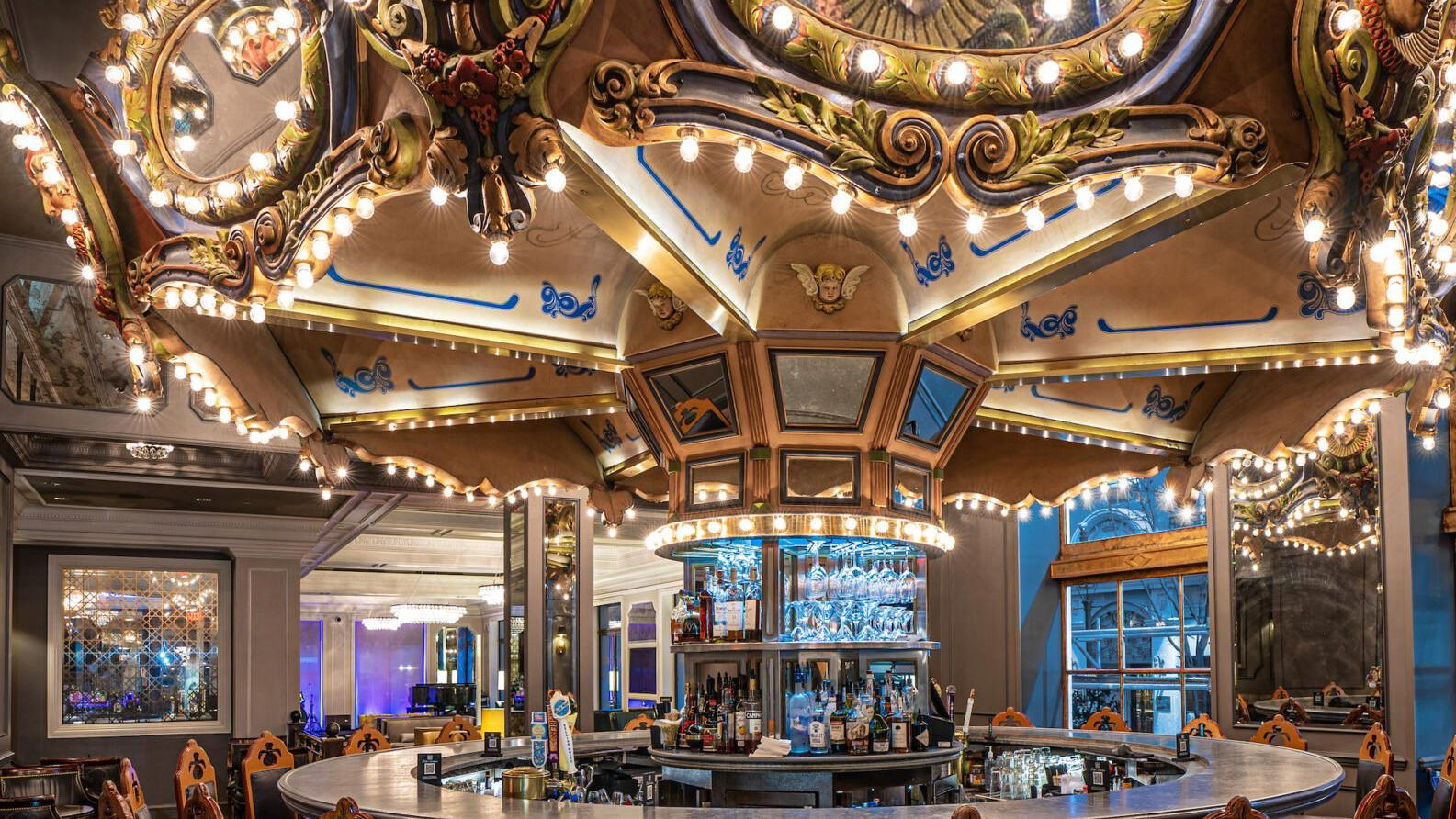
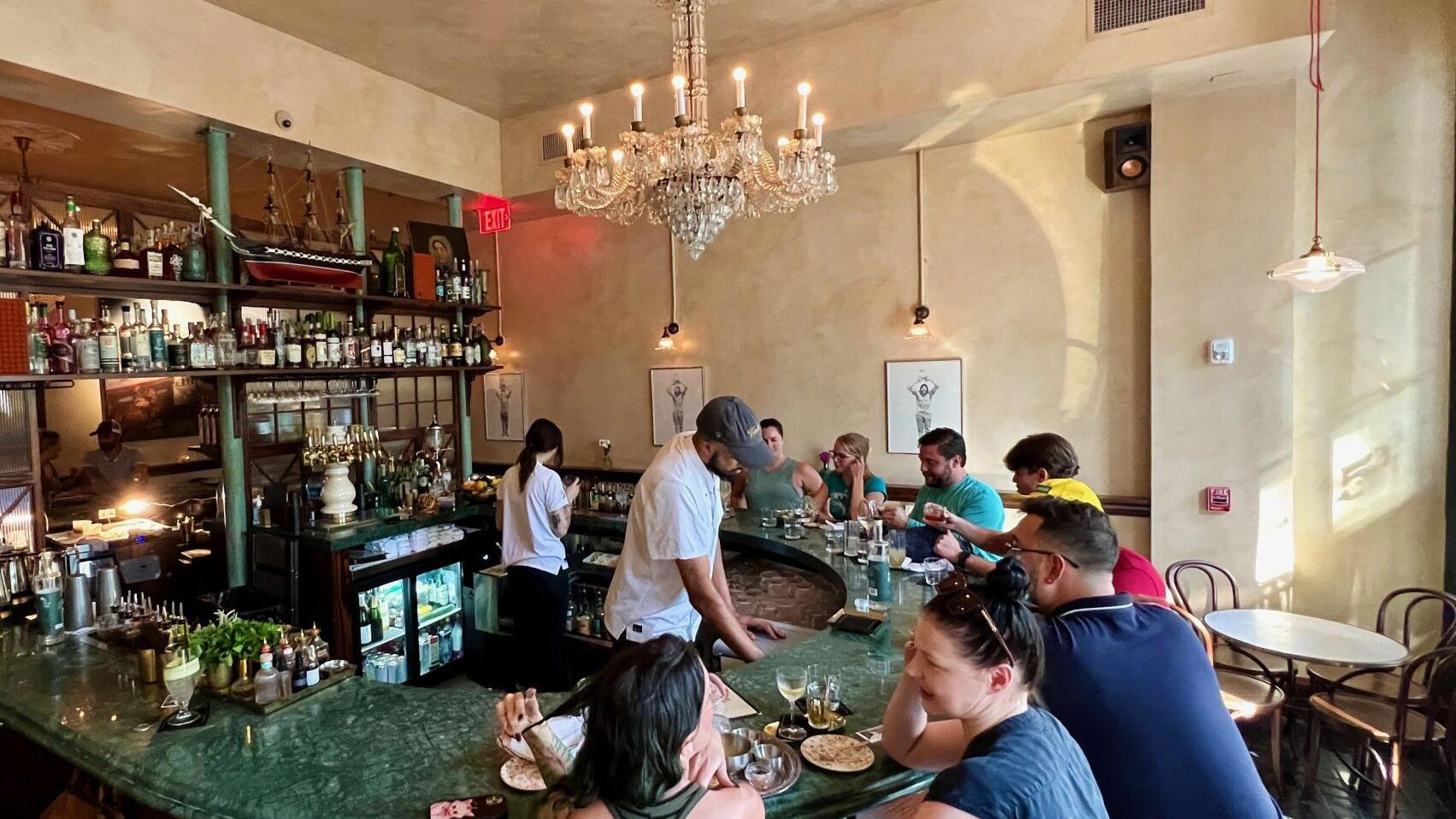
This atmospheric porousness is what distinguishes the New Orleans French Quarter dining experience from comparable historic-district environments in other American cities. The sensory experience at a Chartres Street address on a Friday evening, where the sounds from adjacent venues, passing brass bands, and the general low-level roar of a city mid-celebration all arrive simultaneously, is not something a room designer controls. It is something a venue either incorporates into its identity or treats as interference. The dining rooms that work leading in this corridor tend to lean into warmth: amber lighting, materials that absorb rather than reflect sound, and service pacing that does not fight the room's natural rhythm.
New Orleans in the National Fine Dining Conversation
The city does not always appear in the first tier of national fine dining rankings, despite producing a disproportionate share of American culinary identity. Venues like Le Bernardin in New York City, Alinea in Chicago, The French Laundry in Napa, and Providence in Los Angeles anchor their respective cities in a way that New Orleans, for all its culinary depth, has historically approached differently. The city's contribution to American cooking is foundational rather than experimental: roux technique, the Creole spice vocabulary, the integration of African, French, and Spanish culinary traditions into something that has no real equivalent elsewhere in the country.
That foundational depth means New Orleans dining rewards a different kind of attention than, say, Atomix in New York City or Blue Hill at Stone Barns in Tarrytown or Single Thread Farm in Healdsburg. Those venues operate within a framework of explicit culinary invention. New Orleans at its leading operates within a framework of accumulated depth, where the interest lies in how a kitchen interprets a long tradition rather than how it escapes one. Addison in San Diego, Lazy Bear in San Francisco, Bacchanalia in Atlanta, and The Inn at Little Washington in Washington each occupy similar positions in their own cities as venues that translate regional identity into a coherent dining room argument. New Orleans has several venues making that same translation, and Chartres Street sits at the center of where that argument plays out most visibly. An international point of comparison, particularly for how a city's culinary identity concentrates into specific addresses, is 8 1/2 Otto e Mezzo Bombana in Hong Kong, which operates within a similar logic of prestige address and accumulated culinary identity.
Planning Your Visit
The French Quarter runs at different temperatures depending on the calendar. Visiting outside those peaks, particularly in the quieter stretch between mid-September and mid-November, allows more flexibility in timing and often a more settled room. Chartres Street specifically benefits from evening visits: the street reaches its characteristic atmospheric pitch after 7pm, when the combination of foot traffic, ambient sound, and the Quarter's particular light creates the sensory context the address was designed for.
Comparable Spots
Comparable venues nearby, for context on price, style, and recognition.
| Venue | Cuisine | Price | Notes |
|---|---|---|---|
| KingfishThis venue — the venue you are viewing | Modern Louisiana Seafood | $$$ | Not listed |
| SeaWitch | Cajun Seafood Oyster Bar | $$$ | Central City |
| Fives Bar | Seafood Raw Bar | $$$ | French Quarter |
| Delacroix | Modern Cajun & Creole Seafood | $$$ | French Quarter |
| Seaworthy | Modern Seafood Oyster Bar | $$$ | Arts District |
| Grand Isle Restaurant | Louisiana Seafood & Cajun | $$ | Central Business District |
Continue exploring
More in New Orleans
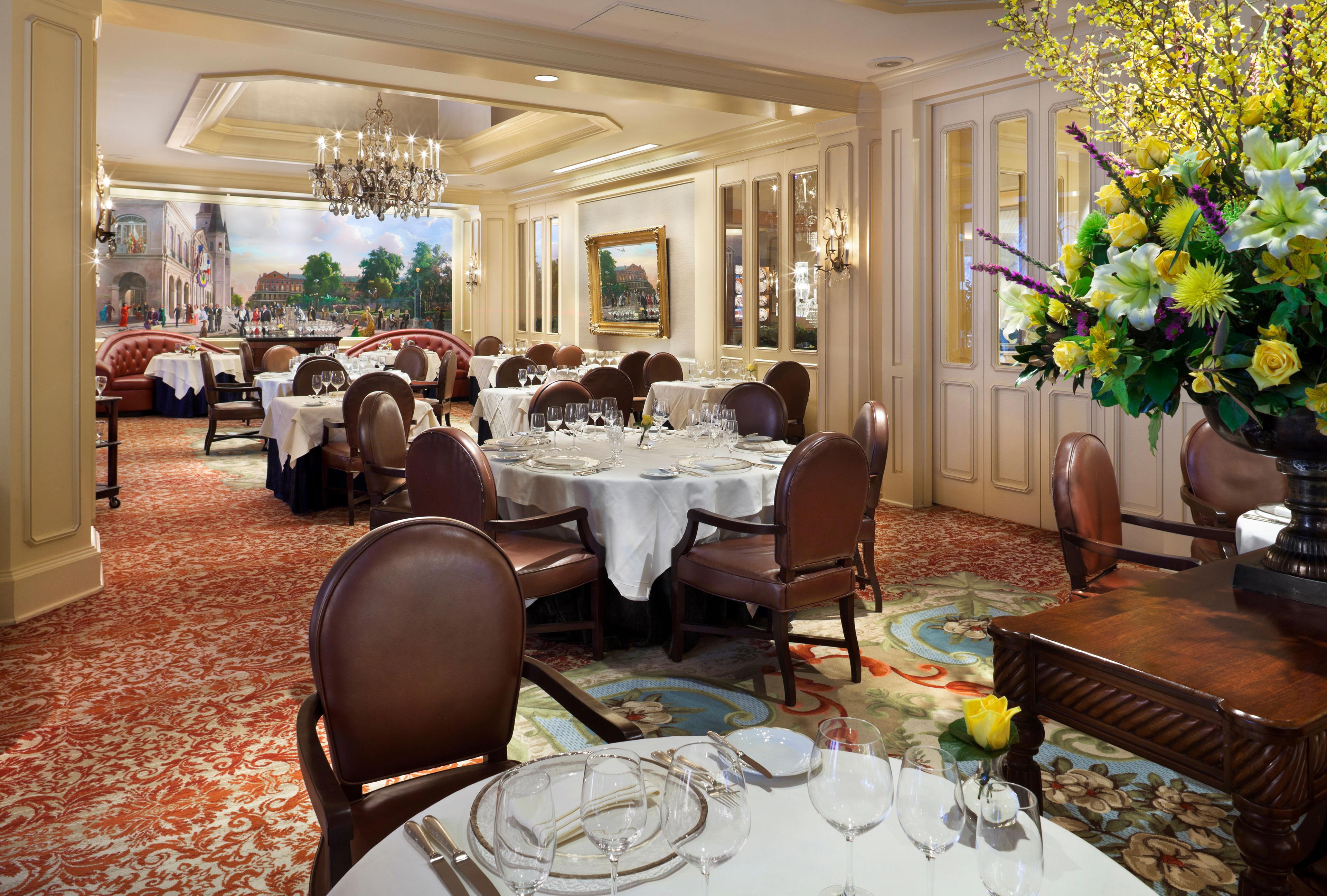
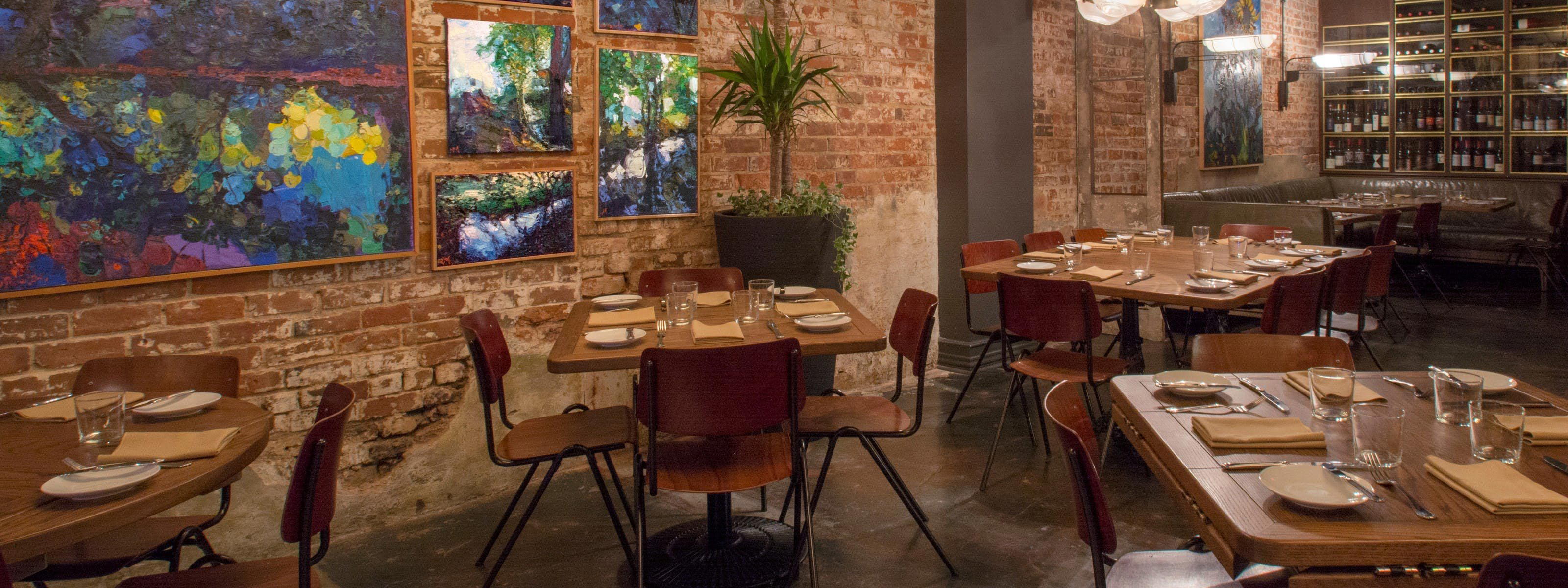
Restaurants in New Orleans
Browse all →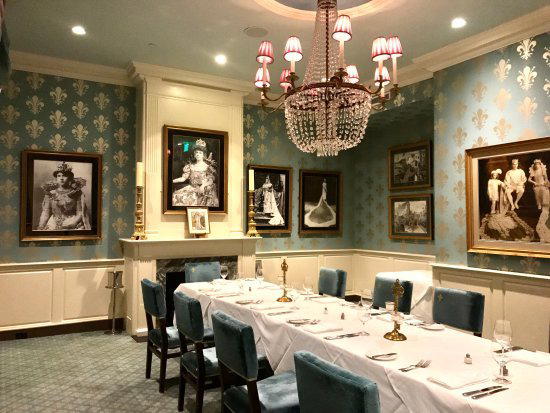
Bars in New Orleans
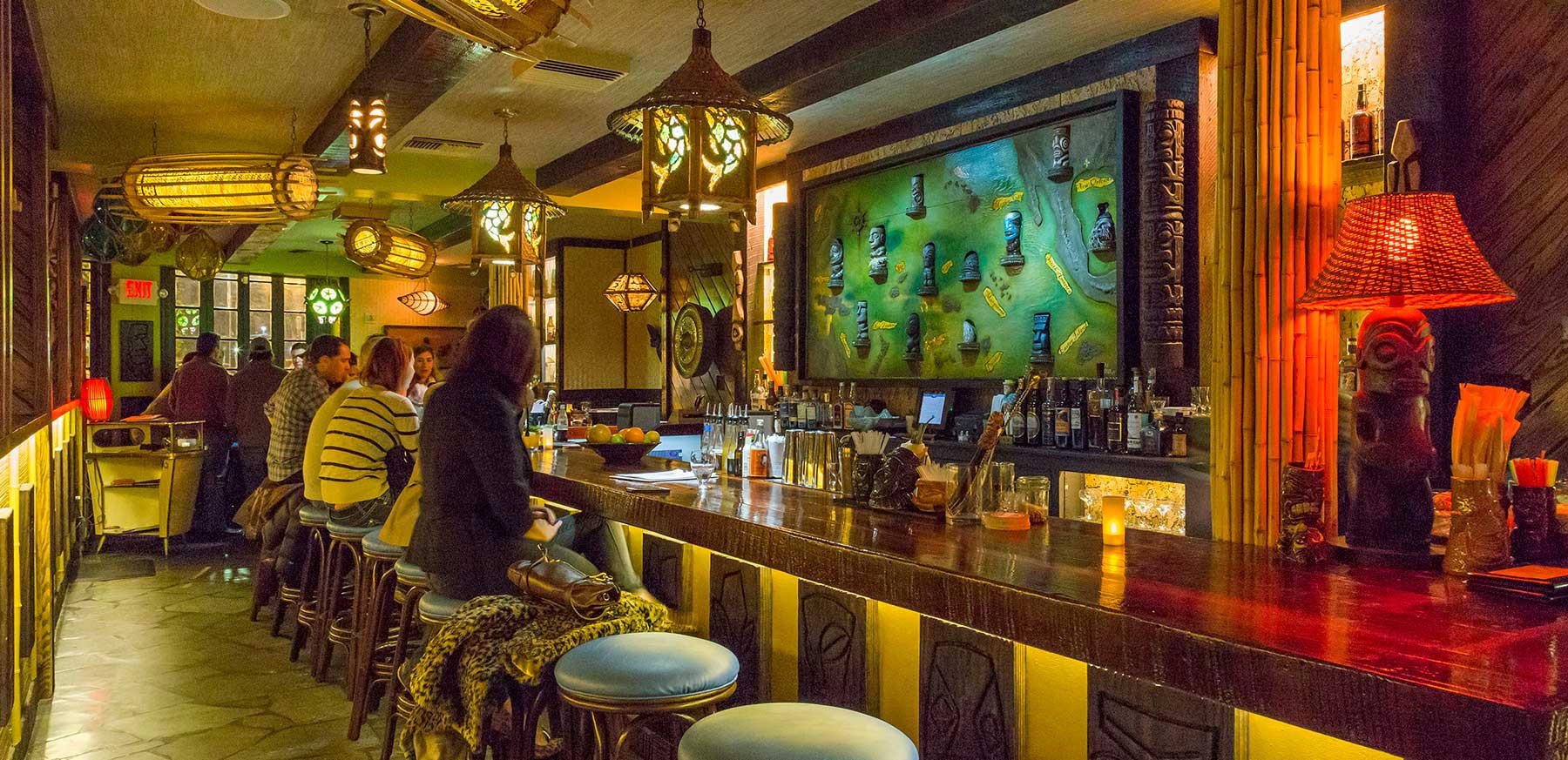
Browse all →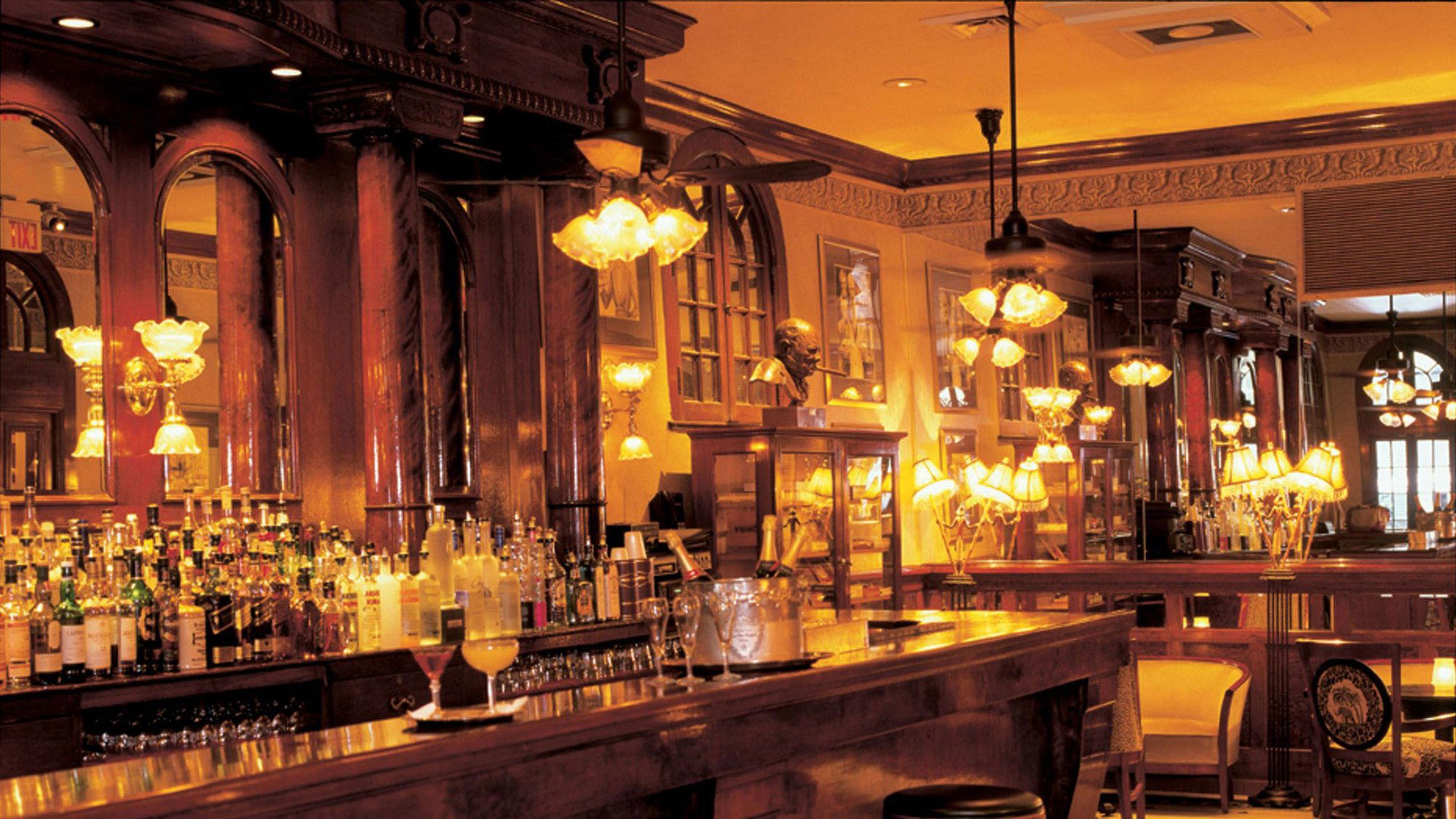
At a Glance
- Lively
- Classic
- Energetic
- Group Dining
- Casual Hangout
- Brunch
- Historic Building
- Craft Cocktails
Current opening hours
- Monday
- 10 AM–10 PM
- Tuesday
- 10 AM–10 PM
- Wednesday
- 10 AM–10 PM
- Thursday
- 9 AM–10 PM
- Friday
- 9 AM–11 PM
- Saturday
- 9 AM–11 PM
- Sunday
- 9 AM–10 PM
Hours can change for holidays and private events. Last verified .
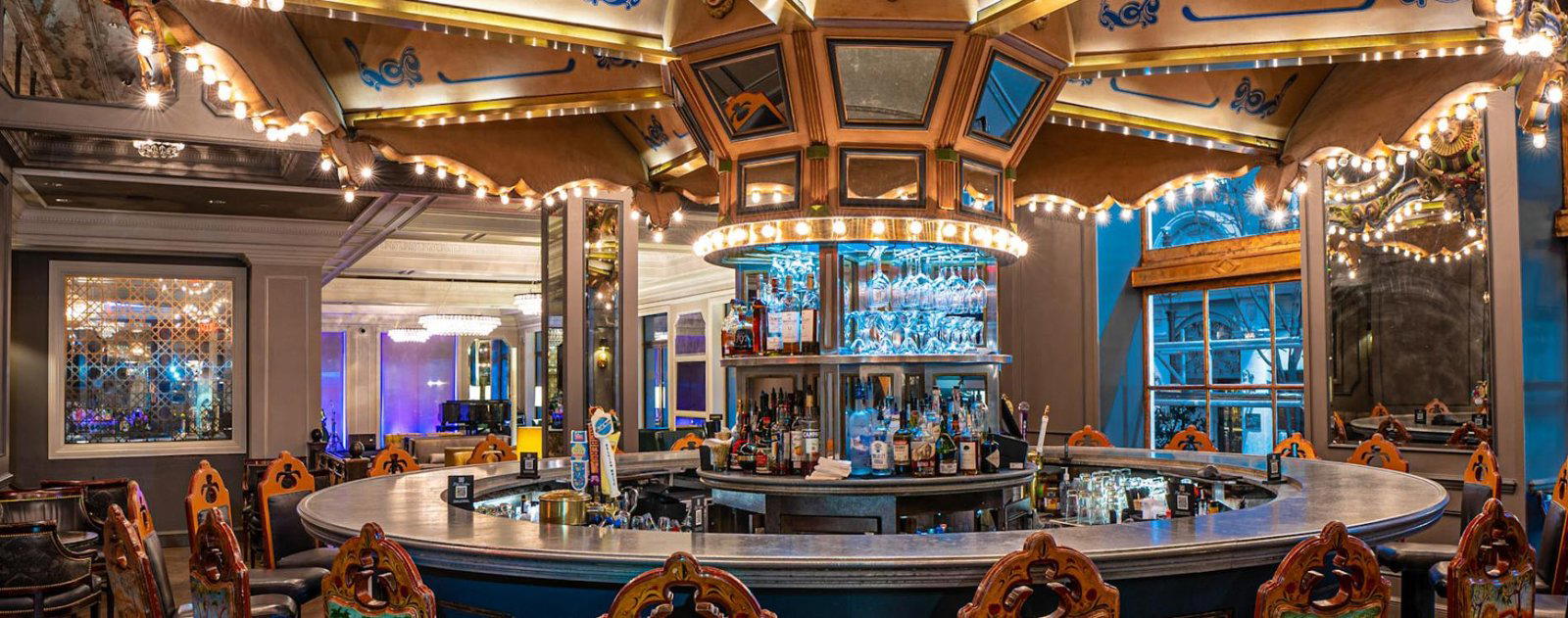
Fun, fresh atmosphere recalling the Huey P. Long era with historic French Quarter charm.